A little know-how.
A simpler routine.
Clear, photo-led guides to the everyday things you do for your hair. Find when to use each technique, how long it takes, and exactly what to do.
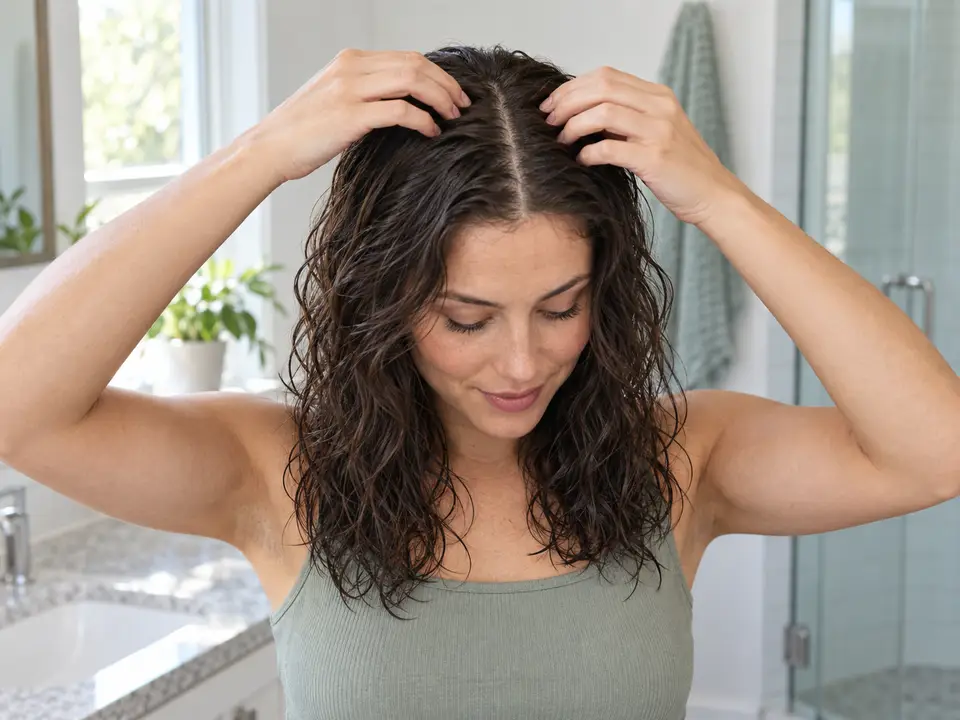
Find a washing method for loose hair, sections, braids, twists or mature locs.
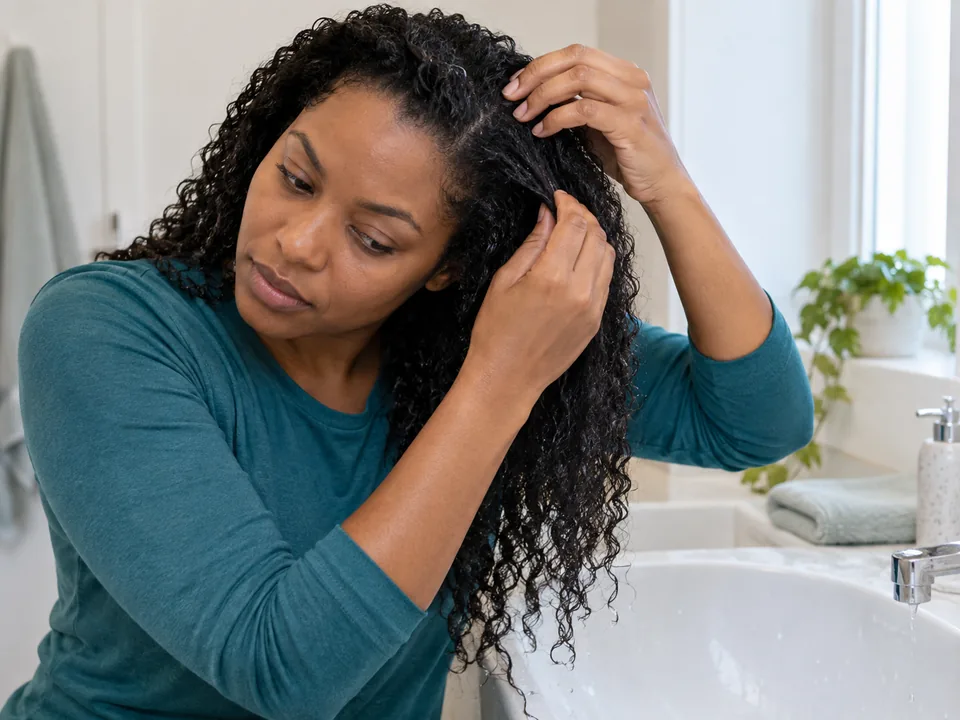
Double-cleanse in one wash
A double cleanse is two complete shampoo-and-rinse passes during one wash, with the second used only when needed and label-permitted.
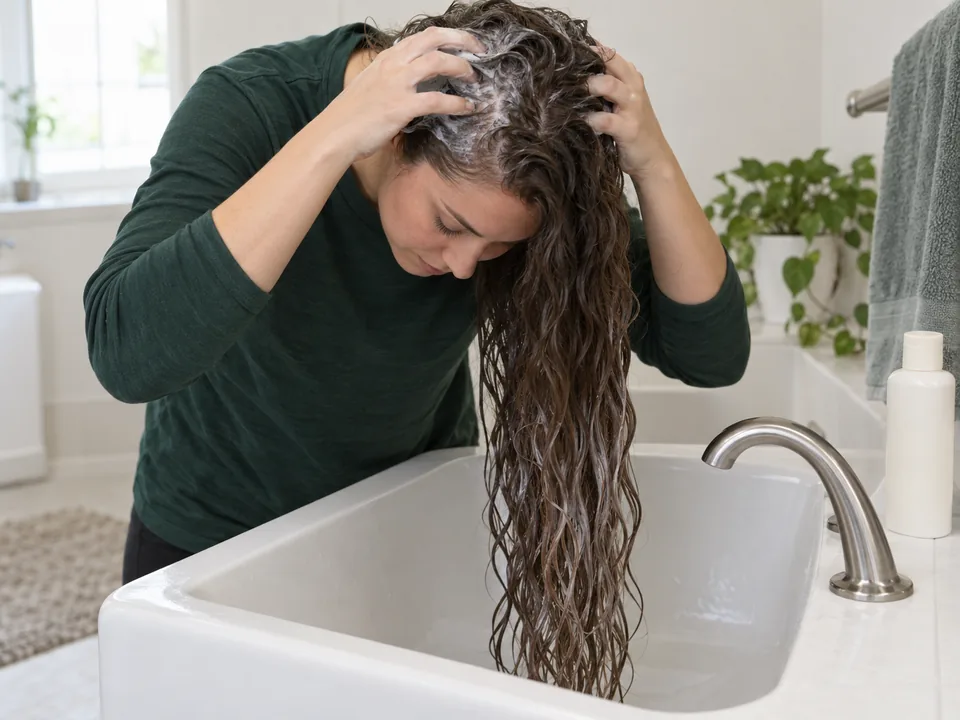
Protect lengths during a frequent wash
Pre-shampoo length conditioning applies rinse-out conditioner to the mids and ends, rinses it out, then cleanses the scalp with shampoo.
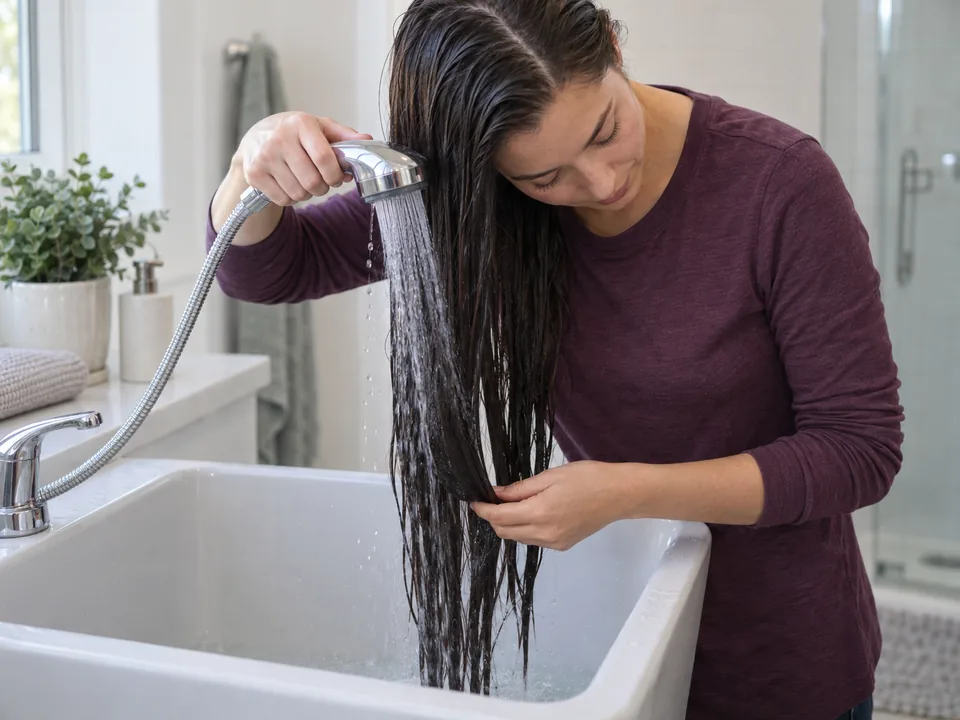
Rinse shampoo and conditioner completely
Complete rinsing moves water systematically through roots, hidden areas, lengths and ends until an ordinary rinse-out shampoo or conditioner is gone.
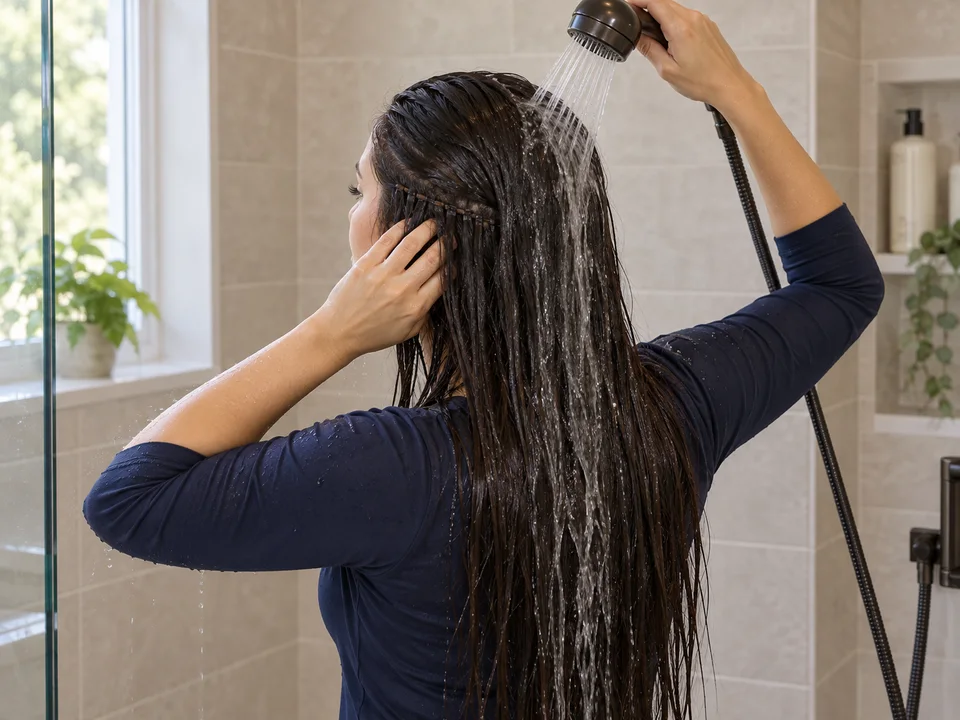
Wash and dry installed extensions
Installed-extension washing cleans the scalp and attached lengths without scrubbing bonds, then dries the attachment areas completely.
Compare rinse-out, leave-in and pre-wash application methods.
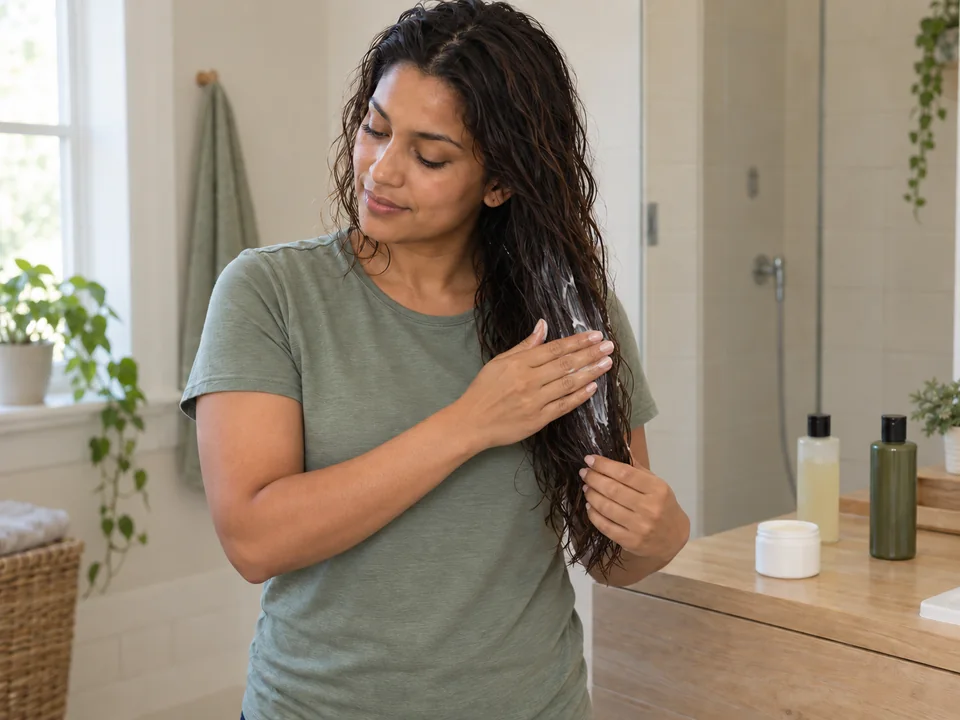
Apply a pre-shampoo conditioning mask
A pre-shampoo conditioning mask is a hair-length treatment used before cleansing for softness and manageability.
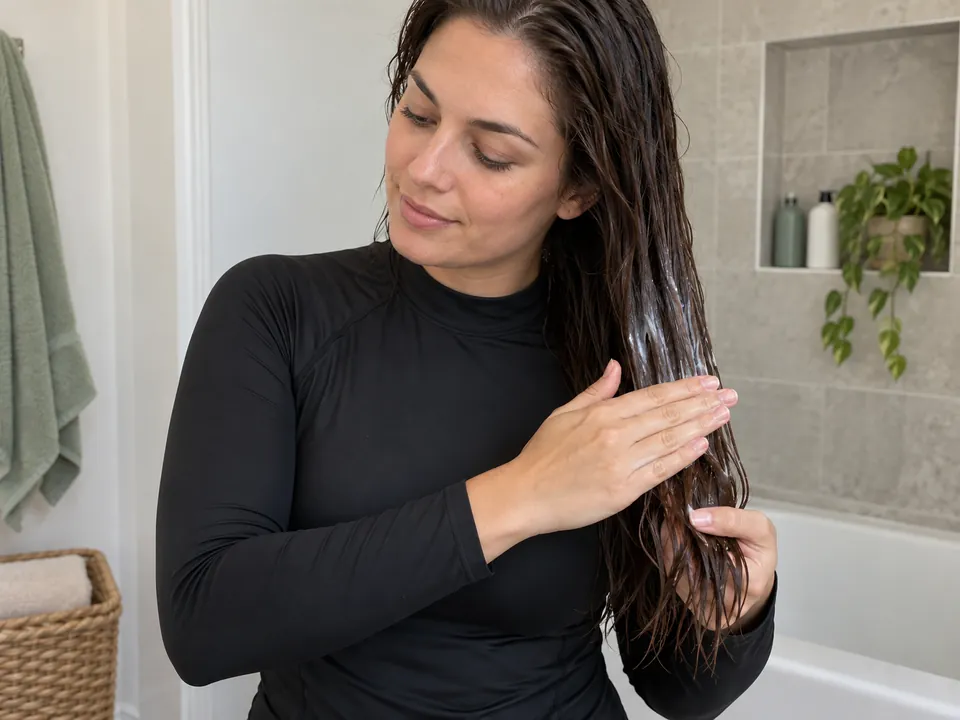
Apply a clear rinse-out gloss
A clear rinse-out gloss is a no-pigment conditioning treatment used for temporary feel and shine.
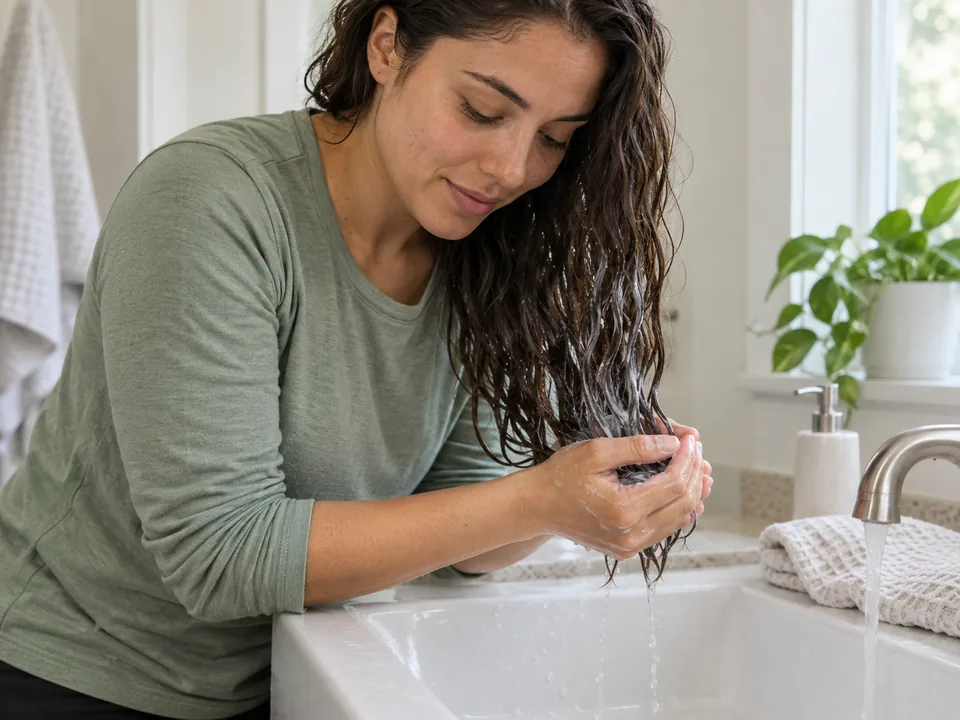
Squish conditioner into waves
Squish-to-condish presses water and rinse-out conditioner upward through wet wavy lengths while forming curl groups, then rinses as directed.
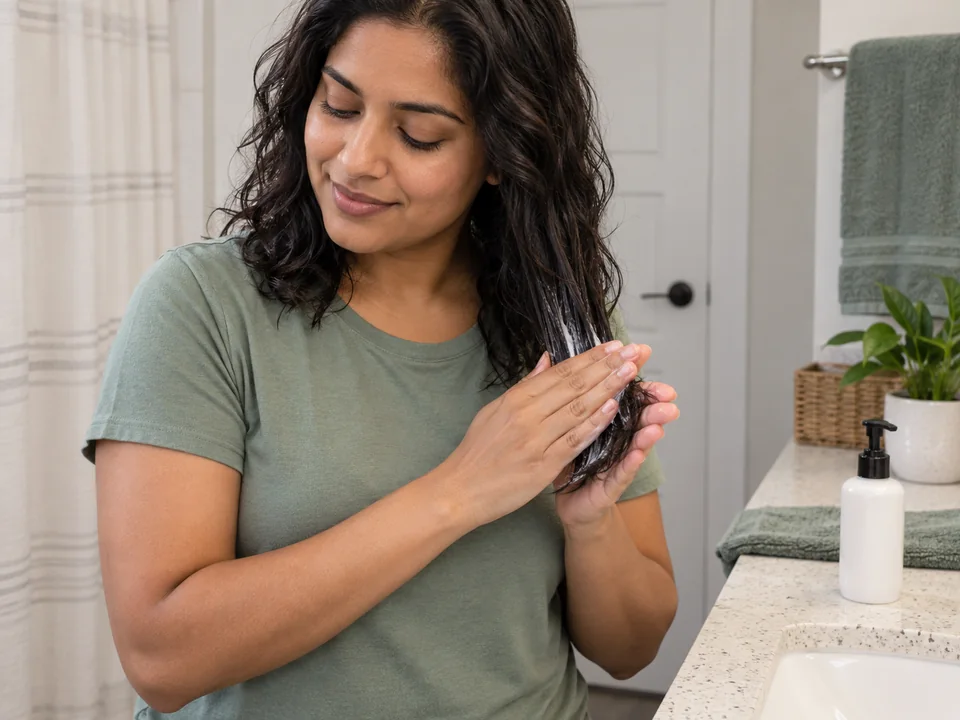
Apply a leave-in bond-care treatment
Leave-in bond care applies a labeled treatment that stays on hair at a specified point in the wash routine.
Place a cosmetic scalp product where its directions call for it.
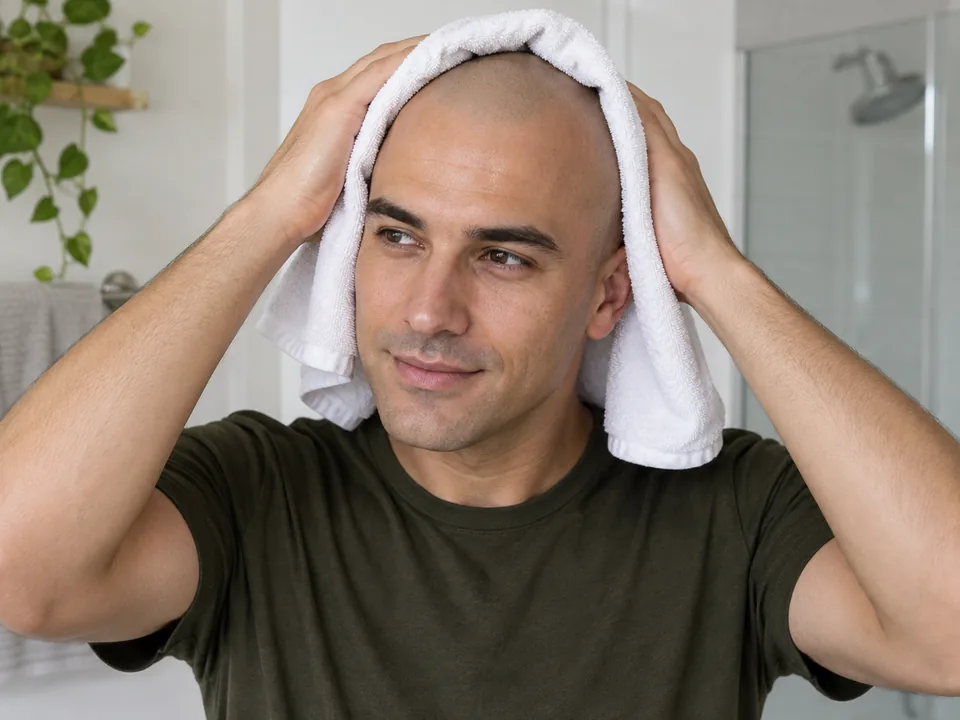
Wash and moisturize a shaved head or short regrowth
Shaved-head care gently washes visible scalp and very short regrowth, then adds optional cosmetic moisture and sun cover.
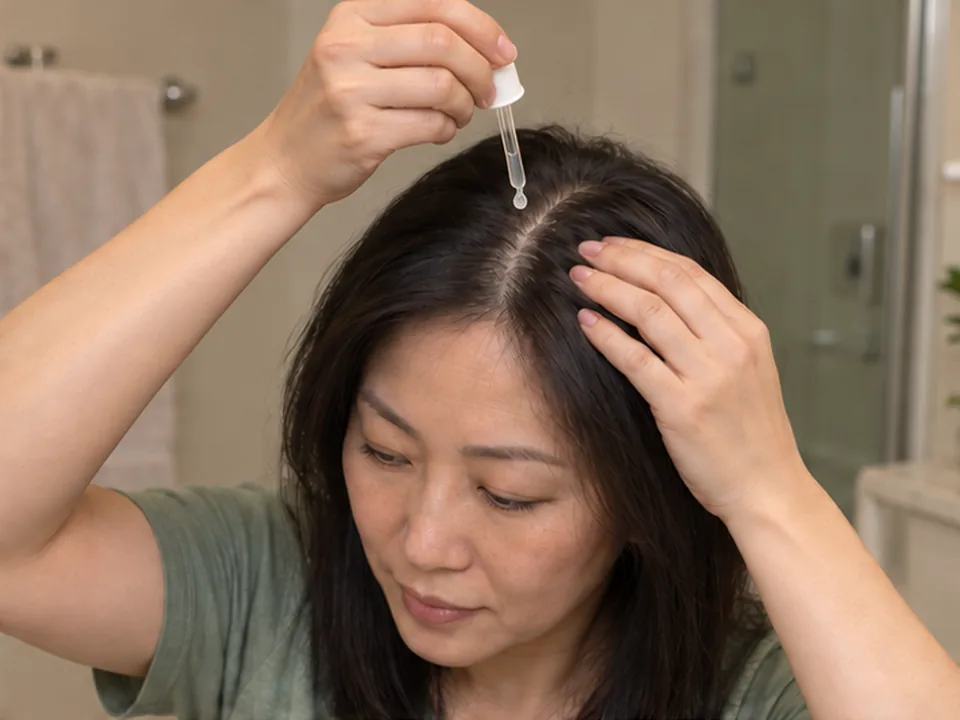
Apply a cosmetic scalp serum along parts
Part-by-part scalp application places a cosmetic moisturizing serum on the skin beneath the hair through small gaps in the hair.
Choose a way to separate tangles, organize sections or take down braids.
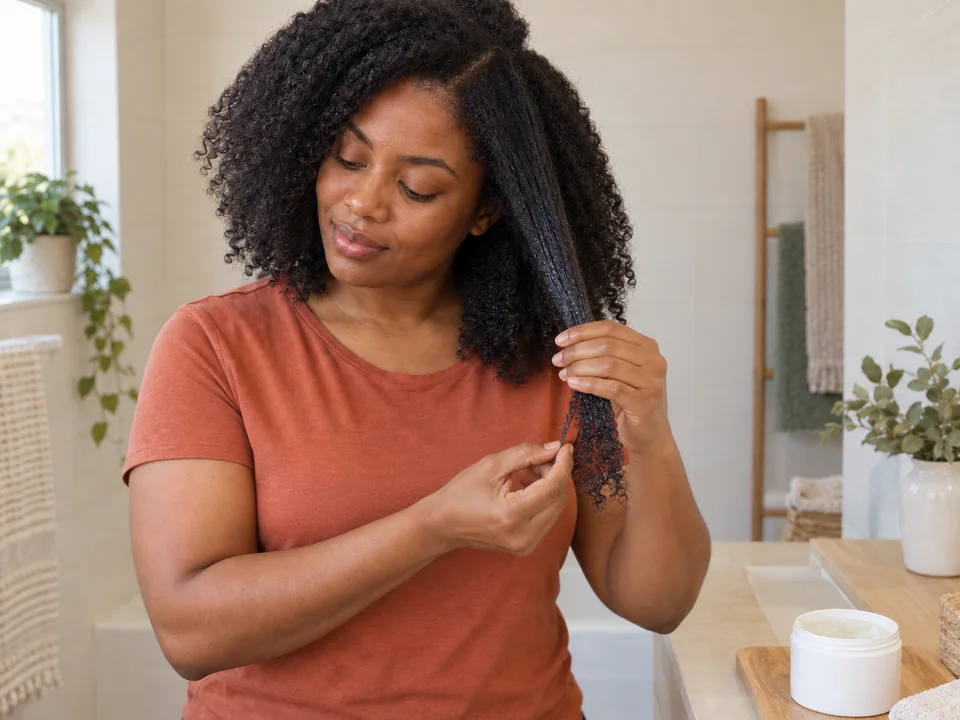
Detangle before shampoo with a pre-poo
Pre-poo detangling uses a product made for use before shampoo to help fingers or a comb move through ordinary tangles.
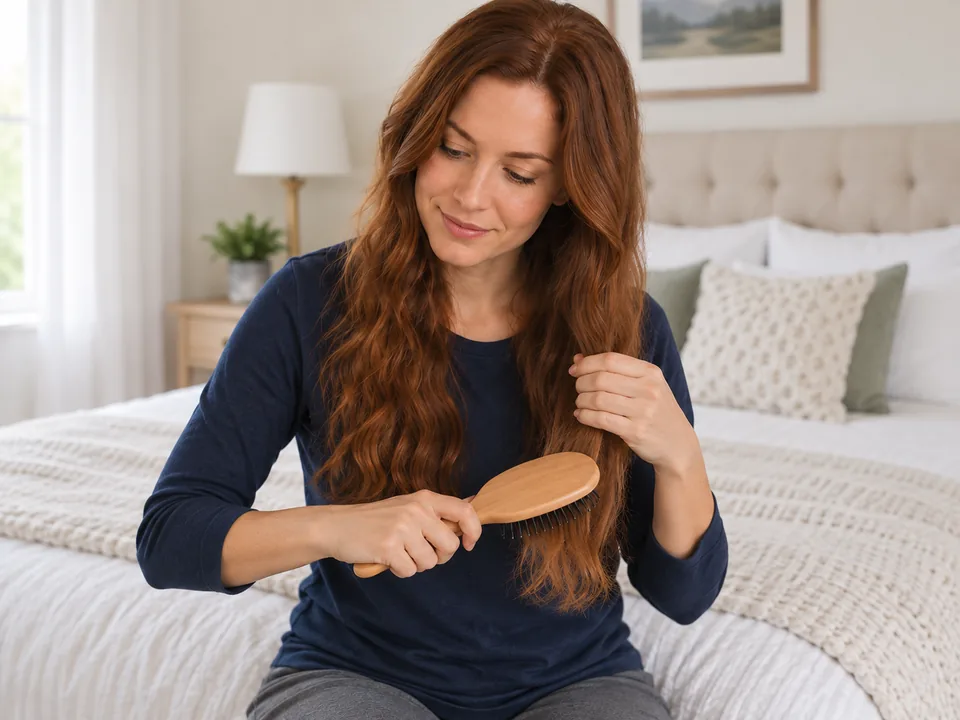
Brush dry straight or wavy hair without pulling
Gentle dry brushing detangles straight or wavy hair in supported short passes from the ends upward.
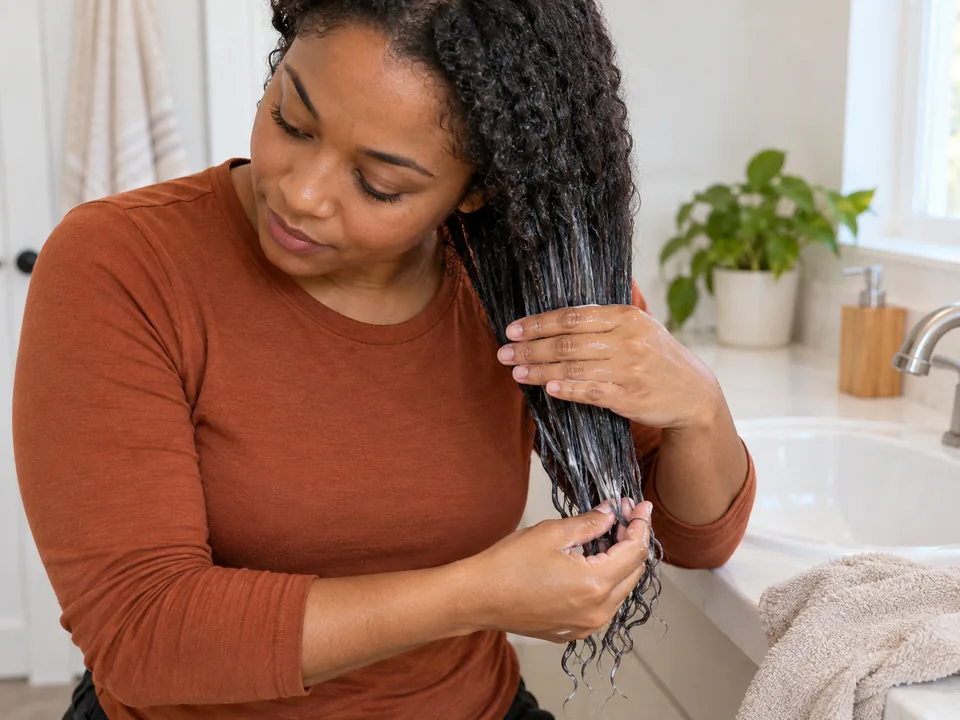
Handle the line between new growth and treated lengths
Demarcation-line handling supports the boundary between new growth and chemically treated lengths during conditioned ends-up detangling.
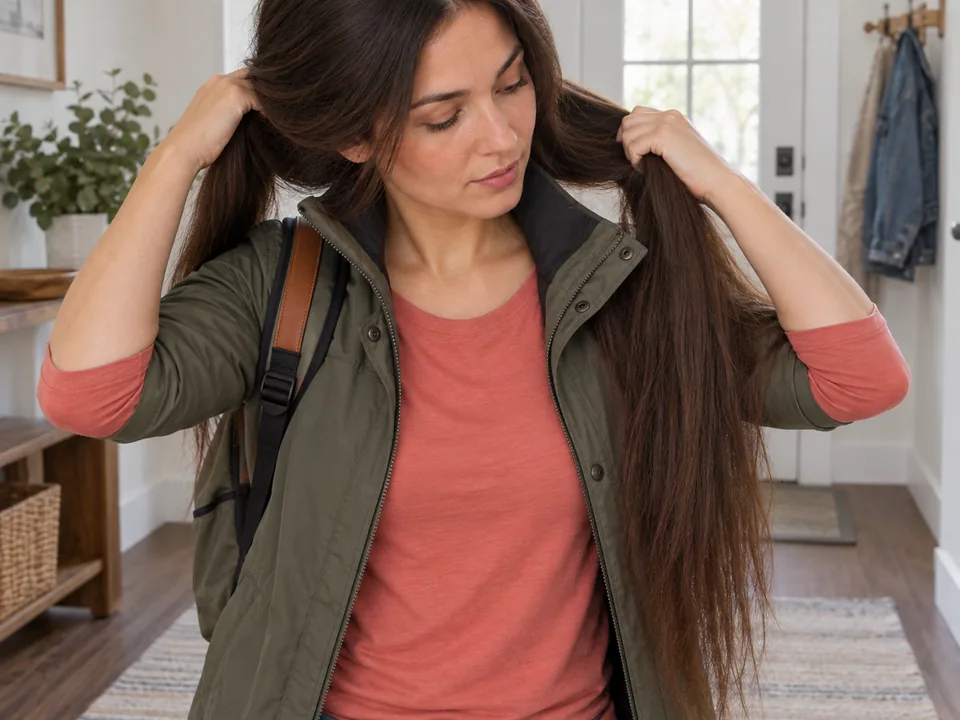
Prevent nape tangles while wearing long hair down
Nape-tangle prevention keeps the underside of long hair smooth, dry and loosely contained during higher-friction periods.
Match the application method to your styler and the area you want to cover.
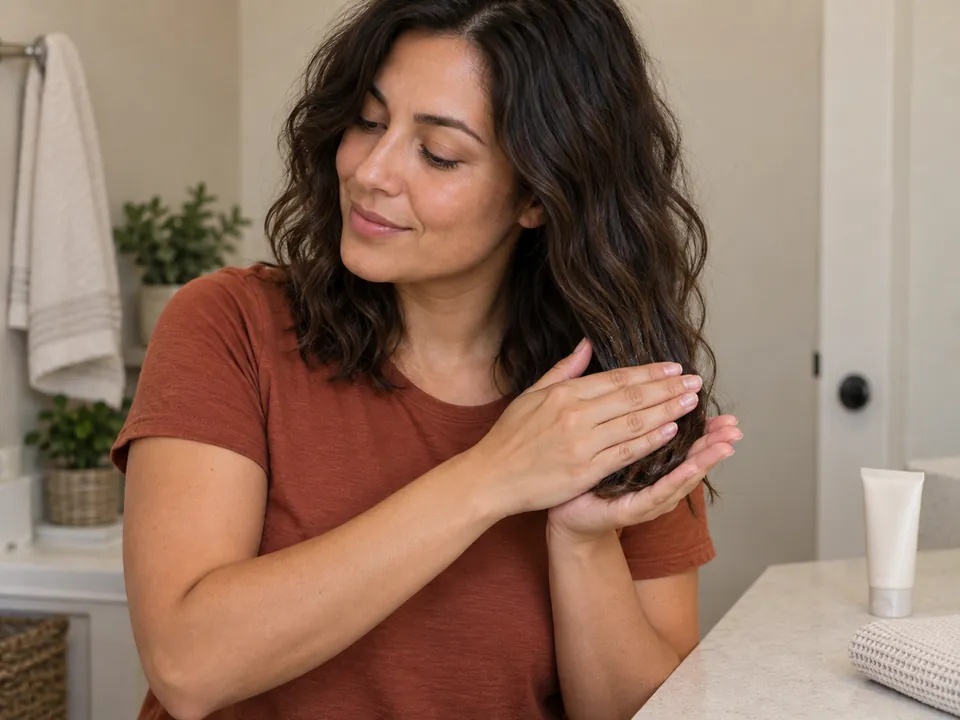
Adjust styling product amount
Small-section dosing checks how a label-directed styling amount distributes before more product is added.
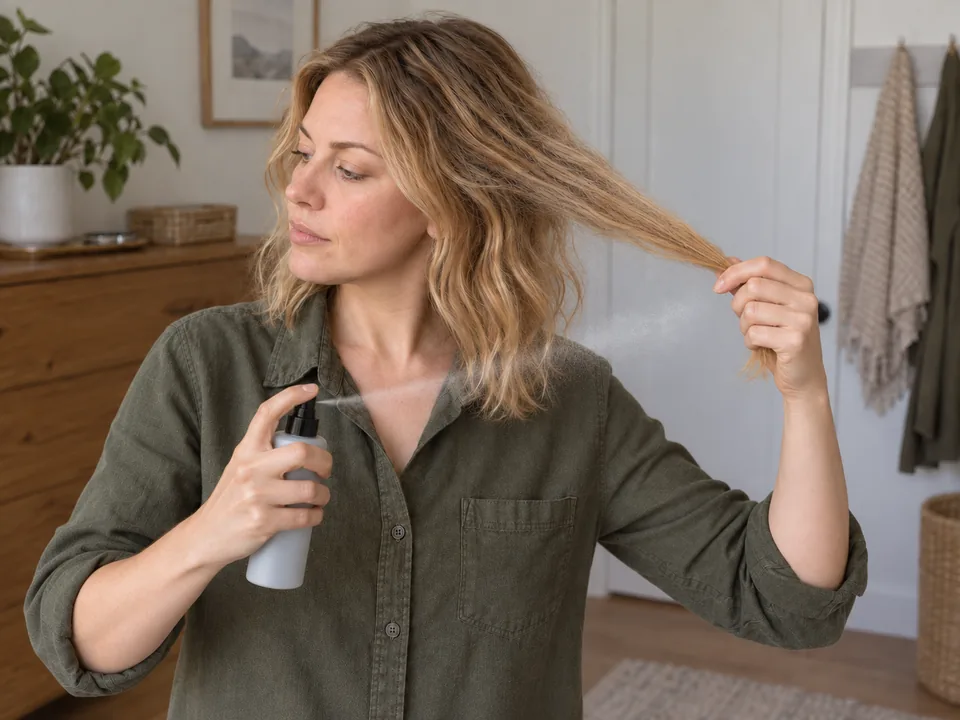
Apply a texturizing or sea-salt spray
Texturizing-spray application distributes a label-directed spray through selected lengths before squeezing or twisting for grip and separation.
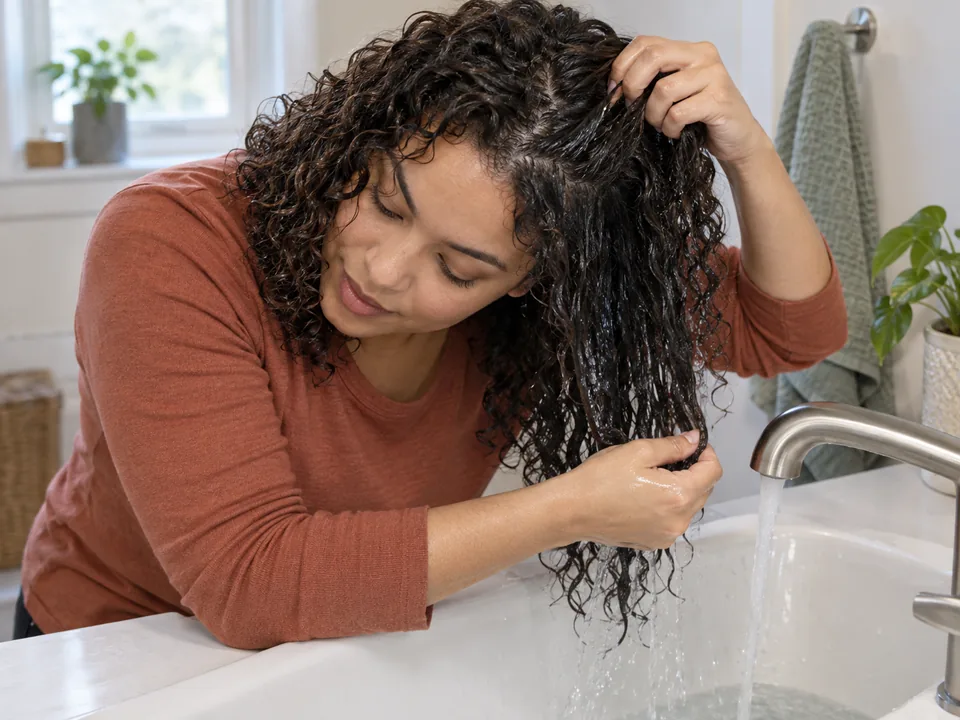
Fully saturate hair before applying styling products
Pre-styling saturation wets loose hair thoroughly from roots through ends before styling product is applied.

Plan product skin and strand checks
A pre-use check plan separates a product’s skin-reaction instructions from its hair-strand result instructions.
Compare removing excess water, air-drying and dryer-assisted methods.
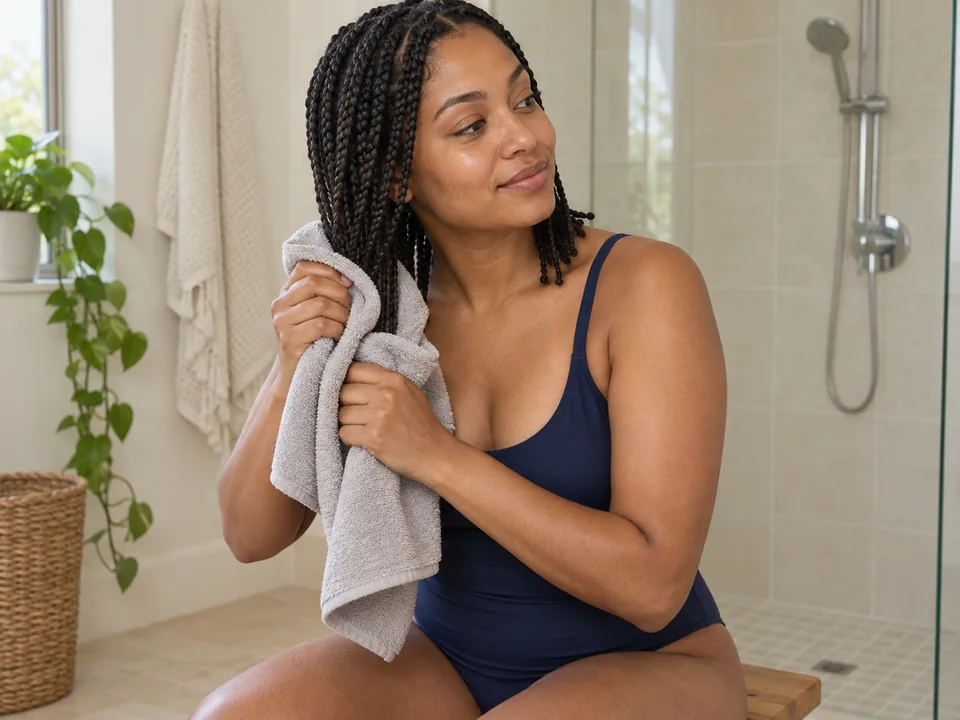
Dry braids or twists after washing
Drying installed braids or twists combines gentle water removal with open-air drying, paying attention to the roots and inner layers.
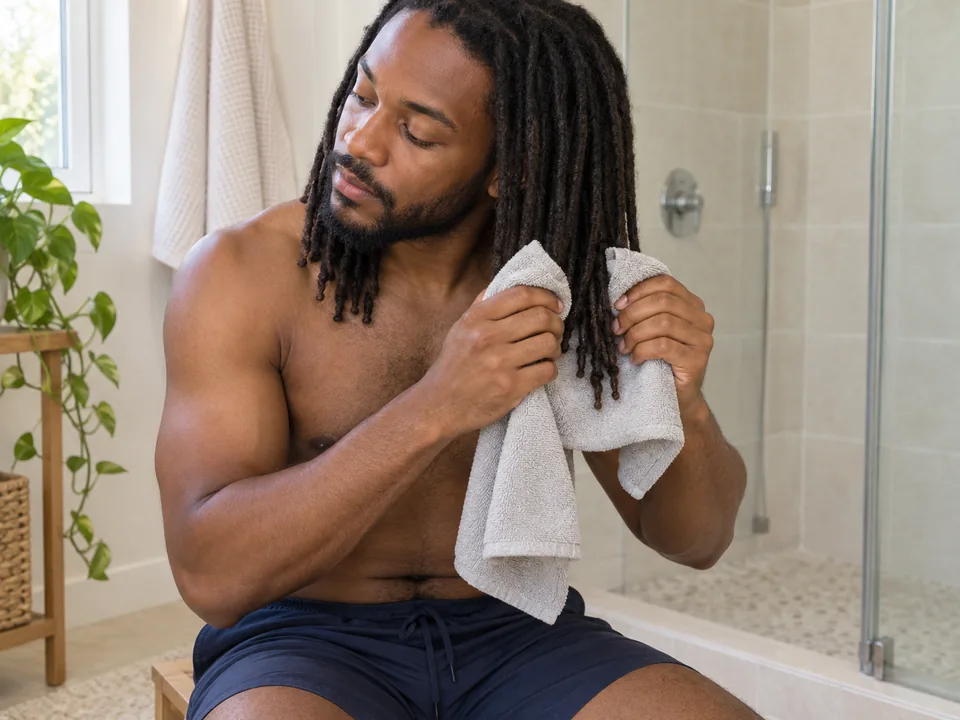
Dry mature locs after washing
Mature-loc drying removes excess water without wringing, then allows established locs to dry through before they are covered or tied.
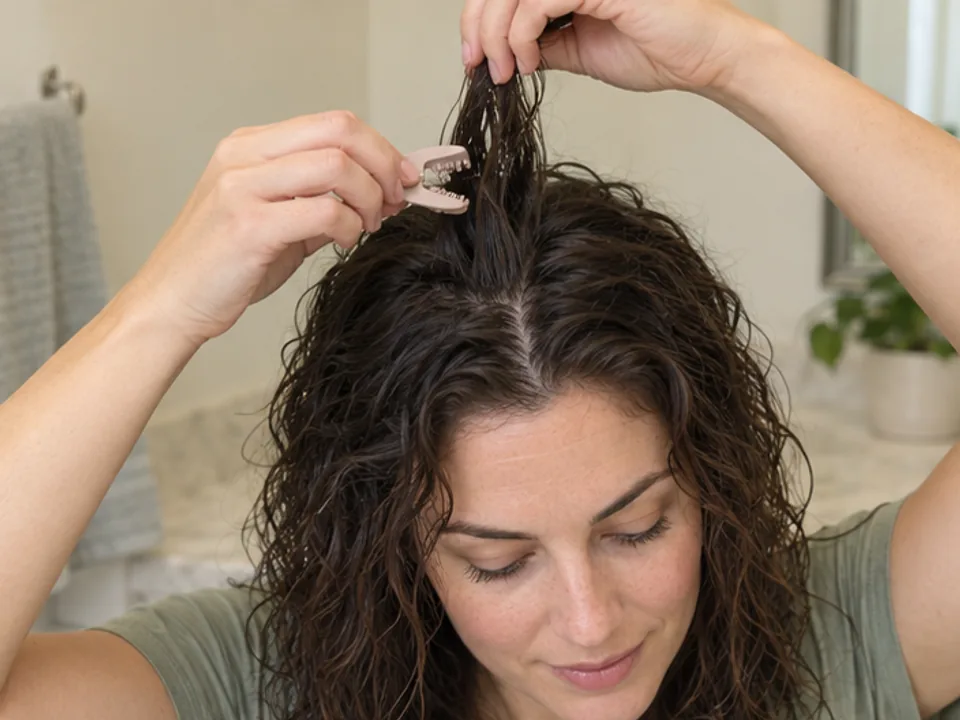
Clip your roots while air-drying
Root clipping holds selected damp wave or curl sections away from the scalp with small clips while the hair air-dries.
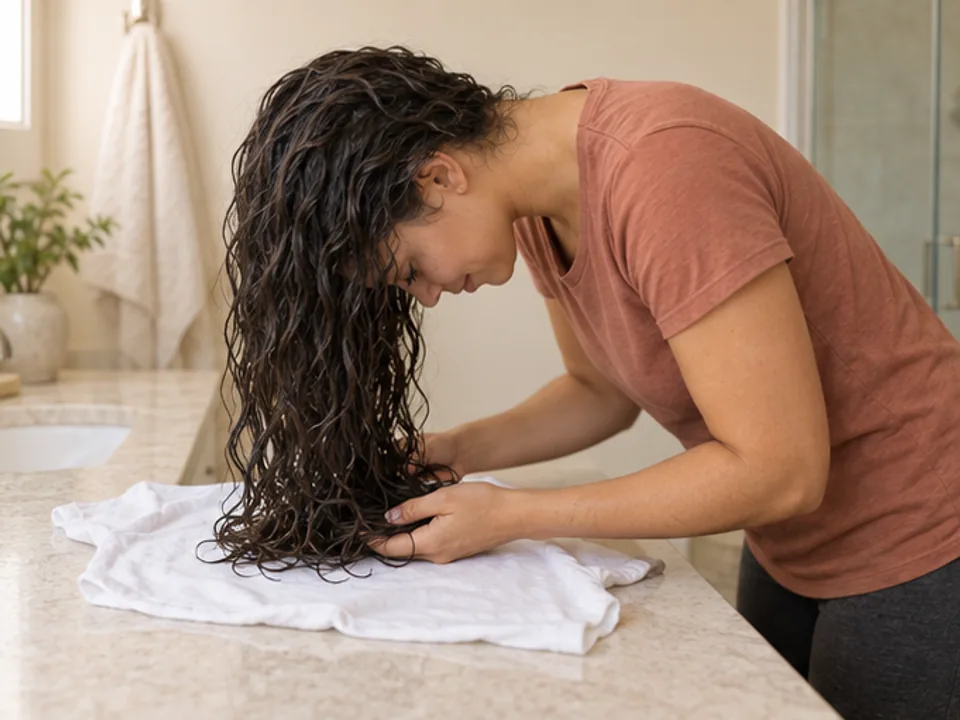
Plop waves or curls with a T-shirt
T-shirt plopping gathers damp waves, curls or coils inside a soft cotton shirt for a temporary wrapped stage before the hair finishes drying.
Check the exact tool, starting state and temperature scope before choosing.
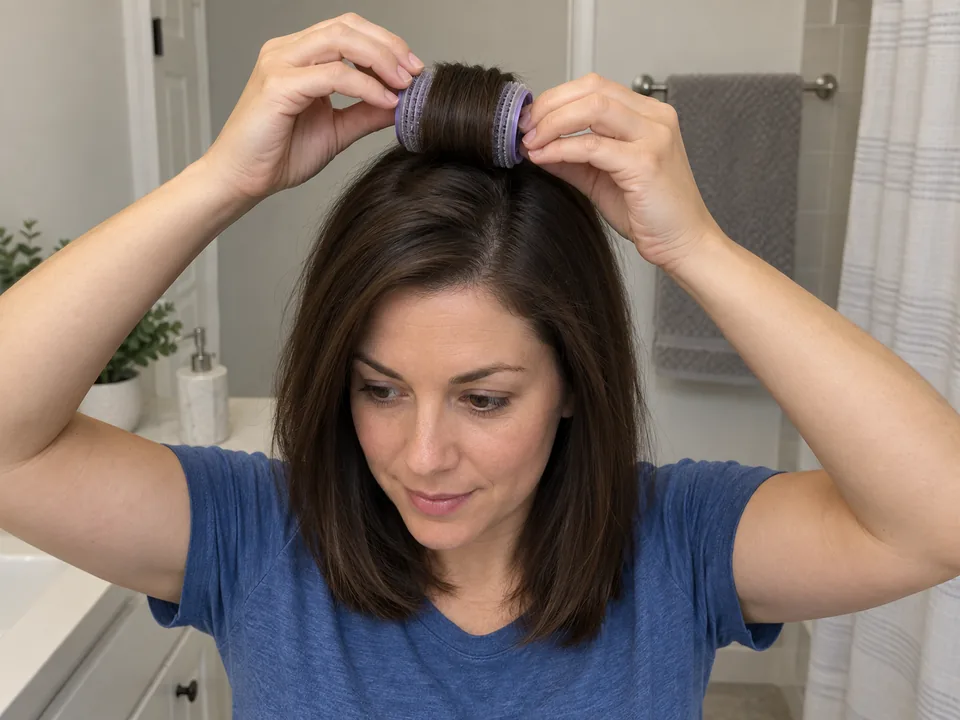
Set volume with self-gripping rollers on dry hair
A dry self-gripping roller set holds lifted sections around rollers while the hair cools and settles.
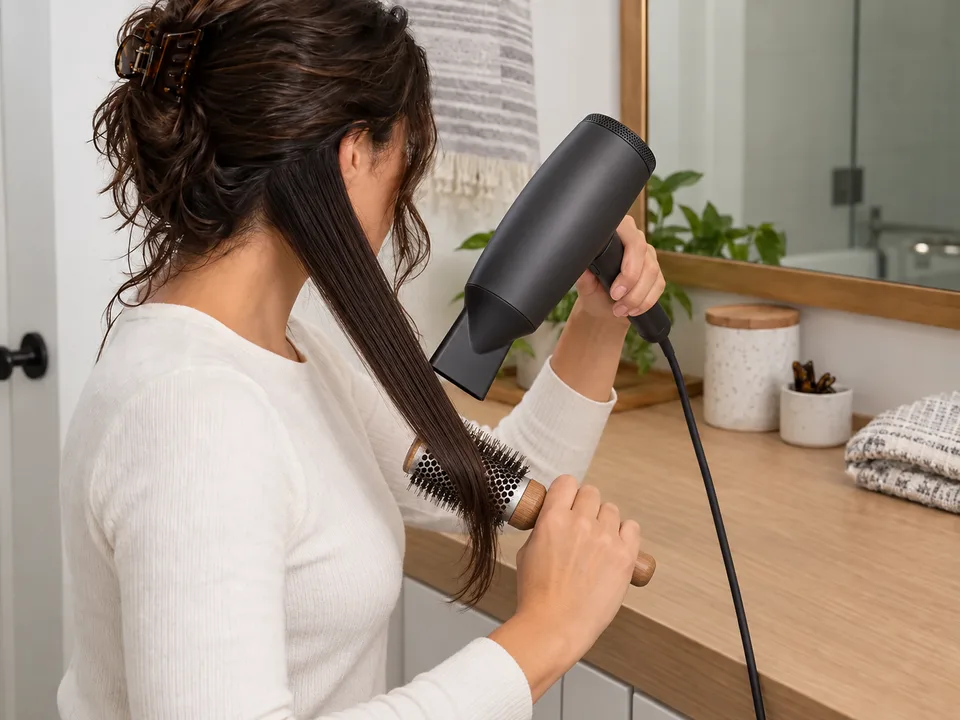
Blow-dry with a round brush
A manual-confirmed unheated cool-air round-brush pass guides one mostly dry section straight toward the ends without winding hair around the barrel.
Compare curl-setting methods, loose everyday styles and temporary additions.
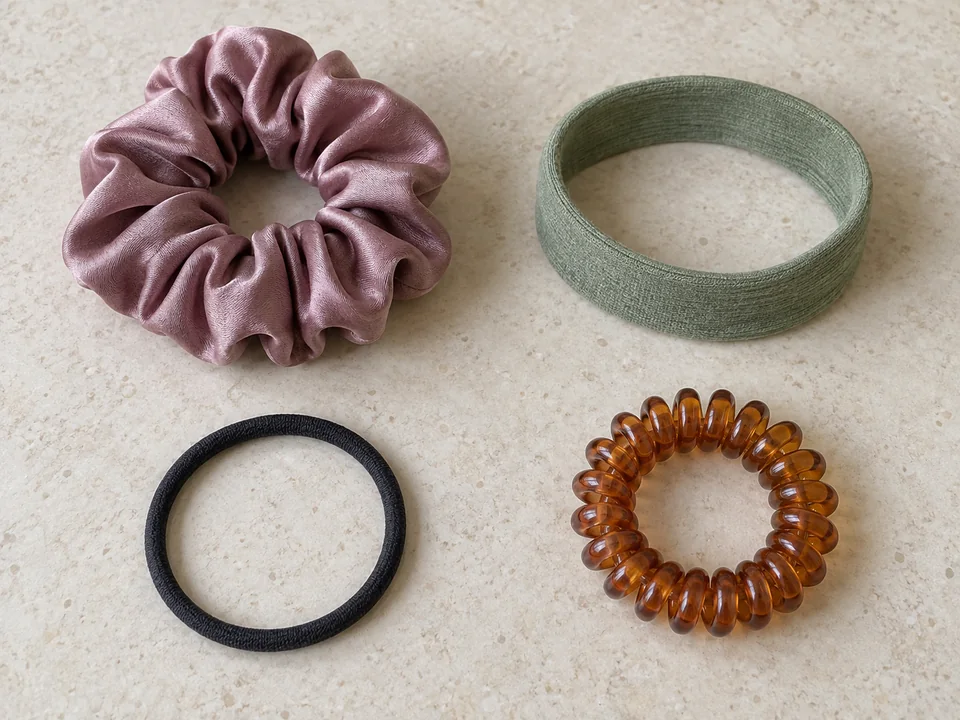
Tie choice and tension
Tie choice and tension means matching a hair tie’s material, size and number of wraps to the gathered hair for a comfortable hold.
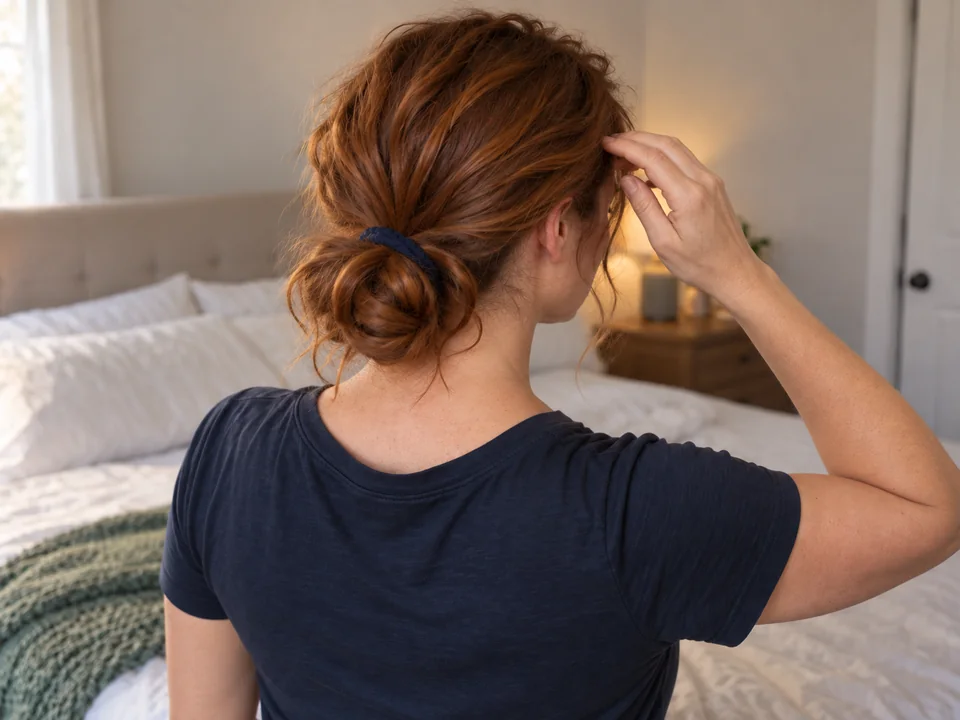
Vary bun position
Varying bun position means changing where a loose bun is anchored between wears, so the hair is not always gathered and held in the same place.
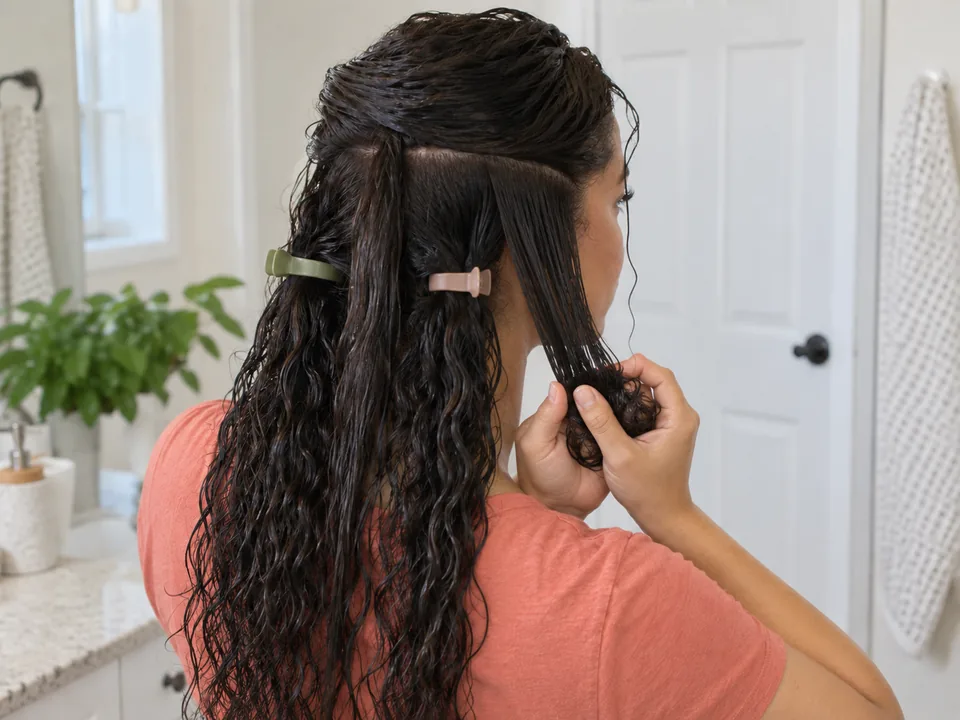
Blend a straighter top layer with wavier underlayers
Mixed-pattern blending wet-sets only the straighter canopy so it dries closer to the wave pattern underneath.
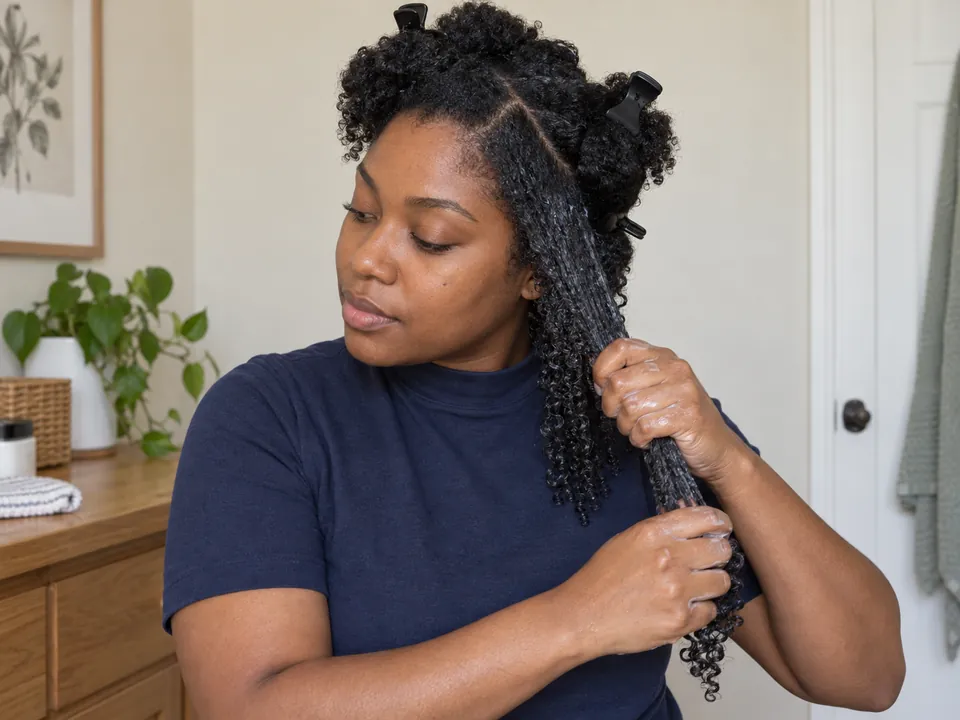
Do a wash-and-go on coily hair
A coily wash-and-go styles conditioned wet coils in sections, then dries them without setting twists, braids or rollers.
Choose a finishing touch or a targeted refresh between washes.
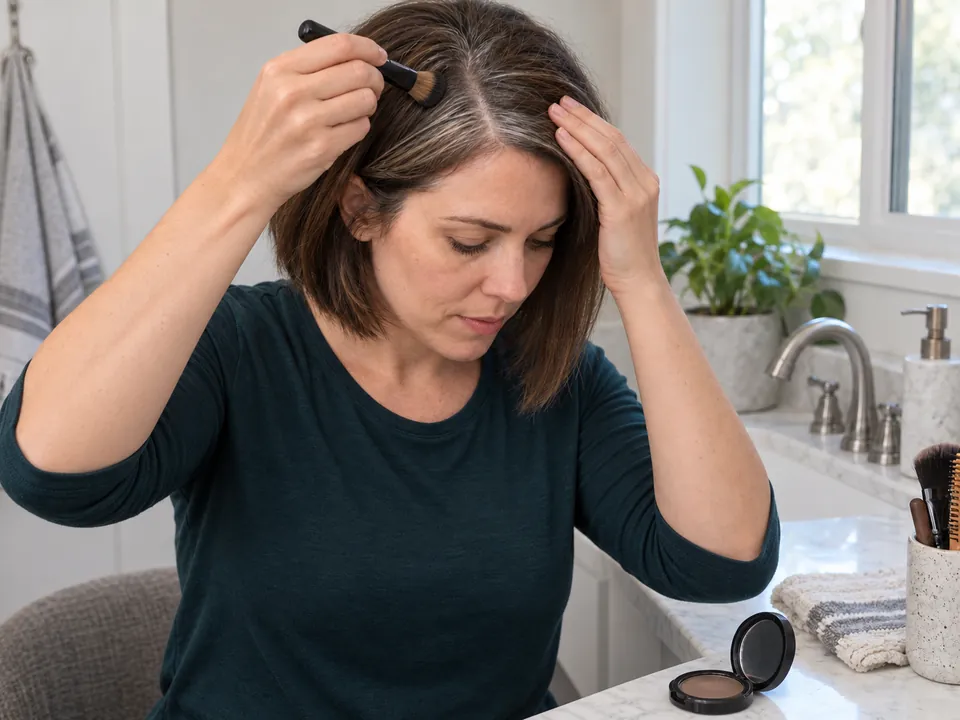
Apply temporary root powder
Temporary root powder is pressed onto dry roots with its supplied brush to change their visible color until washing.
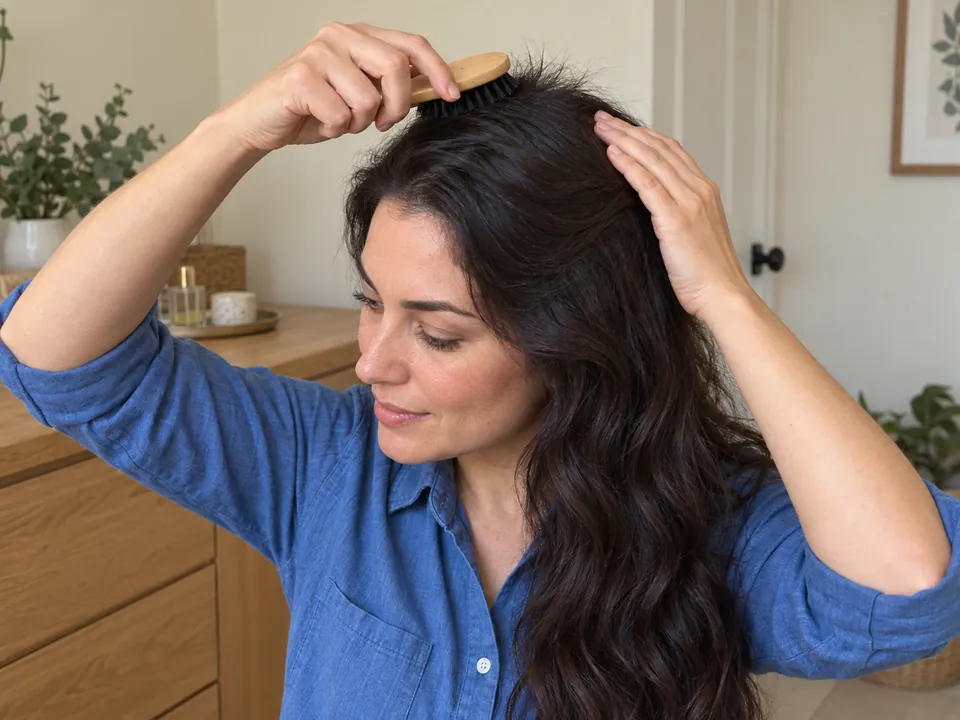
Blend short hairs into a style
Short-hair blending guides reachable shorter hairs into the surrounding dry style with light product and a small brush or fingers.
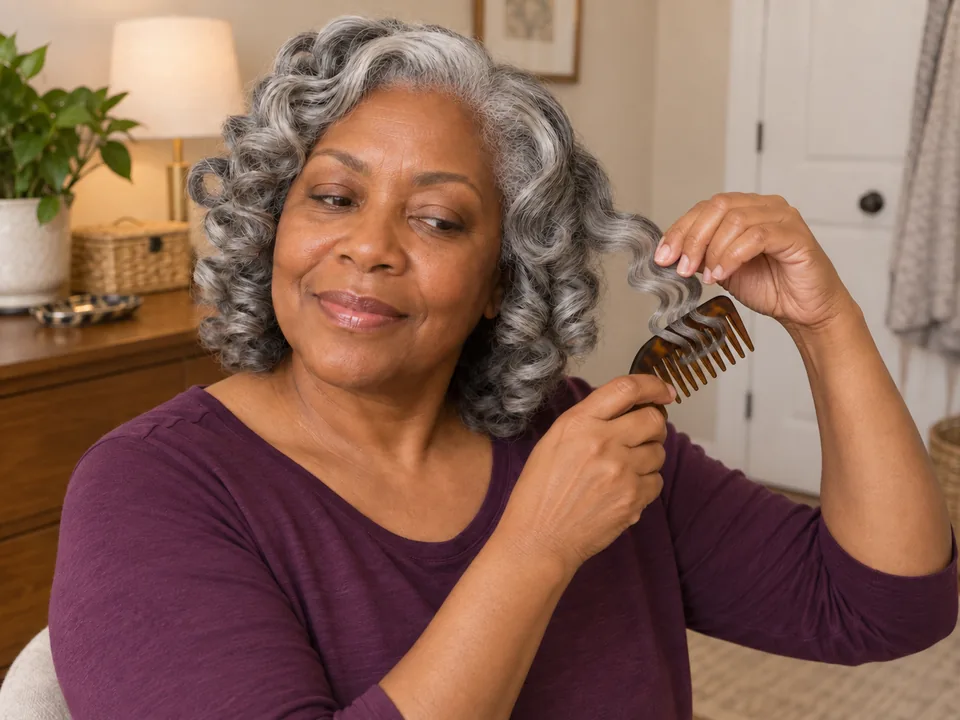
Brush out a curl set into soft waves
A curl-set brush-out separates fully cool curls with fingers, a wide-tooth comb or a soft brush to make a softer wave pattern.
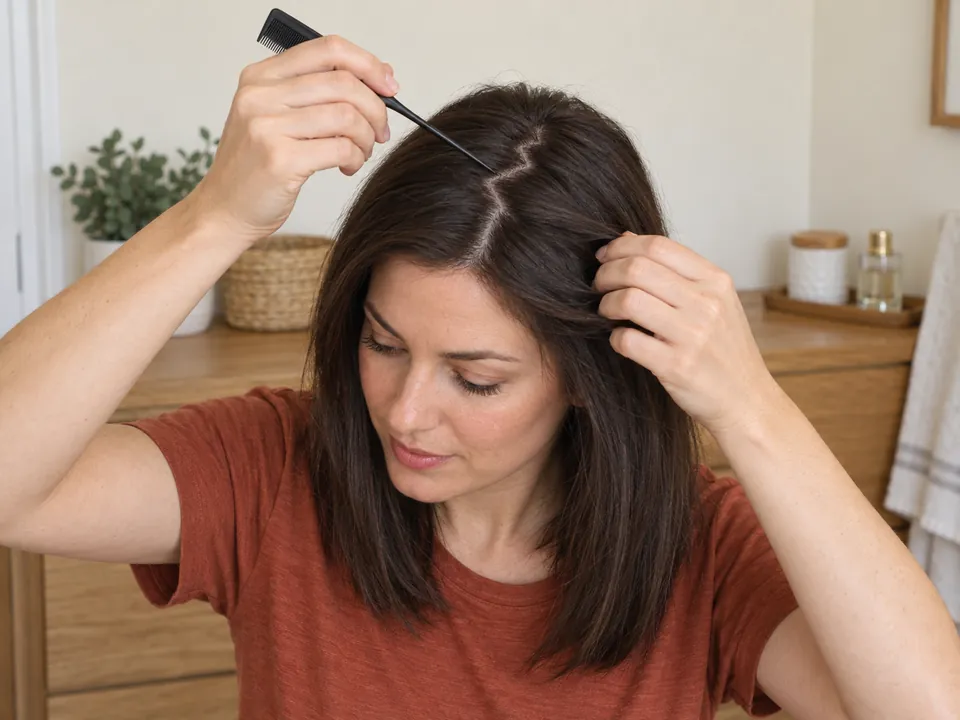
Change or zigzag your part
Part changing moves the visible root line, while a zigzag part breaks that line into small alternating sections.
Compare loose overnight containment with a bonnet, scarf, wrap or tie.
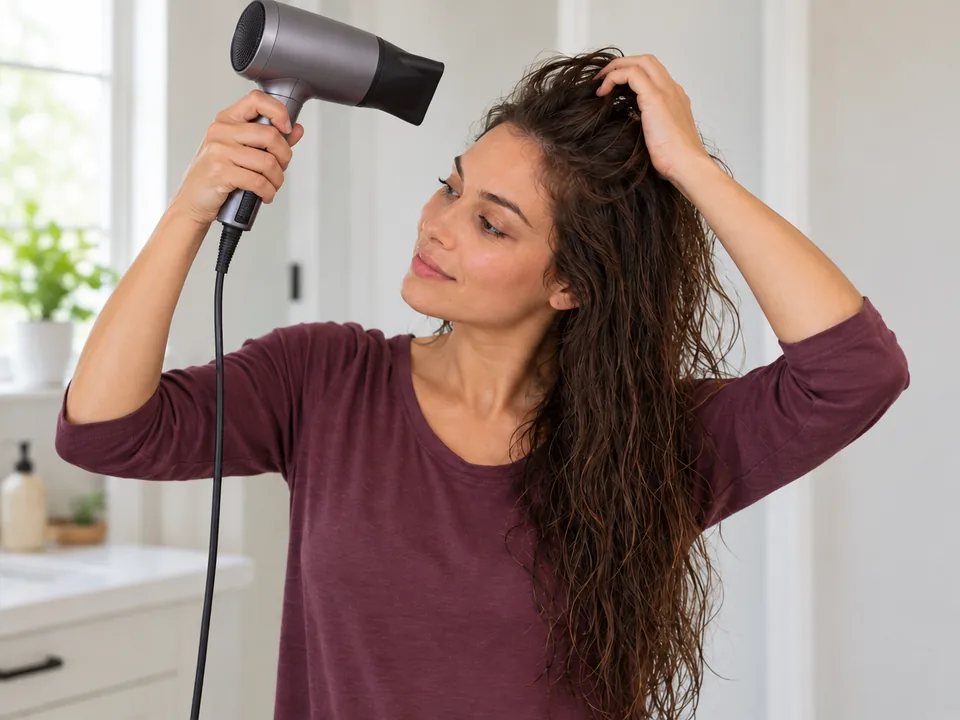
Prepare damp hair for bed when it cannot fully dry
Damp-hair bed preparation removes drips, prioritizes root drying and leaves remaining damp lengths loose on a dry pillow layer.
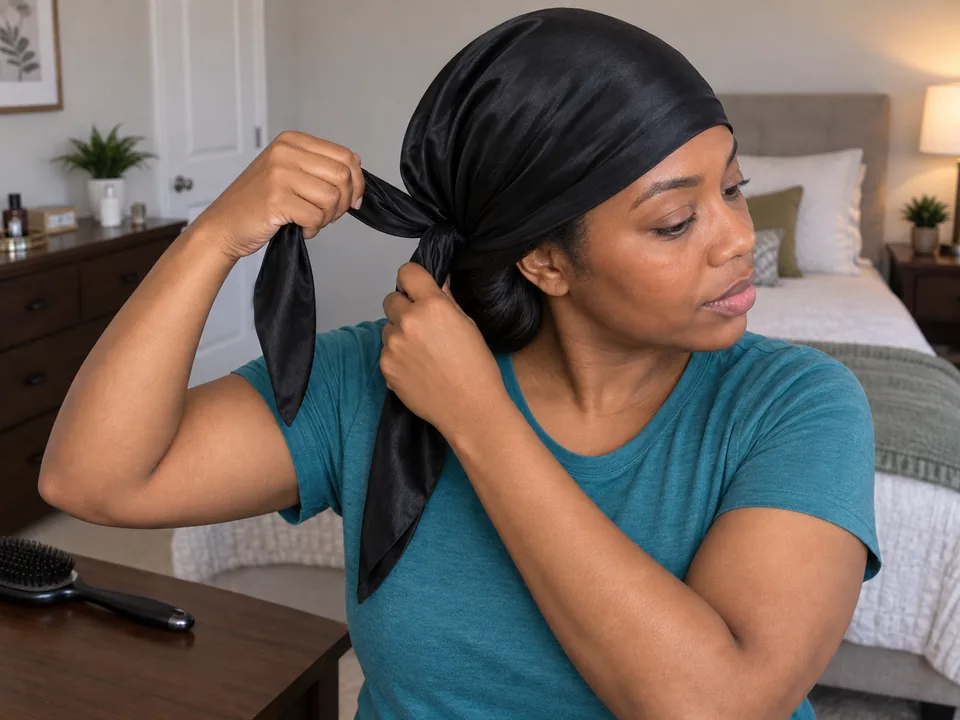
Preserve a blowout or silk press between washes
Smooth-style preservation keeps a dry blowout or silk press loosely contained overnight and resets only dry roots between wears.

Wear a hat or beanie over your style
Hat-style preparation uses a comfortable fit, smooth lining and loose arrangement to reduce pulling, rubbing and flattening under an ordinary hat.
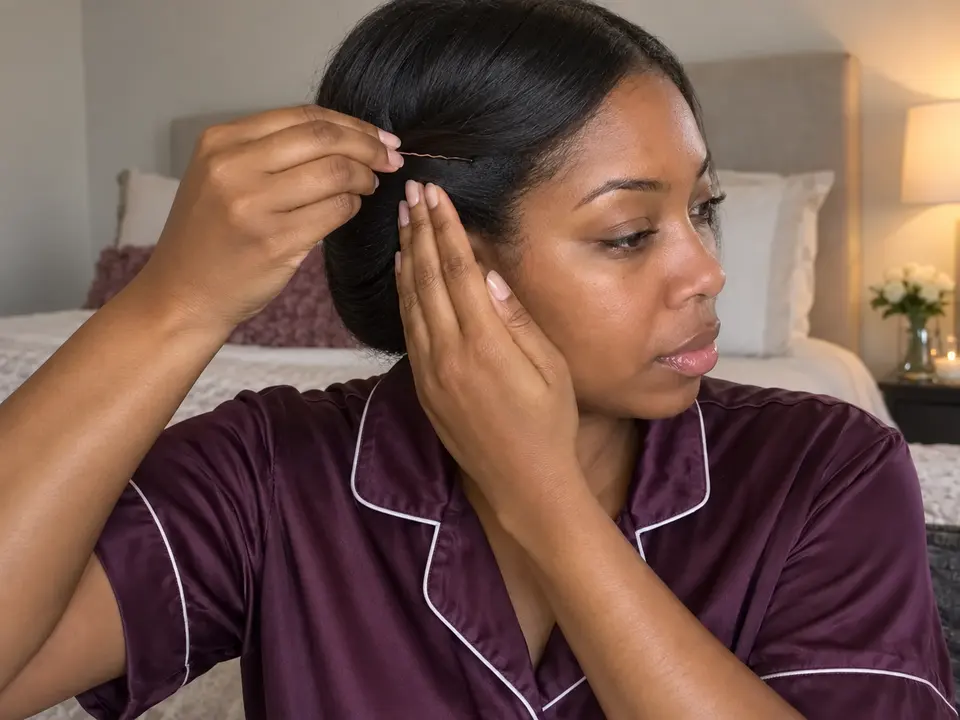
Wrap a straight style for sleep
An overnight method that holds dry straight hair in a directional wrap around the head beneath a sleep scarf.
Find the right step before swimming, after swimming or under a hair covering.
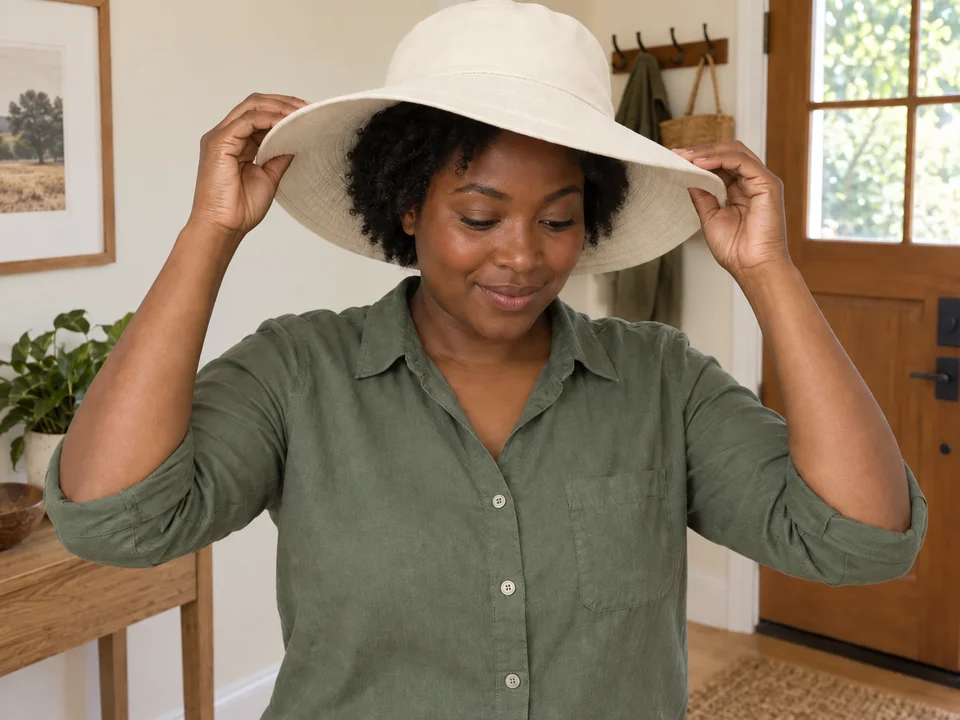
Cover your scalp in the sun
A well-fitting wide-brim hat covers exposed scalp and adds shade around the head.
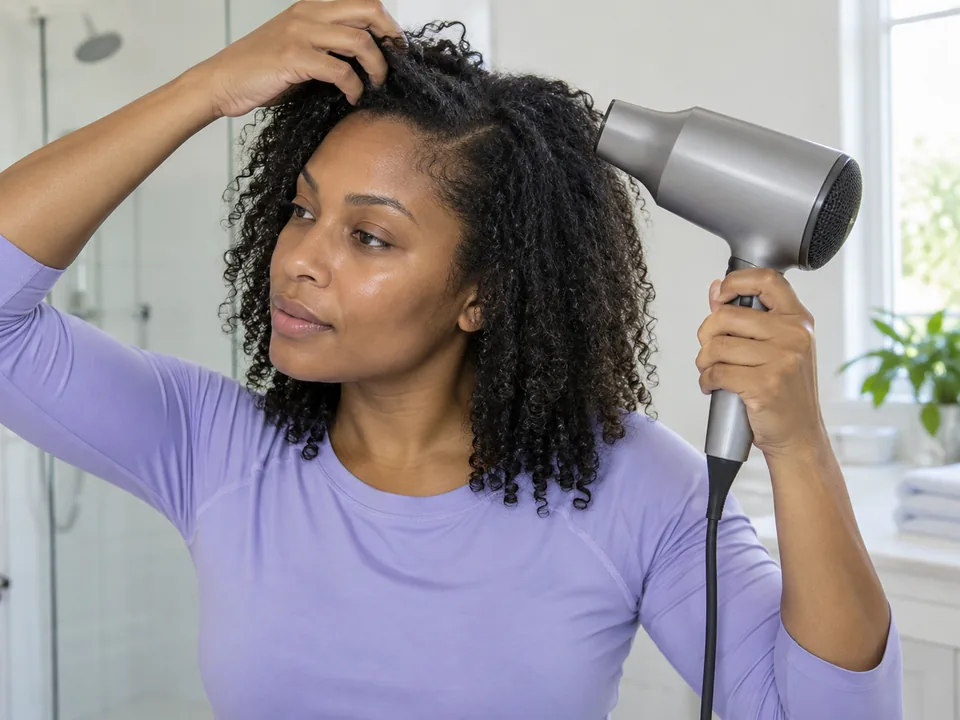
Refresh sweaty hair after exercise without washing
A post-exercise hair refresh removes surface sweat from the roots and scalp area with blotting and drying, without a full wash.
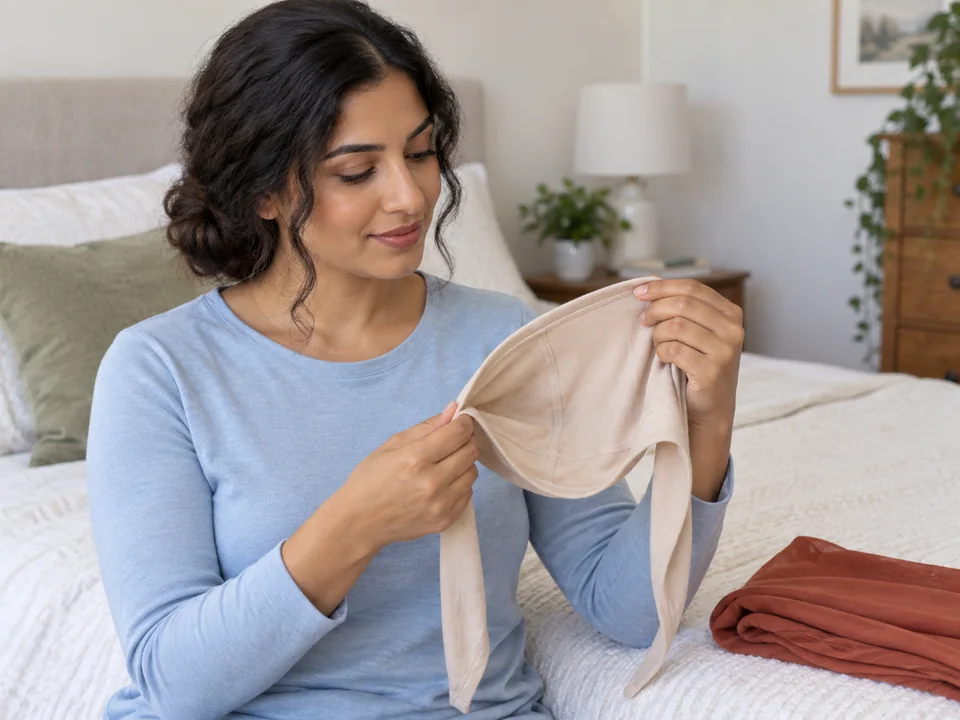
Fit a hair-covering liner
A hair-covering liner is a separate soft layer fitted over arranged hair before an everyday outer covering is added.
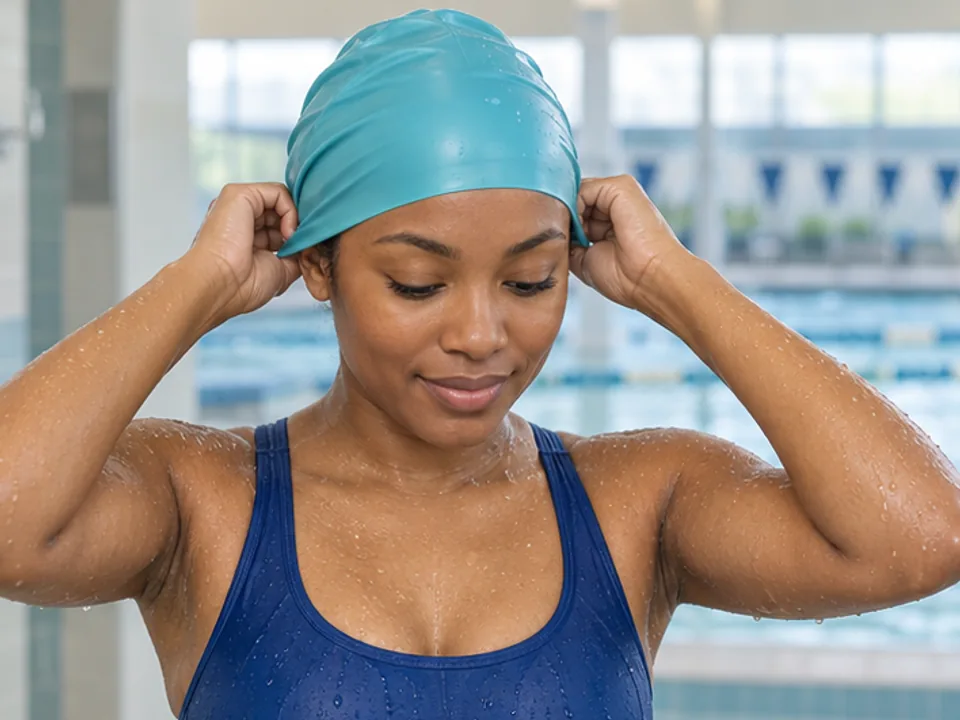
Prepare your hair for swimming
Swimming preparation wets loose hair with fresh water and contains it in a comfortably fitting swim cap before entering the water.
Care for brushes, dryer filters, sleep fabrics and removable hair pieces.
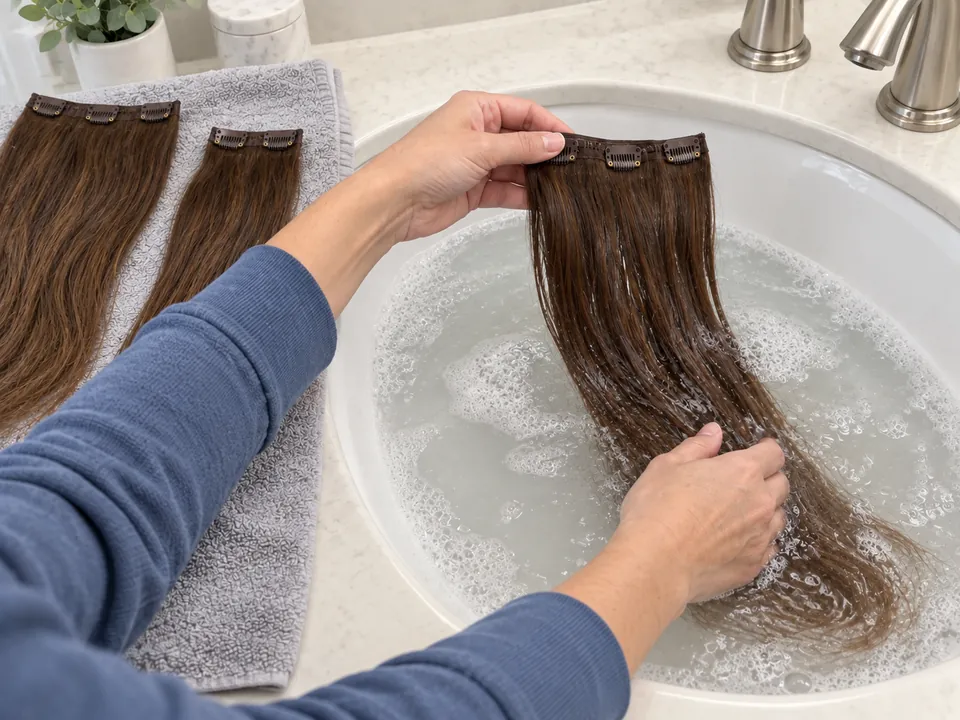
Clean removable clip-in extensions
Off-head extension care cleans removable wefts and their attachment areas before complete drying and storage.
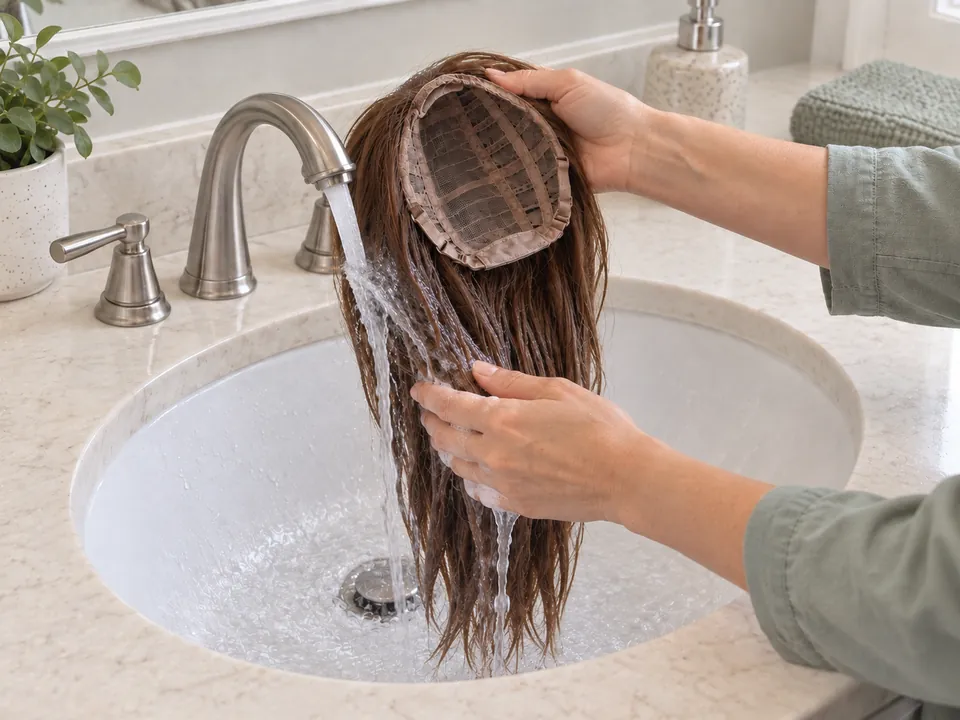
Wash and dry a removable wig
Off-head wig care cleans a removable hairpiece and supports its cap and fibers as they dry.
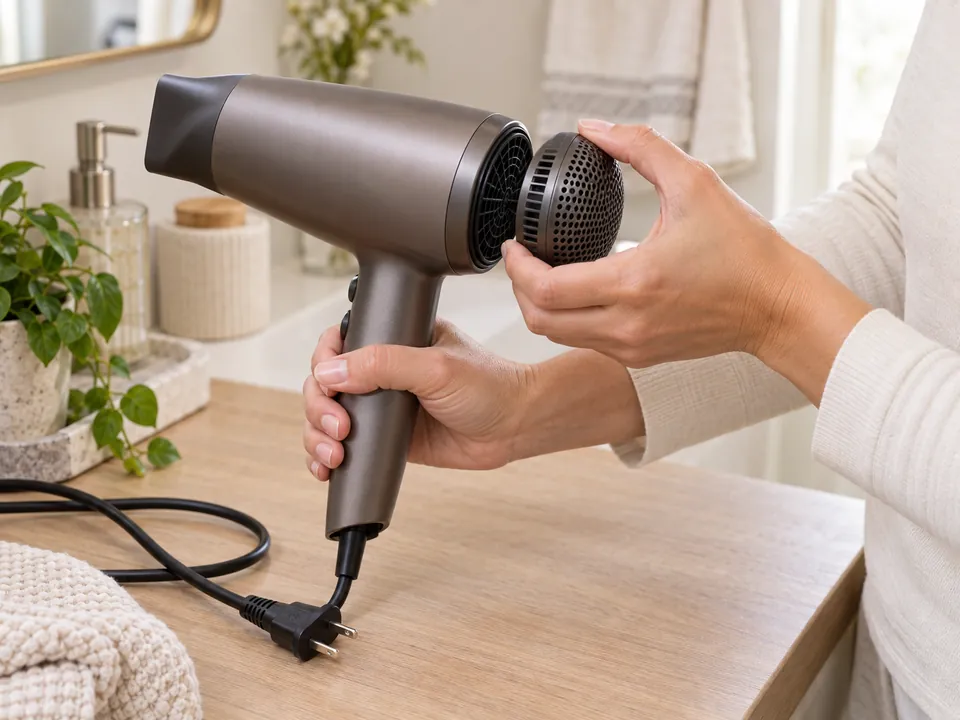
Clean your hair dryer’s removable filter
Removable dryer-filter care clears lint and debris from the serviceable filter part named in a hair dryer’s own instructions.
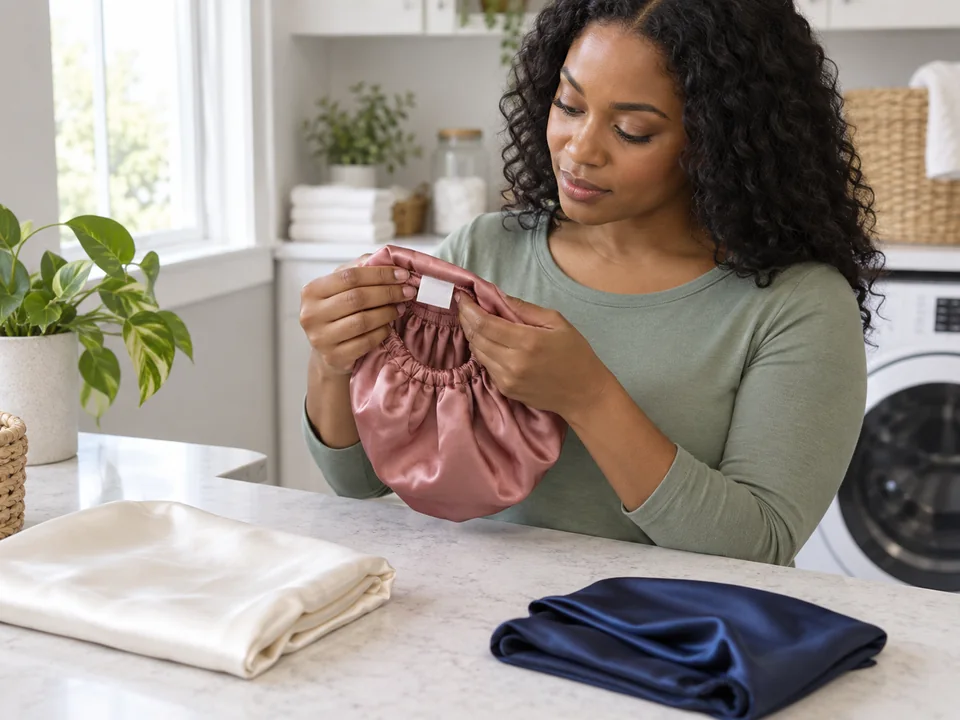
Wash your bonnet, scarf or pillowcase
Sleep-fabric washing cleans a bonnet, scarf or pillowcase by the hand or machine method specified for that exact item.
Observe your hair and keep a clear record of what you can see.
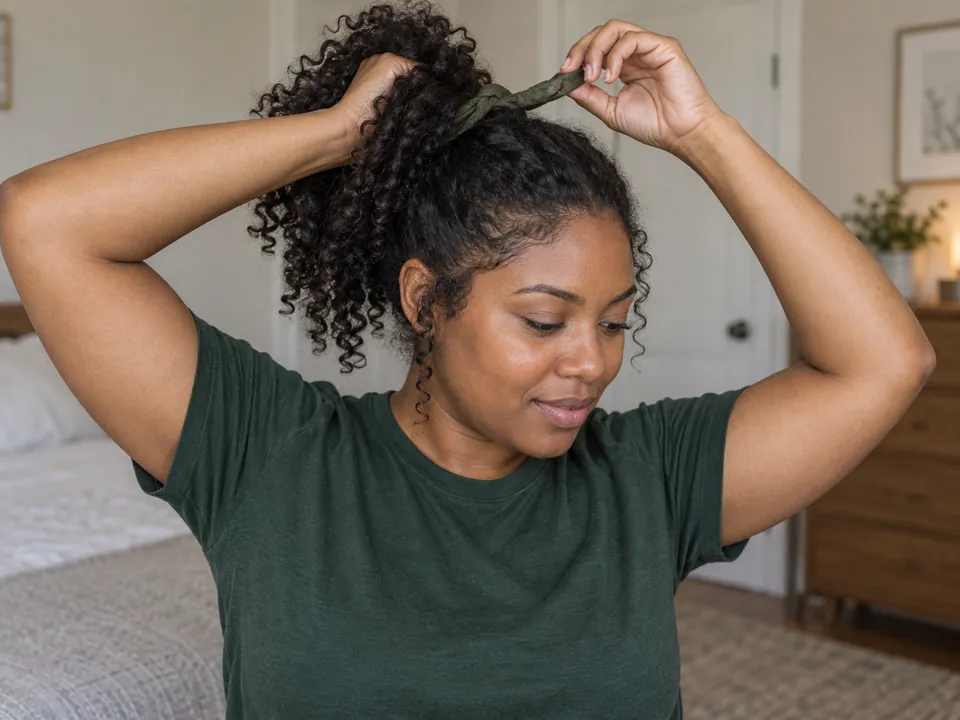
Check and release style tension
A tension check notices pulling in a style and removes the source of discomfort.
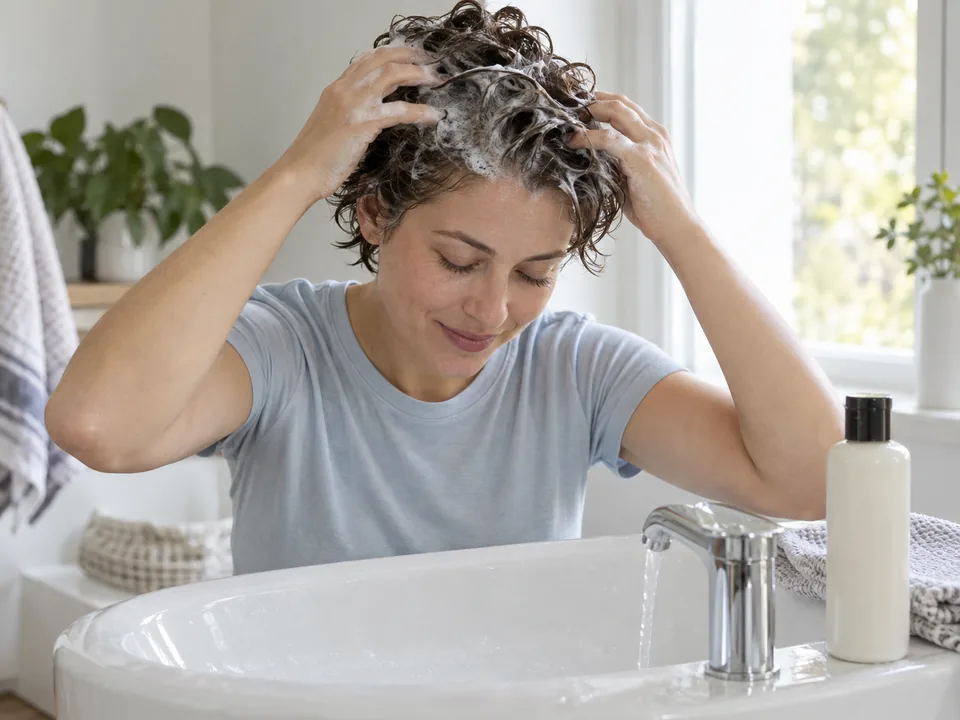
Check for product residue before judging flakes
A residue check compares visible loose material before and after one ordinary wash without diagnosing its cause.
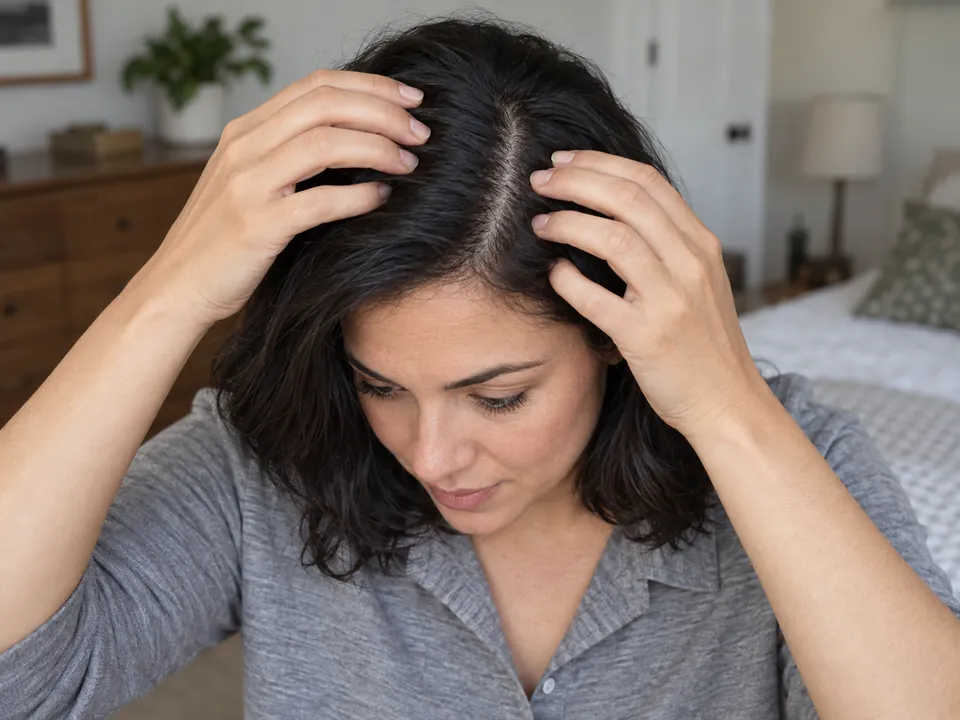
Describe strands and scalp visibility
Strand appearance and visible scalp are separate observations made under clearly recorded viewing conditions.
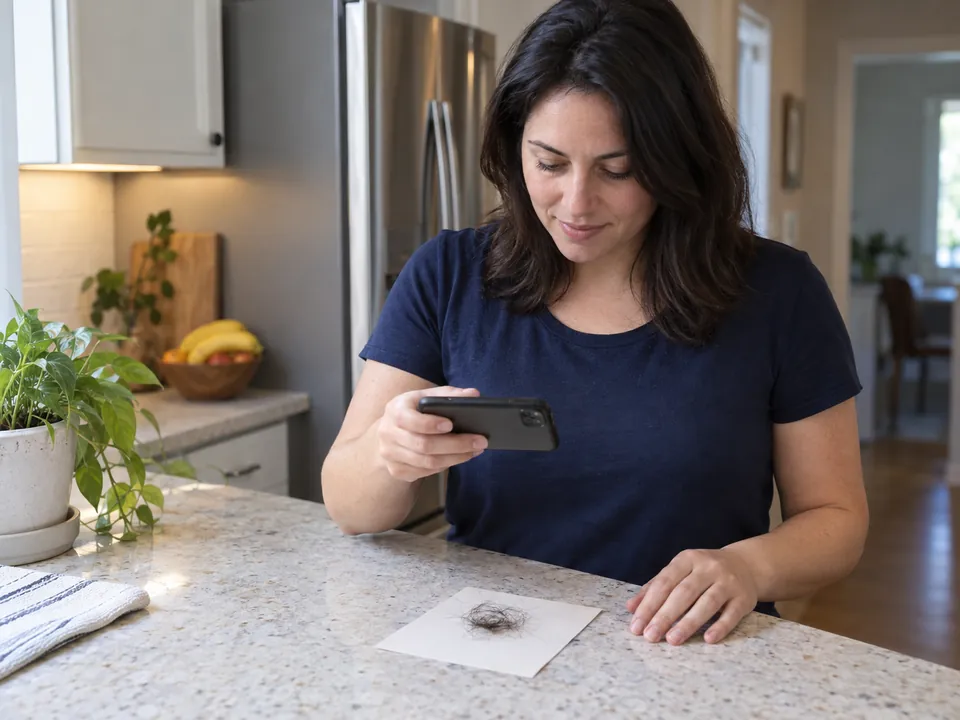
Document wash-day shedding
A wash-day shedding record notes what you happen to collect and the interval since the previous wash.