Observe & document
Observe your hair and keep a clear record of what you can see.
Choose your starting point
Choose the feature you want to describe: pattern, strands, wetting, shedding or a photograph. These checks help you record observations; they do not measure hair properties, identify a cause or diagnose a condition. Read each guide’s limits before interpreting what you see.
Compare the methods
Explore the methods below. Open a guide for when to use it, what you’ll need and the full steps.
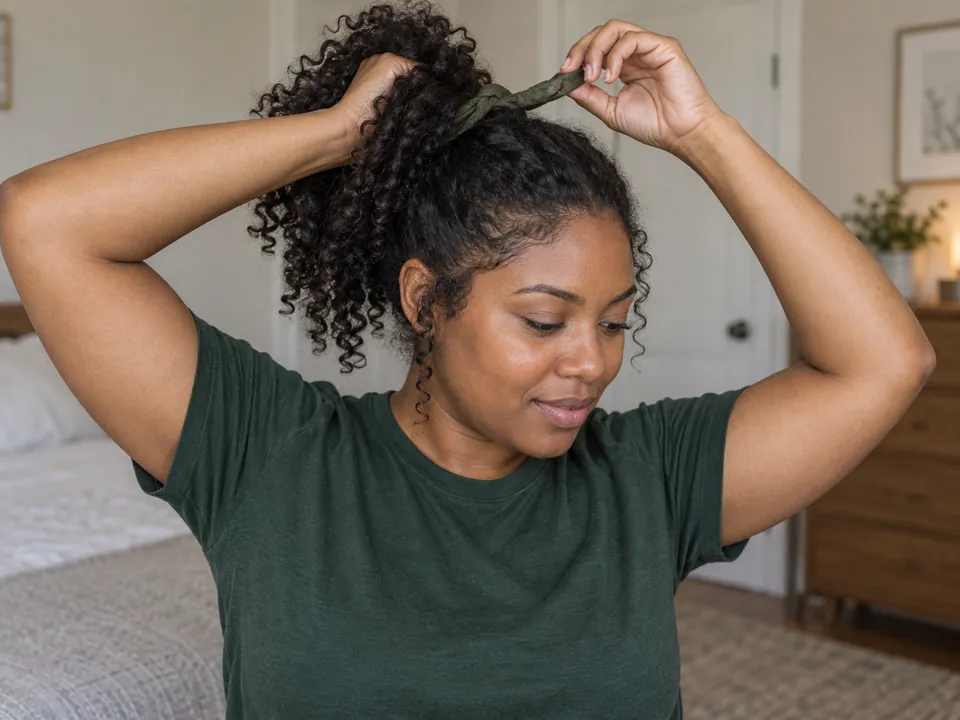
Check and release style tension
A tension check notices pulling in a style and removes the source of discomfort.
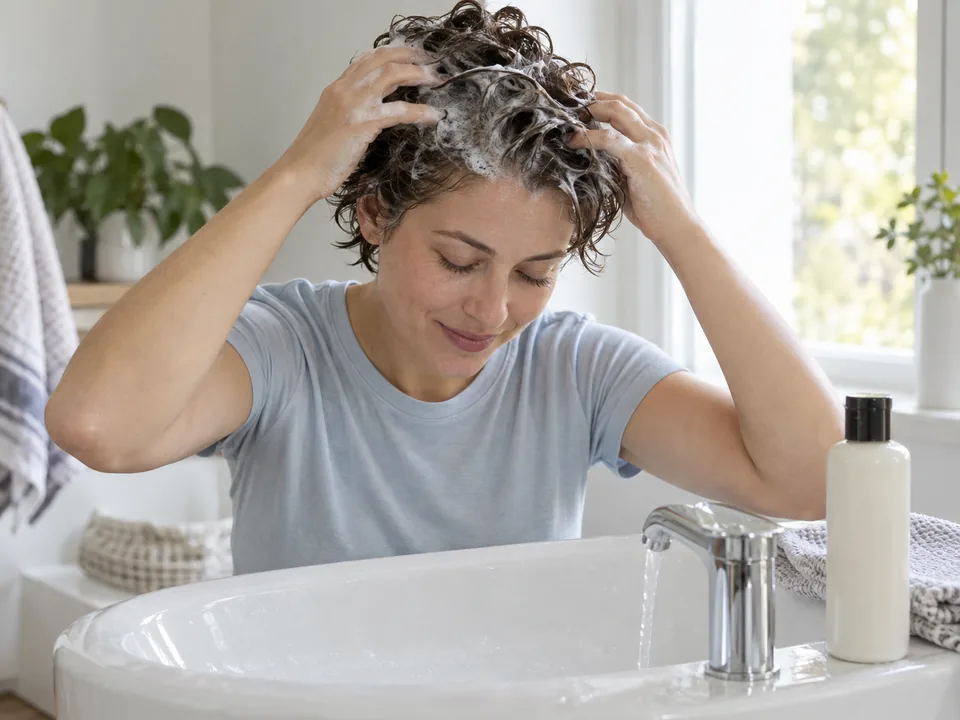
Check for product residue before judging flakes
A residue check compares visible loose material before and after one ordinary wash without diagnosing its cause.
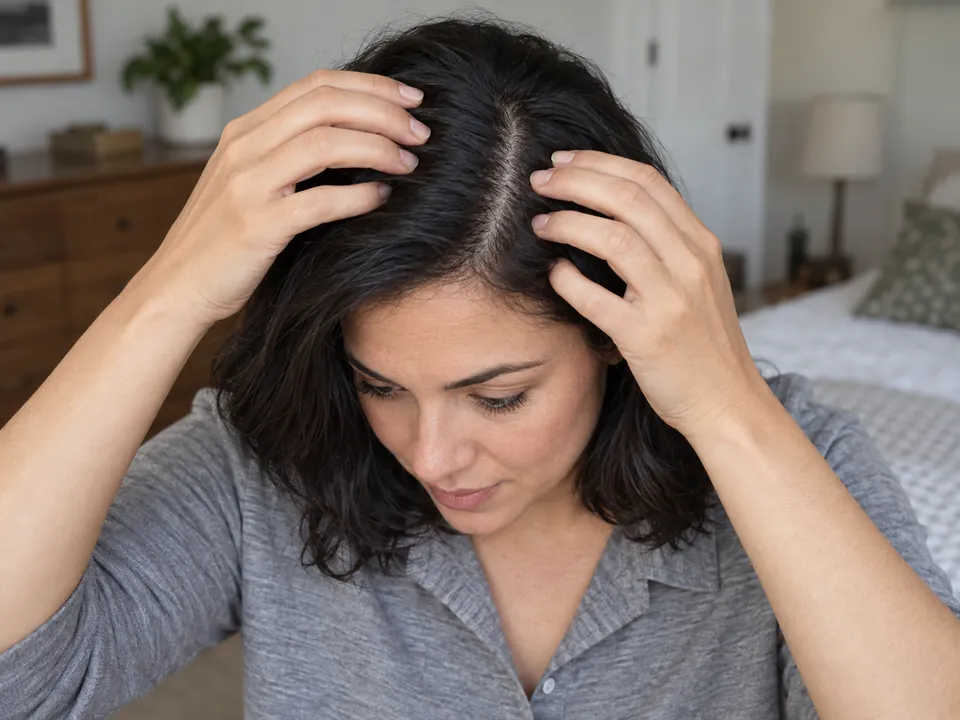
Describe strands and scalp visibility
Strand appearance and visible scalp are separate observations made under clearly recorded viewing conditions.
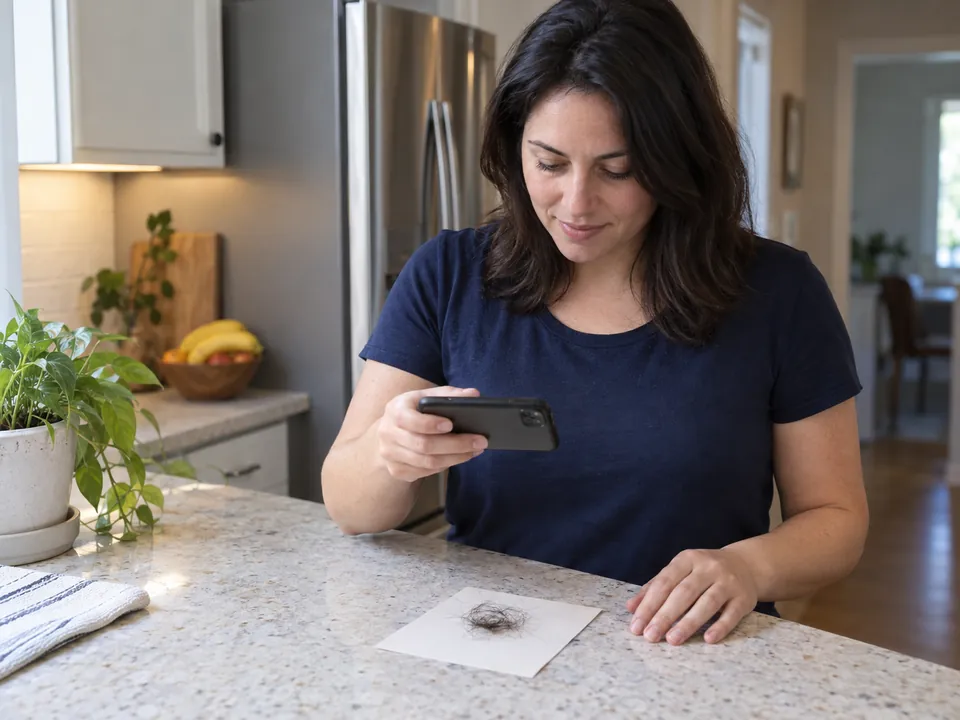
Document wash-day shedding
A wash-day shedding record notes what you happen to collect and the interval since the previous wash.
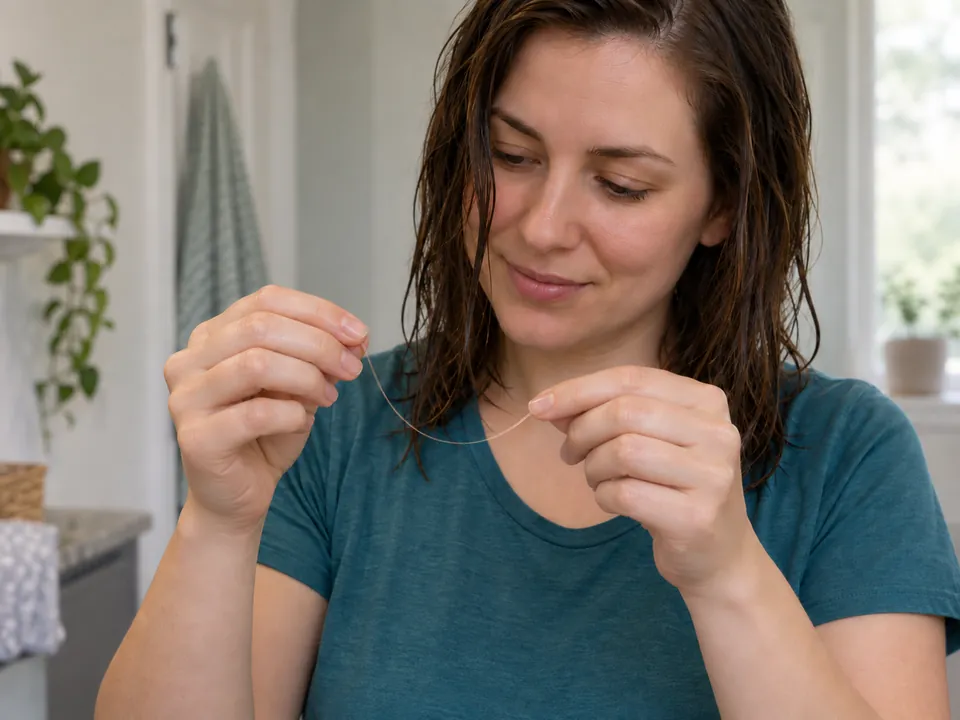
Observe a wet shed strand
A wet-strand observation handles an already shed hair gently without pulling it to failure or diagnosing its composition.
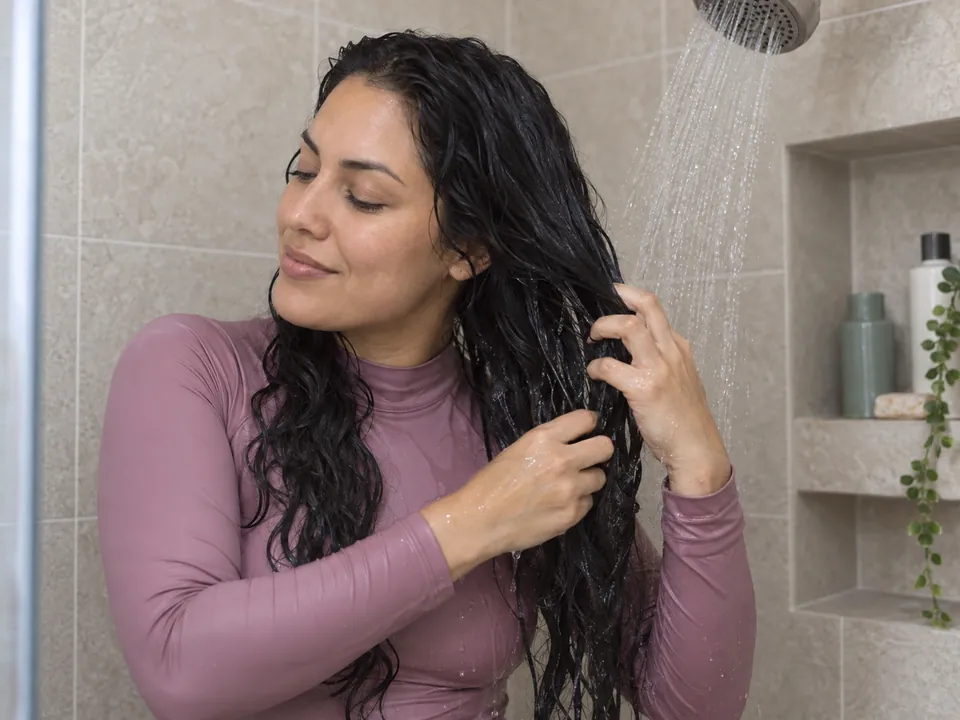
Observe how your hair wets and dries
A wetting-and-drying note records what happens during a normal wash without assigning a porosity class.
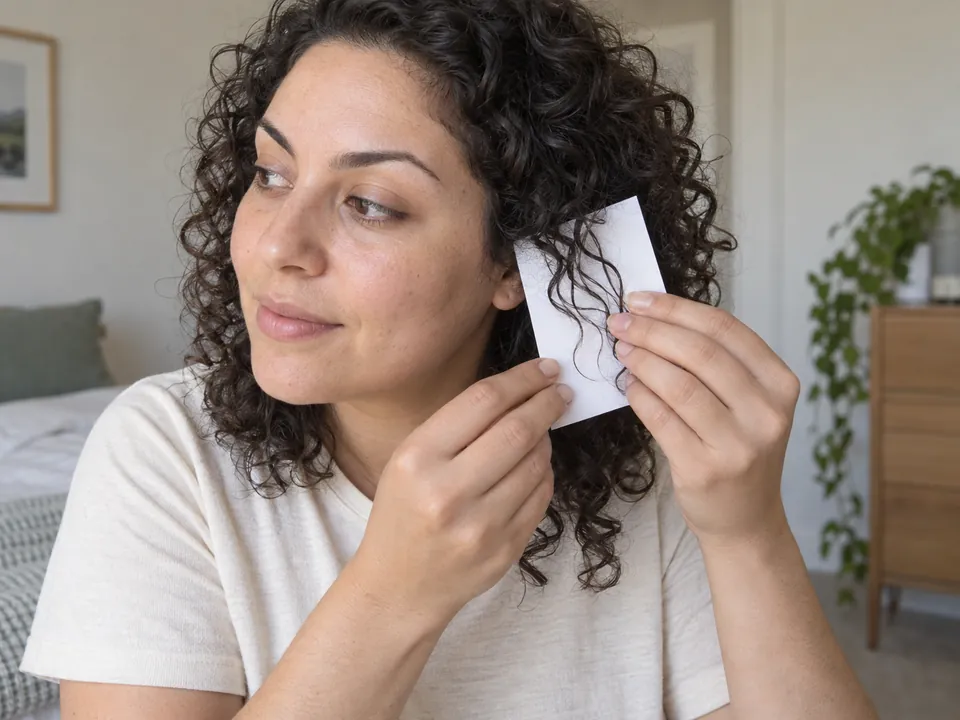
Observe short-hair tips
A tip observation records the visible ends of short hairs without assigning why they are short.
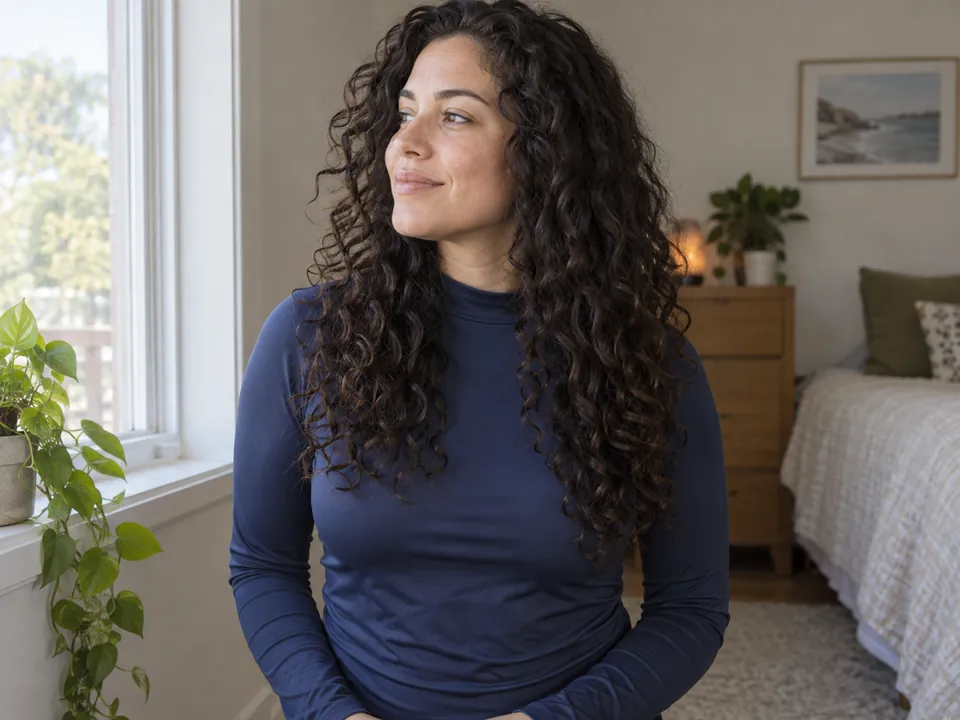
Observe your air-dried pattern
An air-dried pattern observation describes the shapes your loose hair forms after your usual gentle wash and care.
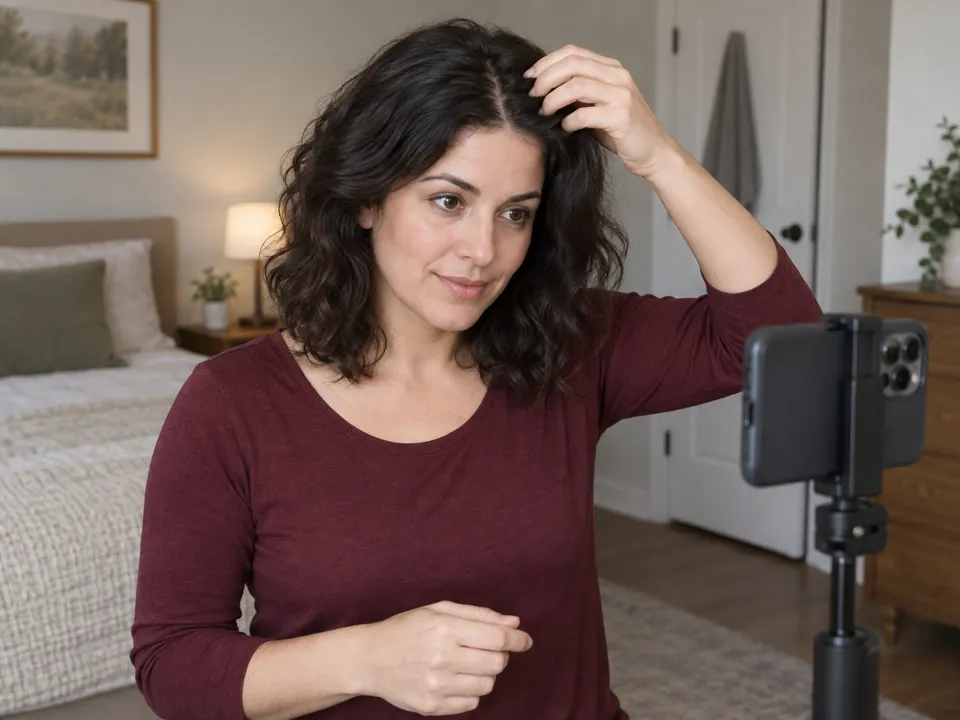
Photograph your hair and scalp
A repeatable photo record uses clear light, a stable camera and consistent views to document visible hair and scalp.