Dry your hair
Compare removing excess water, air-drying and dryer-assisted methods.
Choose your starting point
Separate the first drying step from the finish. Blotting and plopping remove some water; they do not replace complete drying. Then compare air-drying, a handheld dryer or a diffuser. Braids, twists and mature locs have their own drying guides.
Compare the methods
Explore the methods below. Open a guide for when to use it, what you’ll need and the full steps.
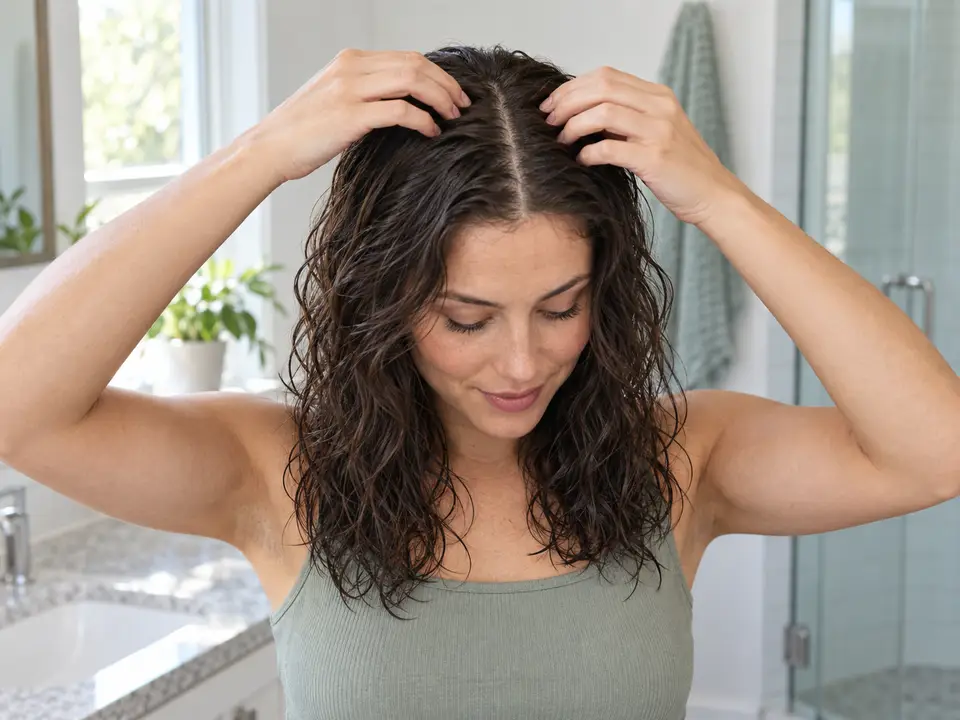
Air-dry your hair
Air-drying lets loose hair dry in the surrounding air without a heated styling tool.
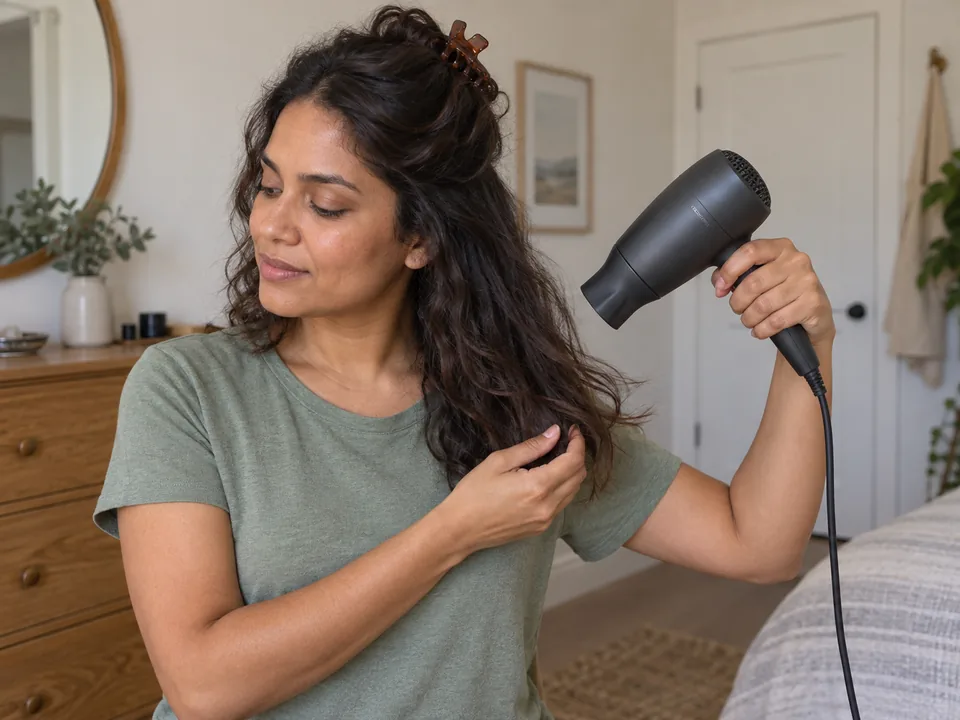
Blow-dry your hair in sections
Sectioned blow-drying dries separate portions of loose hair in turn with a handheld hair dryer, making it easier to cover the whole head.
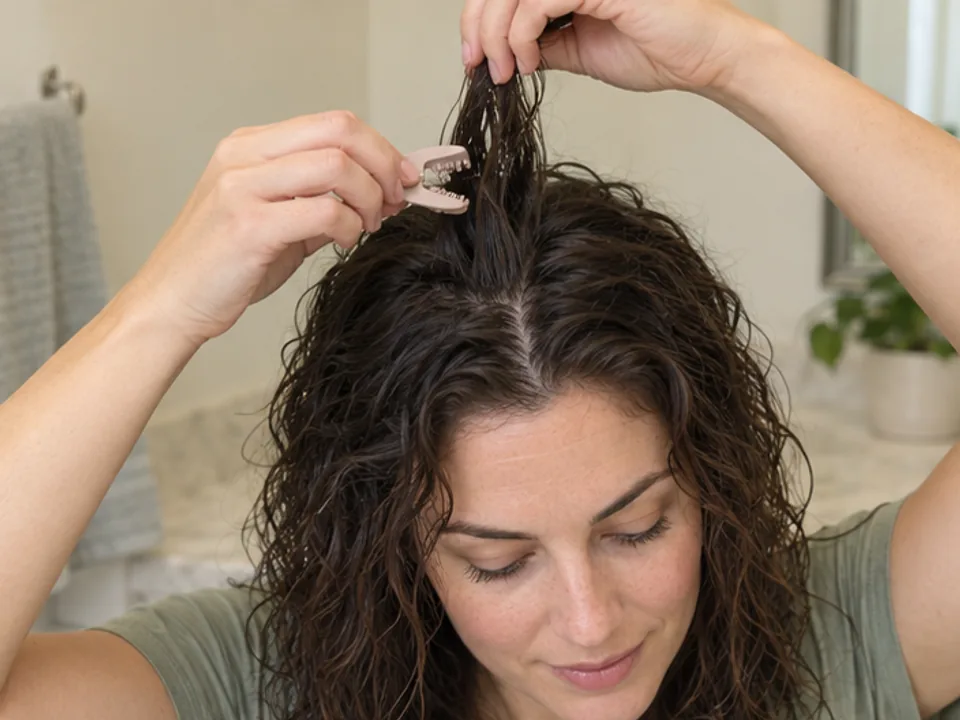
Clip your roots while air-drying
Root clipping holds selected damp wave or curl sections away from the scalp with small clips while the hair air-dries.
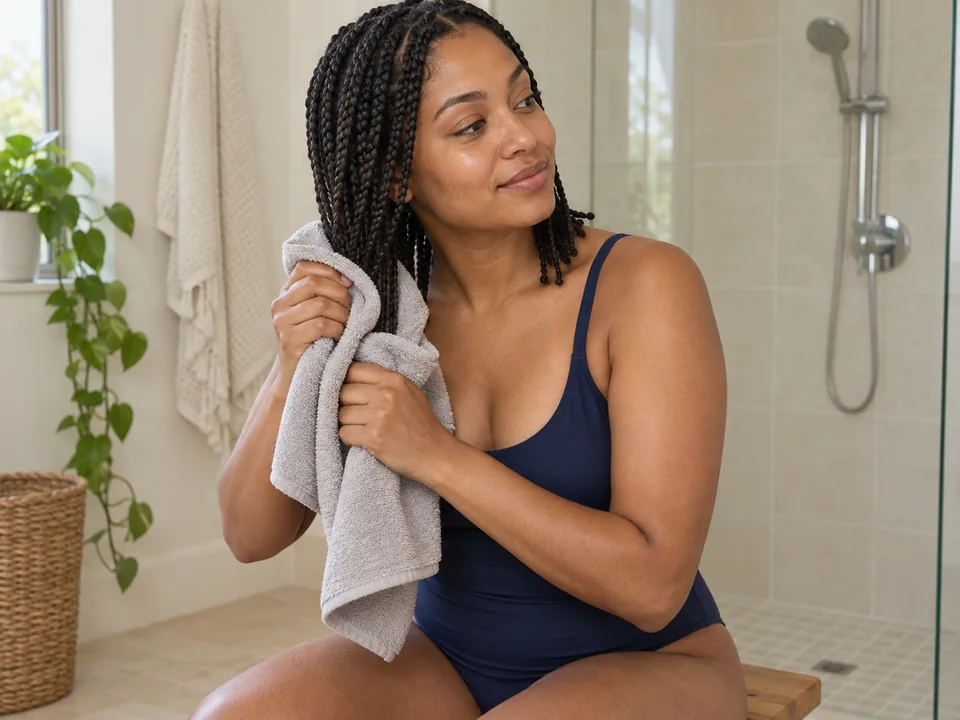
Dry braids or twists after washing
Drying installed braids or twists combines gentle water removal with open-air drying, paying attention to the roots and inner layers.
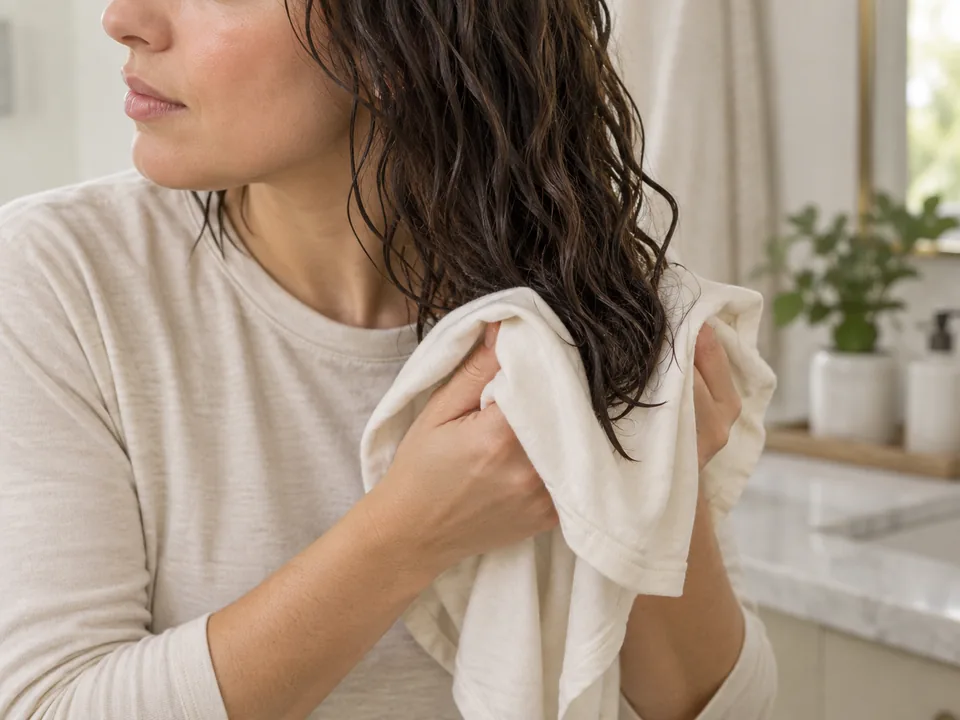
Dry hair gently with a cotton T-shirt
Cotton T-shirt blotting uses soft fabric to absorb excess water from wet hair without rough rubbing.
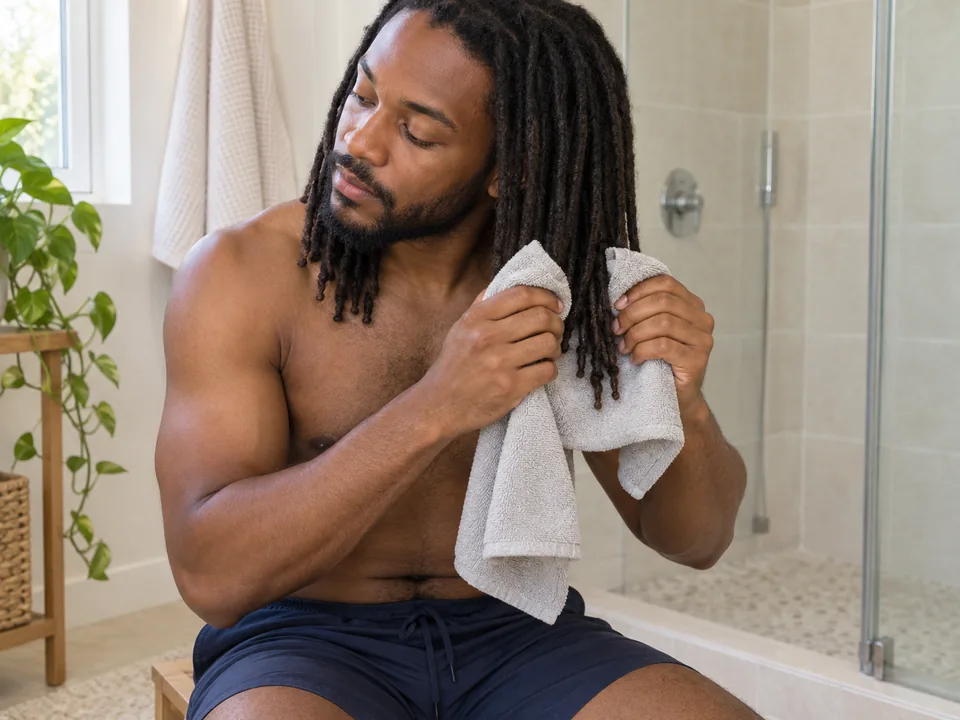
Dry mature locs after washing
Mature-loc drying removes excess water without wringing, then allows established locs to dry through before they are covered or tied.
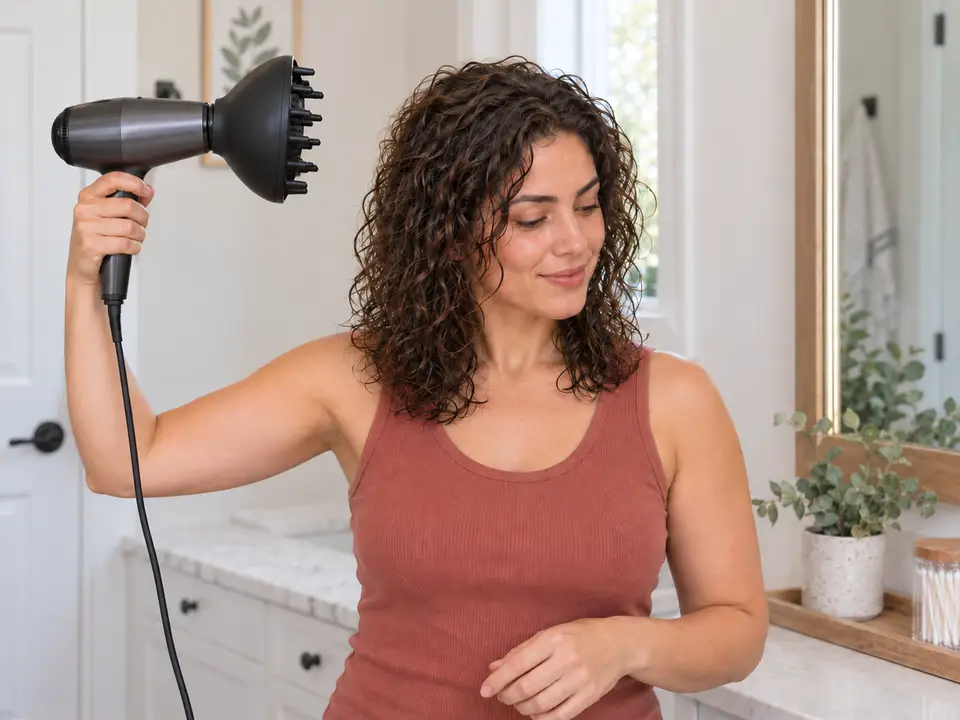
Dry waves and curls with a diffuser
Diffuser drying uses a bowl-shaped hair-dryer attachment to spread airflow while drying loose waves, curls or coils.
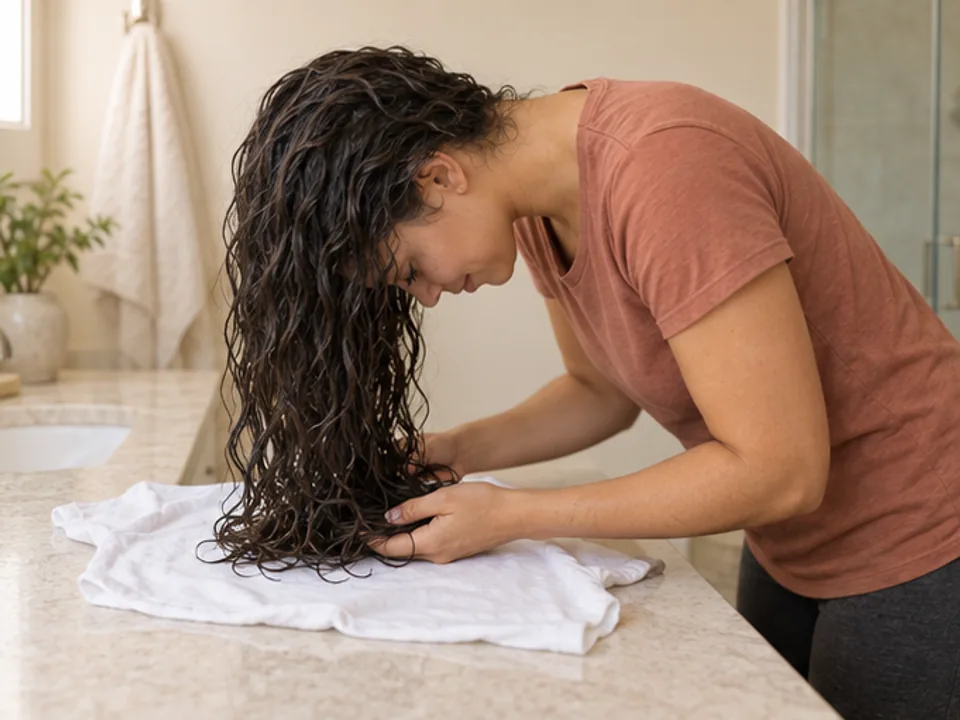
Plop waves or curls with a T-shirt
T-shirt plopping gathers damp waves, curls or coils inside a soft cotton shirt for a temporary wrapped stage before the hair finishes drying.