Wash & cleanse
Find a washing method for loose hair, sections, braids, twists or mature locs.
Choose your starting point
Start with how you wear your hair. Scalp shampooing, washing in sections and washing an installed style address different handling needs. If you use a cleansing conditioner, choose its dedicated guide and follow its label.
Compare the methods
Explore the methods below. Open a guide for when to use it, what you’ll need and the full steps.
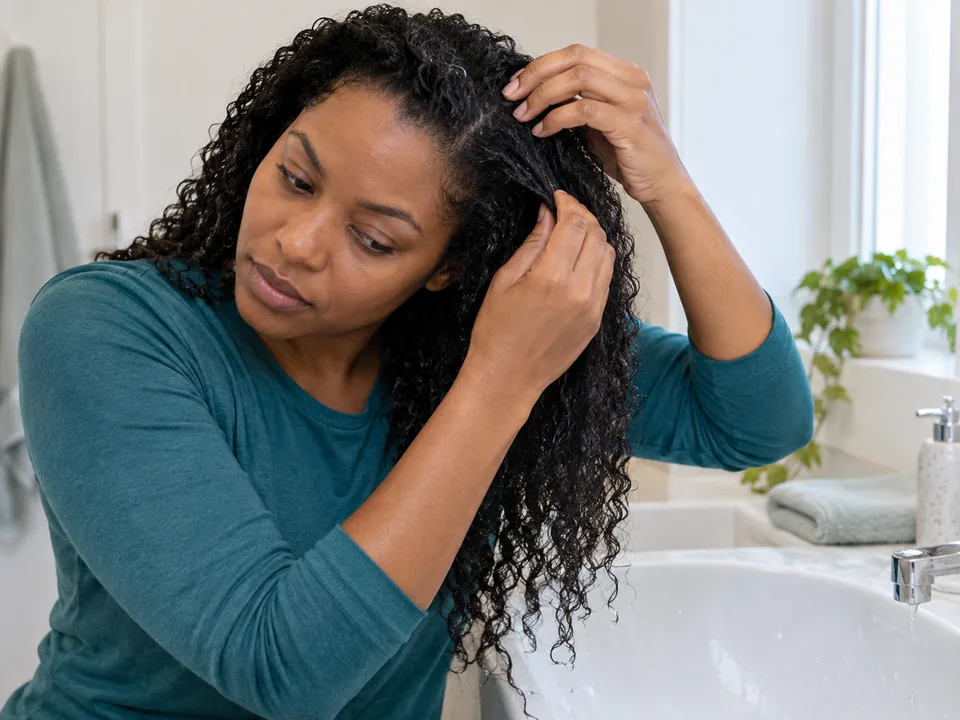
Double-cleanse in one wash
A double cleanse is two complete shampoo-and-rinse passes during one wash, with the second used only when needed and label-permitted.
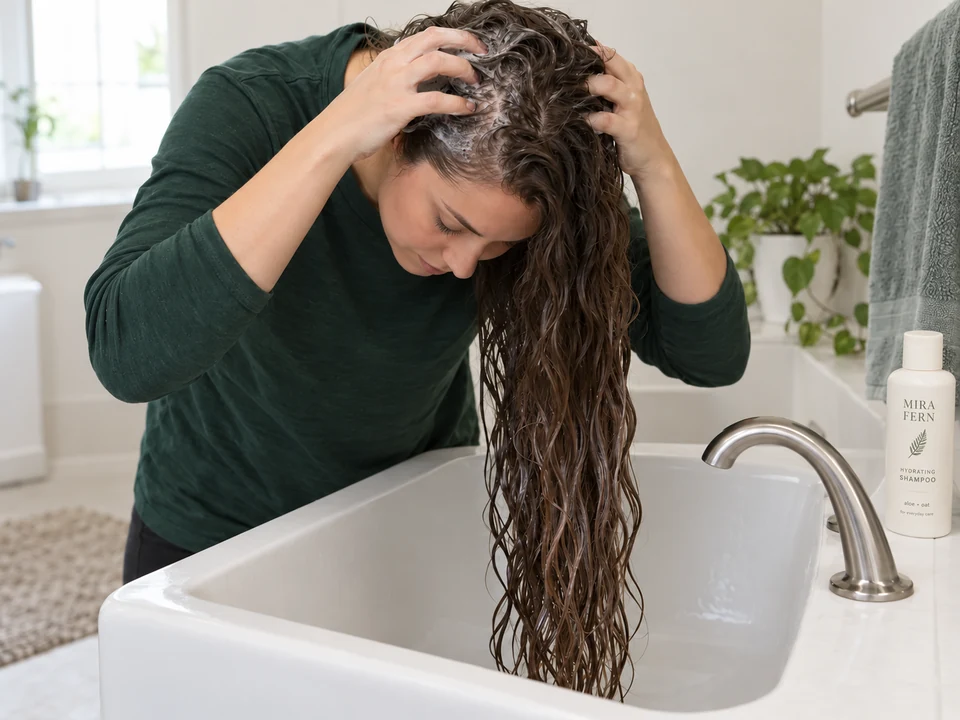
Protect lengths during a frequent wash
Pre-shampoo length conditioning applies rinse-out conditioner to the mids and ends, rinses it out, then cleanses the scalp with shampoo.
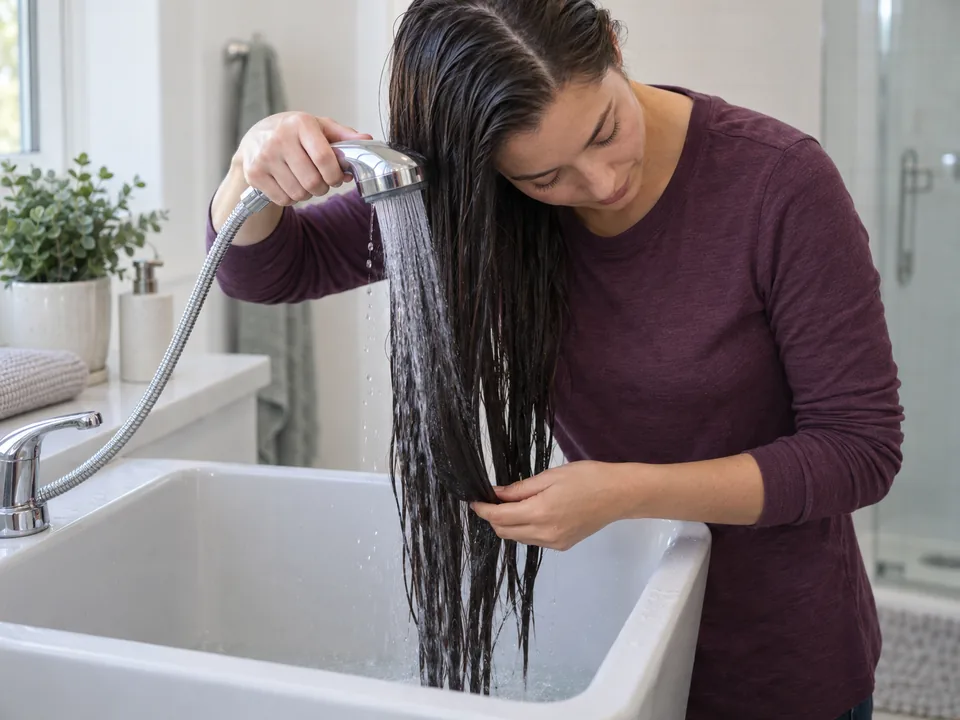
Rinse shampoo and conditioner completely
Rinsing washes away a shampoo or conditioner that is meant to be removed with water. This guide shows how to reach the roots and lengths using a basin and handheld sprayer.
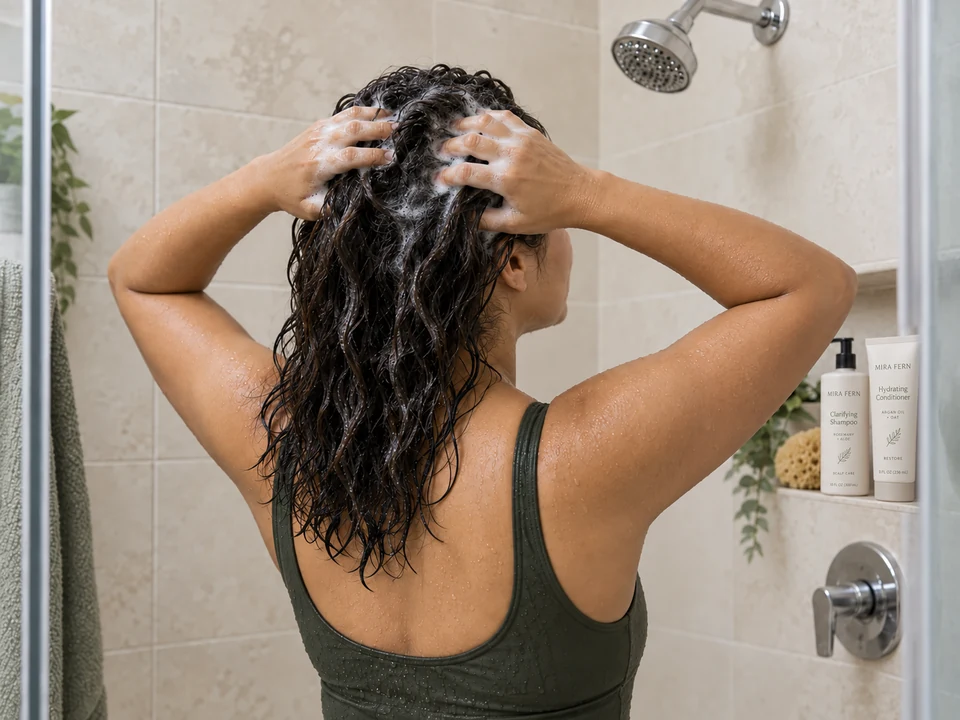
Shampoo your scalp
Scalp-focused shampooing uses a rinse-out cleanser on the skin beneath your hair to remove oil and product residue.
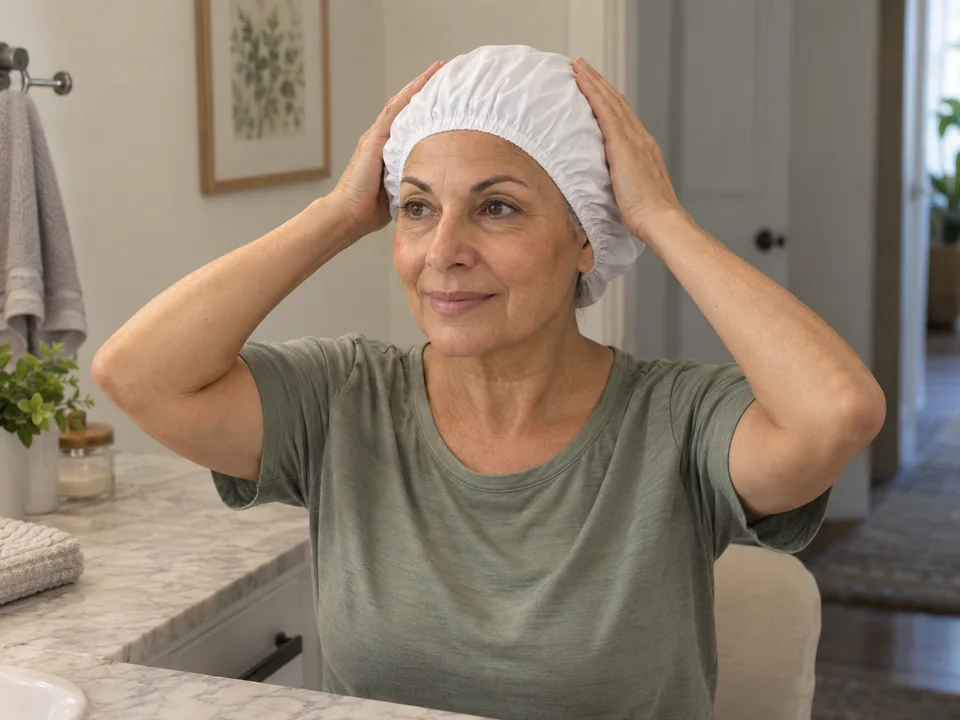
Use a room temperature rinse-free shampoo cap
A rinse-free shampoo cap holds a ready-made cleansing solution in an absorbent lining, allowing hair to be cleaned without a running-water rinse.
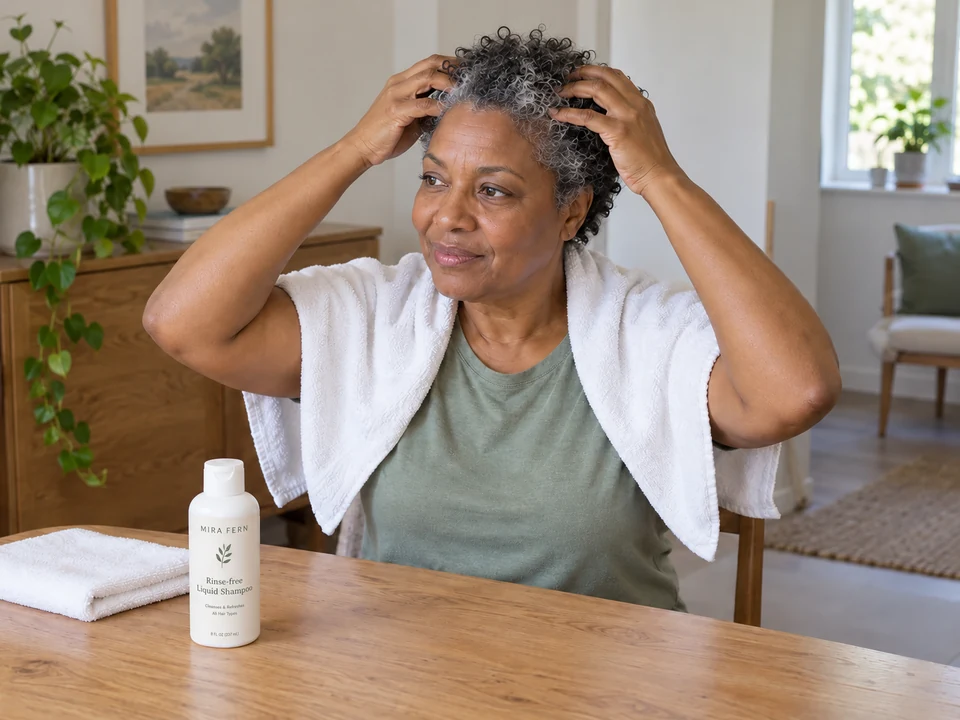
Use rinse-free liquid shampoo and towel it out
Rinse-free liquid shampoo is a ready-made cleanser worked through hair and removed with a towel, without a running-water rinse.
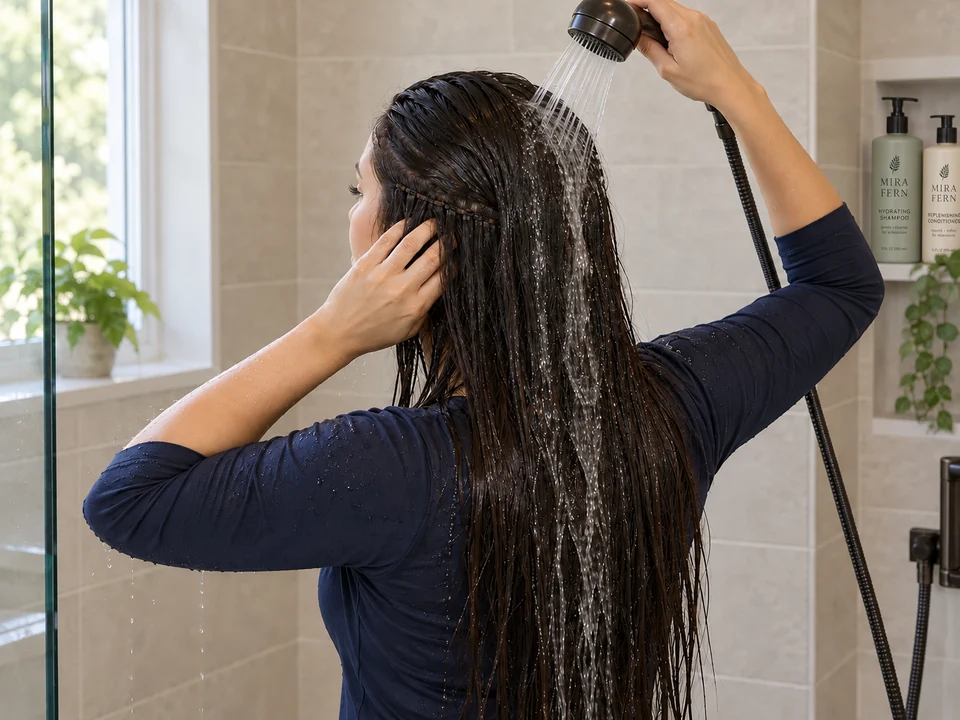
Wash and dry installed extensions
Installed-extension washing cleans the scalp and attached lengths without scrubbing bonds, then dries the attachment areas completely.
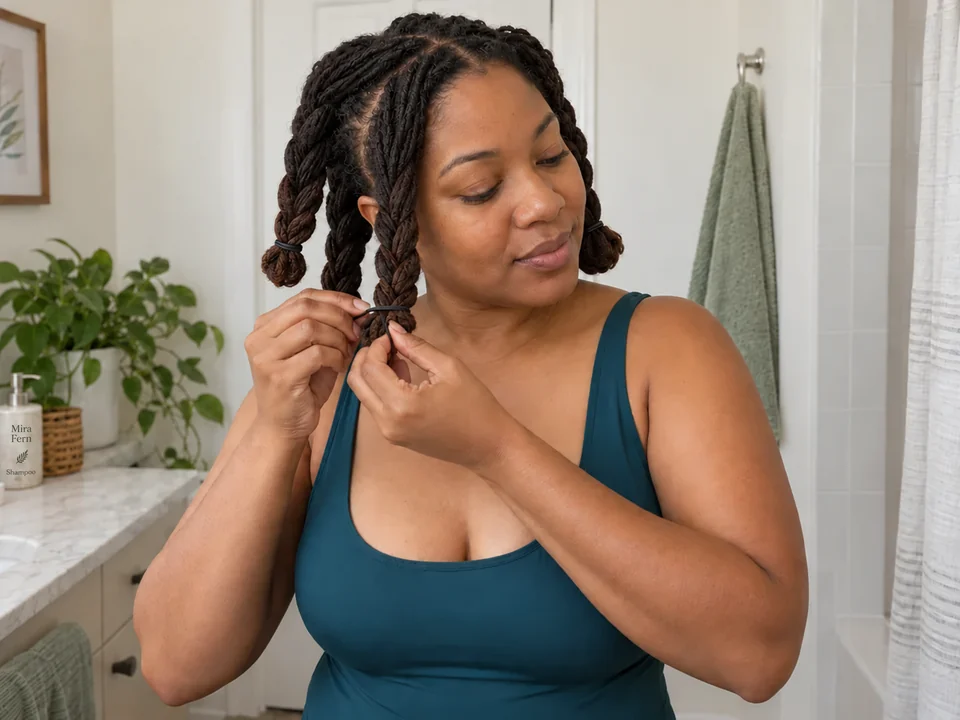
Wash and dry starter microlocs with braid and band
Braid-and-band washing uses loose temporary braids with secured ends to wash interlocked starter microlocs. It requires the installer’s approval for your current stage.
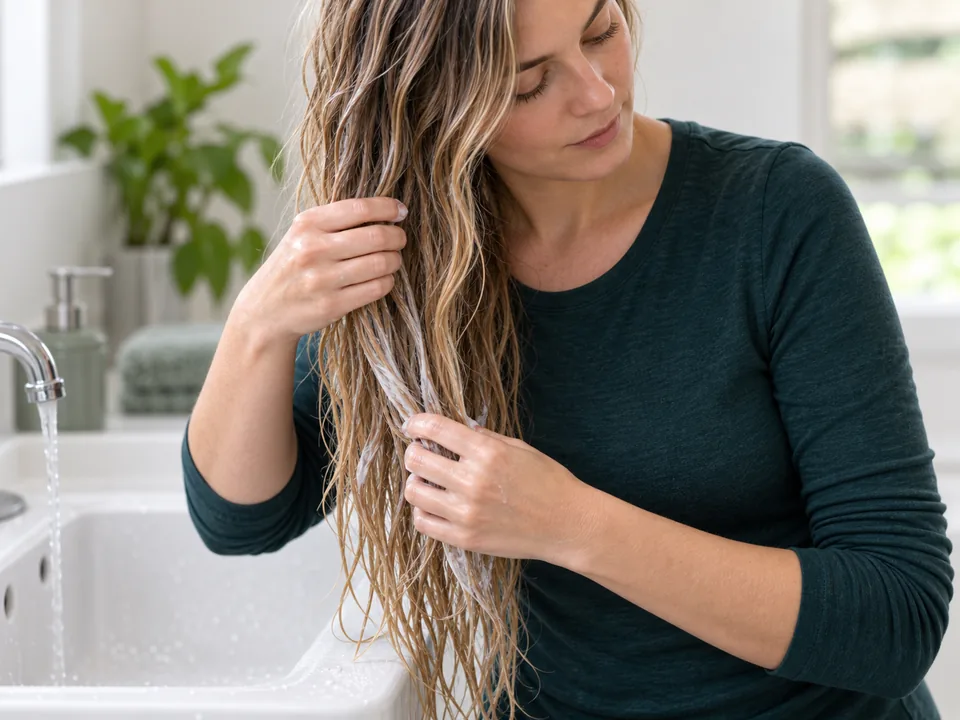
Wash fragile over-processed hair with less friction
Low-friction washing cleans the scalp while minimizing rubbing, piling, twisting and pulling on fragile processed lengths.
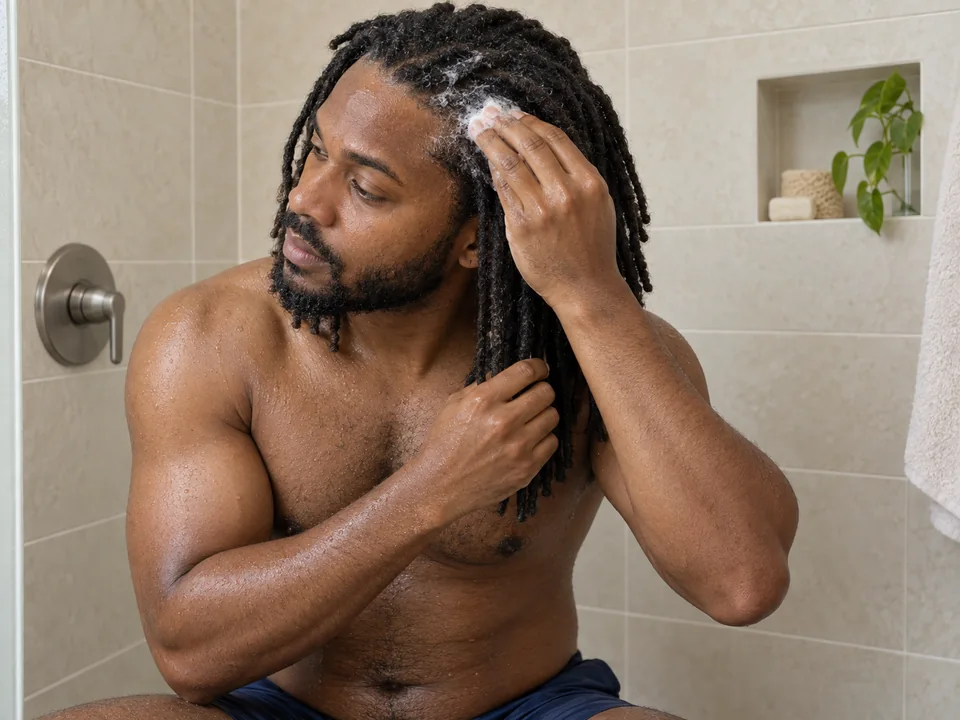
Wash mature locs
Washing mature locs cleans the scalp and established natural locs with rinse-out shampoo, without combing or unravelling them.
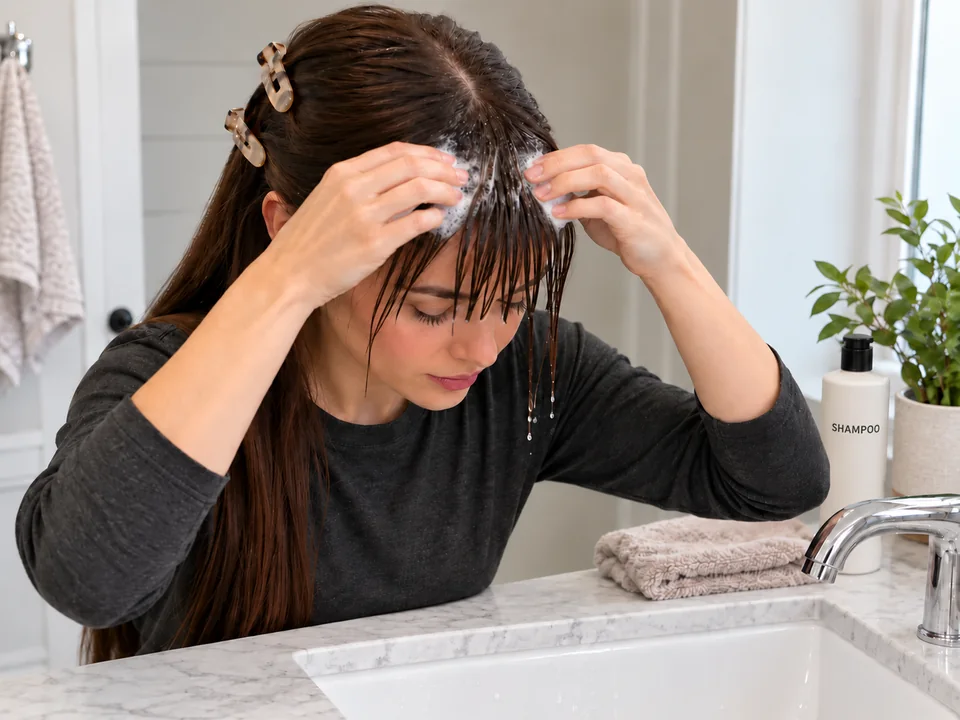
Wash only your fringe between full washes
A fringe wash cleans the front roots and bangs separately from the rest of your hair. It is useful when only that small area needs shampoo.
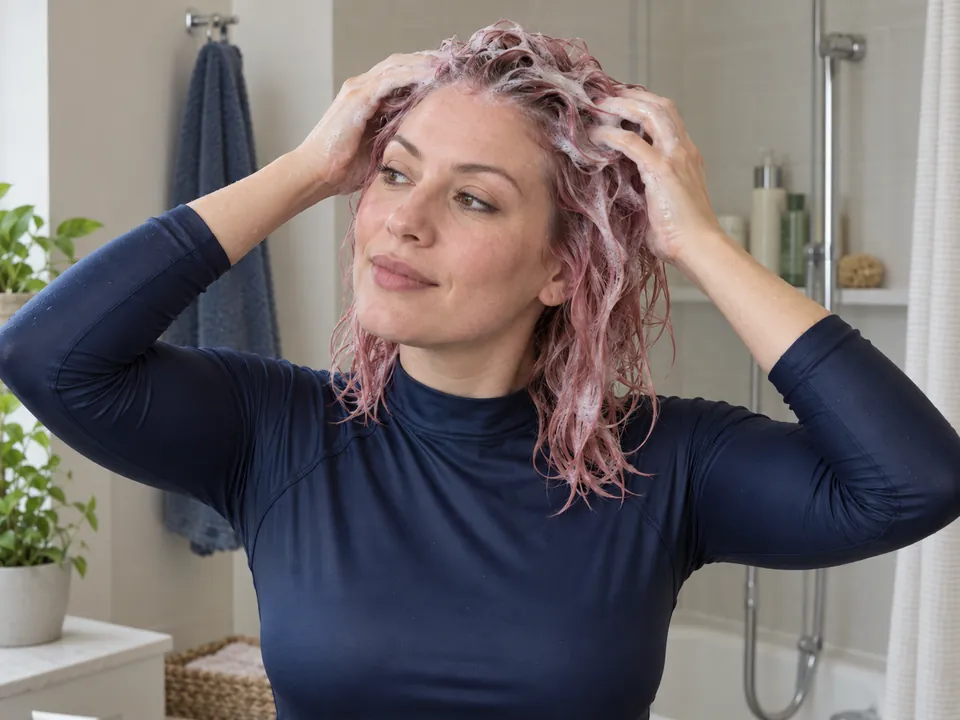
Wash semi-permanent color gently
A normal clarifying wash can gradually reduce some semi-permanent pigments when the color maker permits it.
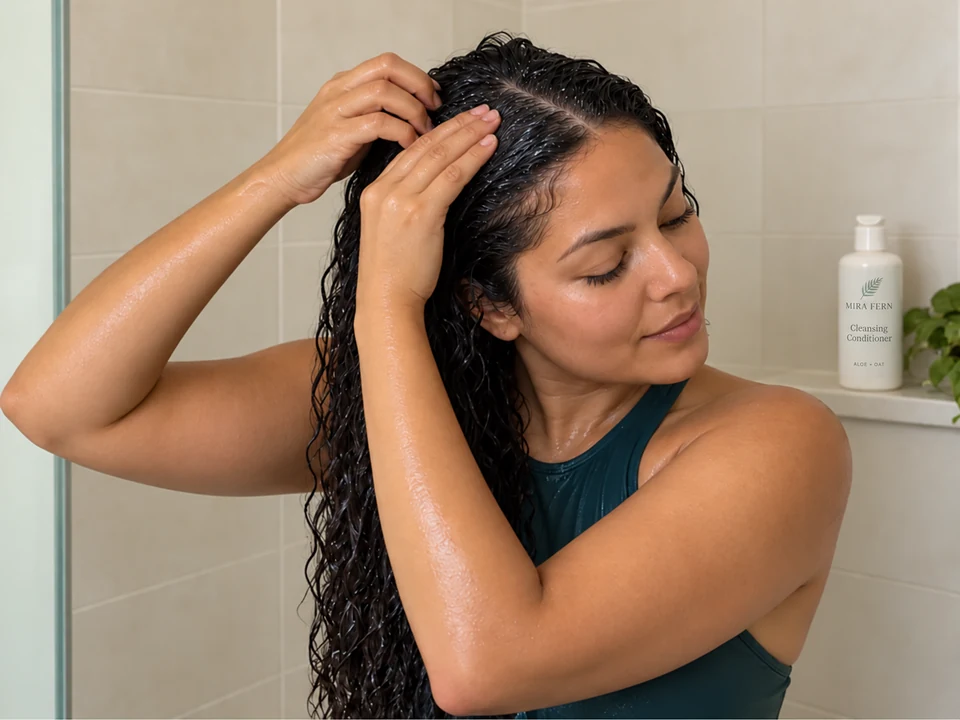
Wash with a cleansing conditioner
Co-washing means washing the scalp and hair with conditioner instead of shampoo. Traditional conditioner washing removes less oil; some products sold as co-washes add cleansing ingredients.
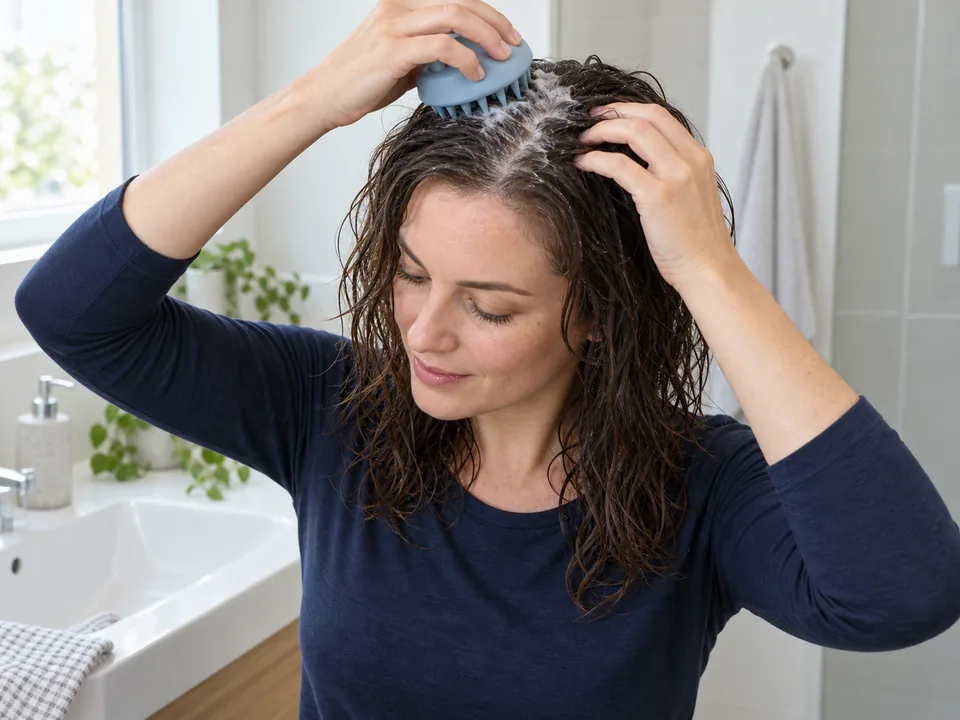
Wash with a scalp-massaging brush
Scalp-brush shampooing uses a flexible silicone brush to distribute ordinary shampoo over reachable scalp areas with light contact.
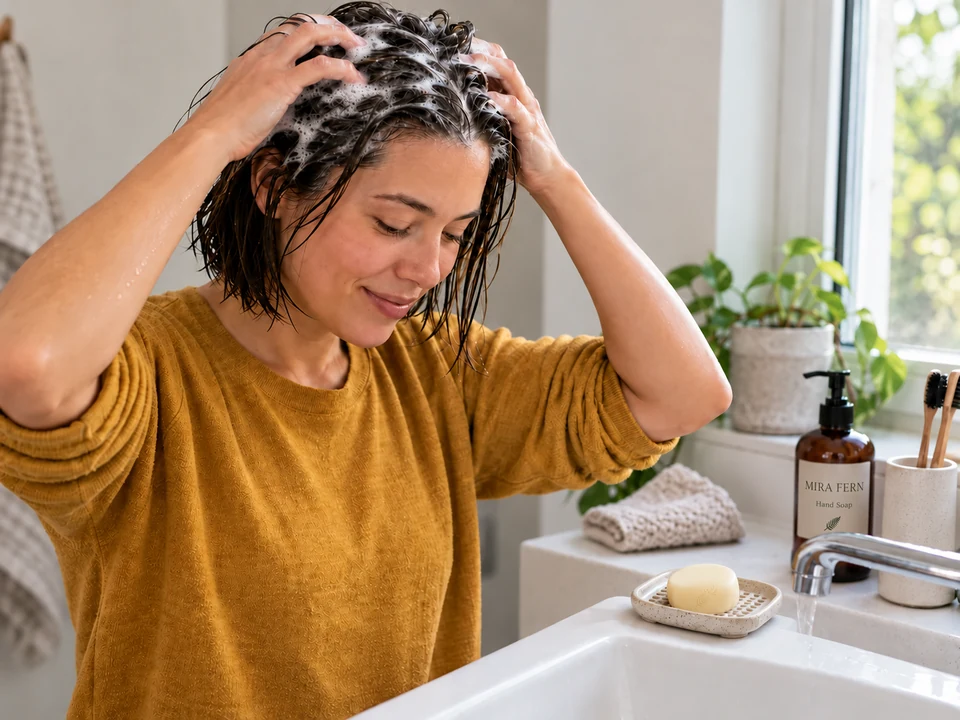
Wash with a shampoo bar
Shampoo-bar washing uses a solid rinse-out cleanser to wash the scalp and hair.
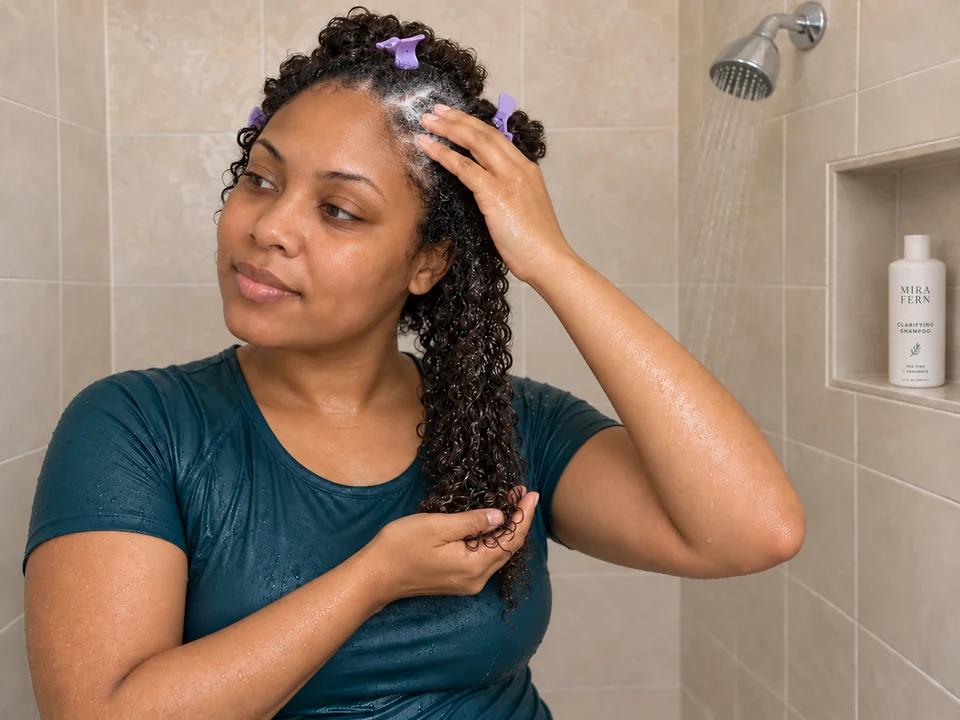
Wash your hair in sections
Section washing means washing one area of loose hair at a time while the rest is held aside. It makes the scalp underneath easier to reach.
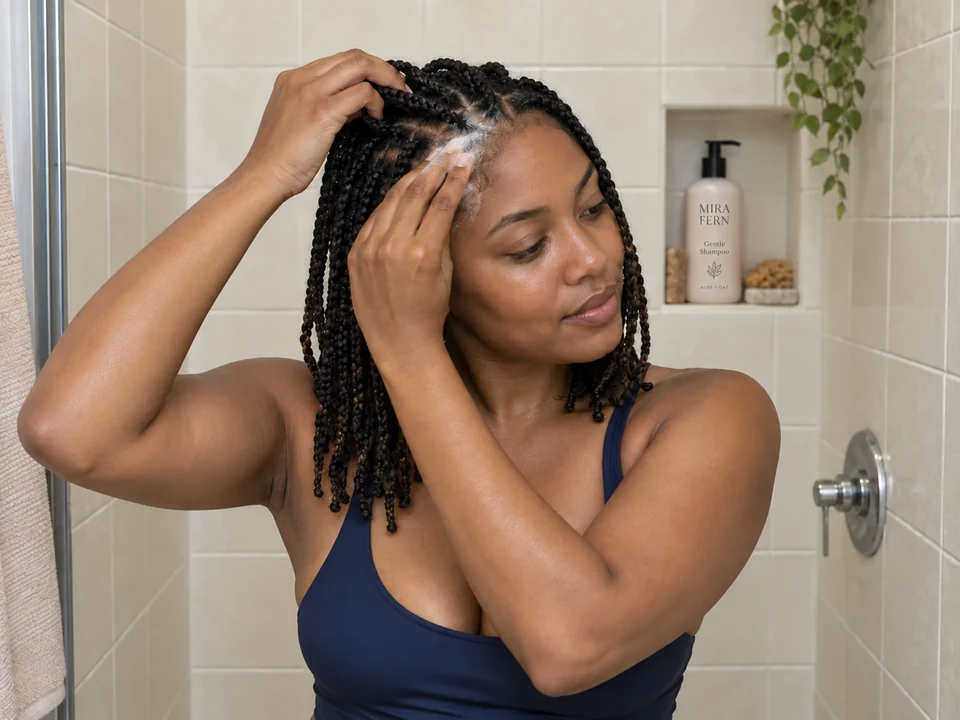
Wash your scalp while wearing braids or twists
Installed-style scalp washing cleans the exposed skin between braids or twists with rinse-out shampoo while keeping the style in place.
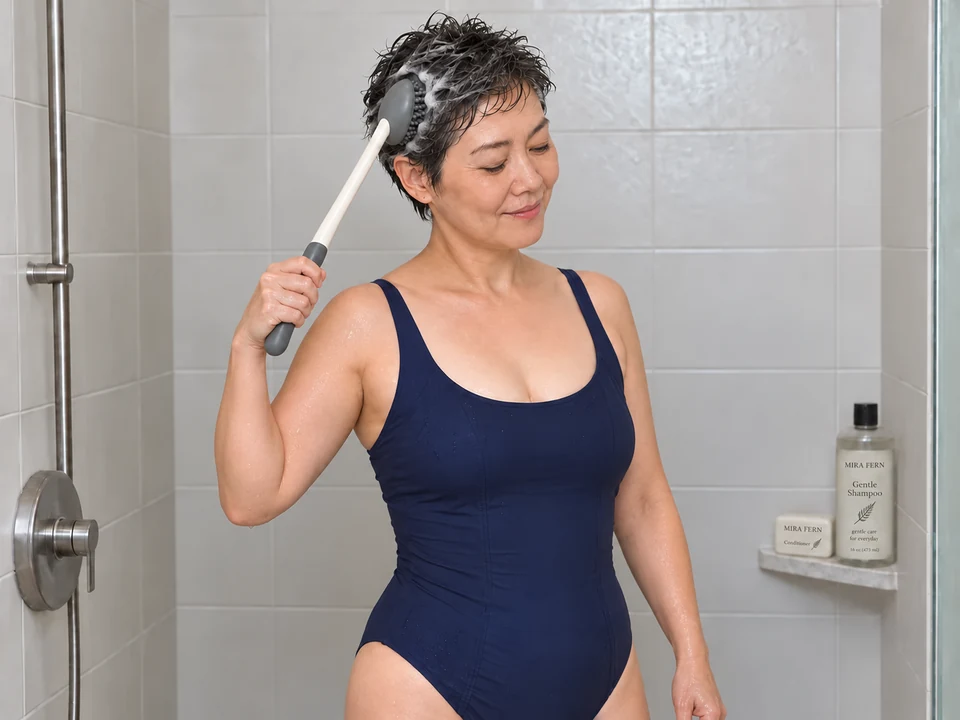
Wash your scalp with a long-handled hair washer
A long-handled hair washer carries shampoo on a flexible washing head, extending the reach of gentle scalp contact.