Ceramic and ceramic coatings
A ceramic label can describe the surface coating over a different base material. Check the actual construction in the specifications. It does not establish a suitable setting for fine or treated hair.
Tools library
Understand what each tool does, what to check in one you already have, and which features matter when choosing. Your routine can use the tools you already have.
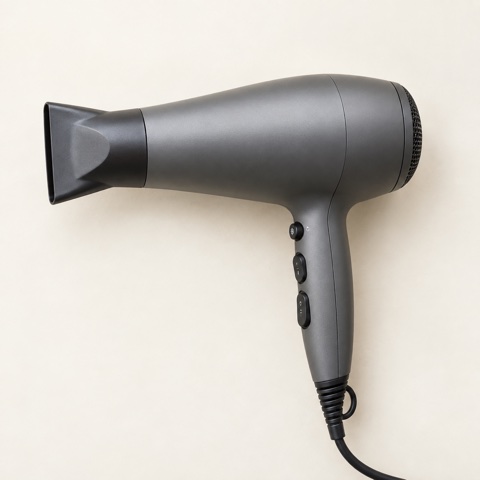
Moves air through the hair to help it dry. Heat and airflow are separate controls on some models.
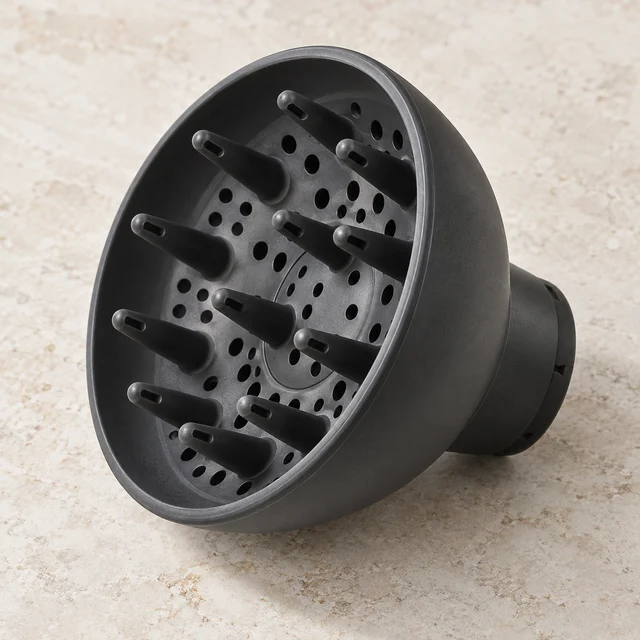
Spreads a dryer’s airflow across a wider area while you dry waves or curls.
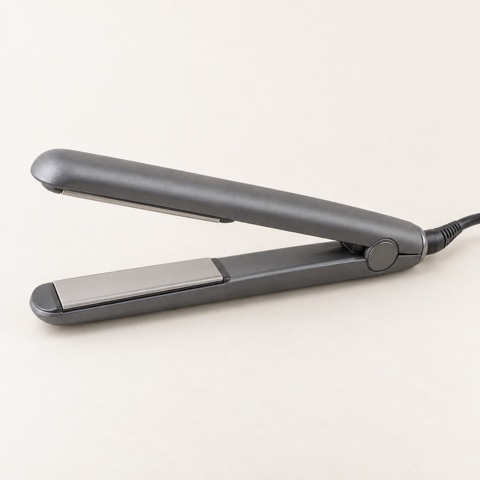
Uses heated plates to smooth a dry section of hair.
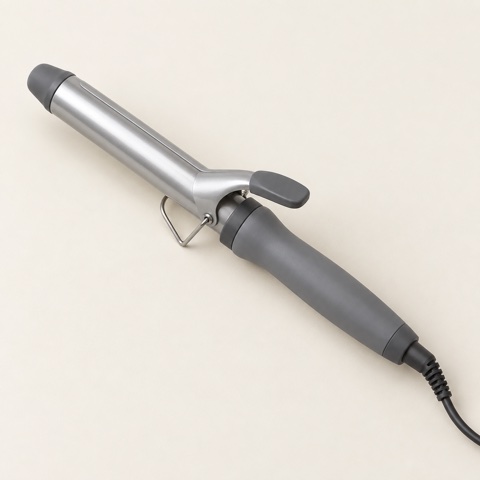
Uses a heated barrel to put a bend or curl into dry hair.
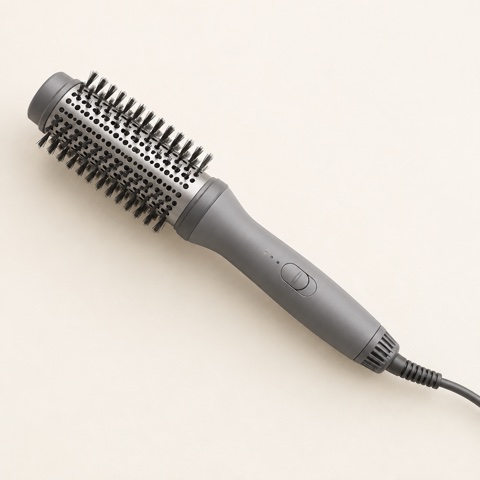
Combines an air dryer with a brush head. This differs from a heated brush without airflow.
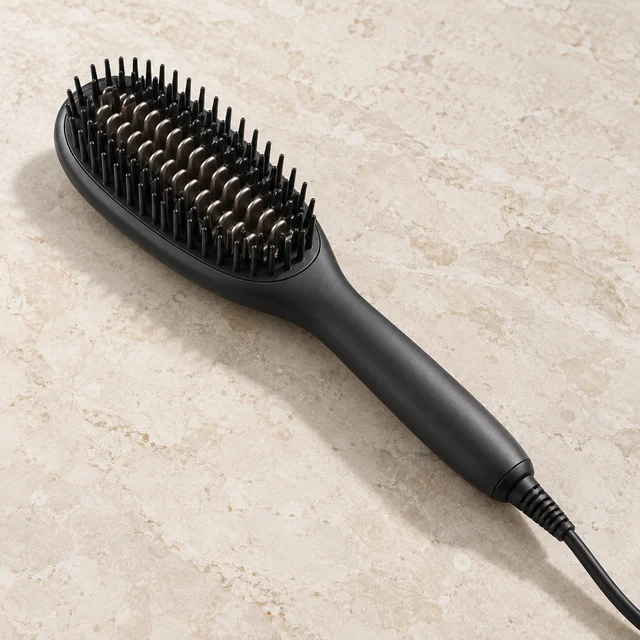
Smooths hair using heated teeth or surfaces, without a drying airflow.
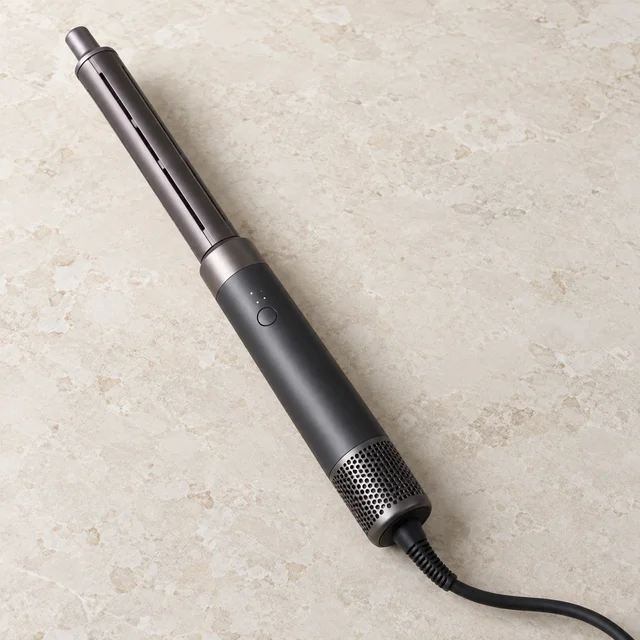
Uses airflow around an attachment to shape a section. It is a different mechanism from a solid curling iron.
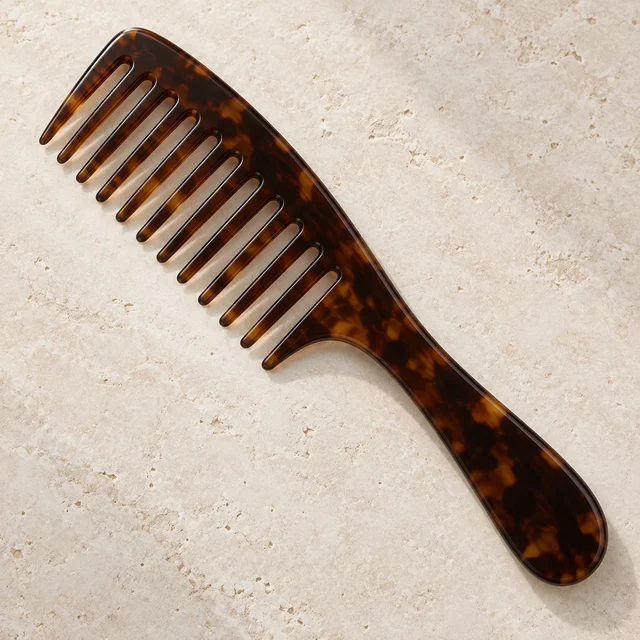
Separates tangles with widely spaced teeth while you support the section.
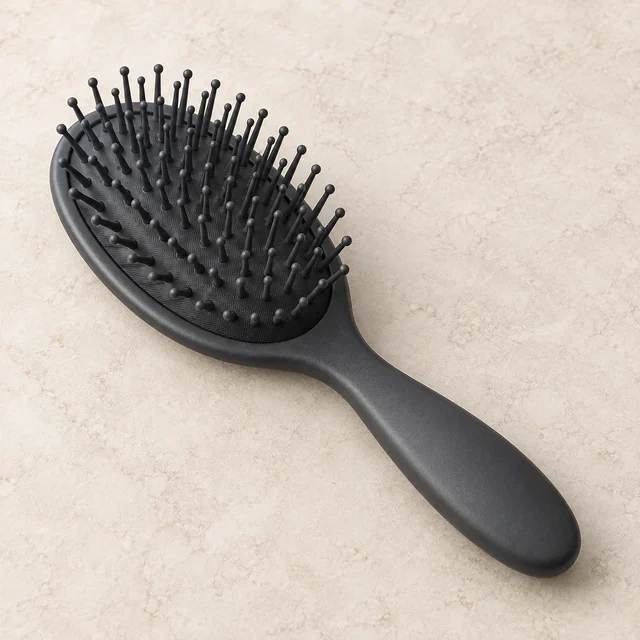
A brush used to separate strands. Shape, bristle condition and technique matter more than a material promise.
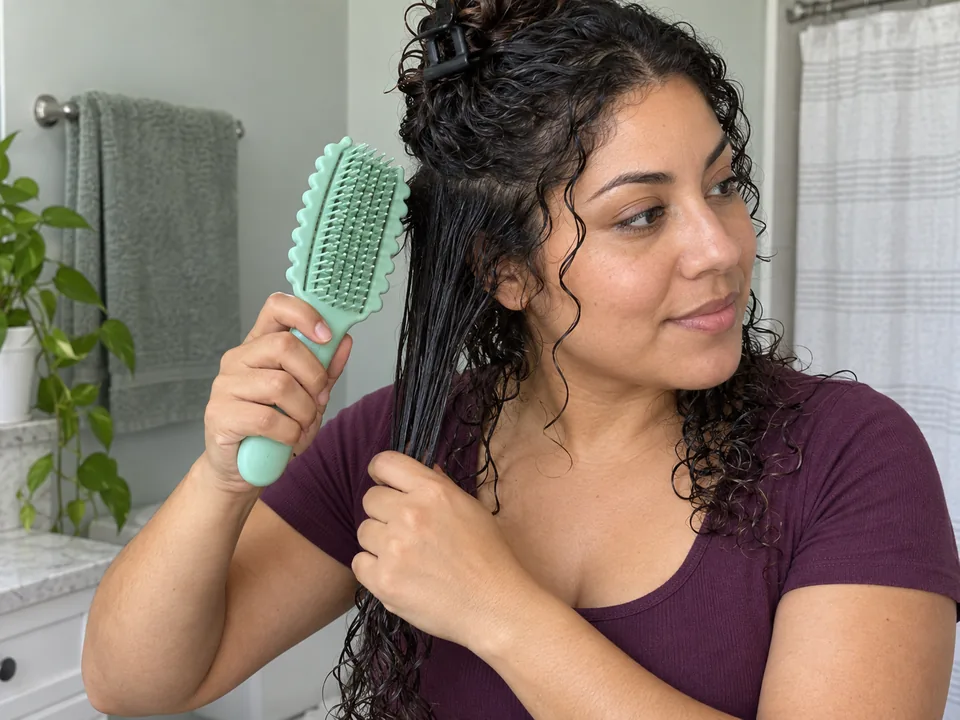
Guides damp curl sections into groups as part of styling.
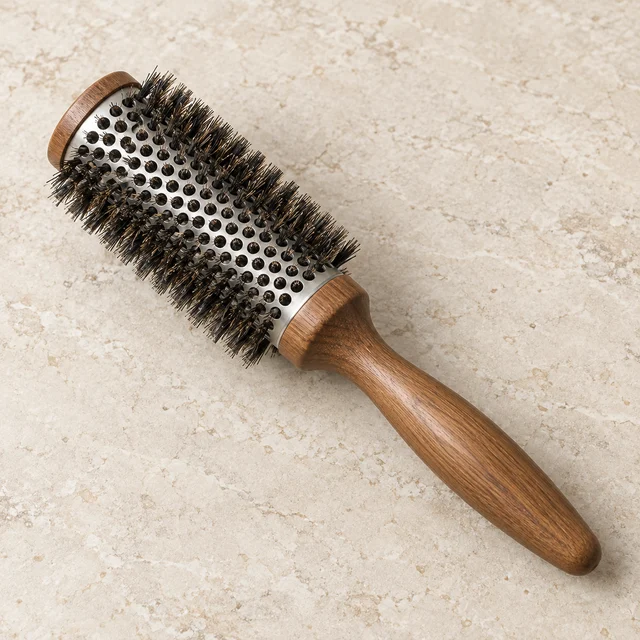
Supports a section while it is shaped with airflow. Avoid winding hair into a brush that cannot release it.
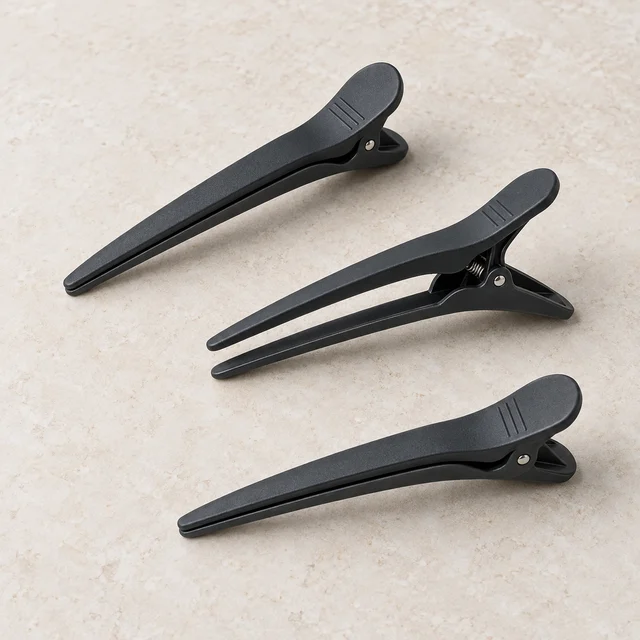
Keep sections apart while you work on one area at a time.
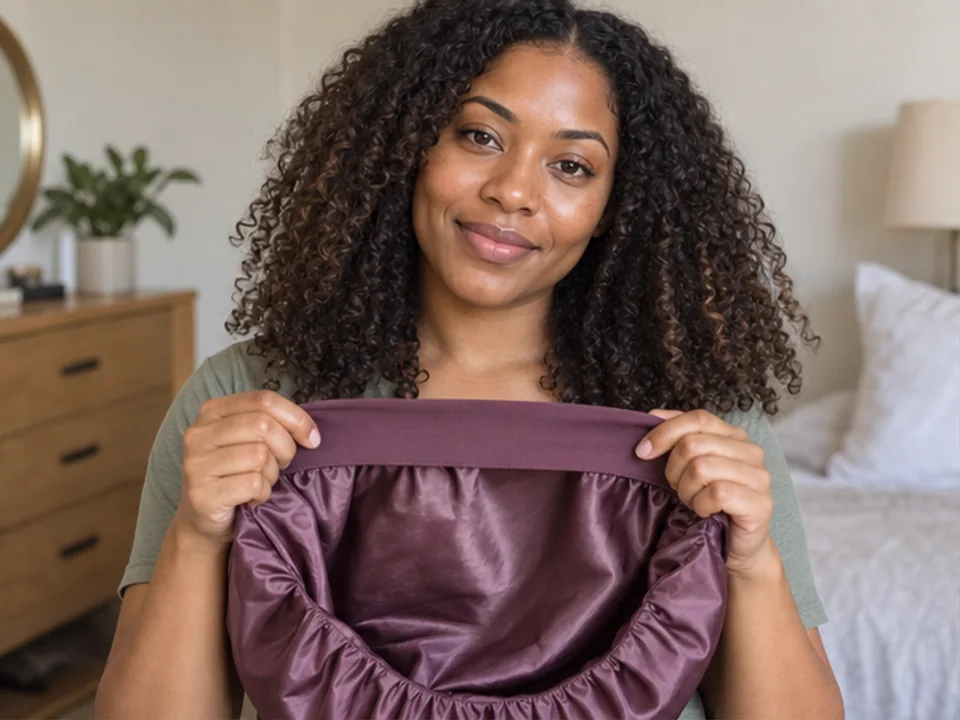
Encloses dry hair loosely during sleep to help keep it contained.
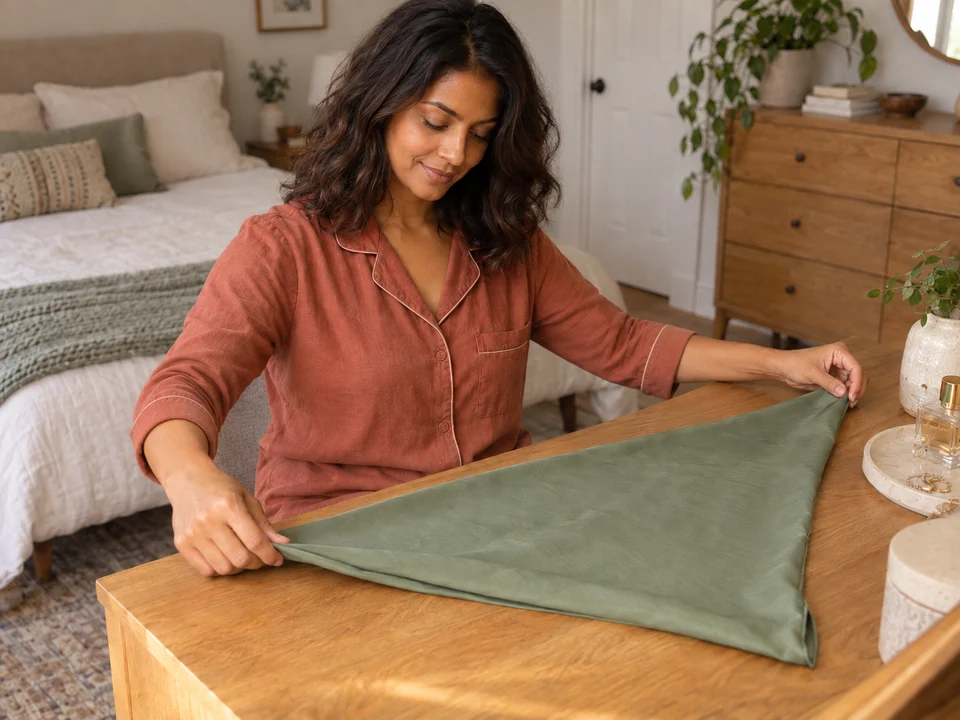
Wraps around hair to help keep a style contained overnight.
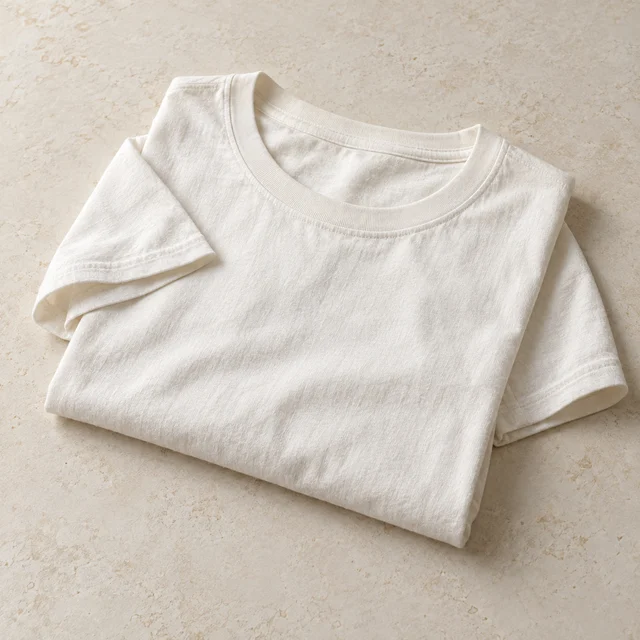
Absorbs excess water when pressed around hair, without rubbing back and forth.
A material label is one piece of information. The setting, repeated exposure, surface condition and how comfortably you can use the tool also matter.
A ceramic label can describe the surface coating over a different base material. Check the actual construction in the specifications. It does not establish a suitable setting for fine or treated hair.
Titanium names a material used in some heated surfaces. The label alone does not tell you how this appliance controls heat or how often you will need to rework a section. Coarse strands or curls do not automatically call for titanium.
Treat these as features to check in the model’s specifications, not evidence that a tool repairs damage or guarantees hydration. Choose for the job, controls and handling before a material label.
Silk describes a fiber; satin describes a weave and can use different fibers. For drying and detangling, check softness, seams, catches and the way you handle the hair. A material name cannot make a rough technique gentle.