Understand your tool
Detangling brush
A brush used to separate strands. Shape, bristle condition and technique matter more than a material promise.
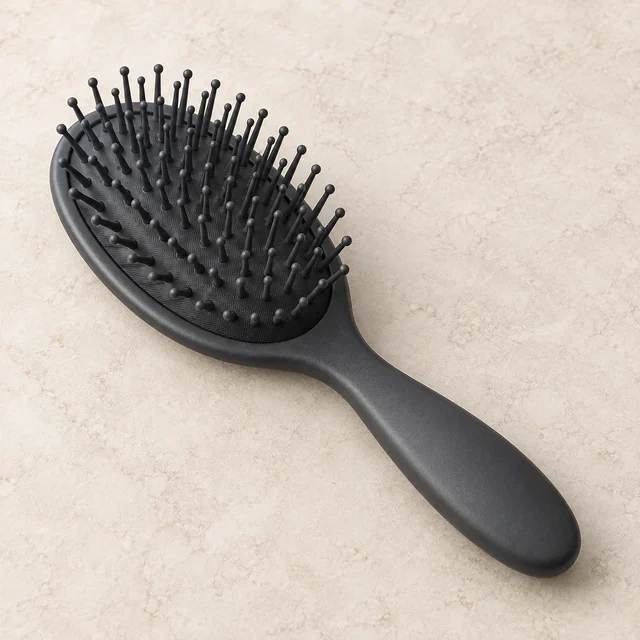
What to look for
- Smooth, intact bristles or pins
- Wet-use permission if that is how you detangle
- A head and handle you can control without pulling
Check your current tool before replacing it. The photographs illustrate a tool family; the exact controls and attachments vary by model.
Connect it to your hair and routine
- Consider the result you want, your current technique and how much active time you have.
- Choose a size, shape and surface that work comfortably with your hair length and the method you use.
- If a tool catches, feels difficult to control or has a damaged surface, pause and check it before continuing.
- Follow the item’s care directions; construction affects whether it can be soaked, washed or dried with heat.
Preparation & tutorials
These general guides teach preparation, handling and cleanup for the named action. Use your routine’s saved instructions for the order and frequency.
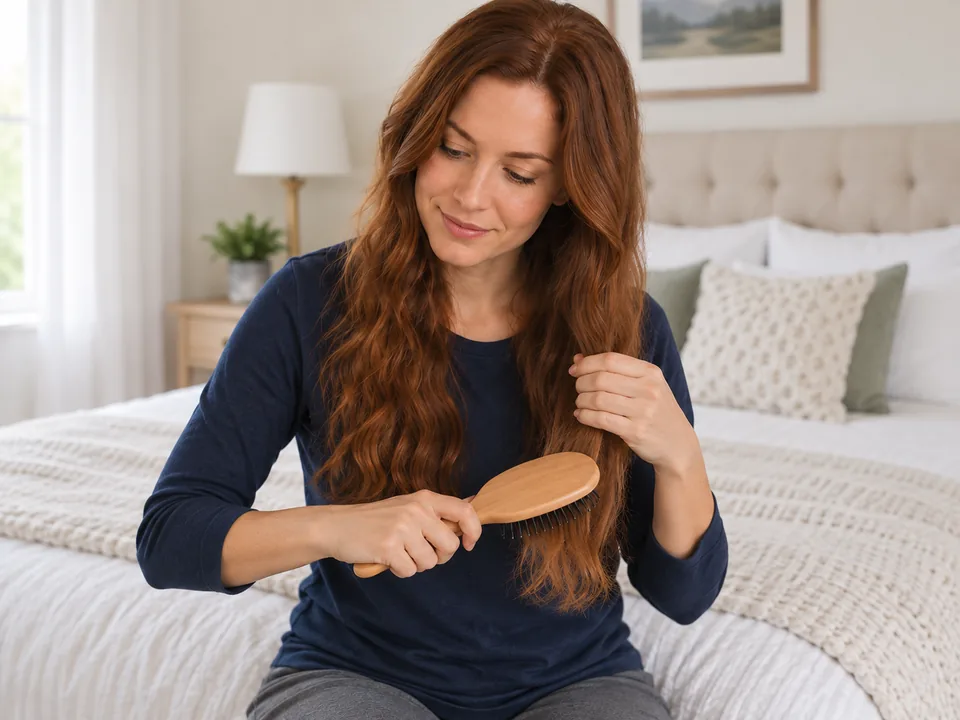
Brush dry straight or wavy hair without pulling
Gentle dry brushing detangles straight or wavy hair in supported short passes from the ends upward.
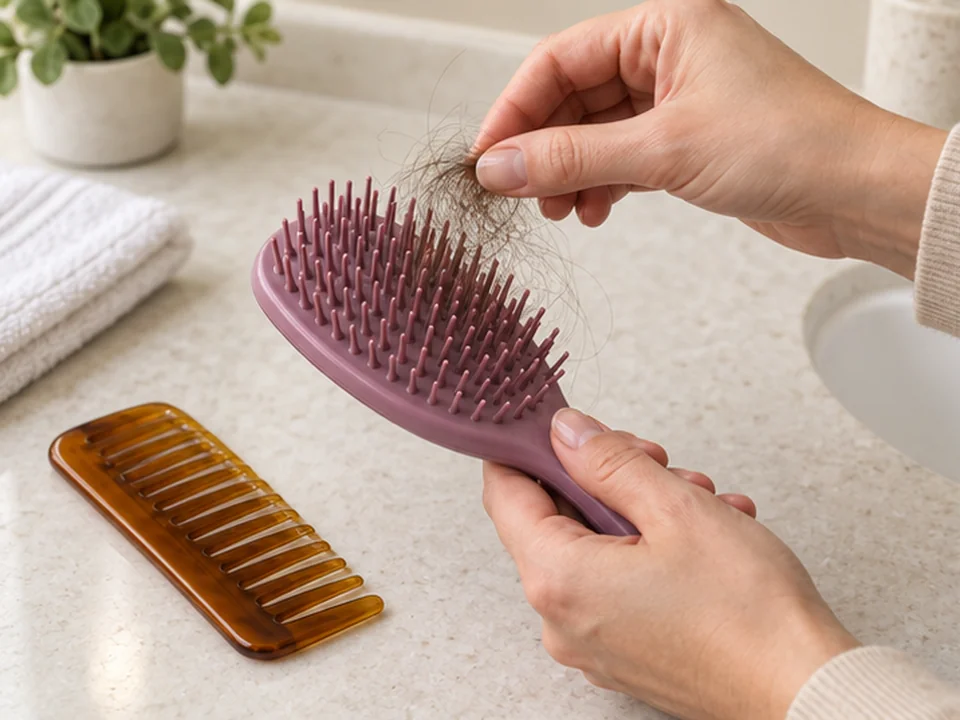
Clean your hairbrush and comb
Brush and comb cleaning removes caught hair and surface residue from grooming tools using care appropriate to their construction.
Sources and review
Reviewed 2026-09-24. Feature checklists are editorial decision guidance, not comparative appliance test scores.
- Hair styling without damage — General handling and exposure guidance; no material ranking.