Ceramic and ceramic coatings
A ceramic label can describe the surface coating over a different base material. Check the actual construction in the specifications. It does not establish a suitable setting for fine or treated hair.
Understand your tool
Moves air through the hair to help it dry. Heat and airflow are separate controls on some models.
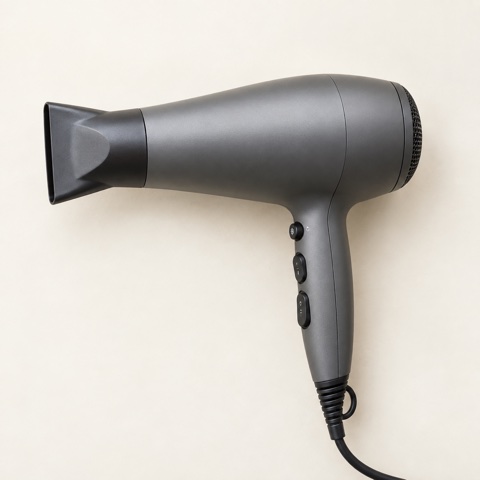
Check your current tool before replacing it. The photographs illustrate a tool family; the exact controls and attachments vary by model.
These general guides teach preparation, handling and cleanup for the named action. Use your routine’s saved instructions for the order and frequency.
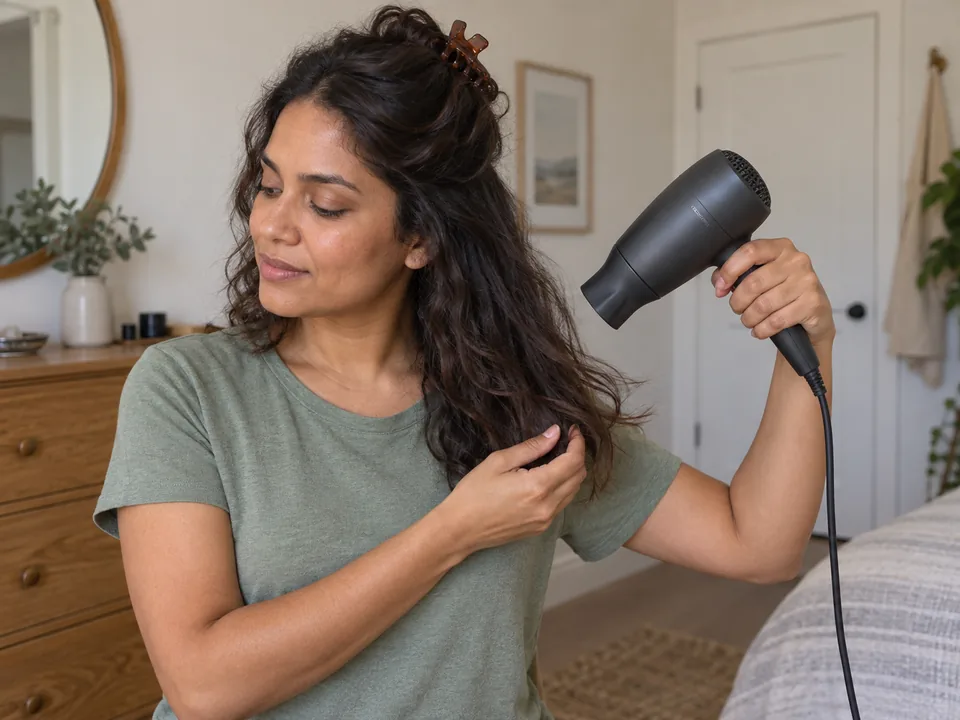
Sectioned blow-drying dries separate portions of loose hair in turn with a handheld hair dryer, making it easier to cover the whole head.
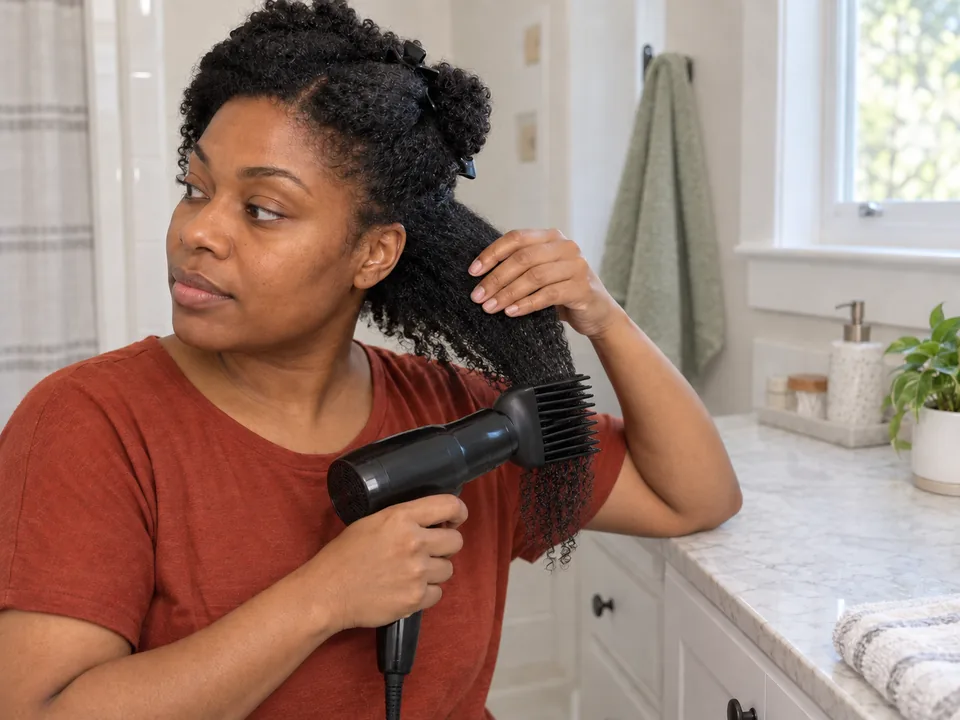
Comb-attachment blow-drying uses a dryer-mounted comb or pik to hold and smooth a section while airflow dries it.
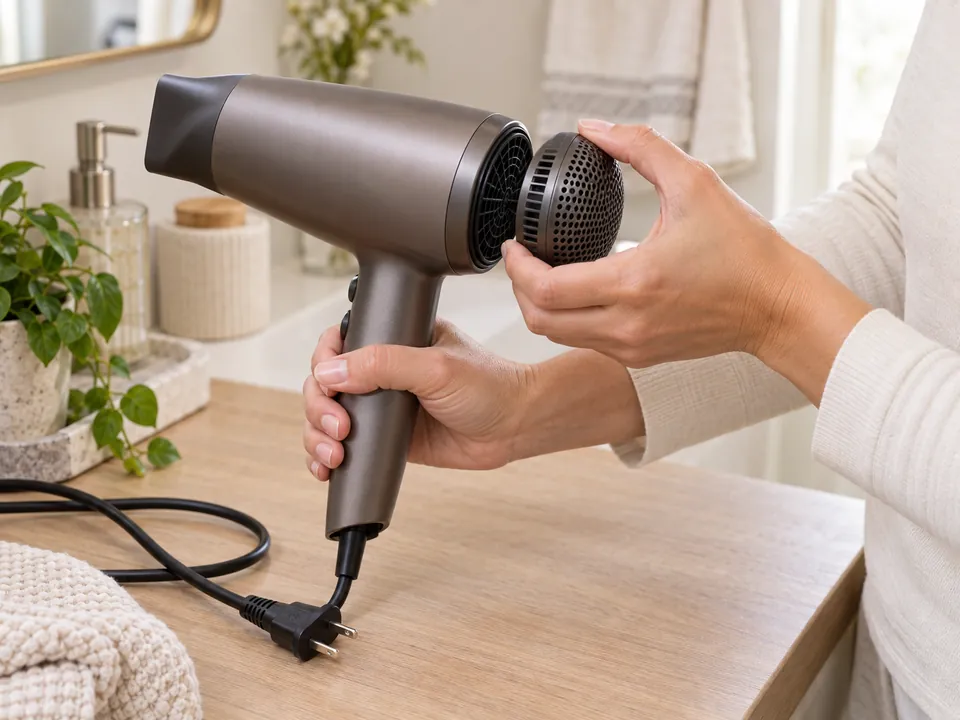
Removable dryer-filter care clears lint and debris from the serviceable filter part named in a hair dryer’s own instructions.
A material label is one piece of information. The setting, repeated exposure, surface condition and how comfortably you can use the tool also matter.
A ceramic label can describe the surface coating over a different base material. Check the actual construction in the specifications. It does not establish a suitable setting for fine or treated hair.
Titanium names a material used in some heated surfaces. The label alone does not tell you how this appliance controls heat or how often you will need to rework a section. Coarse strands or curls do not automatically call for titanium.
Treat these as features to check in the model’s specifications, not evidence that a tool repairs damage or guarantees hydration. Choose for the job, controls and handling before a material label.
Reviewed 2026-09-24. Feature checklists are editorial decision guidance, not comparative appliance test scores.