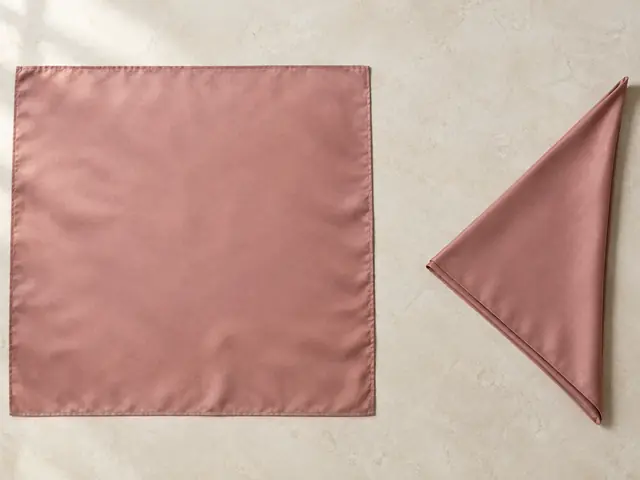
Square scarf
Folded corner to corner into a triangle, it covers the head and ties with a compact knot at the nape. The easiest shape to learn and the basis of most sleep wraps.
Best for: Everyday bedtime covering for short to shoulder-length hair.
Reach for a sleep scarf when you want dry hair — or a wrapped straight style — covered and held close overnight, with a fit you tie yourself. A smooth scarf keeps lengths off the pillow; the knot and tension decide whether it's comfortable.
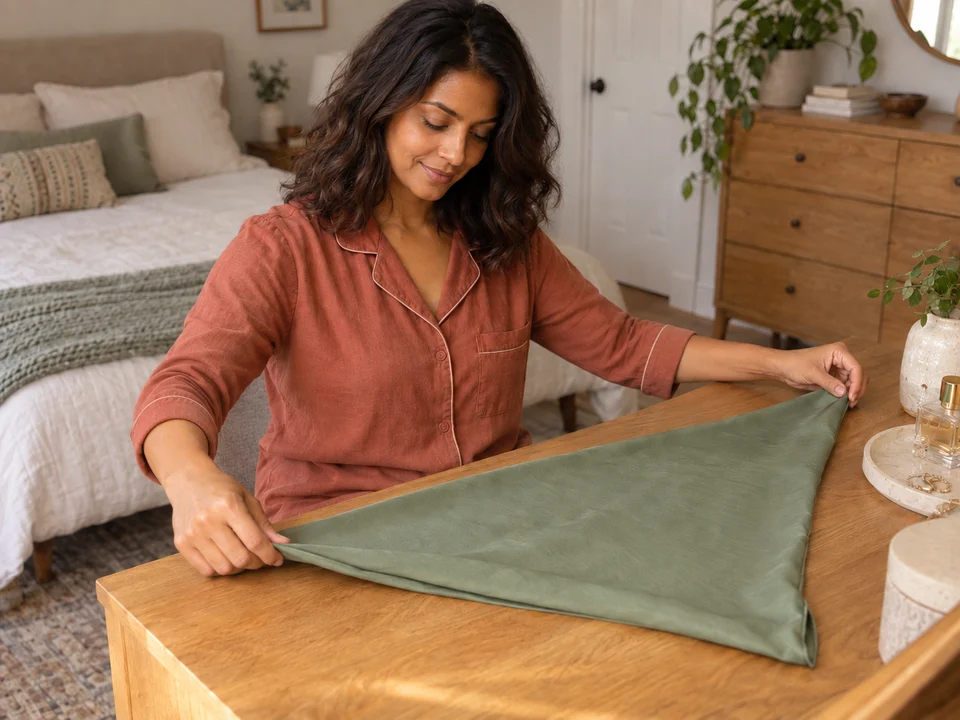
The basic method. Your model’s own directions come first for heat, attachments and starting state.
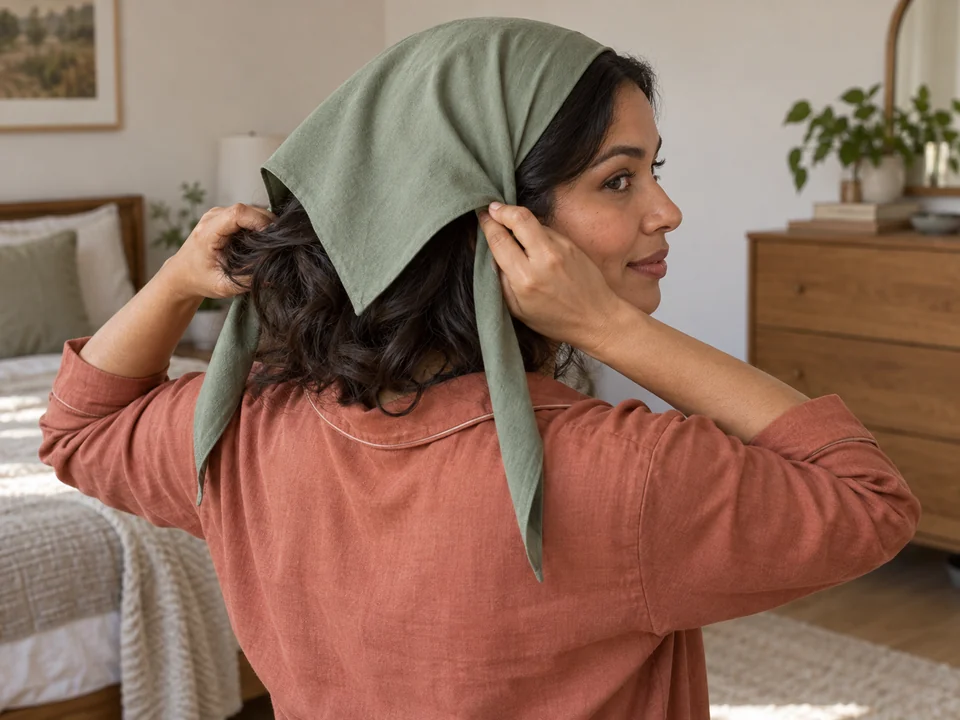
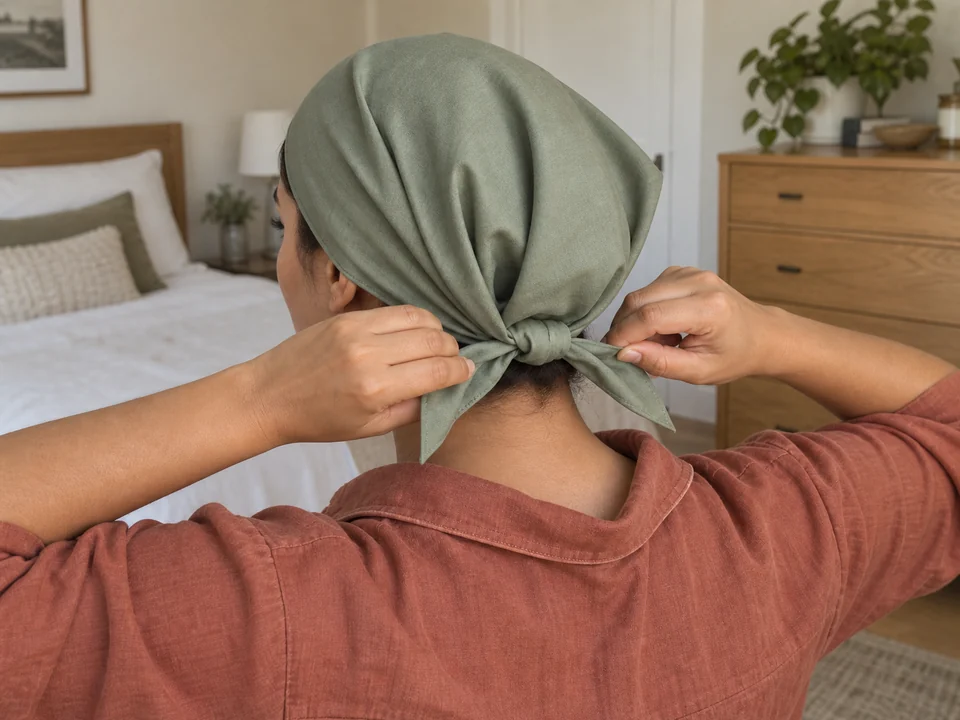

Your dry hair is covered and held close, your face and neck are clear, the knot feels comfortable when you lie on it, the scarf is still on in the morning, and it unties easily without pulling.
What each kind does, and who it suits.
Folded corner to corner into a triangle, it covers the head and ties with a compact knot at the nape. The easiest shape to learn and the basis of most sleep wraps.
Best for: Everyday bedtime covering for short to shoulder-length hair.
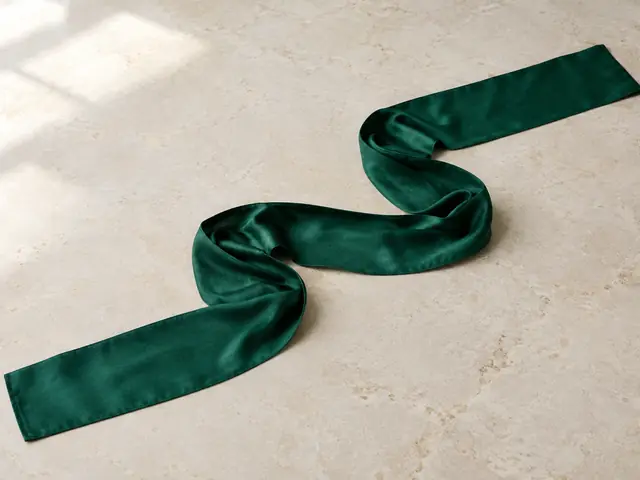
More length to wind around a bun, a pineapple or lots of volume, and to tie at the front or top. Drapes more; takes a little more practice to keep flat.
Best for: Long or dense hair, braids, locs and front-tied or pineapple wraps.
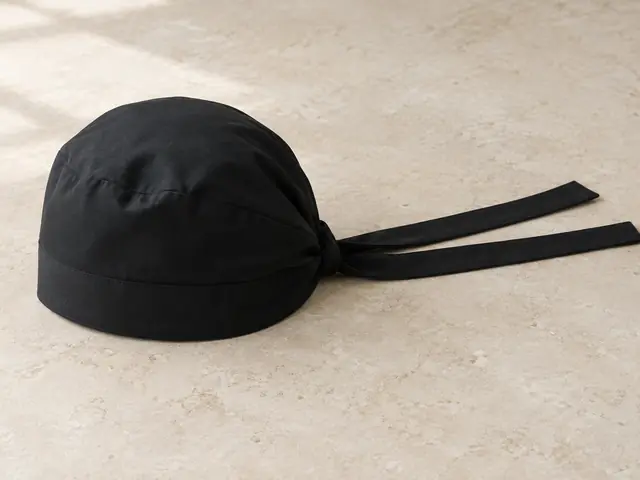
A scarf already sewn into a cap shape, with long fabric tails that tie at the nape. It sets the fold for you, so it's quicker than a square, but the fit is less adjustable.
Best for: Short to shoulder-length hair, or anyone still learning to fold and tie a square.
The controls worth understanding before you change anything.
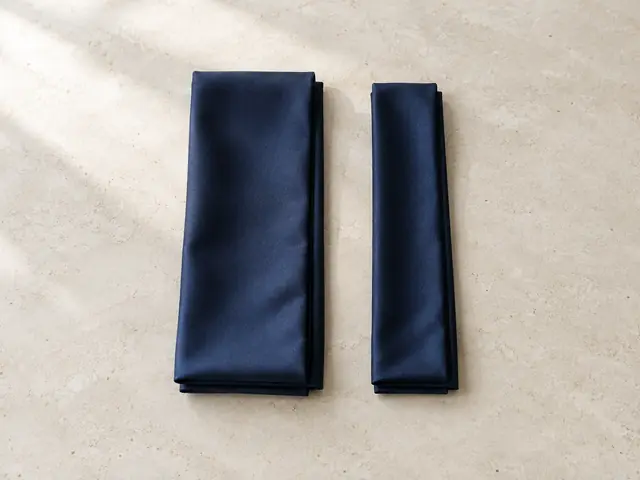
A wide fold covers more of the hairline and crown; a narrower fold is easier to anchor and tends to slip less. If yours slides off by morning, try a narrower fold before tying tighter.
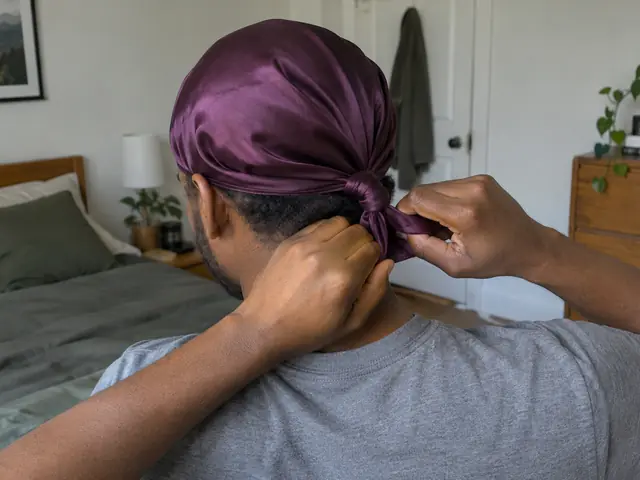
The standard knot sits at the nape. Keep it low and flat, or just off to one side, so you don't lie on a lump. A front or top knot suits back sleepers and long wraps.
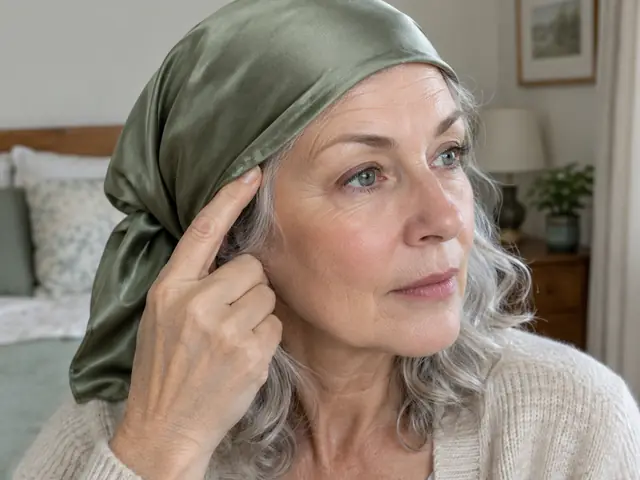
Snug enough to stay on when you turn your head, never tight enough to press or pull. If you feel pressure, pain or stinging, retie it looser — don't tighten to fix slipping.
Once the basics feel easy, these moves change the result.
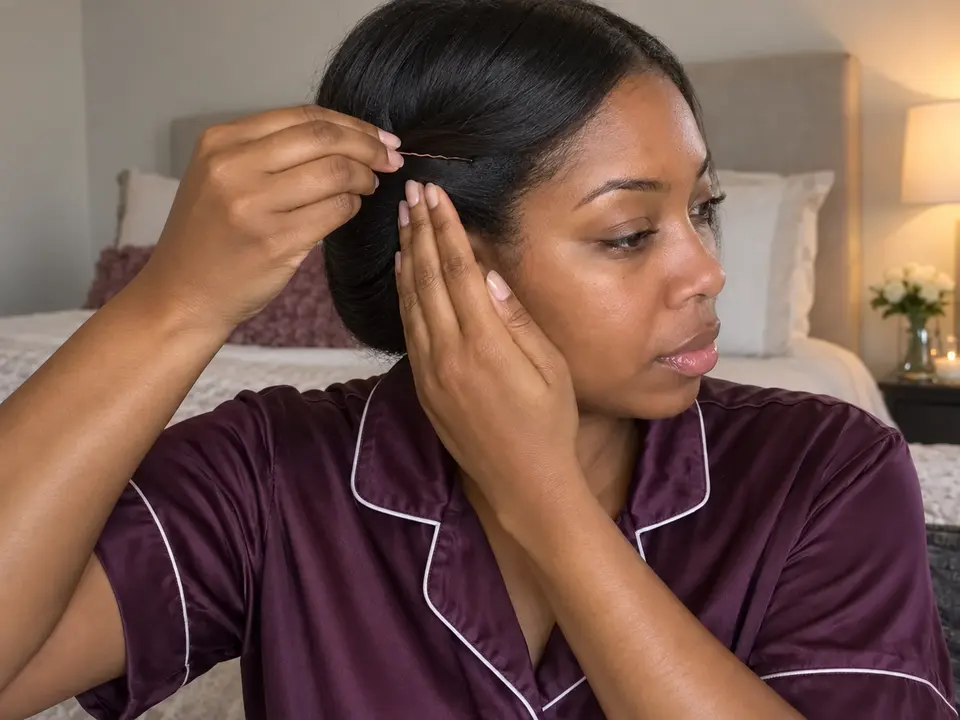
Brush dry straight hair around your head in one direction, hold the wrap with a few flat pins where it shifts, then cover it with the folded scarf. Remove every pin before brushing it out.
Full guide: Wrap a straight style for sleep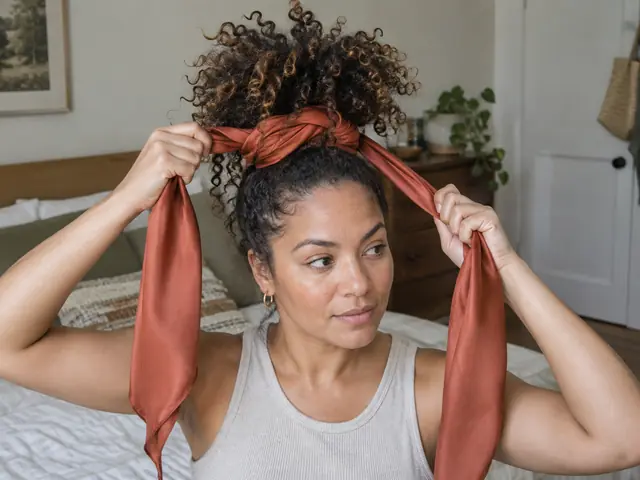
Gather dry curls high with one relaxed pass of a soft tie, then wind a long scarf around the base of the bundle and tie it at the front. The curls sit free on top instead of being pressed.
Full guide: Put waves or curls in a loose pineappleWhat goes wrong most often, and what to do instead.
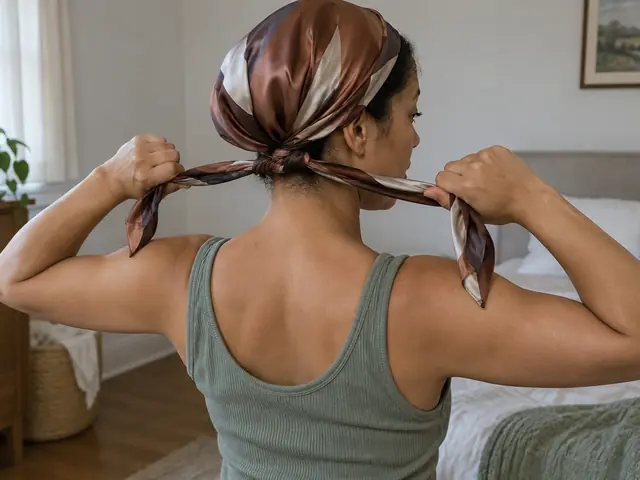
Pulling the knot hard squeezes the hairline and can pull at the edges all night. Fix slipping with a narrower fold, a larger scarf or a less slippery fabric instead.
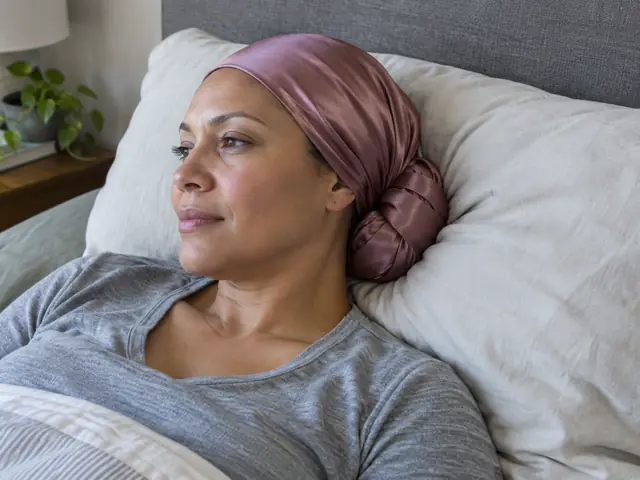
A big knot centered at the back of the head presses into your scalp when you lie down, and you'll loosen or pull at it in your sleep. Tie it low, flat and slightly to one side.
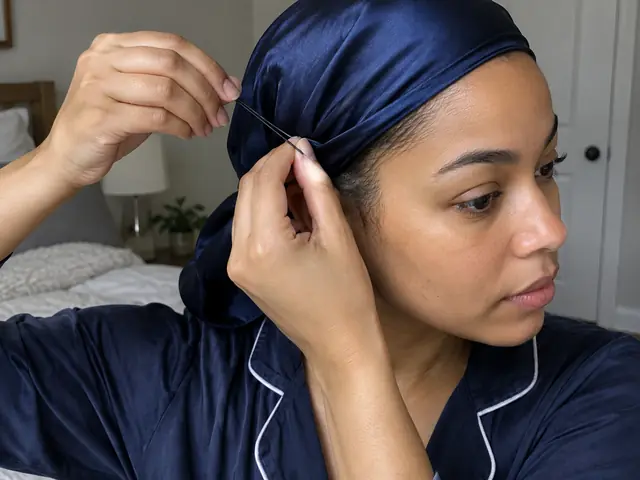
Pins or clips through the scarf press and catch when you lie on them. For sleep, rely on the fit and the knot; pins that hold a straight wrap underneath come out in the morning.
Claims you’ll see online, answered plainly.
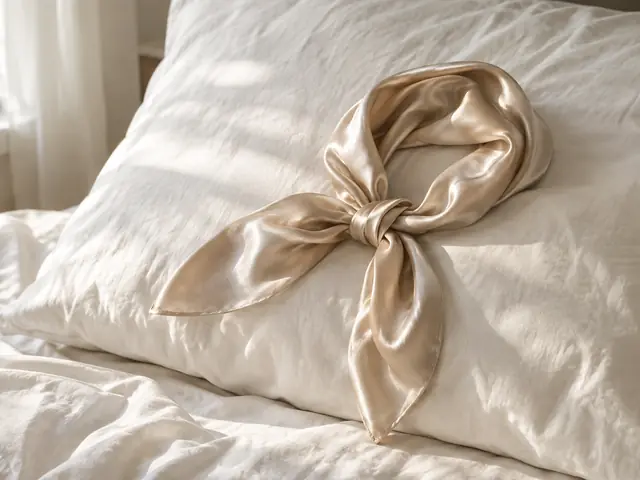
Very slippery fabrics are the ones most likely to slide off. A narrower fold, a larger scarf, a front knot or a cotton-backed or grippier scarf helps more than tying harder.
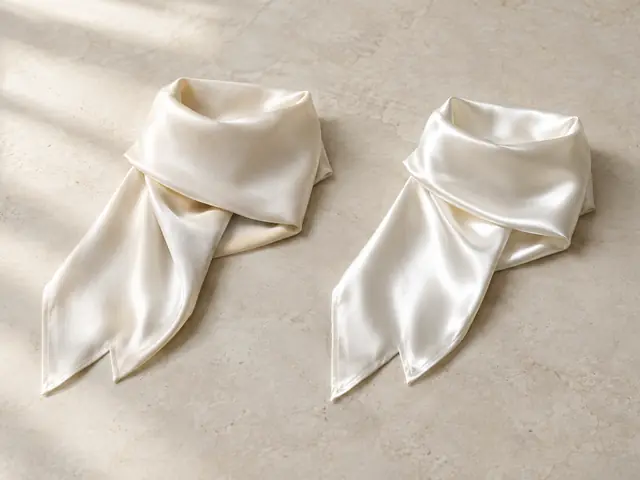
Silk is a fiber; satin is a weave, often made from polyester. Both give a smooth surface, but they differ in cost, feel and how they can be washed.
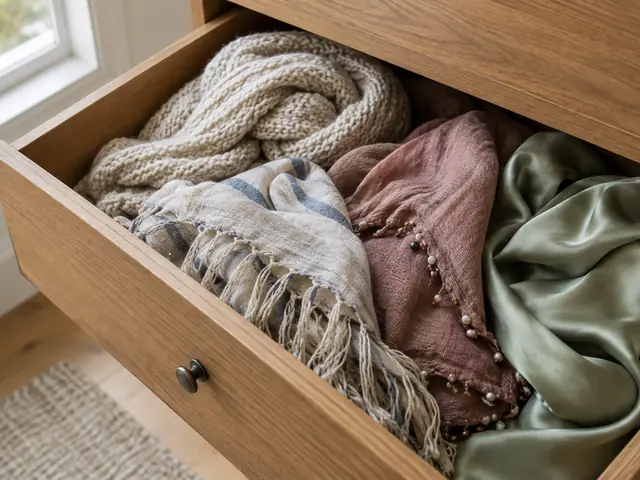
Any large, soft scarf will cover your hair. Smooth silk or satin is gentler on the hair it touches than rougher fabrics, and knits, fringe or beads can catch and snag.
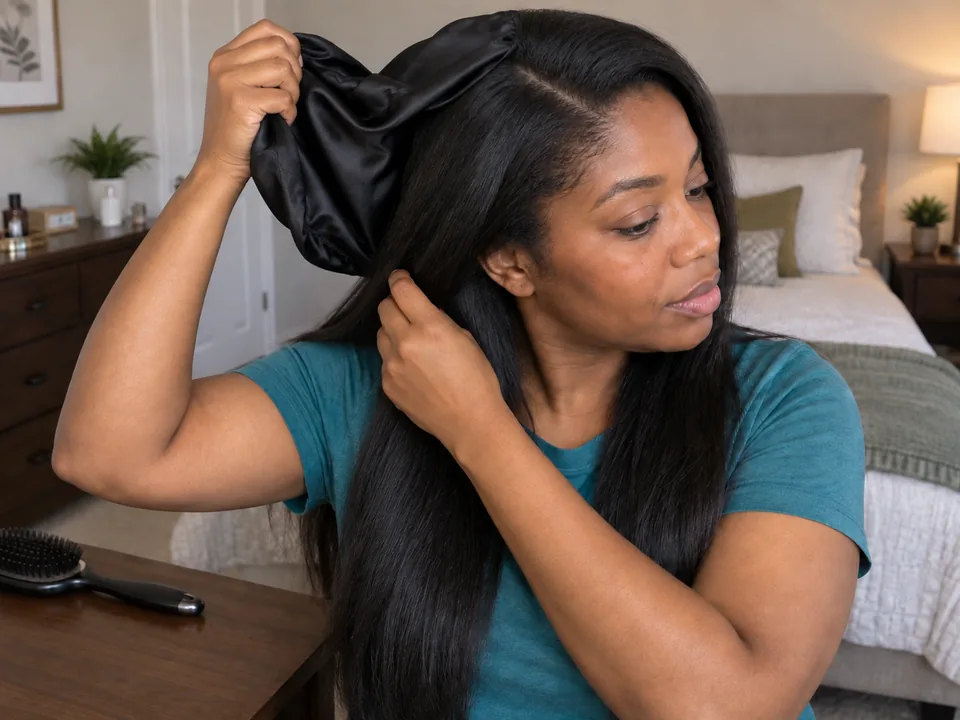
A flat wrap under a scarf helps a straight style keep its direction overnight. How long it lasts still depends on humidity, sweat, your hair and how it's handled in the morning.
Keep it clean, safe and working the way it should.
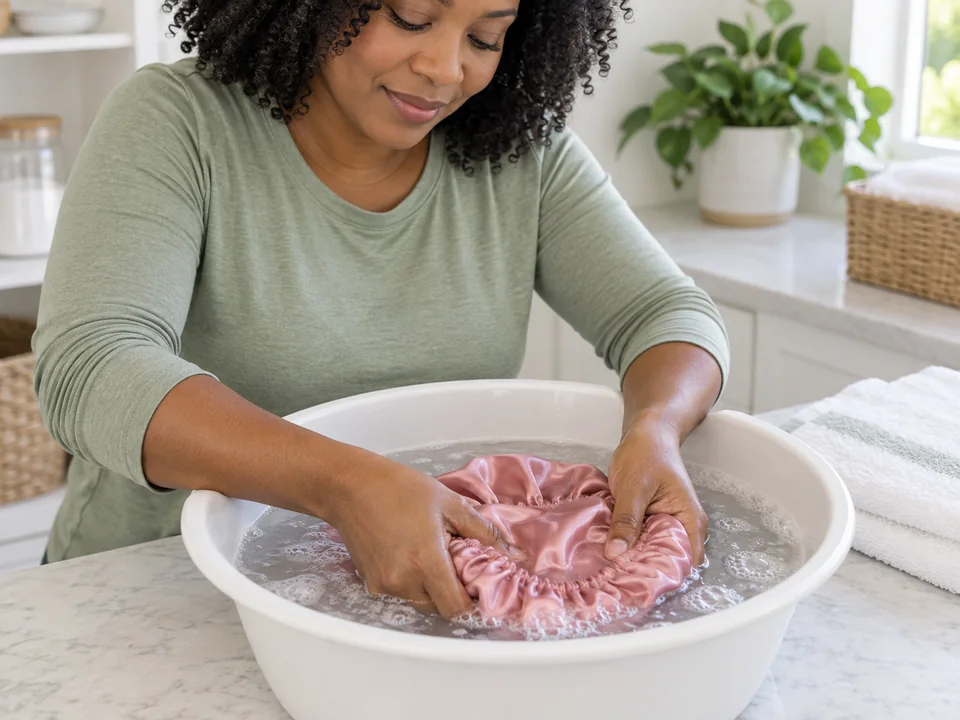
Hair products and skin oils build up on the fabric. Follow the exact scarf's directions for hand or machine washing, water temperature and cleanser — silk and satin labels differ.
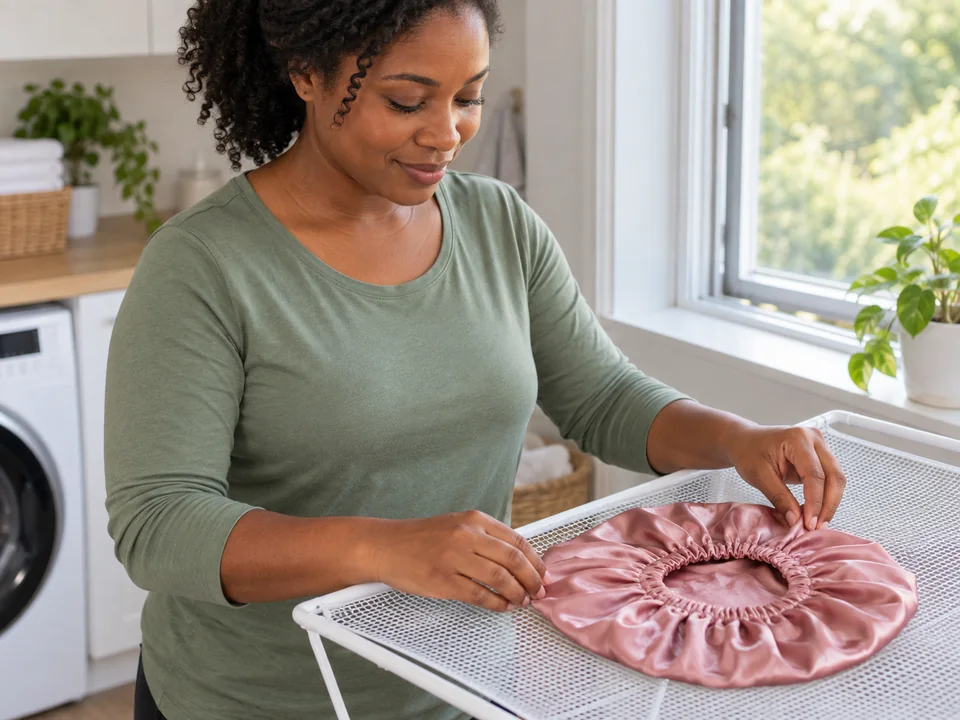
Dry it as directed and only use it again when completely dry. Fold or roll it loosely away from hooks, jewelry and zips that can snag the surface.
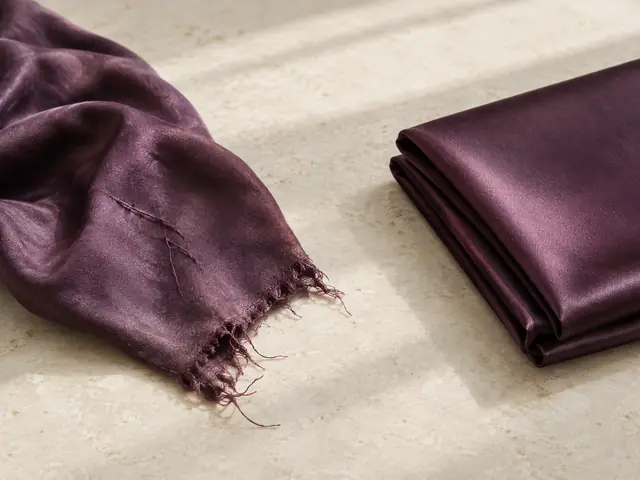
Pulled threads, a fraying hem or a surface that has gone rough no longer glides over your hair. Replace it, or keep it for daytime wear.
Photo-by-photo techniques that use this tool.
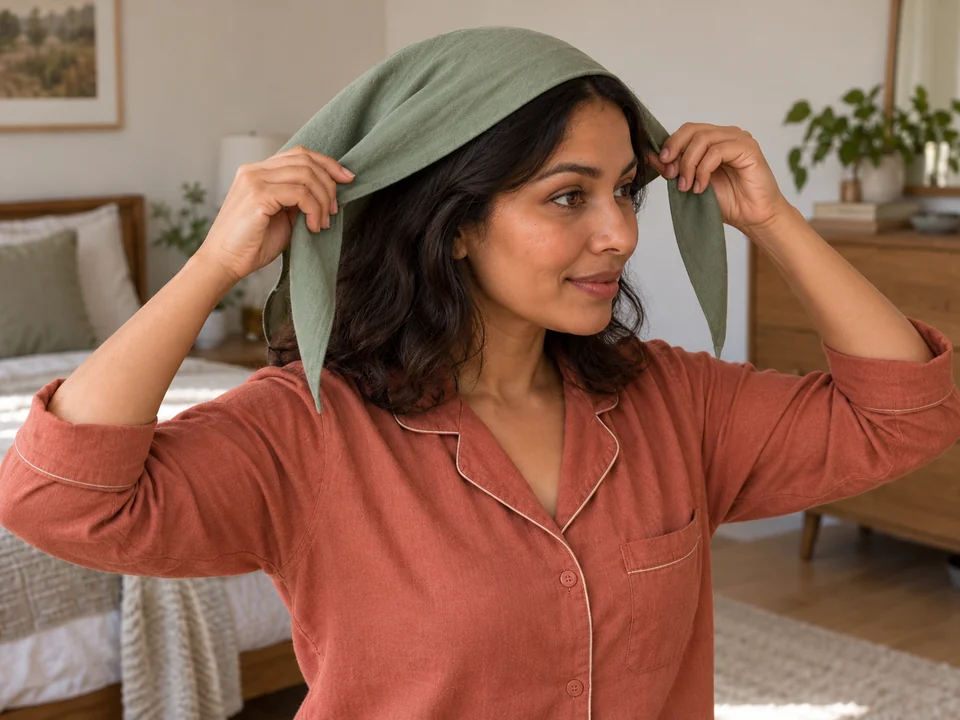
A sleep-scarf wrap is a square scarf folded over loose hair and tied behind the head. Its fit depends on the scarf’s size and the way it is folded and tied.
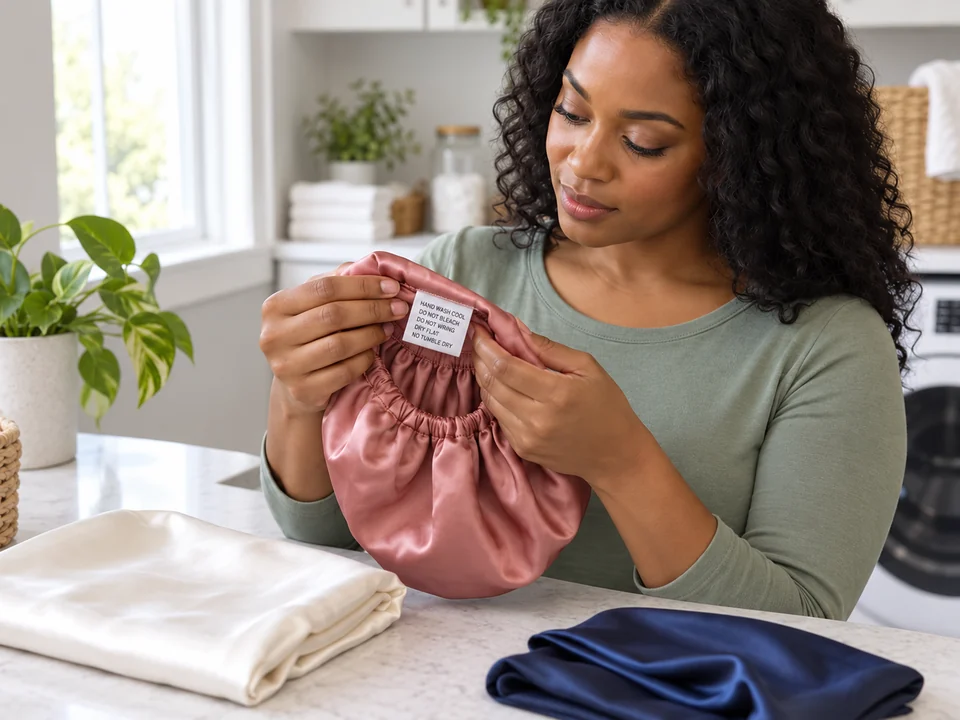
Washing a bonnet, sleep scarf or pillowcase removes dirt and residue using the hand or machine method allowed for that item.
Check the actual fiber, seams, fit and care directions.
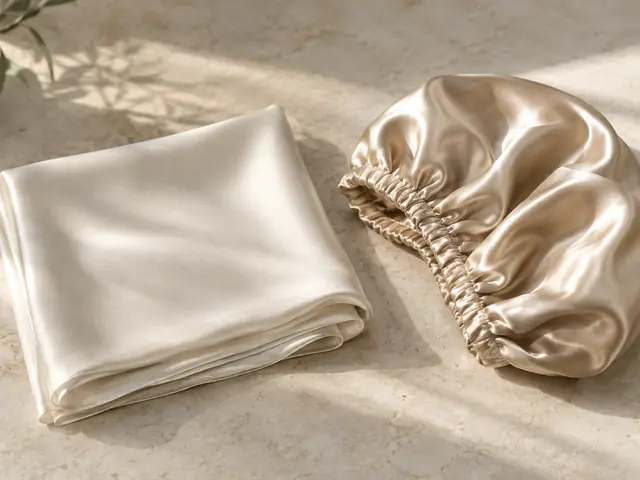
Silk describes a fiber; satin describes a weave and can use different fibers. Check softness, seams, fit at the hairline and the care label. A material name cannot make a tight wrap or a rough seam gentle.
Add it to your tools and your routine will use what you own.
More in sectioning and overnight.
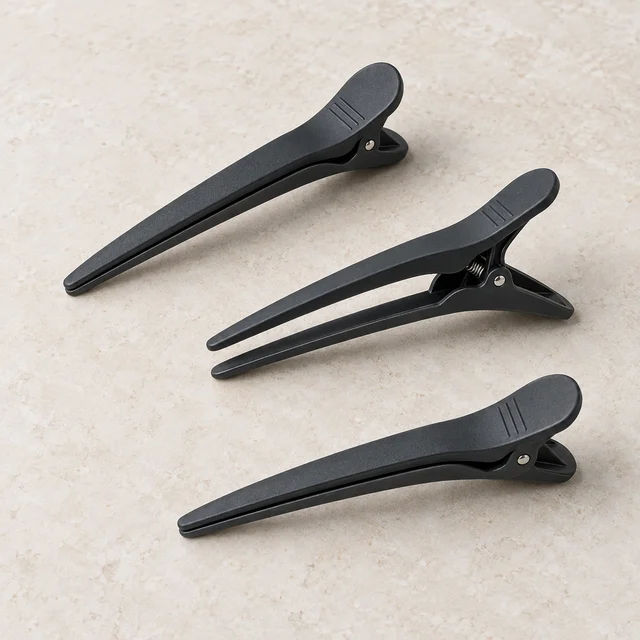
Hinged clips that hold a folded portion of hair out of the way while you work on another. Common kinds include duckbill, alligator, claw and snap clips.
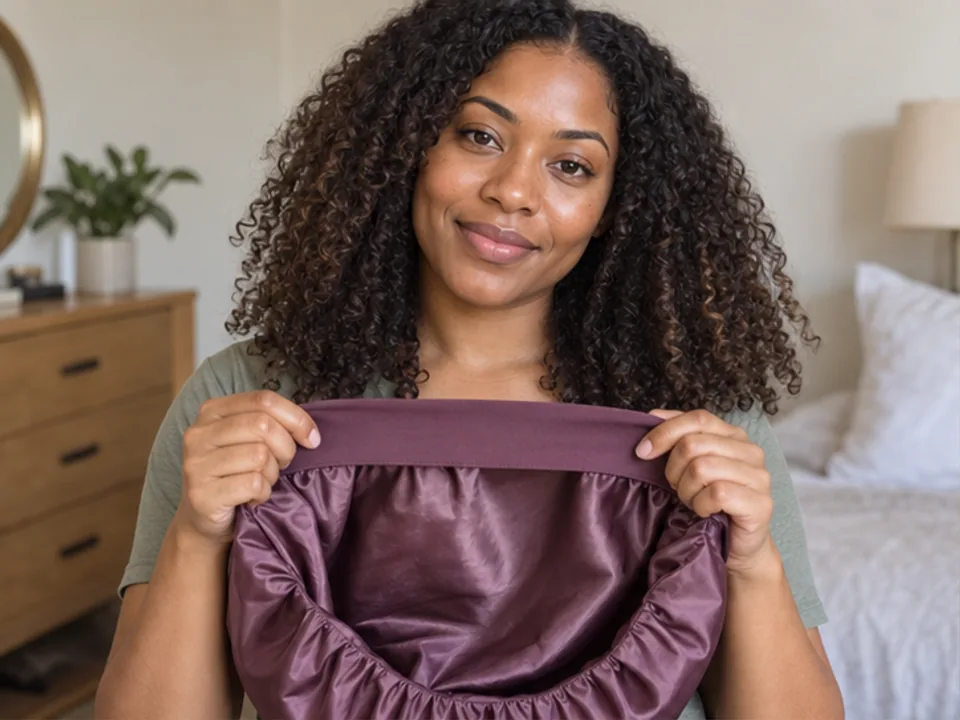
A soft fabric cap, usually silk or a smooth satin weave on the inside, that loosely encloses dry hair during sleep and closes with an elastic or tie band around the hairline.