Hair Care Guides

Hair after chemo.
Care for where you are today.

You might have no hair, soft new fuzz or a texture you’ve never looked after before. Start with a routine you can manage on an ordinary day. There’s no look you’re supposed to have, no shopping list and no deadline for feeling like yourself.

Your personal hair-care planEveryday products and routines built from what you tell us.$49one-timeStart my consultation
An adult woman with short salt-and-pepper coils relaxing at home.
Short hair, a covering or neither. The choice is yours.

What can you do today?

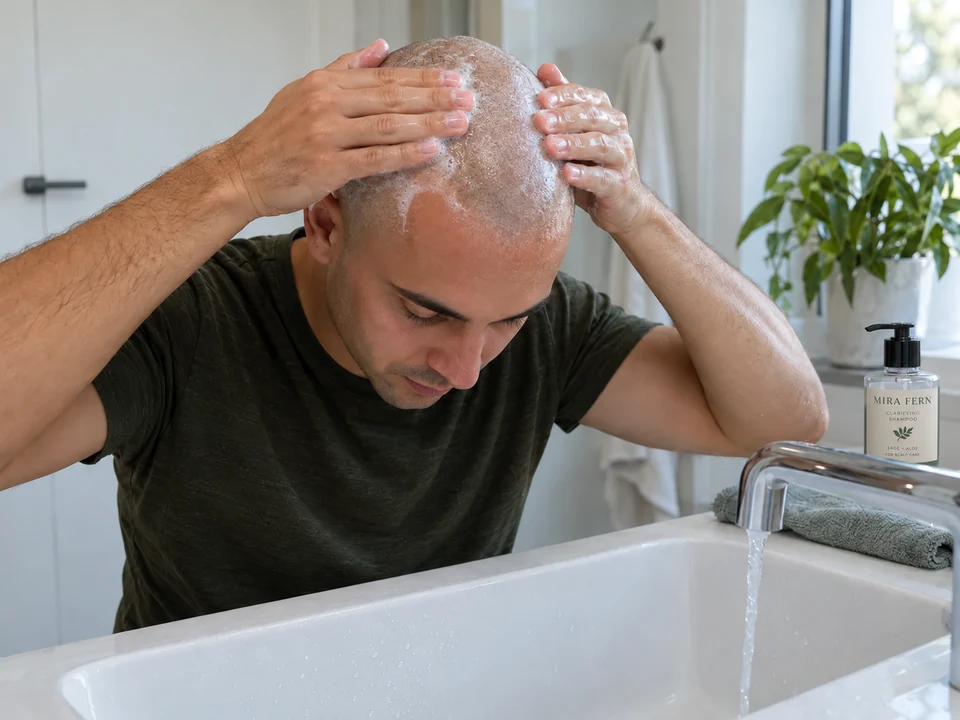
Flat finger pads gently cleanse visible scalp and very short regrowth at a basin.

Little or no hair

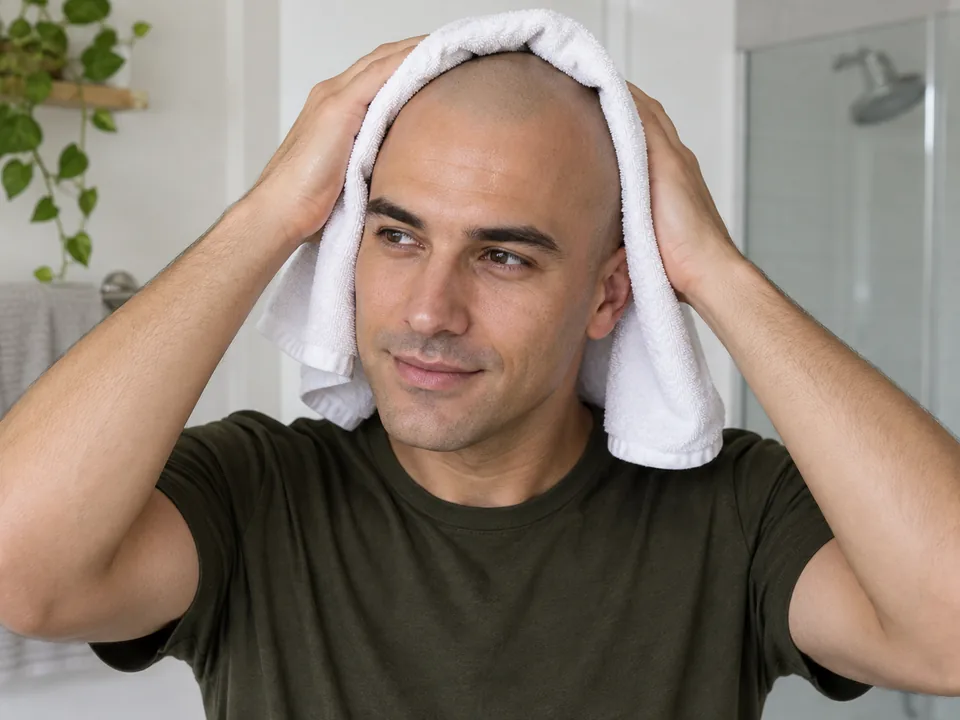
Wash gently with a mild cleanser when sweat, oil or product needs to come off, then rinse and blot with a soft towel. If unbroken skin feels dry, a moisturizer you tolerate may help. Skip conditioner and styling until there’s hair for them.

Both hands press a clean soft towel over the rinsed scalp without rubbing.

Soft, very short growth

Use your fingertips and keep it gentle. New hairs are fragile, so no scrubbing, pulling or repeated brushing. Condition only if the hair feels like it needs softening. At this length there are no mids and ends yet. If anything stings or burns, stop.

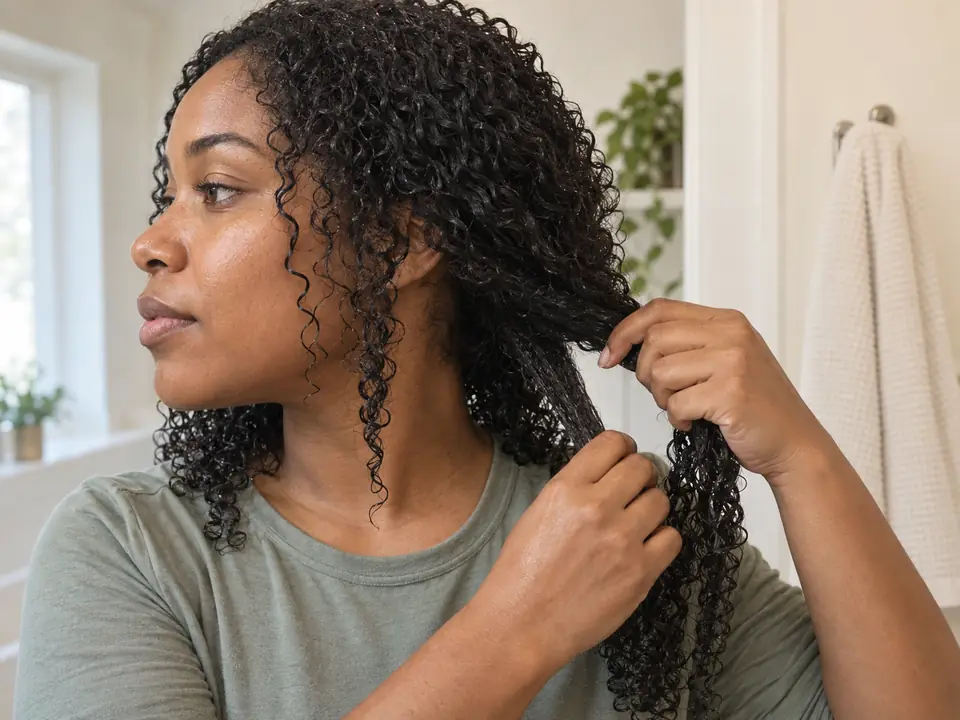
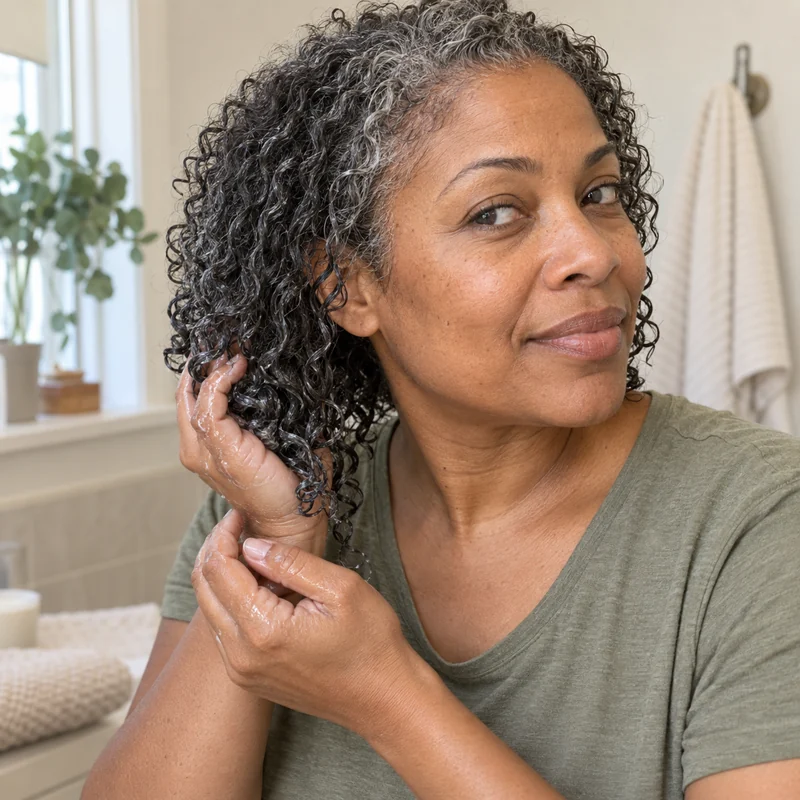
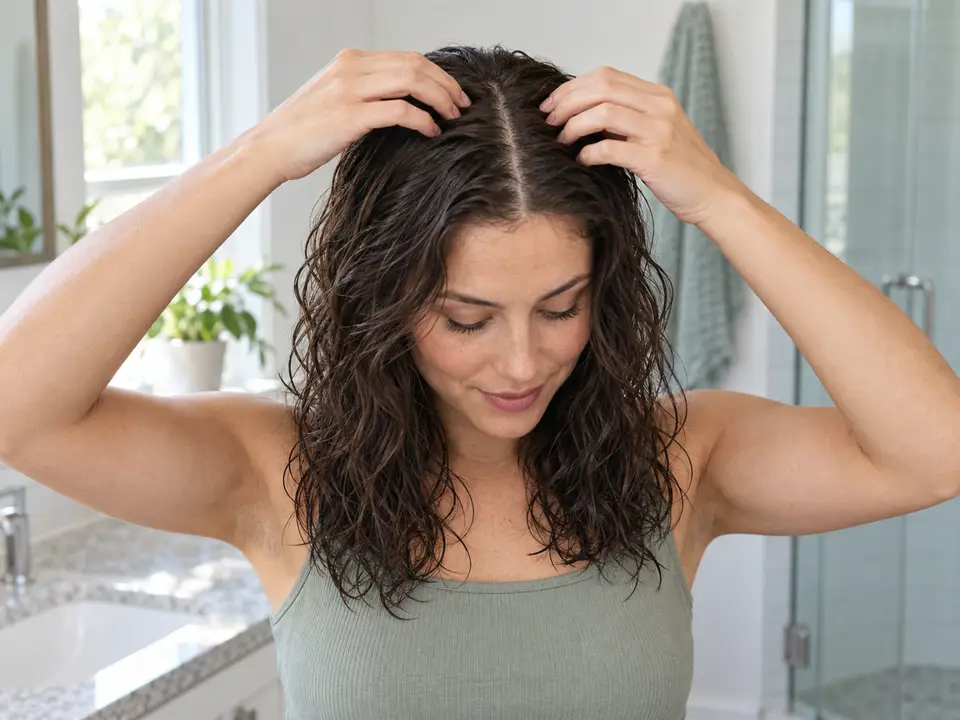
Woman with wet coily-curly hair using both hands to separate one reachable side section for finger detangling.

Enough length to handle

Once it tangles, add some conditioner for slip and ease knots apart with your fingers rather than pulling. Let it dry with as little handling as you can. Whatever texture is coming in, let how it responds decide how much product and how heavy.

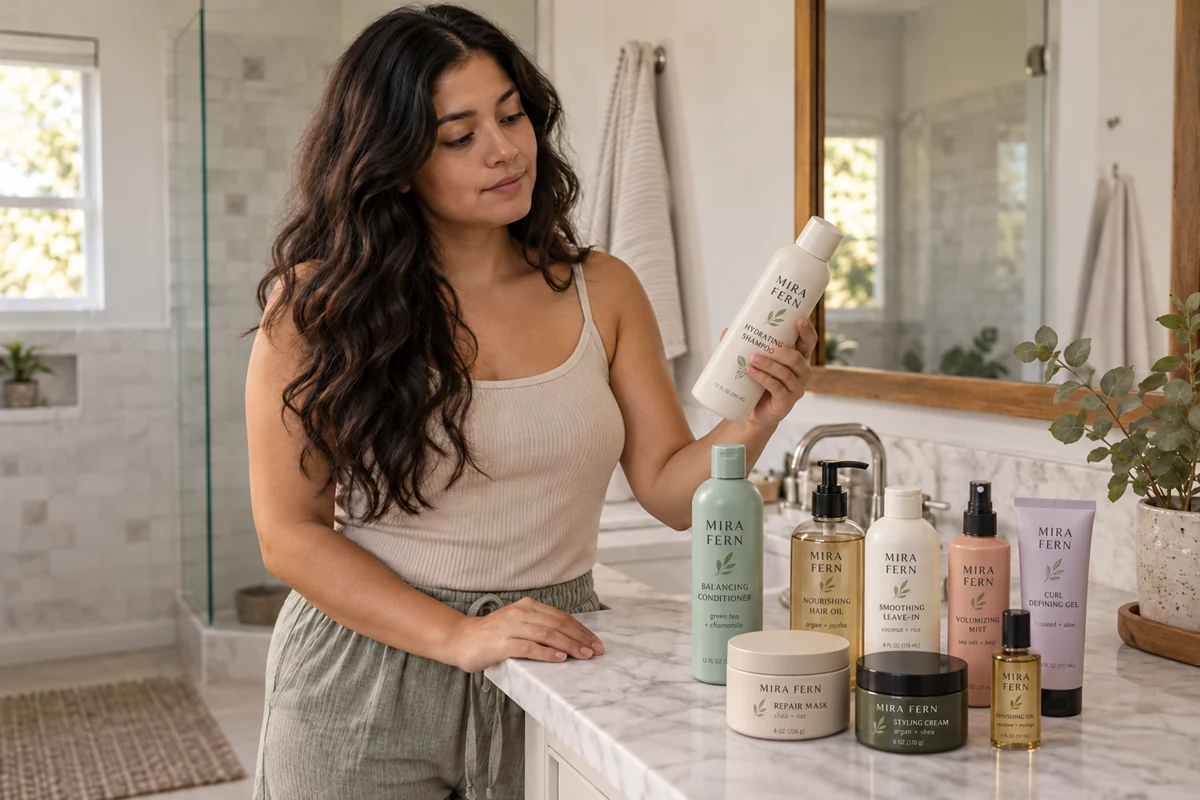
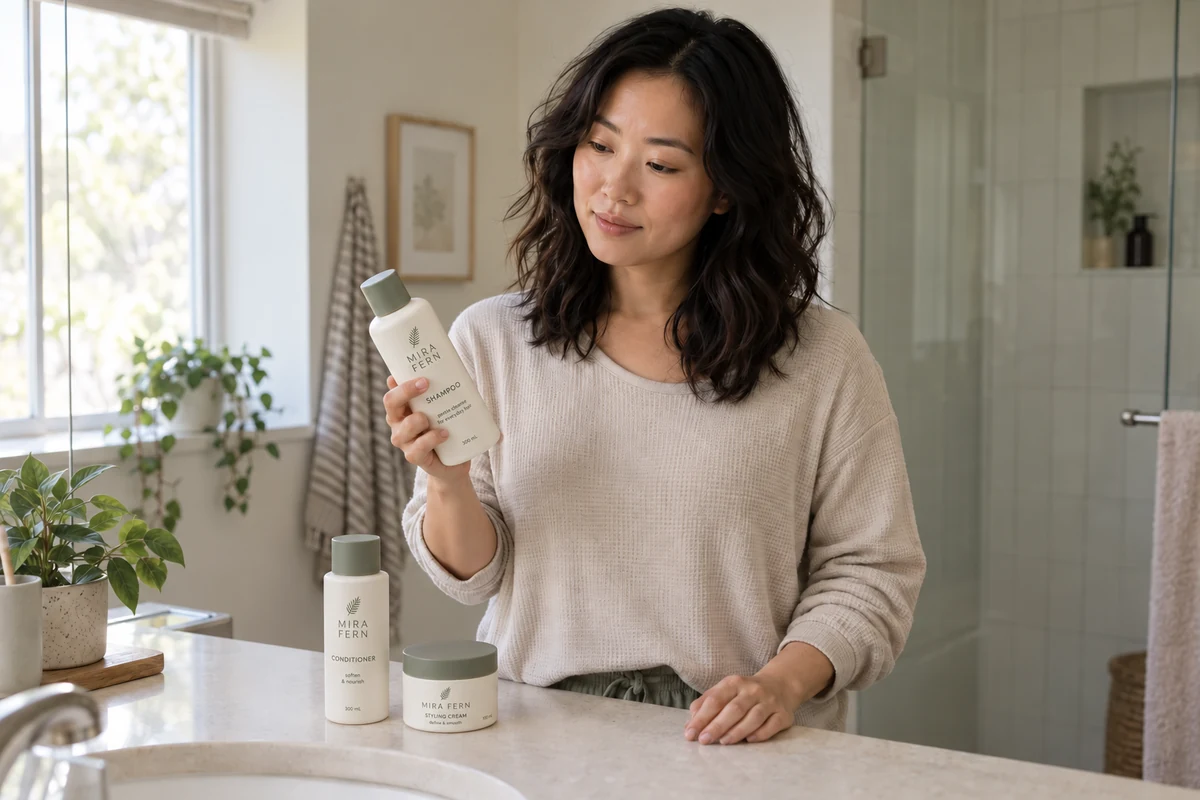
A woman considering several hair-care bottles and jars on her bathroom counter.

A low-energy day is allowed

Keep the products you tolerate. Washing when you need to, drying gently and comfortable sun protection can be the whole routine. Styling is optional. Sit down, split the tasks or ask someone to help. A new curl routine or a recovery kit can wait.

Growth and texture don’t follow one timetable

Very short

Weeks to months, and it varies

New growth often becomes noticeable in the months after chemotherapy ends. Some people see fine fuzz sooner. Fuller coverage takes longer and may stay incomplete. Length, strand thickness and density are three different things. Curl shrinkage makes growing hair look shorter.

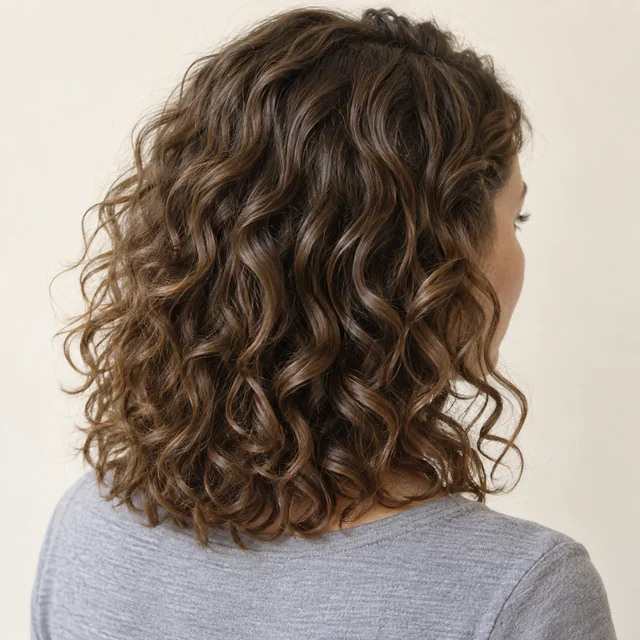
Brown hair forming pronounced waves and loose spiral ringlets.

“Chemo curls” are one possibility

Hair can come back curlier, straighter, finer or a different color. Nobody fully understands why texture changes. Yours may keep shifting for a while, and some changes stay. There’s no deadline for getting your old hair back.

A woman with curls writing a routine note beside her hair-care products.

Notice, without keeping score

If it helps, note how your scalp feels, how much sheds and what makes care easier. A photo now and then helps. Skip it if tracking adds worry. Slow return or new loss after regrowth goes in the questions below. Don’t wait for a milestone.

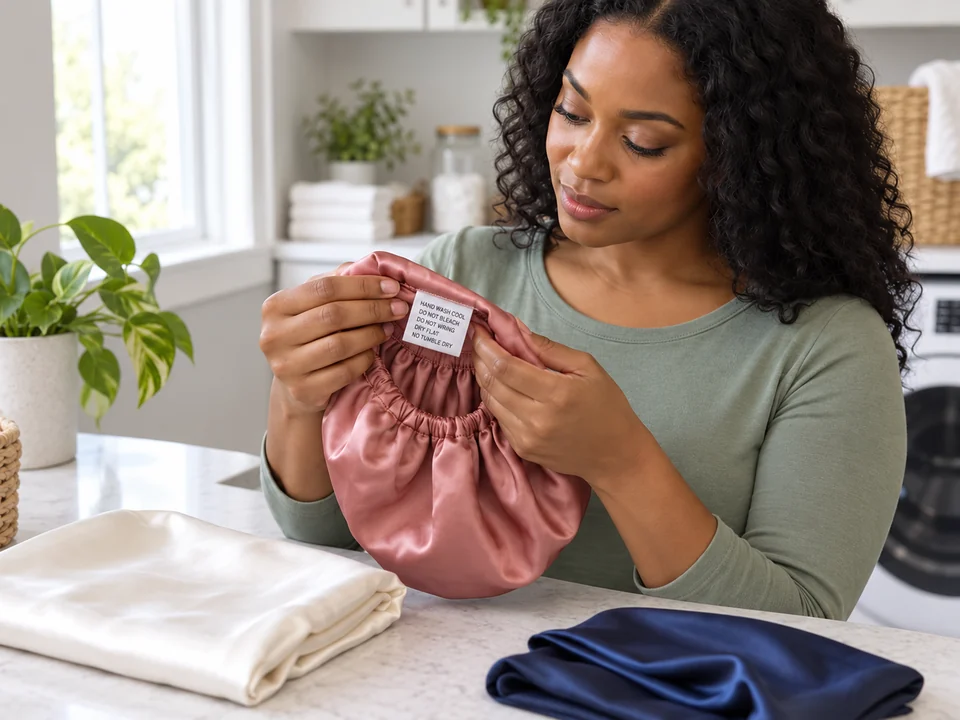
A woman checks the care label of a sleep bonnet beside a pillowcase and scarf.

Treatment may still be going on

Finishing chemotherapy isn’t always the end of treatment. Other treatments can affect hair, and scalp radiation follows its own course. Keep the washing, product and skin-care restrictions you were given. A product suiting your hair doesn’t mean your treatment team has cleared it.

Choose a product for the job it does, not a growth promise

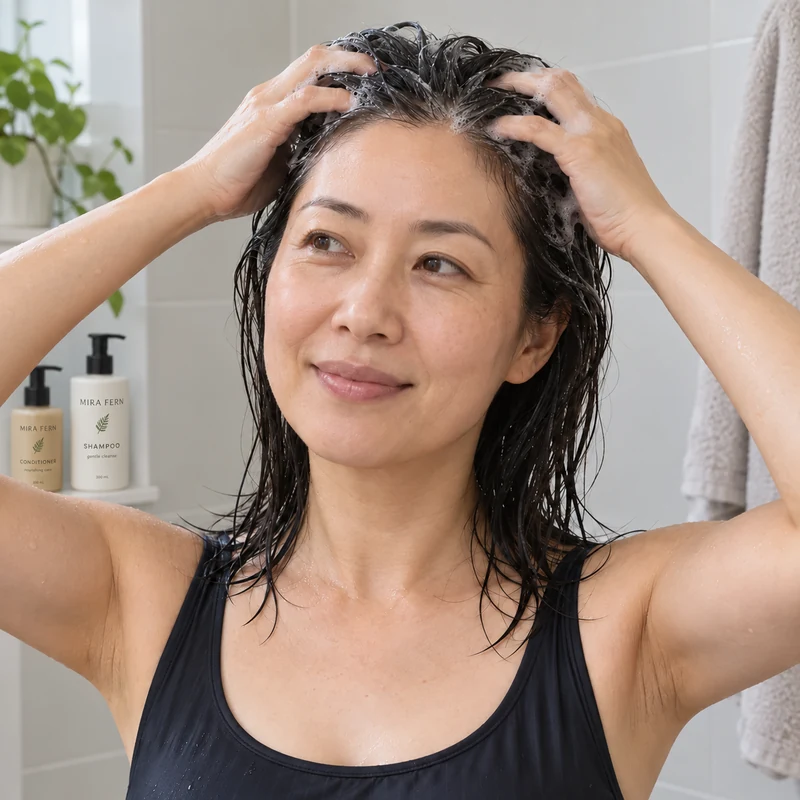
A woman massaging shampoo lather onto her scalp with her fingertips.

Cleanse without harsh handling

A mild shampoo lifts oil and residue. Wash when your scalp feels like it needs it, not on a curl schedule. A cleanser you know and tolerate is a fine place to start, as long as it fits the care instructions you’ve been given.

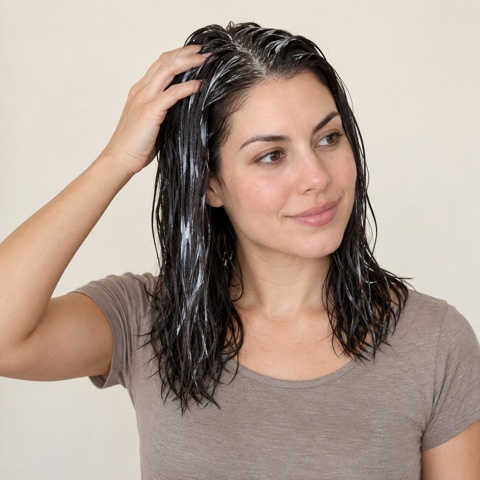
A woman applying conditioner from her roots through her lengths.

Condition for softness and slip

Conditioner can take the fight out of tangles. Dry curls may want it all over. Hair that goes flat may want less, or a lighter formula. Fine hair doesn’t automatically need the lightest one. Rinse the way the label says.

A woman cupping a damp curl section with styling gel on her hands.

Styling is optional

Once there’s enough length, a little styling gel can help a shape stay put. Start with finger shaping and no heat. Softness, hold and shine are about how the hair looks. None of them grow hair.

A woman discussing a supplement bottle with a medical professional.

Be wary of growth claims

Oils, gummies and “natural” labels don’t grow hair or make something safe for you. Biotin hasn’t been shown to help hair unless you’re short of it, and it can throw off some lab tests. Don’t start a supplement on a label’s promise.

Four small guides, for when they fit

Settling a wide-brim hat comfortably over the hair.

1. Protect bare skin

Outdoors, choose sun protection that’s comfortable. A hat with a proper brim doesn’t rely on hair for shade. Use sunscreen the way your skin-care directions already say. A scarf or a thin wig may not shade you as well as it looks.

Guide: Cover your scalp in the sun
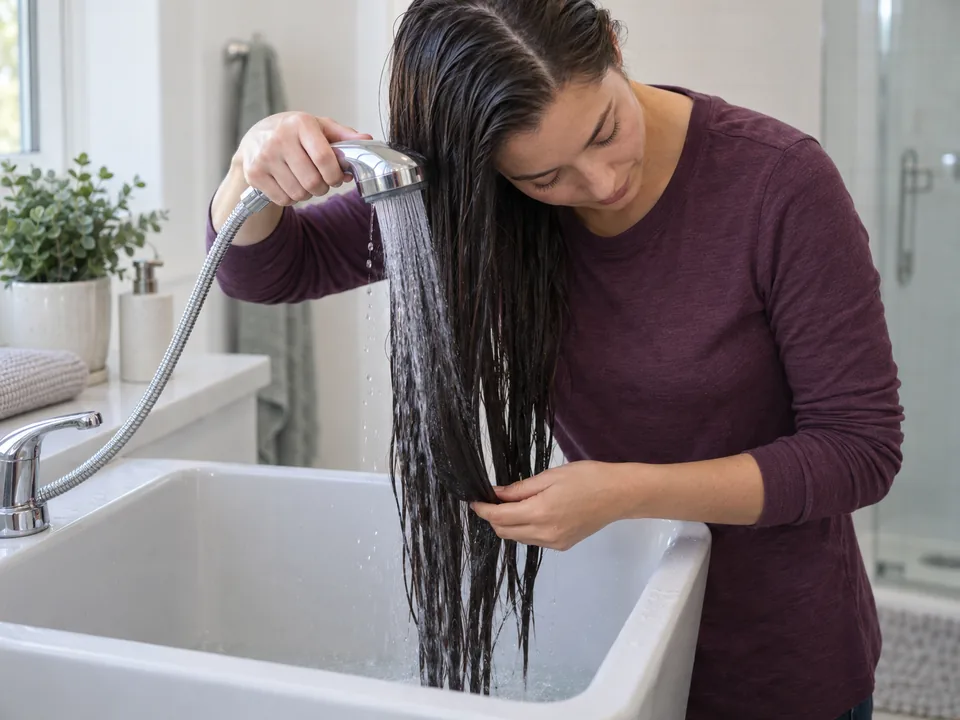
One hand holds a sprayer above long wet hair while the other supports the lengths over a deep basin.

2. Rinse and blot

Keep the water comfortable and rinse the cleanser right out. Blot, don’t rub. Very short hair only needs a light touch, with no pulling at sections. Longer hair may need the sections lifted aside so water reaches the scalp.

Guide: Rinse shampoo and conditioner completely
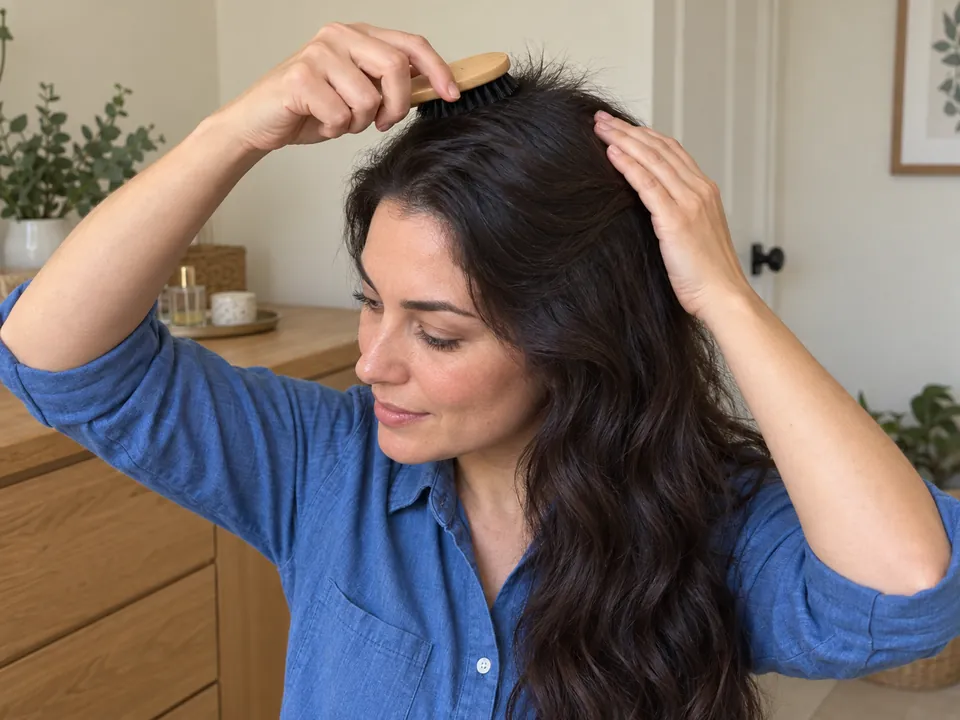
Guiding shorter crown hairs toward nearby lengths with a soft brush.

3. Shape only what needs it

Let short hairs sit however they land, or nudge them into place with your fingers. Don’t pull them into anything tight. This is purely cosmetic and optional, and while the growth is very short it may not be needed at all.

Guide: Blend short hairs into a style
A man adjusts a removable short curly wig by the ear tabs with both hands.

4. Choose a covering that’s comfortable

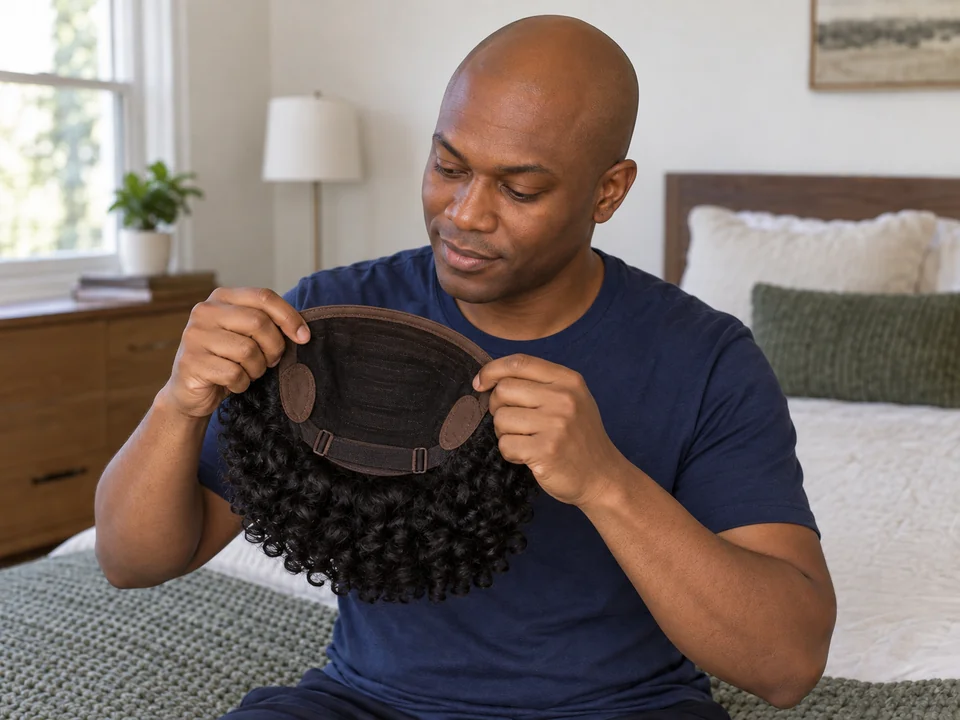
A wig you can take off is one option. A soft scarf, a hat or nothing at all are as good. Take off or adjust anything that rubs, pulls or hurts, and keep to restrictions you’ve been given for tender, broken or treated skin.

Guide: Put on and remove a glueless wig

Your first haircut, and styling later on

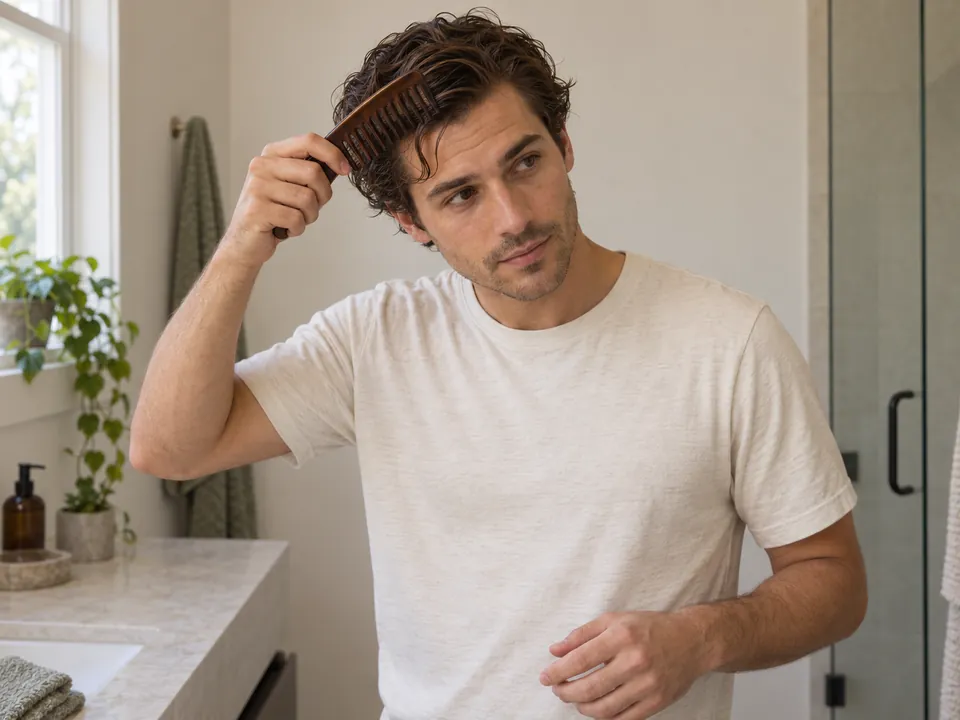
A man gently combs a damp front section toward the side.

Make a small change you’ve agreed on

A trim can tidy uneven growth, though it won’t make anything grow faster. Tell your stylist or barber how much length you want to keep, and ask them to show you the cut before they start. See shaping a growing-out short cut.

A woman checking color-appointment instructions on her phone.

Plan before any color or chemical service

New hair and the scalp can be fragile. Cancer guidance often suggests waiting around six months after chemo before dyes, bleach, perms or relaxers. The calendar isn’t the whole answer. Your scalp, the hair’s strength and any treatment restrictions still in place matter too.

A woman arranging her damp hair before letting it air dry.

Keep the first styling gentle

Start without heat or tension. Extensions and tight braids are too much for fragile regrowth. When a chemical service becomes an option, do the product’s skin test and a strand test. A clear test isn’t a guarantee, and “natural” dye isn’t automatically gentler.

A woman with very short hair writing an appointment checklist.

Take this to your salon or barber

  • My goal is to keep length, tidy the outline or try a different shape.
  • Please show me how much you’d take off before you cut.
  • These areas feel fragile or uncomfortable, and these are the care restrictions I’m keeping to.
  • Keep it easy to manage at home, and no chemical service or tight attachment without talking it through first.

Coverings, appearance and everyday life

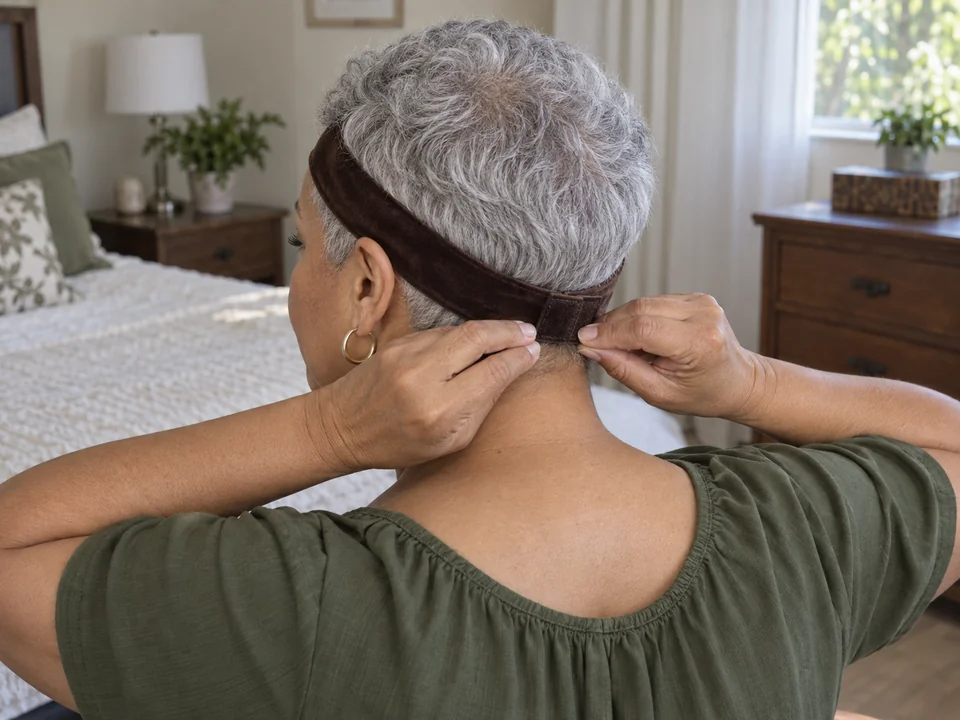
A woman closes a flat velvet wig-grip band at her nape without stretching it.

A wig doesn’t set a deadline

Wearing a wig doesn’t stop hair growing underneath. Check the fit as your hair changes and keep the scalp under it clean and comfortable. A wig grip is optional, isn’t for irritated or broken skin, and shouldn’t be tightened to stop slipping.

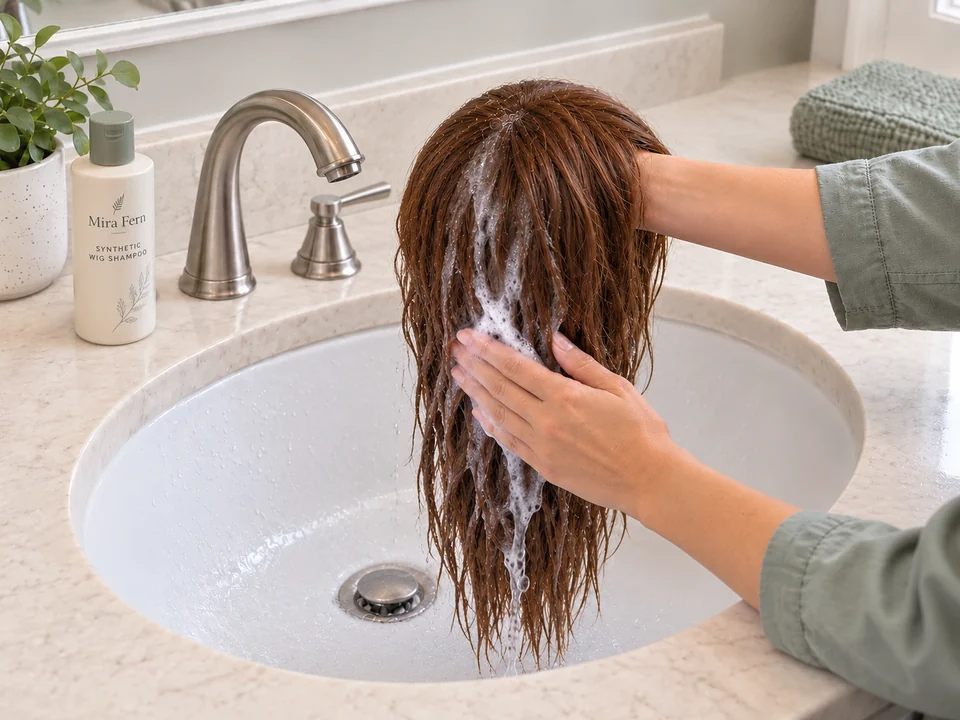
With the tap off, one hand supports the wig inside its crown while the other smooths a small amount of synthetic-wig shampoo downward.

Look after the wig separately

Wash and dry it the way the maker says, since synthetic and human-hair pieces are different. Give your scalp a rest from rubbing and pressure. See washing and drying a removable wig. Switching to a scarf, or going without, is always allowed.

A man holds a short curly wig by its sturdy cap before putting it on.

Keep cost in the conversation

Ask your treatment center about wig banks and financial help. Insurance varies, and some insurers want a prescription for a “cranial prosthesis”. Read MSK’s wig-support guidance and check the paperwork before you buy. One comfortable covering and the basics you tolerate may be enough.

Two women in their 40s with loose waves and natural coils.

You don’t owe anyone a hair story

It’s fine to miss your old hair, to like the new texture, or both at once. Try “hair’s off the agenda today” or “I’ll tell you when I want to.” Wearing a wig or staying short says nothing about how well you’re coping.

A woman with very short hair considering a brow pencil beside a mirror.

Brows and lashes matter too

Eyebrows and lashes may change as well. Brow makeup is optional. Use clean hands, keep to your care restrictions and stay off irritated skin. New makeup during treatment, lash products, adhesives, tattooing and microblading are worth asking about first. The questions below cover them.

A woman choosing a bottle from a small everyday hair-care set.

Food and support, without another project

Regular meals help your recovery. There’s no food that’s guaranteed to grow hair. If eating is hard, your treatment center’s nutrition support exists for that. Ask about appearance workshops, peer groups or someone to talk to. American Cancer Society appearance support has more ideas.

A short checklist to keep

An adult records a circumference reading beside the loosely coiled measuring tape.

My next manageable step

  • Today, if it’s needed, gentle cleansing, a blot dry and comfortable sun protection.
  • Only if it helps, conditioner for hair that tangles, finger styling, a comfortable covering.
  • Keep what I tolerate. Pause anything that stings, burns, rubs or pulls.
  • Write down how I feel, one question, and any change I want to talk about. Tracking is optional.
  • Use your browser’s Print command for this checklist and the care-team questions below. No sign-in needed.

When to get help

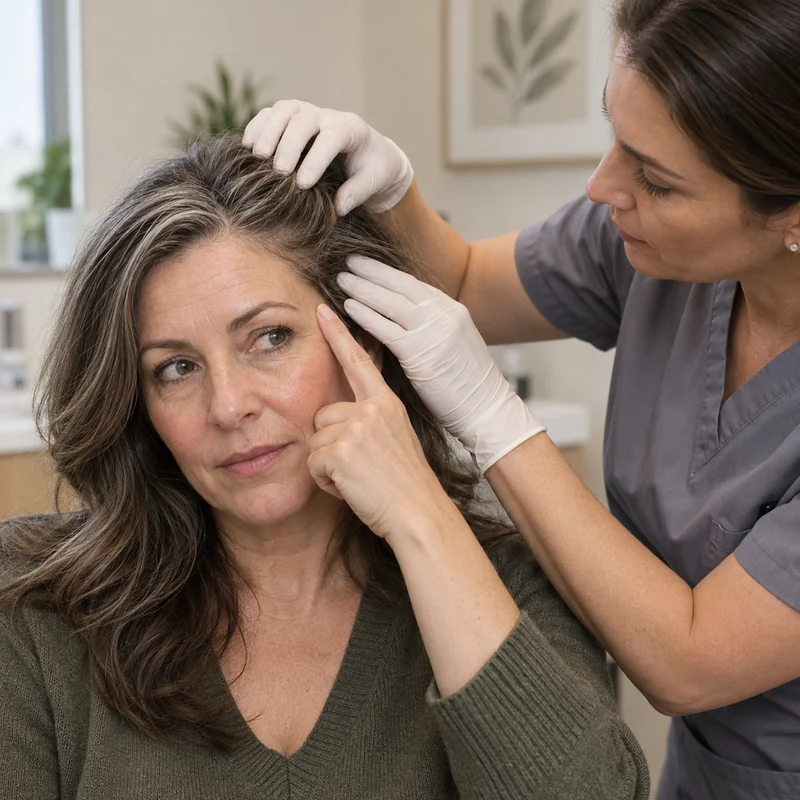
A medical professional examining the scalp where a woman points.

Signs that need more than routine care

  • If regrowth is slow or patchy, if hair you’d grown back starts falling again, or if your scalp stays painful, rashy or scaly, ask a medical professional. There’s no month you have to wait for, and a question asked early is a smaller one.
  • If you’re still in treatment, or have been told you’re at risk of infection, a fever or any sign of infection means contacting your treatment team straight away, the way they told you to. Don’t wait on your hair for that.
  • Questions to take with you. What return should I expect with my treatment, and when should we look again if it’s slow? Do my ongoing treatments or scalp-radiation restrictions change washing, coverings or salon services? Are there options worth discussing for loss that persists? Which product or supplement labels should I bring? Are brow or lash procedures right for me? What appearance or emotional support is there?

Illustrated care examples: before & after

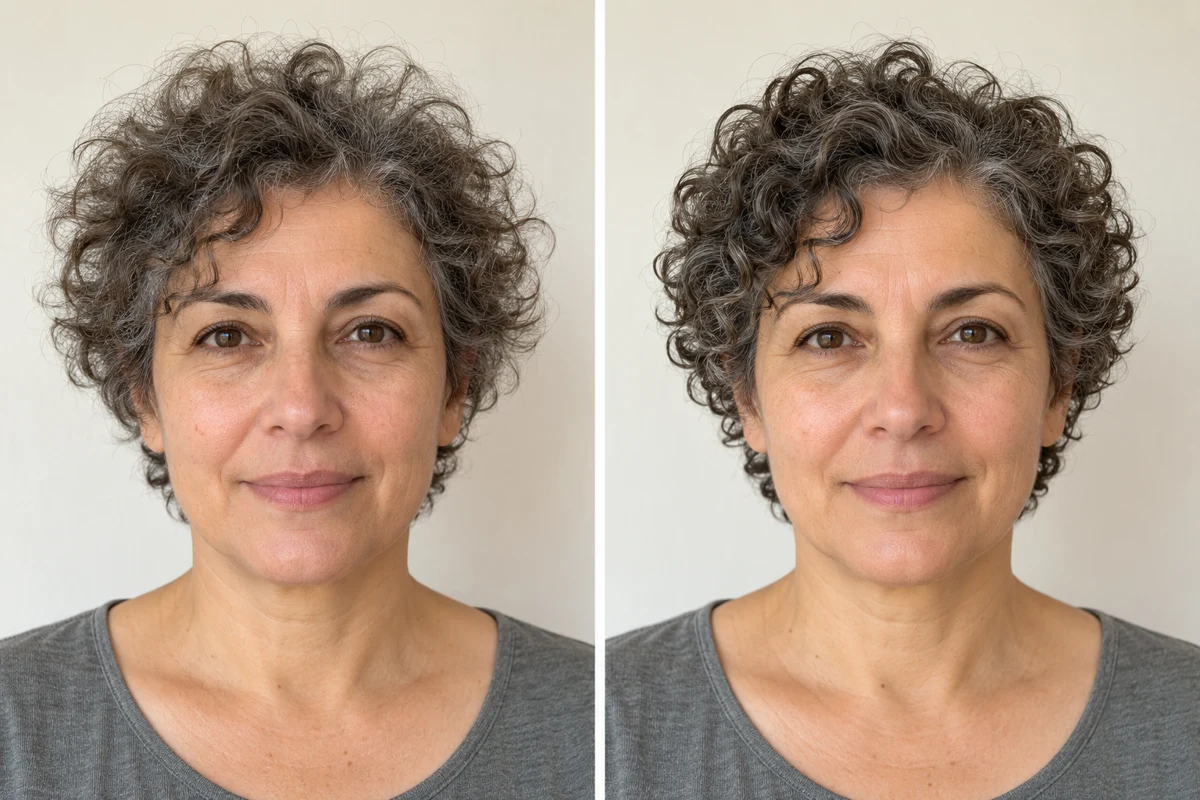
Gently grouped curls

Illustrative styling comparison of the same short curls, softly separated and gently grouped.
Before · soft, separated curlsAfter styling · more grouped curls
The same short hair, styled two ways. Nothing has grown. The curls are just grouped.

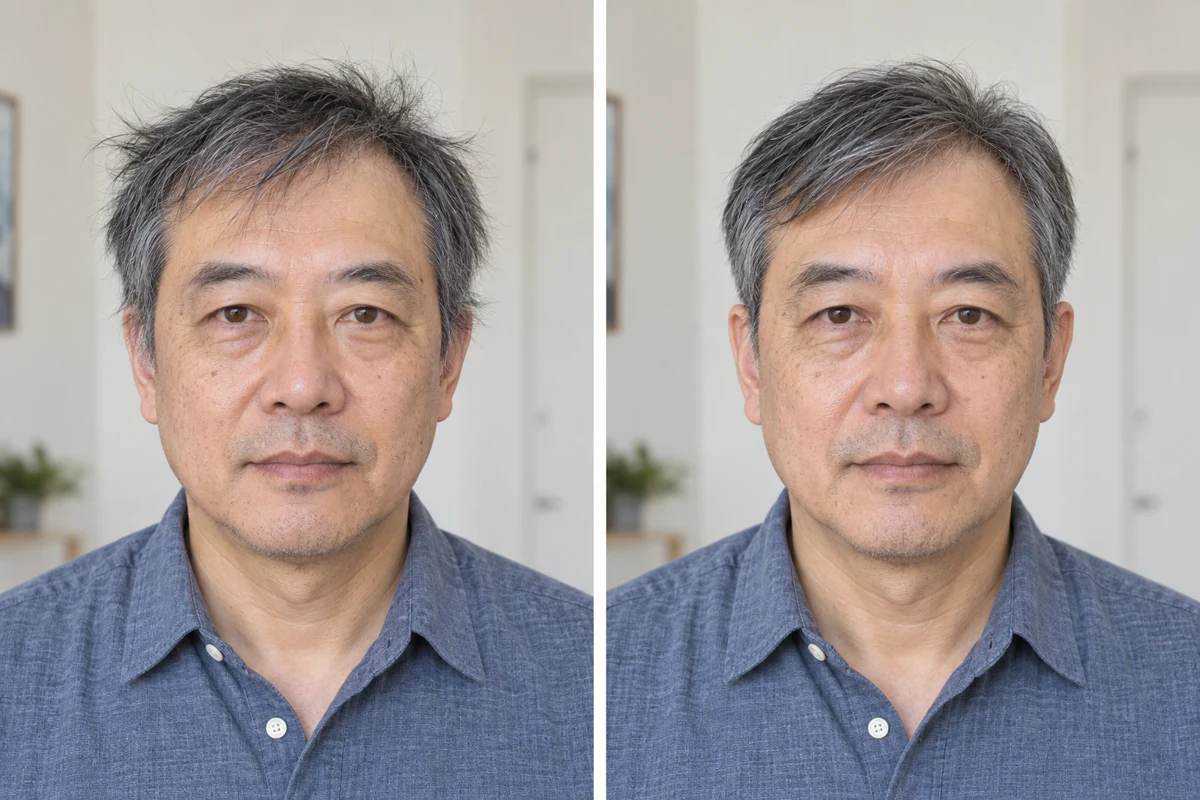
A tidier short shape

Illustrative styling comparison of the same short hair before and after a small outline trim and finger styling.
Before · an uneven outlineAfter a trim and styling · a gently arranged outline
A small change of shape, with the same color and the same amount of hair. A trim, not a treatment result.
A woman with curls reviewing her wash-day notes beside hair-care bottles.

A routine for the hair you have now.

Everything above is free, whatever stage you’re at. For more everyday care, changing textures and a simpler routine pick up from here.

  • How do I keep this routine manageable?
  • Which of my current products are worth keeping?
  • How do I style short growth without hurting it?
  • What should I change as it gets longer?

Your consultation works from what you tell us about your hair and scalp. Sharing treatment context is optional and helps us respect your restrictions. It can’t tell you whether a product is safe alongside cancer treatment, and it won’t predict regrowth.

The Hair Care Consultation gives you a personal plan with product recommendations, routines and guidance on your hair-care questions.

$49 with 60 days of follow-ups, or $99 with 12 months. Pay once; the year renews only if you choose.