Hair Care Guides · Dry lengths

Make rough, tangled lengths easier to care for.
Start with conditioning and gentler detangling.

It’s frustrating when freshly washed hair still catches on the comb, or another rich product leaves it heavy. Knots, snapping ends and a coated finish each call for a slightly different change.

Your personal hair-care planProducts and a gentler routine for your dry lengths.$49one-timeStart my consultation
A woman gently examining the fluffy ends of a curl section.
Focus care on the lengths that catch or feel rough.

Why hair can feel rough or tangled

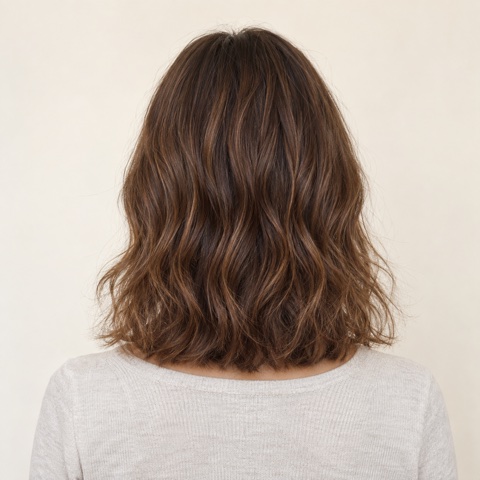
A rear view of wavy hair with flyaways near the ends.

Rough strands catch against each other

Heat, bleaching and repeated rubbing can damage the hair’s outer surface, making strands more likely to catch or break. Conditioner helps them slide apart. Flyaways also occur in healthy hair, so judge comfort and tangling alongside the way your hair looks.

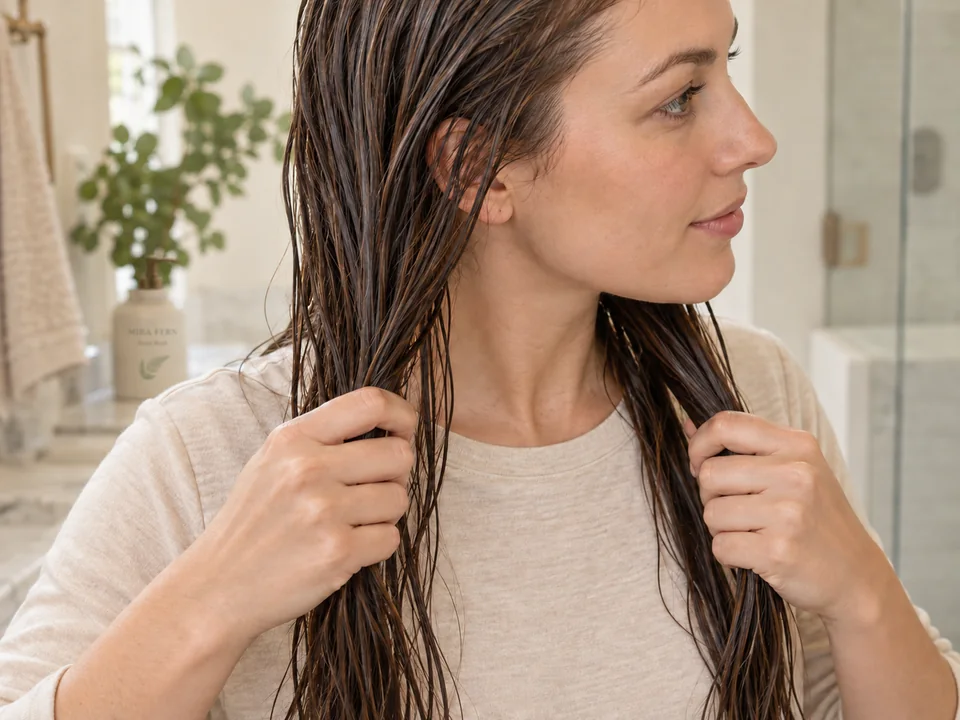
The hair owner holds two separated, uncoated wet sections in front of the shoulders.

Oily roots can come with rough ends

Your scalp produces oil, while the older lengths may still need conditioning. Keep washing when your scalp gets oily or dirty, and concentrate conditioner where strands catch. The oily-hair guide explains choosing a wash frequency.

Choose a change for the problem you have

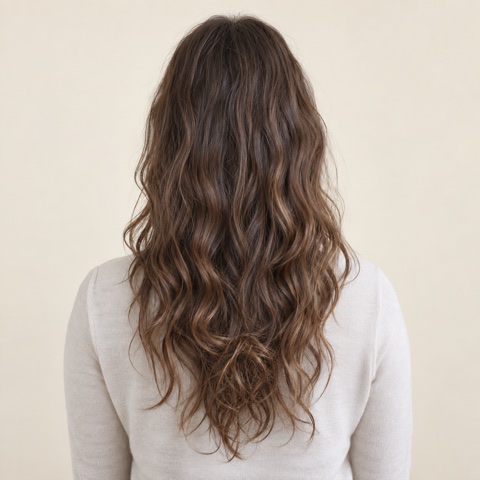
Wavy hair with tangles concentrated near the ends.

The comb keeps catching

  • For curls and coils, detangle small damp sections with conditioner for slip. For straight hair, let it partly dry before using a wide-tooth comb.
  • Support the section above the knot and start at the tips. Move higher only after the lower part combs through easily.
  • Stop if it hurts or the knot tightens. A stylist can help with a mat that won’t loosen gently.
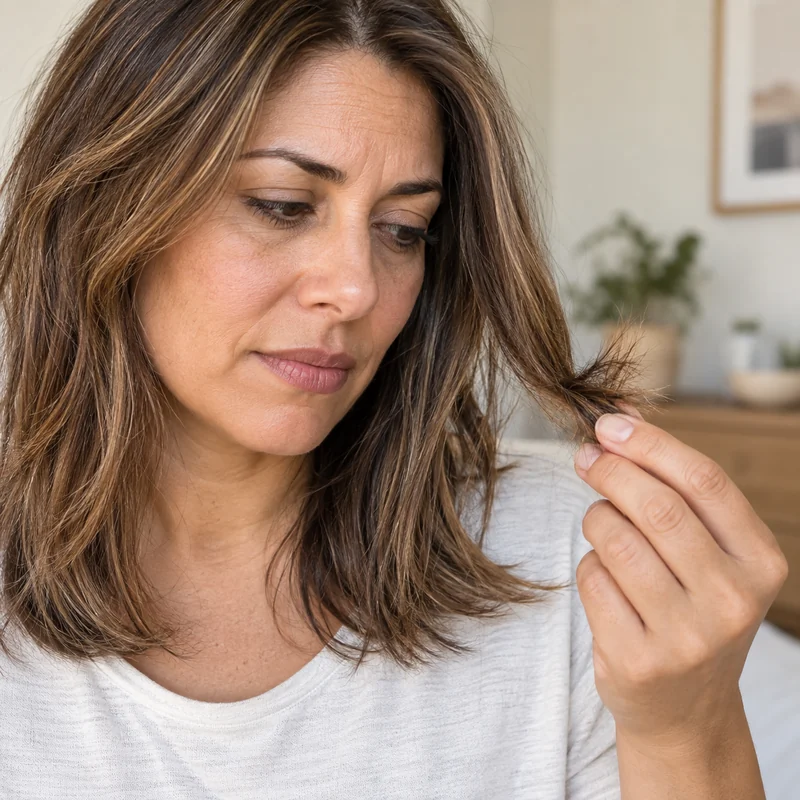
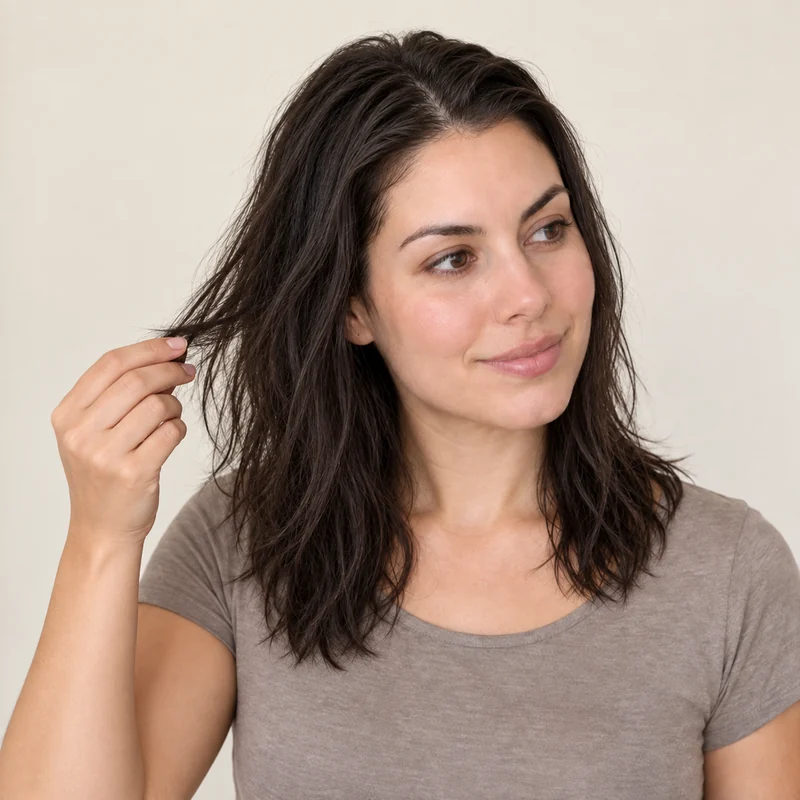
A woman examining rough, uneven ends in a section of highlighted hair.

The ends keep snapping or splitting

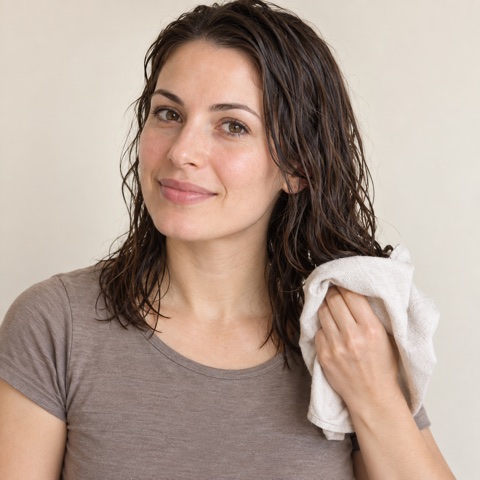
  • Reduce hot-tool use and blot dripping hair with a soft towel or cotton T-shirt instead of rubbing it.
  • Lift long hair clear before putting a bag strap on your shoulder. Use a soft covered tie loosely if you need to keep it back.
  • Ask a stylist to trim split ends that keep catching. Conditioning can make the remaining lengths easier to comb.
A woman gently feeling a section of her loose hair with her fingers, with no visible product.

More product leaves a heavy, rough finish

  • At your next wash, leave out one extra oil or styling layer while keeping your usual shampoo and conditioner.
  • Compare how easily the hair detangles and how it feels once dry. If it still feels heavy, try less leave-in next time before changing several products.
  • Rinse out products meant to be rinsed away. If a product stings, rinse it off and stop using it.
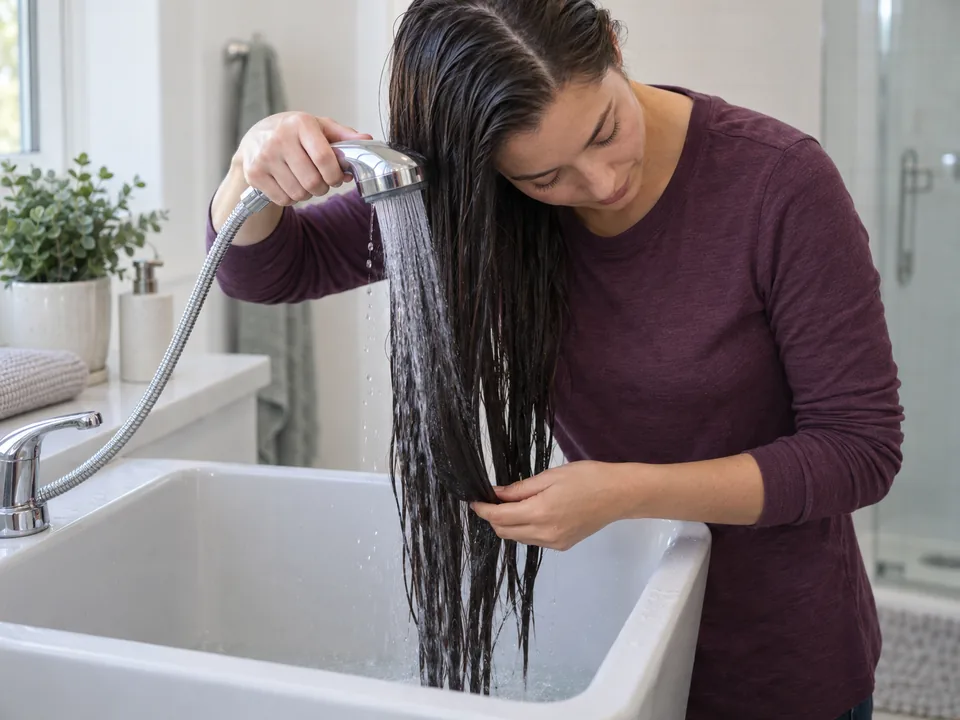
One hand holds a sprayer above long wet hair while the other supports the lengths over a deep basin.

Thick sections hide leftover conditioner

  • Separate thick lengths as you rinse so clean water reaches the underside and tips as well as the outer layer.
  • Finish the rinse the bottle calls for and check for visible cream. Conditioned hair can still feel smooth after a thorough rinse.
  • For help reaching each area, open the complete rinsing method below.
Guide: Rinse shampoo and conditioner completely

Choose products for what your hair needs

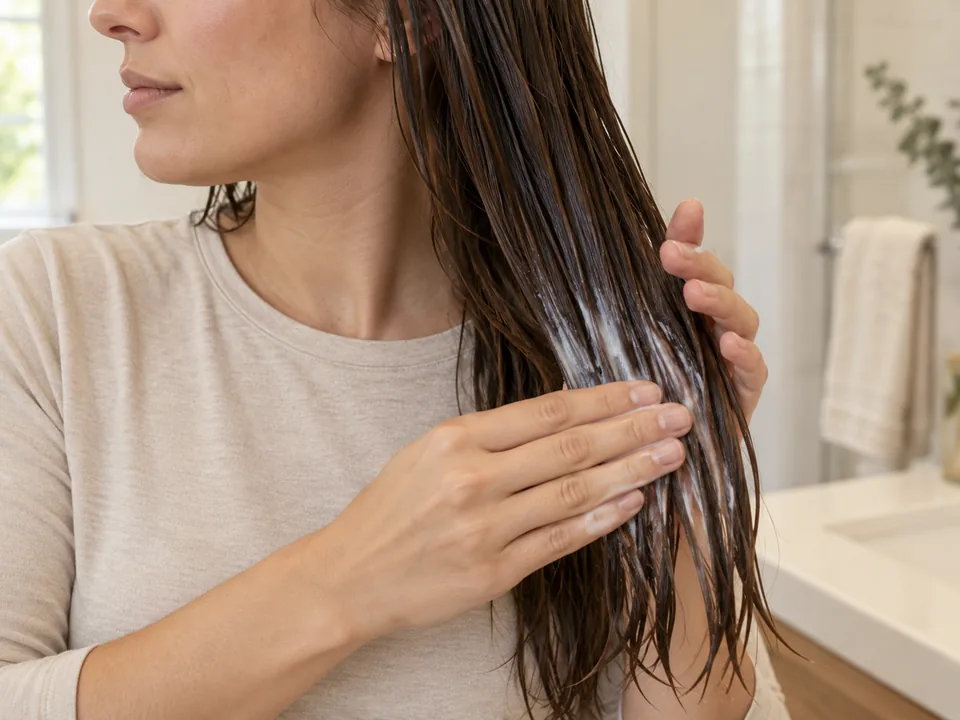
A woman supports wet lengths while smoothing a light layer of conditioner through them.

Conditioner for easier detangling

  • Start with a rinse-out conditioner that helps your strands slide apart. Judge it by easier combing and a comfortable dry finish.
  • Fine or straight hair may need conditioning mainly at the tips. Dry curls may need it farther along the lengths.
  • If you’re choosing between formulas, your consultation can consider your tangles, treated lengths and products you already own.
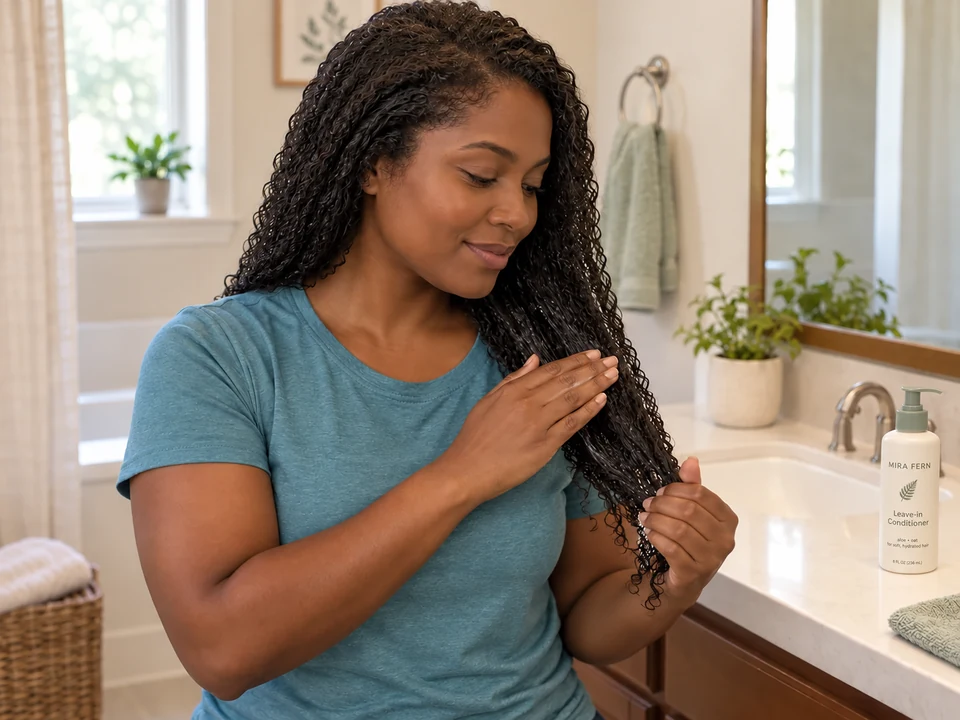
A woman smooths a thin layer of leave-in conditioner over the middle and ends of one damp hair section.

Leave-in for lengths that still catch

  • A leave-in conditioner can add softness after your rinse-out conditioner. Choose one made to stay on the hair.
  • Try a lightweight leave-in if rich products flatten your hair. Begin with the bottle’s amount on the rough areas and keep it off the scalp.
  • Check whether yours goes on wet, damp or dry hair. Use the illustrated method below for a product meant for damp lengths.
Guide: Apply leave-in conditioner
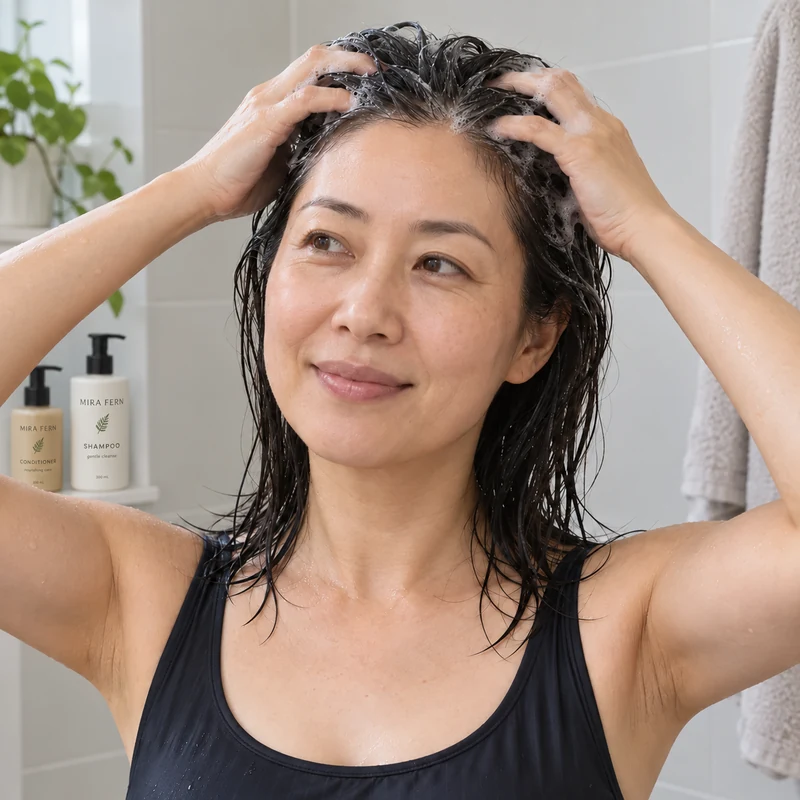
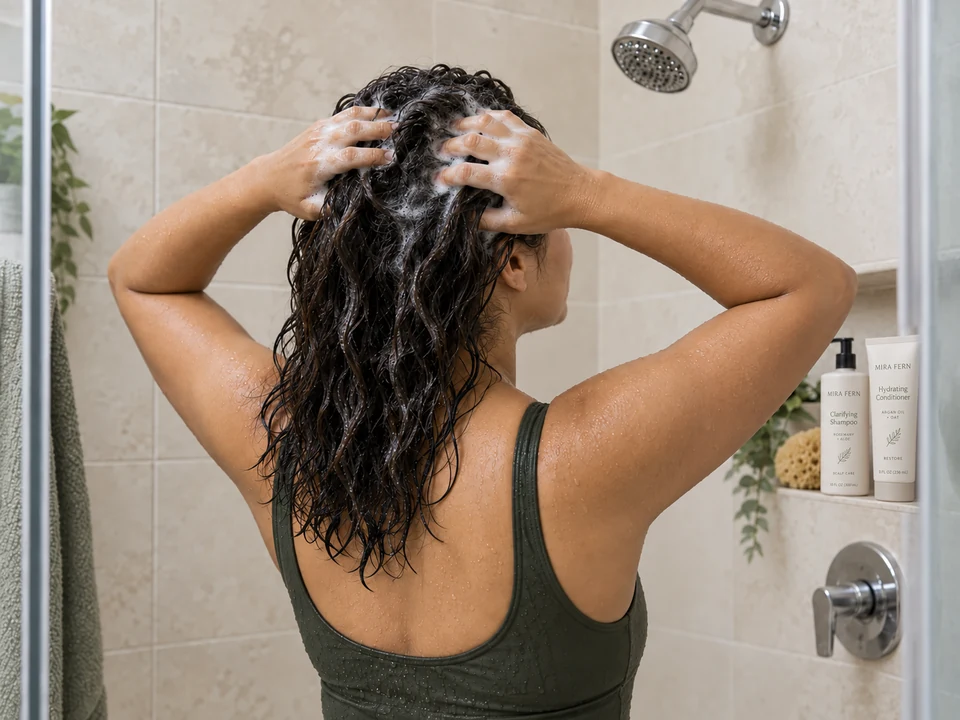
A woman massaging shampoo lather onto her scalp with her fingertips.

Shampoo that cleans without leaving hair rougher

  • Choose shampoo for your scalp’s oil and the products you need to wash out.
  • Massage it gently over the scalp. Let the rinse run through the lengths without rubbing the ends into a tangled pile.
  • If the lengths repeatedly feel rougher after washing, try a gentler shampoo while keeping the conditioning step familiar.

Illustrated methods for gentler care

A woman gently working shampoo into her scalp, leaving the lengths loose.

Clean the scalp without tangling the lengths

Use this method when washing with shampoo. It shows how to reach the scalp while keeping the lengths loose. Complete the shampoo rinse before moving on to a rinse-out conditioner.

Guide: Shampoo your scalp
Conditioner smoothed onto the lower lengths and ends, away from the scalp.

Condition wet lengths after shampooing

For an ordinary rinse-out conditioner, start after rinsing shampoo from wet hair. This method shows sectioning, application and rinsing. The bottle sets the amount and any waiting time. Concentrate on the ends if wider coverage leaves your hair flat.

Guide: Apply conditioner to the lengths and ends
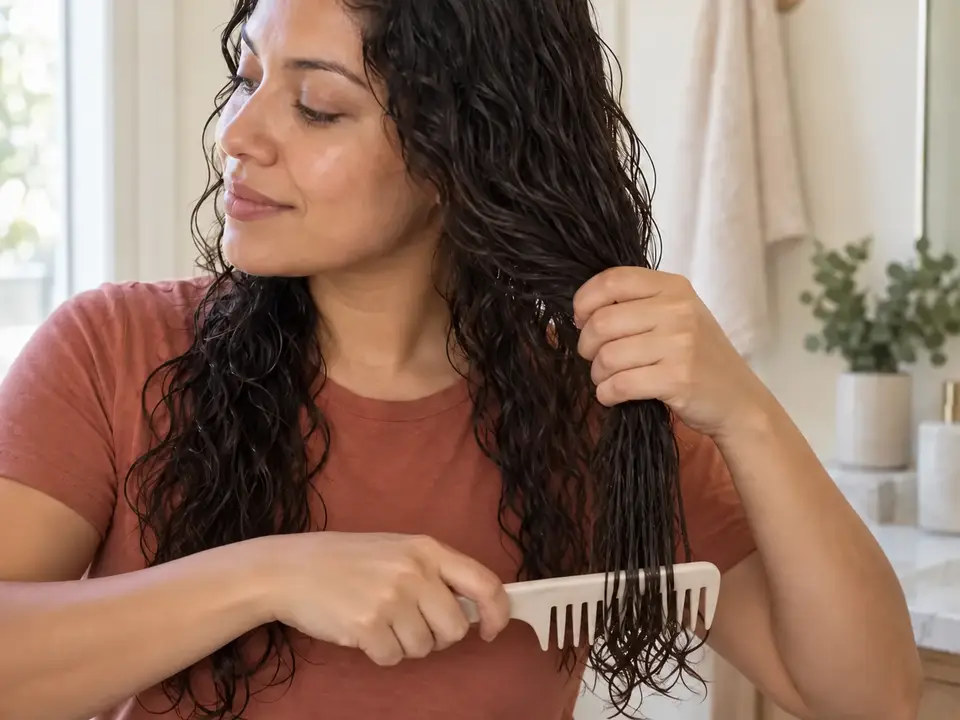
A woman supporting a damp hair section while combing its tips.

Work gently from the tips upward

This method shows how to support a section and comb from its ends. For curls, use it while the hair is damp with conditioner. For straight hair, rinse and let it partly dry first. Stop when a knot resists.

Guide: Detangle with a wide-tooth comb
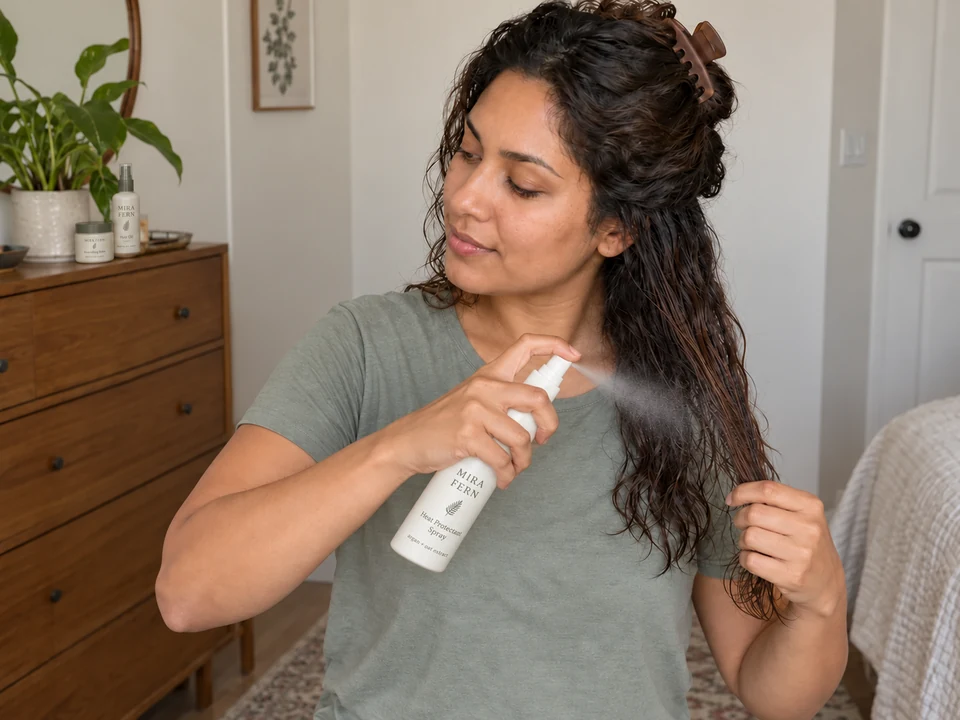
A woman spraying heat protectant onto a damp hair section away from her face.

Protect the lengths when using heat

Use heat less often and choose a low or medium setting. If you do heat-style, this method shows even heat-protectant coverage. Hair must be fully dry before using a flat iron or curling iron, including after any dampening spray.

Guide: Apply heat protectant evenly

When to get help

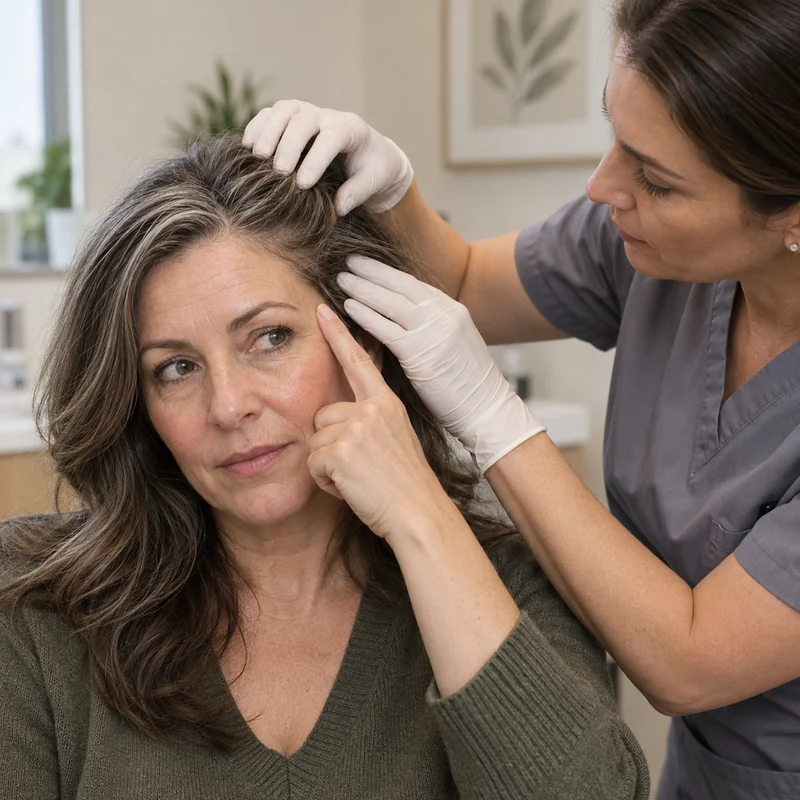
A medical professional examining the scalp where a woman points.

Signs that need more than routine care

  • If hair keeps breaking despite gentler care, or you notice new thinning or bare patches, speak with a medical professional. Also get help if scalp itching or soreness persists after stopping an irritating product and rinsing.

Illustrated care examples: before & after

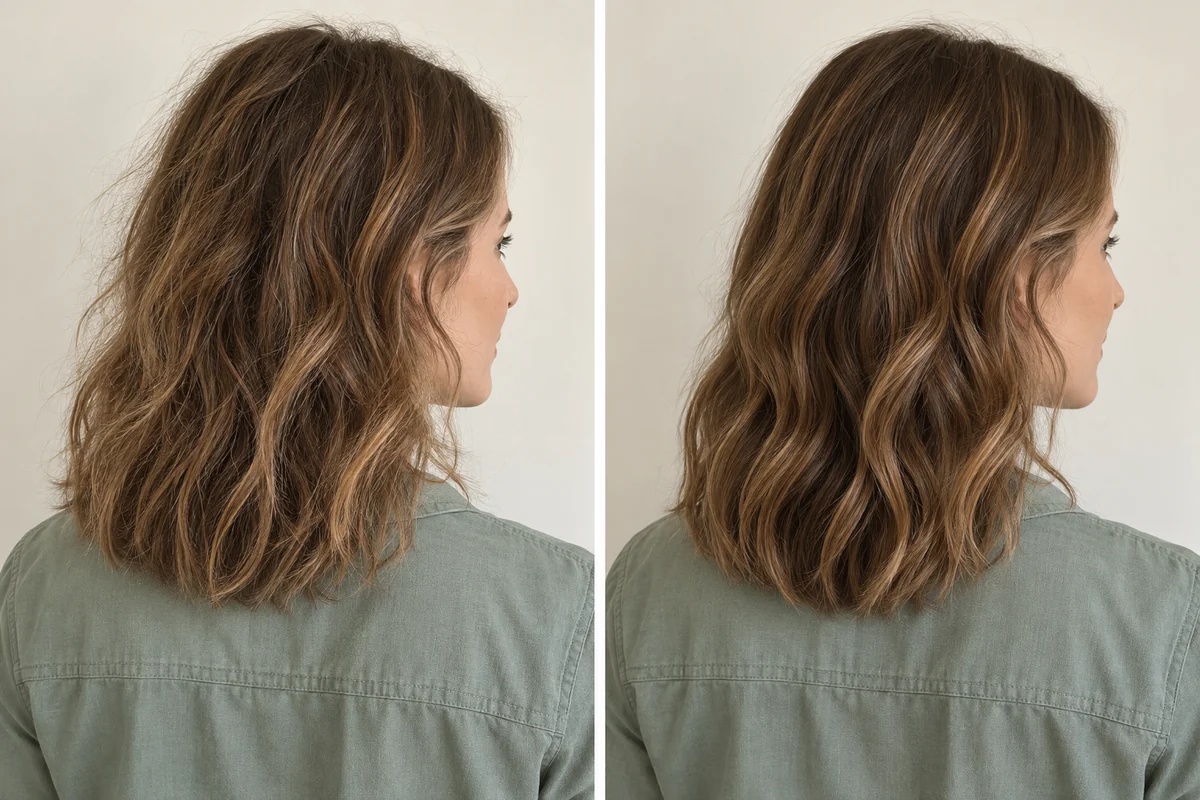
A smoother finish for waves

Illustrative care comparison: rough wavy lengths beside smoother wave groups.
Before · loose waves with flyawaysAfter care · more grouped waves
The two illustrated panels show waves with different grouping and fewer loose flyaways on the right.

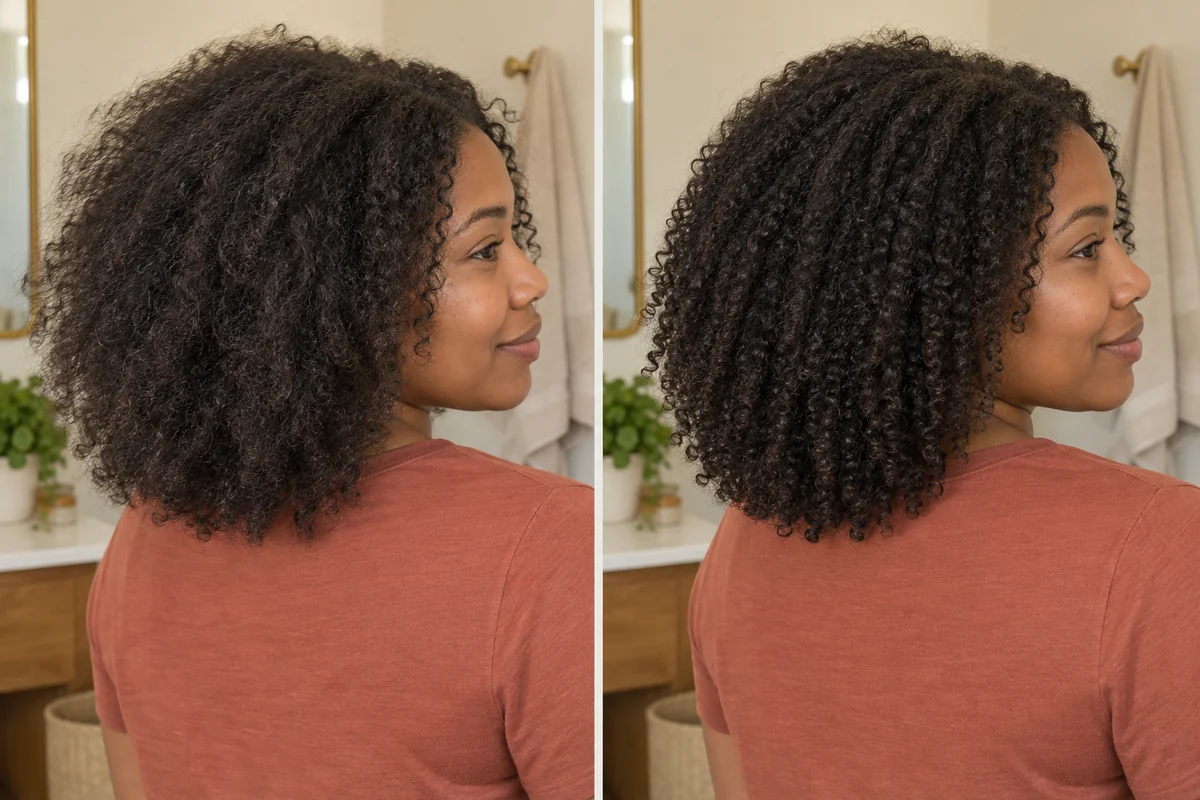
Coils with clearer definition

Illustrative care comparison: fluffy coil ends beside more organized coils.
Before · loosely separated coilsAfter care · more defined coil groups
The right-hand panel shows clearer coil groups with the same natural texture. Choose the finish you like while keeping detangling gentle.
A woman gently squeezing damp hair with a towel.

Find the changes your lengths need.

Bring the products you use and tell us where your hair catches, what feels heavy and what you’ve already tried. Your consultation can help you choose what to keep and which change to try next.

  • Which conditioner would help my tangles?
  • Do I need a leave-in if my hair already feels coated?
  • How should I care for rough ends when my roots get oily?

Your plan can account for your texture and past treatments, the products you own and how much time you have for wash day. Tell us if protecting length or keeping volume matters most to you.

The Hair Care Consultation gives you a personal plan with product recommendations, routines and guidance on your hair-care questions.

$49 with 60 days of follow-ups, or $99 with 12 months. Pay once; the year renews only if you choose.