Hair Care Guides · Oily roots

Clean your roots without drying out your ends.
Start with the problem you’re having.

It’s frustrating when your roots look greasy again but your ends still feel rough. Oil returning between washes, a coated feel straight after washing and dry ends need different changes. Start with the one that sounds like your hair.

Your personal hair-care planA wash routine that cleans your roots and cares for your ends.$49one-timeStart my consultation
A man lifting a section of hair to look at his roots.
Choose your wash timing for the roots and your conditioning for the lengths.

Why the roots and ends feel different

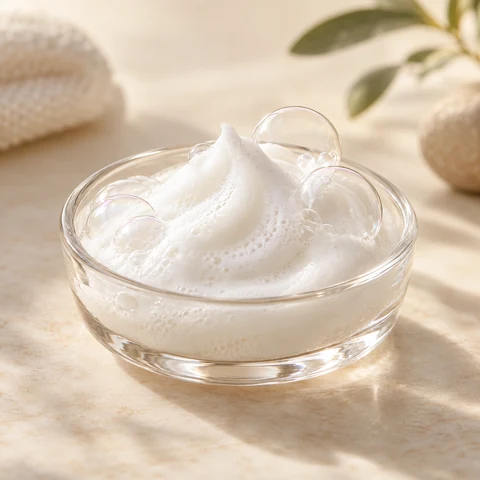
Shampoo lather in a clear dish.

Oil collects between washes

Your scalp produces natural oil. Shampoo and water remove the oil and product that collect there. How often you need to wash depends on how quickly your roots become oily or dirty.
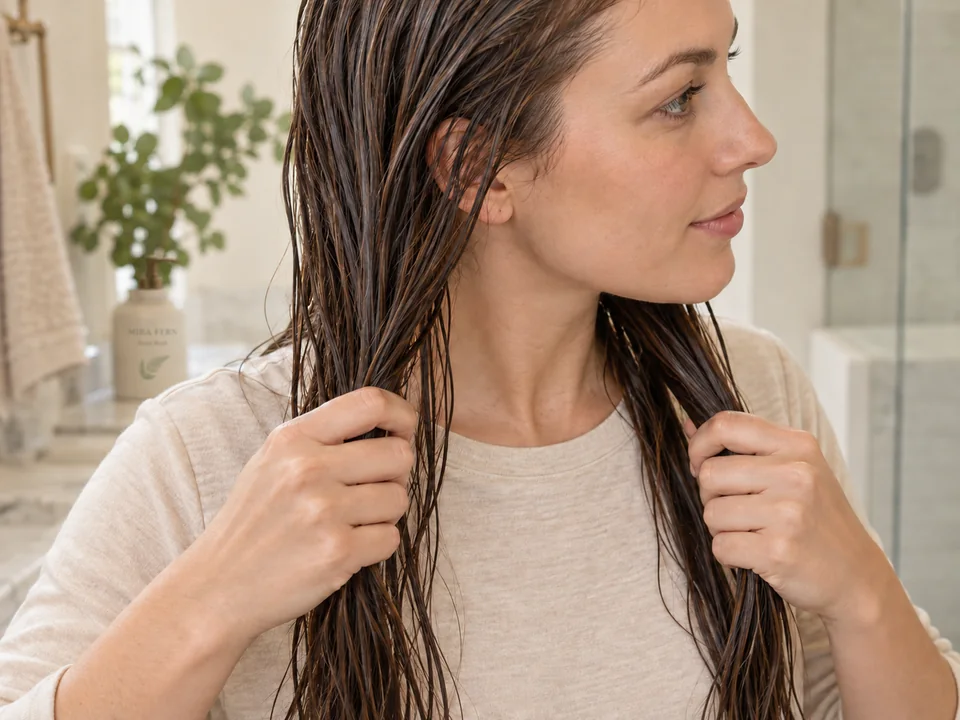
The hair owner holds two separated, uncoated wet sections in front of the shoulders.

Dry ends still need conditioner

Your roots can look greasy while the ends tangle or feel rough. Put conditioner on the lengths that need it, keeping easily flattened roots clear. Care for dry hair explains how to look after those ends.
Choose a change for the problem you have

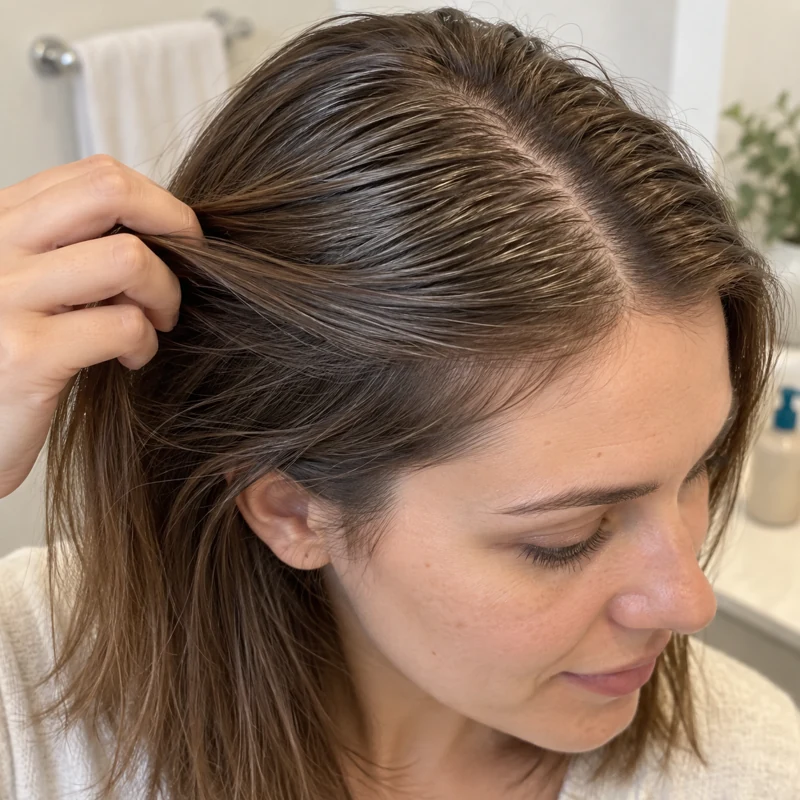
A woman lifting a section beside a part with shiny, grouped roots.

The roots are greasy again by morning

  • Move your next wash earlier if the roots are already oily. Straight hair with an oily scalp may need daily washing.
  • Focus shampoo on the scalp and condition the ends afterward. You can wash the roots often without repeatedly scrubbing the lengths.
  • If you exercise, plan a wash for when your scalp feels dirty or oily afterward. Sweat-damp roots need drying before any dry shampoo.
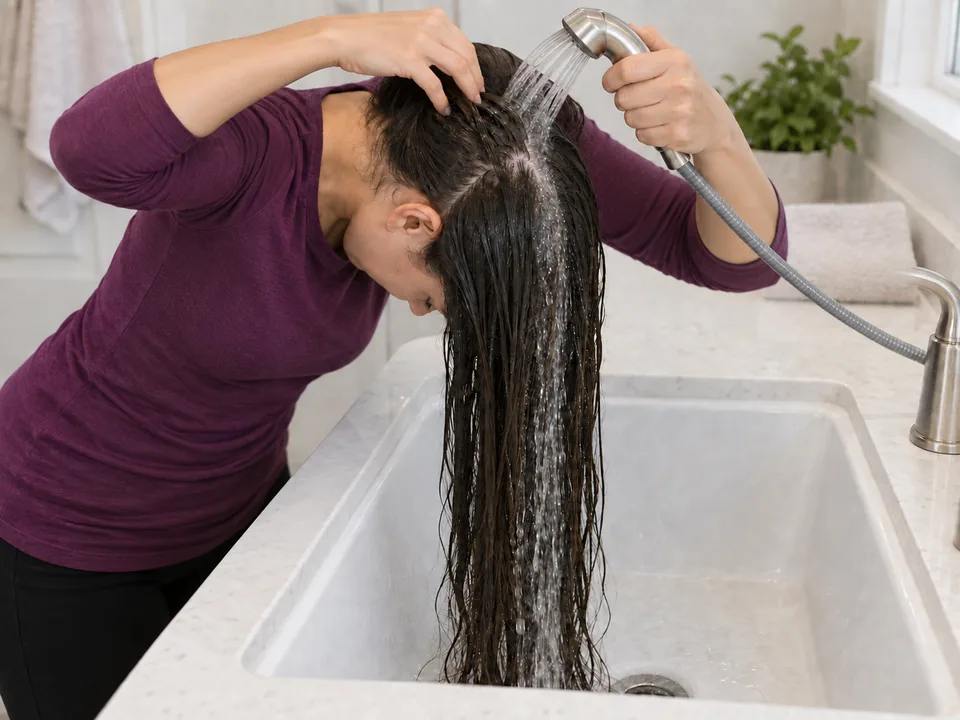
One hand lifts wet hair at the crown while a handheld sprayer rinses the roots underneath.

Hair feels coated straight after washing

  • At the next rinse, lift thick sections so water reaches underneath. Check the nape and behind the ears for trapped foam or visible product.
  • If it still feels coated once dry, leave one optional oil, cream or styling layer out next time and compare. Keep rich products off roots that flatten.
  • Try these changes before buying a stronger shampoo. A coated feel is a reason to review the routine, not to scrub harder.
Guide: Rinse shampoo and conditioner completely
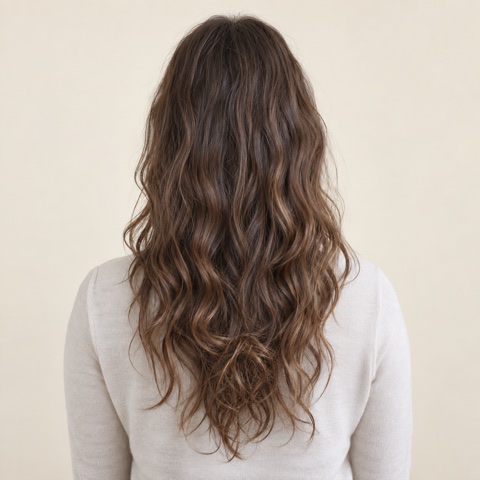
Wavy hair with tangles concentrated near the ends.

The ends feel rough after frequent washes

  • Let shampoo rinse down the lengths instead of rubbing them together. Apply rinse-out conditioner while the lengths are wet.
  • Start at the ends. If more of your hair feels rough, work conditioner higher along the lengths while keeping it away from easily flattened roots.
  • Rinse the conditioner out fully. If the ends still catch when dry, review your conditioner and detangling method rather than skipping the next scalp wash.

Give each product a clear job

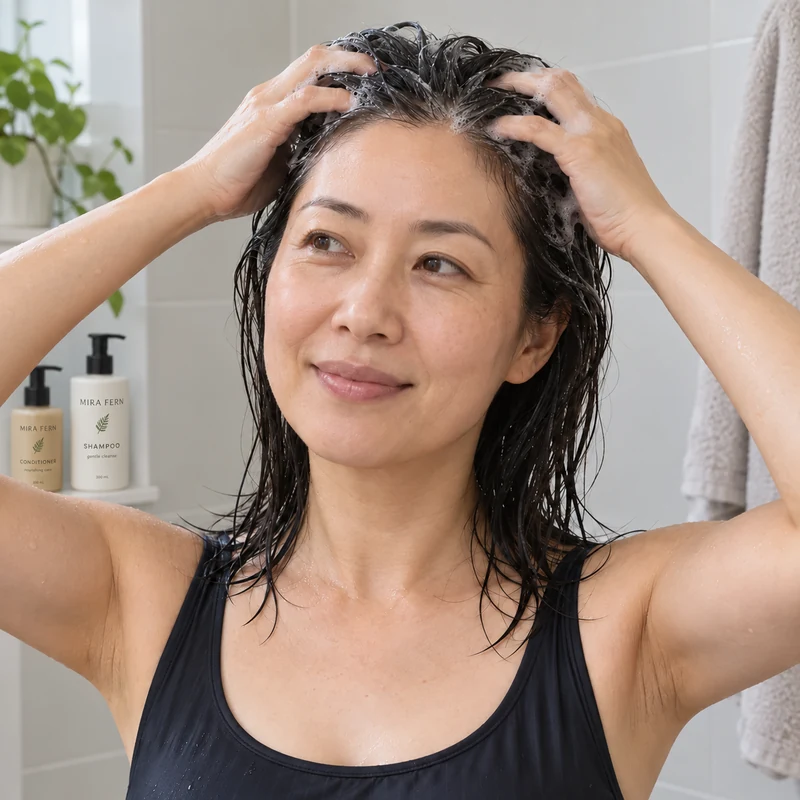
A woman massaging shampoo lather onto her scalp with her fingertips.

Shampoo for oil and product residue

  • Shampoo uses cleansing agents to help oil rinse away. Start with one you can use comfortably at your usual wash frequency.
  • If a wash leaves your scalp tight or sore, avoid repeating it just to get a squeaky feel. If a product stings, rinse it off and stop using it.
  • The consultation can help compare shampoos using how often you wash, your treatments and what you have already tried.
A woman supports wet lengths while smoothing a light layer of conditioner through them.

Conditioner where the hair catches

  • If conditioner leaves your hair heavy, try a lighter conditioner and keep it on the lengths that need slip.
  • Spread the amount your bottle recommends between those areas. More product at the roots will not help tangles at the tips.
  • Apply after shampooing and rinse it out. Give it the waiting time on the bottle, if it asks for one.
Guide: Apply conditioner to the lengths and ends
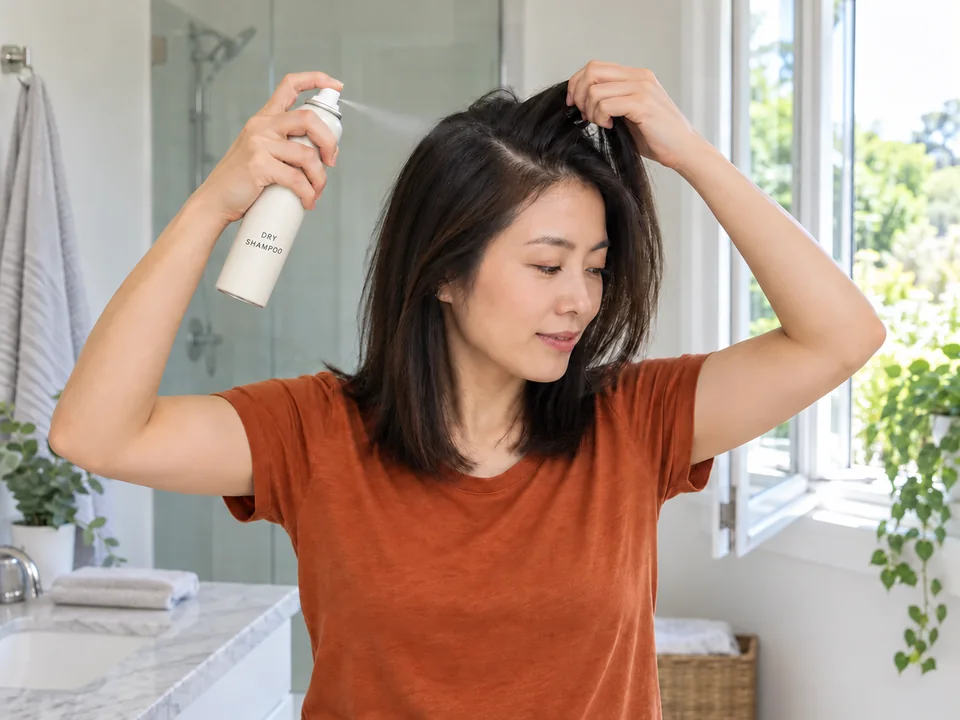
A woman lifting a section and applying dry shampoo to the roots.

Dry shampoo for a short freshen-up

  • Dry shampoo absorbs oil so roots look less greasy for a while. Shampoo and water are still needed to clean the scalp.
  • Use it on dry hair, only at oily areas. The photo guide shows application, waiting and removal; your container gives the amount and application directions.
  • If the roots are already powdery or gritty, wash instead of adding another layer. Stop using it if your scalp itches or burns.
Guide: Apply and remove dry shampoo

Photo guides for a more thorough wash

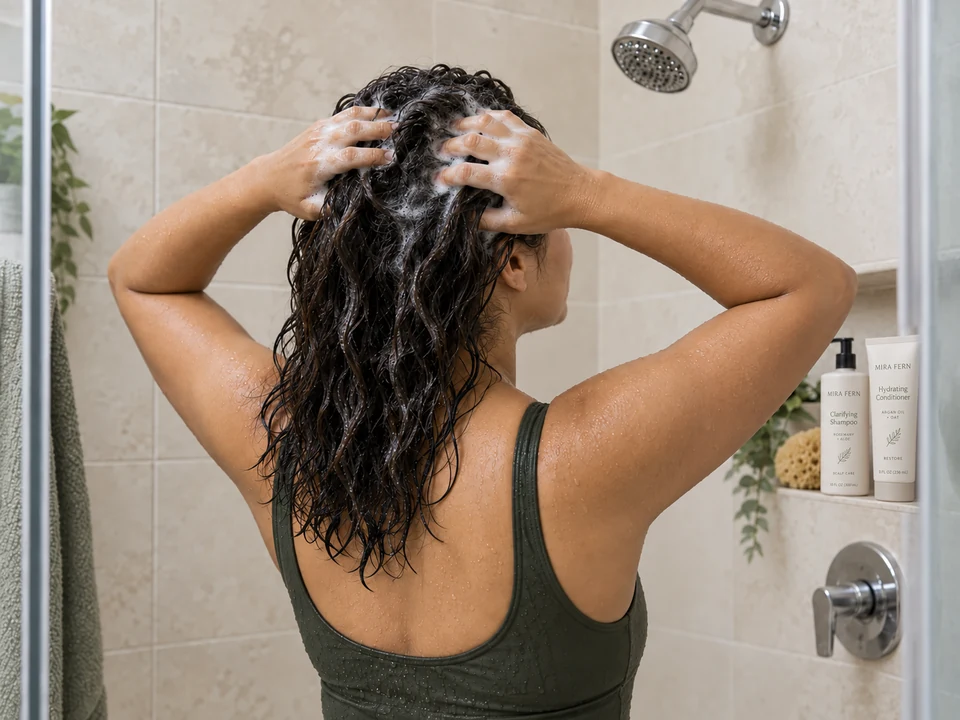
A woman gently working shampoo into her scalp, leaving the lengths loose.

Reach the whole scalp

Start with thoroughly wet roots. Use your fingertip pads to work shampoo around the scalp, including the nape and behind the ears. Keep your nails off the skin.

Guide: Shampoo your scalp
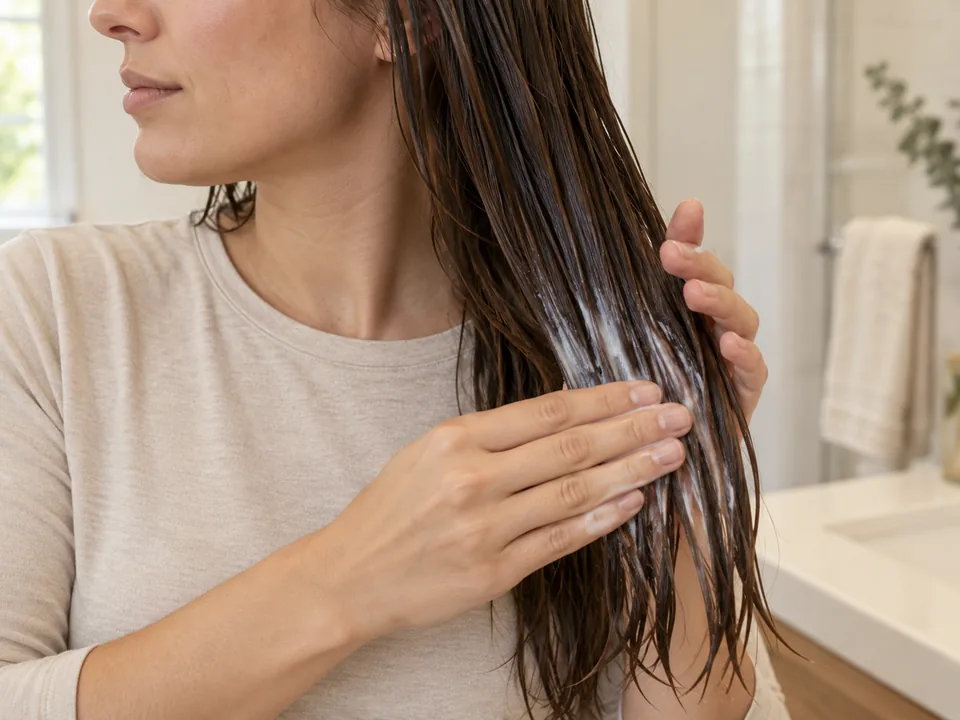
Conditioner smoothed onto the lower lengths and ends, away from the scalp.

Keep conditioner on the lengths

After shampooing, smooth conditioner through wet lengths and ends. Support each section so you can reach underneath without pulling. Give it the waiting time on your bottle before rinsing.

Guide: Apply conditioner to the lengths and ends
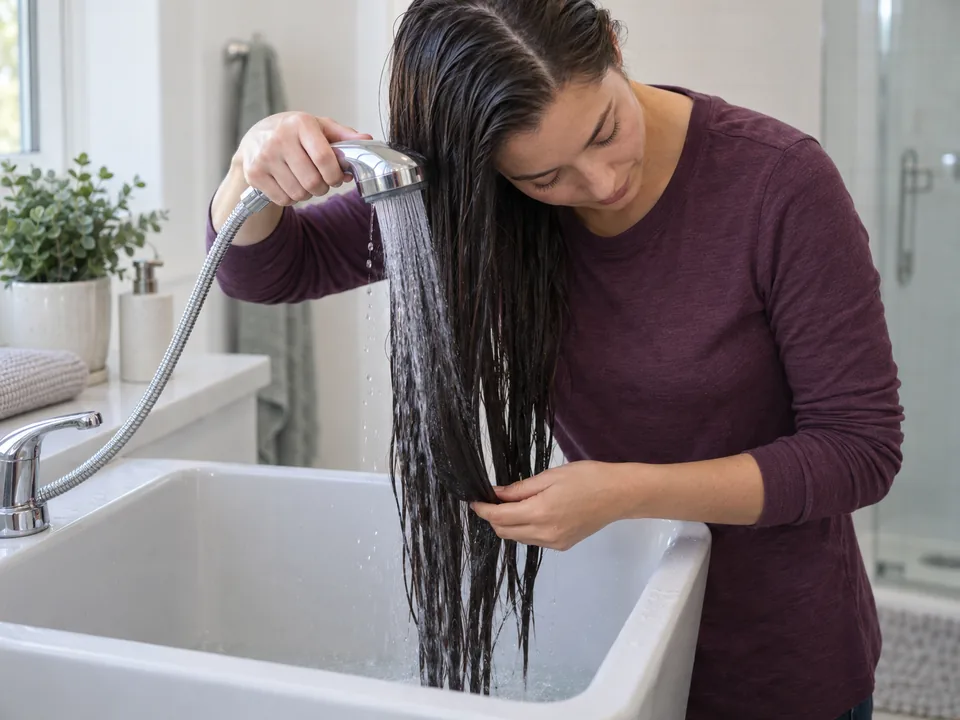
One hand holds a sprayer above long wet hair while the other supports the lengths over a deep basin.

Check the areas water misses

Move the lengths aside so water reaches the roots and underneath each section. Rinse away remaining foam or visible conditioner. Clear water alone does not tell you every area has been rinsed, and the hair need not feel squeaky.

Guide: Rinse shampoo and conditioner completely
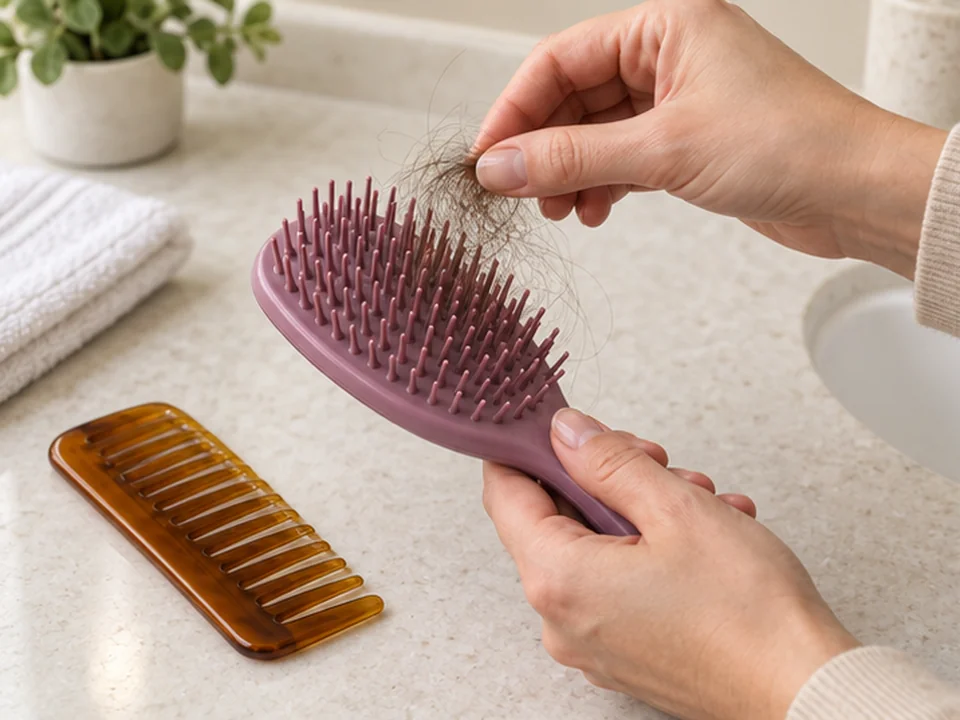
Hands lifting trapped hair out of a washable brush.

Remove hair and residue from your tools

Lift trapped hair out of the brush. Check its cleaning instructions before wetting it; some brushes need wiping rather than soaking. Clean visible residue and let the tool dry fully before using it again.

Guide: Clean your hairbrush and comb
When to get help

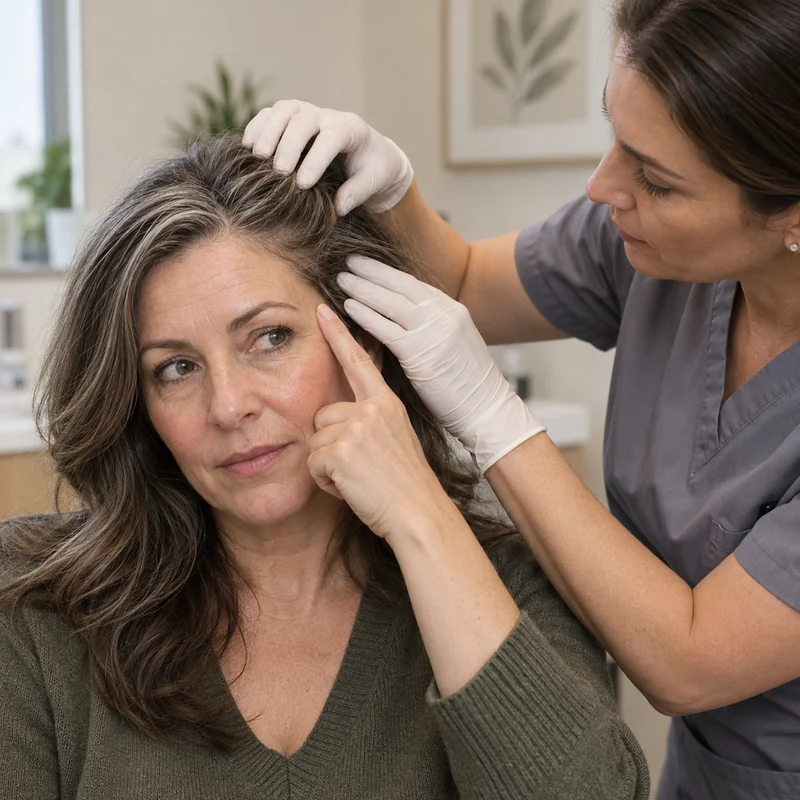
A medical professional examining the scalp where a woman points.

Signs that need more than routine care

  • If your scalp is very itchy, painful, red or swollen, speak with a medical professional. Get help with flakes that persist after a month of using an anti-dandruff shampoo. Mention any product that seemed to start the irritation.

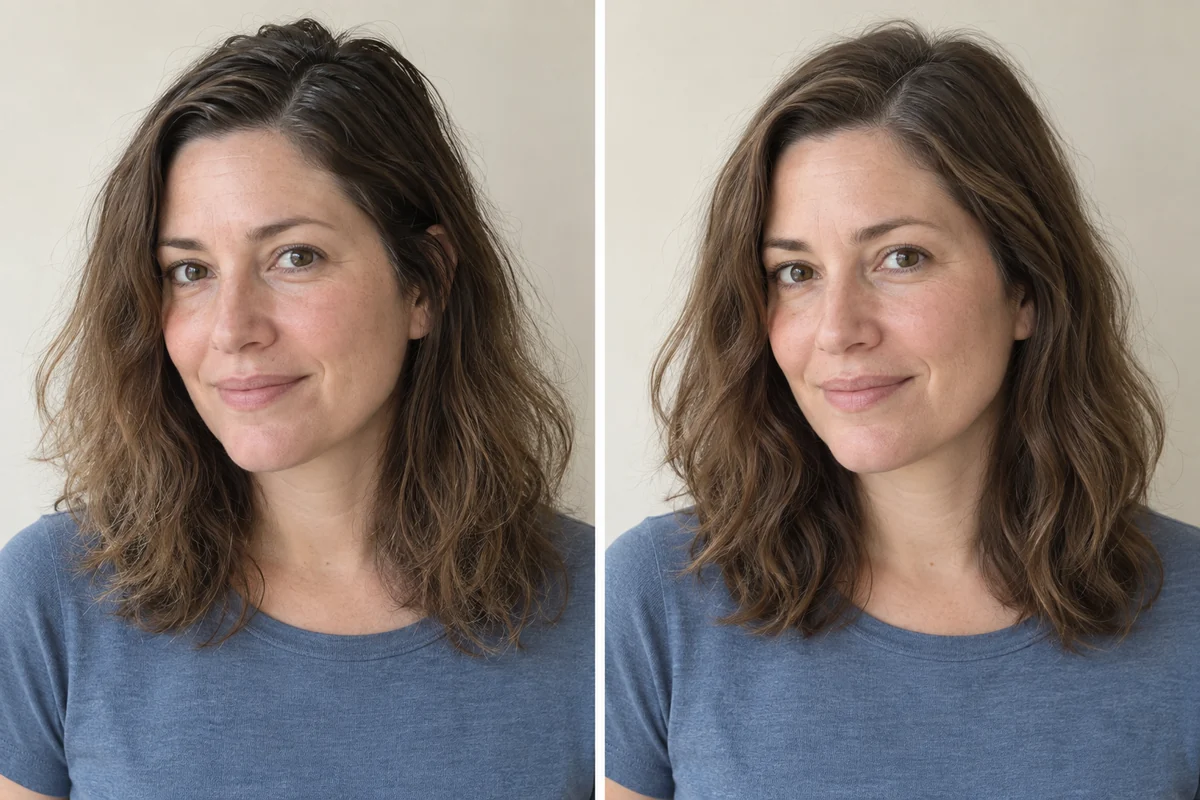
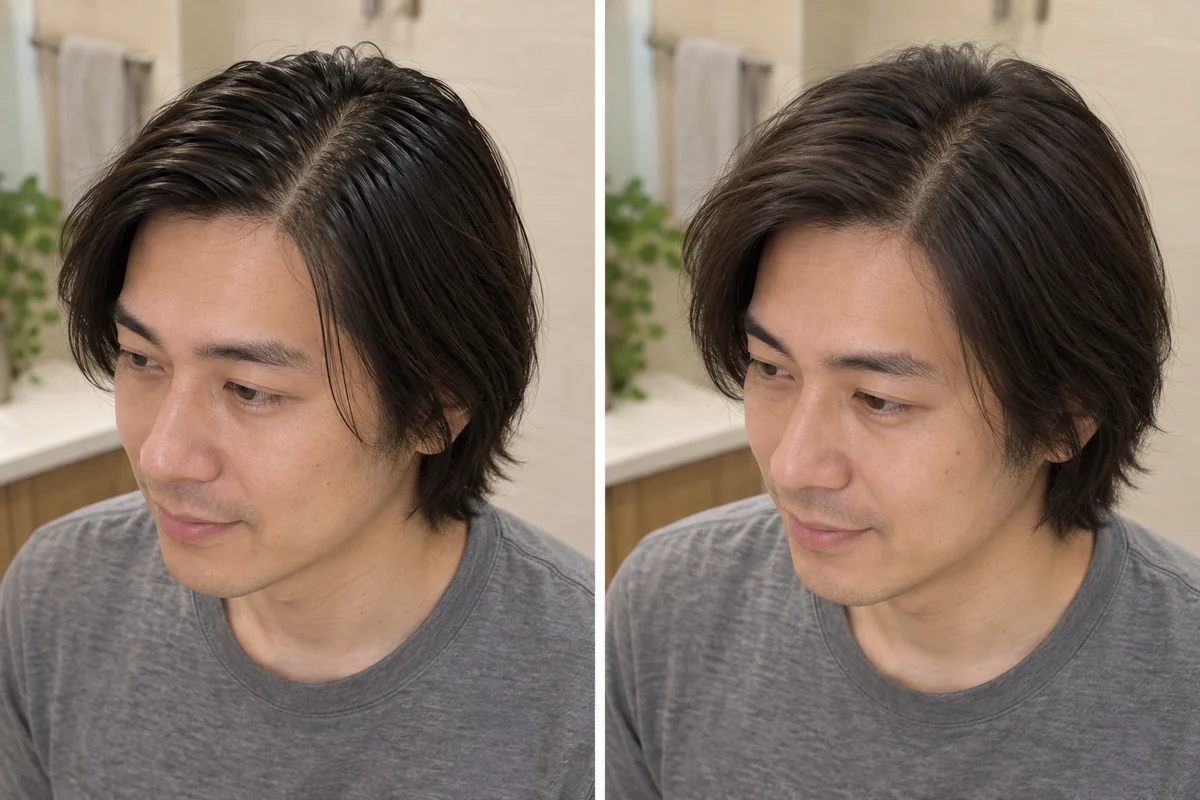
Illustrated care examples: before & after

Less clumping at the roots

Illustrative care comparison: shiny grouped roots beside clean, separated roots after washing.
Before · shiny, grouped rootsAfter washing · more separated roots
The right-hand panel shows roots separated into smaller groups, with less visible shine.

Care for both ends of the hair

Illustrative care comparison: oily roots and rough ends beside fresh roots and smoother lengths.
Before · flat roots, fluffy endsAfter care · looser roots, smoother waves
The right-hand panel shows less shine at the roots and smoother wave groups along the lengths.
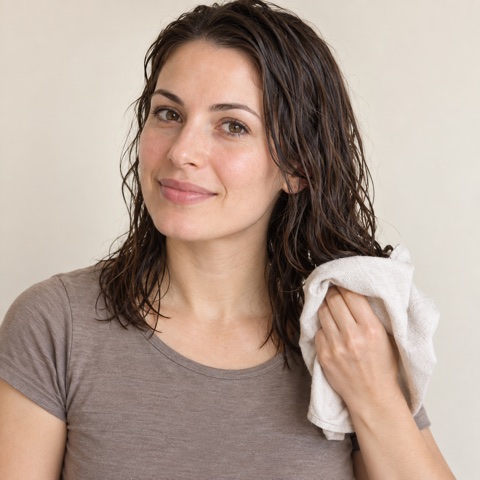
A woman gently squeezing damp hair with a towel.

Make wash day easier to work out.

Bring the questions you’re still stuck on, along with the products you use. Your consultation can help you choose what to keep and what to change.

  • Why do my roots feel greasy so soon after washing?
  • Which shampoo will suit me if I wash every day?
  • How can I condition my ends without losing volume?

Your plan can account for your texture, past treatments and wash schedule. Tell us which products leave you coated and how much time you want to spend on your hair.

The Hair Care Consultation gives you a personal plan with product recommendations, routines and guidance on your hair-care questions.

$49 with 60 days of follow-ups, or $99 with 12 months. Pay once; the year renews only if you choose.