Hair Care Guides

Your scalp smells before wash day.
It’s common, and it’s fixable.

Noticing your own scalp smell is uncomfortable, and most people quietly worry someone else has noticed. Sweat, oil, product layers and damp fabrics are the usual causes. A proper scalp wash, drying all the way through, and clean towels and hats sort most of it.

Your personal hair-care planProduct choices, routines and answers shaped around your hair.$49one-timeStart my consultation
A man placing a clean folded towel beside a bathroom sink.
It’s common, and it’s fixable.

What is going on

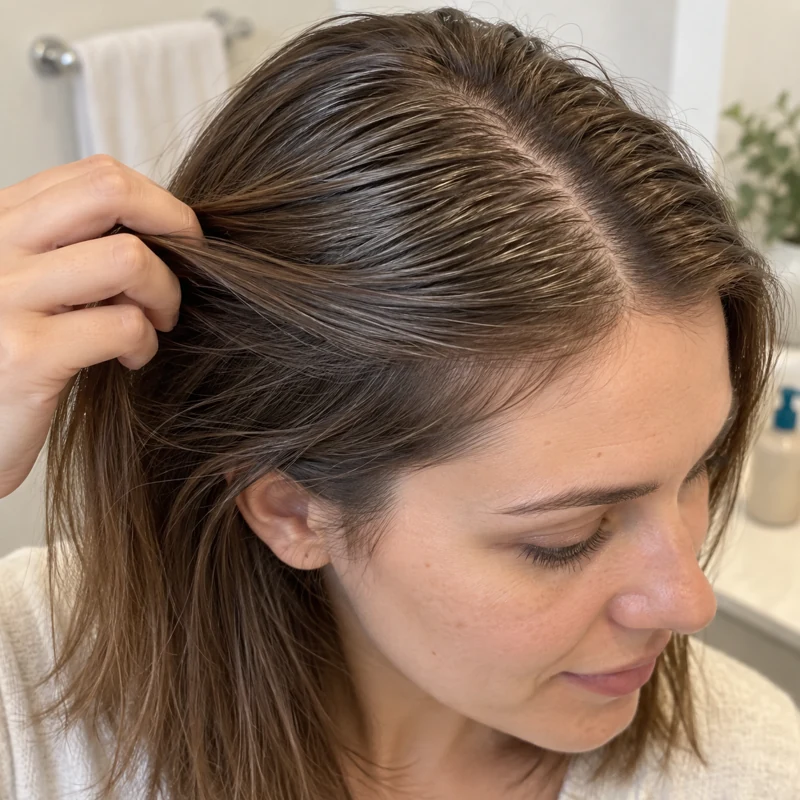
A woman lifting a section beside a part with shiny, grouped roots.

Notice when it shows up

A smell after a workout, or when you’ve stretched the gap between washes, tells you something. What matters more is whether it’s still there after a normal wash and dry. Covering it with another scented layer hides that answer.

A woman with curls writing a routine note beside her hair-care products.

Check what touches your hair

Towels, pillowcases, bonnets, hats and brushes all hold onto smell. Wash them and let them dry fully before they go near your hair again. A new shampoo can’t do anything about a damp bonnet.

What helps, day to day

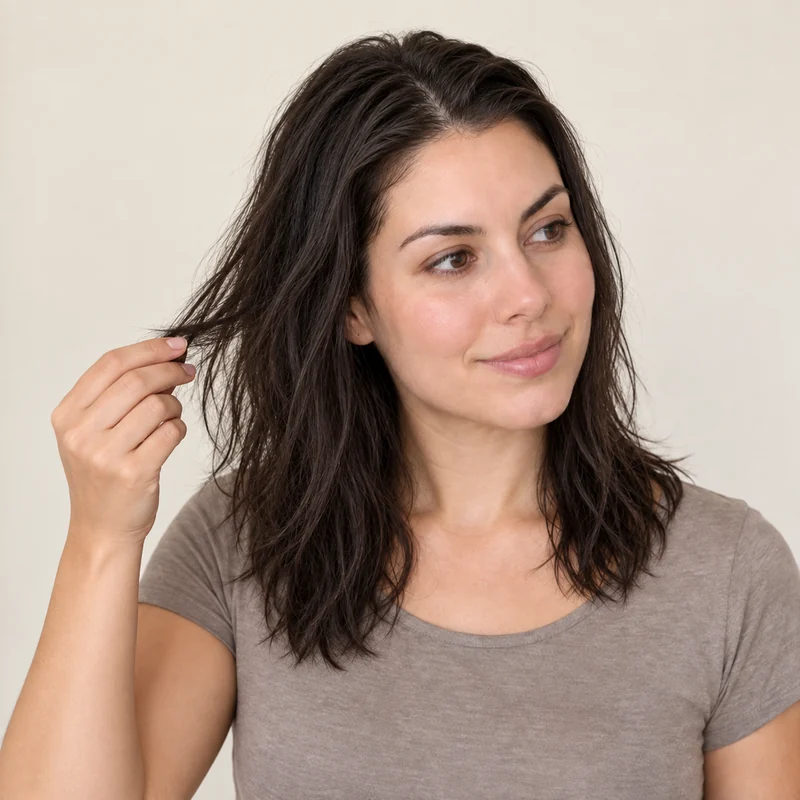
A woman gently feeling a section of her loose hair with her fingers, with no visible product.

Fragrance only covers it for an hour

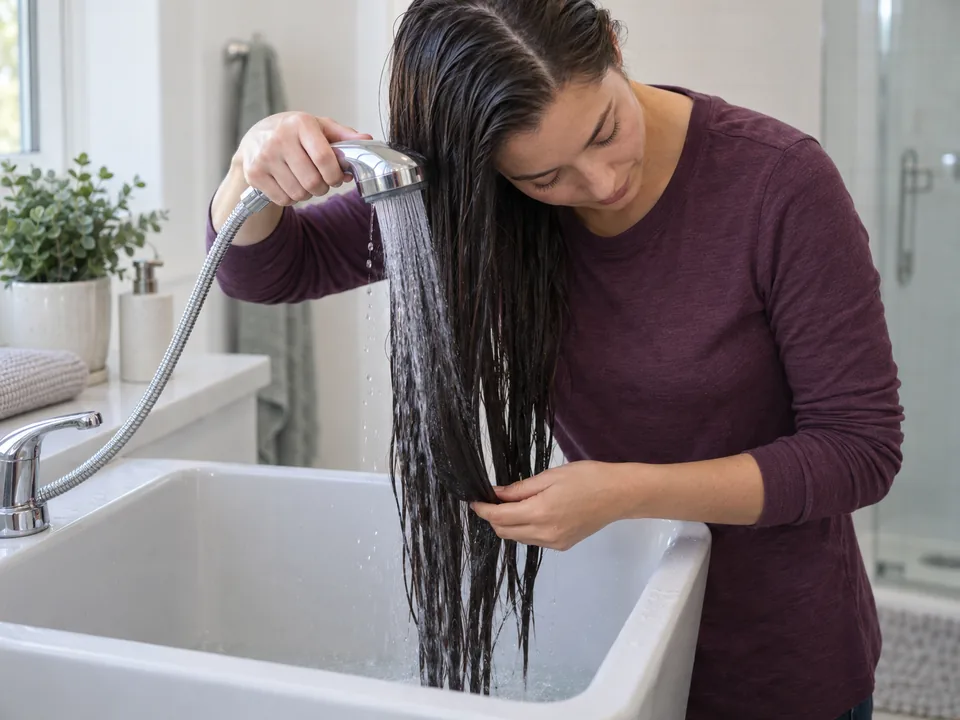
  • Go back to washing with water and shampoo rather than layering perfume or dry shampoo on top.
  • Rinse well, let the roots dry properly and wash the fabrics that touch your hair.
  • After exercise, move the wash earlier instead of using more scent to hold the same schedule.
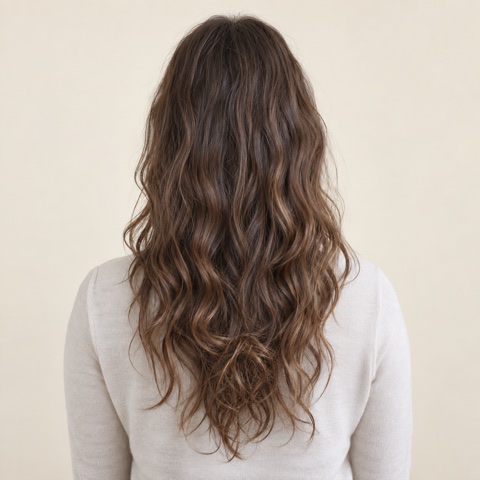
Wavy hair with tangles concentrated near the ends.

Thick hair stays damp under a hat

  • Give the roots and inner sections time to dry before anything close-fitting goes on.
  • Dry however works for you, as long as it isn’t scorching heat or painful pulling.
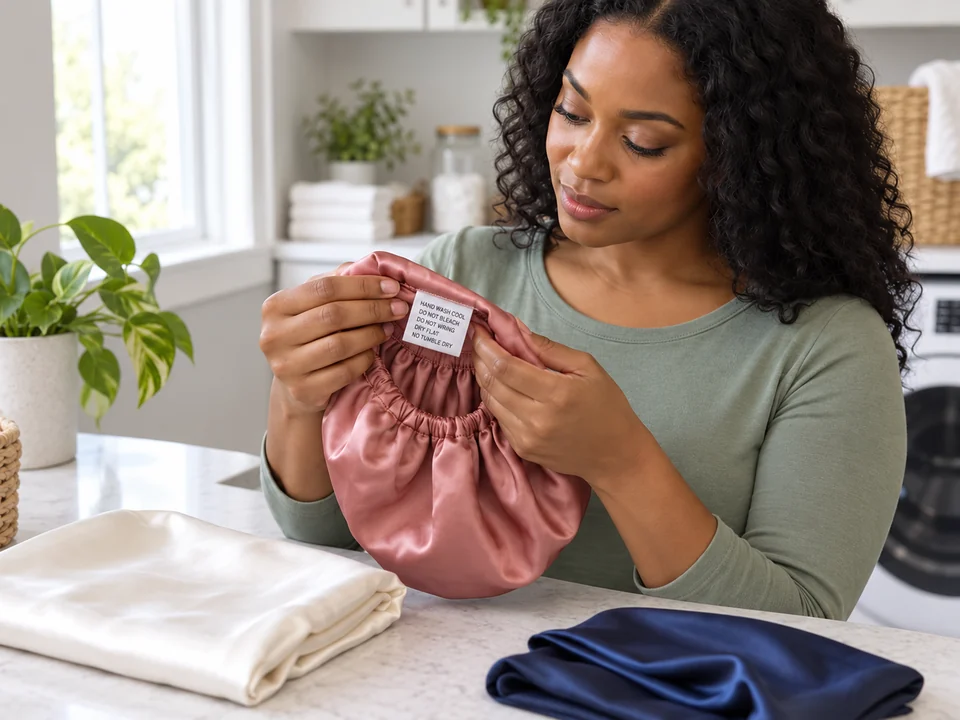
A woman checks the care label of a sleep bonnet beside a pillowcase and scarf.

It comes back with a hat or bonnet

  • Wash the covering the way its label says and let it dry all the way.
  • Use a fresh towel and clean your brush too.
  • A damp bonnet zipped into a bag between uses will smell by morning.

Products, by the job they do

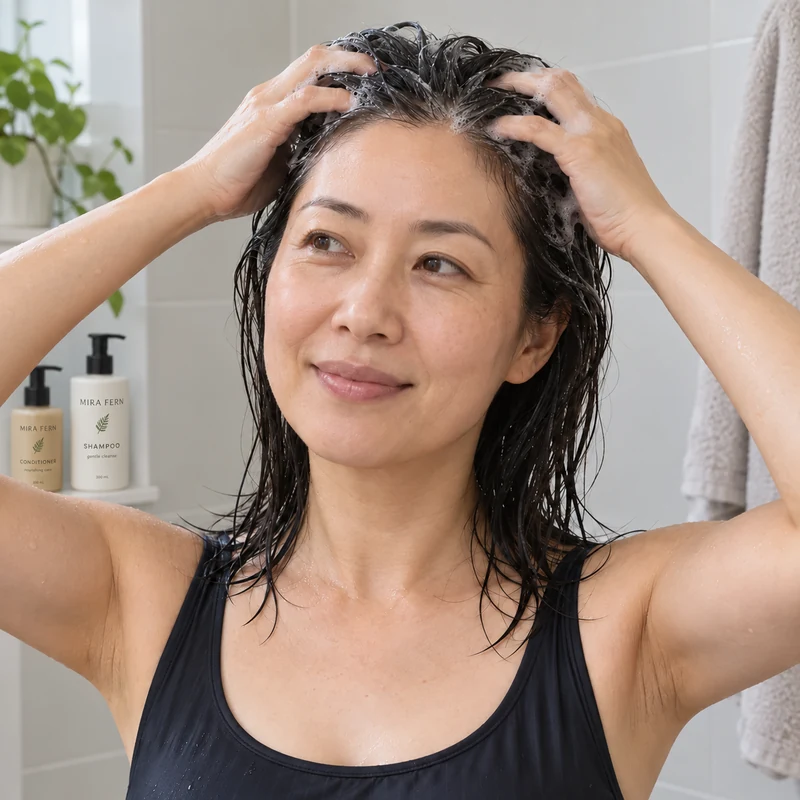
A woman massaging shampoo lather onto her scalp with her fingertips.

A shampoo that removes oil instead of masking it

Pick a shampoo for the oil and styling residue your scalp actually makes. Whether you like its scent is a separate question from whether it cleans well for you.

Browse cleansing products. Your current shampoo, wash schedule and past treatments help guide a personal recommendation.

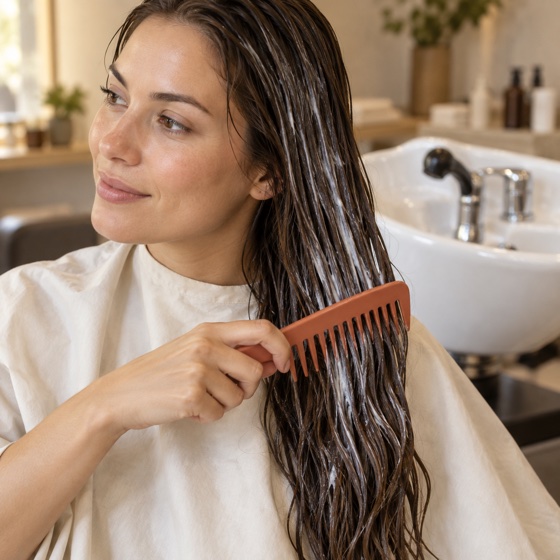
A woman detangling conditioned hair with a wide-tooth comb.

Conditioner for the ends, not the scalp

Keep the conditioning your lengths need on the lengths, so the scalp gets a proper wash and rinse without a rich layer sitting on it.

Browse rinse-out conditioners. The consultation uses your hair details and treatment history to compare conditioner options.

How to do it

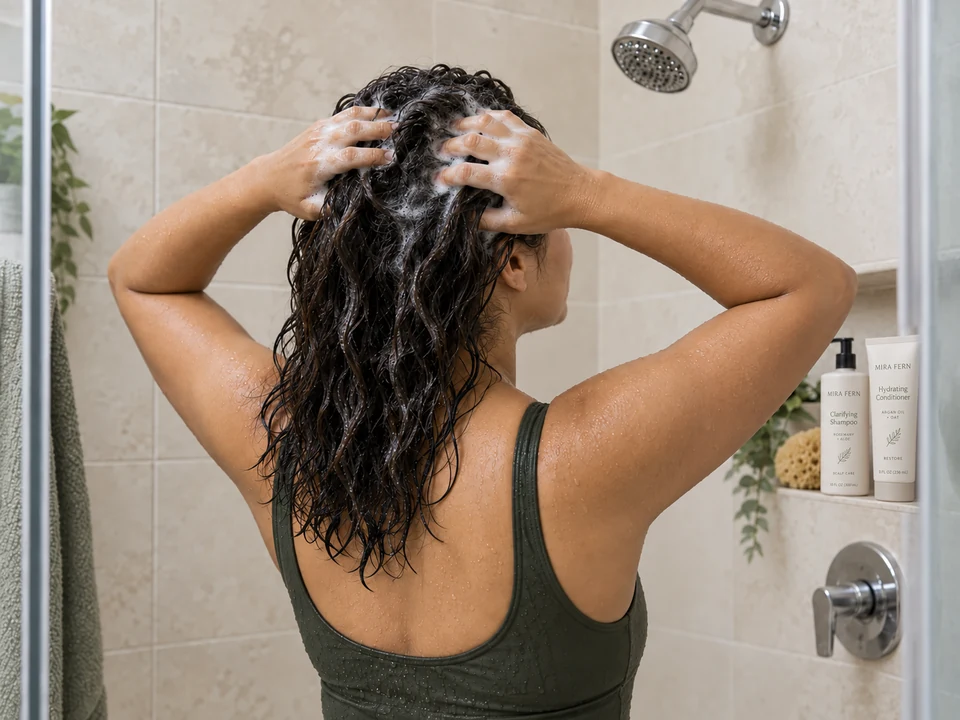
A woman uses both hands to gently work shampoo at the back and sides of her scalp, with the lengths hanging loose.

1. Reach every part of the scalp

Move thick hair aside so you can wash the nape and the underneath, not just the top.

Guide: Shampoo your scalp
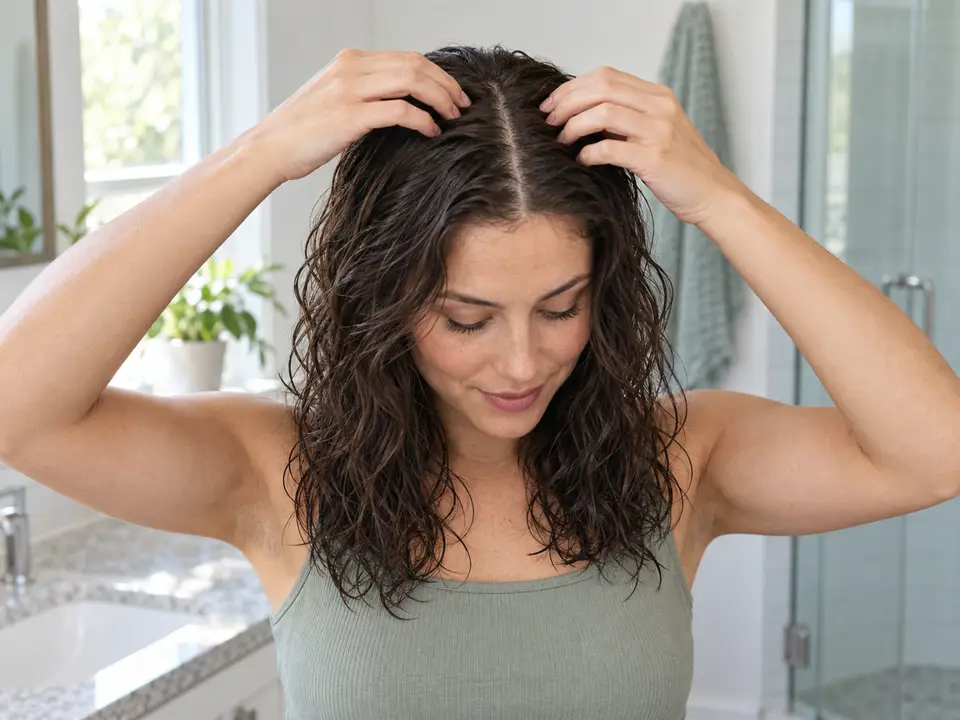
A woman places her fingertips on either side of the part in her damp hair, with the lengths hanging loose.

4. Give the roots room to dry

Leave the hair loose while it dries rather than bundling damp roots under a tie or a hat.

Guide: Air-dry your hair

When to get help

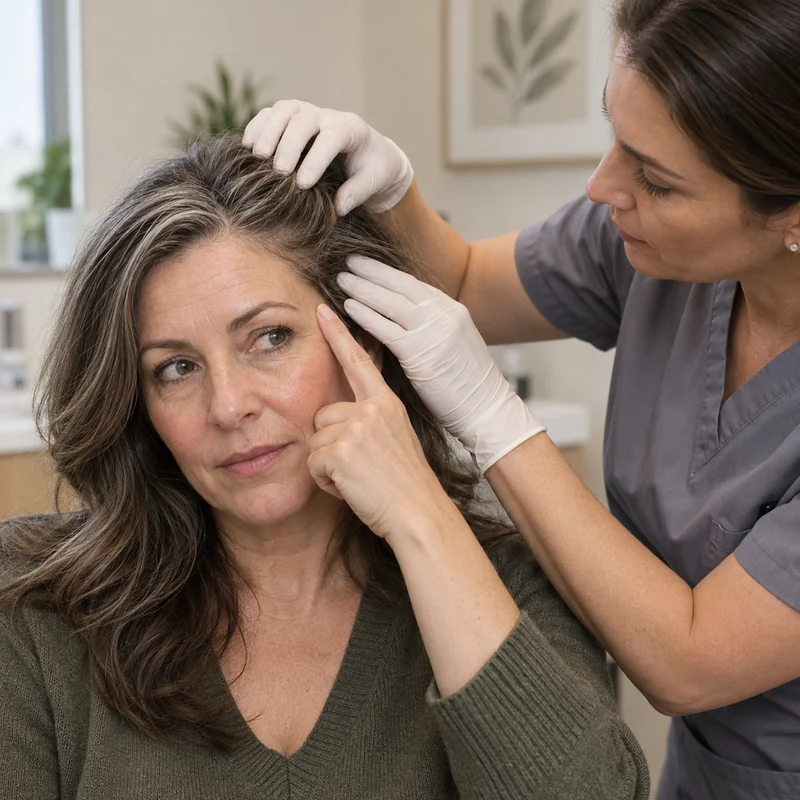
A medical professional examining the scalp where a woman points.

Signs that need more than routine care

  • If the smell stays even with regular washing, full drying and clean fabrics, or it comes with pain, sores, discharge or a new patch of hair loss, let a medical professional have a look. A scalp that smells despite being clean usually has a reason worth finding.

Illustrated care examples: before & after

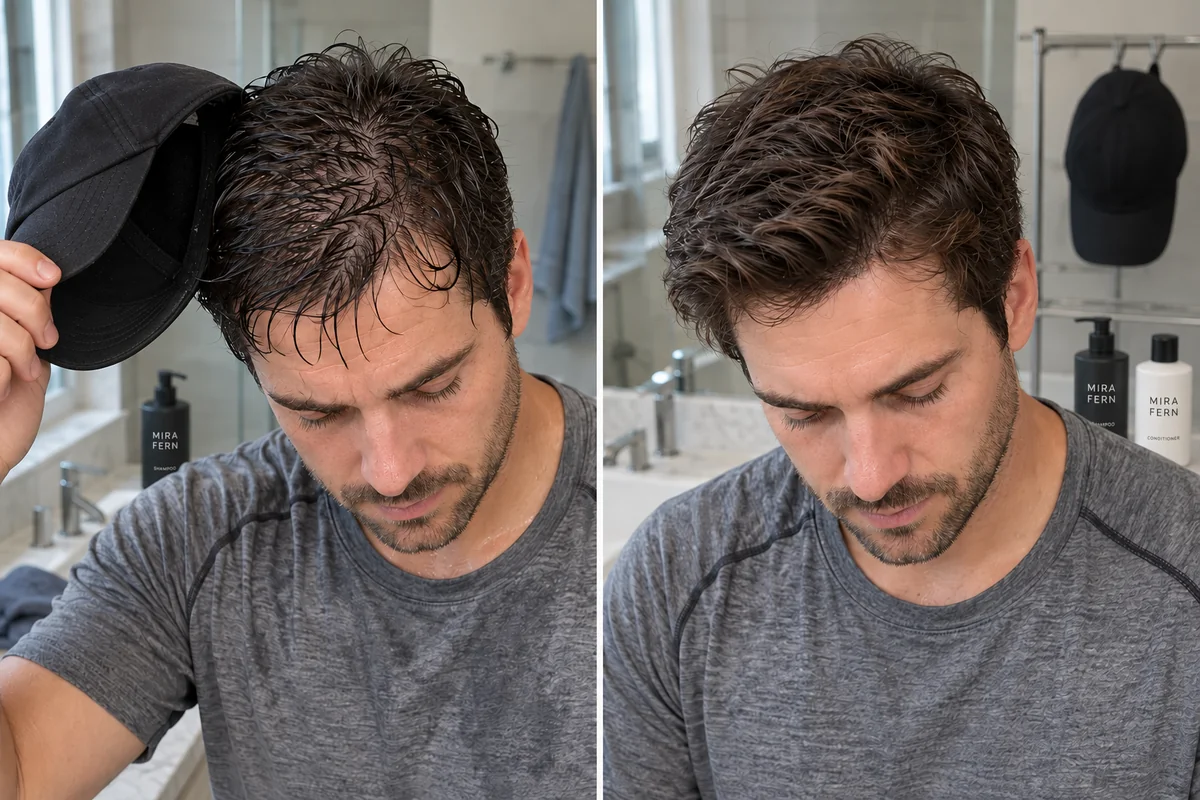
Wash the sweat away

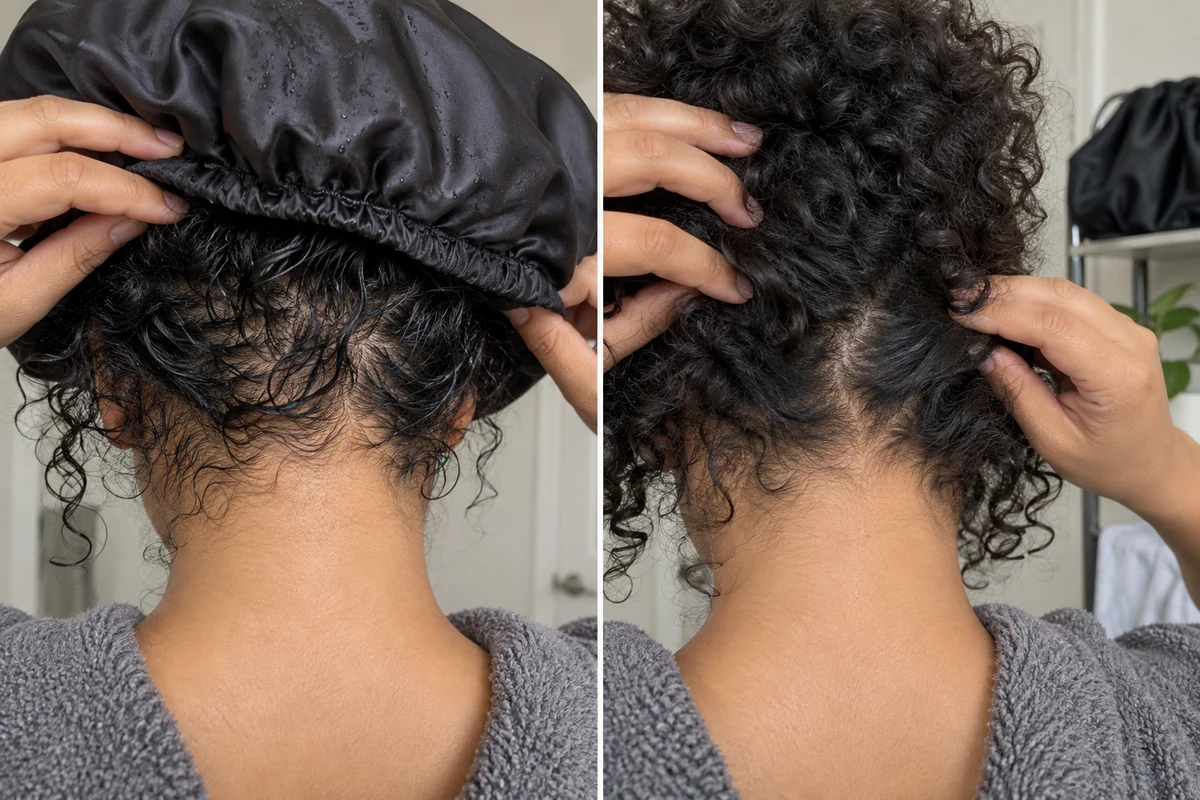
Illustrated care comparison: Damp roots sit beneath a sweat-marked cap. The roots are washed and dried, and the cap is clean and dry before reuse.
Before · sweat-damp roots and capAfter washing and drying · clean dry roots and cap
Sweat-damp roots and cap on the left, washed and dried on the right. Washing deals with oil, sweat and damp fabric, though smell cannot show in a photo.

Inner roots dry before covering

Illustrated care comparison: Inner roots remain damp beneath a close covering. The covering is off and the inner sections have dried.
Before · damp inner roots under fabricAfter washing and drying · uncovered inner sections dried
Dense roots and anything worn over them both need time to dry. The pictures show drying and fabric care, a photo can’t tell you about smell.
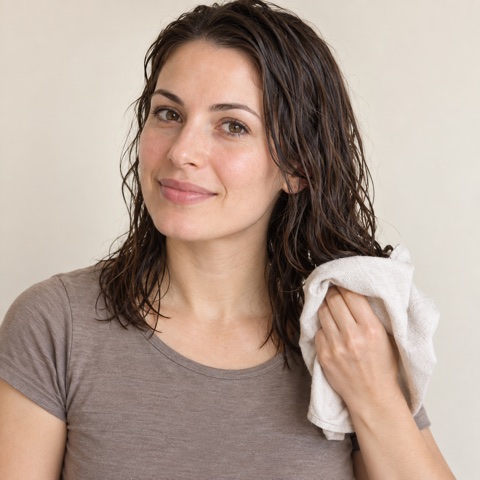
A woman gently squeezing damp hair with a towel.

Help with your hair-care routine

Bring your hair-care questions to the consultation. You can also read this related guide.

  • How often should I wash if I work out most days?
  • Which products can I drop to see if they’re part of the problem?
  • How do I get thick roots dry without it taking all evening?

The plan uses the hair and scalp details you share, past treatments, current products, preferences and the time and budget you have.

The Hair Care Consultation gives you a personal plan with product recommendations, routines and guidance on your hair-care questions.

$49 with 60 days of follow-ups, or $99 with 12 months. Pay once; the year renews only if you choose.