Hair Care Guides

When your hair feels less full,
make washing and detangling easier to manage.

Noticing more scalp or a smaller ponytail can make washing and combing feel worrying. Keep cleaning the scalp, condition tangled lengths and handle them in supported sections. Choose gentle styling while getting help with a change that concerns you.

Your personal hair-care planProduct choices, routines and answers shaped around your hair.$49one-timeStart my consultation
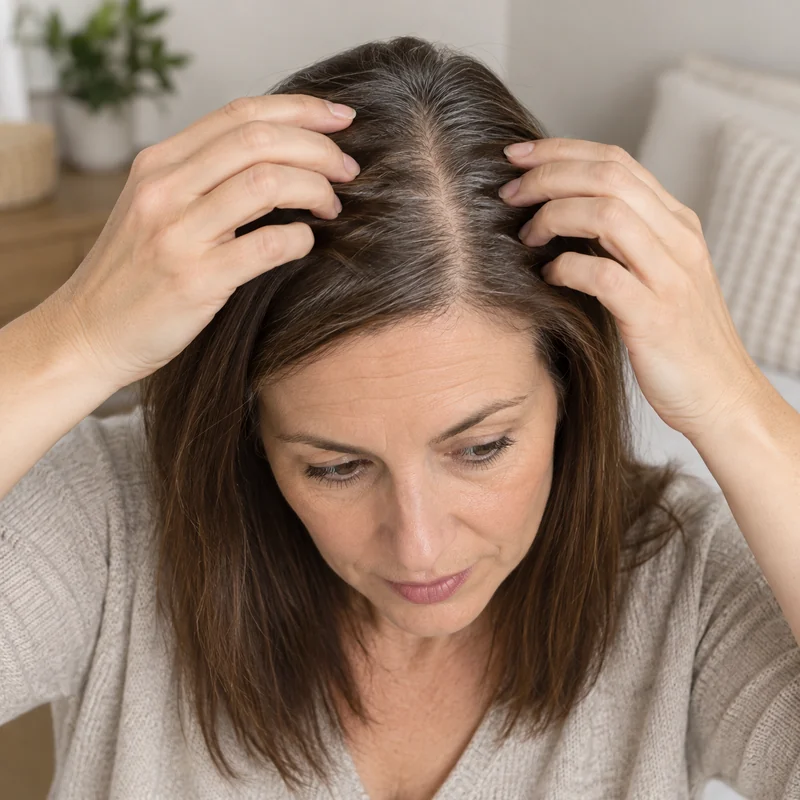
A woman looking at her part in a mirror.
make washing and detangling easier to manage.

What is going on

A woman gently separating her hair to check a wider central part.

Keep a useful record of the change

You might notice a wider part, smaller ponytail or a new patch. Keep when it started and any scalp discomfort together in a short note. An occasional photo in similar light may help you explain the change.

A seated woman writes a note beside shampoo and hair-mask containers.

Care for the lengths you have

Conditioner can help strands move past each other, and gentle handling reduces repeated pulling. A styler can change the appearance of fullness. Choose these for comfort and manageability while the change in your hair is assessed.
What helps, day to day

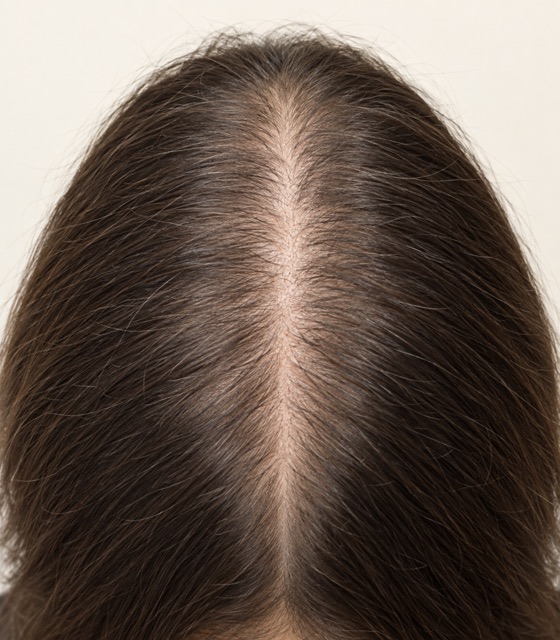
A crown view with the part and scalp visible between the hair.

Styling around a more visible part feels difficult

  • Choose a part you can arrange gently with your fingertips.
  • If you want hold, follow one styler’s amount and placement rather than adding several layers.
  • Avoid repeatedly dragging a brush across the same area.
  • Release any style that pulls or hurts.
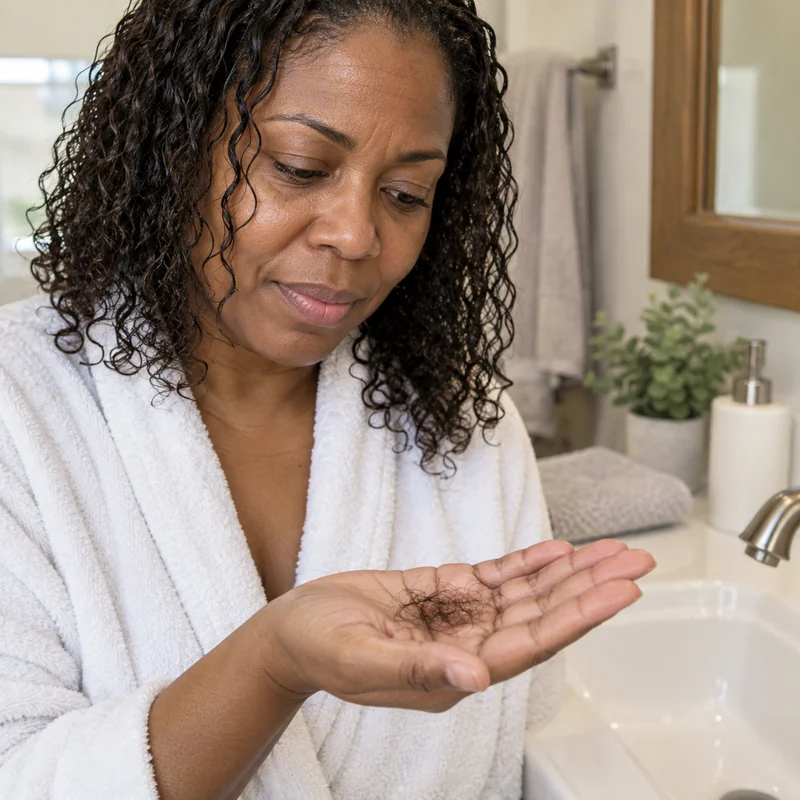
A woman looking at loose shed hairs in her palm after washing.

Loose strands make wash day worrying

  • Some shedding each day is normal.
  • Keep washing when the scalp is oily or dirty and condition the areas that tangle.
  • Work through reachable sections without tugging.
  • Note a clear increase in shedding and bring the timing when you ask for help.
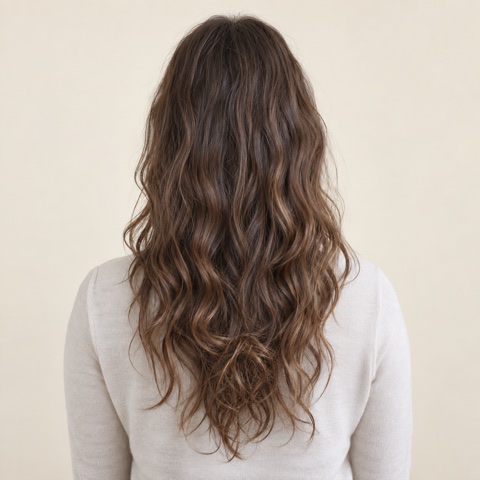
Wavy hair with tangles concentrated near the ends.

The ends catch while you comb

  • Detangle curls damp with conditioner, then rinse.
  • For straight or loosely wavy hair, rinse and let it partly dry first.
  • Hold above a knot, clear the tips with downward strokes and start higher only when lower hair is clear.
  • Stop at pain or a tight mat.

Products, by the job they do

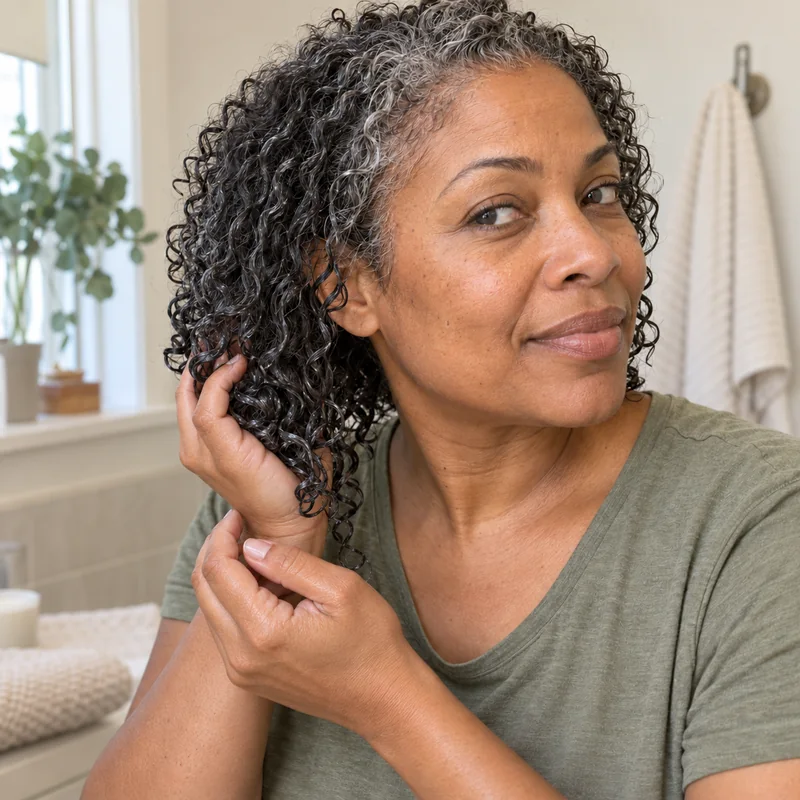
A woman cups a damp curl section in one hand while her other hand supports her wrist.

Optional hold for a fuller-looking finish

A styling product can help hair keep the shape you arrange. If you use one, follow its starting wetness, amount and placement and keep it off irritated skin. Judge whether the finish feels comfortable and washes out easily.
Browse styling products

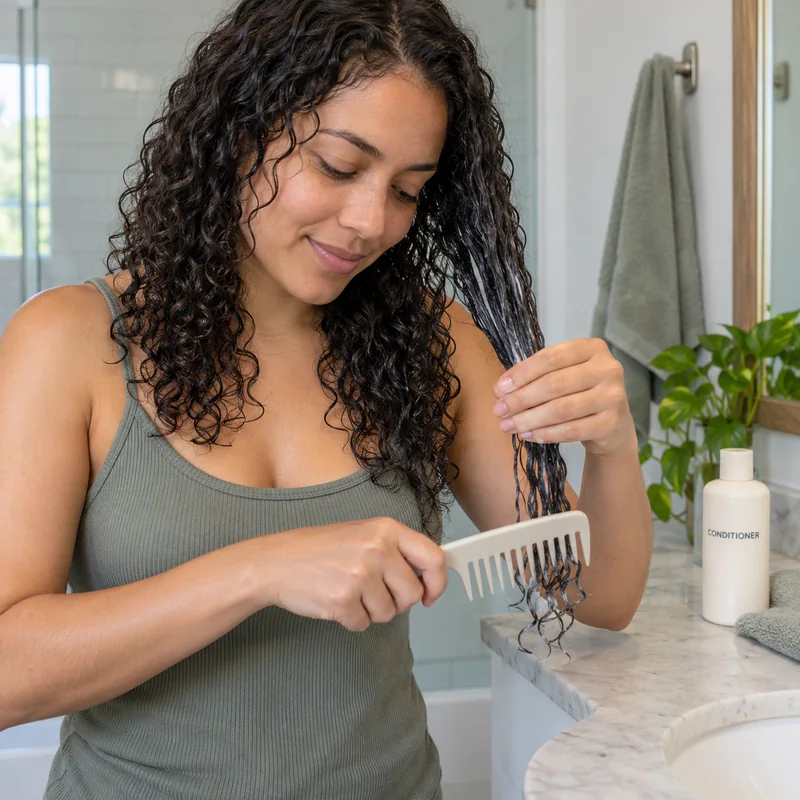
A woman supports one damp curl section above a wide-tooth comb at the tips beside a conditioner bottle.

Conditioner for easier detangling

Use rinse-out conditioner on rough lengths after shampooing. Work it through reachable sections and underneath, following its waiting and rinsing steps. If the dried hair still catches, an optional leave-in on those areas may help; follow that product’s own directions.

Browse rinse-out conditioners. The consultation uses your hair details and treatment history to compare conditioner options.
Illustrated methods for gentle daily care

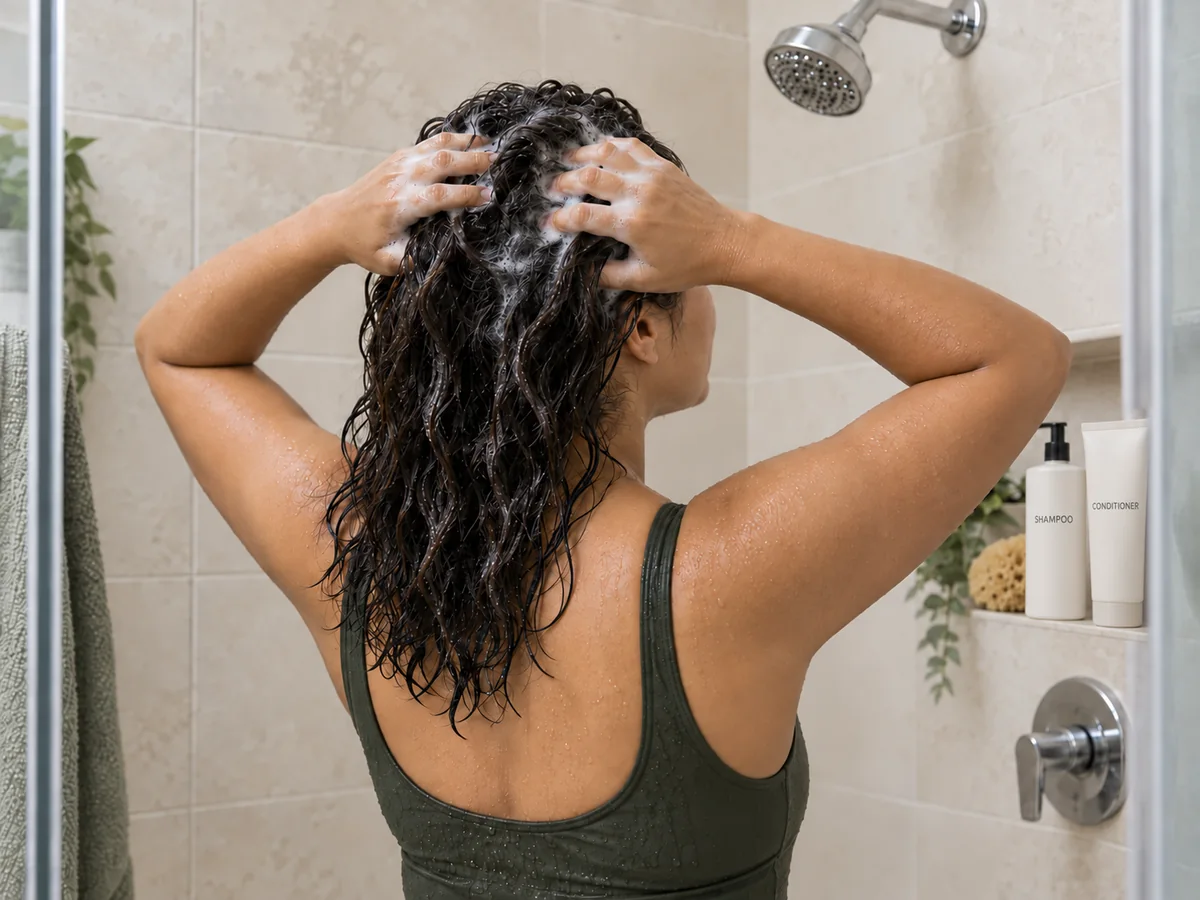
A woman works shampoo lather over her scalp while the wet lengths hang loose in an ordinary shower.

Clean the scalp with finger pads

Wet the scalp and hair, then work ordinary shampoo over the scalp with finger pads while the lengths hang loose. The linked method separates wetting, shampooing and a complete rinse. Use your shampoo’s amount and any waiting time.

Guide: Shampoo your scalp
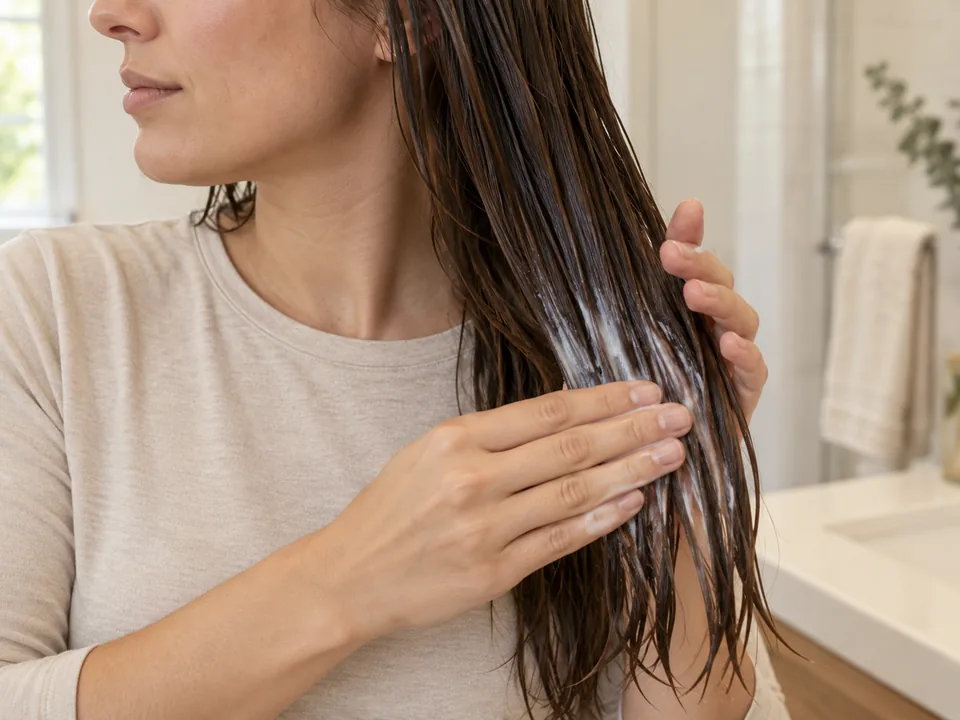
A thin coating of conditioner being smoothed over the lower lengths and ends, away from the scalp.

Reach the rough areas and their underside

After rinsing shampoo, separate wet hair into reachable sections. Smooth rinse-out conditioner through rough areas and their underside. The linked guide shows application and rinsing with a conditioner used on wet hair.

Guide: Apply conditioner to the lengths and ends
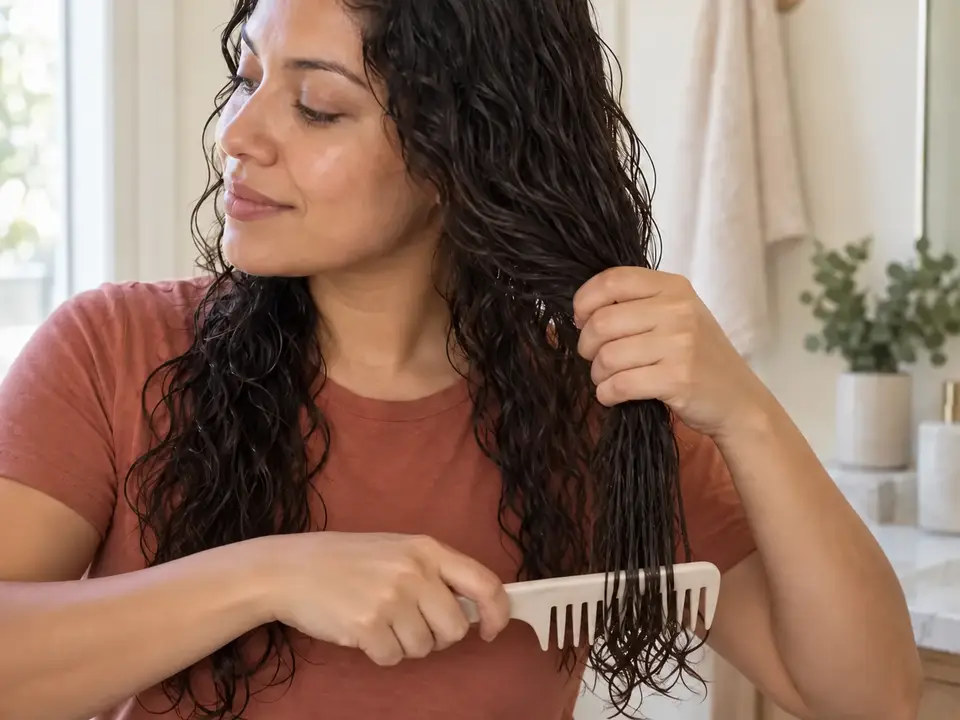
Woman supports a damp wavy-curly section while a wide-tooth comb begins at the lowest hair tips.

Support the section and clear the tips first

For curls, detangle damp with conditioner. For straight or loosely wavy hair, rinse out conditioner and let it partly dry. Support above a knot and comb the tips downward. Start higher only after lower hair is clear, and stop if it hurts.

Guide: Detangle with a wide-tooth comb
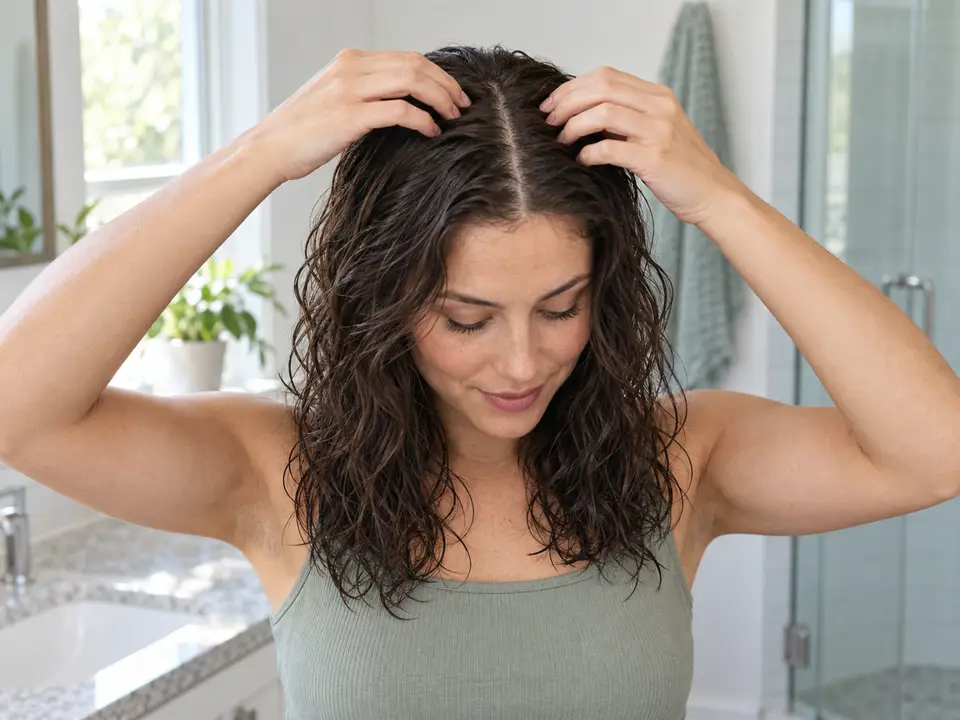
A woman places her fingertips on either side of the part in her damp hair, with the lengths hanging loose.

Leave loose hair time to dry underneath

For loose damp hair, follow any product’s directions, blot drips if needed and arrange the part with fingertips. Leave lengths loose while drying. Feel the crown, nape and inner lengths before treating it as dry, giving damp areas more time.

Guide: Air-dry your hair
When to get help

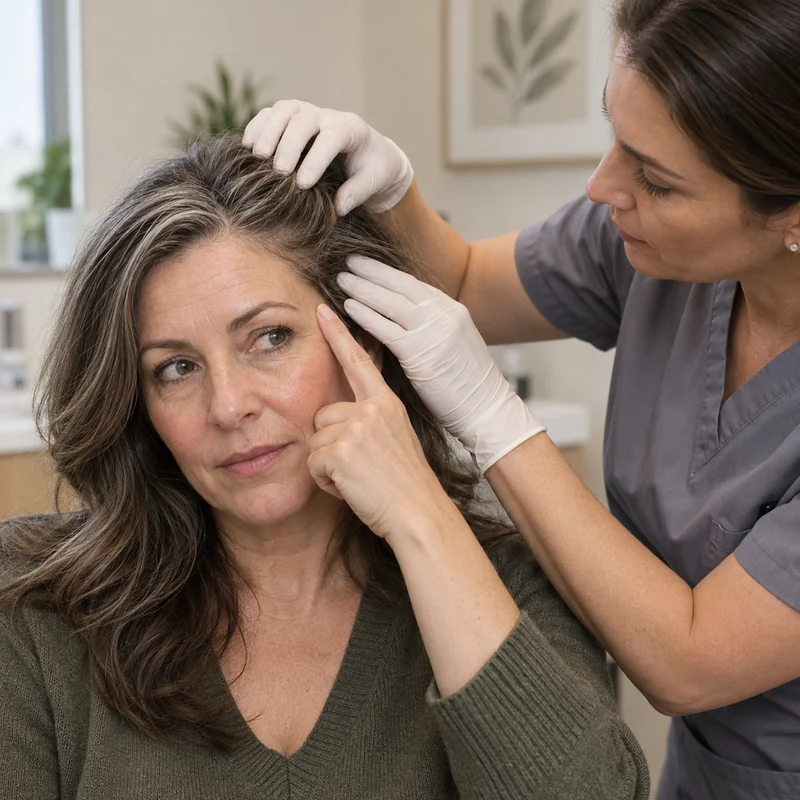
A medical professional examining the scalp where a woman points.

Signs that need more than routine care

  • Ask a medical professional about a widening part, reduced fullness, clearly increased shedding, a new patch or a painful scalp. Bring when it began and recent health or medicine changes. Ask before changing how you take a suspected medicine.

Illustrated care examples: before & after

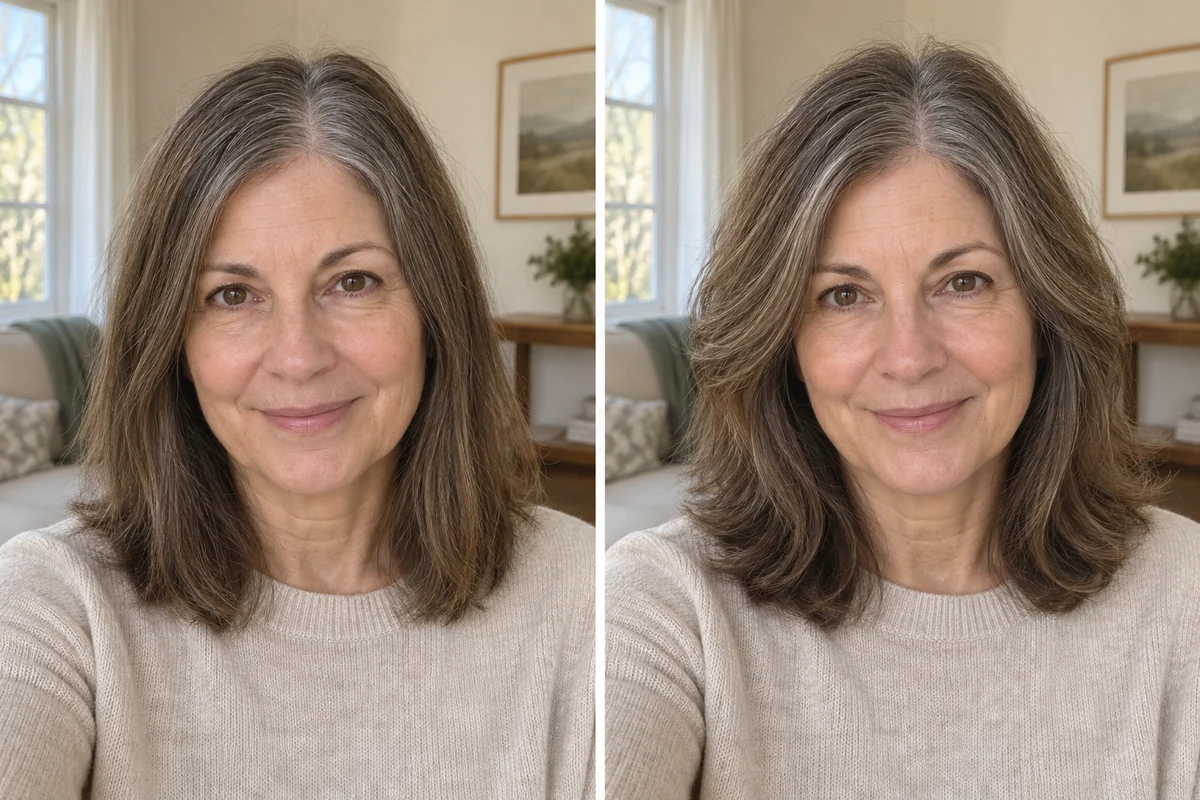
A softer bend through the lengths

Illustrative styling comparison: straighter lengths beside more curved sides and ends.
Before · straighter lengthsAfter styling · more curved sides and ends
The left has a straighter finish; the right has more bend through the sides and ends.

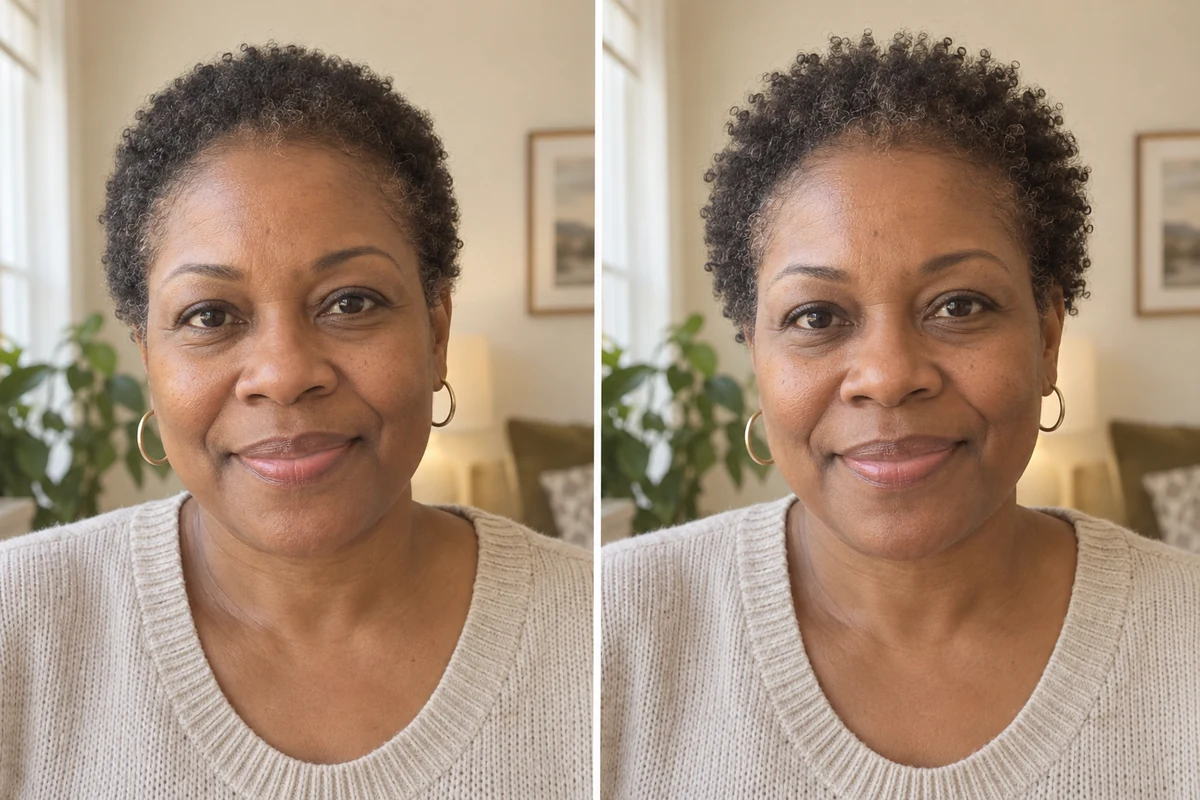
Curls arranged with more space

Illustrative styling comparison: more grouped curls beside more spaced curls.
Before · more grouped curlsAfter styling · more spaced curls
The curls sit closer together on the left and are arranged with more space on the right.
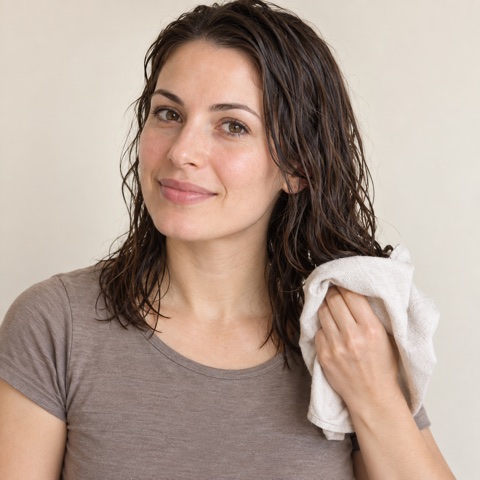
A woman gently squeezing damp hair with a towel.

Help with your hair-care routine

Bring your hair-care questions to the consultation. You can also read Care for hair when shedding changes. If your hair is coming back after chemotherapy, start with care for hair after chemo instead.

  • Which products help me style gently without a heavy finish?
  • How can I make wash-day tangles easier to manage?
  • Could a different part or looser style feel more comfortable?

Tell us what has changed, when you noticed it, how your scalp feels and where handling is difficult. The products you use, treated lengths and styling preferences help shape daily care alongside any advice you have received.

The Hair Care Consultation gives you a personal plan with product recommendations, routines and guidance on your hair-care questions.

$49 with 60 days of follow-ups, or $99 with 12 months. Pay once; the year renews only if you choose.