Hair Care Guides

Shedding comes and goes.
Here’s how to read what you see.

Finding a clump of hair in the drain is unsettling, even when nothing is wrong. Everyone sheds, and wash day gathers several days of loose hairs at once. Keep washing gently, ease out tangles and learn your own normal without counting strands.
Your personal hair-care planProduct choices, routines and answers shaped around your hair.$49one-timeStart my consultation
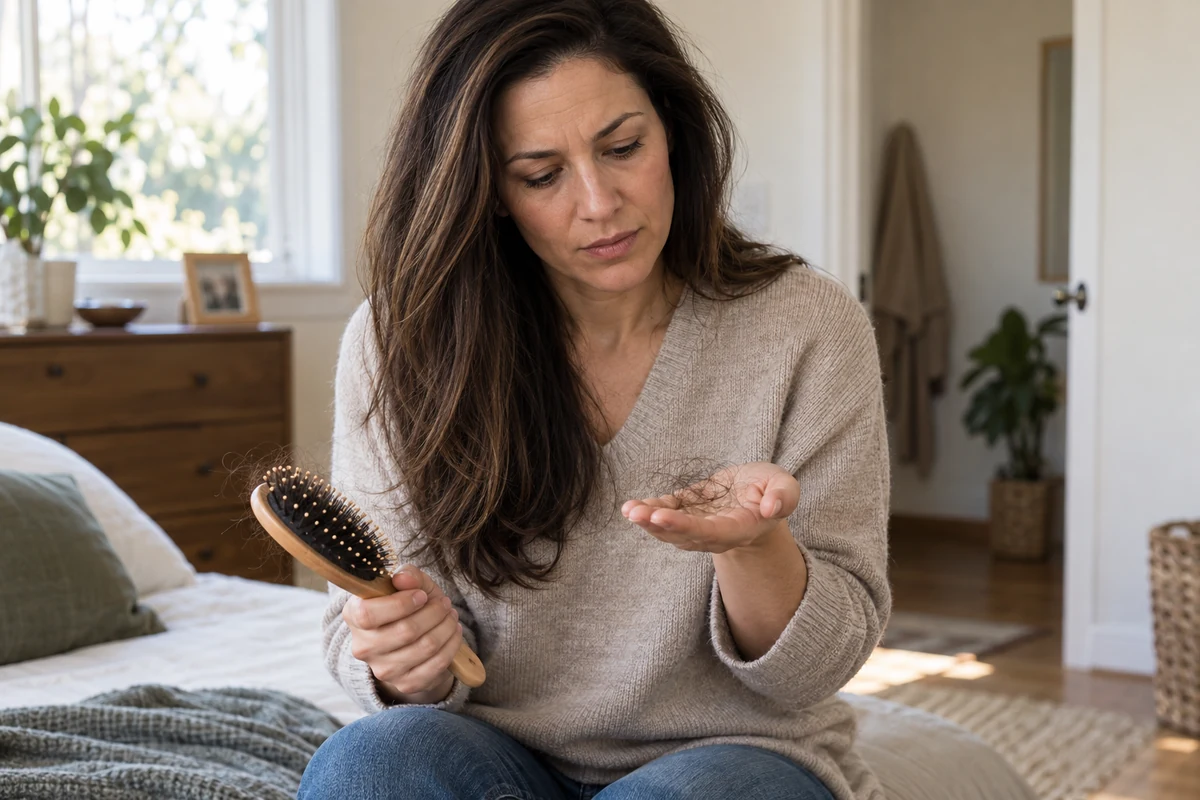
A woman looking at loose hairs in her palm beside her brush.
Here’s how to read what you see.

What is going on

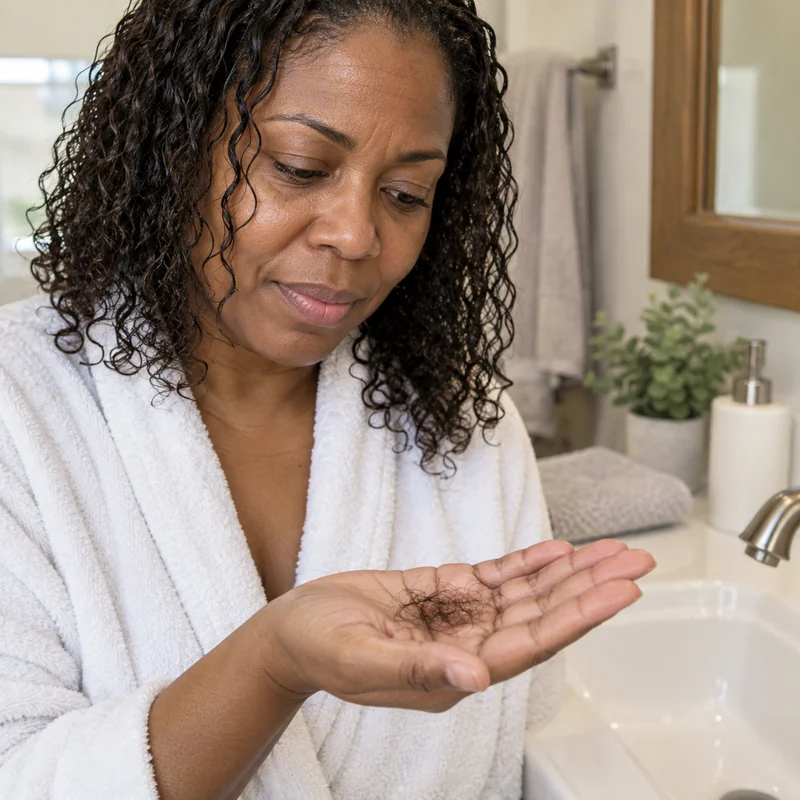
A woman looking at loose shed hairs in her palm after washing.

Wash day collects a few days at once

Hairs that let go between washes stay caught in the lengths until you detangle or rinse. So a bigger bundle after a longer gap, or with longer hair, is often just more days of ordinary shedding arriving together.

A woman with curls writing a routine note beside her hair-care products.

Keep track of what actually changed

Write down roughly when the shedding changed, whether your scalp feels fine and whether you’ve noticed less fullness at the part or ponytail. If you take photos, use the same light and the same part each time. That’s more useful than counting hairs.
What helps, day to day

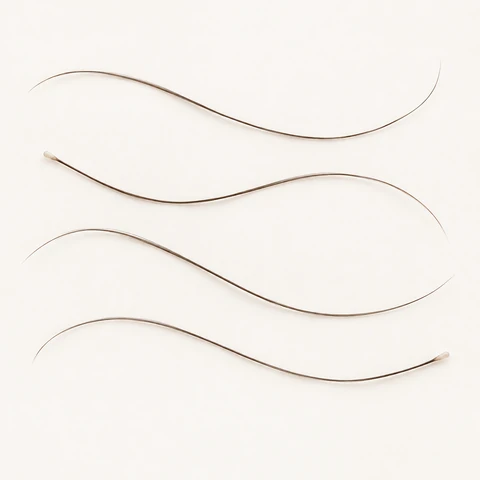
Several long, loose hair strands on a pale surface.

A few strands, like always

  • If the amount hasn’t really changed, nothing about your routine needs to change either.
  • You don’t need a growth product because you spotted loose hairs in the brush.
  • Clear the brush each time so you’re not judging today by last week’s hair.
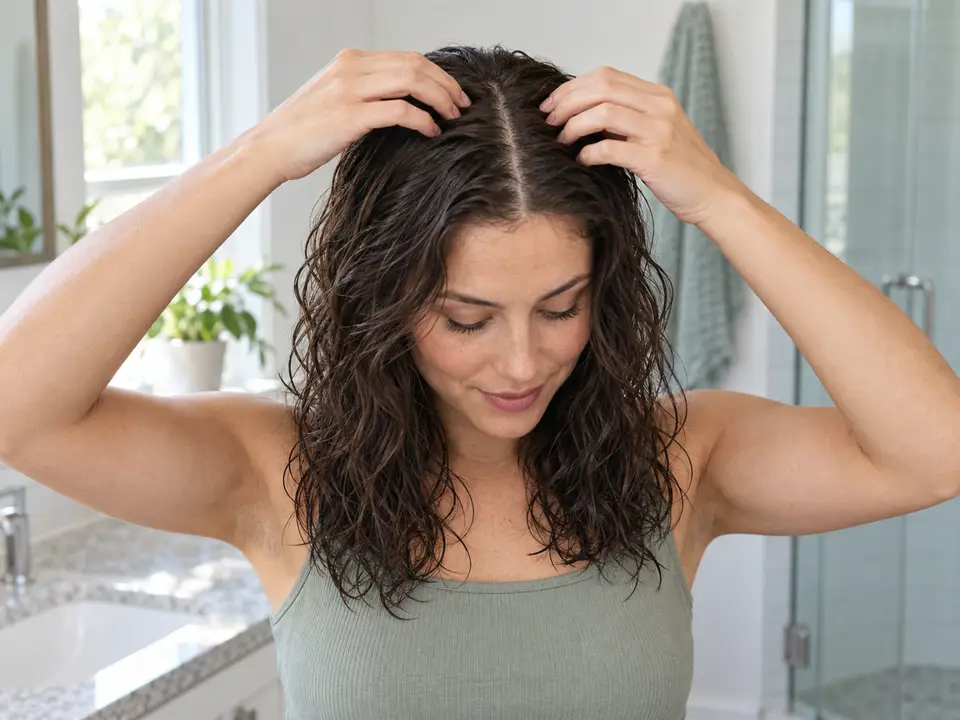
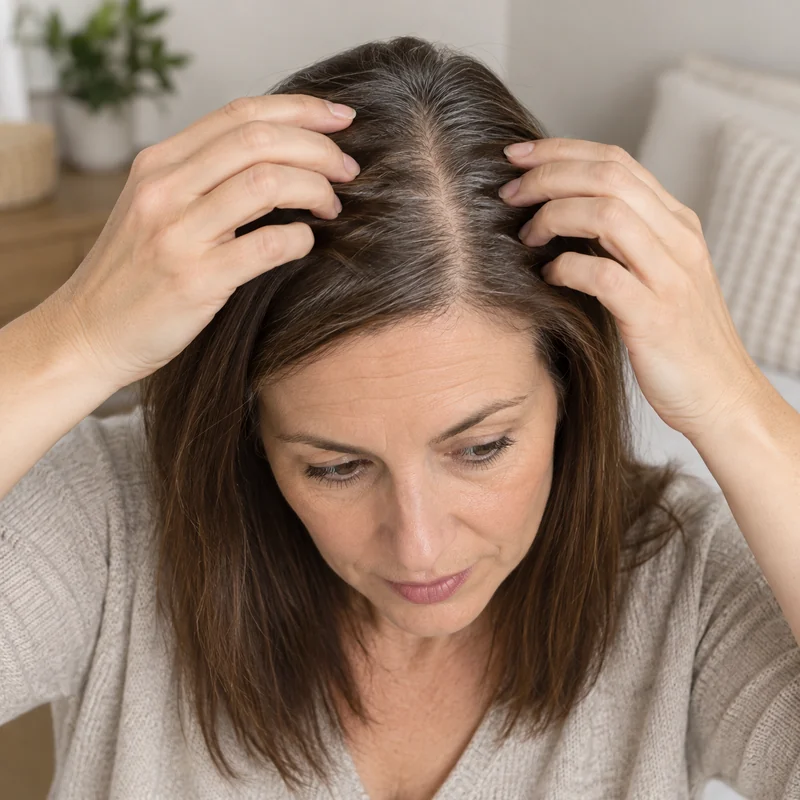
A woman gently separating her hair to check a wider central part.

It looks flatter right after washing

  • Wait until it’s dry before you judge it.
  • Wet hair clumps and shows more scalp, and an oily part does the same.
  • For a fuller look, keep the richer products on the ends and lift the roots gently as they dry.
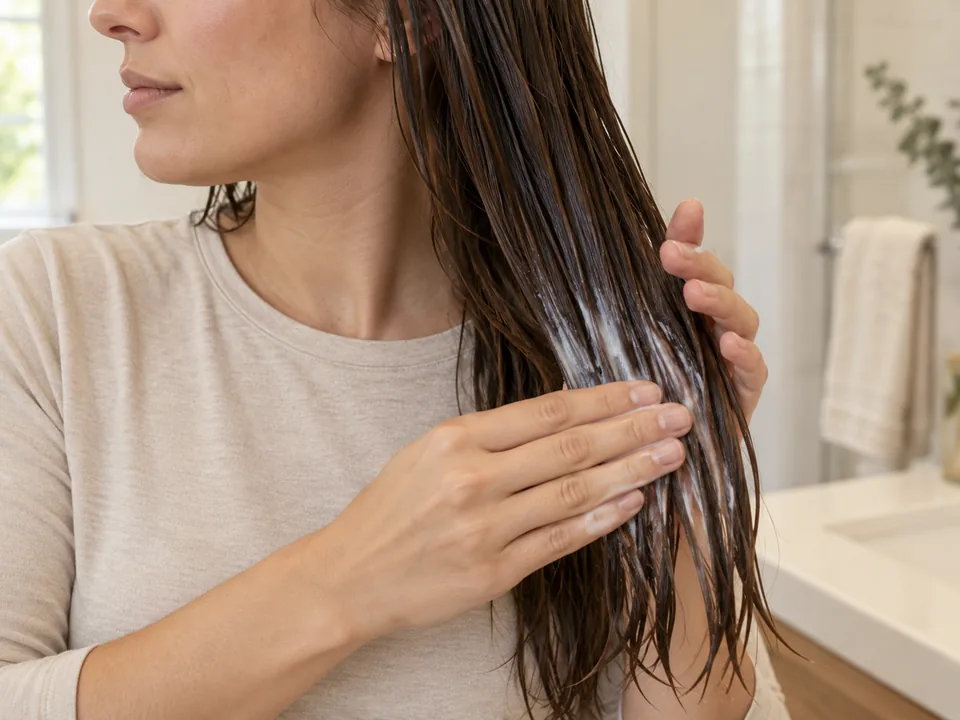
A woman smoothing conditioner through her mid-lengths and ends.

Loose hairs tangle into the lengths

  • Let conditioner do the work and detangle in small sections, ends first.
  • Hold each section above the knot so the pull never reaches your scalp.
  • The hairs that come out on wash day had already let go, and pulling harder won’t keep them in.

Products, by the job they do

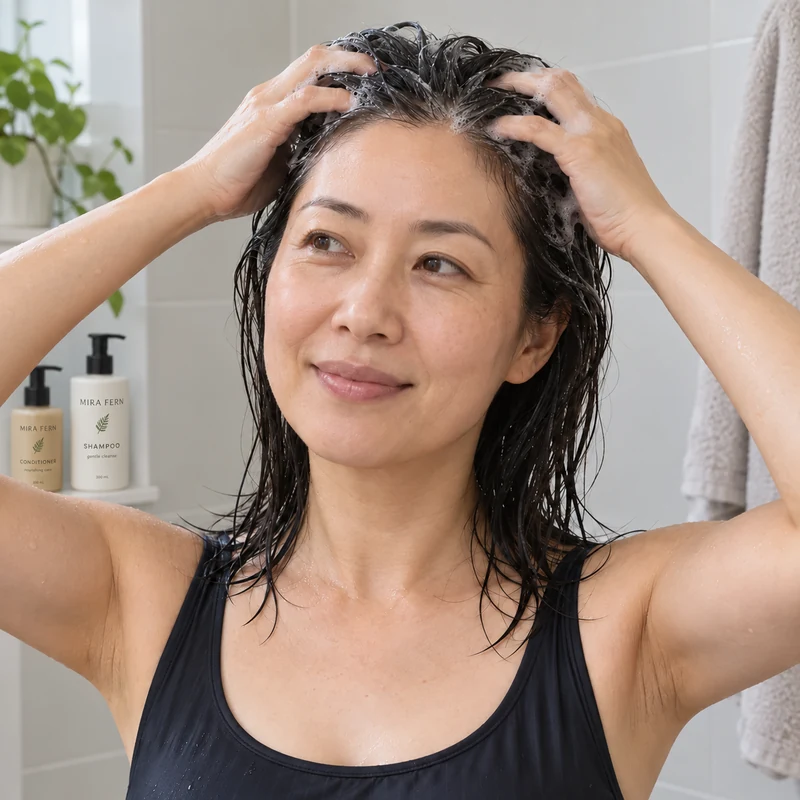
A woman massaging shampoo lather onto her scalp with her fingertips.

Keep washing comfortable

Wash when your scalp needs it, with a shampoo you already get on with. Swapping shampoos after every clump in the drain tells you nothing and unsettles a routine that was working.

Browse cleansing products. For shampoo recommendations, share how your roots feel between washes and what you use now.
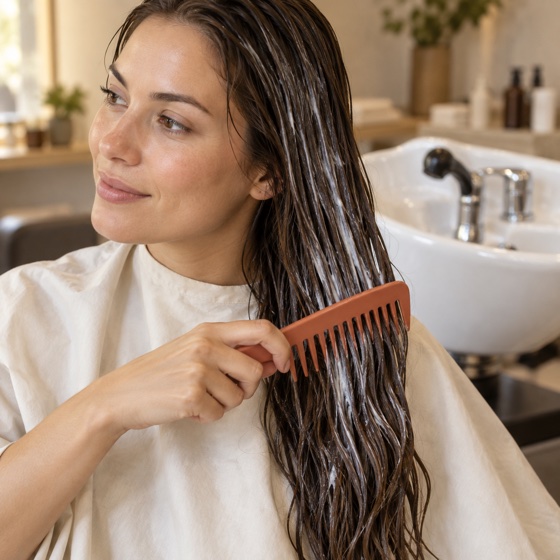
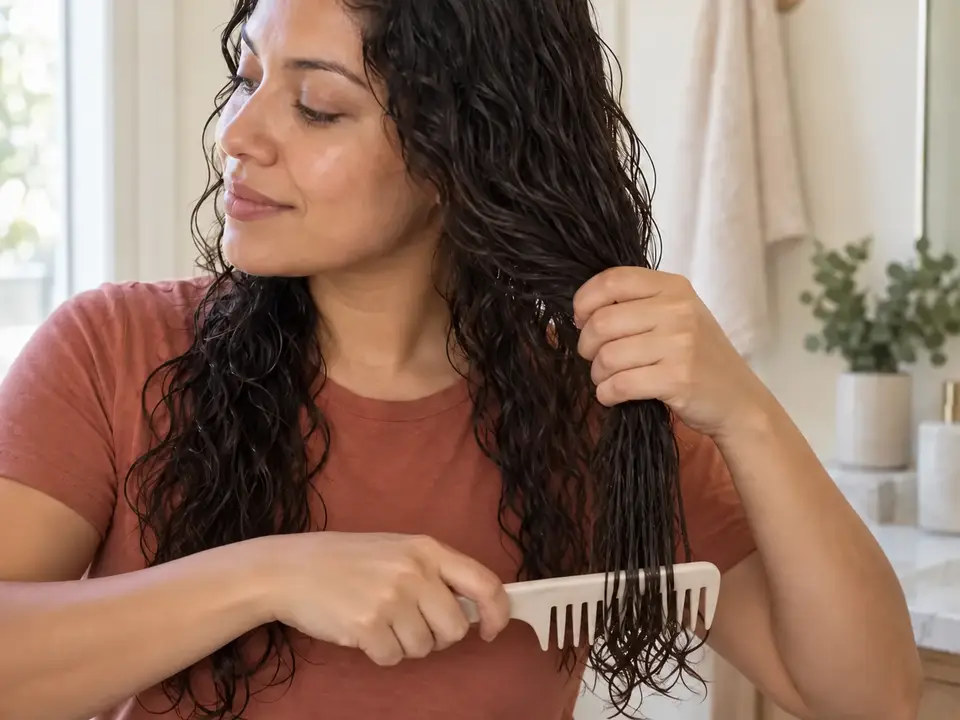
A woman detangling conditioned hair with a wide-tooth comb.

Make detangling easier

Conditioner is there to give you slip so knots release without a fight. It won’t change how much you shed, but it does mean fewer hairs get pulled on the way through. Pick one with enough slip for your length.

Browse rinse-out conditioners. Tell the consultation what you want from a conditioner and what you disliked about previous ones.
How to do it

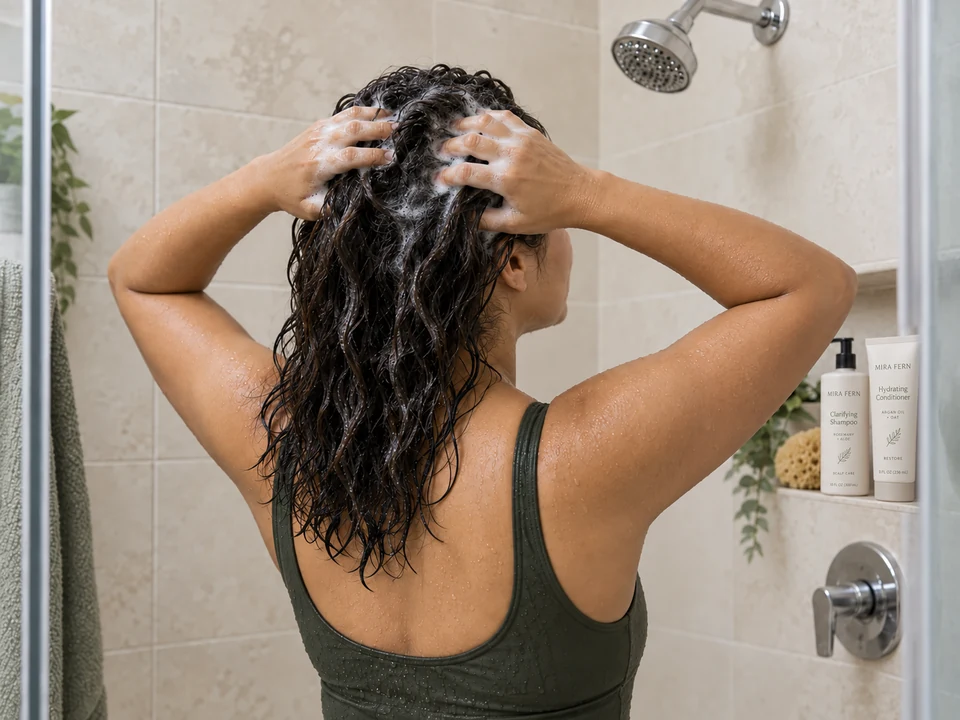
A woman uses both hands to gently work shampoo at the back and sides of her scalp, with the lengths hanging loose.

1. Wash the scalp gently

Use your fingertips, not your nails. Scrubbing harder won’t stop shedding and can leave your scalp sore.

Guide: Shampoo your scalp
A woman places her fingertips on either side of the part in her damp hair, with the lengths hanging loose.

4. Let it dry without tension

Skip tight ties while it dries. Decide on the style once you can see how it sits.

Guide: Air-dry your hair
When to get help

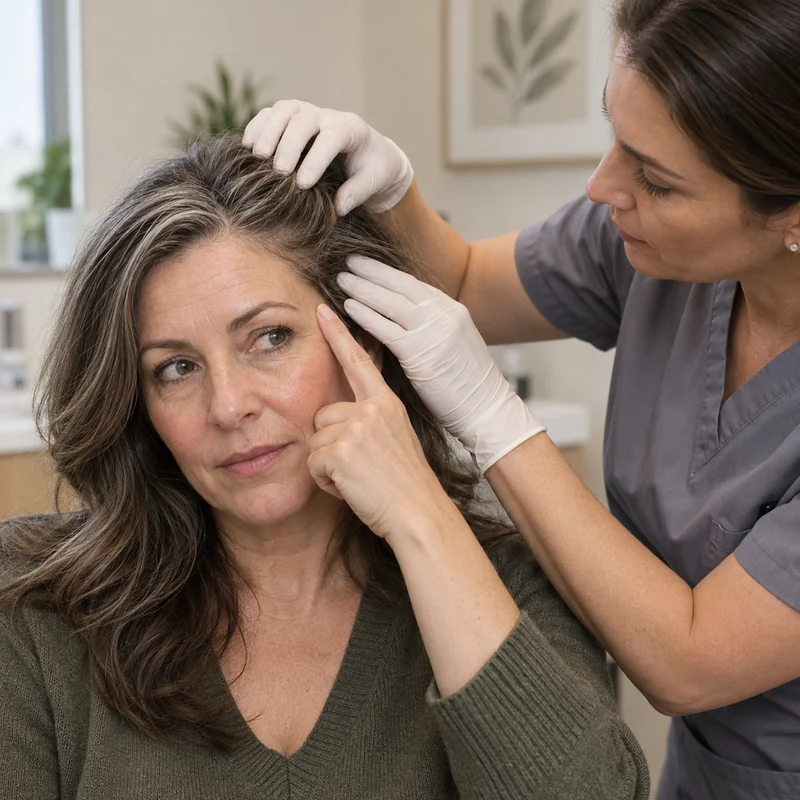
A medical professional examining the scalp where a woman points.

Signs that need more than routine care

  • Shedding that comes on suddenly, hair coming out in patches, scalp you can see where you couldn’t before, or a scalp that hurts or has sores are worth showing a medical professional sooner rather than later. Take your notes along, including any recent illness, big life change or new medicine, and when the shedding started. Those details help far more than a photo of the drain.

Illustrated care examples: before & after

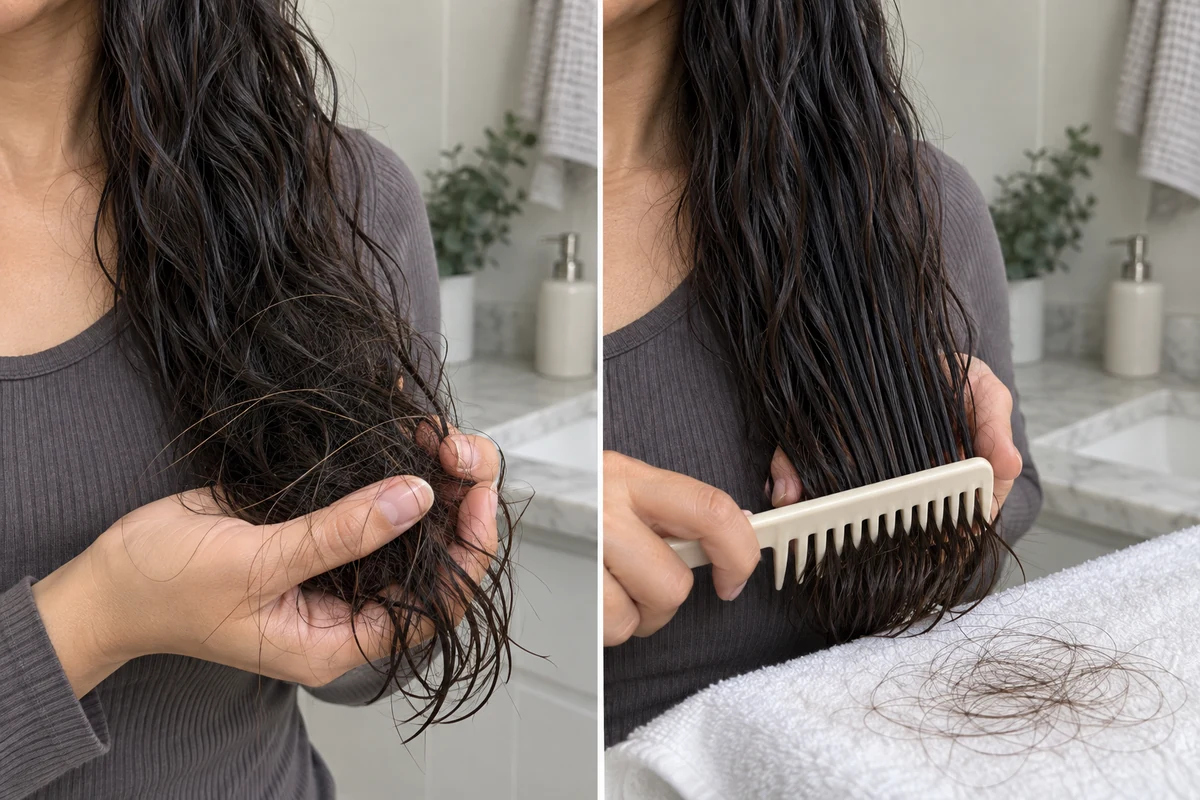
Shed strands let go

Illustrated care comparison: Loose shed strands remain caught in the lengths before detangling. After gentle detangling, those strands are collected and the section is easier to handle.
Before · shed strands caught in lengthsAfter gentle care · released strands on the towel
Detangling frees the hairs that had already shed and were caught in the lengths. It neither stops shedding nor explains a change in it.

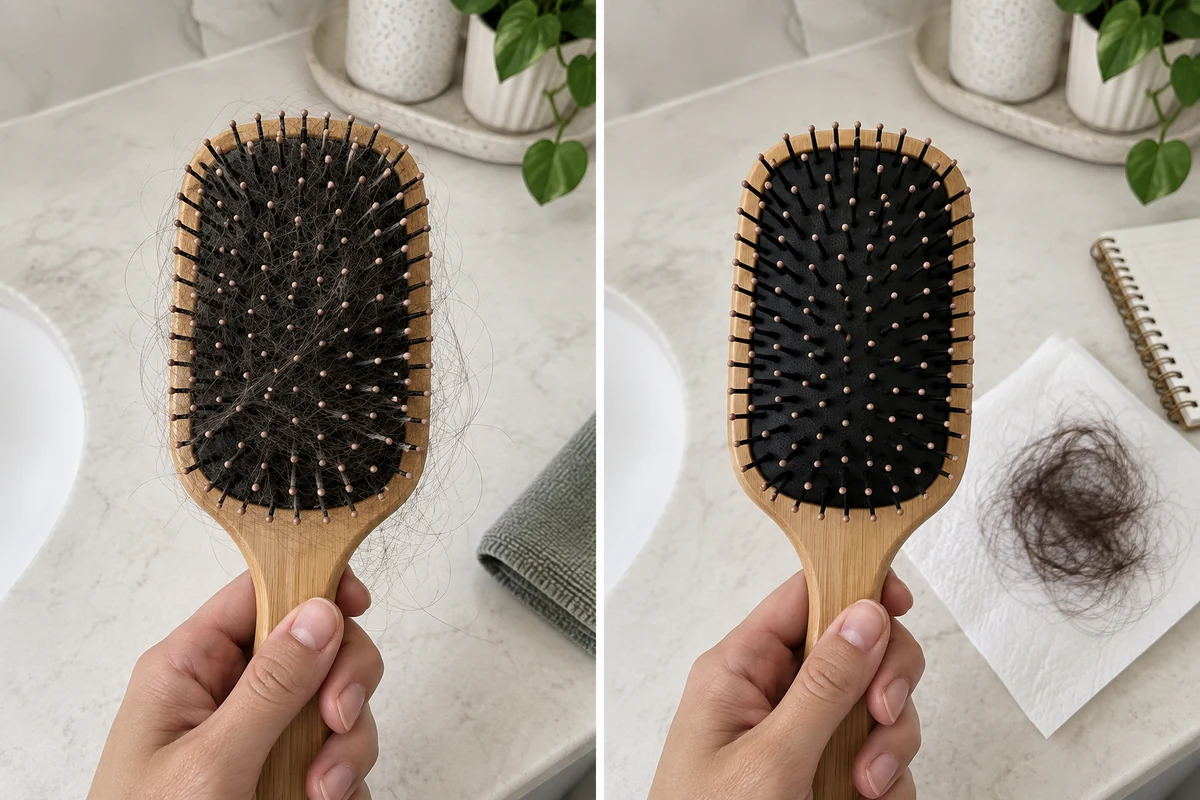
Old hair out of the brush

Illustrated care comparison: Loose hair from several uses remains caught in the brush. The brush is cleared, with the removed strands set beside it.
Before · brush full of shed hairAfter gentle care · brush cleared, strands set aside
Clearing out what the brush has collected over time means tomorrow’s look at it tells you something. One brushful can’t tell you why hair sheds.
A woman gently squeezing damp hair with a towel.

Help with your hair-care routine

Bring your hair-care questions to the consultation. You can also read this related guide.

  • Why is there so much hair in the drain, and is that normal?
  • What makes detangling easier so I lose fewer hairs?
  • How do I make my hair look fuller while I figure this out?

The plan uses the hair and scalp details you share, past treatments, current products, preferences and the time and budget you have.

The Hair Care Consultation gives you a personal plan with product recommendations, routines and guidance on your hair-care questions.

$49 with 60 days of follow-ups, or $99 with 12 months. Pay once; the year renews only if you choose.