Hair Care Guides

Hair care when your scalp is sore.
Gentle on the lengths, hands off the skin.

When your scalp needs its own treatment, ordinary washing and detangling can feel like one more thing to get wrong. It doesn’t have to be. Keep your hands gentle, look after the dry lengths, and let your treatment directions decide what touches the skin.

Your personal hair-care planProduct choices, routines and answers shaped around your hair.$49one-timeStart my consultation
A woman with curls reviewing written care instructions at home.
Gentle on the lengths, hands off the skin.

What is going on

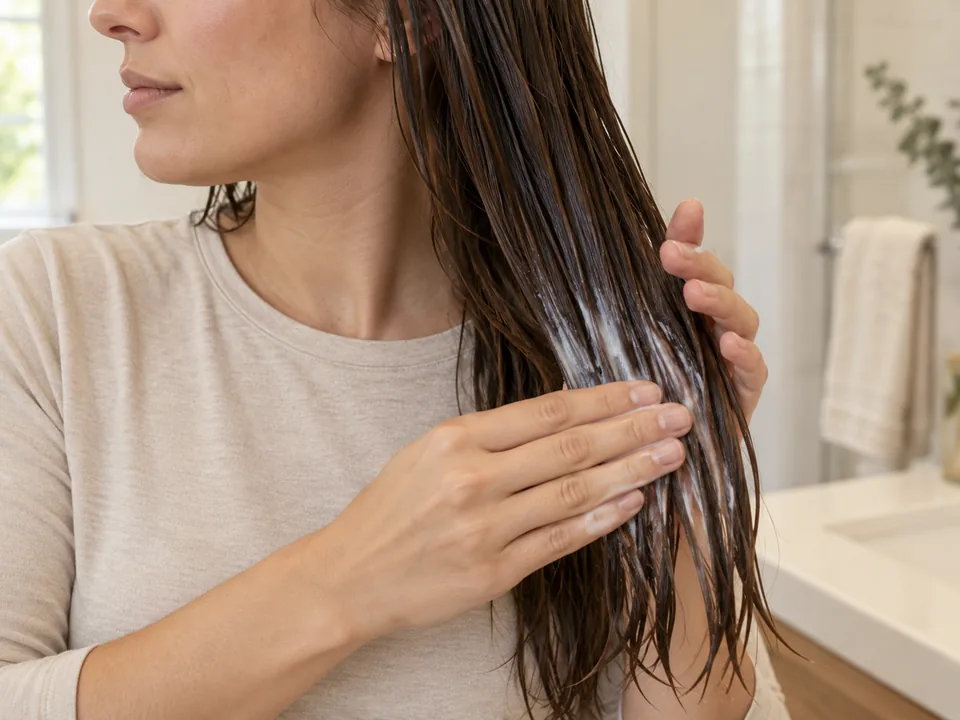
A woman smoothing conditioner through her mid-lengths and ends.

Your lengths still need their own care

A sore scalp doesn’t mean your hair stops tangling. Work on small sections, away from the roots that hurt, and keep the lengths loose while you wash. Caring for the hair is one job. Picking at the skin isn’t part of it.

A woman with curls writing a routine note beside her hair-care products.

Make the routine easy to follow

Keep your everyday wash products and your treatment directions in one place, so you’re not hunting for either in the shower. Note which products rinse out and which stay on. Then slot your familiar steps around the treatment without moving its timing.

What helps, day to day

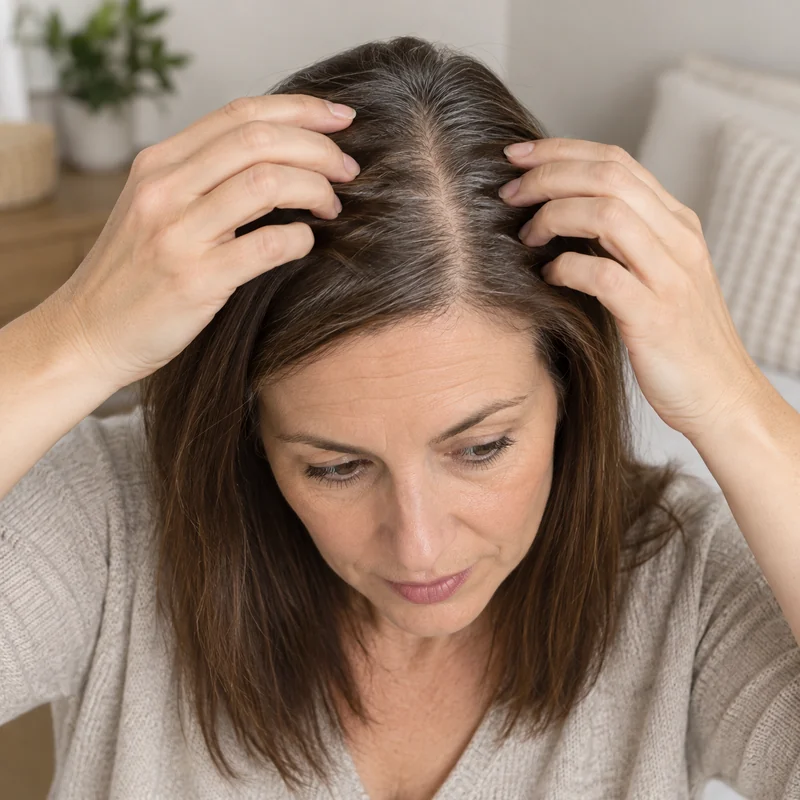
A woman gently separating her hair to check a wider central part.

Flakes or scale catch on the comb

  • Leave attached scale where it is rather than picking at it or forcing a comb underneath.
  • Hold the hair above the tangle and loosen the ends first.
  • If a movement hurts, stop.
  • Detangling the lengths should never mean scraping the scalp.
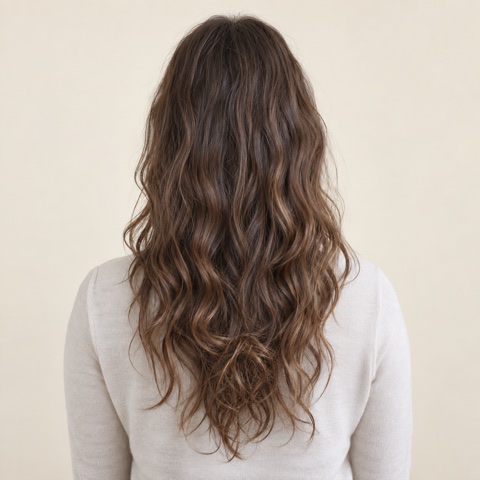
Wavy hair with tangles concentrated near the ends.

The lengths feel dry while you’re treating the scalp

  • Condition the lengths wherever your directions allow it.
  • Keep the treatment’s placement and timing exactly as they are.
  • Work through small sections, rinse the conditioner out, and don’t scratch or try anything new on the affected skin.
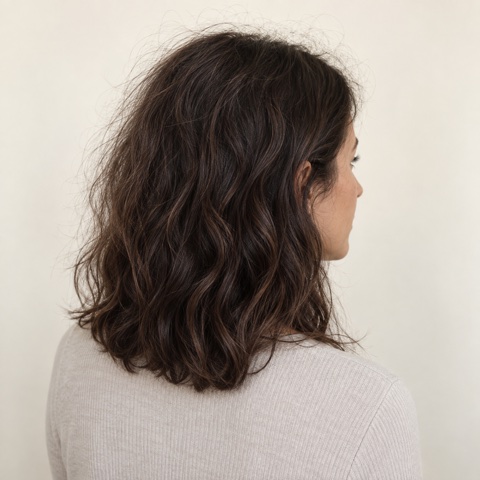
A side view of wavy hair with flyaways around the crown.

Styling makes your scalp sore

  • Let tight styles out and keep heat and rubbing away from the tender spots.
  • Loose hair or a soft, relaxed tie is kinder, and you can move the tie away from the sore area.
  • Skip any style that needs re-pulling through the day to stay put.

Products, by the job they do

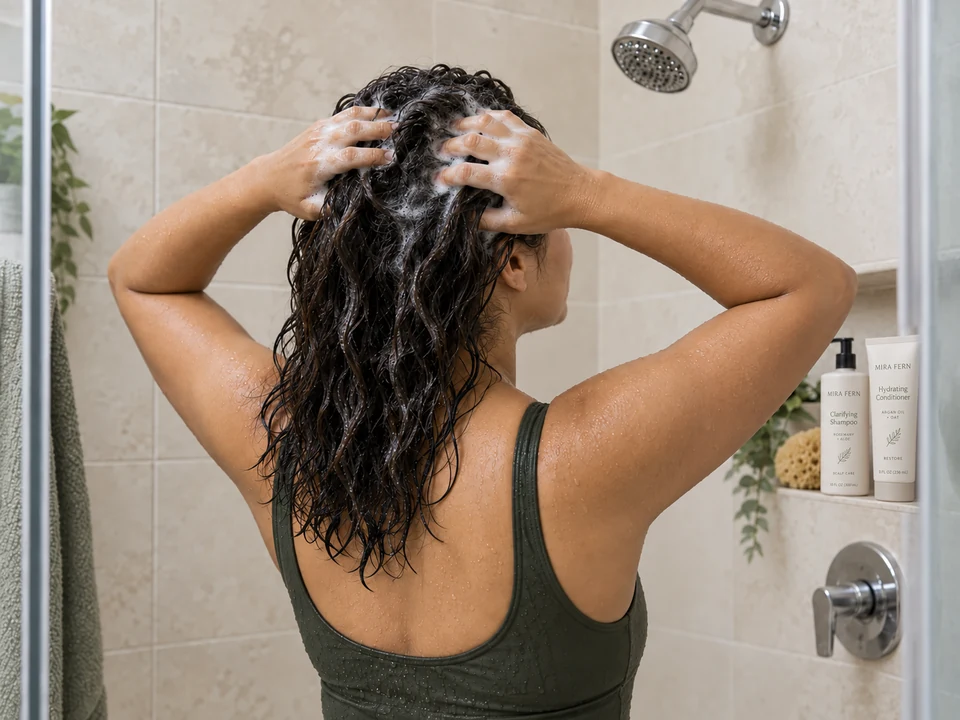
A woman massaging shampoo lather onto her scalp with her fingertips.

Wash with what your plan allows

Use the cleansing your care plan allows. A stronger shampoo isn’t a stand-in for the treatment you’ve been given, and leaving anything on longer than its directions say is a guess, not a boost.

Browse cleansing products. Your current shampoo, wash schedule and past treatments help guide a personal recommendation.

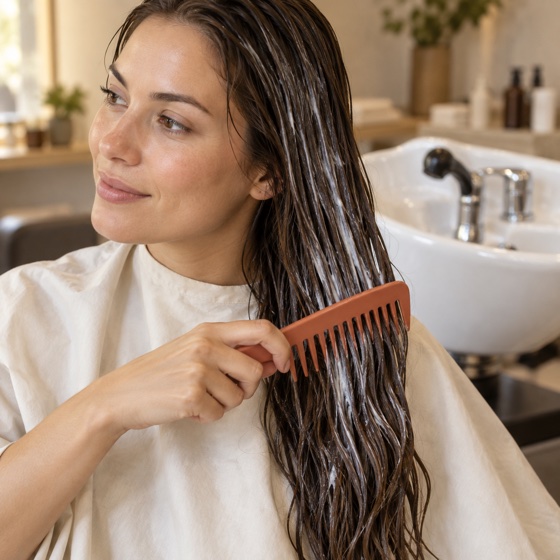
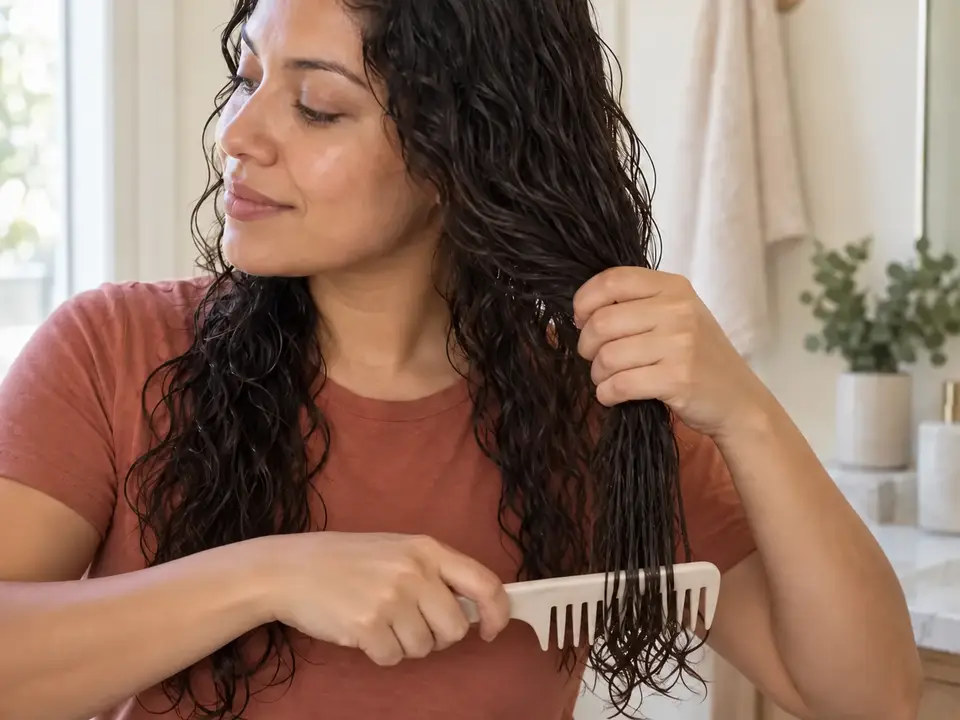
A woman detangling conditioned hair with a wide-tooth comb.

Let conditioner do the detangling

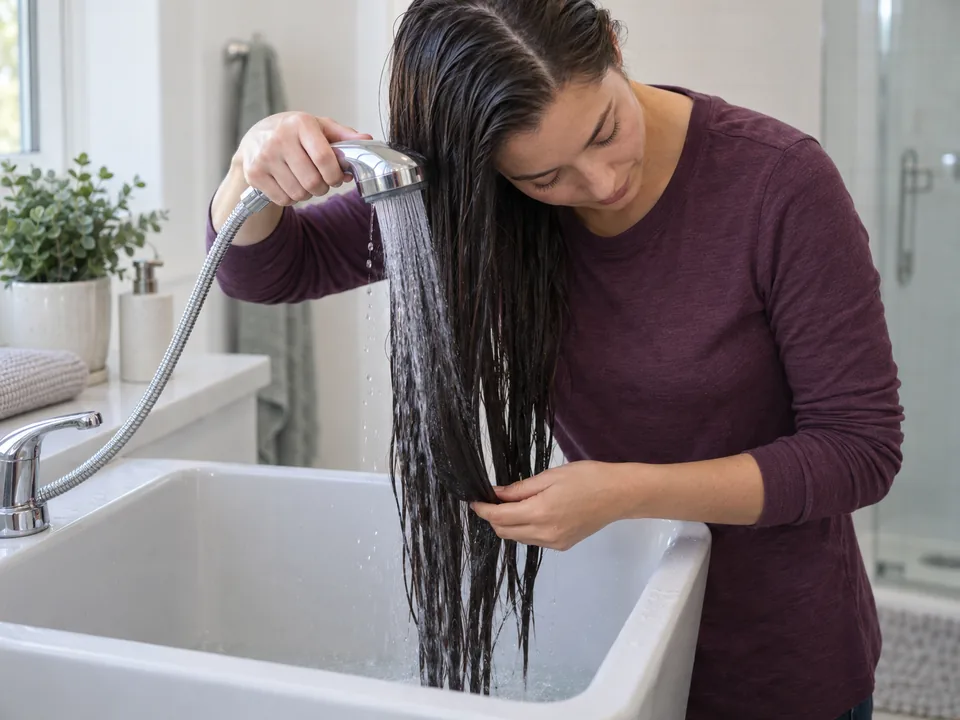
Choose a conditioner for the lengths that tangle and keep it off the affected skin unless your directions say otherwise. Use enough that the comb slides through without pulling, then rinse as the bottle says.

Browse rinse-out conditioners. The consultation uses your hair details and treatment history to compare conditioner options.

How to do it

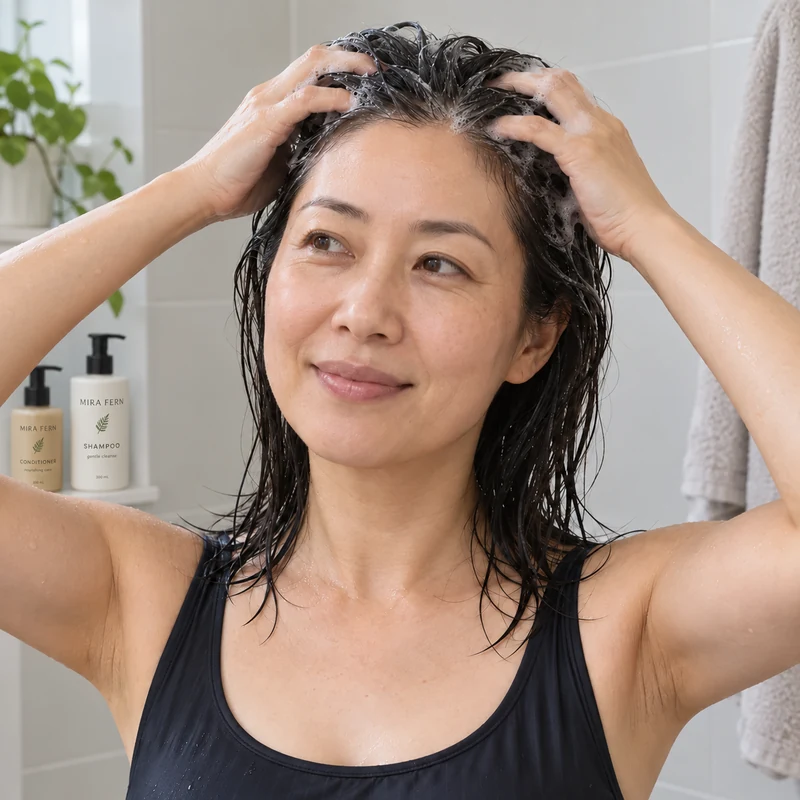
A woman uses both hands to gently work shampoo at the back and sides of her scalp, with the lengths hanging loose.

1. Wash gently, where you’re allowed to

Follow your care instructions for the scalp and use the pads of your fingers, never your nails.

Guide: Shampoo your scalp

When to get help

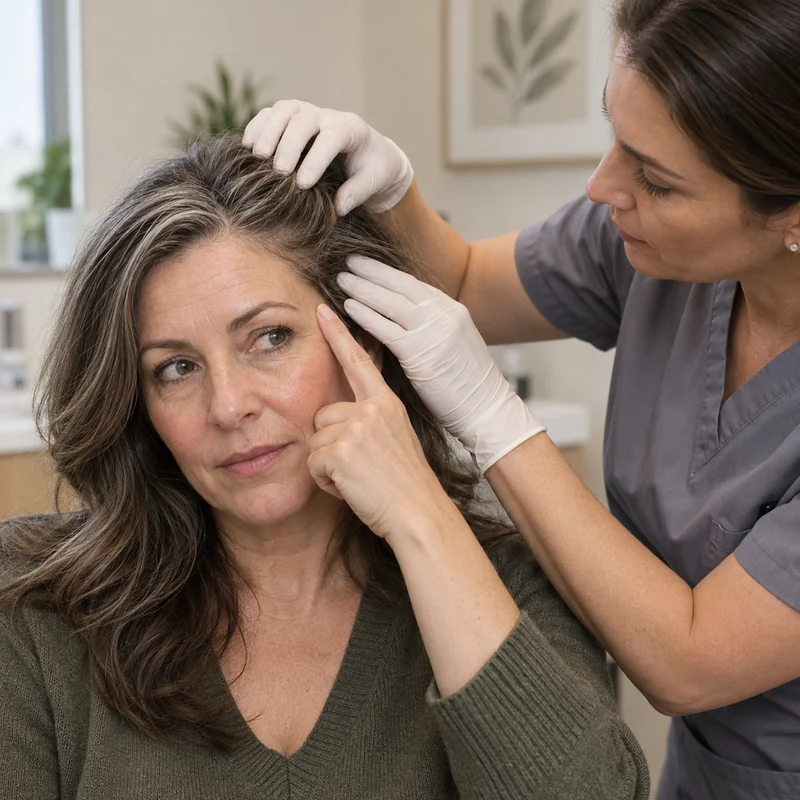
A medical professional examining the scalp where a woman points.

Signs that need more than routine care

  • If your scalp is getting worse rather than settling, with spreading redness, weeping, more pain or a new patch where hair is missing, see a medical professional sooner rather than later. If you already have a care plan, tell whoever gave it to you when the treatment is hard to use or you’re unsure what’s safe on the affected skin, before you change anything.

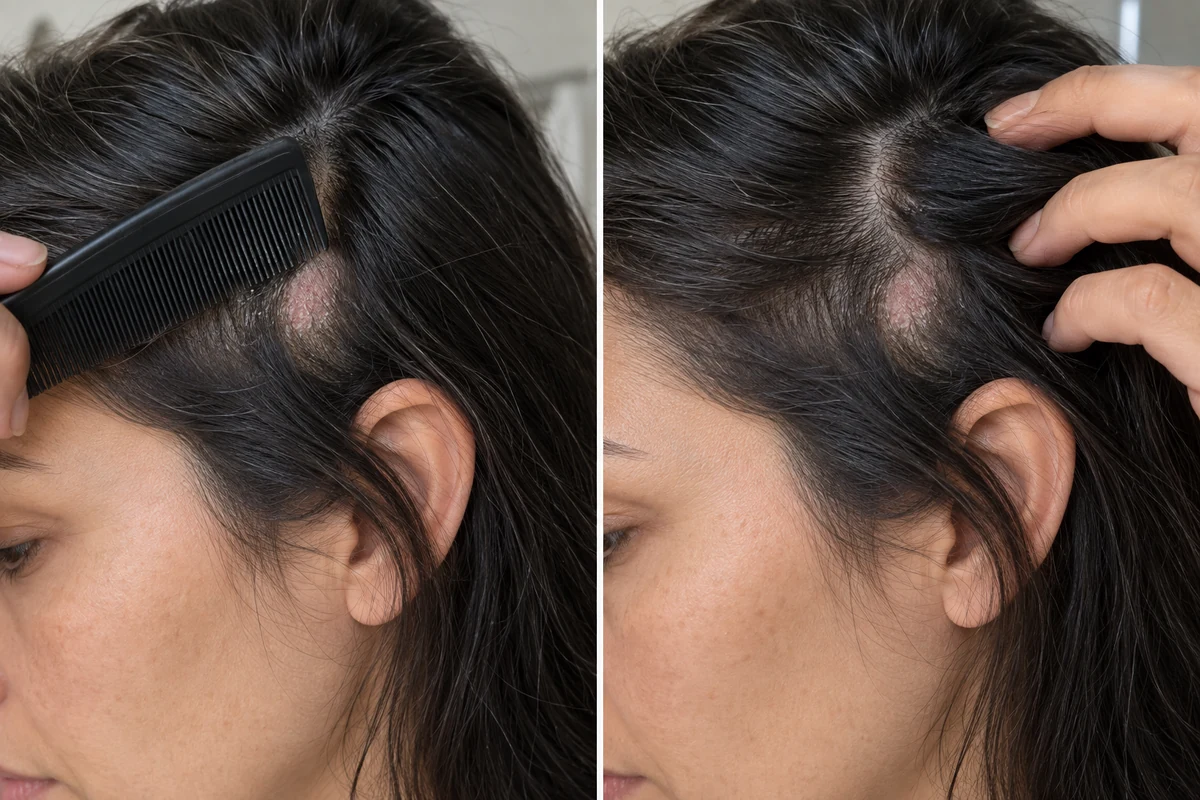
Illustrated care examples: before & after

Attached scale left alone

Illustrated care comparison: A comb is close to attached scale at the roots. The comb is set aside and the affected area is left undisturbed.
Before · comb heading for attached scaleAfter changing handling · comb set aside, scale untouched
The scalp is the same in both, only the handling changed. The comb goes through the hair without digging its teeth under the scale or scraping the skin.

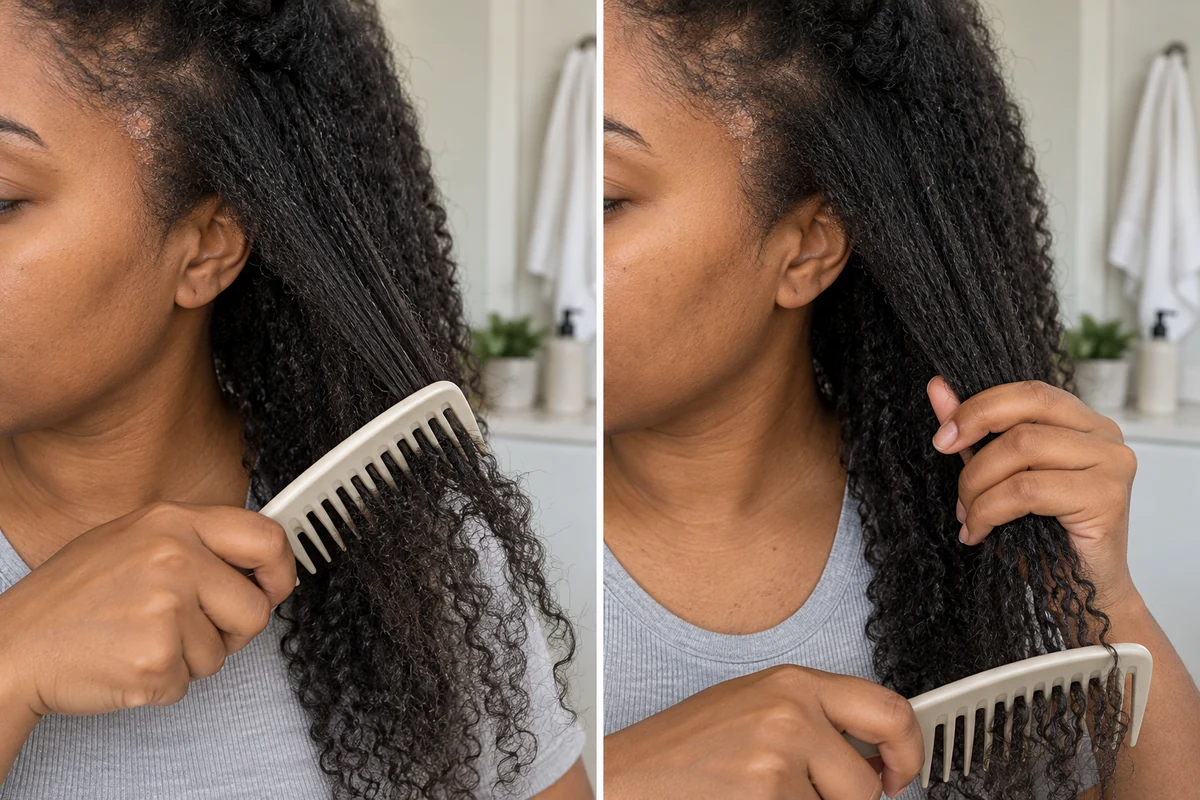
Hold the hair above the comb

Illustrated care comparison: A tangled section transfers pulling toward the scalp. Supporting the section above the comb keeps detangling work in the lengths.
Before · tangle pulling at the scalpAfter changing handling · hand holding above the comb
The hand holds the section between comb and sore roots, so any tug stays in the lengths. Same scalp in both, only the handling changed.
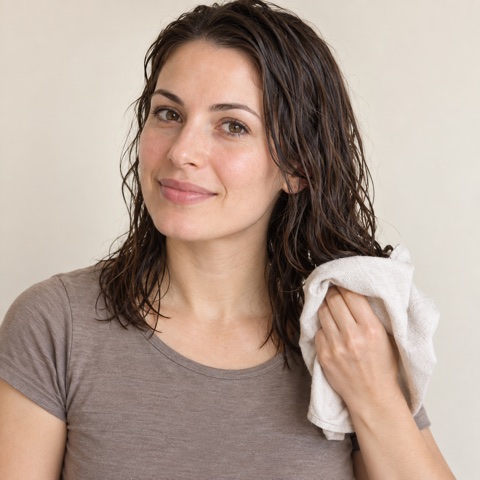
A woman gently squeezing damp hair with a towel.

Help with your hair-care routine

Bring your hair-care questions to the consultation. You can also read this related guide.

  • How can I detangle without hurting my scalp?
  • Which of my products can I drop for now?
  • How do I fit normal washing around the instructions I already have?

The plan uses the hair and scalp details you share, past treatments, current products, preferences and the time and budget you have.

The Hair Care Consultation gives you a personal plan with product recommendations, routines and guidance on your hair-care questions.

$49 with 60 days of follow-ups, or $99 with 12 months. Pay once; the year renews only if you choose.