Hair Care Guides

An itchy scalp wears you down.
Calm it first, then simplify.

An itch that won’t leave you alone is maddening, and the urge is to scrub harder or pile on something soothing. Usually the kinder move is the opposite. Wash gently, rinse properly, loosen anything pulling, and stop whatever stings.

Your personal hair-care planProduct choices, routines and answers shaped around your hair.$49one-timeStart my consultation
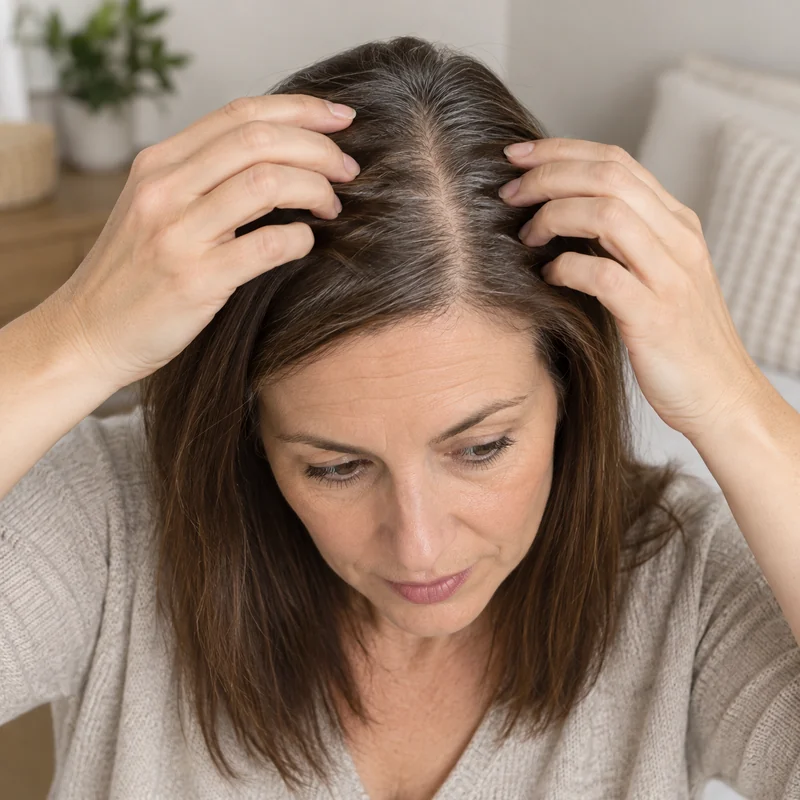
A woman gently touching her scalp.
Calm it first, then simplify.

What is going on

A woman lifts a loose hair section and gently cleanses the scalp beneath it.

Start with how you wash and rinse

Shampoo that never quite rinses out can keep a scalp itchy on its own. Lift thick sections aside so water reaches the nape and behind your ears. If the itch started with a new product, stop it and leave the rest of your routine alone.

A woman with curls writing a routine note beside her hair-care products.

Hang on to the product names

Write down the name and ingredient list of anything you used before a reaction. That one note is worth more than trying three new soothing products at once and never knowing which one helped.

What helps, day to day

A woman gently separating her hair to check a wider central part.

A new product burned or stung

  • Rinse it off and stop using it.
  • Don’t test a soothing oil or a scented layer on top to see what helps.
  • Keep the name and the ingredient list so you can avoid it, rather than trying it again on sore skin.
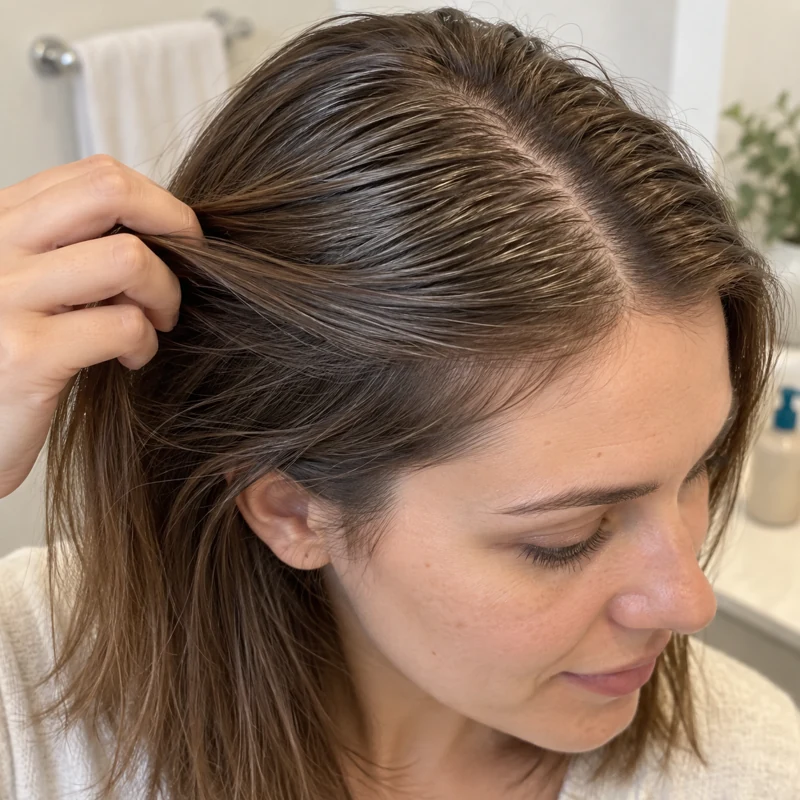
A woman lifting a section beside a part with shiny, grouped roots.

The itch comes back between washes

  • Wash when oil, sweat or residue builds up, not on a fixed schedule.
  • Use your fingertips rather than nails and rinse every section fully.
  • Comfortably warm water is kinder than very hot.
  • Dry shampoo or fragrance to push the wash out another day usually makes it worse.
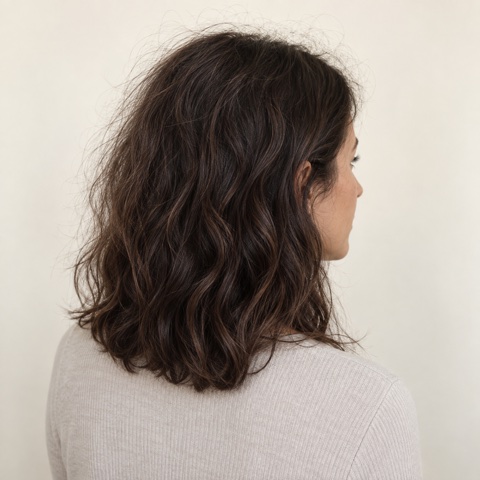
A side view of wavy hair with flyaways around the crown.

A style is pulling or hurts

  • Take it down now rather than waiting to get used to it.
  • A looser tie, or hair left down for a while, gives the sore spot a rest.
  • Try not to pull on the same patch day after day.
  • A comfortable style can still look neat without catching every short strand.

Products, by the job they do

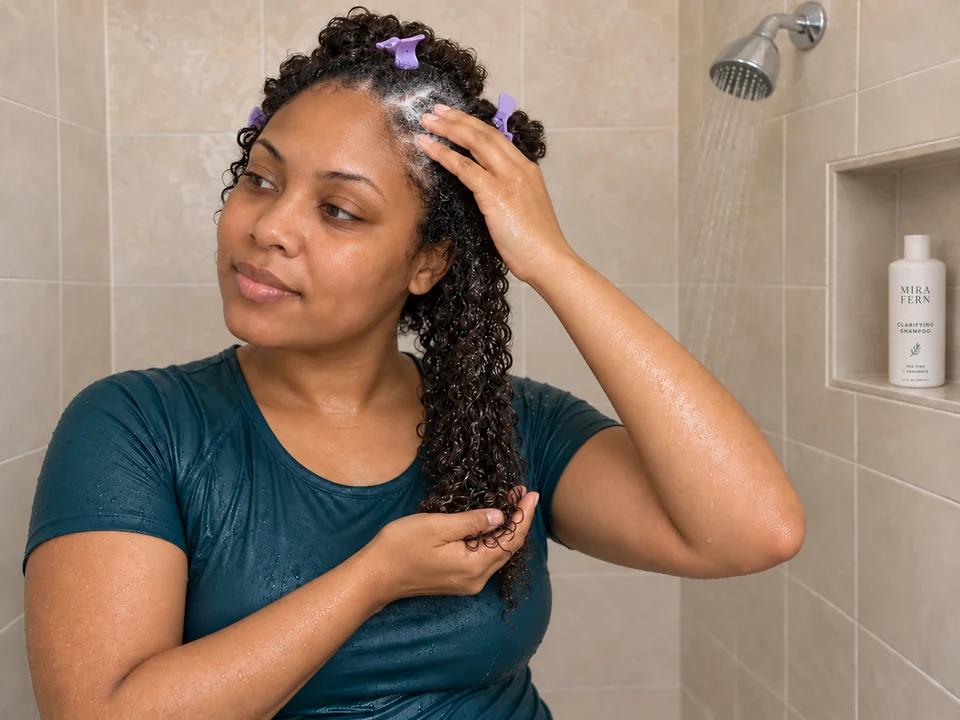
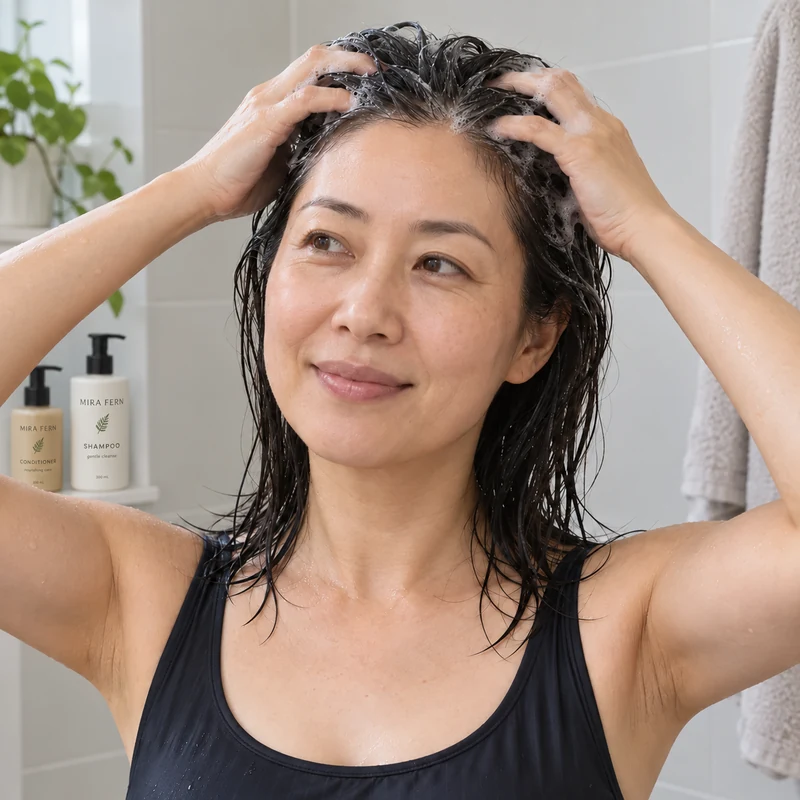
A woman massaging shampoo lather onto her scalp with her fingertips.

A wash your scalp already tolerates

Start with a cleanser you know is comfortable and rinse it out completely. Keep your own allergies and past reactions in mind. Words like natural or gentle on a label don’t tell you how your skin will respond.

Browse cleansing products. For shampoo recommendations, share how your roots feel between washes and what you use now.

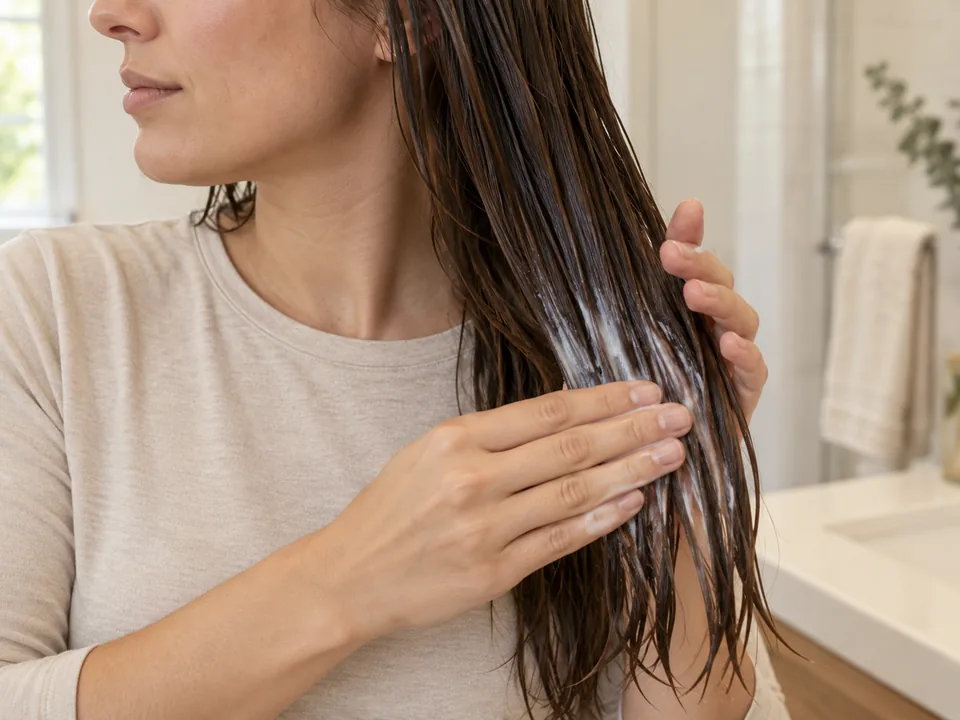
A woman smoothing leave-in product through her lower lengths.

Keep styling products on the hair, not the scalp

If styling feels fine, apply it to the lengths and keep it off the sore area. Fragrance-free is a reasonable preference to go with, though it isn’t a promise of no reaction.

Browse leave-in conditioners. Tell the consultation which leave-ins felt useful or heavy, and how much you used.

How to do it

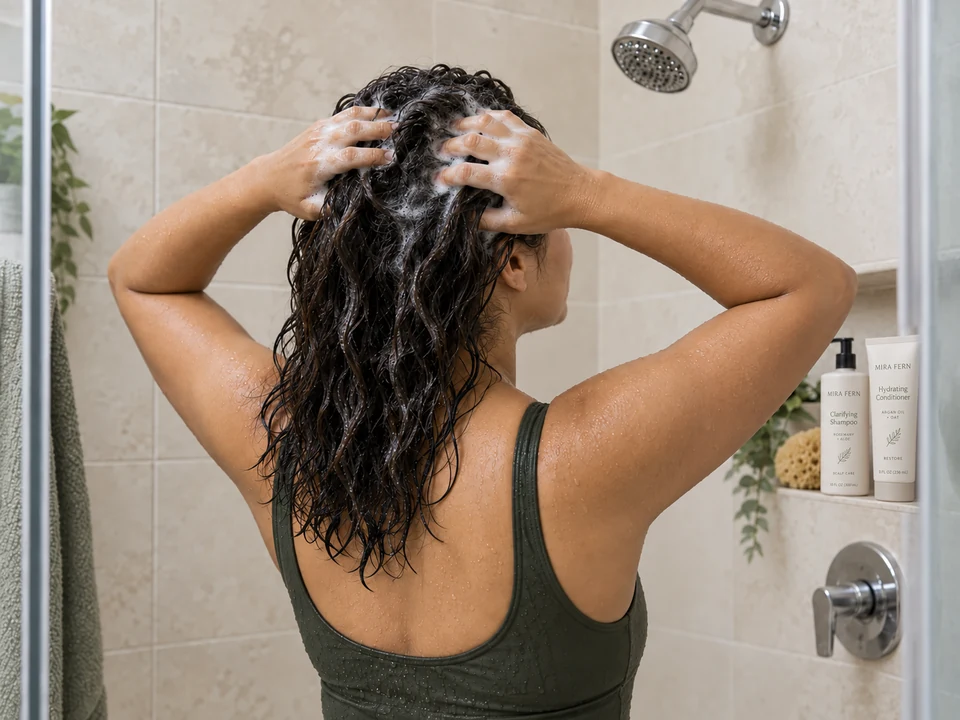
A woman uses both hands to gently work shampoo at the back and sides of her scalp, with the lengths hanging loose.

1. Wash with a light touch

Use the pads of your fingers, keep nails off the scalp, and stop anything that hurts.

Guide: Shampoo your scalp

When to get help

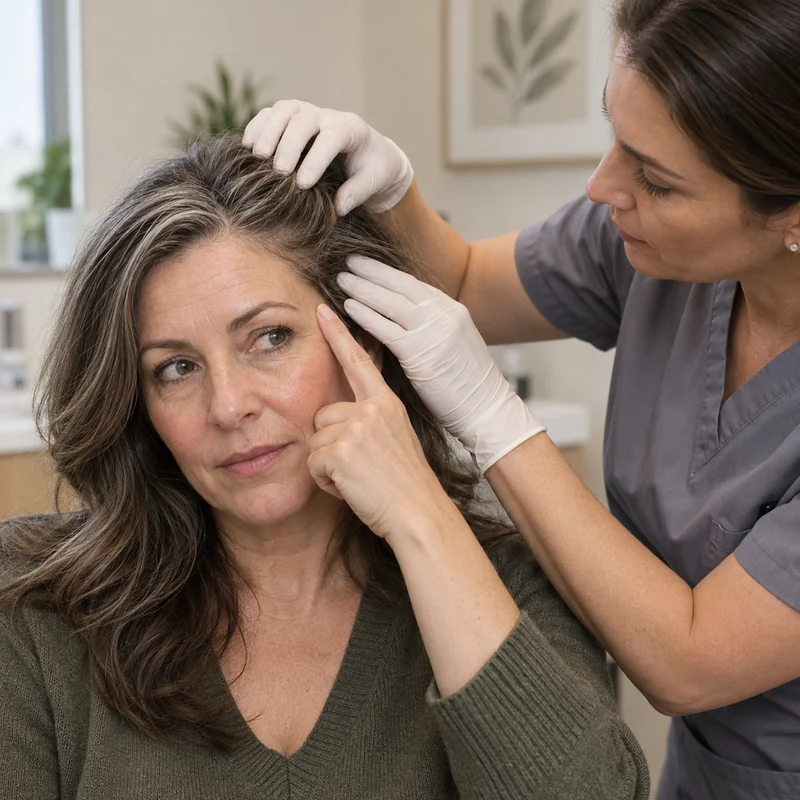
A medical professional examining the scalp where a woman points.

Signs that need more than routine care

  • If the itch keeps going after you’ve simplified things, or you see sores, crusts, painful swelling or patches of hair loss, it’s worth having a medical professional look. Itch that lasts has a reason, and finding it early beats weeks of guessing.
  • Swelling of the mouth or throat, or any trouble breathing, after a product is an emergency. Get emergency help straight away.

Illustrated care examples: before & after

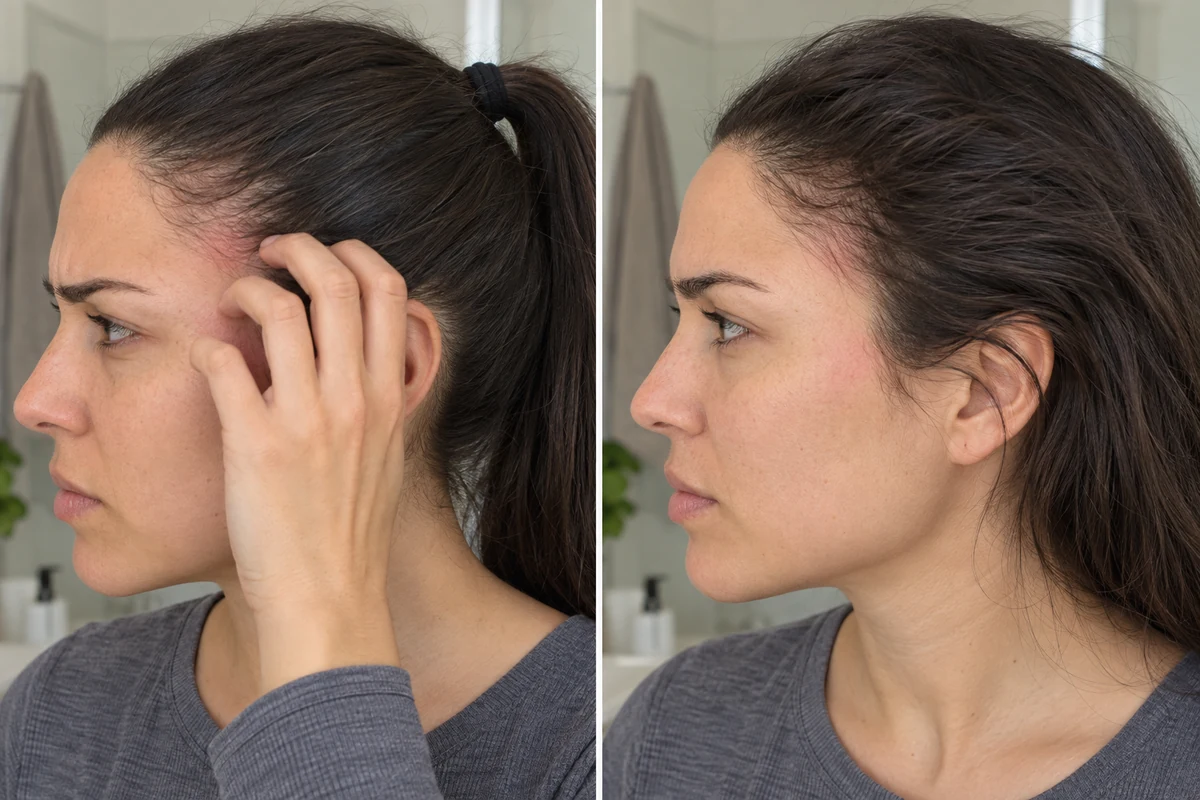
Hands off, style loosened

Illustrated care comparison: a woman scratching near a tight ponytail releases the style and keeps her hands away; the irritated skin remains visible.
Before · scratching at a tight hairlineAfter changing care · hands away, style released
The tight style is let down and the hands come away from the scalp. The scalp itself is the same in both, only the pulling and handling changed.

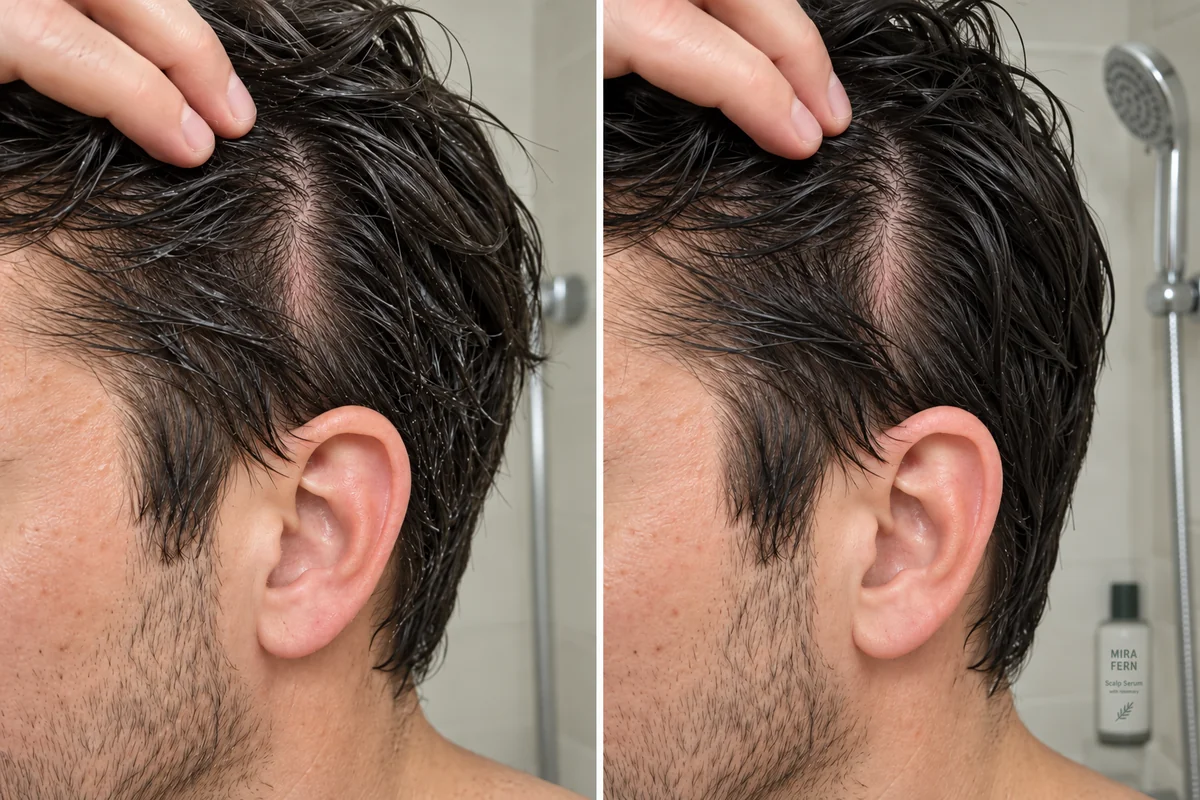
Product off an irritated patch

Illustrated care comparison: A cosmetic layer sits against an uncomfortable scalp area. After rinsing, the layer is gone while the same irritated area remains visible.
Before · product sitting on irritated skinAfter changing care · rinsed off, irritation still visible
A product that burns or stings comes off, rinsed away gently. The irritation is still visible afterwards, and nothing else goes on that patch.
A woman gently squeezing damp hair with a towel.

Help with your hair-care routine

Bring your hair-care questions to the consultation. You can also read this related guide.

  • Which products can I drop for now?
  • How do I condition my lengths without getting it on my scalp?
  • What should my routine look like while my scalp settles?

The plan uses the hair and scalp details you share, past treatments, current products, preferences and the time and budget you have.

The Hair Care Consultation gives you a personal plan with product recommendations, routines and guidance on your hair-care questions.

$49 with 60 days of follow-ups, or $99 with 12 months. Pay once; the year renews only if you choose.