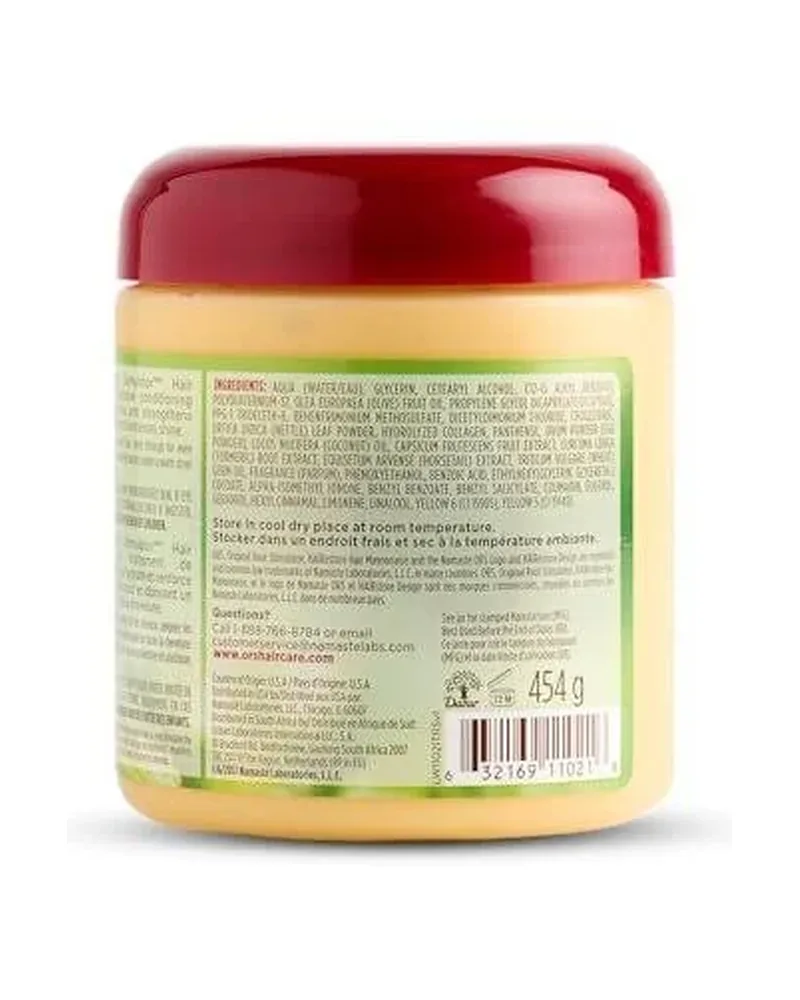
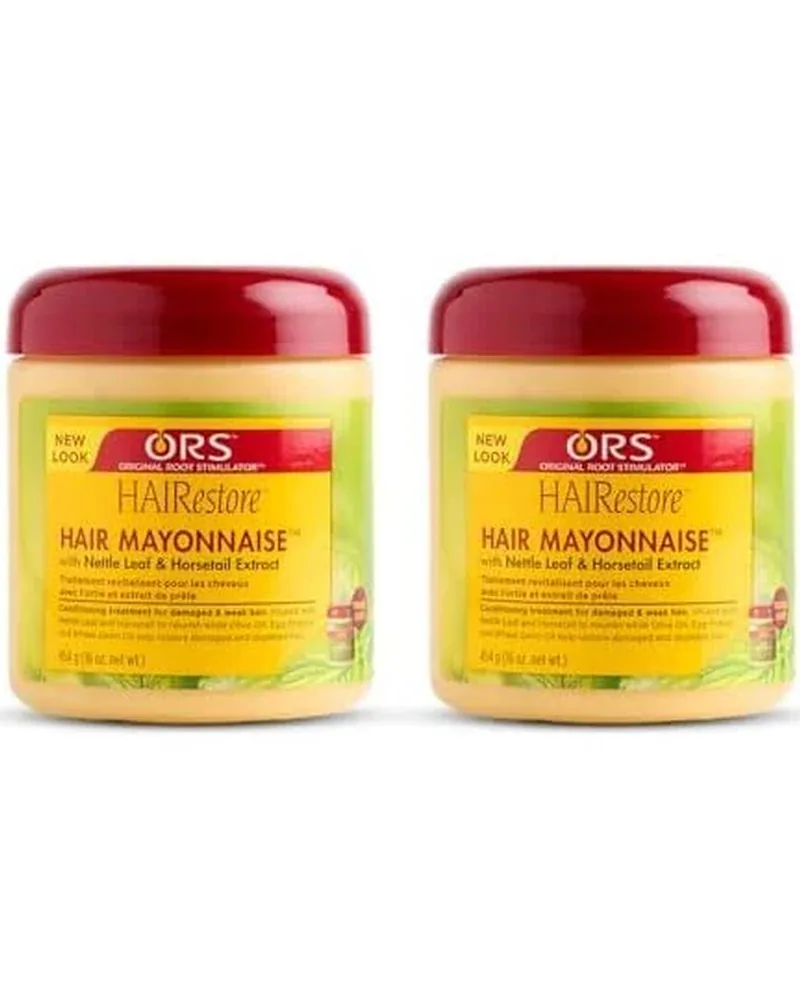
US labelling rules put ingredients above 1% in descending order of amount; below 1% they may be listed in any order. Annotations keep three readings separate: the ingredient's general function, its role in this product type, and what its position can support.
-
1
Water
· Aqua (Water)
General functionThe base of almost every rinse-off and cream hair product. It carries everything else and is normally the first ingredient on the label.
Leading ingredientListed in the first three ingredients, it is likely a structural part of this formula.
-
2
Glycerin
General functionA small water-loving molecule that draws moisture into the hair and holds it there. It is the most common softening ingredient in conditioners and leave-ins.
Leading ingredientListed in the first three ingredients, it is likely a structural part of this formula.
May suitDry, coarse, or high-porosity hair
High-porosity hair loses water fast; a humectant holds some of it in place for longer than the wash itself would.
May suitVery dry or highly damaged hair
Binds water into the outer layers of the strand, and water is what makes dry hair flexible again rather than brittle.
DependsClimate-sensitive or frizz-prone hair
Water moves both ways. Measured across concentrations, glycerin solutions give water up in some conditions and take it from the air in others. What it does for you depends on how much of it is there and on the air around it.
-
3
Sodium Lauryl Sulfate
General functionA high-foaming, strongly cleansing detergent. It clears build-up thoroughly and is the harsher of the two common sulfates.
Leading ingredientListed in the first three ingredients, it is likely a structural part of this formula.
May suitBuild-up-sensitive routines
A sulfate detergent removes deposited silicone, wax and styling films in one wash, which is what resets a routine before build-up is visible.
May suitFine or easily flattened hair
Fine hair that goes limp under conditioning films usually reads a full detergent wash as volume returning.
May not suitDry, coarse, or high-porosity hair
Coarse and high-porosity hair loses water quickly on its own; an efficient detergent removes the surface oils that were slowing that down.
-
4
Behentrimonium Methosulfate
General functionA mild cationic conditioner known for heavy detangling with a light rinse-out feel. Common in curly-hair conditioners.
Supporting ingredientListed in positions 4–8, it likely makes a meaningful contribution alongside the formula's main ingredients.
May suitDry, coarse, or high-porosity hair
A C22 conditioning quat, the chain length that deposits most heavily in electrokinetic testing. It is the slip coarse or porous hair usually needs, delivered by chain length rather than by charge alone.
May suitFrizz-prone, damaged, or high-friction hair
A cationic conditioning agent: it binds to the damaged, negatively charged parts of the cuticle and lowers combing friction there.
May suitVery dry or highly damaged hair
The class that does the detangling in a conditioner. It deposits lubrication where the cuticle is worn.
- conditioning agent
- emulsifier
-
5
Cetearyl Alcohol
General functionA waxy fatty alcohol - nothing like drying alcohol. It gives conditioners their body and leaves a soft, smoothing film on the hair.
Supporting ingredientListed in positions 4–8, it likely makes a meaningful contribution alongside the formula's main ingredients.
May suitDry, coarse, or high-porosity hair
The waxy solid that gives a conditioner its body. It deposits a soft lubricating layer, which is most of what makes hair feel smooth after rinsing.
May suitFrizz-prone, damaged, or high-friction hair
Deposits with the cationic conditioners and helps them lie flat along the strand, which is where the detangling actually comes from.
DependsFine or easily flattened hair
Near the top of a conditioner it is doing most of the conditioning, and most of the weighting, at the same time.
- fatty alcohol
- emollient
- thickener
-
6
Carthamus Tinctorius (Safflower) Seed Oil
General functionA light oil that softens without much residue.
Supporting ingredientListed in positions 4–8, it likely makes a meaningful contribution alongside the formula's main ingredients.
May suitDry, coarse, or high-porosity hair
Coats the surface and slows water leaving the strand, which is usually what coarse hair that dries out fast is missing.
May suitFrizz-prone, damaged, or high-friction hair
A thin oil layer lowers friction between strands and flattens the raised cuticle that scatters light and catches on its neighbours.
May not suitFine or easily flattened hair
Near the top of a list an oil is weight before it is anything else, and fine hair shows that first at the roots.
-
7
Olea Europaea (Olive) Fruit Oil
General functionA heavy, coating oil traditionally used for deep conditioning.
Supporting ingredientListed in positions 4–8, it likely makes a meaningful contribution alongside the formula's main ingredients.
May suitDry, coarse, or high-porosity hair
Coats the surface and slows water leaving the strand, which is usually what coarse hair that dries out fast is missing.
May suitFrizz-prone, damaged, or high-friction hair
A thin oil layer lowers friction between strands and flattens the raised cuticle that scatters light and catches on its neighbours.
May not suitFine or easily flattened hair
Near the top of a list an oil is weight before it is anything else, and fine hair shows that first at the roots.
-
8
Lanolin Oil
General functionThe liquid fraction of lanolin, used for heavy sealing and softness.
Supporting ingredientListed in positions 4–8, it likely makes a meaningful contribution alongside the formula's main ingredients.
May suitFrizz-prone, damaged, or high-friction hair
Emollients fill and smooth the surface of the strand, which lowers the friction that lifts the cuticle and reads as roughness.
May suitVery dry or highly damaged hair
Forms a physical barrier on the strand that slows water leaving it. Nothing else in a formula holds moisture in as bluntly.
May not suitBuild-up-sensitive routines
It does not disperse in water at all: removing it means a detergent wash, and until then it stays exactly where it landed.
-
9
Dimethicone
General functionThe most common conditioning silicone. It coats the strand for shine, slip, and frizz control, and needs a detergent (not just water) to wash out.
Secondary ingredientLower in the ordered portion of the list, it is more likely playing a supporting role than defining the formula.
May suitClimate-sensitive or frizz-prone hair
A surface film slows how quickly humidity reaches the cortex, which is what limits swelling-driven frizz in damp air.
May suitFrizz-prone, damaged, or high-friction hair
Lays a smooth film along the cuticle, which lowers combing friction and flattens the surface irregularities that read as frizz.
May not suitBuild-up-sensitive routines
Dimethicone does not disperse in water. On a routine that skips detergent it stays on the hair and accumulates wash after wash.
- silicone
- emollient
- conditioning agent
-
10
Cetyl Alcohol
General functionA fatty alcohol used to thicken creams and add slip. It softens rather than dries.
Secondary ingredientLower in the ordered portion of the list, it is more likely playing a supporting role than defining the formula.
May suitDry, coarse, or high-porosity hair
The waxy solid that gives a conditioner its body. It deposits a soft lubricating layer, which is most of what makes hair feel smooth after rinsing.
May suitFrizz-prone, damaged, or high-friction hair
Deposits with the cationic conditioners and helps them lie flat along the strand, which is where the detangling actually comes from.
- fatty alcohol
- emollient
- thickener
-
11
Cholesterol
-
12
Phenyl Trimethicone
General functionA high-refractive silicone used specifically for visible shine in serums and finishing oils.
Secondary ingredientLower in the ordered portion of the list, it is more likely playing a supporting role than defining the formula.
May suitClimate-sensitive or frizz-prone hair
A surface film slows how quickly humidity reaches the cortex, which is what limits swelling-driven frizz in damp air.
May suitFrizz-prone, damaged, or high-friction hair
Lays a smooth film along the cuticle, which lowers combing friction and flattens the surface irregularities that read as frizz.
May not suitBuild-up-sensitive routines
Dimethicone does not disperse in water. On a routine that skips detergent it stays on the hair and accumulates wash after wash.
-
13
Dimethicone PEG-7 Cocoate
-
14
Tridecyl Stearate
General functionA waxy ester that thickens and leaves a smooth, non-greasy finish.
Secondary ingredientLower in the ordered portion of the list, it is more likely playing a supporting role than defining the formula.
May suitFine or easily flattened hair
A light emollient: it softens the surface with noticeably less weight than an oil or a butter.
May suitFrizz-prone, damaged, or high-friction hair
Spreads thin and lowers friction between strands without the heaviness of a fixed oil.
-
15
Neopentyl Glycol Dicaprylate/Dicaprate
General functionA fatty ester. Esters give slip and a smooth after-feel; lighter ones read dry and silky, heavier ones read rich.
Secondary ingredientLower in the ordered portion of the list, it is more likely playing a supporting role than defining the formula.
May suitFine or easily flattened hair
A light emollient: it softens the surface with noticeably less weight than an oil or a butter.
May suitFrizz-prone, damaged, or high-friction hair
Spreads thin and lowers friction between strands without the heaviness of a fixed oil.
-
16
Tridecyl Trimellitate
General functionA cushiony ester used for a rich, long-lasting glide.
Secondary ingredientLower in the ordered portion of the list, it is more likely playing a supporting role than defining the formula.
May suitFine or easily flattened hair
A light emollient: it softens the surface with noticeably less weight than an oil or a butter.
May suitFrizz-prone, damaged, or high-friction hair
Spreads thin and lowers friction between strands without the heaviness of a fixed oil.
-
17
C12-15 Alkyl Benzoate
General functionA dry-feeling ester used for a silky, non-greasy finish - a common silicone substitute.
Secondary ingredientLower in the ordered portion of the list, it is more likely playing a supporting role than defining the formula.
May suitFine or easily flattened hair
A light emollient: it softens the surface with noticeably less weight than an oil or a butter.
May suitFrizz-prone, damaged, or high-friction hair
Spreads thin and lowers friction between strands without the heaviness of a fixed oil.
-
18
Triticum Vulgare (Wheat) Germ Oil
General functionWheat germ oil, a heavier oil used in small amounts for conditioning.
Secondary ingredientLower in the ordered portion of the list, it is more likely playing a supporting role than defining the formula.
May suitDry, coarse, or high-porosity hair
Coats the surface and slows water leaving the strand, which is usually what coarse hair that dries out fast is missing.
May suitFrizz-prone, damaged, or high-friction hair
A thin oil layer lowers friction between strands and flattens the raised cuticle that scatters light and catches on its neighbours.
-
19
Panthenol
· Panthenol (Vitamin B-5)
General functionProvitamin B5. It draws in water and penetrates the strand a little, which is why it is the standard ingredient for softness and shine claims.
Secondary ingredientLower in the ordered portion of the list, it is more likely playing a supporting role than defining the formula.
May suitFine or easily flattened hair
It hydrates without adding oil or a film, which is the combination fine hair usually needs.
May suitFrizz-prone, damaged, or high-friction hair
Deposits a lubricating layer that makes combing easier, which is most of what stops mechanical damage adding to frizz.
May suitVery dry or highly damaged hair
A humectant that also penetrates the cuticle, so it holds water inside the strand rather than only on the surface.
- humectant
- conditioning agent
- vitamin
-
20
Dicetyldimonium Chloride
General functionA conditioning agent used for slip in thick creams and masks.
Secondary ingredientLower in the ordered portion of the list, it is more likely playing a supporting role than defining the formula.
May suitFrizz-prone, damaged, or high-friction hair
A cationic conditioning agent: it binds to the damaged, negatively charged parts of the cuticle and lowers combing friction there.
May suitVery dry or highly damaged hair
The class that does the detangling in a conditioner. It deposits lubrication where the cuticle is worn.
DependsBuild-up-sensitive routines
Substantive by design. A routine with no detergent wash gives it nothing to leave with.
What the whole list adds up to
- 12 emollients
- 4 light esters
- 3 oils
- 3 silicones
- 2 humectants
- 2 conditioning agents
- 2 emulsifiers
- 2 fatty alcohols
- 2 thickeners
- 2 conditioning agents
- 1 solvent
- 1 sulfate cleanser
- 1 cleanser
- 1 sealant
Ingredient list captured 2026-08-22. Formulas change — check the package in your hand when an ingredient matters to you.