
CLEANSER
Sodium Lauryl Sulfate
- cleanser
A high-foaming, strongly cleansing detergent. It clears build-up thoroughly and is the harsher of the two common sulfates.
- products in our library
- 87
- of researched products
- 2%
- on the label, in our shampoos
- usually #2
- most common in
- Shampoo
- in water
- Water-soluble
At a glance
Four named levels, read from this ingredient’s chemical class, its charge, its solubility, or where it sits on the labels we have. More dots means more of the property named — never “better”.
How much of it is left on hair between washes.
What it takes to get it off the hair again.
How much oil it strips, as a class.
The foam the class is known for, not a measured volume.
| Property | Level | Out of |
|---|---|---|
| Buildup risk | Low | 1 of 5 |
| Rinse-out behaviour | Rinses clean | 5 of 5 |
| Cleansing strength | Strong | 5 of 5 |
| Lather | Dense | 5 of 5 |
What it does for a formula
What Sodium Lauryl Sulfate does
The general function first, then how the role changes by product type where we have researched it.
A sulfate: quick to lift oil and product, and the class "sulfate-free" labels leave out.
A high-foaming detergent class that removes oil and product quickly.
Foam is a feel, not a measure of how clean hair gets.
Water alone removes it, so it does not accumulate between washes.
Charge
Negatively charged, like the hair surface itself — so it is repelled rather than attracted, rinses away cleanly, and is the charge most detergents carry.
Solubility
Rinses out with water alone — it does not accumulate on hair between washes.
Where it appears
Where it appears
One row per product category in our library: how many products list it, what share of that category that is, and where it typically sits on the label.
| Product type | How common | Typical position on label ? |
|---|---|---|
Shampoo
80 products
|
leading · #2 | |
Styler: gel
2 products
|
secondary · #15 | |
Co-wash
1 product
|
leading · #2 | |
Finisher: anti frizz finish
1 product
|
secondary · #11 | |
Mask / treatment
1 product
|
leading · #3 | |
Styler: mousse
1 product
|
secondary · #21 | |
Styler: paste
1 product
|
secondary · #11 |
| Product type | Products | Share of category | Median position | Earliest position | Band |
|---|---|---|---|---|---|
| Shampoo | 80 | 10% | 2 | 2 | leading |
| Styler: gel | 2 | 1% | 15 | 13 | secondary |
| Co-wash | 1 | 1% | 2 | 2 | leading |
| Finisher: anti frizz finish | 1 | 4% | 11 | 11 | secondary |
| Mask / treatment | 1 | 0% | 3 | 3 | leading |
| Styler: mousse | 1 | 1% | 21 | 21 | secondary |
| Styler: paste | 1 | 1% | 11 | 11 | secondary |
No product-type differences have been researched yet — the reading below is computed from where it sits on the labels in our library.
Position footprint
Every listing in our library, by position on the label.
| Positions | Zone | Listings |
|---|---|---|
| 1-3 | Leading | 74 |
| 4-8 | Supporting | 12 |
| 9-15 | Secondary | 4 |
| 16-25 | Lower | 5 |
| 26+ | Trace | 0 |
How to read this
US labelling rules put ingredients above 1% in descending order of amount; below 1% they may be listed in any order.
So position tells you about relative amount only above that line, and we never convert a position into a percentage.
Who should pay attention
Conditional formulation guidance, scoped to a hair condition and to the positions where it is meaningful. It is not a conclusion about any finished product, and not a conclusion about you.
A sulfate detergent removes deposited silicone, wax and styling films in one wash, which is what resets a routine before build-up is visible.
Fine hair that goes limp under conditioning films usually reads a full detergent wash as volume returning.
Coarse and high-porosity hair loses water quickly on its own; an efficient detergent removes the surface oils that were slowing that down.
Read where it is listed in the first three ingredients, positions 4–8 or the lower half of the ordered list.The blunt end of the sulfate family. Dermatology reviews put its cleansing at excellent and the hair it leaves at rough, dull and prone to tangling — it removes more sebum than an already-dry head has to spare.
Read where it is listed in the first three ingredients or positions 4–8.Rows marked “researched” were read for this ingredient and cited below; the rest are read from its chemical class.
Why it matters to shoppers
What this ingredient is evidence of, what it is not evidence of, and what our own method can and cannot tell you.
- a deep clean
- a dense, fast lather
- a thorough wash that lifts product and oil
- a product that actually cleans
- an exact safety score — we do not publish one, for any ingredient
- how a finished product performs by itself — that is the whole formula, not one line of it
- the exact percentage in a bottle — label position never converts into a number
- a primary sulfate cleanser near the top of the ingredient list in our shampoos
- it was on the label of every product we counted — we read printed ingredient lists, not marketing copy
- that a product is drying — position and the rest of the formula decide that
- that a product is right or wrong for you
We do not publish safety scores or hazard grades. Where a regulator has published a restriction or a use condition, we state it and cite it; otherwise we describe what the ingredient does and stop.
Why some people avoid it
The primary detergent. It is what lifts oil and product off hair and produces the lather most people read as a proper wash.
Sulfates are efficient cleansers, and on dry, coarse, curly or colour-treated hair that efficiency can strip more oil than the hair can spare. This is a performance and preference question, not a toxicity one — the frequent claim that sulfates are carcinogenic has no support.
Where regulators stand: Permitted everywhere and unrestricted. Sulfate-free is a formulation choice, and the curly-method communities that popularised it were making an argument about dryness.
A formulation preference, not a regulatory finding
Browse products in our library without Sodium Lauryl Sulfate
Commonly paired with
Ingredients that appear alongside this one most often in our library. Near-universal ingredients are excluded — they pair with everything and tell you nothing.
- Sodium Chloride · 75
- Cocamidopropyl Betaine · 70
- Sodium Laureth Sulfate · 56
- Glycol Distearate · 55
- Sodium Xylenesulfonate · 49
- Guar Hydroxypropyltrimonium Chloride · 47
- Dimethicone · 43
- Tetrasodium EDTA · 42
- Methylchloroisothiazolinone · 38
- Methylisothiazolinone · 38
The number beside a name is how many products in our library list both.
These ingredients tend to appear together to keep the formula stable, clean and build foam, and soften the strand.
Found in these products
The most prominent placements first. The badge is the position on that product’s own ingredient list.
 Alberto VO5 · Co-wash
Gentle Cleansing Co-Wash with Jojoba and Aloe
#2 on the label · $0.37/oz
Alberto VO5 · Co-wash
Gentle Cleansing Co-Wash with Jojoba and Aloe
#2 on the label · $0.37/oz
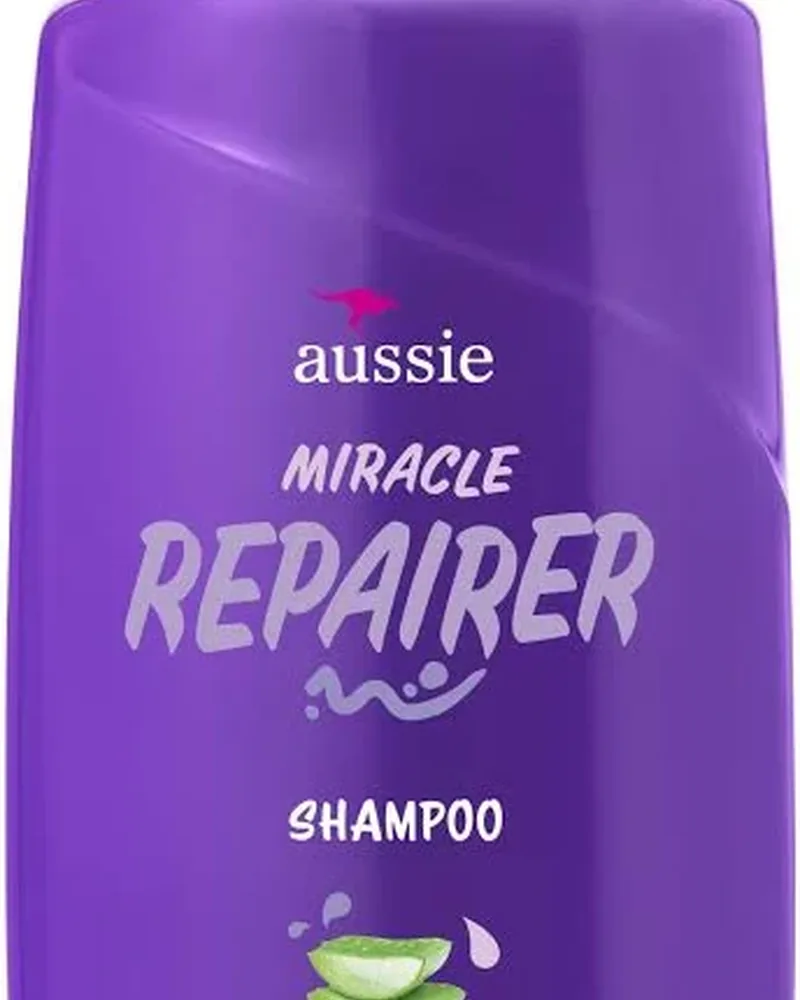 Aussie · Shampoo
Aussie Miracle Repairer Shampoo with Aloe
#2 on the label · $0.30/oz
Aussie · Shampoo
Aussie Miracle Repairer Shampoo with Aloe
#2 on the label · $0.30/oz
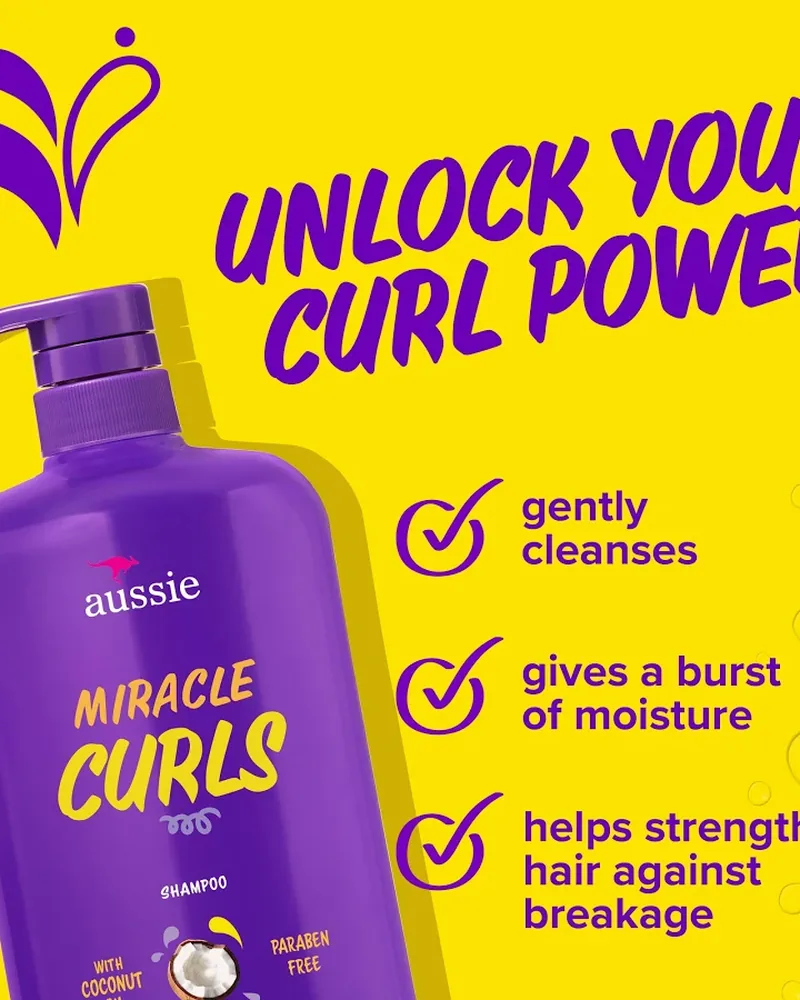 Aussie · Shampoo
Aussie Paraben-Free Miracle Curls Shampoo with Coconut and Jojoba Oil
#2 on the label · $0.36/oz
Aussie · Shampoo
Aussie Paraben-Free Miracle Curls Shampoo with Coconut and Jojoba Oil
#2 on the label · $0.36/oz
 Aussie · Shampoo
Aussie Paraben-Free Miracle Volume Shampoo with Plum & Bamboo For Fine Hair
#2 on the label · $0.31/oz
Aussie · Shampoo
Aussie Paraben-Free Total Miracle Shampoo with Apricot & Macadamia For Damage Hair
#2 on the label · $0.30/oz
Aussie · Shampoo
Aussie Paraben-Free Miracle Volume Shampoo with Plum & Bamboo For Fine Hair
#2 on the label · $0.31/oz
Aussie · Shampoo
Aussie Paraben-Free Total Miracle Shampoo with Apricot & Macadamia For Damage Hair
#2 on the label · $0.30/oz
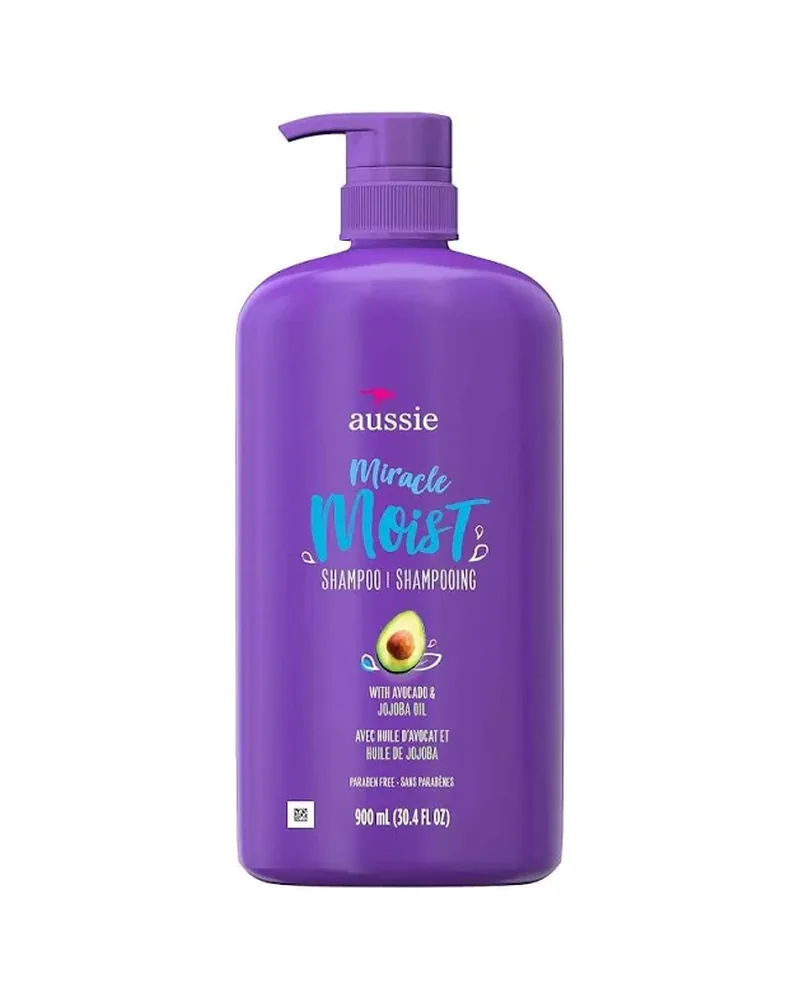 Aussie · Shampoo
Miracle Moist with Avocado & Jojoba Oil Shampoo
#2 on the label · $0.47/oz
Aussie · Shampoo
Miracle Moist with Avocado & Jojoba Oil Shampoo
#2 on the label · $0.47/oz
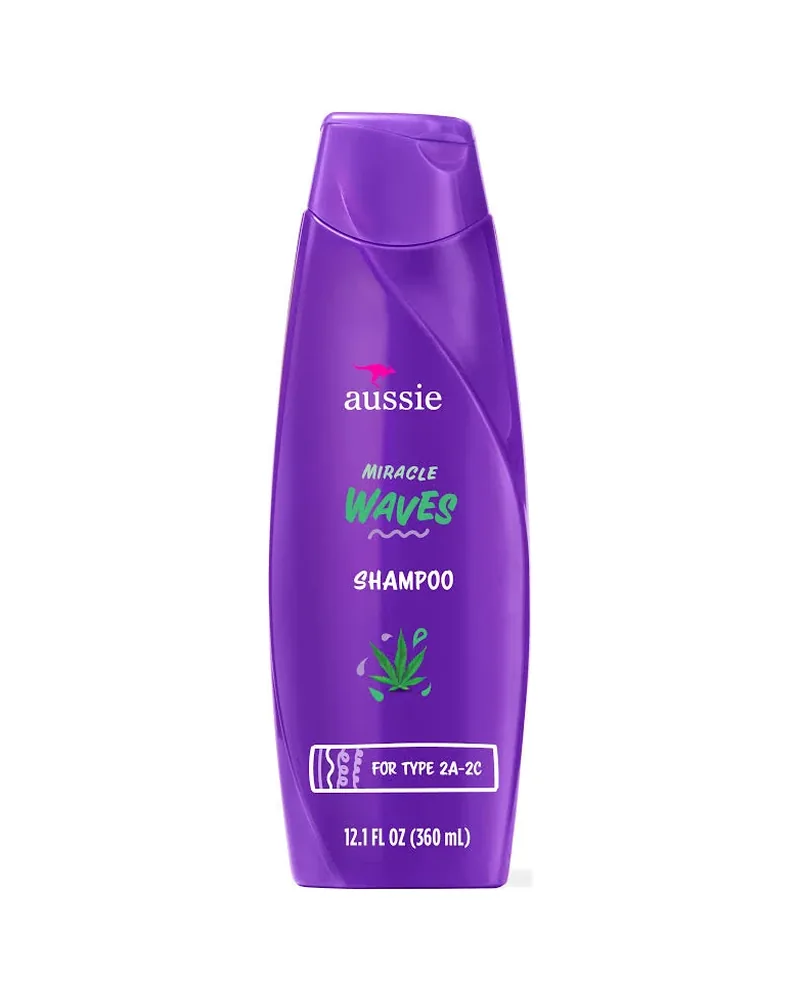 Aussie · Shampoo
Miracle Waves Anti-Frizz Hemp Shampoo
#2 on the label · $1.32/oz
Aussie · Shampoo
Miracle Waves Anti-Frizz Hemp Shampoo
#2 on the label · $1.32/oz
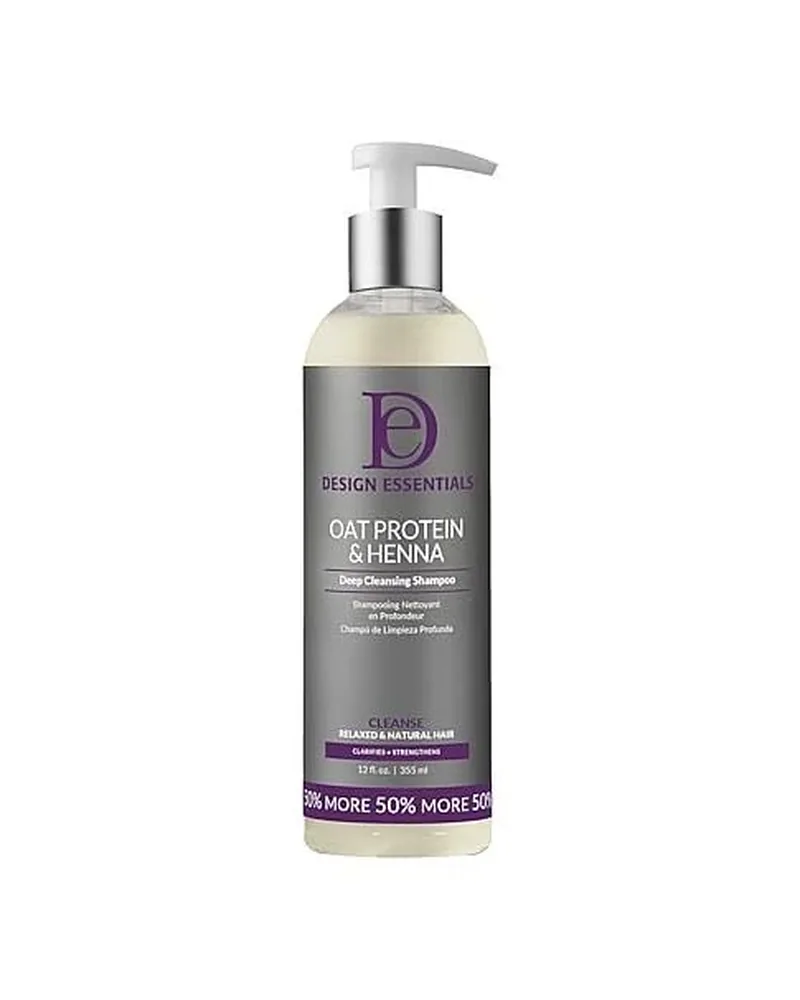 Design Essentials · Shampoo
Oat Protein & Henna Deep Cleansing Shampoo
#2 on the label · $1.00/oz
Design Essentials · Shampoo
Oat Protein & Henna Deep Cleansing Shampoo
#2 on the label · $1.00/oz
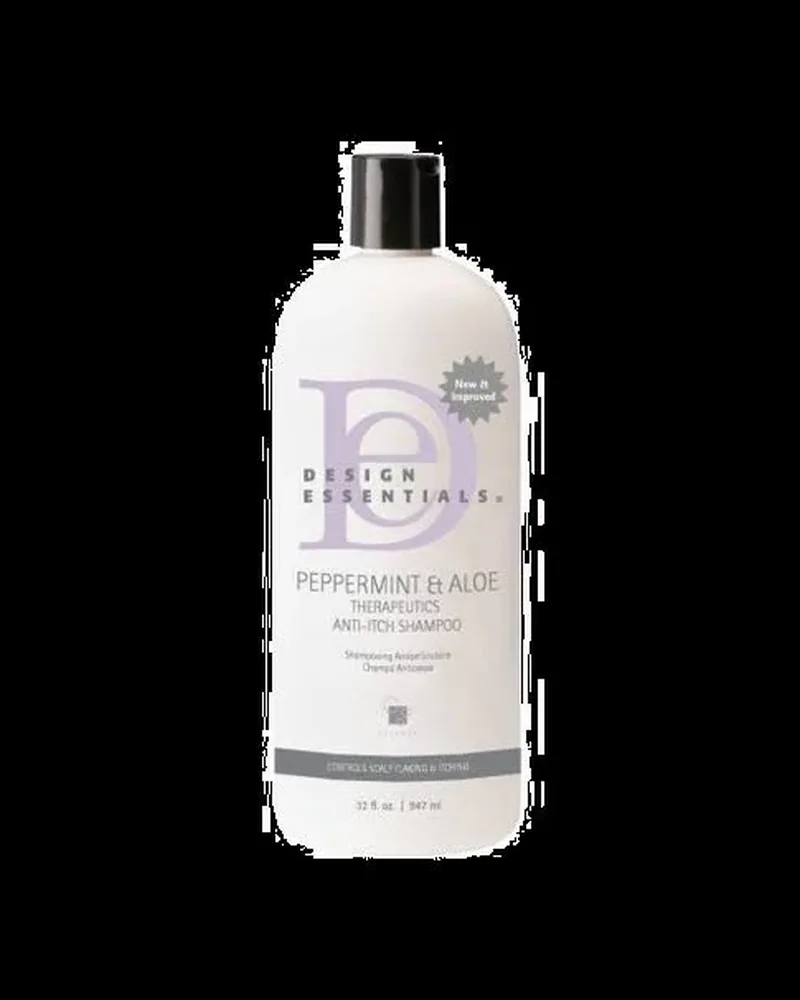 Design Essentials · Shampoo
Peppermint & Aloe Therapeutics Anti-Itch Shampoo
#2 on the label · $1.25/oz
Design Essentials · Shampoo
Peppermint & Aloe Therapeutics Anti-Itch Shampoo
#2 on the label · $1.25/oz
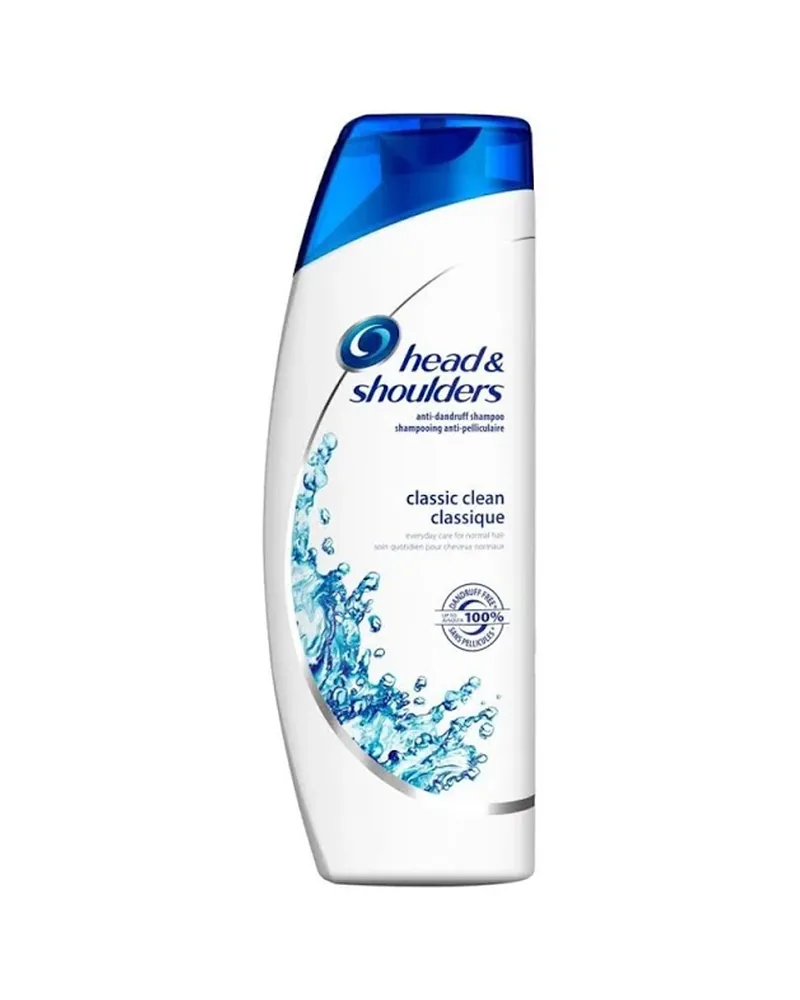 Head & Shoulders · Shampoo
Classic Clean Anti-Dandruff Shampoo
#2 on the label · $0.56/oz
Head & Shoulders · Shampoo
Classic Clean Anti-Dandruff Shampoo
#2 on the label · $0.56/oz
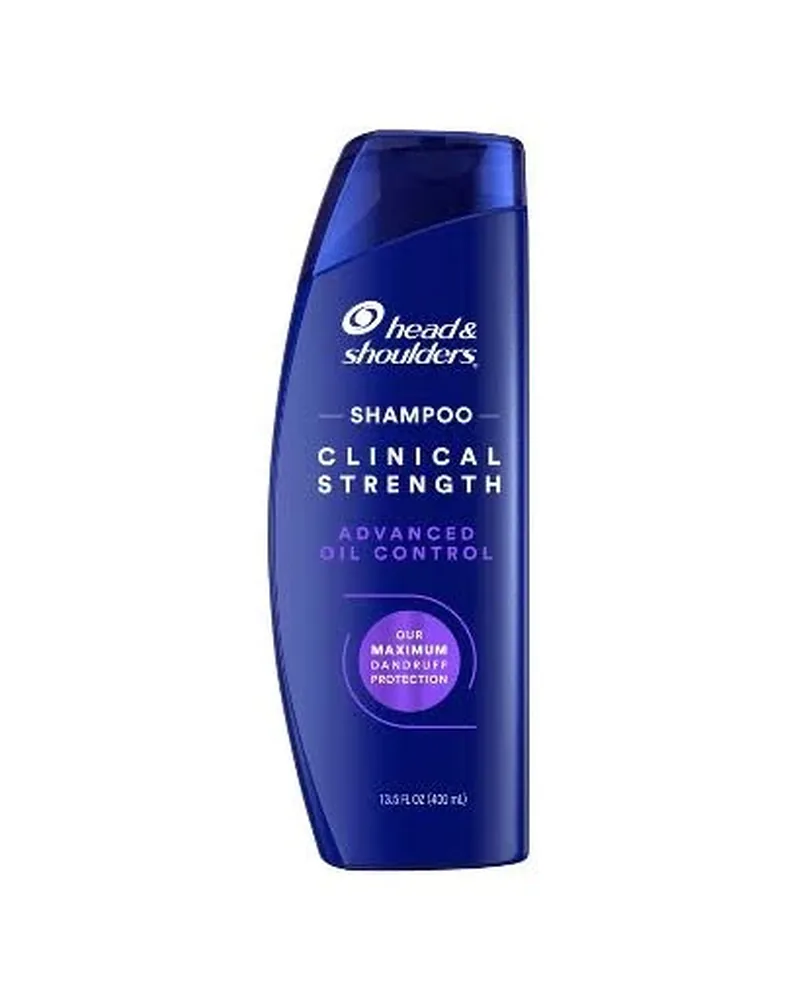 Head & Shoulders · Shampoo
Clinical Strength Anti-Dandruff Citrus Shampoo for Advanced Oil Control
#2 on the label · $1.04/oz
Head & Shoulders · Shampoo
Clinical Strength Anti-Dandruff Citrus Shampoo for Advanced Oil Control
#2 on the label · $1.04/oz
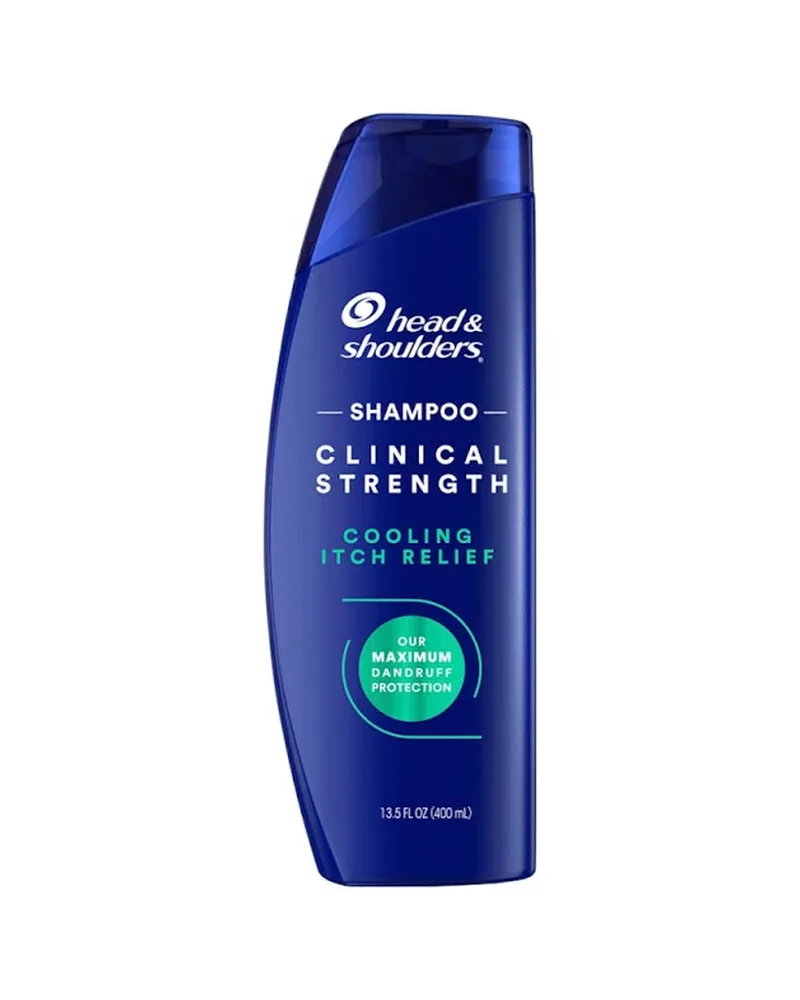 Head & Shoulders · Shampoo
Clinical Strength Cooling Itch Relief Tangerine Shampoo
#2 on the label · $0.89/oz
Head & Shoulders · Shampoo
Clinical Strength Cooling Itch Relief Tangerine Shampoo
#2 on the label · $0.89/oz
See all 87 products in the library that list Sodium Lauryl Sulfate
Identity
What this entry is, and what our references call it.

Sodium Lauryl Sulfate
- CAS 151-21-3
- PubChem 3423265
- sulfate cleanser
- sodium lauryl sulfate
- sodium lauryl sulphate

For your hair?
Whether Sodium Lauryl Sulfate matters for your hair depends on your hair.
87 products in our library list itWhat this ingredient does, and where it sits on the labels we have researched.
A verdict on any product that contains it, and never a safety grade.
We do not physically test your hair. Everything above is read from the ingredient lists in our library and from published references — the consultation is what turns it into a plan.
References
Sourced Backed by a manufacturer or regulatory source.
This ingredient
- Manufacturer or regulatory Indian Journal of Dermatology — D'Souza & Rathi, Shampoo and Conditioners: What a Dermatologist Should Know? (2015). Describes sodium lauryl sulfate as cleansing excellently but leaving hair 'harsh, rough, dull with frizz and prone to tangling', and places sodium laureth sulfate among the detergents suited to normal-to-dry hair. · accessed 2026-08-30
- Manufacturer or regulatory PubChem — Compound identity: CID 3423265, CAS 151-21-3, C12H25NaO4S · accessed 2026-08-28
How this page was made
- Every number above is counted from the ingredient lists in our own product library — 87 of 3928 researched products list this ingredient. Nothing on this page is written per ingredient.
- The dots are named levels read from an ingredient’s chemical class, charge, solubility, or where it sits on the labels we have — never a score.
- US labelling rules put ingredients above 1% in descending order of amount; below 1% they may be listed in any order. Position tells you about relative amount only above that line, and we never convert a position into a percentage.
- The prominence bands (leading, supporting, secondary) are the same ones the product pages use to read a single label, applied here to the median position across a category.
- We do not publish safety scores or hazard grades. Where a regulator has published a restriction or a use condition, we state it and cite it; otherwise we describe what the ingredient does and stop.
- Identifiers and references appear only when a published source is attached to this entry; where none is, the row is simply absent rather than filled in.
- This is cosmetic information, not medical advice, and nothing here diagnoses or treats a health condition.
- Entry last updated 2026-09-02. Product-page methodology: the product library.