Protein-free and free of SLS/SLES.
No protein or hydrolysed protein appears in the list.
—
Supported
Fine for protein-sensitive hair.
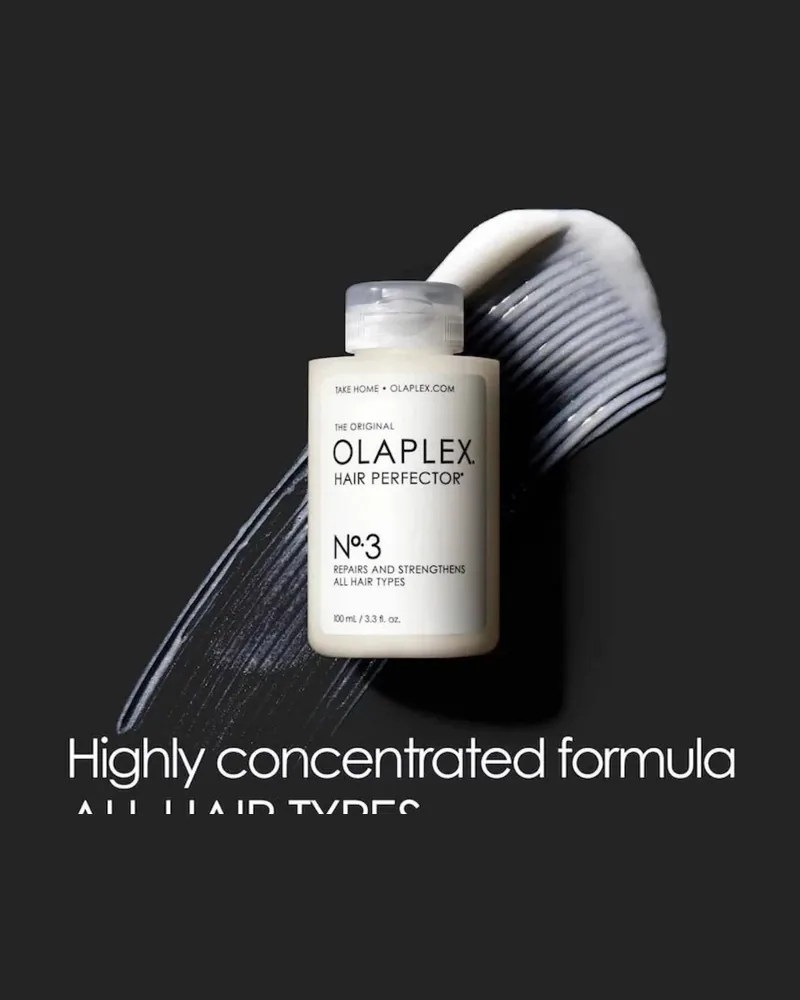
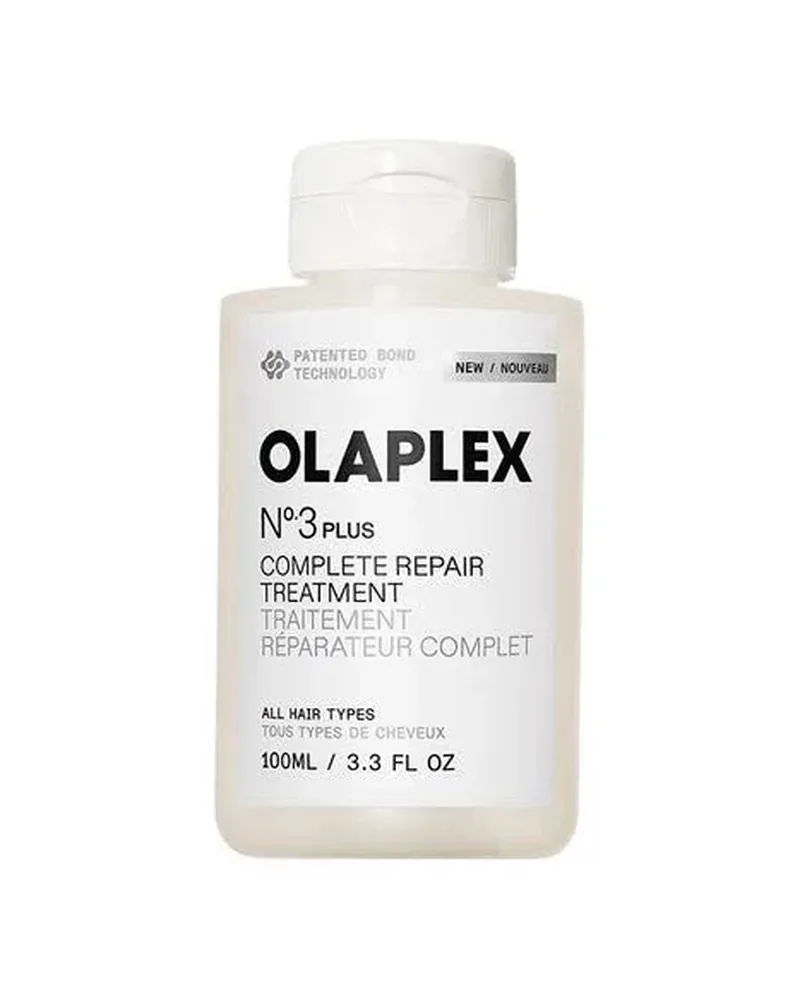
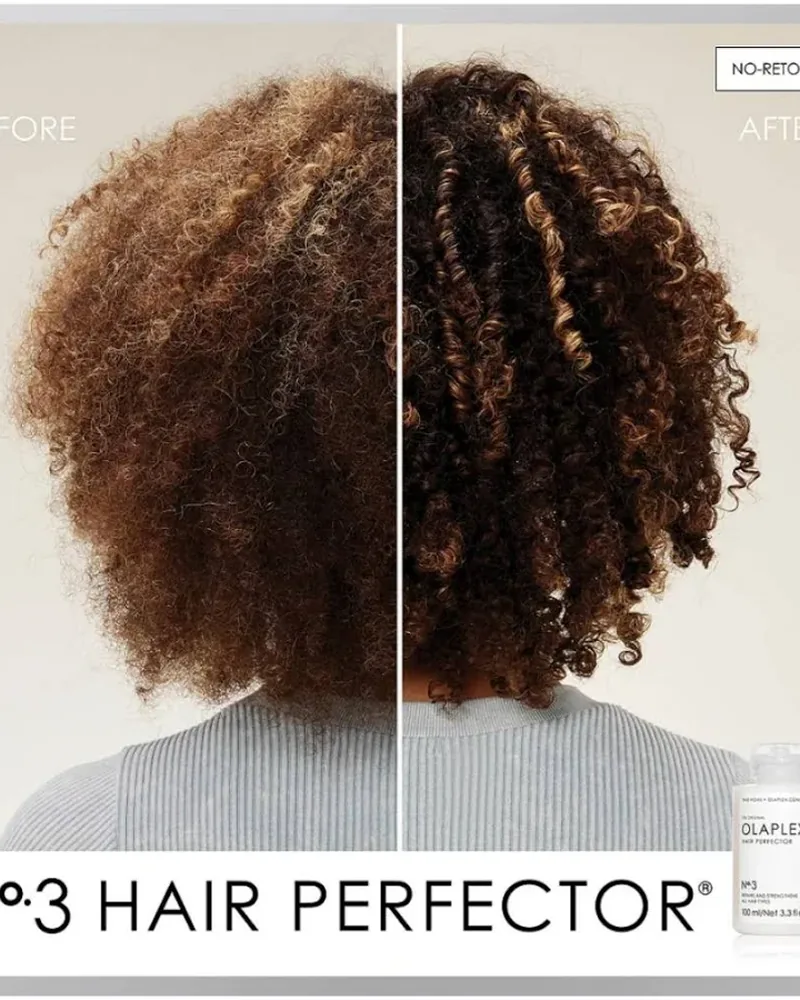
Mask / Bond treatment, lightly emollient
Scent:
The ingredient list declares fragrance. What it smells of is not stated, and we do not guess.
Manufacturer page: olaplex.com
Personal fit
Complete the consultation to see exactly how well this product fits your hair and your goals. With 2,400+ products in our library we can match exactly the right products to you.
$49.00 one-time consultation, no subscription
Add the optional $49/year membership for unlimited adjustments for changes in weather and lifestyle.
The rest of what your plan weighs on this product.
The consultation builds your hair profile, then reads every factor in this table against it — and tells you where this product fits, or what to use instead.
Start your consultation$49.00 once, for your consultation and hair profile. No subscription, no required purchases.
Your avoid-list
Same job for less elsewhere
$10.30/oz at 3.3 oz — more than 93% of the 341 masks and treatments , which mostly run $1.63–5.59/oz.
Great for
Maybe skip if
Wash day
Read from the product’s own directions on the date shown. A step the label leaves out is shown as not stated, never filled in.
Browse technique guides (general — not matched to this product’s directions)
Source: brand page · checked 2026-09-16
What the formula actually does
Each row says where it comes from: F means we derived it from this product’s own ingredient list, S means it is a claim the brand makes that the formula neither confirms nor contradicts.
Oils are present, but low enough to be a finishing touch.
Water-first and light: unlikely to flatten fine hair.
No protein or amino acids in the list.
Humectants in the working part of the formula.
Conditioning agents sit high in the list — this is a detangling formula.
A short wait — it fits inside an ordinary shower.
Nothing here needs a detergent wash to remove.
Fragrance is listed; it sits below the working ingredients.
Ingredients that matter
The workhorse ingredients plus anything lower down that changes a decision. These chips name what an ingredient does — they are not safety scores, and no ingredient here is rated good or bad on its own.
| Ingredient | What it does | Why it matters | Chip |
|---|---|---|---|
| WaterAqua (Water, Eau) | solvent | The base everything else is dissolved in | Neutral |
| Cetearyl Alcohol | fatty alcohol | Thickens and conditions — not a drying alcohol | Softens |
| Behentrimonium Methosulfate | conditioning agent | Conditions and softens — this is what makes it comb through | Detangles |
| Bis-Aminopropyl Diglycol Dimaleate | conditioning agent | Reduces combing force | Detangles |
| Hydroxypropyl Starch Phosphate | starch | Soaks up oil and adds grip | Holds |
| Propanediol | humectant | Pulls water into the hair | Moisturizes |
| Distearyldimonium Chloride | conditioning agent | Conditions and softens — this is what makes it comb through | Detangles |
| Glycerin | humectant | Pulls water into the hair | Moisturizes |
| Isopropyl Alcohol | drying alcohol | A small amount, for fast drying | Drying |
| Phenethyl Benzoate | fragrance | The scent | Fragrance |
| FragranceParfum (Fragrance) | fragrance | The scent | Fragrance |
| Linalyl Acetate | fragrance | The scent | Fragrance |
US labelling rules put ingredients above 1% in descending order of amount; below 1% they may be listed in any order. Annotations keep three readings separate: the ingredient's general function, its role in this product type, and what its position can support.
The base of almost every rinse-off and cream hair product. It carries everything else and is normally the first ingredient on the label.
Listed in the first three ingredients, it is likely a structural part of this formula.
A waxy fatty alcohol - nothing like drying alcohol. It gives conditioners their body and leaves a soft, smoothing film on the hair.
Listed in the first three ingredients, it is likely a structural part of this formula.
The waxy solid that gives a conditioner its body. It deposits a soft lubricating layer, which is most of what makes hair feel smooth after rinsing.
Deposits with the cationic conditioners and helps them lie flat along the strand, which is where the detangling actually comes from.
Near the top of a conditioner it is doing most of the conditioning, and most of the weighting, at the same time.
A mild cationic conditioner known for heavy detangling with a light rinse-out feel. Common in curly-hair conditioners.
Listed in the first three ingredients, it is likely a structural part of this formula.
A C22 conditioning quat, the chain length that deposits most heavily in electrokinetic testing. It is the slip coarse or porous hair usually needs, delivered by chain length rather than by charge alone.
A cationic conditioning agent: it binds to the damaged, negatively charged parts of the cuticle and lowers combing friction there.
The class that does the detangling in a conditioner. It deposits lubrication where the cuticle is worn.
A bond-repair ingredient that reacts with sulfur groups in the hair. It is the active in one of the widely marketed bond-building systems.
Listed in positions 4–8, it likely makes a meaningful contribution alongside the formula's main ingredients.
Deposits a lubricating layer that makes combing easier, which is most of what stops mechanical damage adding to frizz.
A modified starch that thickens and leaves a light, powdery film — often used for body in curl products.
Listed in positions 4–8, it likely makes a meaningful contribution alongside the formula's main ingredients.
Adds grip and body with no oil attached, which is what lifts fine hair at the root instead of weighing it down.
How rigid the finish is depends on which polymer it is and what the formula pairs with it, not on there being one.
Starch gives texture and grip rather than a set film; firm hold usually needs a polymer alongside it.
A corn-derived humectant and solvent, often chosen as a lighter-feeling alternative to propylene glycol.
Listed in positions 4–8, it likely makes a meaningful contribution alongside the formula's main ingredients.
Light and water-binding rather than oily, so it hydrates without contributing weight.
A small water-binding solvent. It holds moisture and helps the rest of the formula spread evenly over the strand.
A humectant follows the air: it holds water in humid conditions and can give it up in very dry ones. Climate decides what it does more than the label does.
A rich conditioning agent used in heavier masks for detangling and a coated, smooth feel.
Listed in positions 4–8, it likely makes a meaningful contribution alongside the formula's main ingredients.
A cationic conditioning agent: it binds to the damaged, negatively charged parts of the cuticle and lowers combing friction there.
The class that does the detangling in a conditioner. It deposits lubrication where the cuticle is worn.
Substantive by design. A routine with no detergent wash gives it nothing to leave with.
A small water-loving molecule that draws moisture into the hair and holds it there. It is the most common softening ingredient in conditioners and leave-ins.
Listed in positions 4–8, it likely makes a meaningful contribution alongside the formula's main ingredients.
High-porosity hair loses water fast; a humectant holds some of it in place for longer than the wash itself would.
Binds water into the outer layers of the strand, and water is what makes dry hair flexible again rather than brittle.
Water moves both ways. Measured across concentrations, glycerin solutions give water up in some conditions and take it from the air in others. What it does for you depends on how much of it is there and on the air around it.
A positively charged conditioning agent that binds to damaged, negatively charged spots on the hair. It is the main detangling ingredient in most rinse-out conditioners.
Lower in the ordered portion of the list, it is more likely playing a supporting role than defining the formula.
Electrokinetic measurement puts the C22 quat ahead of the C16 ones for deposition: the longer chain adds van der Waals stabilisation on top of the charge binding. That extra deposit is what coarse hair usually needs to comb through.
A cationic conditioning agent: it binds to the damaged, negatively charged parts of the cuticle and lowers combing friction there.
Substantive by design. A routine with no detergent wash gives it nothing to leave with.
A fatty alcohol used to thicken creams and add slip. It softens rather than dries.
Lower in the ordered portion of the list, it is more likely playing a supporting role than defining the formula.
The waxy solid that gives a conditioner its body. It deposits a soft lubricating layer, which is most of what makes hair feel smooth after rinsing.
Deposits with the cationic conditioners and helps them lie flat along the strand, which is where the detangling actually comes from.
A fatty alcohol that thickens conditioners and helps them coat the hair evenly.
Lower in the ordered portion of the list, it is more likely playing a supporting role than defining the formula.
The waxy solid that gives a conditioner its body. It deposits a soft lubricating layer, which is most of what makes hair feel smooth after rinsing.
Deposits with the cationic conditioners and helps them lie flat along the strand, which is where the detangling actually comes from.
Provitamin B5. It draws in water and penetrates the strand a little, which is why it is the standard ingredient for softness and shine claims.
Lower in the ordered portion of the list, it is more likely playing a supporting role than defining the formula.
It hydrates without adding oil or a film, which is the combination fine hair usually needs.
Deposits a lubricating layer that makes combing easier, which is most of what stops mechanical damage adding to frizz.
A humectant that also penetrates the cuticle, so it holds water inside the strand rather than only on the surface.
A rich, solid plant butter used for heavy conditioning on coarse or dry hair. High in the list it makes a product decidedly heavy.
Lower in the ordered portion of the list, it is more likely playing a supporting role than defining the formula.
Coarse, porous hair loses water quickly and can carry the weight; a butter slows that loss more than a thin oil does.
Emollients fill and smooth the surface of the strand, which lowers the friction that lifts the cuticle and reads as roughness.
A solid fat melts onto the strand at body temperature and stays there, which is the heaviest surface moisture-holding a formula can offer.
A light oil with very long fatty-acid chains, used as a plant alternative to silicone shine.
Lower in the ordered portion of the list, it is more likely playing a supporting role than defining the formula.
Coats the surface and slows water leaving the strand, which is usually what coarse hair that dries out fast is missing.
A thin oil layer lowers friction between strands and flattens the raised cuticle that scatters light and catches on its neighbours.
A rich oil used in masks and heavier creams for softness on coarse or dry hair.
Lower in the ordered portion of the list, it is more likely playing a supporting role than defining the formula.
Coats the surface and slows water leaving the strand, which is usually what coarse hair that dries out fast is missing.
A thin oil layer lowers friction between strands and flattens the raised cuticle that scatters light and catches on its neighbours.
One of the few oils small enough to move into the strand, which is why it is used for pre-wash treatments. It can feel heavy or stiff on protein-sensitive hair.
Lower in the ordered portion of the list, it is more likely playing a supporting role than defining the formula.
Because it penetrates rather than sits on top, it works on hair that loses water through a worn cuticle instead of only slowing evaporation from the surface the way a non-penetrating oil does.
A thin oil layer lowers friction between strands and flattens the raised cuticle that scatters light and catches on its neighbours.
The exception to the class read: lauric acid is small and linear enough to enter the shaft rather than only coat it, and in comparison testing coconut oil was the one that reduced protein loss from washing on both undamaged and damaged hair.
A light, widely used oil that softens without much weight.
Lower in the ordered portion of the list, it is more likely playing a supporting role than defining the formula.
Coats the surface and slows water leaving the strand, which is usually what coarse hair that dries out fast is missing.
A thin oil layer lowers friction between strands and flattens the raised cuticle that scatters light and catches on its neighbours.
It works on the surface. In the comparison that established coconut oil's penetration, sunflower oil did not reduce protein loss from washing — its fatty acids are bulkier and less linear. It softens and smooths; it does not reinforce the fibre.
A conditioning agent used in leave-ins for detangling without much weight.
Lower in the ordered portion of the list, it is more likely playing a supporting role than defining the formula.
A cationic conditioning agent: it binds to the damaged, negatively charged parts of the cuticle and lowers combing friction there.
The class that does the detangling in a conditioner. It deposits lubrication where the cuticle is worn.
Substantive by design. A routine with no detergent wash gives it nothing to leave with.
A light, refined coconut-derived oil that spreads easily and does not go rancid. It gives slip without a heavy feel.
It appears around or below the estimated 1% line, where label order no longer indicates relative amount; its role may be minor or technical.
A light emollient: it softens the surface with noticeably less weight than an oil or a butter.
Spreads thin and lowers friction between strands without the heaviness of a fixed oil.
A preservative booster that also adds a little softness. Almost always paired with phenoxyethanol.
It appears around or below the estimated 1% line, where label order no longer indicates relative amount; its role may be minor or technical.
Emollients fill and smooth the surface of the strand, which lowers the friction that lifts the cuticle and reads as roughness.
A guar-bean conditioning polymer that deposits during rinsing. It is why a strong shampoo can still leave hair combable.
It appears around or below the estimated 1% line, where label order no longer indicates relative amount; its role may be minor or technical.
Gums thicken and set soft, which gives definition that bends rather than a rigid cast.
Cationic conditioners bind to the negatively charged damaged cuticle, laying it flat and cutting the friction that causes combing breakage.
A styling polymer dries into a film across the strands, which is what makes a shape hold instead of relax.
A gentle preservative helper that also holds a little moisture.
It appears around or below the estimated 1% line, where label order no longer indicates relative amount; its role may be minor or technical.
Humectants bind water into the strand, and water — not oil — is what makes dry hair flexible instead of brittle.
A humectant follows the air: it holds water in humid conditions and can give it up in very dry ones. Climate decides what it does more than the label does.
A quick-acting conditioning agent that reduces static and combing force. It also helps keep the formula stable.
It appears around or below the estimated 1% line, where label order no longer indicates relative amount; its role may be minor or technical.
The C16 quat binds mostly by charge rather than by chain, so it deposits measurably less than the C22 ones. Less deposit is less conditioning and also less weight, which is usually the trade fine hair wants.
A cationic conditioning agent: it binds to the damaged, negatively charged parts of the cuticle and lowers combing friction there.
Substantive by design. A routine with no detergent wash gives it nothing to leave with.
A moisture-binding ingredient that occurs naturally in hair and skin.
It appears around or below the estimated 1% line, where label order no longer indicates relative amount; its role may be minor or technical.
High-porosity hair loses water fast; a humectant holds some of it in place for longer than the wash itself would.
Binds water into the outer layers of the strand, and water is what makes dry hair flexible again rather than brittle.
A humectant moves water in whichever direction the air allows: it holds moisture in humid conditions and can pull it back out of hair in very dry ones.
A polymer used to hold pigments and oils in a durable film.
It appears around or below the estimated 1% line, where label order no longer indicates relative amount; its role may be minor or technical.
A set polymer film is a physical barrier to humidity, so a style keeps its shape longer in damp conditions.
Synthetic film formers dry into a continuous film, which is what holds a shape against movement and against humid air.
Some acrylate copolymers rinse with water and some need a detergent; the label alone does not say which one a formula used.
A light fatty ester used to soften and carry other oil-based ingredients.
It appears around or below the estimated 1% line, where label order no longer indicates relative amount; its role may be minor or technical.
A light emollient: it softens the surface with noticeably less weight than an oil or a butter.
Spreads thin and lowers friction between strands without the heaviness of a fixed oil.
A light ester used as a spreading agent for oils and fragrance.
It appears around or below the estimated 1% line, where label order no longer indicates relative amount; its role may be minor or technical.
A light emollient: it softens the surface with noticeably less weight than an oil or a butter.
Spreads thin and lowers friction between strands without the heaviness of a fixed oil.
A positively charged conditioning agent. Damaged hair carries a negative charge, so it deposits where the damage is and makes wet hair comb through.
It appears around or below the estimated 1% line, where label order no longer indicates relative amount; its role may be minor or technical.
A cationic conditioning agent: it binds to the damaged, negatively charged parts of the cuticle and lowers combing friction there.
The class that does the detangling in a conditioner. It deposits lubrication where the cuticle is worn.
Substantive by design. A routine with no detergent wash gives it nothing to leave with.
A fast-evaporating alcohol used as a solvent and to speed drying. Well down the list it is a processing aid; near the top it can leave hair feeling dry.
It appears around or below the estimated 1% line, where label order no longer indicates relative amount; its role may be minor or technical.
Evaporates on contact, which is how a spray sets almost instantly and leaves no weight behind it.
A small humectant and solvent that keeps formulas stable and helps active ingredients spread.
It appears around or below the estimated 1% line, where label order no longer indicates relative amount; its role may be minor or technical.
Light and water-binding rather than oily, so it hydrates without contributing weight.
A small water-binding solvent. It holds moisture and helps the rest of the formula spread evenly over the strand.
A humectant follows the air: it holds water in humid conditions and can give it up in very dry ones. Climate decides what it does more than the label does.
A plant-derived light alkane used as a clean-feeling replacement for silicone or mineral oil.
It appears around or below the estimated 1% line, where label order no longer indicates relative amount; its role may be minor or technical.
Emollients fill and smooth the surface of the strand, which lowers the friction that lifts the cuticle and reads as roughness.
A conditioning polymer made from guar bean gum. It deposits during rinsing, which is why sulfate shampoos can still leave hair soft.
It appears around or below the estimated 1% line, where label order no longer indicates relative amount; its role may be minor or technical.
Gums thicken and set soft, which gives definition that bends rather than a rigid cast.
Cationic conditioners bind to the negatively charged damaged cuticle, laying it flat and cutting the friction that causes combing breakage.
A styling polymer dries into a film across the strands, which is what makes a shape hold instead of relax.
A conditioning polymer that stays on the hair after rinsing to reduce static and frizz.
It appears around or below the estimated 1% line, where label order no longer indicates relative amount; its role may be minor or technical.
Cationic polymers hold a curl loosely and stay soft, which is why they turn up in definition products rather than firm-hold ones.
A cationic polymer stays on the hair through rinsing, which is what keeps static and combing friction down after the wash.
Film formers are what hold a style: they dry into a connected film across the strands so the shape resists movement.
A mild floral-balsamic fragrance ester that also acts as a light emollient.
It appears around or below the estimated 1% line, where label order no longer indicates relative amount; its role may be minor or technical.
A light emollient: it softens the surface with noticeably less weight than an oil or a butter.
Spreads thin and lowers friction between strands without the heaviness of a fixed oil.
Declared fragrance. On a fragrance-sensitive routine this is the line that decides it, wherever it sits on the label.
A readily biodegradable chelator used in place of EDTA to bind hard-water minerals.
It appears around or below the estimated 1% line, where label order no longer indicates relative amount; its role may be minor or technical.
Binds the calcium and magnesium in hard water, which is what stops mineral deposits accumulating on the strand wash after wash.
Copper and iron carried in tap water deposit on the strand and read as a dull, warm cast on gray or light hair. A chelator holds those metals in solution so the wash carries them off.
Used to bring the product to a slightly acidic pH, which helps the cuticle lie flat. It is almost always near the end of the list.
It appears around or below the estimated 1% line, where label order no longer indicates relative amount; its role may be minor or technical.
Holds hard-water minerals in solution so they rinse away instead of depositing on the hair.
The acid side of pH adjustment, and the reason it matters is measured: alkaline formulas raise the fibre's surface negative charge, increase friction between strands and lift the scales, while lower-pH ones do the reverse.
Where a warm cast comes from water minerals rather than from the hair itself, holding those metals in solution is what removes it.
An undisclosed blend of scent ingredients. Regulations let it stay unlisted, so a fragrance-free product is the only way to be certain what is not in it.
It appears around or below the estimated 1% line, where label order no longer indicates relative amount; its role may be minor or technical.
Declared fragrance. On a fragrance-sensitive routine this is the line that decides it, wherever it sits on the label.
A lavender-like fragrance component, related to linalool and listed for the same allergen reason.
It appears around or below the estimated 1% line, where label order no longer indicates relative amount; its role may be minor or technical.
One of the 26 scent components the EU requires to be named individually above a threshold. It is named because it is a known contact allergen, not because it is unusual.
A floral fragrance component listed separately as a recognised contact allergen.
It appears around or below the estimated 1% line, where label order no longer indicates relative amount; its role may be minor or technical.
One of the 26 scent components the EU requires to be named individually above a threshold. It is named because it is a known contact allergen, not because it is unusual.
A soft floral fragrance component named separately as a recognised allergen.
It appears around or below the estimated 1% line, where label order no longer indicates relative amount; its role may be minor or technical.
One of the 26 scent components the EU requires to be named individually above a threshold. It is named because it is a known contact allergen, not because it is unusual.
A violet-like fragrance component named separately as a recognised allergen.
It appears around or below the estimated 1% line, where label order no longer indicates relative amount; its role may be minor or technical.
One of the 26 scent components the EU requires to be named individually above a threshold. It is named because it is a known contact allergen, not because it is unusual.
A rose-like fragrance component named separately as a recognised allergen.
It appears around or below the estimated 1% line, where label order no longer indicates relative amount; its role may be minor or technical.
One of the 26 scent components the EU requires to be named individually above a threshold. It is named because it is a known contact allergen, not because it is unusual.
A certified colour added to tint the product itself. It does not colour hair.
It appears around or below the estimated 1% line, where label order no longer indicates relative amount; its role may be minor or technical.
A violet or blue colorant sits opposite yellow on the colour wheel, so a trace of it deposited on the surface makes a warm cast read cooler. It washes out over the following few washes.
A certified colour that tints the product itself. It does not colour hair.
It appears around or below the estimated 1% line, where label order no longer indicates relative amount; its role may be minor or technical.
A violet or blue colorant sits opposite yellow on the colour wheel, so a trace of it deposited on the surface makes a warm cast read cooler. It washes out over the following few washes.
Ingredient list captured 2026-08-23. Formulas change — check the package in your hand when an ingredient matters to you.
Price · 3.3 oz
Priced above the products that do the same job. Stores sell it above the $5 line; products that do this job typically go for about $8 at this size.
Sorted by price per ounce. Dated observations from our research, not live prices. Direct store pages, no affiliate links. We don’t sell this product.
Formula
It costs more per ounce than 93% of the 341 masks and treatments we’ve priced, and 7 formulas we score as close matches cost at least a quarter less per ounce.
The formula score is completeness for the job: the share of the systems this product type is normally built around that we can find in this list, weighted. It is not efficacy, not quality, and it never compares across product types.
Does the same job, for less
Same derived functions — what it cleans, conditions, coats or holds — at a lower cost per ounce. Scent, texture and where you buy it can still differ.
See more alternatives in the product library
These are functional neighbours, not personal recommendations — they are close on formula, not chosen for anyone. Get the one that fits your hair, routine, and budget

Final decision
Hair that stiffens on protein who want a protein-free formula and real detangling slip
Not ideal for anyone sensitive to fragrance, very dry or high-damage hair, or soft, over-stretchy hair that needs protein
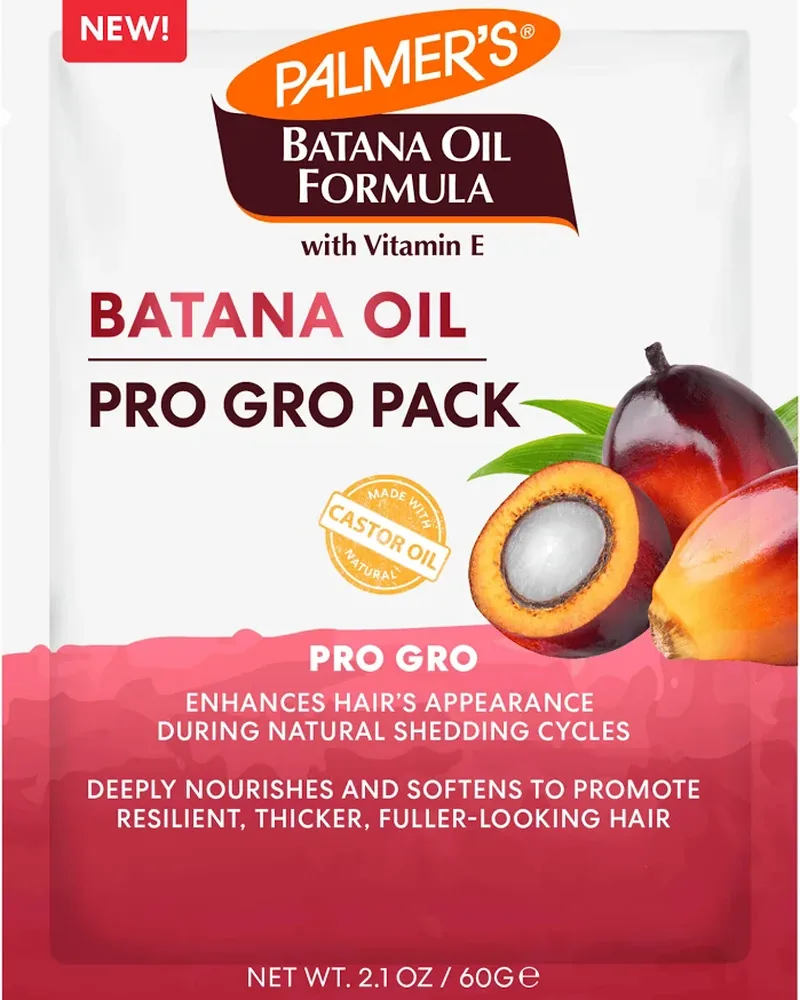
Palmer's Batana Oil Pro Gro Pack, for similar results at a lower price
We do not sell products or take placement fees. This page states what the formula and the prices show; the consultation is what matches it to a person.
Claims check
Claims are quoted from the brand. We only mark one supported, partly supported, or conflicting when the ingredient list actually speaks to it; everything else stays "stated by the brand", which is not a criticism — most claims simply cannot be read off a label.
Protein-free and free of SLS/SLES.
No protein or hydrolysed protein appears in the list.
—
Fine for protein-sensitive hair.
Use every 1–3 washes; may be used daily if desired.
This is a marketing claim; an ingredient list cannot speak to it.
—
Can’t be confirmed from label.
We look at the first 10–15 ingredients and what they do in a formula — not marketing. If the list doesn't speak to a claim, we don't assume.
Reviewers
Recurring themes our researchers wrote in their own words from sourced reviews. We do not store or scrape star ratings.
The quick 3-minute treatment is much more convenient than the original No.3, which had a 10-30 minute wait time that discouraged regular use
comparing to original Olaplex No.3 Hair PerfectorAfter just one use, hair lengths looked and felt "brand new" with noticeably better results than expected
Reviewer appreciated that no heat is required to activate the formula, unlike other bond treatments