
CONDITIONING AGENT
Cetrimonium Chloride
- conditioning agent
A quick-acting conditioning agent that reduces static and combing force. It also helps keep the formula stable.
- products in our library
- 792
- of researched products
- 20%
- on the label, in our conditioners
- usually #16
- most common in
- Conditioner
- in water
- Water-soluble
At a glance
Four things worth knowing about how this ingredient behaves on hair.
How much of it is left on hair between washes.
What it takes to get it off the hair again.
Whether hair pulls it in or pushes it away — read from charge.
How much easier it makes a comb pass.
| Property | Level | Out of |
|---|---|---|
| Buildup risk | Low | 1 of 5 |
| Rinse-out behaviour | Stays where hair is damaged | 2 of 5 |
| Adhesion | Clings to damage | 5 of 5 |
| Slip | High | 5 of 5 |
What it does for a formula
What Cetrimonium Chloride does
The general function first, then how the role changes by product type where we have researched it.
Positive charge is drawn to the negatively charged, worn patches of a strand.
The measurable part of conditioning: less force to pull a comb through.
Water alone removes it, so it does not accumulate between washes.
Positive charge holds it on the hair through the rinse.
Charge
Positively charged, so it is drawn to the negatively charged, damaged areas of hair and stays behind after rinsing. That is why conditioning happens where the wear is.
Solubility
Rinses out with water alone — it does not accumulate on hair between washes.
Where it appears
Where it appears
One row per product category in our library: how many products list it, what share of that category that is, and where it typically sits on the label.
| Product type | How common | Typical position on label ? |
|---|---|---|
Conditioner
212 products
|
secondary · #16 | |
Mask / treatment
169 products
|
secondary · #15 | |
Leave-in
136 products
|
secondary · #13 | |
Shampoo
65 products
|
secondary · #22 | |
Heat protectant
43 products
|
secondary · #14 | |
Styler: mousse
34 products
|
secondary · #12 | |
Co-wash
30 products
|
supporting · #6 | |
Styler: curl cream
23 products
|
secondary · #15 | |
Styler: smoothing cream
13 products
|
secondary · #16 | |
Finisher: serum
11 products
|
secondary · #14 |
11 more product types
| Product type | How common | Typical position on label ? |
|---|---|---|
Scalp treatment
10 products
|
secondary · #10 | |
Styler: volumizer
9 products
|
secondary · #10 | |
Styler: gel
8 products
|
secondary · #16 | |
Styler: texture spray
8 products
|
secondary · #17 | |
Finisher: shine spray
6 products
|
secondary · #11 | |
Styler: hairspray
6 products
|
secondary · #17 | |
Finisher: anti frizz finish
3 products
|
secondary · #18 | |
Finisher: oil
3 products
|
secondary · #13 | |
Styler: edge control
1 product
|
secondary · #9 | |
Styler: lotion
1 product
|
leading · #3 | |
Styler: refresh spray
1 product
|
secondary · #14 |
| Product type | Products | Share of category | Median position | Earliest position | Band |
|---|---|---|---|---|---|
| Conditioner | 212 | 30% | 16 | 3 | secondary |
| Mask / treatment | 169 | 42% | 15 | 3 | secondary |
| Leave-in | 136 | 31% | 13 | 2 | secondary |
| Shampoo | 65 | 8% | 22 | 4 | secondary |
| Heat protectant | 43 | 30% | 14 | 3 | secondary |
| Styler: mousse | 34 | 24% | 12 | 4 | secondary |
| Co-wash | 30 | 30% | 6 | 2 | supporting |
| Styler: curl cream | 23 | 21% | 15 | 5 | secondary |
| Styler: smoothing cream | 13 | 23% | 16 | 8 | secondary |
| Finisher: serum | 11 | 14% | 14 | 5 | secondary |
| Scalp treatment | 10 | 6% | 10 | 4 | secondary |
| Styler: volumizer | 9 | 13% | 10 | 6 | secondary |
| Styler: gel | 8 | 5% | 16 | 7 | secondary |
| Styler: texture spray | 8 | 14% | 17 | 7 | secondary |
| Finisher: shine spray | 6 | 9% | 11 | 8 | secondary |
| Styler: hairspray | 6 | 6% | 17 | 5 | secondary |
| Finisher: anti frizz finish | 3 | 13% | 18 | 12 | secondary |
| Finisher: oil | 3 | 2% | 13 | 12 | secondary |
| Styler: edge control | 1 | 6% | 9 | 9 | secondary |
| Styler: lotion | 1 | 8% | 3 | 3 | leading |
| Styler: refresh spray | 1 | 8% | 14 | 14 | secondary |
No product-type differences have been researched yet — the reading below is computed from where it sits on the labels in our library.
Position footprint
Every listing in our library, by position on the label.
| Positions | Zone | Listings |
|---|---|---|
| 1-3 | Leading | 26 |
| 4-8 | Supporting | 187 |
| 9-15 | Secondary | 286 |
| 16-25 | Lower | 327 |
| 26+ | Trace | 119 |
How to read this
US labelling rules put ingredients above 1% in descending order of amount; below 1% they may be listed in any order.
So position tells you about relative amount only above that line, and we never convert a position into a percentage.
Who should pay attention
Conditional formulation guidance, scoped to a hair condition and to the positions where it is meaningful. It is not a conclusion about any finished product, and not a conclusion about you.
The C16 quat binds mostly by charge rather than by chain, so it deposits measurably less than the C22 ones. Less deposit is less conditioning and also less weight, which is usually the trade fine hair wants.
A cationic conditioning agent: it binds to the damaged, negatively charged parts of the cuticle and lowers combing friction there.
Substantive by design. A routine with no detergent wash gives it nothing to leave with.
Every detergent removes some sebum along with the product it is there to wash out. Which detergent it is matters more than that there is one.
Rows marked “researched” were read for this ingredient and cited below; the rest are read from its chemical class.
Why it matters to shoppers
What this ingredient is evidence of, what it is not evidence of, and what our own method can and cannot tell you.
- detangling
- thick or coarse hair
- detangling and less breakage from combing
- a rinse-clean feel
- an exact safety score — we do not publish one, for any ingredient
- how a finished product performs by itself — that is the whole formula, not one line of it
- the exact percentage in a bottle — label position never converts into a number
- a secondary conditioner, listed below the main ingredients in our conditioners
- it was on the label of every product we counted — we read printed ingredient lists, not marketing copy
- it is meant to stay on the hair rather than rinse away
- that a product is right or wrong for you
We do not publish safety scores or hazard grades. Where a regulator has published a restriction or a use condition, we state it and cite it; otherwise we describe what the ingredient does and stop.
Commonly paired with
Ingredients that appear alongside this one most often in our library. Near-universal ingredients are excluded — they pair with everything and tell you nothing.
- Behentrimonium Chloride · 399
- Amodimethicone · 318
- Benzyl Alcohol · 290
- Cetyl Alcohol · 249
- Isopropyl Alcohol · 232
- Disodium EDTA · 215
- Hexyl Cinnamal · 214
- Tocopherol · 214
- Guar Hydroxypropyltrimonium Chloride · 198
- Caprylyl Glycol · 193
The number beside a name is how many products in our library list both.
These ingredients tend to appear together to improve feel after rinsing, smooth the surface, and carry the formula and let it dry.
Found in these products
The most prominent placements first. The badge is the position on that product’s own ingredient list.
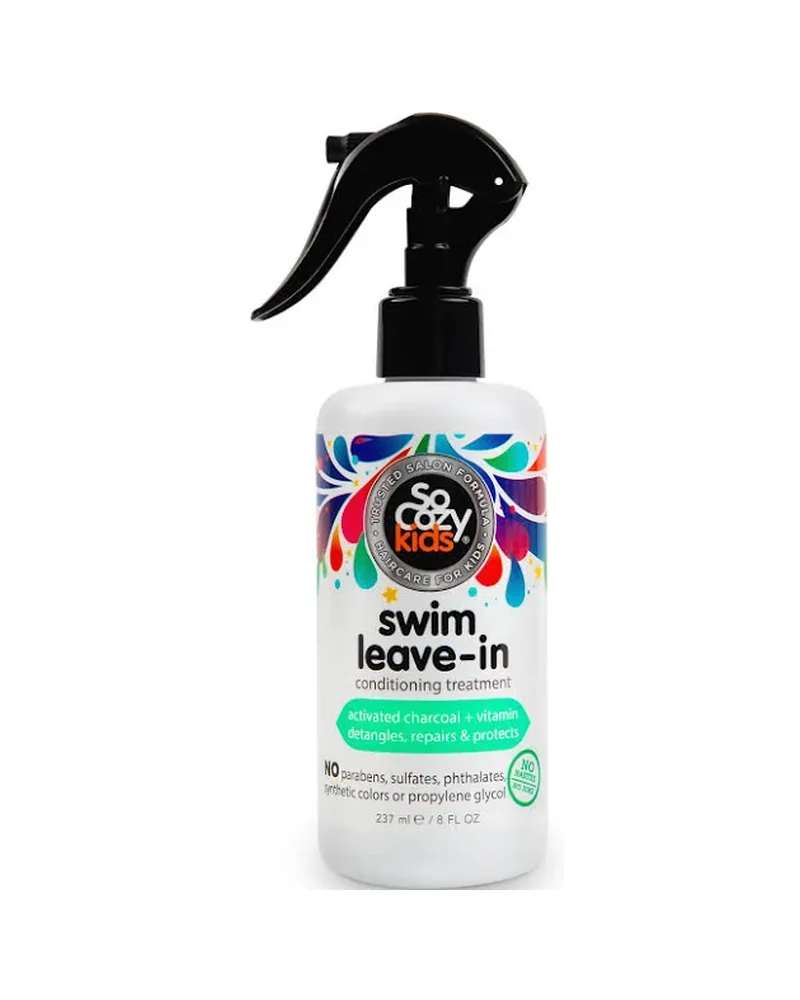 SoCozy · Leave-in
Swim Leave-In Treatment Spray
#2 on the label · $1.50/oz
SoCozy · Leave-in
Swim Leave-In Treatment Spray
#2 on the label · $1.50/oz
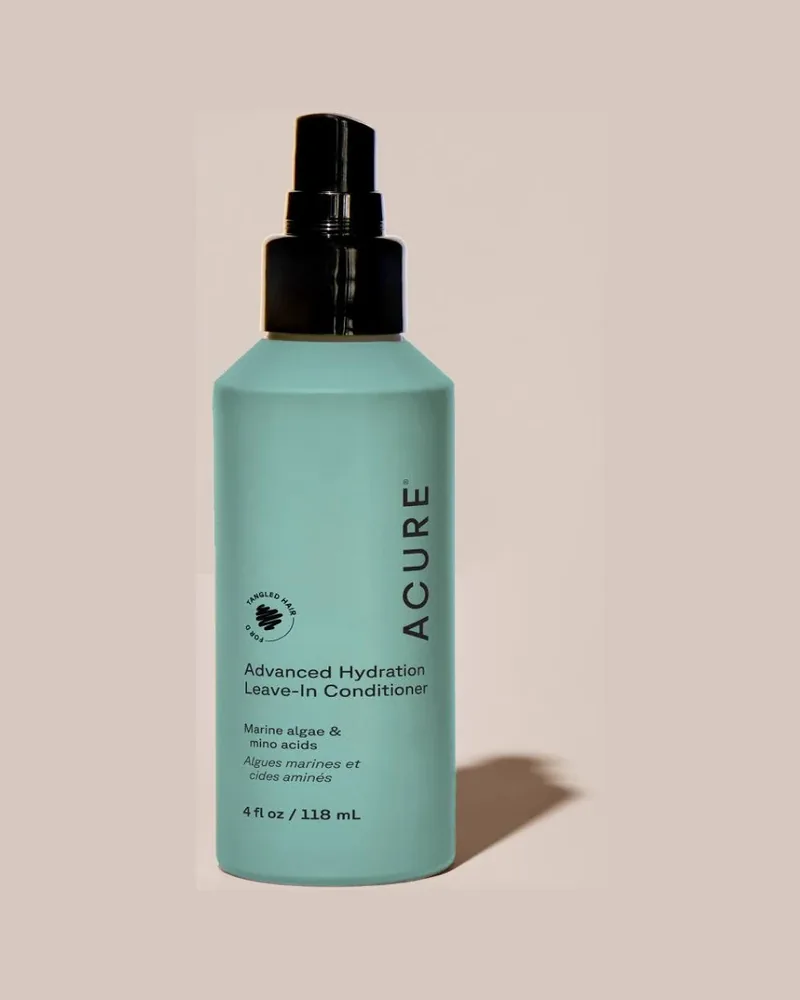 Acure · Leave-in
Advanced Hydration Leave-In Conditioner
#3 on the label · $3.30/oz
Acure · Leave-in
Advanced Hydration Leave-In Conditioner
#3 on the label · $3.30/oz
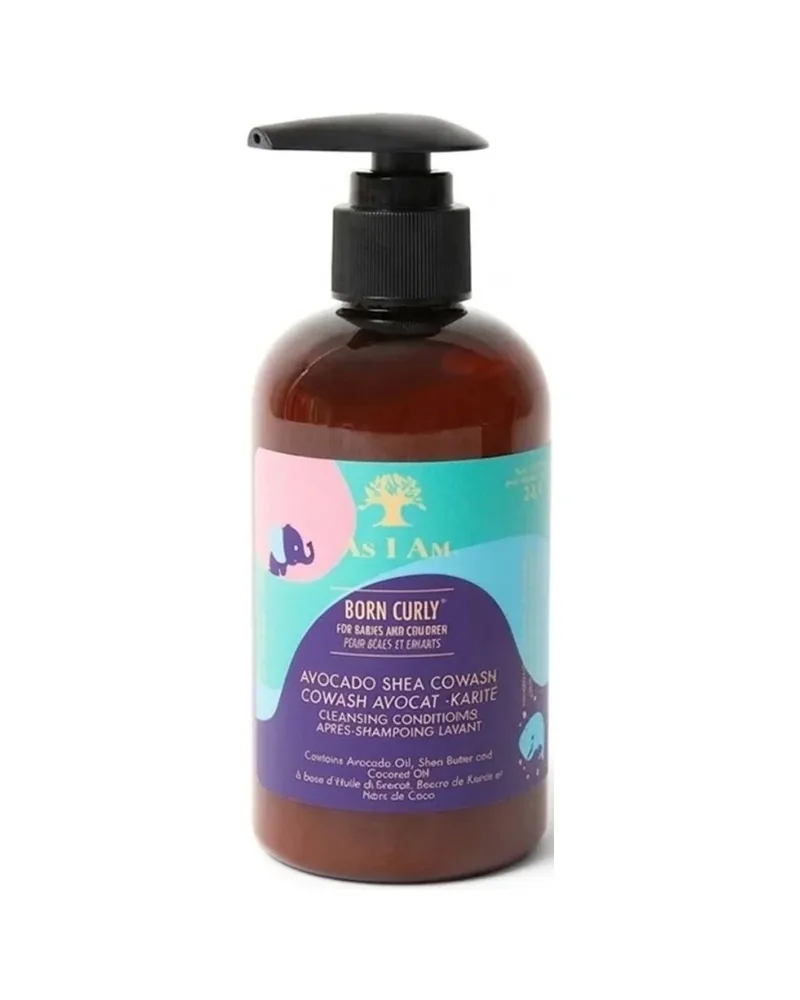 As I Am · Co-wash
Born Curly Cowash
#3 on the label · $0.75/oz
As I Am · Co-wash
Born Curly Cowash
#3 on the label · $0.75/oz
 As I Am · Co-wash
Born Curly Cowash Cleansing Conditioner
#3 on the label · $0.75/oz
As I Am · Co-wash
Born Curly Cowash Cleansing Conditioner
#3 on the label · $0.75/oz
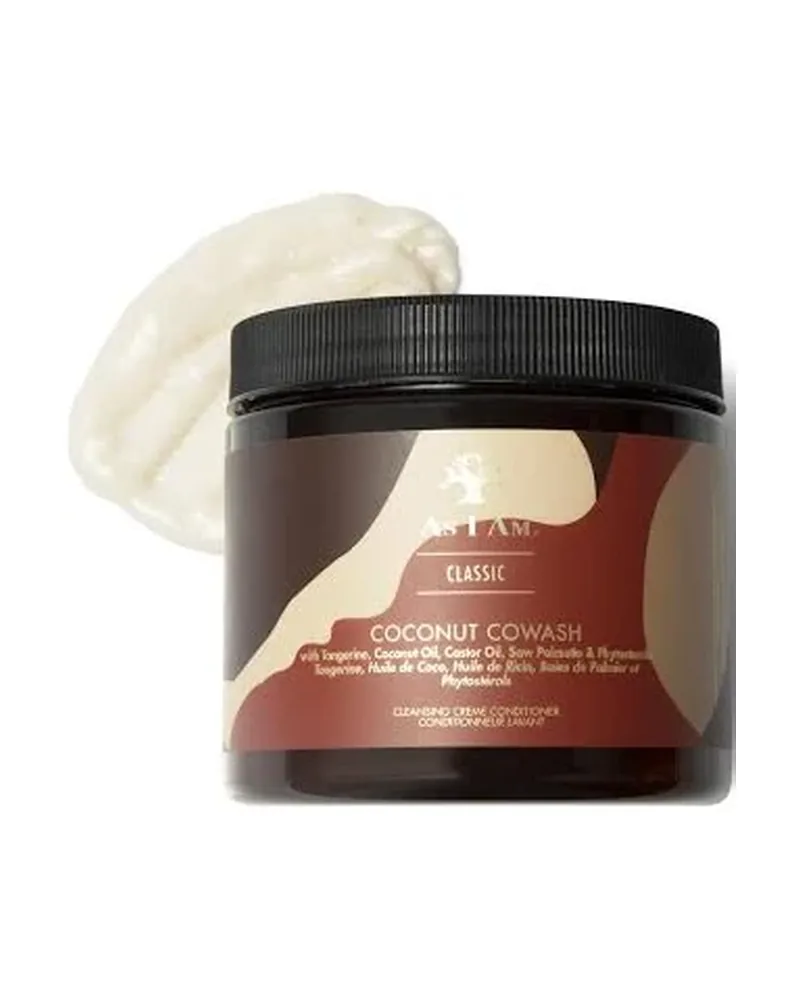 As I Am · Co-wash
Coconut CoWash Cleansing Conditioner
#3 on the label · $0.56/oz
As I Am · Co-wash
Coconut CoWash Cleansing Conditioner
#3 on the label · $0.56/oz
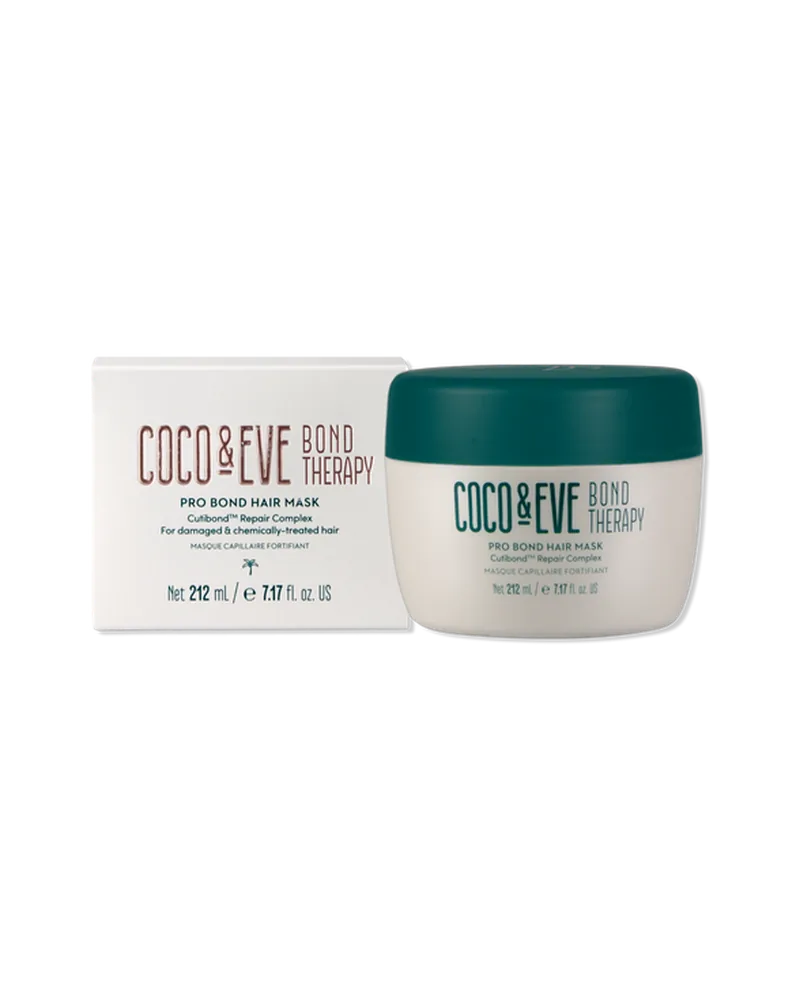 Coco & Eve · Mask / treatment
Bond Therapy Pro Bond Hair Mask
#3 on the label · $5.44/oz
Coco & Eve · Mask / treatment
Bond Therapy Pro Bond Hair Mask
#3 on the label · $5.44/oz
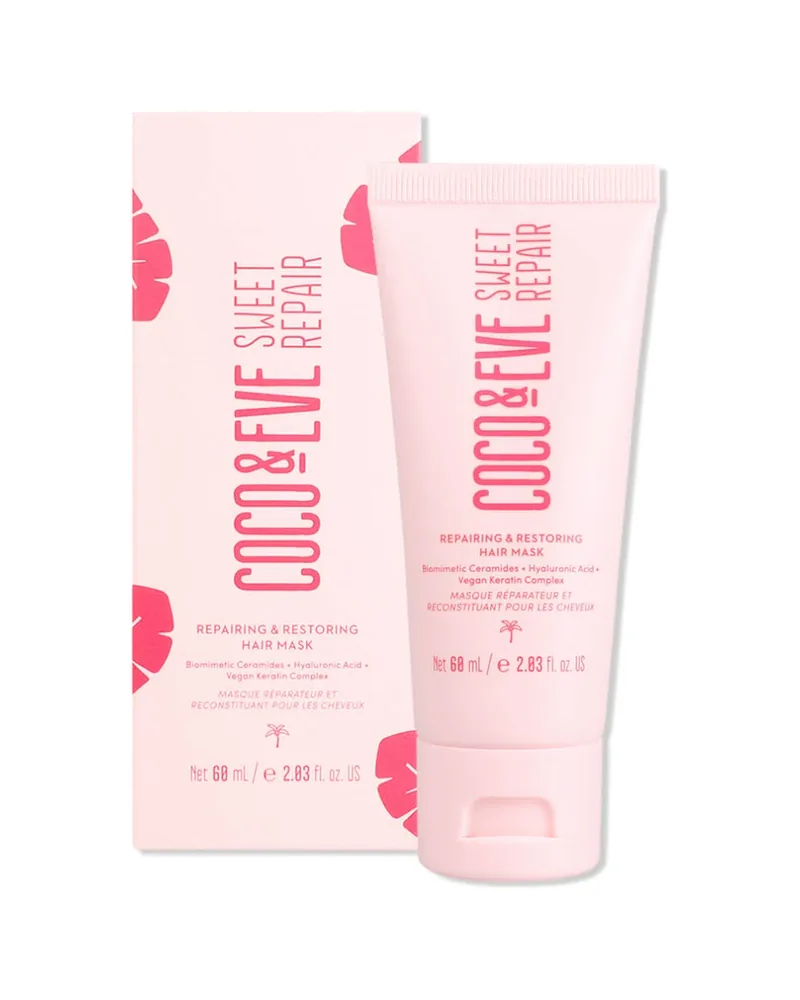 Coco & Eve · Mask / treatment
Sweet Repair Repairing & Restoring Hair Mask
#3 on the label · $4.71/oz
Coco & Eve · Mask / treatment
Sweet Repair Repairing & Restoring Hair Mask
#3 on the label · $4.71/oz
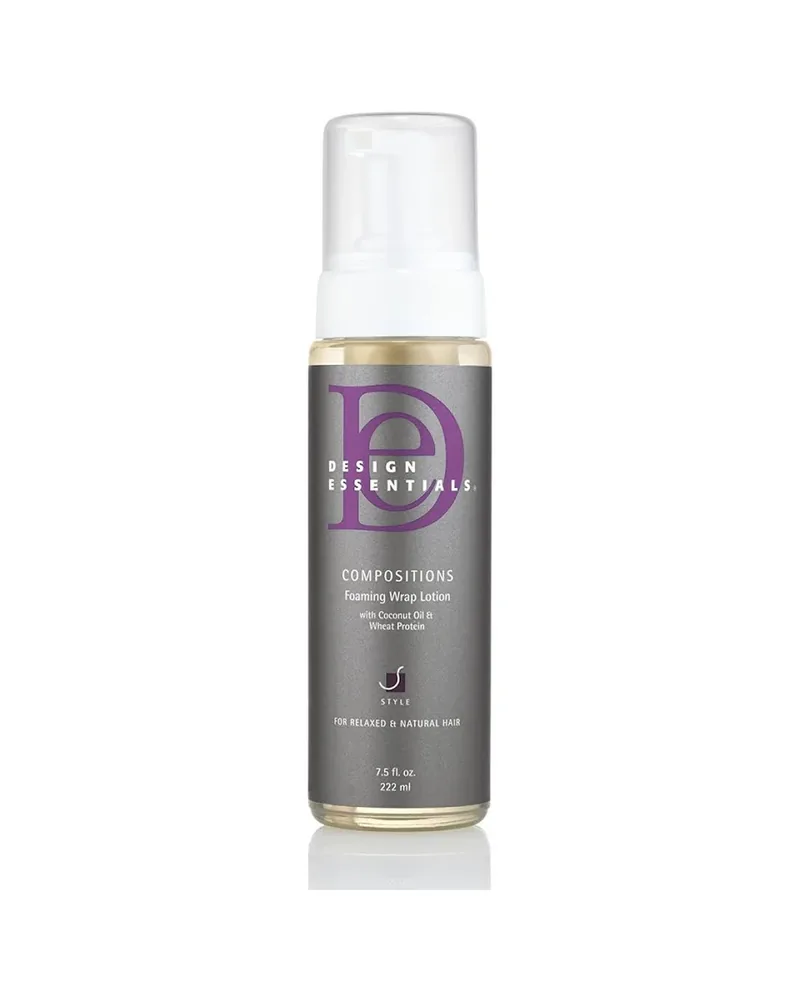 Design Essentials · Styler
Compositions Foaming Wrap Lotion
#3 on the label · $1.60/oz
Design Essentials · Styler
Compositions Foaming Wrap Lotion
#3 on the label · $1.60/oz
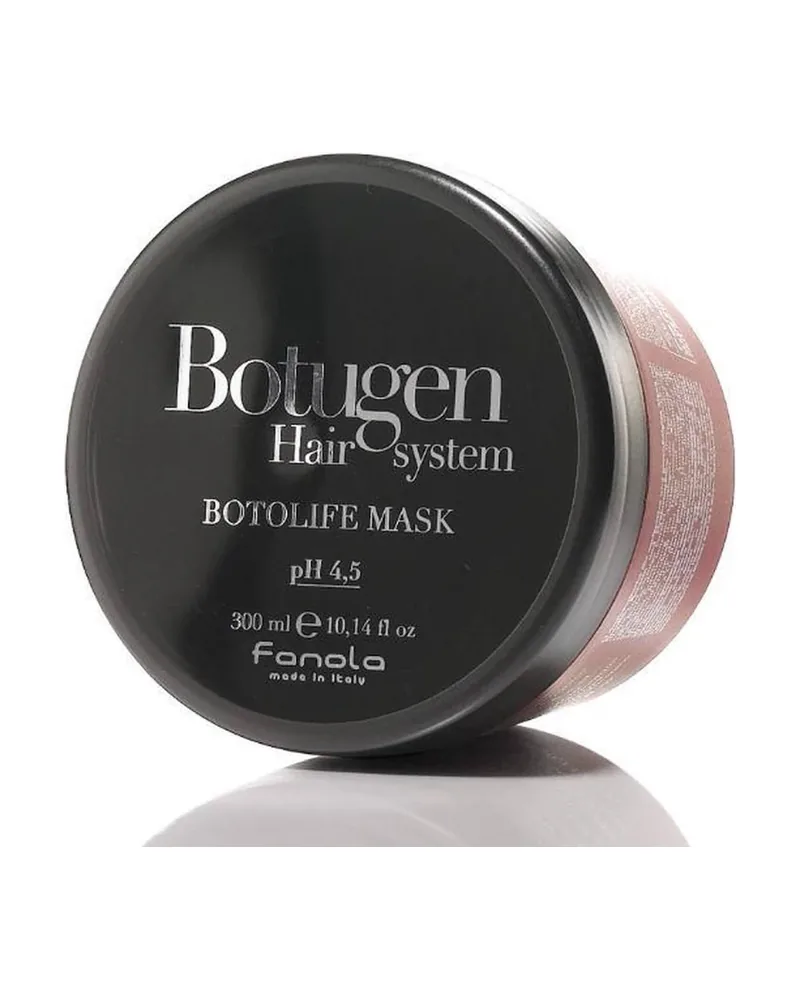 Fanola · Mask / treatment
Botugen Mask
#3 on the label · $1.18/oz
Fanola · Mask / treatment
Botugen Mask
#3 on the label · $1.18/oz
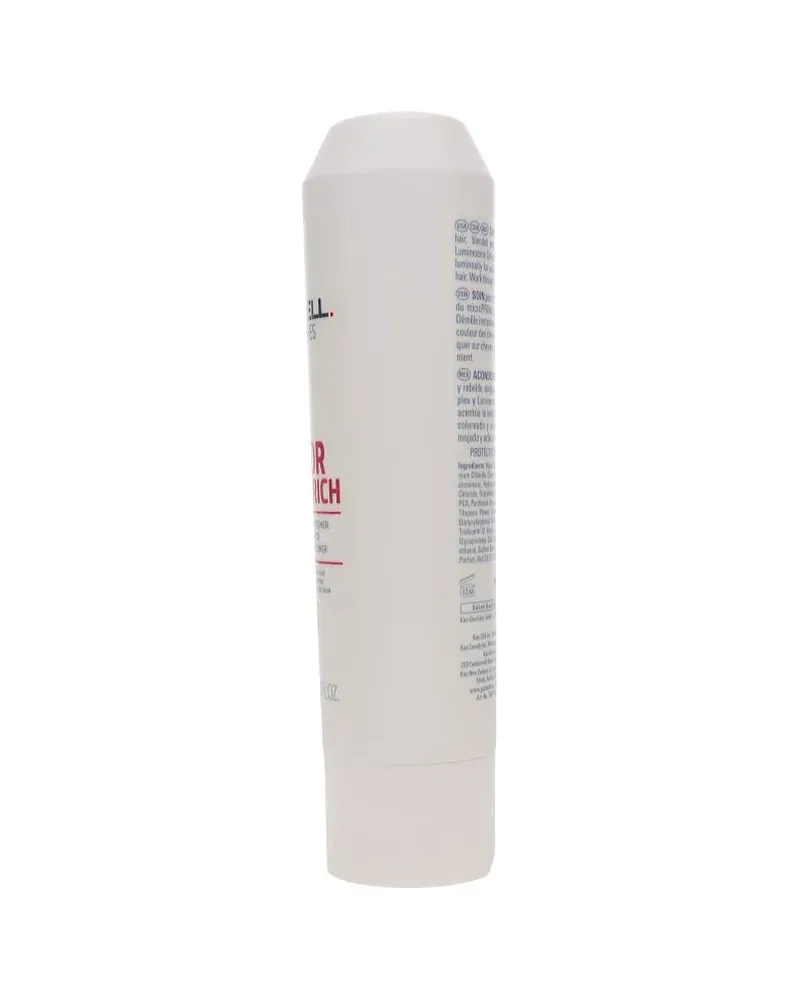 Goldwell · Conditioner
Color Extra Rich Brilliance Conditioner
#3 on the label · $2.15/oz
Goldwell · Conditioner
Color Extra Rich Brilliance Conditioner
#3 on the label · $2.15/oz
See all 792 products in the library that list Cetrimonium Chloride
Identity
What this entry is, and what our references call it.

Cetrimonium Chloride
- CAS 112-02-7
- PubChem 8154
- cleanser
- cetrimonium chloride



For your hair?
Whether Cetrimonium Chloride matters for your hair depends on your hair.
the 3rd most-listed conditioning agent in our libraryWhat this ingredient does, and where it sits on the labels we have researched.
A verdict on any product that contains it, and never a safety grade.
We do not physically test your hair. Everything above is read from the ingredient lists in our library and from published references — the consultation is what turns it into a plan.
References
Sourced Backed by a manufacturer or regulatory source.
This ingredient
- Manufacturer or regulatory International Journal of Cosmetic Science — Tham et al. (2026): the C16 cetrimonium chloride relies mainly on electrostatic binding and adsorbs less than the longer-chain C22 quats, which gain van der Waals stabilisation from the chain. · accessed 2026-08-30
- Manufacturer or regulatory PubChem — Compound identity: CID 8154, CAS 112-02-7, C19H42ClN · accessed 2026-08-28
How this page was made
- Every number above is counted from the ingredient lists in our own product library — 792 of 4008 researched products list this ingredient. Nothing on this page is written per ingredient.
- The dots are levels, not scores. Each one is read from what kind of ingredient it is — its chemical class, its charge, its solubility — or from where it sits on the labels we have.
- US labelling rules put ingredients above 1% in descending order of amount; below 1% they may be listed in any order. Position tells you about relative amount only above that line, and we never convert a position into a percentage.
- The prominence bands (leading, supporting, secondary) are the same ones the product pages use to read a single label, applied here to the median position across a category.
- We do not publish safety scores or hazard grades. Where a regulator has published a restriction or a use condition, we state it and cite it; otherwise we describe what the ingredient does and stop.
- Identifiers and references appear only when a published source is attached to this entry; where none is, the row is simply absent rather than filled in.
- This is cosmetic information, not medical advice, and nothing here diagnoses or treats a health condition.
- Entry last updated 2026-08-31. Product-page methodology: the product library.