Anti-frizz smoothing
Silicones or film formers smooth the cuticle, which is the usual mechanism.
- Dimethicone
- Cyclopentasiloxane
- Dimethiconol
Supported
Smoother strands, less frizz.
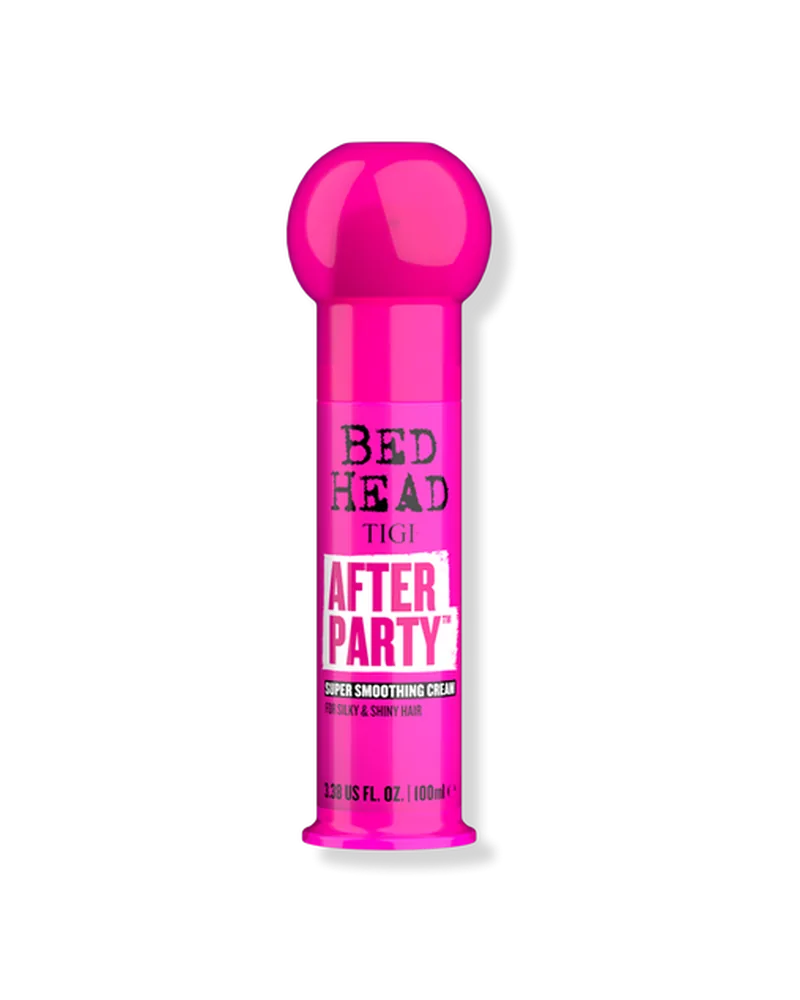
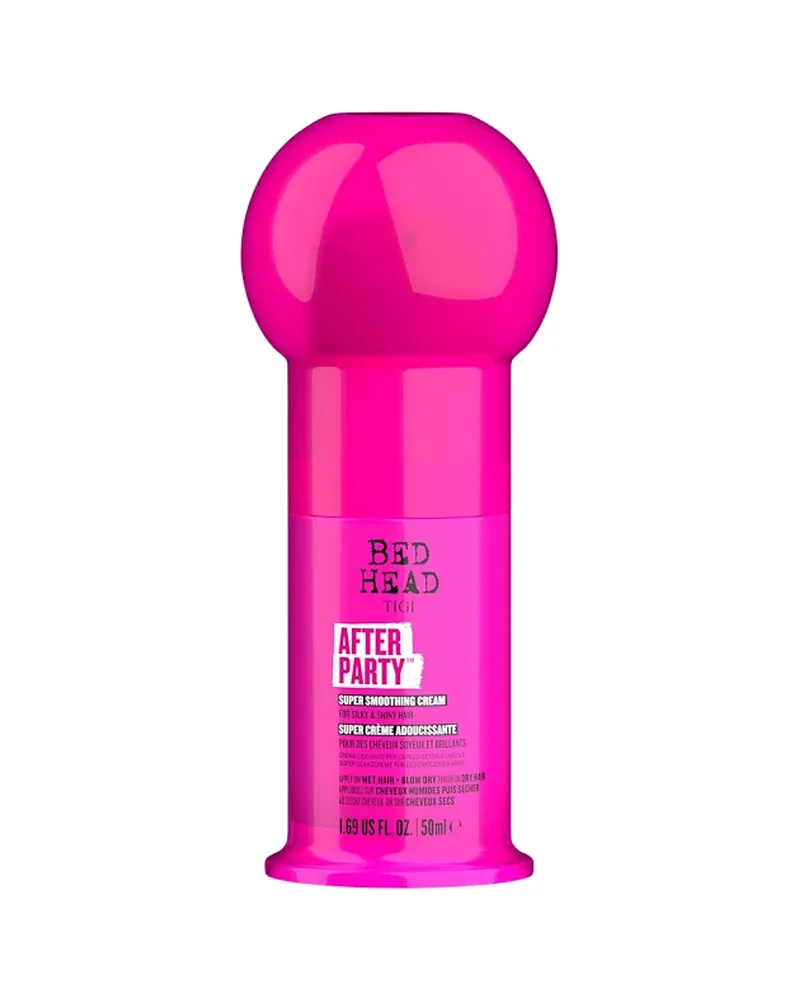
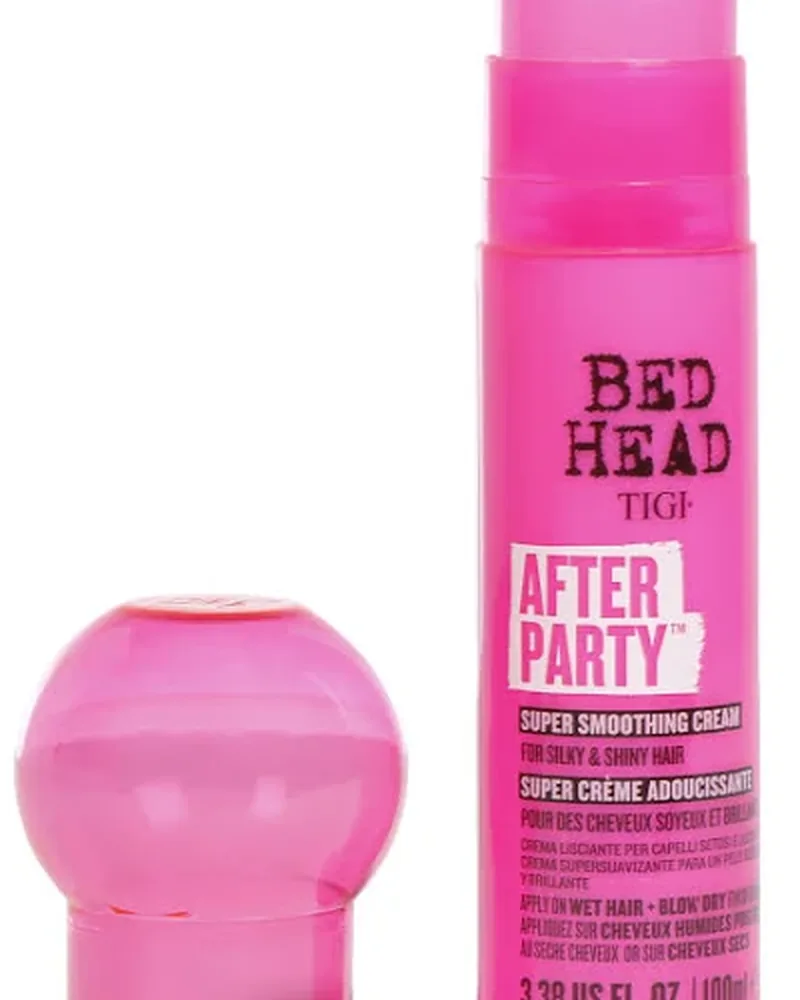
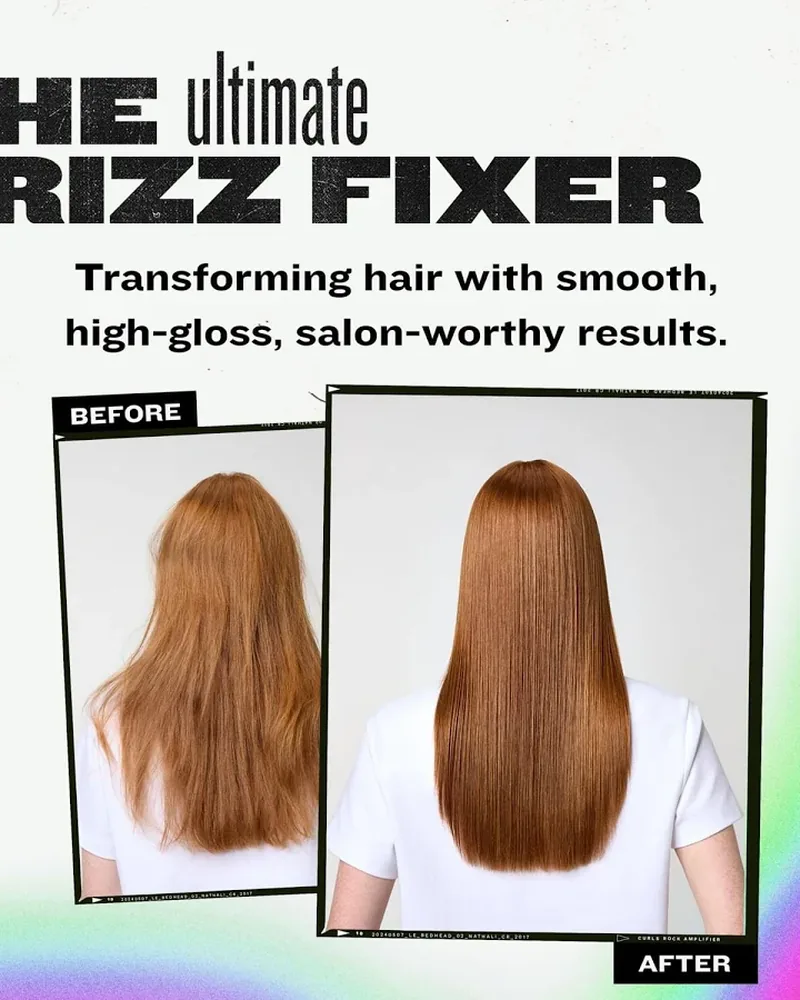
Styler / Smoothing cream, polymer-set
Scent:
The ingredient list declares fragrance. What it smells of is not stated, and we do not guess.
Listing used for research: ulta.com
Personal fit
Complete the consultation to see exactly how well this product fits your hair and your goals. With 2,400+ products in our library we can match exactly the right products to you.
$49.00 one-time consultation, no subscription
Add the optional $49/year membership for unlimited adjustments for changes in weather and lifestyle.
The rest of what your plan weighs on this product.
The consultation builds your hair profile, then reads every factor in this table against it — and tells you where this product fits, or what to use instead.
Start your consultation$49.00 once, for your consultation and hair profile. No subscription, no required purchases.
Your avoid-list
Upper-mid price for a smoothing cream
$5.43/oz at 3.38 oz — more than 51% of the 56 smoothing creams , which mostly run $3.70–7.10/oz. The cost less.
Great for
Maybe skip if
What the formula actually does
Each row says where it comes from: F means we derived it from this product’s own ingredient list, S means it is a claim the brand makes that the formula neither confirms nor contradicts.
Synthetic hold polymers — the firmest of the hold systems.
Film formers without much softening them — expect a cast to scrunch out.
Middle of the range — noticeable on fine hair, light on coarse hair.
No absorbent powders or starches.
No oils or butters in the list.
No fast-drying alcohol in the list.
Water-insoluble silicones or waxes: a detergent wash is what removes them.
Fragrance is listed; it sits below the working ingredients.
Ingredients that matter
The workhorse ingredients plus anything lower down that changes a decision. These chips name what an ingredient does — they are not safety scores, and no ingredient here is rated good or bad on its own.
| Ingredient | What it does | Why it matters | Chip |
|---|---|---|---|
| WaterWater (Aqua/Eau) | solvent | The base everything else is dissolved in | Neutral |
| Dimethicone | silicone | Smooths the cuticle and adds shine | Buildup |
| Cyclopentasiloxane | silicone | Smooths the cuticle and adds shine | Buildup |
| Dimethiconol | silicone | Smooths the cuticle and adds shine | Buildup |
| Acrylamide/Sodium Acryloyldimethyltaurate Copolymer | film former | Lays down the film that holds a shape | Holds |
| Phenyl Trimethicone | silicone | Smooths the cuticle and adds shine | Buildup |
| Propylene Glycol | humectant | Pulls water into the hair | Moisturizes |
| Isohexadecane | solvent | The base everything else is dissolved in | Softens |
| FragranceFragrance (Parfum) | fragrance | The scent | Fragrance |
| Peg-8 Methicone | emulsifier | Stabilises the mix | Buildup |
| Dimethicone PEG-8 Meadowfoamate | silicone | A little smoothing and shine | Buildup |
| Amyl Cinnamal | fragrance | The scent | Fragrance |
US labelling rules put ingredients above 1% in descending order of amount; below 1% they may be listed in any order. Annotations keep three readings separate: the ingredient's general function, its role in this product type, and what its position can support.
The base of almost every rinse-off and cream hair product. It carries everything else and is normally the first ingredient on the label.
Listed in the first three ingredients, it is likely a structural part of this formula.
The most common conditioning silicone. It coats the strand for shine, slip, and frizz control, and needs a detergent (not just water) to wash out.
Listed in the first three ingredients, it is likely a structural part of this formula.
A surface film slows how quickly humidity reaches the cortex, which is what limits swelling-driven frizz in damp air.
Lays a smooth film along the cuticle, which lowers combing friction and flattens the surface irregularities that read as frizz.
Dimethicone does not disperse in water. On a routine that skips detergent it stays on the hair and accumulates wash after wash.
A light, fast-evaporating silicone that spreads other ingredients then leaves. It gives serums their weightless glide.
Listed in the first three ingredients, it is likely a structural part of this formula.
It leaves the hair by evaporating rather than by being washed off, so it is not part of what accumulates.
A surface film slows how quickly humidity reaches the cortex, which is what limits swelling-driven frizz in damp air.
A cyclic silicone evaporates after it has spread the formula, so it carries the other ingredients without leaving weight behind.
A high-shine silicone often paired with dimethicone for a smoother, glossier finish.
Listed in positions 4–8, it likely makes a meaningful contribution alongside the formula's main ingredients.
A surface film slows how quickly humidity reaches the cortex, which is what limits swelling-driven frizz in damp air.
Lays a smooth film along the cuticle, which lowers combing friction and flattens the surface irregularities that read as frizz.
Dimethicone does not disperse in water. On a routine that skips detergent it stays on the hair and accumulates wash after wash.
A synthetic film-forming polymer. Polymers of this kind dry to a continuous film on the hair, which is how a styling product holds a shape.
Listed in positions 4–8, it likely makes a meaningful contribution alongside the formula's main ingredients.
A set polymer film is a physical barrier to humidity, so a style keeps its shape longer in damp conditions.
Synthetic film formers dry into a continuous film, which is what holds a shape against movement and against humid air.
Some acrylate copolymers rinse with water and some need a detergent; the label alone does not say which one a formula used.
A high-refractive silicone used specifically for visible shine in serums and finishing oils.
Listed in positions 4–8, it likely makes a meaningful contribution alongside the formula's main ingredients.
A surface film slows how quickly humidity reaches the cortex, which is what limits swelling-driven frizz in damp air.
Lays a smooth film along the cuticle, which lowers combing friction and flattens the surface irregularities that read as frizz.
Dimethicone does not disperse in water. On a routine that skips detergent it stays on the hair and accumulates wash after wash.
A small humectant and solvent that keeps formulas stable and helps active ingredients spread.
Listed in positions 4–8, it likely makes a meaningful contribution alongside the formula's main ingredients.
Light and water-binding rather than oily, so it hydrates without contributing weight.
A small water-binding solvent. It holds moisture and helps the rest of the formula spread evenly over the strand.
A humectant follows the air: it holds water in humid conditions and can give it up in very dry ones. Climate decides what it does more than the label does.
A light, quickly evaporating carrier that spreads silicones and oils thinly, then leaves.
Listed in positions 4–8, it likely makes a meaningful contribution alongside the formula's main ingredients.
Emollients fill and smooth the surface of the strand, which lowers the friction that lifts the cuticle and reads as roughness.
An undisclosed blend of scent ingredients. Regulations let it stay unlisted, so a fragrance-free product is the only way to be certain what is not in it.
It appears around or below the estimated 1% line, where label order no longer indicates relative amount; its role may be minor or technical.
Declared fragrance. On a fragrance-sensitive routine this is the line that decides it, wherever it sits on the label.
An ethoxylated or propoxylated formulation aid. Ingredients of this family keep oils, silicones and fragrance evenly dispersed in a water-based product.
It appears around or below the estimated 1% line, where label order no longer indicates relative amount; its role may be minor or technical.
The PEG- and PPG-modified silicones disperse in water, so ordinary washing carries them off instead of leaving a film to accumulate.
A surface film slows how quickly humidity reaches the cortex, which is what limits swelling-driven frizz in damp air.
Delivers the slip and surface smoothing of a silicone without needing a detergent wash to remove it afterwards.
A polyethylene glycol of the stated chain length, used as a carrier and to hold a little water. At this size it is a formulation aid, not an active.
It appears around or below the estimated 1% line, where label order no longer indicates relative amount; its role may be minor or technical.
Light and water-binding rather than oily, so it hydrates without contributing weight.
A small water-binding solvent. It holds moisture and helps the rest of the formula spread evenly over the strand.
A humectant follows the air: it holds water in humid conditions and can give it up in very dry ones. Climate decides what it does more than the label does.
A moisture-binding ingredient that occurs naturally in hair and skin.
It appears around or below the estimated 1% line, where label order no longer indicates relative amount; its role may be minor or technical.
High-porosity hair loses water fast; a humectant holds some of it in place for longer than the wash itself would.
Binds water into the outer layers of the strand, and water is what makes dry hair flexible again rather than brittle.
A humectant moves water in whichever direction the air allows: it holds moisture in humid conditions and can pull it back out of hair in very dry ones.
A silicone modified with meadowfoam oil, used for shine with a lighter feel.
It appears around or below the estimated 1% line, where label order no longer indicates relative amount; its role may be minor or technical.
A surface film slows how quickly humidity reaches the cortex, which is what limits swelling-driven frizz in damp air.
Lays a smooth film along the cuticle, which lowers combing friction and flattens the surface irregularities that read as frizz.
Provitamin B5. It draws in water and penetrates the strand a little, which is why it is the standard ingredient for softness and shine claims.
It appears around or below the estimated 1% line, where label order no longer indicates relative amount; its role may be minor or technical.
It hydrates without adding oil or a film, which is the combination fine hair usually needs.
Deposits a lubricating layer that makes combing easier, which is most of what stops mechanical damage adding to frizz.
A humectant that also penetrates the cuticle, so it holds water inside the strand rather than only on the surface.
A conditioning agent that binds to hair and is also used to help shield it from sun exposure.
It appears around or below the estimated 1% line, where label order no longer indicates relative amount; its role may be minor or technical.
A cationic conditioning agent: it binds to the damaged, negatively charged parts of the cuticle and lowers combing friction there.
Sunlight oxidises hair pigment, and on gray, silver or lightened hair that shows up as yellowing. A UV filter on the label absorbs some of the light that drives it.
The class that does the detangling in a conditioner. It deposits lubrication where the cuticle is worn.
A jasmine-like fragrance component named separately as a recognised allergen.
It appears around or below the estimated 1% line, where label order no longer indicates relative amount; its role may be minor or technical.
One of the 26 scent components the EU requires to be named individually above a threshold. It is named because it is a known contact allergen, not because it is unusual.
A soft floral fragrance component listed separately as a recognised allergen.
It appears around or below the estimated 1% line, where label order no longer indicates relative amount; its role may be minor or technical.
One of the 26 scent components the EU requires to be named individually above a threshold. It is named because it is a known contact allergen, not because it is unusual.
A lemon-scented fragrance component listed separately as a recognised allergen.
It appears around or below the estimated 1% line, where label order no longer indicates relative amount; its role may be minor or technical.
One of the 26 scent components the EU requires to be named individually above a threshold. It is named because it is a known contact allergen, not because it is unusual.
A rose-like fragrance component named separately as a recognised allergen.
It appears around or below the estimated 1% line, where label order no longer indicates relative amount; its role may be minor or technical.
One of the 26 scent components the EU requires to be named individually above a threshold. It is named because it is a known contact allergen, not because it is unusual.
A rose-scented fragrance component, listed on its own because some people react to it.
It appears around or below the estimated 1% line, where label order no longer indicates relative amount; its role may be minor or technical.
One of the 26 scent components the EU requires to be named individually above a threshold. It is named because it is a known contact allergen, not because it is unusual.
A jasmine-like fragrance component named separately as a recognised allergen.
It appears around or below the estimated 1% line, where label order no longer indicates relative amount; its role may be minor or technical.
One of the 26 scent components the EU requires to be named individually above a threshold. It is named because it is a known contact allergen, not because it is unusual.
A soft floral fragrance component named separately as a recognised allergen.
It appears around or below the estimated 1% line, where label order no longer indicates relative amount; its role may be minor or technical.
One of the 26 scent components the EU requires to be named individually above a threshold. It is named because it is a known contact allergen, not because it is unusual.
A citrus-smelling fragrance component that EU rules require to be named separately because some people react to it.
It appears around or below the estimated 1% line, where label order no longer indicates relative amount; its role may be minor or technical.
One of the 26 scent components the EU requires to be named individually above a threshold. It is named because it is a known contact allergen, not because it is unusual.
A floral fragrance component listed separately as a recognised contact allergen.
It appears around or below the estimated 1% line, where label order no longer indicates relative amount; its role may be minor or technical.
One of the 26 scent components the EU requires to be named individually above a threshold. It is named because it is a known contact allergen, not because it is unusual.
A certified colour that tints the product itself. It does not colour hair.
It appears around or below the estimated 1% line, where label order no longer indicates relative amount; its role may be minor or technical.
A violet or blue colorant sits opposite yellow on the colour wheel, so a trace of it deposited on the surface makes a warm cast read cooler. It washes out over the following few washes.
A white mineral pigment that makes a product opaque or pearly.
It appears around or below the estimated 1% line, where label order no longer indicates relative amount; its role may be minor or technical.
A violet or blue colorant sits opposite yellow on the colour wheel, so a trace of it deposited on the surface makes a warm cast read cooler. It washes out over the following few washes.
Ingredient list captured 2026-08-27. Formulas change — check the package in your hand when an ingredient matters to you.
Price · 3.38 oz
Priced above the products that do the same job. Stores sell it above the $12 line; products that do this job typically go for about $13 at this size.
Sorted by price per ounce. Dated observations from our research, not live prices. Direct store pages, no affiliate links. We don’t sell this product.
Formula
The formula carries the systems a smoothing cream is built around, and it sits in the middle of the range for smoothing creams per ounce.
The formula score is completeness for the job: the share of the systems this product type is normally built around that we can find in this list, weighted. It is not efficacy, not quality, and it never compares across product types.
Does the same job, for less
Same derived functions — what it cleans, conditions, coats or holds — at a lower cost per ounce. Scent, texture and where you buy it can still differ.
See more alternatives in the product library
These are functional neighbours, not personal recommendations — they are close on formula, not chosen for anyone. Get the one that fits your hair, routine, and budget

Final decision
Hair that stiffens on protein — for a protein-free formula and moisture that stays in
Worth skipping for anyone sensitive to fragrance, curly-method routines, or anyone who will not scrunch out a cast
We do not sell products or take placement fees. This page states what the formula and the prices show; the consultation is what matches it to a person.
Claims check
Claims are quoted from the brand. We only mark one supported, partly supported, or conflicting when the ingredient list actually speaks to it; everything else stays "stated by the brand", which is not a criticism — most claims simply cannot be read off a label.
Anti-frizz smoothing
Silicones or film formers smooth the cuticle, which is the usual mechanism.
Smoother strands, less frizz.
Shine enhancement
The formula carries a recognised shine system — silicone, oil, or light ester.
Reflects light for visible shine.
Lightweight formula
A mid-weight formula: light on coarse hair, noticeable on fine hair.
Depends how fine your hair is.
We look at the first 10–15 ingredients and what they do in a formula — not marketing. If the list doesn't speak to a claim, we don't assume.
Reviewers
Recurring themes our researchers wrote in their own words from sourced reviews. We do not store or scrape star ratings.
Frizz dropped by more than half after starting to use it, hair looks shinier and healthier without feeling greasy
Ulta 5-star reviewerOverall rating trends strongly positive (4.5/5 across 340 reviews, 96% would recommend)
Aggregate Ulta review dataHair still ends up frizzy even with regular use, and fine hair can't tolerate more than a small amount before it feels weighed down
Ulta 2-star reviewer with fine hair