NAMED FRAGRANCE ALLERGEN
Hexyl Cinnamal
- named fragrance allergen
A jasmine-like fragrance component named separately as a recognised allergen.
- products in our library
- 1449
- of researched products
- 21%
- on the label, in our shampoos
- usually #25
- most common in
- Shampoo
- in water
- Oil-soluble
At a glance
Four things worth knowing about how this ingredient behaves on hair.
How much of it is left on hair between washes.
What it takes to get it off the hair again.
How specifically the label has to name it.
Where it sits on the labels we have, in the category it appears in most.
| Property | Level | Out of |
|---|---|---|
| Buildup risk | Needs a cleanser | 4 of 5 |
| Rinse-out behaviour | Rinses with a cleanser | 2 of 5 |
| Declaration | Named allergen | 5 of 5 |
| Prominence | Secondary | 2 of 5 |
What it does for a formula
What Hexyl Cinnamal does
The general function first, then how the role changes by product type where we have researched it.
A declared blend: the individual components are not named unless rules require it.
EU rules require this one to be listed by name rather than inside "fragrance".
It takes a surfactant to remove, which matters on a low-detergent routine.
Charge
Charge is not recorded for this ingredient.
Solubility
Needs a surfactant to remove. On a low-detergent routine it can build up over time.
Where it appears
Where it appears
One row per product category in our library: how many products list it, what share of that category that is, and where it typically sits on the label.
| Product type | How common | Typical position on label ? |
|---|---|---|
Shampoo
290 products
|
secondary · #25 | |
Conditioner
240 products
|
secondary · #25 | |
Leave-in
163 products
|
secondary · #24 | |
Mask / treatment
119 products
|
secondary · #26 | |
Styler: hairspray
71 products
|
secondary · #15 | |
Heat protectant
63 products
|
secondary · #22 | |
Styler: mousse
57 products
|
secondary · #23 | |
Styler: gel
56 products
|
secondary · #21 | |
Finisher: oil
50 products
|
secondary · #16 | |
Styler: curl cream
48 products
|
secondary · #29 |
15 more product types
| Product type | How common | Typical position on label ? |
|---|---|---|
Styler: paste
43 products
|
secondary · #24 | |
Finisher: serum
39 products
|
secondary · #17 | |
Styler: volumizer
34 products
|
secondary · #23 | |
Dry shampoo
31 products
|
secondary · #19 | |
Scalp treatment
29 products
|
secondary · #26 | |
Finisher: shine spray
28 products
|
secondary · #16 | |
Styler: smoothing cream
24 products
|
secondary · #28 | |
Styler: texture spray
21 products
|
secondary · #18 | |
Co-wash
10 products
|
secondary · #27 | |
Finisher: anti frizz finish
9 products
|
secondary · #22 | |
Styler: refresh spray
9 products
|
secondary · #25 | |
Styler: lotion
7 products
|
secondary · #22 | |
Styler: edge control
6 products
|
secondary · #26 | |
Finisher: end oil
1 product
|
supporting · #7 | |
Relaxer
1 product
|
secondary · #29 |
| Product type | Products | Share of category | Median position | Earliest position | Band |
|---|---|---|---|---|---|
| Shampoo | 290 | 19% | 25 | 12 | secondary |
| Conditioner | 240 | 21% | 25 | 10 | secondary |
| Leave-in | 163 | 24% | 24 | 8 | secondary |
| Mask / treatment | 119 | 20% | 26 | 10 | secondary |
| Styler: hairspray | 71 | 29% | 15 | 8 | secondary |
| Heat protectant | 63 | 31% | 22 | 6 | secondary |
| Styler: mousse | 57 | 28% | 23 | 13 | secondary |
| Styler: gel | 56 | 21% | 21 | 11 | secondary |
| Finisher: oil | 50 | 18% | 16 | 6 | secondary |
| Styler: curl cream | 48 | 21% | 29 | 12 | secondary |
| Styler: paste | 43 | 22% | 24 | 10 | secondary |
| Finisher: serum | 39 | 28% | 17 | 4 | secondary |
| Styler: volumizer | 34 | 23% | 23 | 7 | secondary |
| Dry shampoo | 31 | 24% | 19 | 8 | secondary |
| Scalp treatment | 29 | 10% | 26 | 11 | secondary |
| Finisher: shine spray | 28 | 27% | 16 | 8 | secondary |
| Styler: smoothing cream | 24 | 30% | 28 | 14 | secondary |
| Styler: texture spray | 21 | 21% | 18 | 9 | secondary |
| Co-wash | 10 | 10% | 27 | 13 | secondary |
| Finisher: anti frizz finish | 9 | 28% | 22 | 10 | secondary |
| Styler: refresh spray | 9 | 26% | 25 | 13 | secondary |
| Styler: lotion | 7 | 19% | 22 | 14 | secondary |
| Styler: edge control | 6 | 16% | 26 | 15 | secondary |
| Finisher: end oil | 1 | 13% | 7 | 7 | supporting |
| Relaxer | 1 | 25% | 29 | 29 | secondary |
We have not researched differences by product type yet. The reading below comes from where it sits on the labels in our library.
Position footprint
Every listing in our library, by position on the label.
| Positions | Zone | Listings |
|---|---|---|
| 1-3 | Leading | 0 |
| 4-8 | Supporting | 21 |
| 9-15 | Secondary | 238 |
| 16-25 | Lower | 592 |
| 26+ | Trace | 598 |
How to read this
US labelling rules put ingredients above 1% in descending order of amount; below 1% they may be listed in any order.
So position tells you about relative amount only above that line, and we never convert a position into a percentage.
Who should pay attention
Formulation guidance for specific hair conditions, limited to the label positions where it applies. It is not a conclusion about any finished product, or about you.
One of the 26 scent components the EU requires to be named individually above a threshold. It is named because it is a known contact allergen, not because it is unusual.
Read from this ingredient’s chemical class. Where we have researched the ingredient itself, that reading replaces the class one.
Why it matters to shoppers
What seeing this ingredient tells you, what it does not, and the limits of our own method.
- a scented product
- scent components named individually
- something that lasts through the day
- an exact safety score (we do not publish one for any ingredient)
- how a finished product performs, which depends on the whole formula, not one line of it
- the exact percentage in a bottle, because label position never converts into a number
- a secondary fragrance, listed below the main ingredients in our shampoos
- it was on the printed ingredient list of every product we counted (we read labels, not marketing copy)
- that the product will suit you if you react to scent
- that it is riskier than the unnamed components of a fragrance blend
- that a product is right or wrong for you
We do not publish safety scores or hazard grades. Where a regulator has published a restriction or a use condition, we state it and cite it; otherwise we describe what the ingredient does and stop.
Commonly paired with
The ingredients that most often appear alongside this one in our library. We leave out the near-universal ones, because they pair with everything and tell you nothing.
- Citronellol · 595
- Benzyl Alcohol · 519
- Benzyl Salicylate · 485
- Ethylhexylglycerin · 427
- Geraniol · 394
- Cetrimonium Chloride · 394
- Propylene Glycol · 385
- Behentrimonium Chloride · 355
- Disodium EDTA · 348
- Tocopherol · 346
The number beside a name is how many products in our library list both.
These ingredients tend to appear together to give it a scent, carry the formula and let it dry, and soften the strand.
Found in these products
The most prominent placements first. The badge is the position on that product’s own ingredient list.
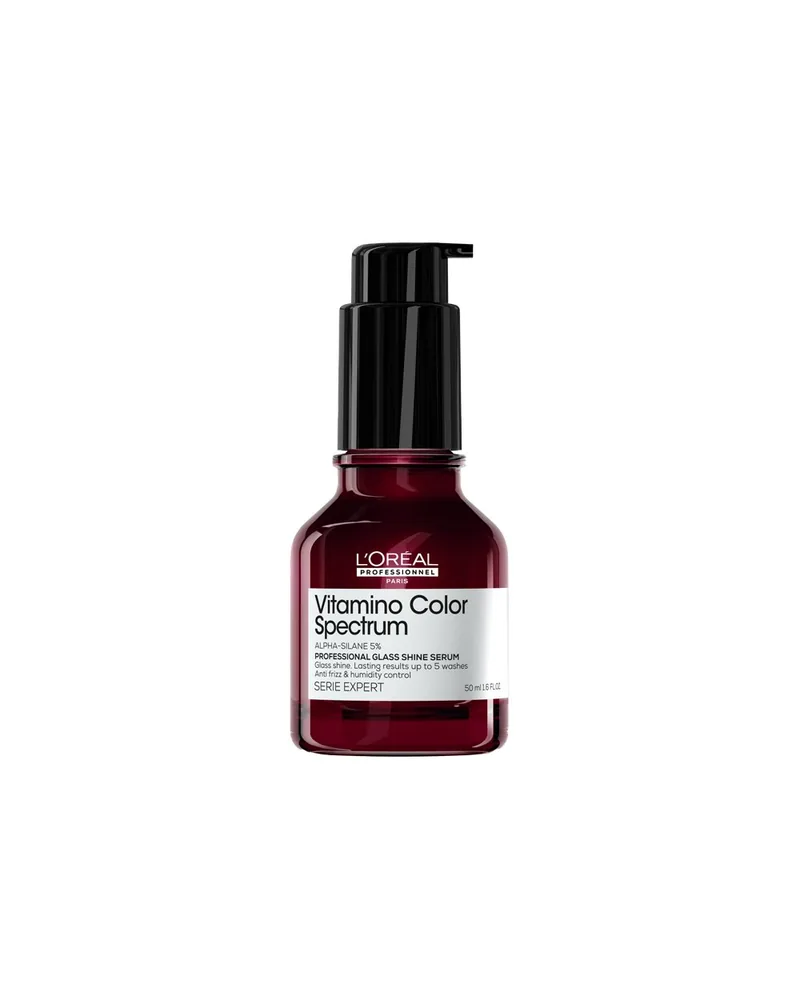 L'Oreal Professionnel · Finisher
[Vitamino Color Spectrum] Glass Shine Serum
#4 on the label · $21.87/oz
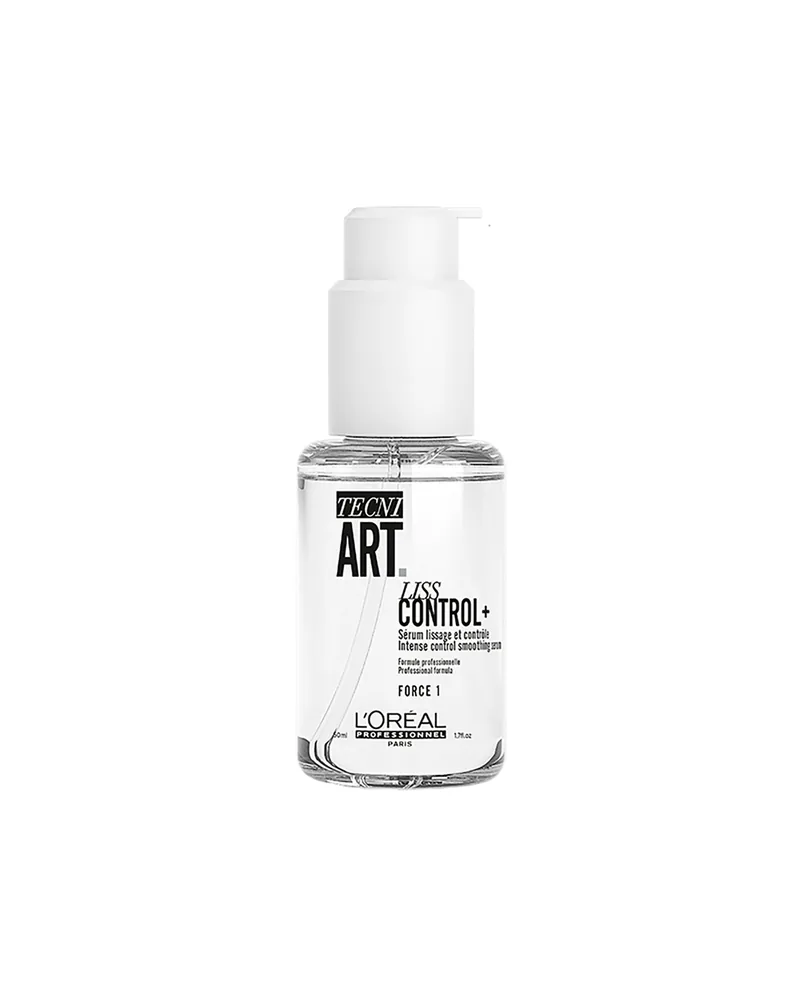 L'Oreal Professionnel · Finisher
[TECNI.ART] Liss Control +
#5 on the label · $17.65/oz
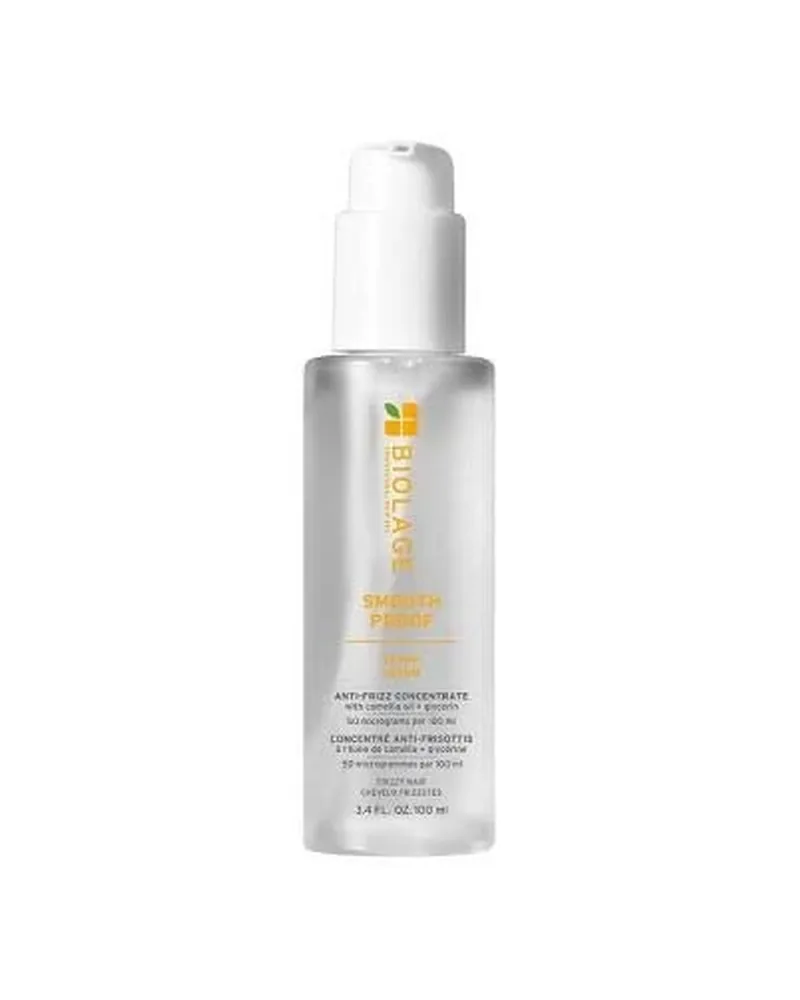 Biolage · Finisher
Smooth Proof Hair Serum for Anti-Frizz and Hair Shine
#6 on the label · $8.53/oz
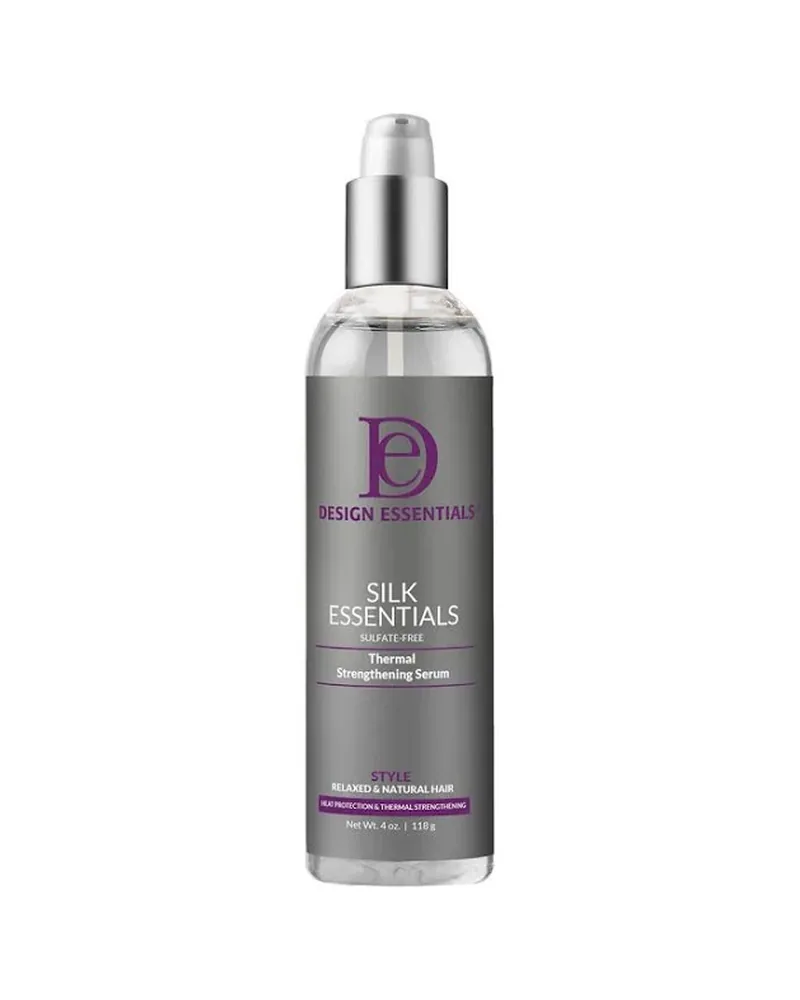 Design Essentials · Finisher
Silk Essentials Thermal Strengthening Serum
#6 on the label · $5.63/oz
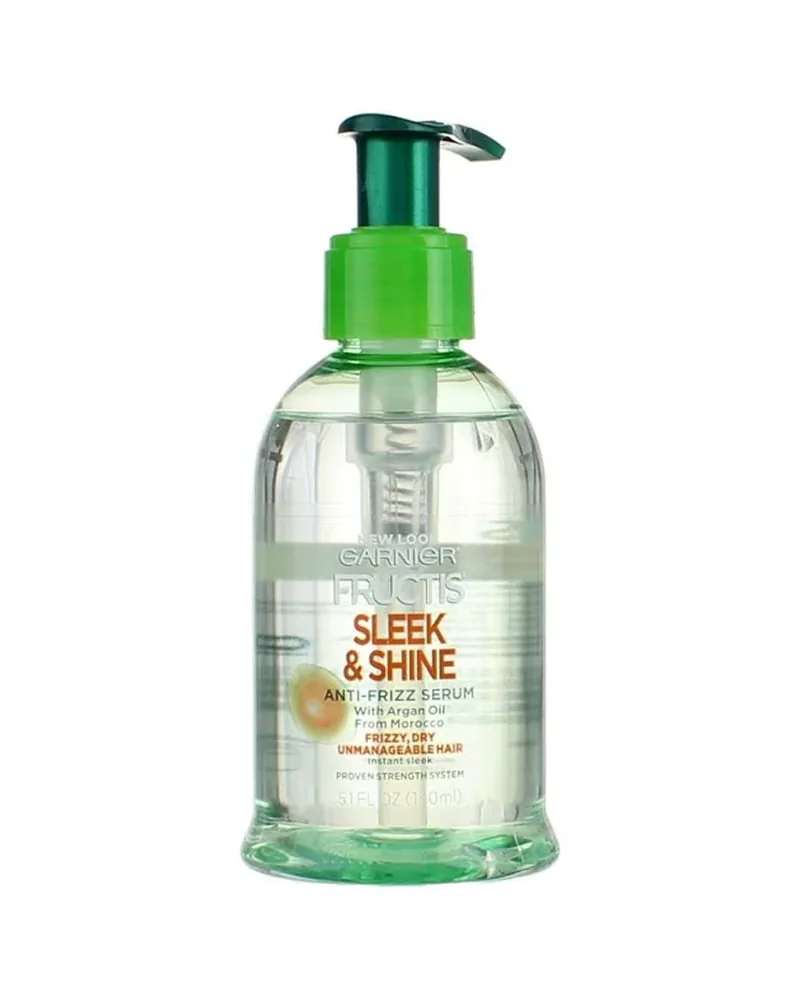 Garnier Fructis · Finisher
Sleek & Shine Anti-Frizz Serum
#6 on the label · $1.96/oz
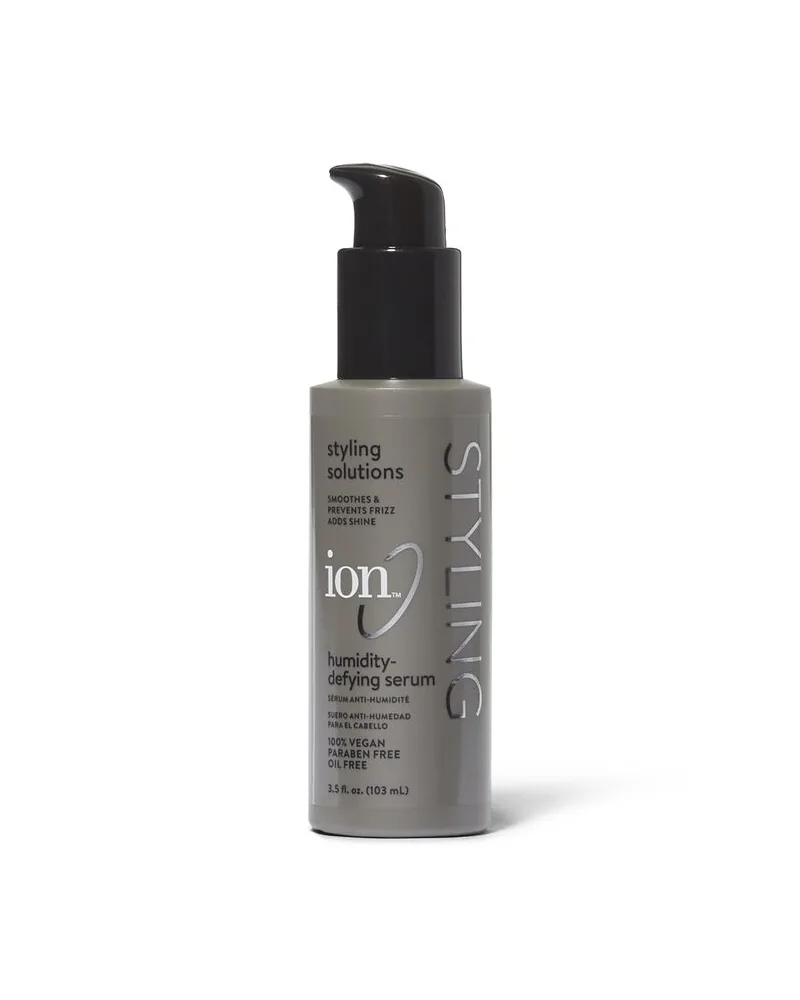 ion · Finisher
Humidity-Defying Serum
#6 on the label · $3.28/oz
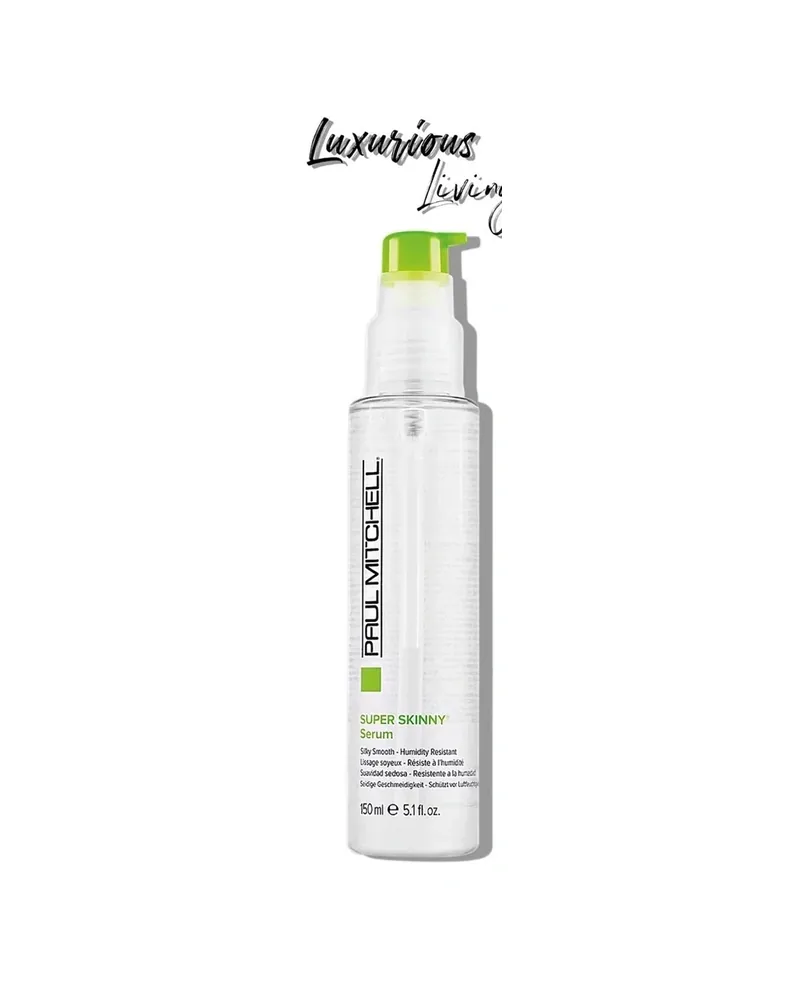 Paul Mitchell · Heat protectant
Super Skinny Serum
#6 on the label · $4.17/oz
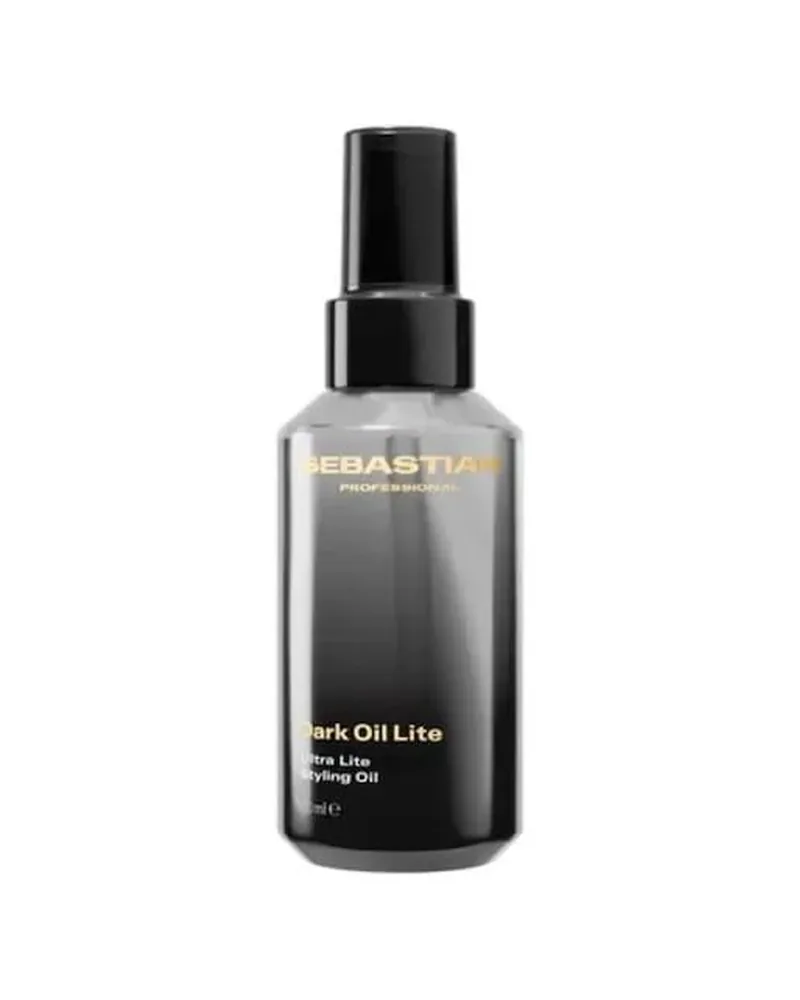 Sebastian · Finisher
Dark Oil Lite
#6 on the label · $13.77/oz
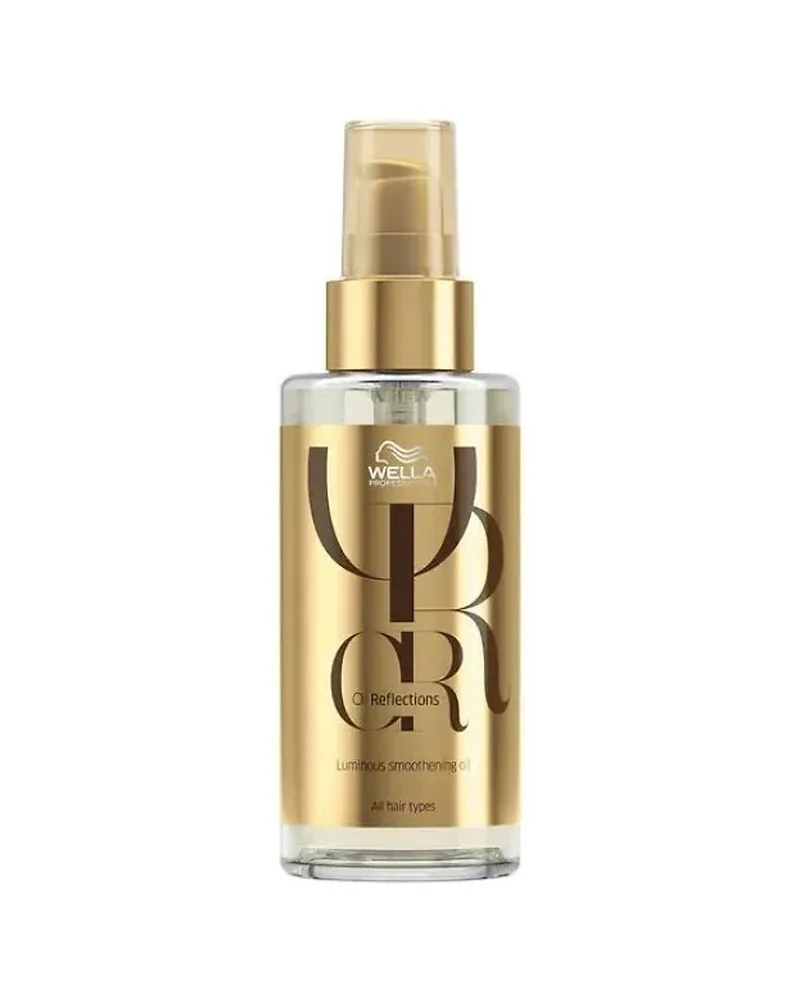 Wella · Finisher
Oil Reflections Luminous Smoothing Oil
#6 on the label · $6.94/oz
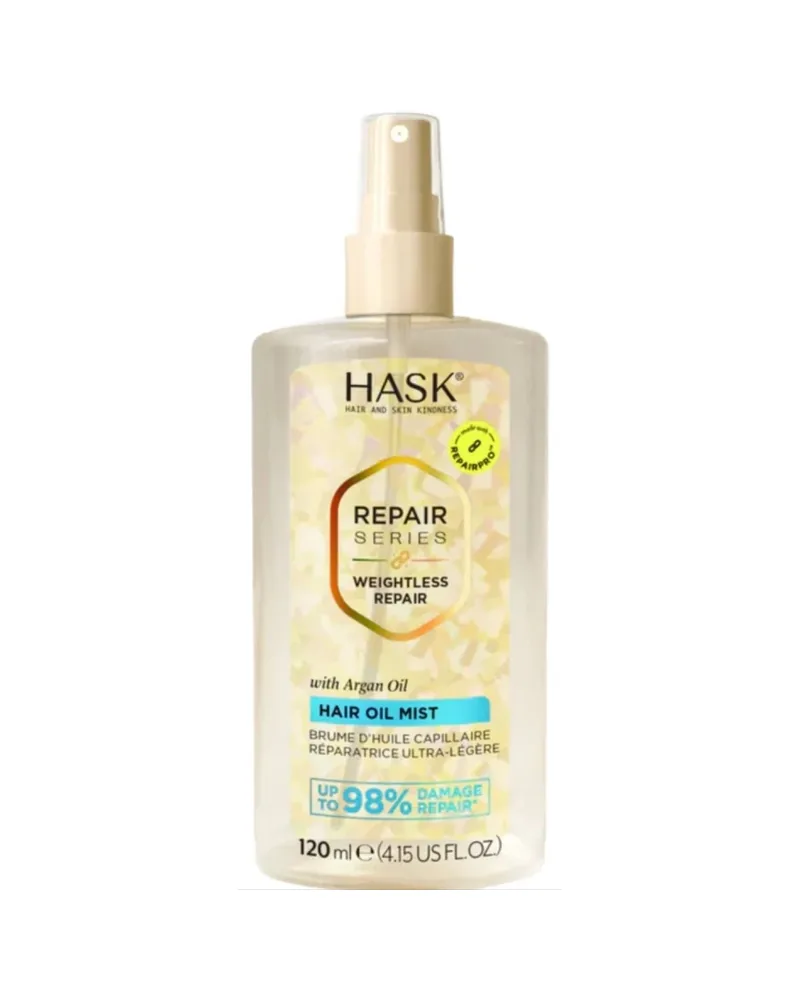 Hask · Finisher
Repair Series Weightless Repair Oil Mist
#7 on the label · $3.17/oz
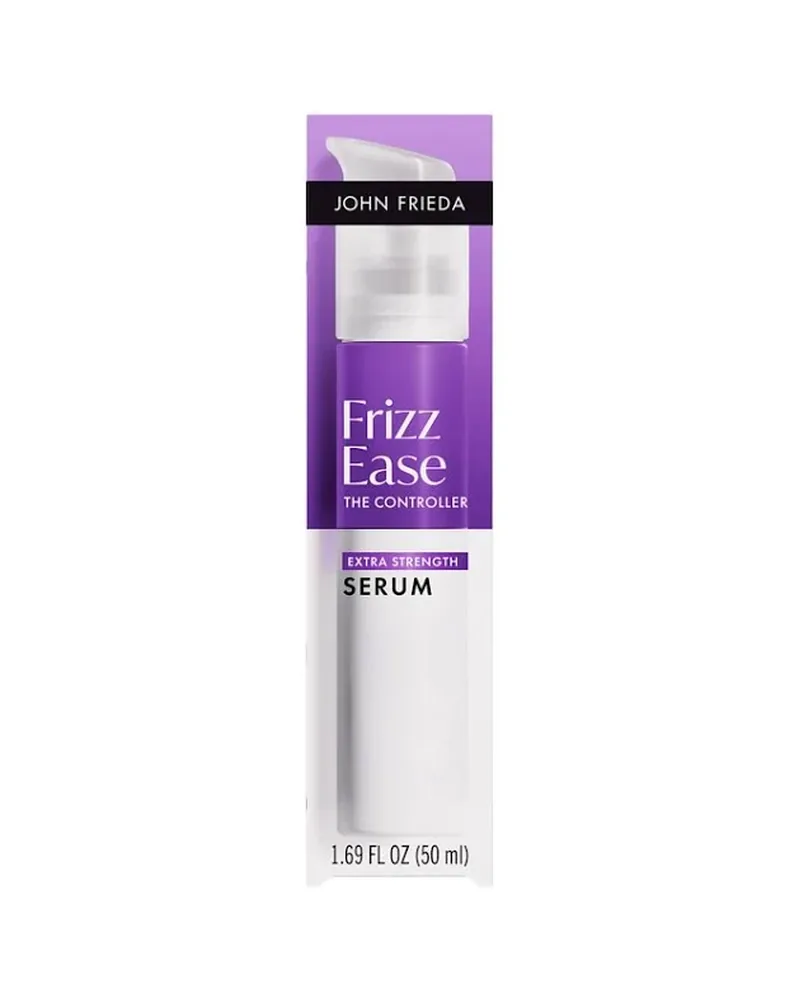 John Frieda · Finisher
Frizz Ease The Controller Extra Strength Serum
#7 on the label · $7.04/oz
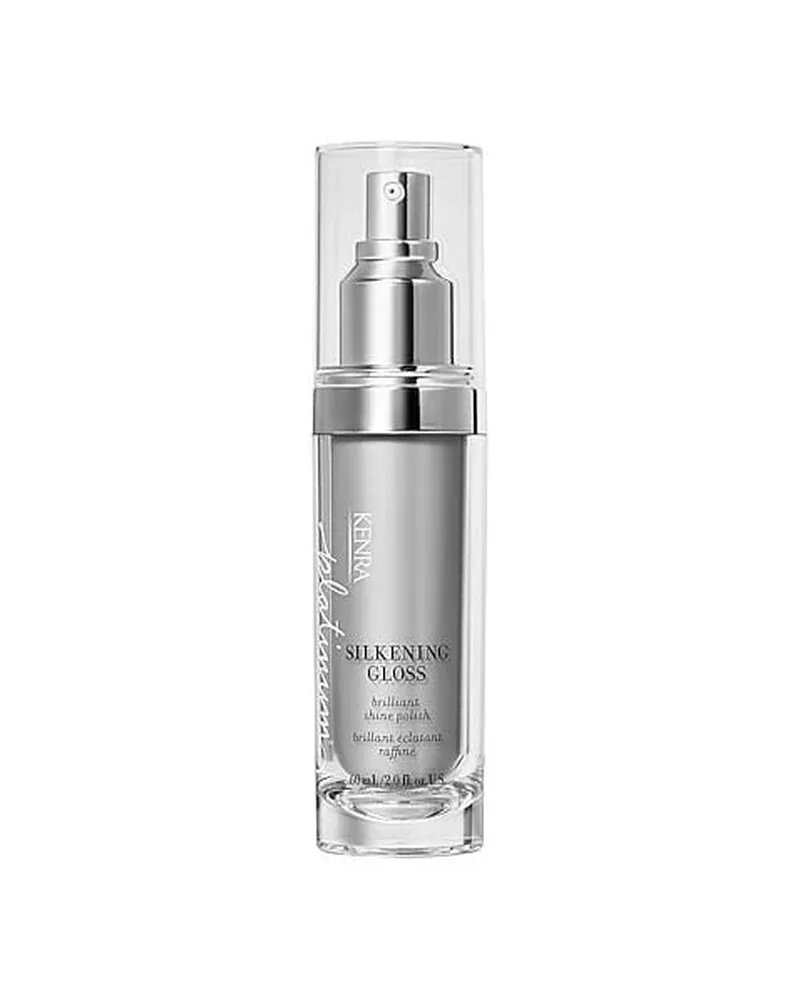 Kenra Professional · Finisher
Platinum Silkening Gloss
#7 on the label · $14.50/oz
See all 1449 products in the library that list Hexyl Cinnamal
Identity
What this entry is, and what our references call it.
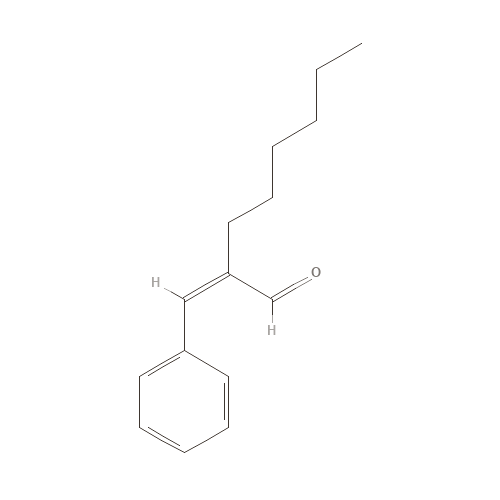
Hexyl Cinnamal
- CAS 364364-06-7
- PubChem 1715135
- fragrance
- hexyl cinnamal
- hexyl cinnamal (hexyl cinnamic aldehyde)
- hexyl cinnamalᵻ
- hexyl cinnamic aldehyde
- hexylcinnamal

For your hair?
Whether Hexyl Cinnamal matters for your hair depends on your hair.
the 4th most-listed fragrance ingredient in our libraryWhat this ingredient does, and where it sits on the labels we have researched.
A verdict on any product that contains it, and never a safety grade.
We do not physically test your hair. Everything above comes from the ingredient lists in our library and from published references. The consultation is what turns it into a plan.
References
Sourced Backed by a manufacturer or regulatory source.
This ingredient
- Manufacturer or regulatory PubChem : Compound identity: CID 1715135, CAS 364364-06-7, C15H20O · accessed 2026-08-28
How this page was made
- Every number above is counted from the ingredient lists in our own product library: 1449 of 6816 researched products list this ingredient. Nothing on this page is written per ingredient.
- The dots are levels, not scores. Each one comes from what kind of ingredient it is (its chemical class, charge and solubility) or from where it sits on the labels we have.
- US labelling rules put ingredients above 1% in descending order of amount; below 1% they may be listed in any order. Position tells you about relative amount only above that line, and we never convert a position into a percentage.
- The prominence bands (leading, supporting, secondary) are the same ones the product pages use to read a single label, applied here to the median position across a category.
- We do not publish safety scores or hazard grades. Where a regulator has published a restriction or a use condition, we state it and cite it; otherwise we describe what the ingredient does and stop.
- Identifiers and references appear only when a published source is attached to this entry. Without one, we leave the row out rather than fill it in.
- This is cosmetic information, not medical advice, and nothing here diagnoses or treats a health condition.
- Entry last updated 2026-09-22. Product-page methodology: the product library.