Hair Care Guides

Your hair is changing. So is your time.
A small routine that fits is enough.

A few months after having a baby, a lot of people notice more hair in the brush and far less time to deal with it. Both are common. The aim here isn’t a perfect routine, it’s a short one you can actually keep.

Your personal hair-care planProduct choices, routines and answers shaped around your hair.$49one-timeStart my consultation
A woman supporting a hair section while brushing its ends at home.
A small routine that fits is enough.

What is going on

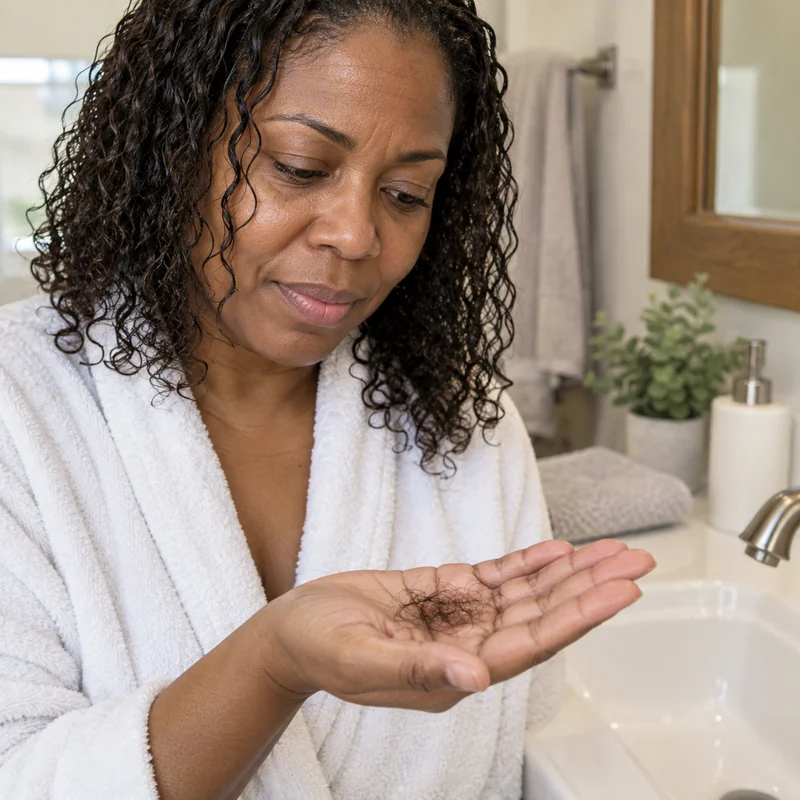
A woman looking at loose shed hairs in her palm after washing.

Shedding often picks up after the birth

Extra shedding usually starts a few months after the birth and settles as the hair cycle readjusts. Most people have their usual fullness back by their child’s first birthday. Meanwhile, keep the routine familiar and gentle.

A woman with curls writing a routine note beside her hair-care products.

A short routine still counts

Pick the wash and detangling steps you can manage with the help and time you actually have. Keep the products you really use together, so starting doesn’t mean digging through a shelf.

What helps, day to day

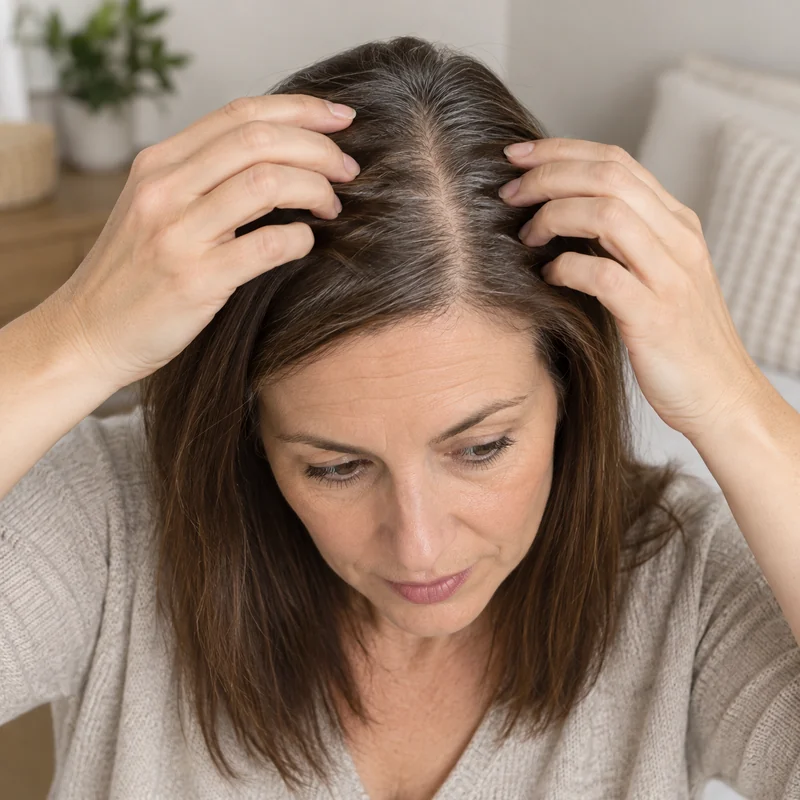
A woman gently separating her hair to check a wider central part.

Your usual style looks less full

  • A little lightweight hold at the roots and rich conditioner only on the tangled ends can bring some of it back.
  • A looser part or a simpler cut often makes everyday styling quicker.
  • Keep washing when your scalp needs it, even if the loose hairs in the shower are hard to look at.
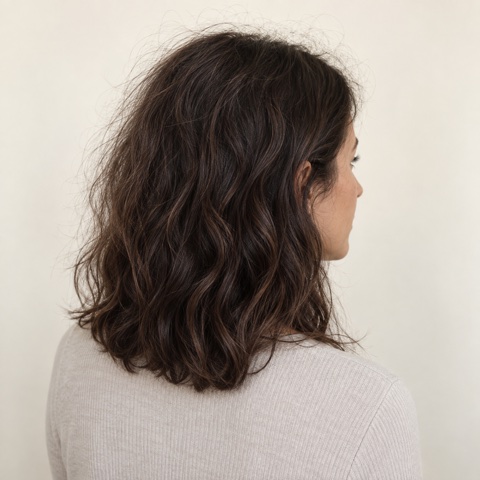
A side view of wavy hair with flyaways around the crown.

The short new hairs stick up everywhere

  • Smooth them gently or just let them be.
  • Don’t pull a ponytail tighter to catch every short piece.
  • If a style hurts, it needs loosening.
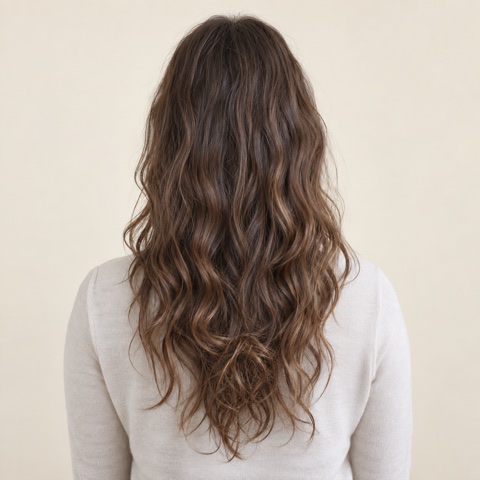
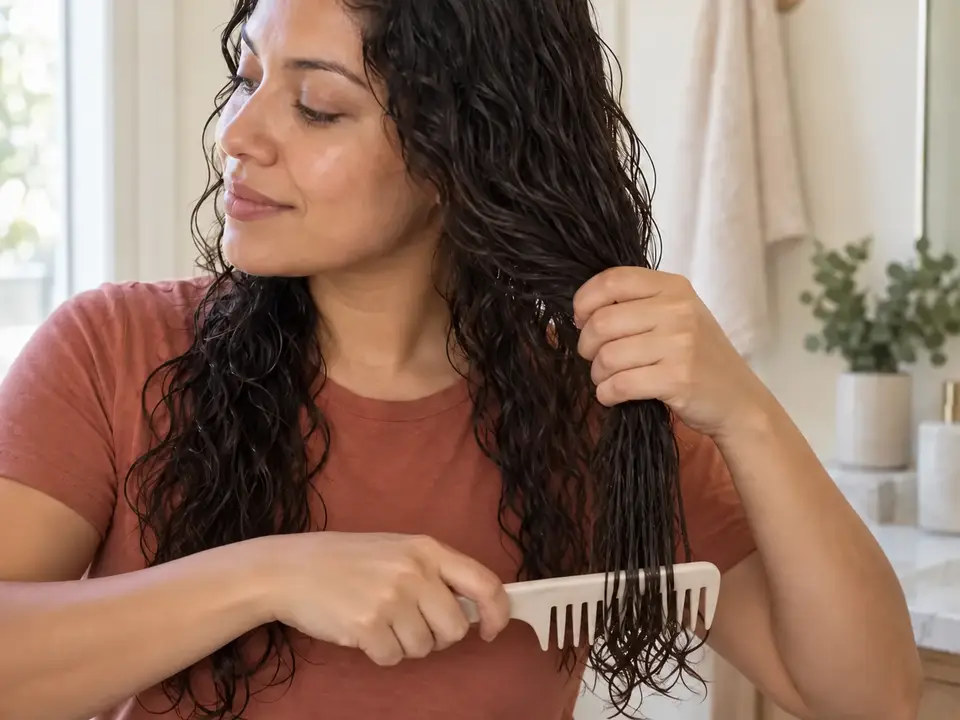
Wavy hair with tangles concentrated near the ends.

Wash day keeps slipping

  • Keep conditioner and a gentle detangle in the plan even when everything else gets dropped.
  • If someone can take the baby for a short while, that’s the time to use.
  • A mat that won’t loosen gently is worth handing to someone with two free hands.

Products, by the job they do

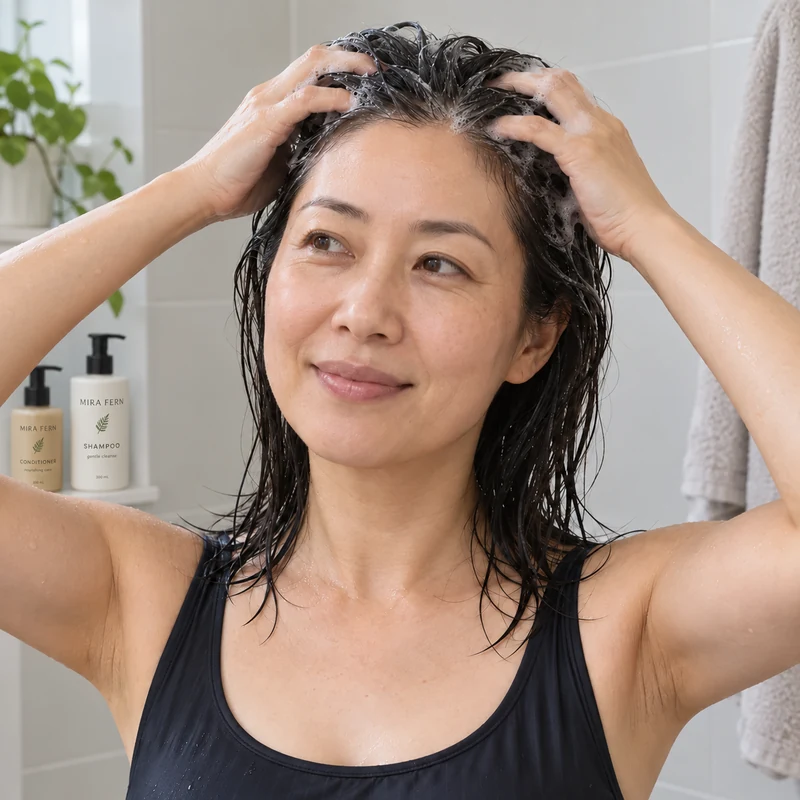
A woman massaging shampoo lather onto her scalp with her fingertips.

Keep the wash you already trust

Stick with a shampoo you tolerate and can use without thinking. Change products when there’s a clear reason, not because of every loose strand in the drain.

Browse cleansing products. Your current shampoo, wash schedule and past treatments help guide a personal recommendation.

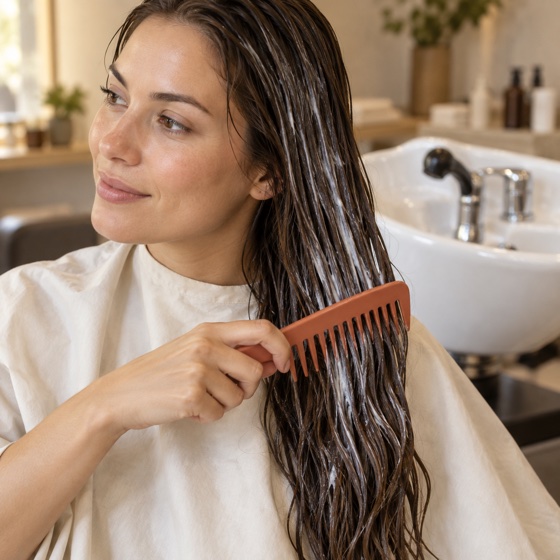
A woman detangling conditioned hair with a wide-tooth comb.

Make detangling easier

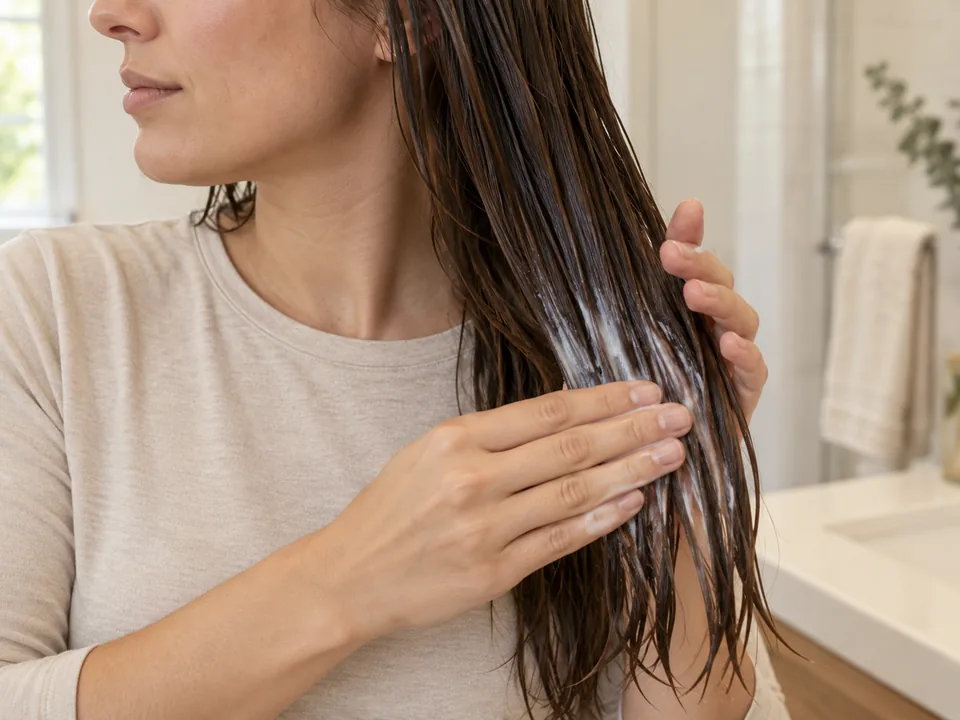
Enough conditioner slip lets knots come out in small sections without a fight. If rich products flatten you, keep them on the ends or go lighter. A product that works beats a whole new postpartum range.

Browse rinse-out conditioners. Your tangles, past treatments and preferred finish help guide a personal conditioner recommendation.

How to do it

A woman uses both hands to gently work shampoo at the back and sides of her scalp, with the lengths hanging loose.

1. Keep the wash simple

Wash at the scalp and let the suds run down, instead of piling the lengths on top and tangling them.

Guide: Shampoo your scalp
A woman places her fingertips on either side of the part in her damp hair, with the lengths hanging loose.

4. Choose a finish that doesn’t pull

Skip styles that need constant tightening or repeated heat. Loose and dry is a fine way to end wash day.

Guide: Air-dry your hair

When to get help

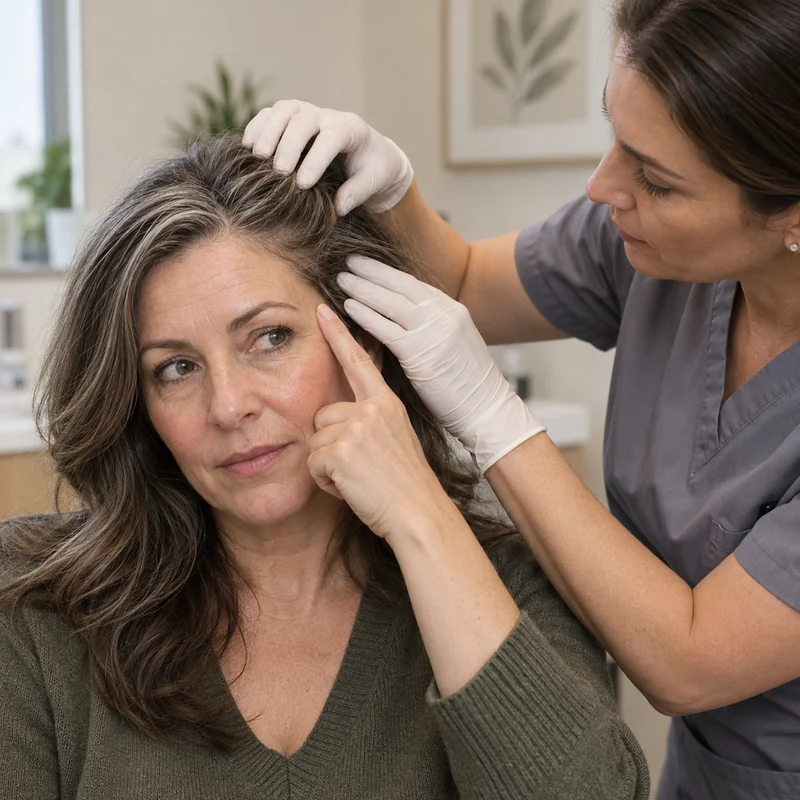
A medical professional examining the scalp where a woman points.

Signs that need more than routine care

  • Shedding after a baby usually settles on its own, so the time to get it looked at is when it doesn’t. If your fullness hasn’t come back by your child’s first birthday, or you notice sudden heavy or patchy loss, scalp pain or sores, see a medical professional. It’s worth asking early rather than waiting it out.

Illustrated care examples: before & after

Looser tie, same hairline

Illustrative care comparison: a taut pulled-back style beside a relaxed ponytail.
Before · a taut pulled-back styleAfter care · a relaxed ponytail
The tie is loosened so it pulls less. The hairline itself and the amount of hair are the same in both pictures.

One section at a time

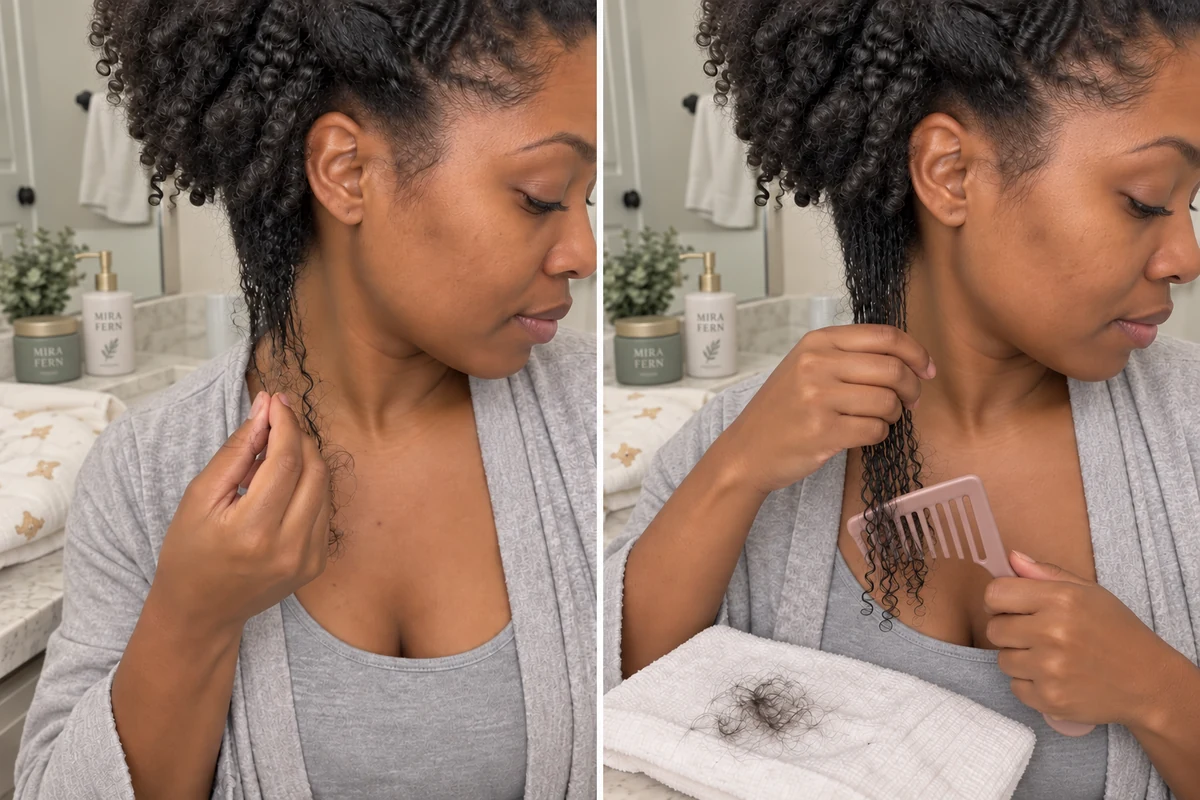
Illustrated care comparison: A nape section holds tangles and loose shed strands. A supported section is detangled, with released hairs collected on the towel.
Before · tangles and shed strandsAfter detangling · section detangled, strands collected
One section is detangled gently and the shed strands are gathered up. Small sections make a busy day’s care easier, while the shedding runs its own course.
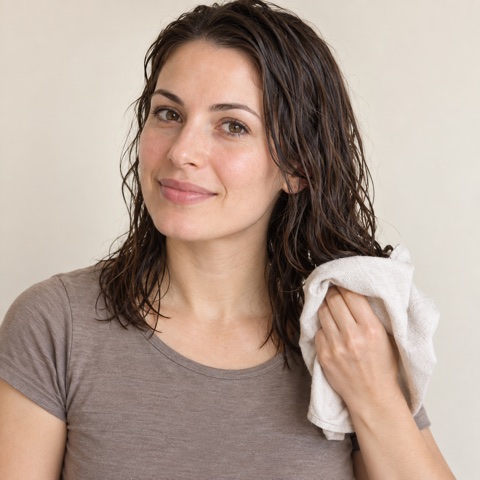
A woman gently squeezing damp hair with a towel.

Help with your hair-care routine

Bring your hair-care questions to the consultation. You can also read this related guide.

  • How can I make wash day quicker?
  • What can I do about the flat look without pulling my hair tight?
  • Which products are worth keeping in a shorter routine?

The plan uses the hair and scalp details you share, past treatments, current products, preferences and the time and budget you have.

The Hair Care Consultation gives you a personal plan with product recommendations, routines and guidance on your hair-care questions.

$49 with 60 days of follow-ups, or $99 with 12 months. Pay once; the year renews only if you choose.