Hair Care Guides

Make a bob easier to live with.
It’s allowed to move a little.

A chin-length bob puts the nape, jaw and ends on show, with nothing to tie back when it misbehaves. Pick an outline you can keep up every day. Natural movement, a soft tuck, or a shaped finish now and then, not a daily blowout.

Your personal hair-care planProduct choices, routines and answers shaped around your hair.$49one-timeStart my consultation
A woman lightly checks the ends of her softly wavy silver bob in a mirror.
It’s allowed to move a little.

What is going on

A rear three-quarter view shows the dry nape and side perimeter of a wavy bob.

Look at the dry shape from a few angles

Check the front, the sides and the nape in the finish you normally wear. An end that kicks out doesn’t automatically mean a bad cut or damage. Decide whether the unevenness actually bothers you before you add another styling step.

Facing a stable wall mirror while holding a hand mirror behind and to one side so the back target is visible.

The back is its own small job

Use two mirrors to find the nape section, then put the hand mirror down and work by feel. If you have to strain to reach it, stop. Being able to see the back doesn’t make every adjustment comfortable to do.

What helps, day to day

A woman supports an outward-turning end of her silver bob on an open palm.

One side tucks under and the other flicks out

  • Try guiding the damp ends the way they want to fall, then judge them once they’re dry.
  • A mixed, moving edge is a perfectly good bob.
  • If you want it tucked evenly every single day, ask your stylist how the cut and your routine can get you there.
A woman checks the inside of her loose hair near the nape with clean fingers while the rest falls freely.

Sleep flattened one side

  • Dampen just the squashed section, if that works with the products in your hair, reshape it and let it dry.
  • Don’t put finishing cream through the whole bob when one patch is the problem.
  • Change one thing before you restart the whole wash.
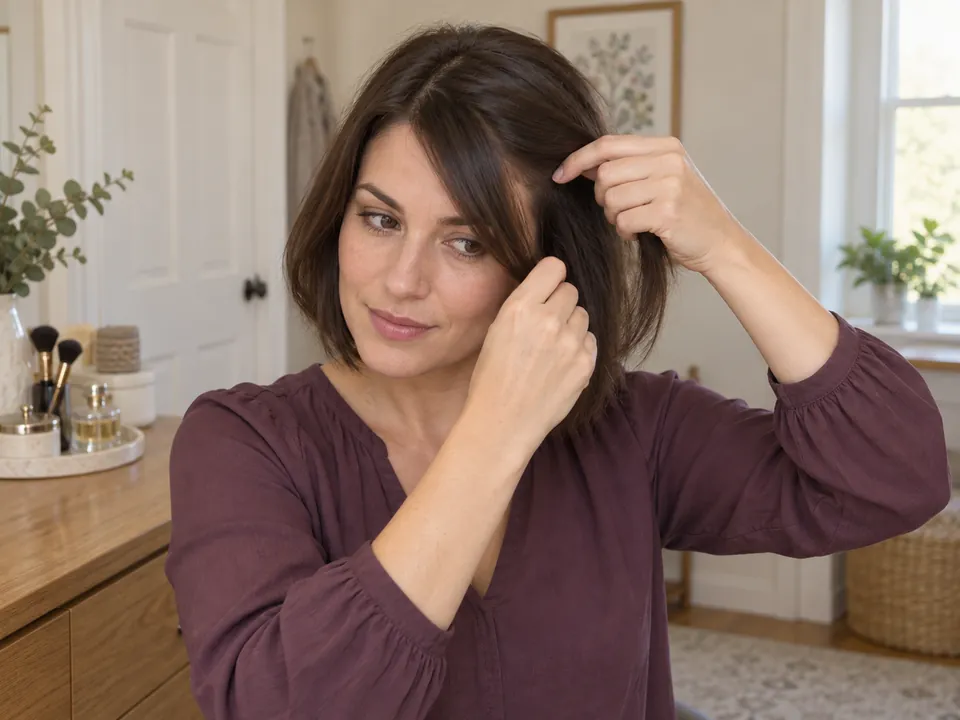
Separating the growing fringe from the loose side hair.

The front reaches your face but not a ponytail

  • Clip or pin only the pieces that reach without pulling.
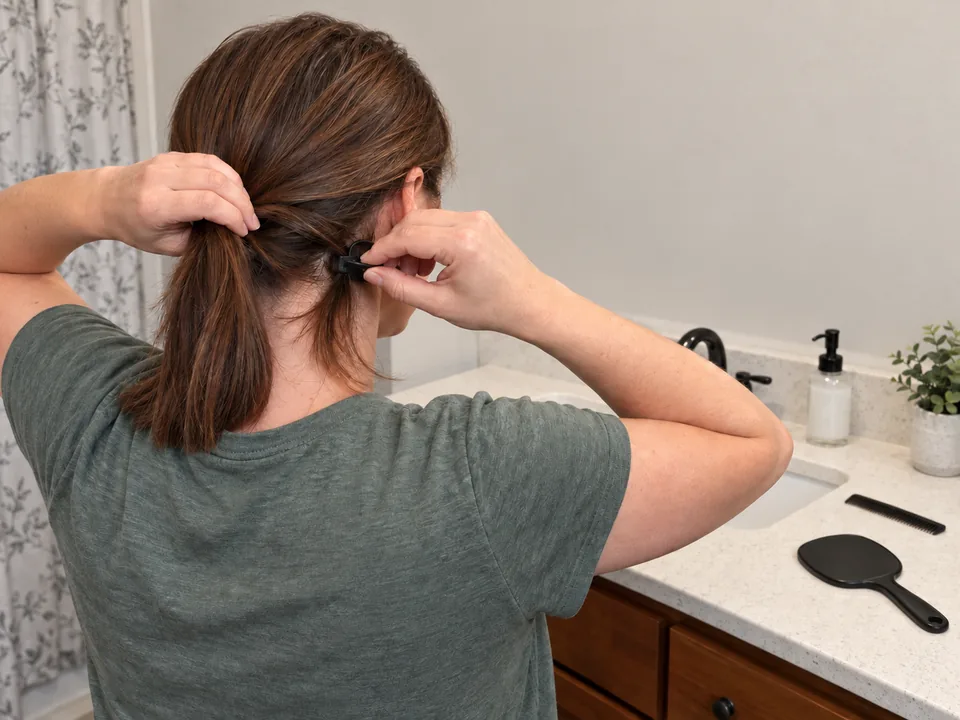
  • Leave the short nape hair loose rather than scraping it into a tiny ponytail.
  • Keep clips away from your eyes and take out anything that pinches.

Products, by the job they do

A woman smoothing conditioner through her mid-lengths and ends.

Condition without coating the whole shape

A bob still needs slip where the ends catch, but the amount that suited longer hair may be too much now. Pattern, strand width, color and dry feel all shift the answer.

Browse rinse-out conditioners. Your tangles, past treatments and preferred finish help guide a personal conditioner recommendation.

A woman smoothing leave-in product through her lower lengths.

Pick a finish you can keep up

Soft movement, separated pieces or a tucked edge each want a different styler and a different amount of your time. Check whether yours goes on wet or dry hair and use it for that. More product won’t do the job of a different cut.

Browse styling products. For styling recommendations, share the finish you want, how you dry your hair and your budget.

How to do it

A woman places her fingertips on either side of the part in her damp hair, with the lengths hanging loose.

2. Let the bob find its dry shape

Blot the water out, set your part and leave the hair alone while it dries. Check the nape underneath, not just the surface you can see.

Guide: Air-dry your hair
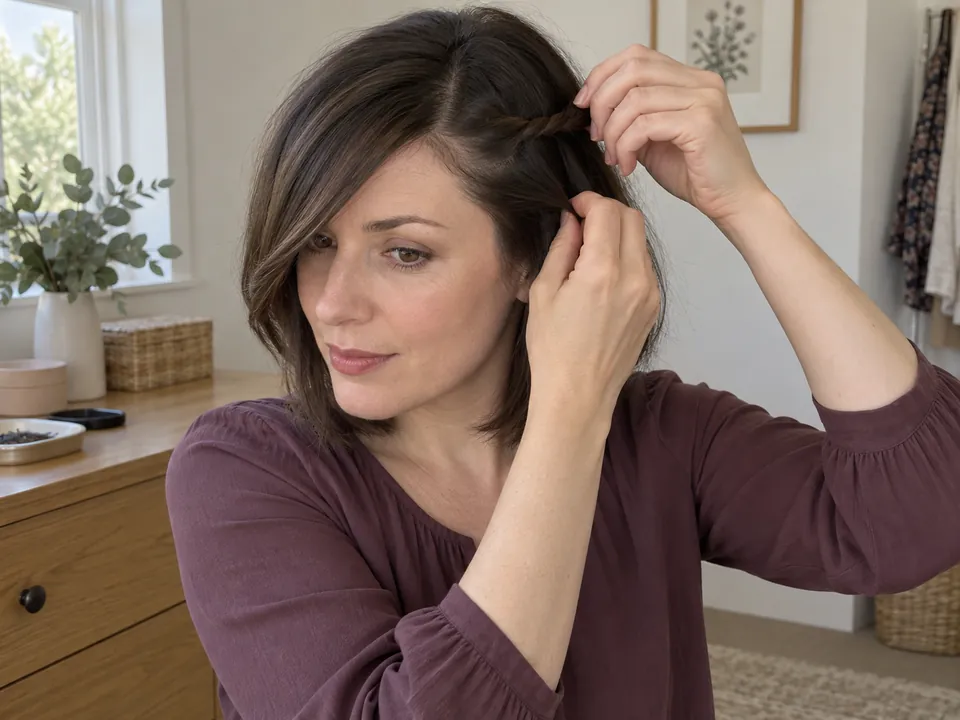
Holding a loose side twist away from the face.

3. Use a holding point that’s close by

Pin a dry, detangled front piece only if it reaches without tugging. Keep the roots relaxed and the pin clear of your eyes. Support the section while removing a pin that presses or pulls.

Guide: Pin back a growing-out fringe

Illustrated care examples: before & after

Refresh just the one side

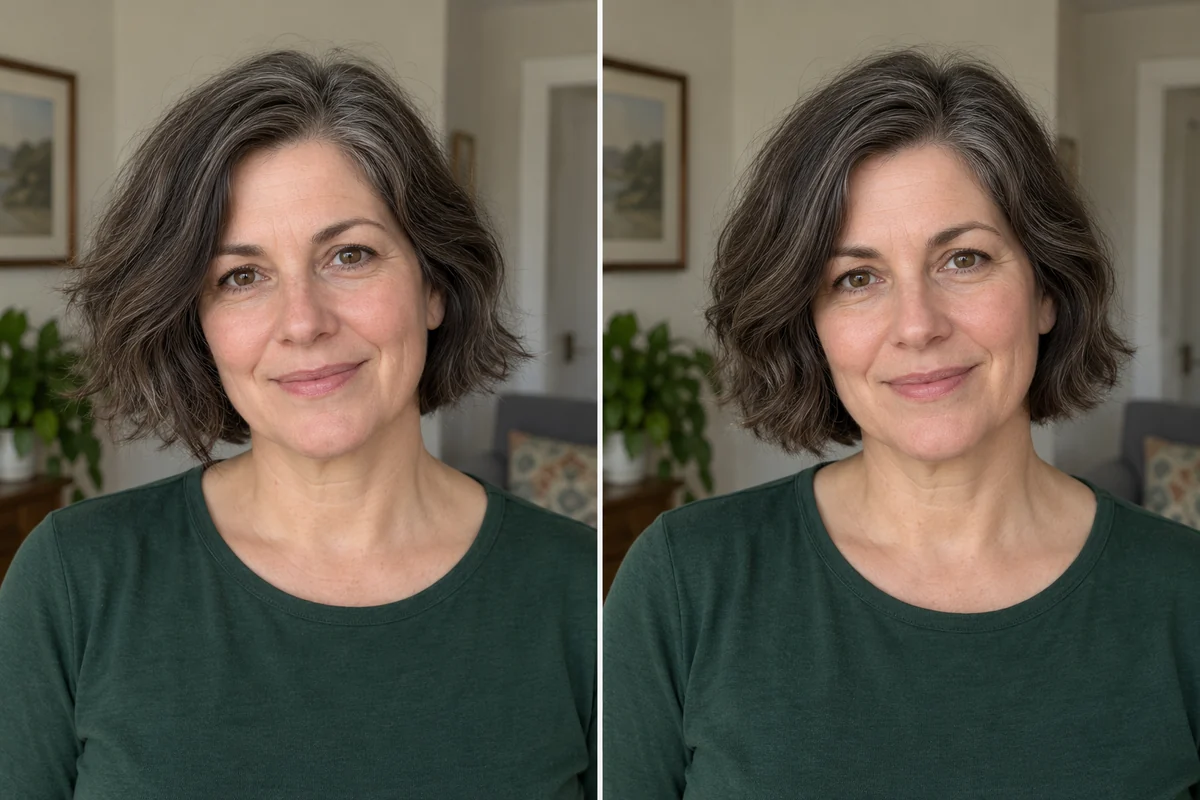
The same wavy bob with a disturbed side and then a more evenly arranged dry outline.
Before · one side sitting unevenlyAfter styling · a more balanced outline
Only the disturbed side was dampened, arranged and left to dry, if your products allow it. A little natural movement can stay.

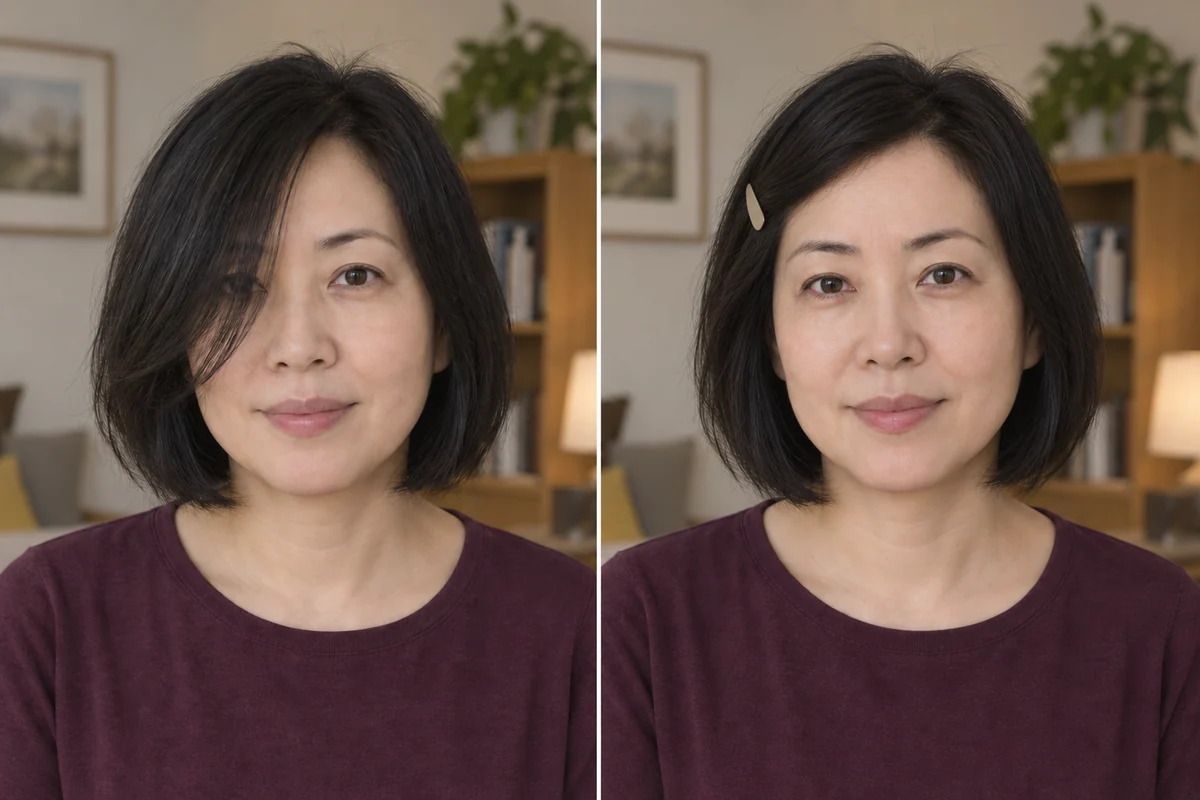
Clip the piece in your eye

A bob’s front falls across one eye, then that same section is held aside with a nearby clip.
Before · front piece across one eyeAfter styling · that piece clipped, rest loose
A clip holds the one front piece that kept falling into the eye. Only hair that reaches comfortably is clipped, and the short nape stays free.
A woman gently squeezing damp hair with a towel.

Help with your hair-care routine

Bring your hair-care questions to the consultation. You can also read care for natural movement and flyaways.

  • How do I keep a bob looking decent without a daily blowout?
  • What can I fix at the back myself?
  • What should I ask my stylist if I want the edge tucked every day?

The plan uses the hair and scalp details you share, past treatments, current products, preferences and the time and budget you have.

The Hair Care Consultation gives you a personal plan with product recommendations, routines and guidance on your hair-care questions.

$49 with 60 days of follow-ups, or $99 with 12 months. Pay once; the year renews only if you choose.