Hair Care Guides

Give your lengths a break from heat.
Fewer passes, gentler days in between.

If your ends feel rough and snap after a stretch of daily styling, that’s the heat catching up with them. Changing products helps a little. Changing how often the tool touches the hair, and how you handle it on the days between, helps more.

Your personal hair-care planProduct choices, routines and answers shaped around your hair.$49one-timeStart my consultation
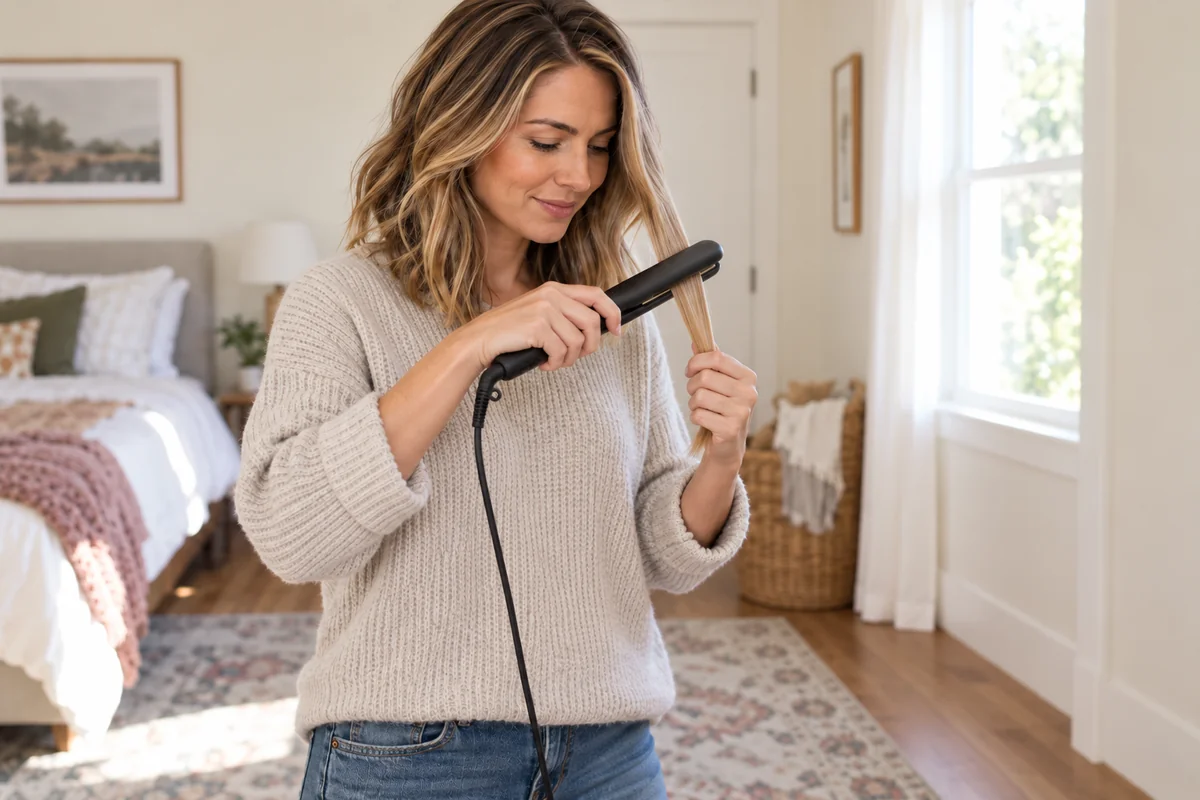
A woman draws a flat iron along a narrow dry section of her hair, holding the ends clear of the plates.
Fewer passes, gentler days in between.

What is going on

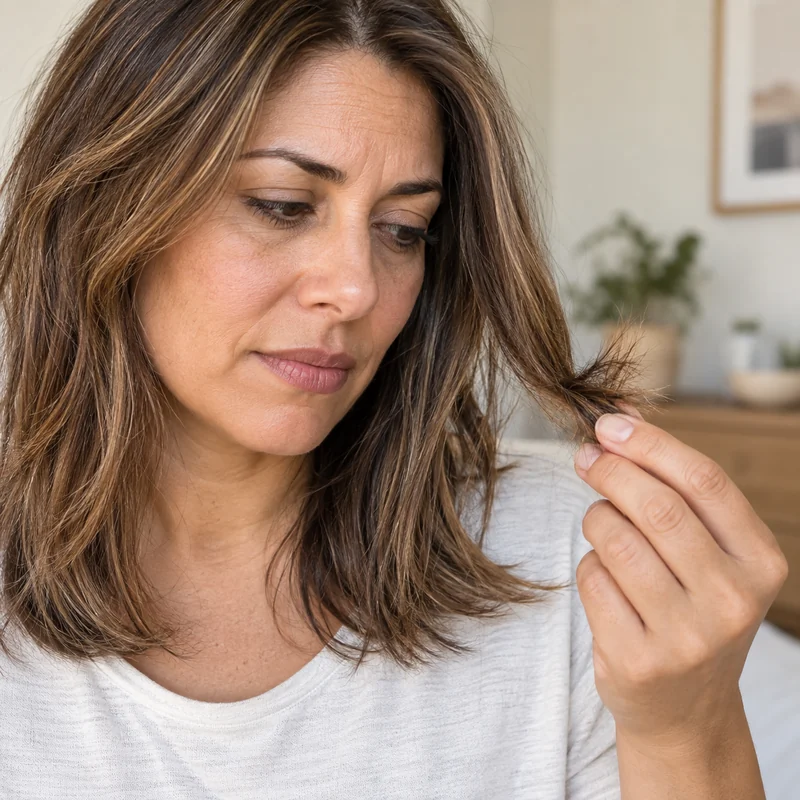
A woman examining rough, uneven ends in a section of highlighted hair.

The old lengths remember every session

Heat can damage the hair fibre, and conditioner can’t undo that. It can make the lengths feel smoother, which is worth having, but the weak spots are still weak. So go easy on the sections you’ve already worked over the most.

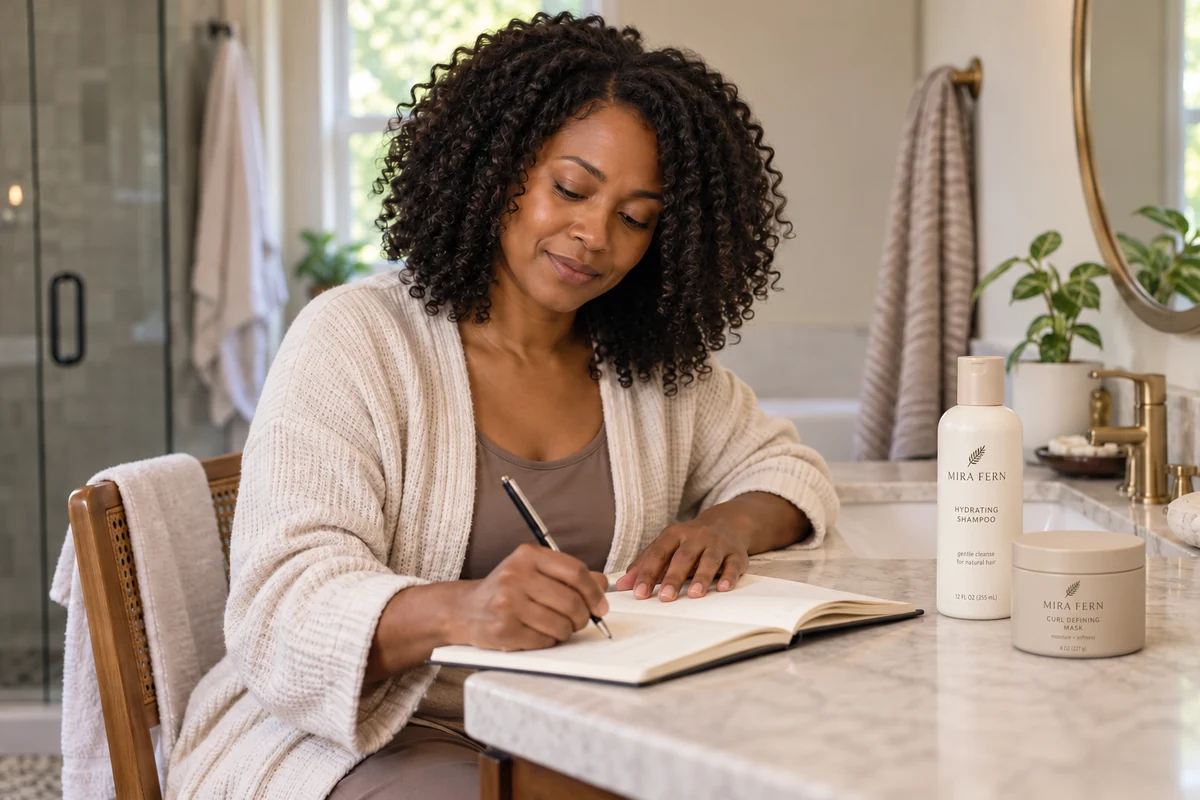
A woman with curls writing a routine note beside her hair-care products.

Decide which days really need the tool

Some days call for a heated style and some don’t. Pick the ones that matter and let the rest air dry or set without heat. A routine you’ll actually keep beats an all-or-nothing rule you break by Wednesday.

What helps, day to day

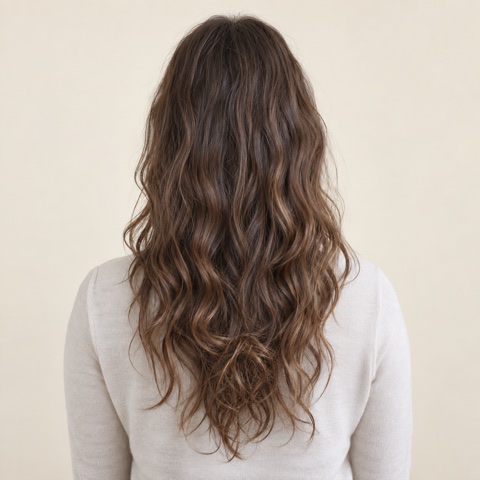
Wavy hair with tangles concentrated near the ends.

The ends snag after styling

  • Condition for slip and detangle gently before any heat goes near them.
  • If the splits keep coming back, ask a stylist about a small trim.
  • Cut down the number of hot sessions and stop going back over the same ends.
  • Once they look smooth, put the tool down.
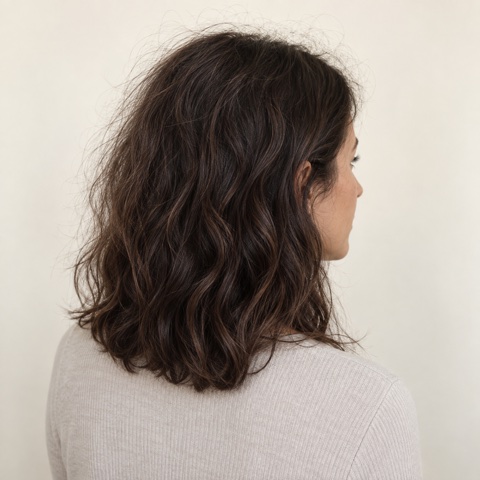
A side view of wavy hair with flyaways around the crown.

You keep chasing one flyaway

  • Stop adding passes to force every strand flat.
  • A tiny bit of finishing product, or just accepting a little movement, costs the hair far less.
  • And the tool never needs to touch your skin to style the hair.
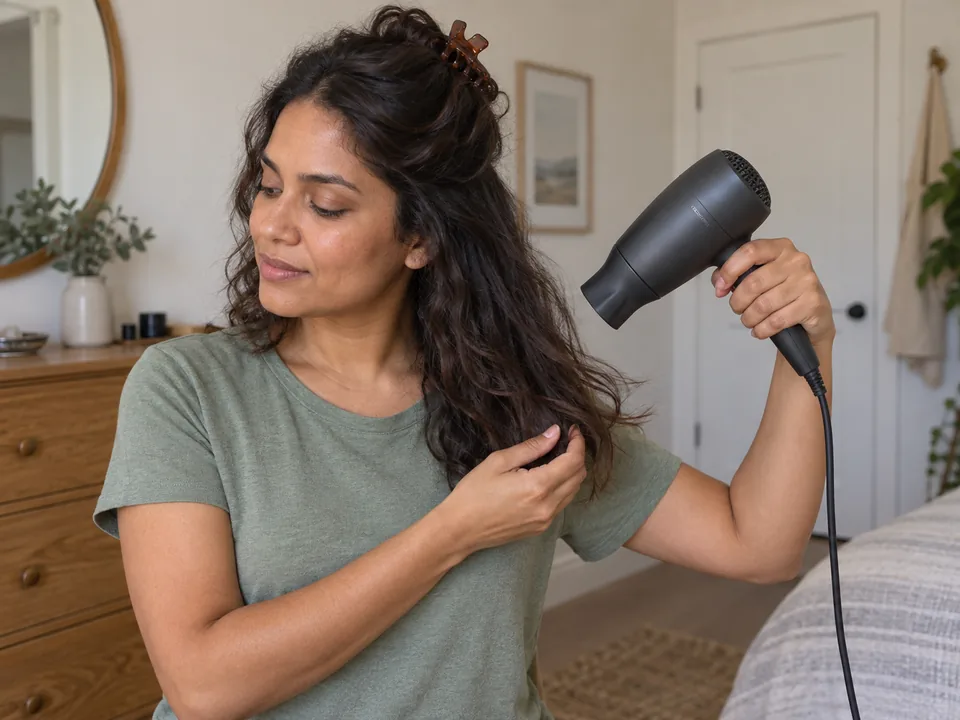
A woman holds a dryer away from her side section and directs airflow down the lengths.

It takes pass after pass to get the look

  • Use sections small enough that one pass does the work.
  • Check whether your tool wants hair fully dry first, and start on the lowest setting that actually works.
  • Keep it off your skin and stop if anything feels hot enough to hurt.
  • If the finish needs constant redoing, try a lower-heat or heatless version.

Products, by the job they do

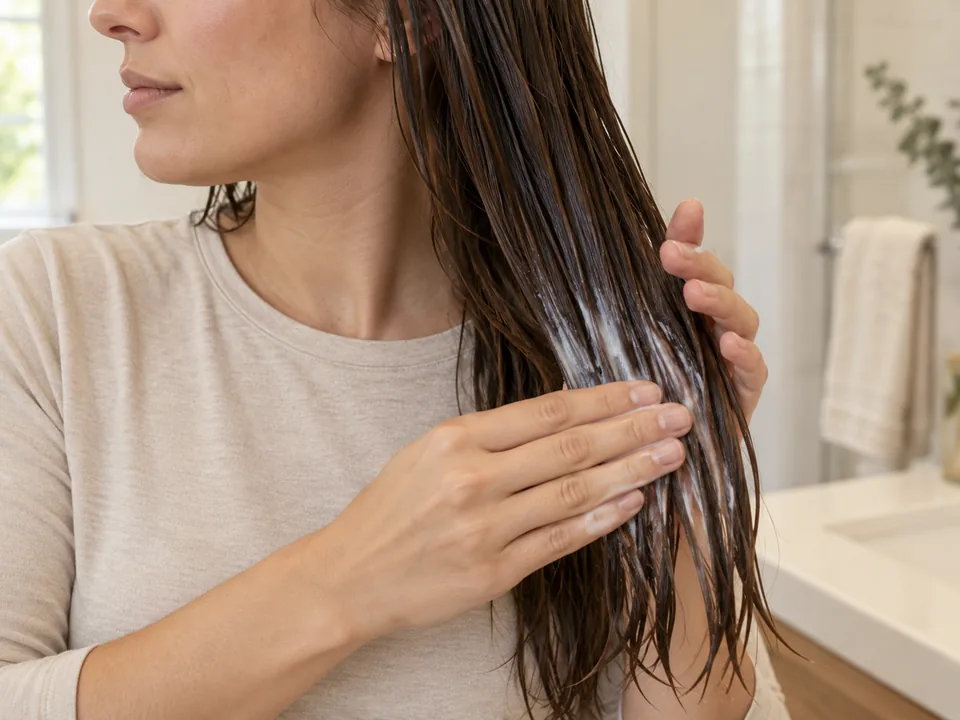
A woman smoothing leave-in product through her lower lengths.

Protectant is one part, not the whole plan

A heat protectant helps, but it can’t make unlimited heat harmless. Match it to the tool you use and to whether that tool wants damp or dry hair to start.

Browse heat protection. Bring your heat-styling questions and product choices to the consultation for personal recommendations.

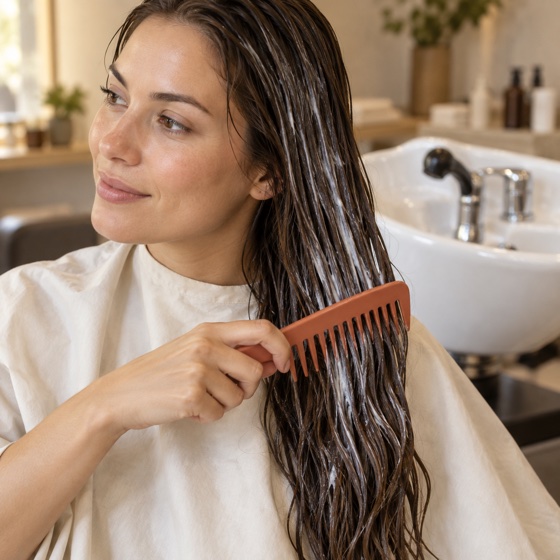
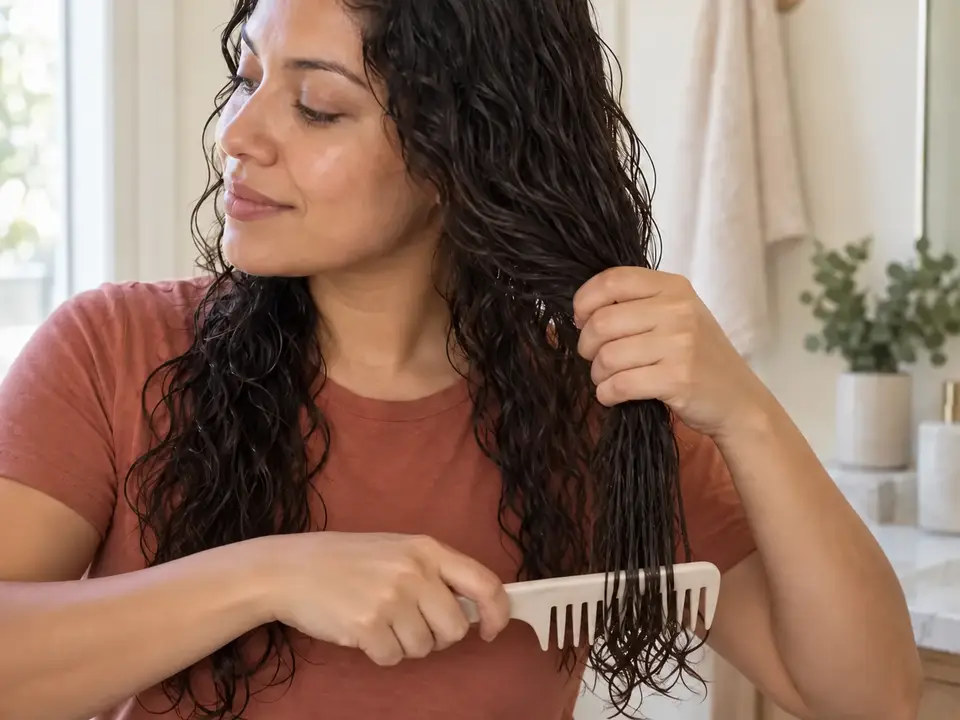
A woman detangling conditioned hair with a wide-tooth comb.

Keep the in-between days gentle

Pick a conditioner that gives enough slip for the comb to slide through. Rough brushing on a heat-free day still stresses hair that’s already fragile, so the detangling step matters as much as the tool.

Browse rinse-out conditioners. Tell the consultation what you want from a conditioner and what you disliked about previous ones.

How to do it

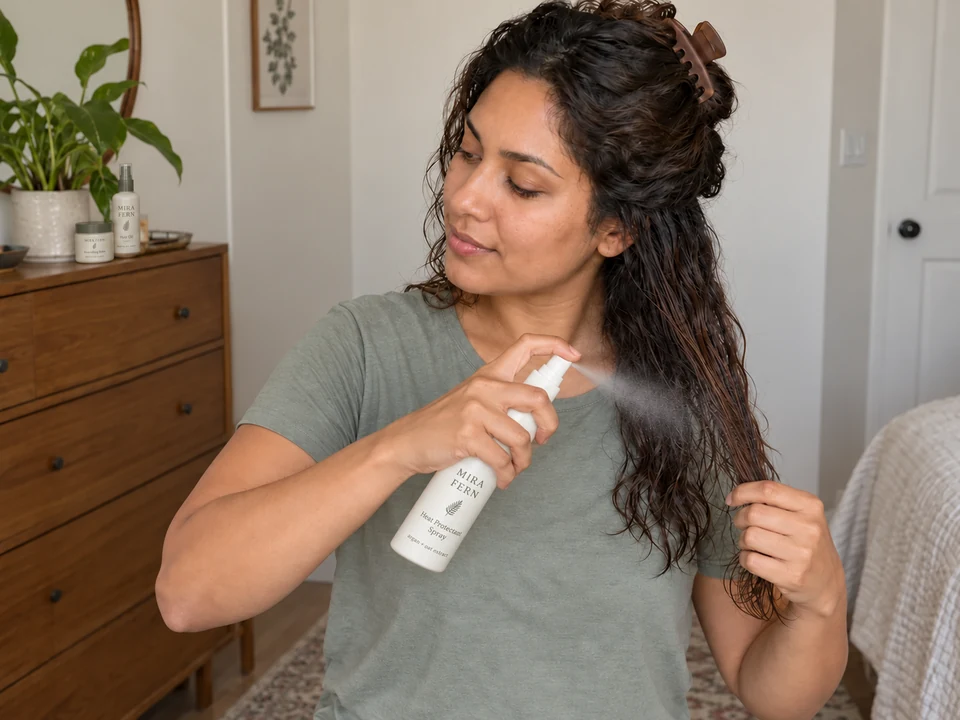
A woman holds a damp side section and directs a pump spray toward its lengths, away from her face.

3. Spread the protectant evenly

Check whether your product and tool want the hair dry first, then coat the lengths lightly all the way through.

Guide: Apply heat protectant evenly
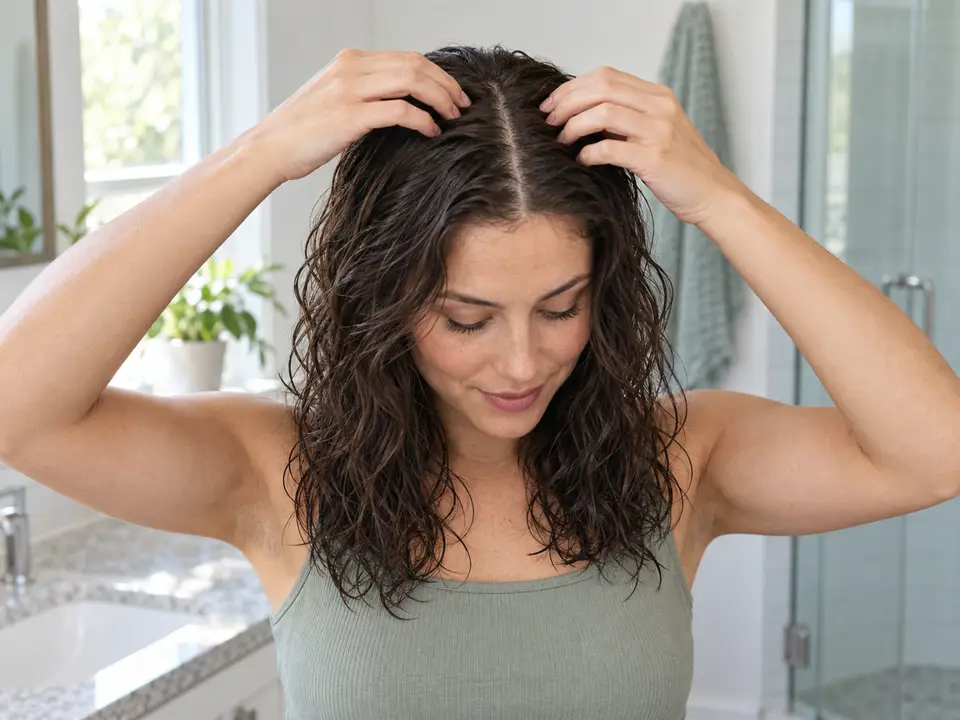
A woman places her fingertips on either side of the part in her damp hair, with the lengths hanging loose.

4. Give some wash days a heat-free finish

An air-dried or heatless set on the days that don’t matter is the easiest break you can give your ends.

Guide: Air-dry your hair

When to get help

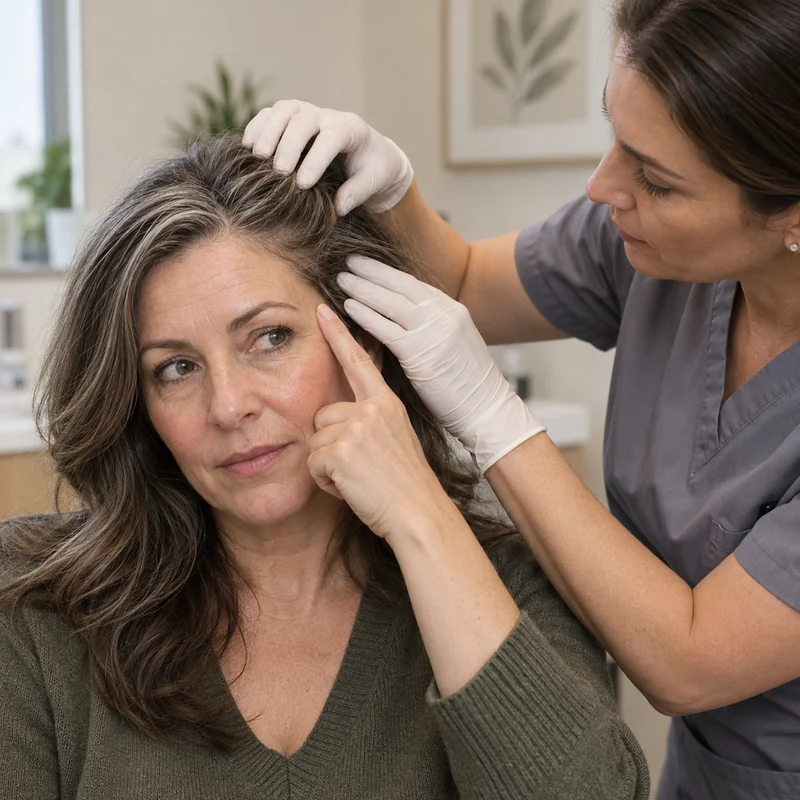
A medical professional examining the scalp where a woman points.

Signs that need more than routine care

  • A burn that blisters or keeps hurting after you’ve cooled it is worth showing a medical professional, and so is breakage that carries on alongside a sore scalp or hair that looks noticeably thinner. Those aren’t styling problems any more, and they’re easier to sort out early than late.

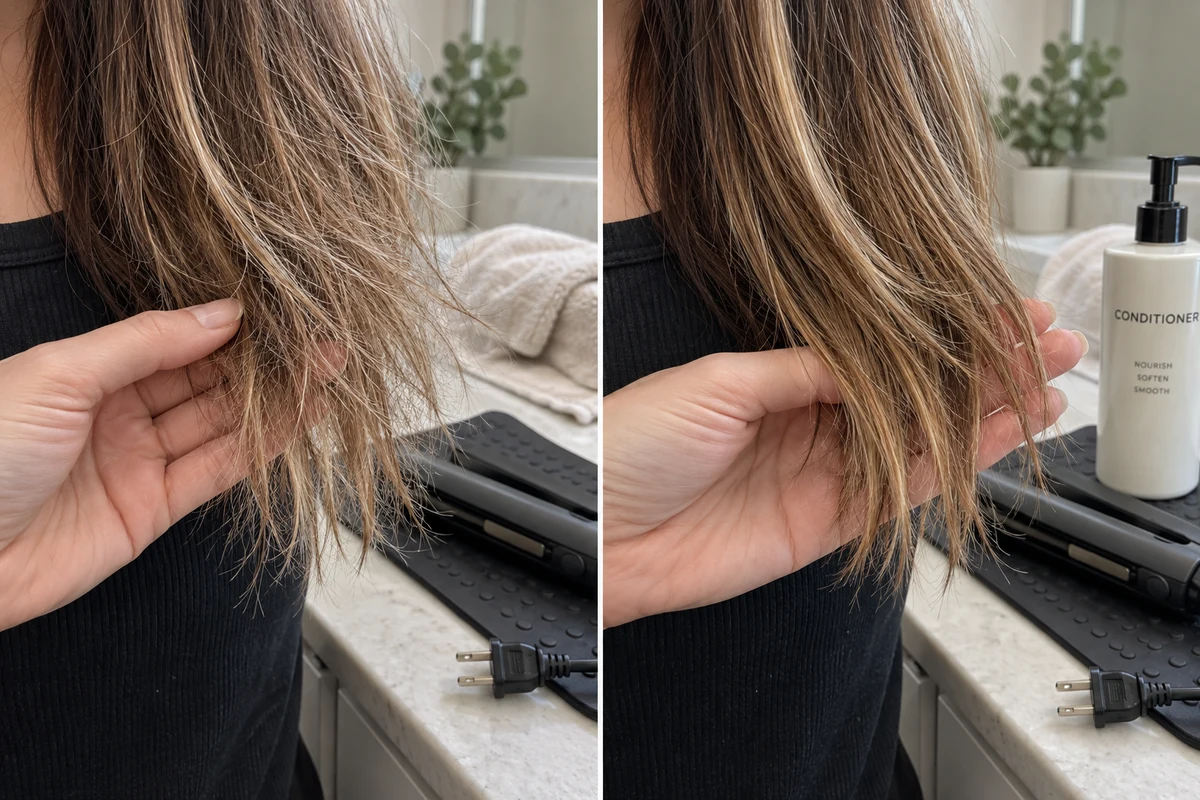
Illustrated care examples: before & after

Smoother ends, iron unplugged

Illustrated care comparison: Repeatedly styled ends look rough and catch together. Conditioning and gentle separation leave the same ends easier to arrange.
Before · rough, heat-worn endsAfter care · conditioned ends, iron unplugged
Conditioned ends handle more easily while you cut back on repeated heat, and the iron stays unplugged. The damage already there has not been undone.

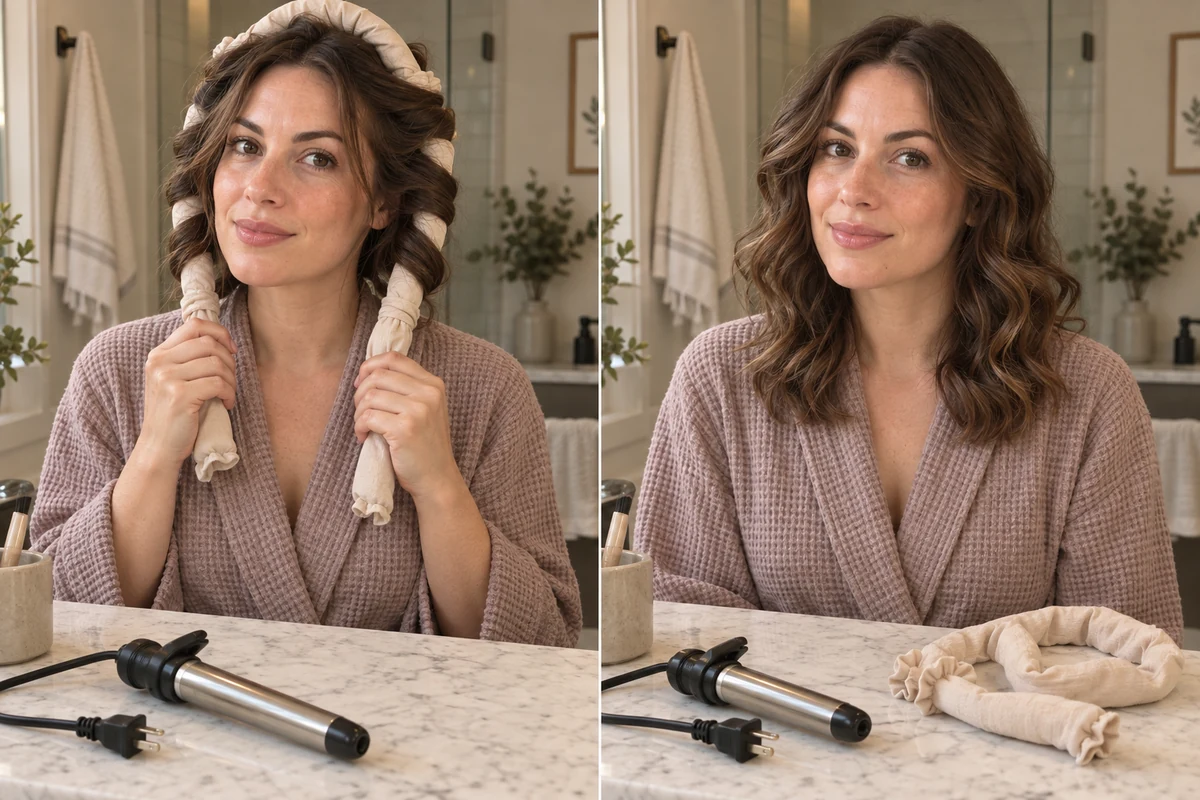
Waves without another hot tool

Illustrated care comparison: Hair is loosely arranged around a soft heatless curling ribbon. After the ribbon is removed, a soft wave arrangement remains.
Before · soft ribbon set inAfter care · ribbon out, waves arranged
A soft ribbon set, then the ribbon out and the waves arranged. A styled option between heat sessions, as long as the wrap is comfortable.
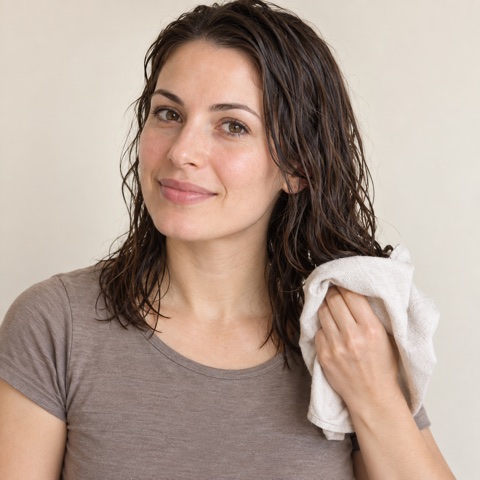
A woman gently squeezing damp hair with a towel.

Help with your hair-care routine

Bring your hair-care questions to the consultation. You can also read this related guide.

  • Which heat sessions can I drop without missing them?
  • What protectant fits the tools I actually use?
  • How do I make an air-dried finish look decent?

The plan uses the hair and scalp details you share, past treatments, current products, preferences and the time and budget you have.

The Hair Care Consultation gives you a personal plan with product recommendations, routines and guidance on your hair-care questions.

$49 with 60 days of follow-ups, or $99 with 12 months. Pay once; the year renews only if you choose.