Hair Care Guides

Your ends keep catching and snapping.
Here’s how to give them a break.

Lengths that snap and ends that knot into each other make wash day a chore, and it’s easy to feel like nothing helps. Most of what helps is taking repeated stress off the ends, and being honest about what conditioning can and can’t do.
Your personal hair-care planProduct choices, routines and answers shaped around your hair.$49one-timeStart my consultation
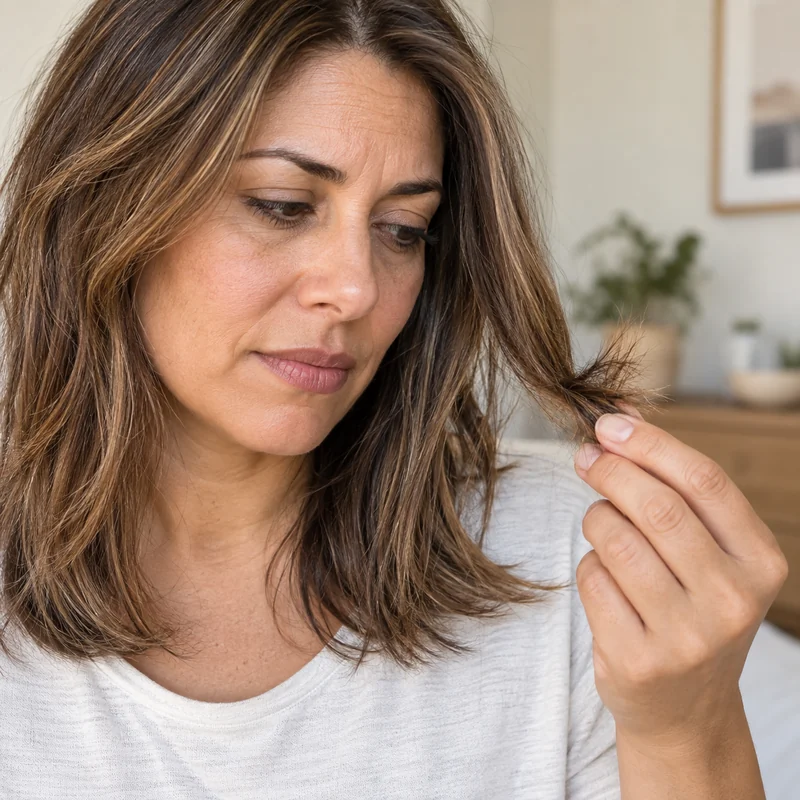
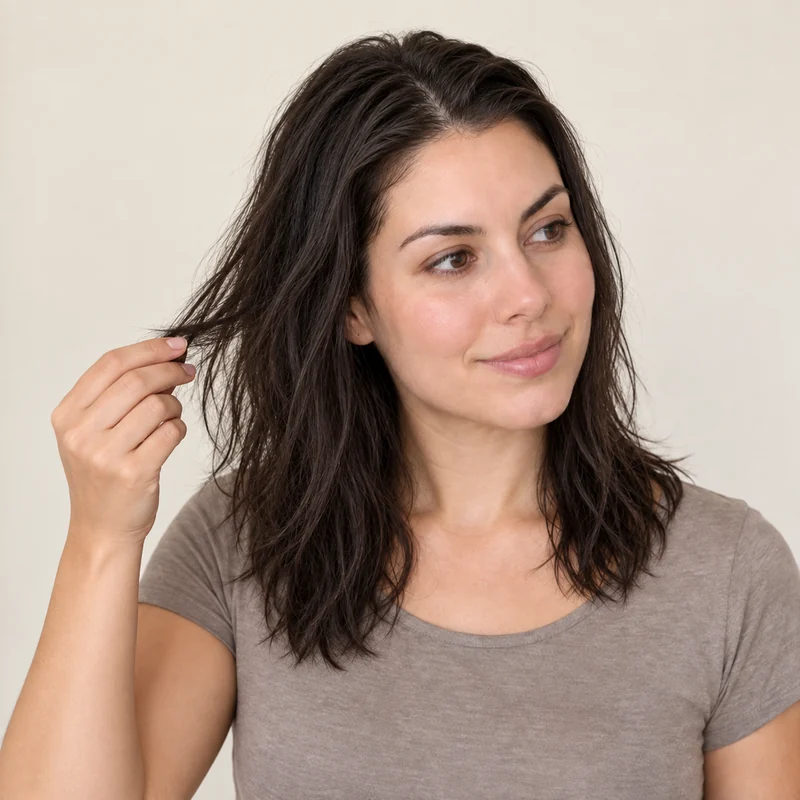
A woman examining the ends of her hair.
Here’s how to give them a break.

What is going on

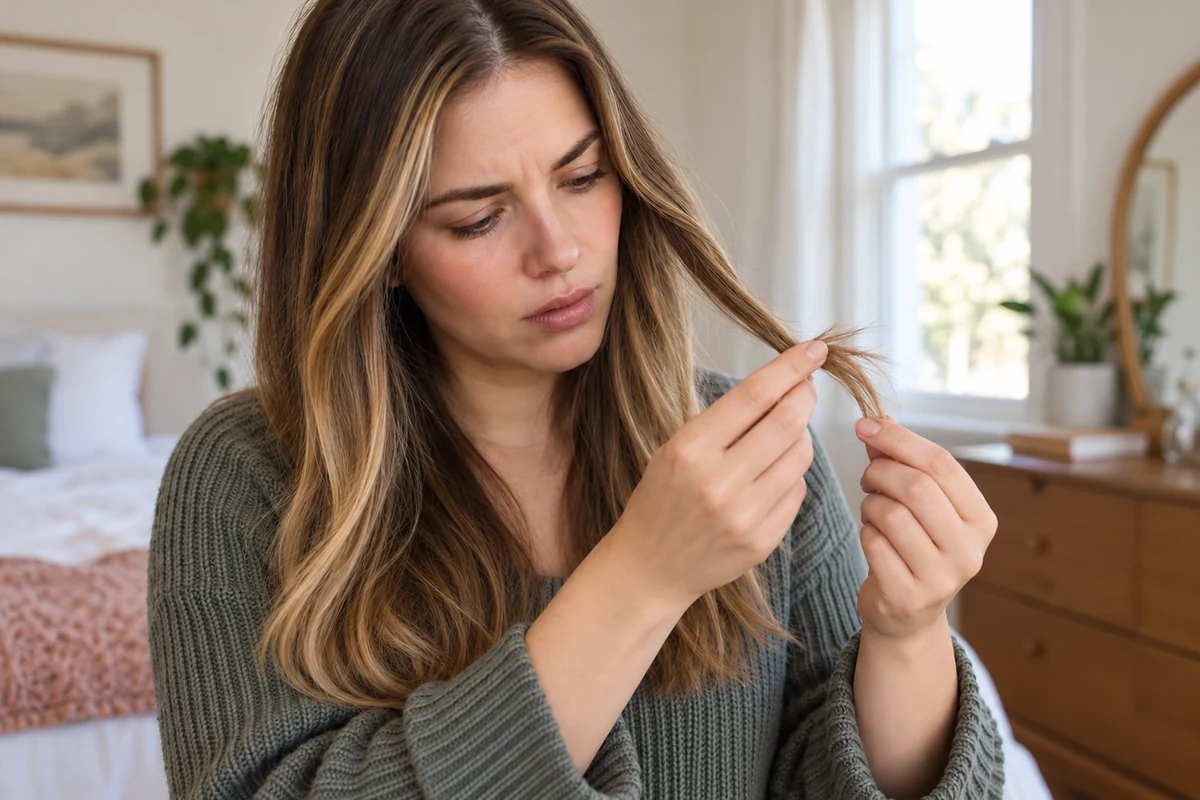
A woman examining rough, uneven ends in a section of highlighted hair.

A split end is still the old strand

A good conditioner can make a split look and feel smoother for a while, and that’s worth having. But the split is still there. A trim takes it off. Nothing in a bottle turns a damaged end back into new hair.
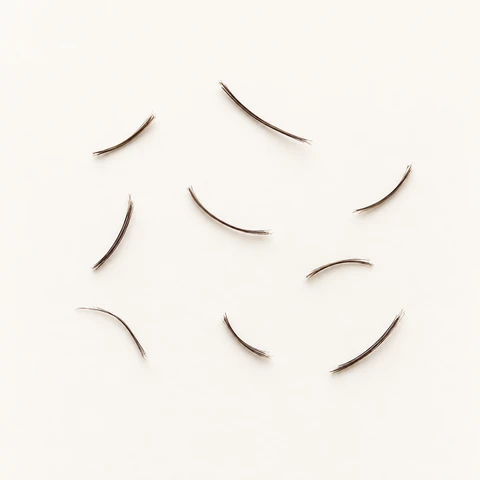
Short pieces of hair on a pale surface.

Short pieces aren’t always breakage

Those short hairs around your head could be snapped, or cut into layers, or simply new growth. The tip shape won’t tell you which. What tells you more is how you handle your hair, what it’s been through and whether more keep appearing.
What helps, day to day

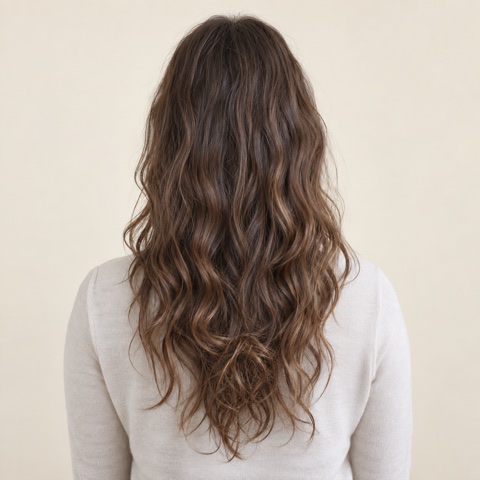
Wavy hair with tangles concentrated near the ends.

The same ends knot every time

  • Work in small sections and let a slippy conditioner do the loosening.
  • If a knot won’t give, don’t tear through it.
  • Ask a stylist to trim the splits that keep catching or to release a stubborn mat.
A woman gently feeling a section of her loose hair with her fingers, with no visible product.

Bleached lengths feel fragile

  • Give fragile lengths a rest from more chemical work, and ask your stylist how they’re holding up before the next service.
  • Turn the heat down, blot instead of rubbing, and keep the ends away from straps and collars.
  • Conditioner makes them easier to handle, but it won’t close a split.
A side view of wavy hair with flyaways around the crown.

Short strands stick up around the crown

  • They might be new growth, a layer, or breakage.
  • Either way, go easy on that spot.
  • Loosen tight styles and stop brushing over it again and again.
  • Smooth them down if you like, but don’t fight every strand into lying flat.

Products, by the job they do

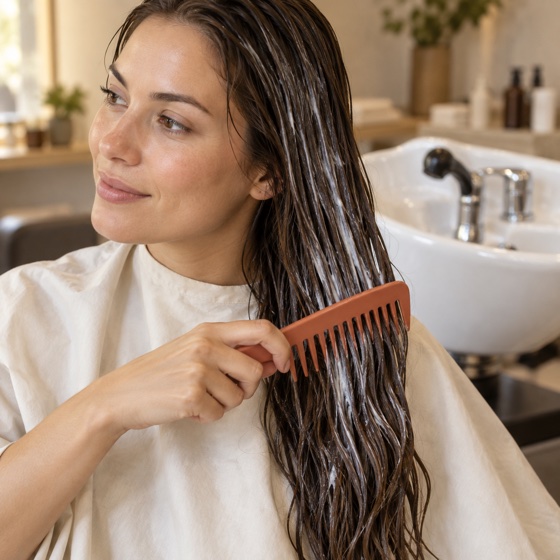
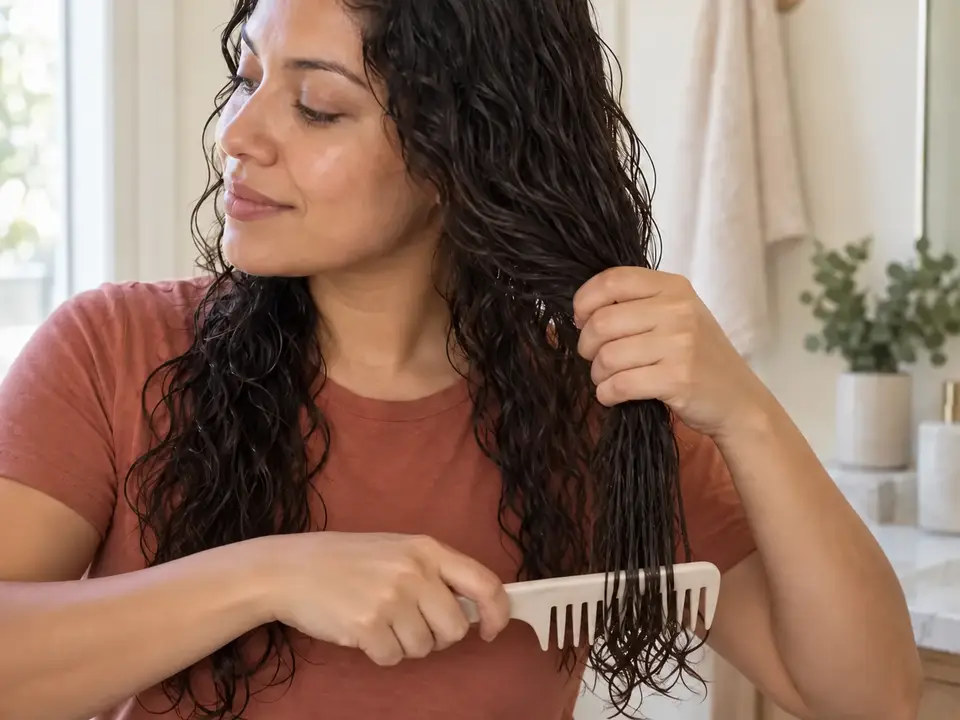
A woman detangling conditioned hair with a wide-tooth comb.

Slip before force

Pick a conditioner by whether your comb slides through afterwards. A thick, rich feel in your hand doesn’t always mean enough slip on your hair, so judge it at the sink, not in the shop.

Browse rinse-out conditioners. Tell the consultation what you want from a conditioner and what you disliked about previous ones.

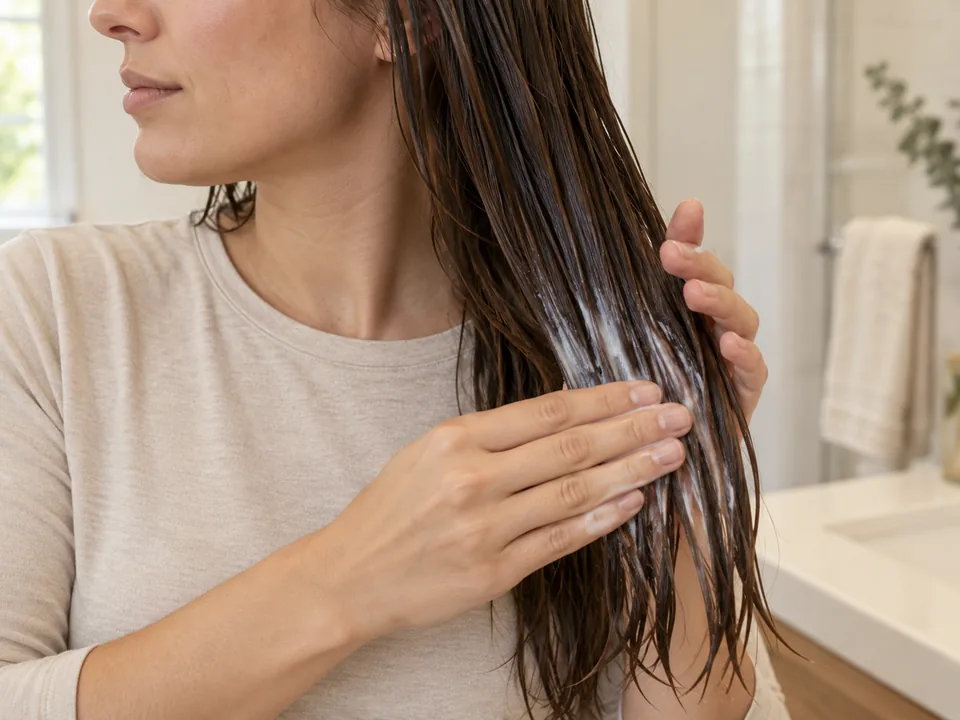
A woman smoothing leave-in product through her lower lengths.

A light finish between washes

A small amount of leave-in can make rough ends feel smoother through the week. Keep it small. Piling on product to hide ongoing breakage just adds weight and doesn’t stop the snapping.

Browse leave-in conditioners. Your drying routine and preferred finish help guide a leave-in recommendation.
How to do it

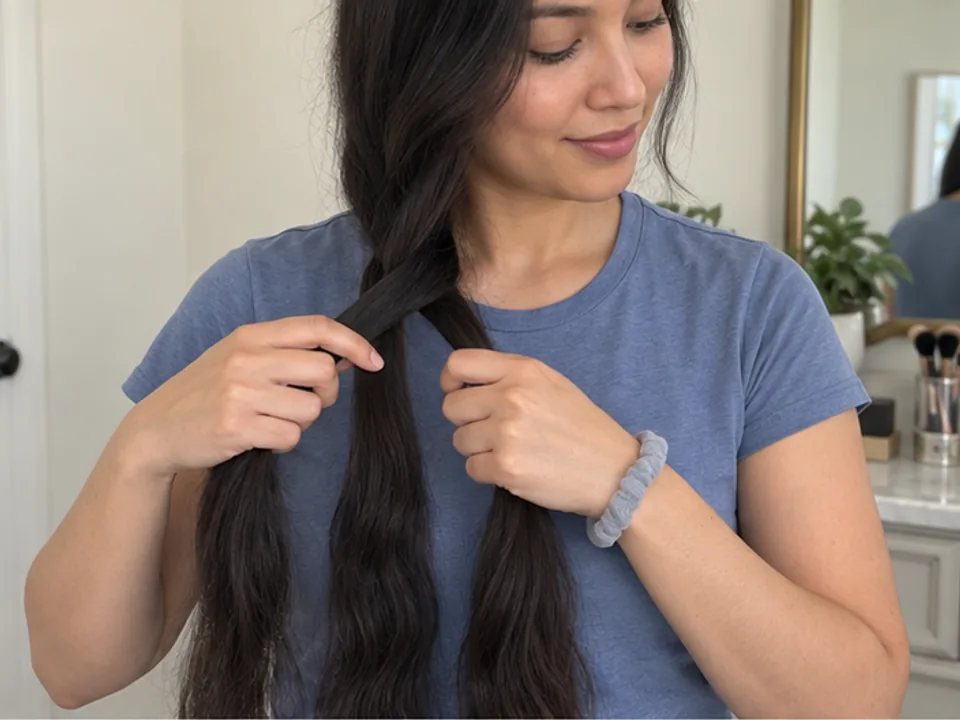
A woman begins a side braid by moving one outside section over the middle, keeping three sections separate.

3. Keep long lengths off your clothes

Let the hair dry fully before braiding it. If it reaches over a shoulder comfortably, a loose braid can keep the lengths together. Keep the tail clear of straps and collars rather than tucking it underneath.

Guide: Make a loose everyday braid
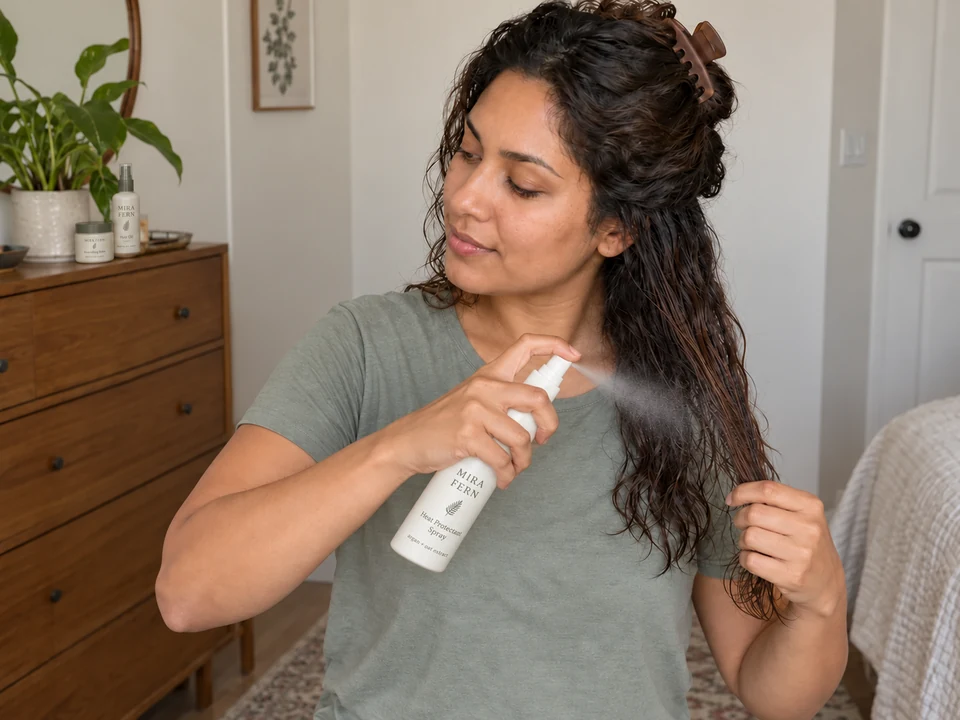
A woman holds a damp side section and directs a pump spray toward its lengths, away from her face.

4. Ask less of the heat

Use hot tools less often, put protectant on first the way the bottle says, and don’t go over the same section twice.

Guide: Apply heat protectant evenly
When to get help

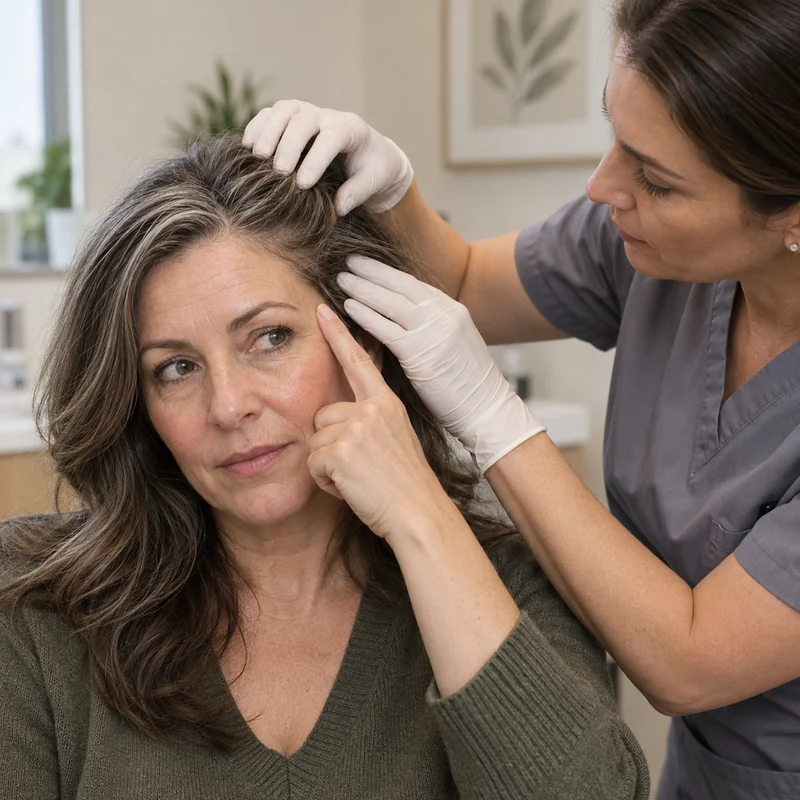
A medical professional examining the scalp where a woman points.

Signs that need more than routine care

  • If gentler handling isn’t slowing the breakage, and especially if your hair feels thinner overall, a new bare patch appears or your scalp hurts, it’s worth seeing a medical professional rather than waiting it out. A stylist is the right person for trims and for knots you can’t release comfortably.

Illustrated care examples: before & after

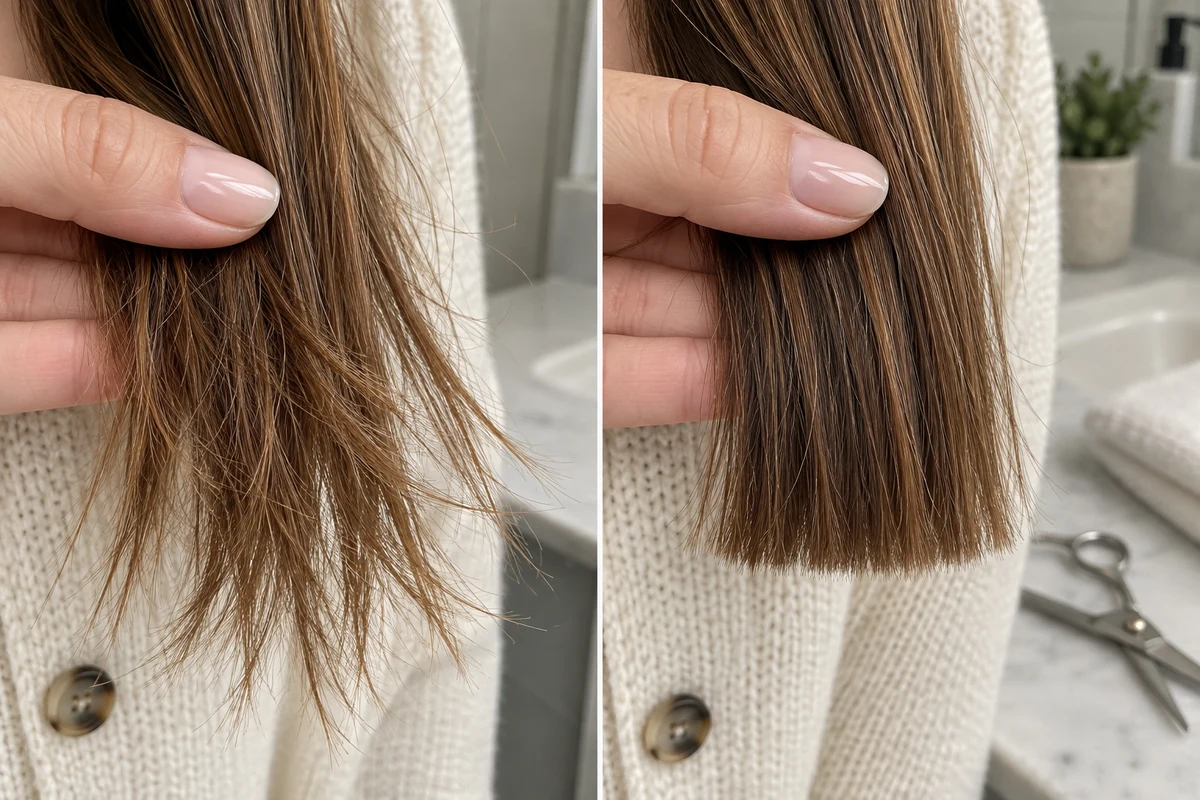
Split tips trimmed off

Illustrated care comparison: Several tips are visibly split and frayed. After a small trim, the damaged tips have been removed.
Before · split, frayed tipsAfter trimming · tips trimmed clean
The frayed tips are gone because they were cut off. Conditioning can help handling, but a split end only leaves with a trim, it never knits back together.

Lengths off the sweater

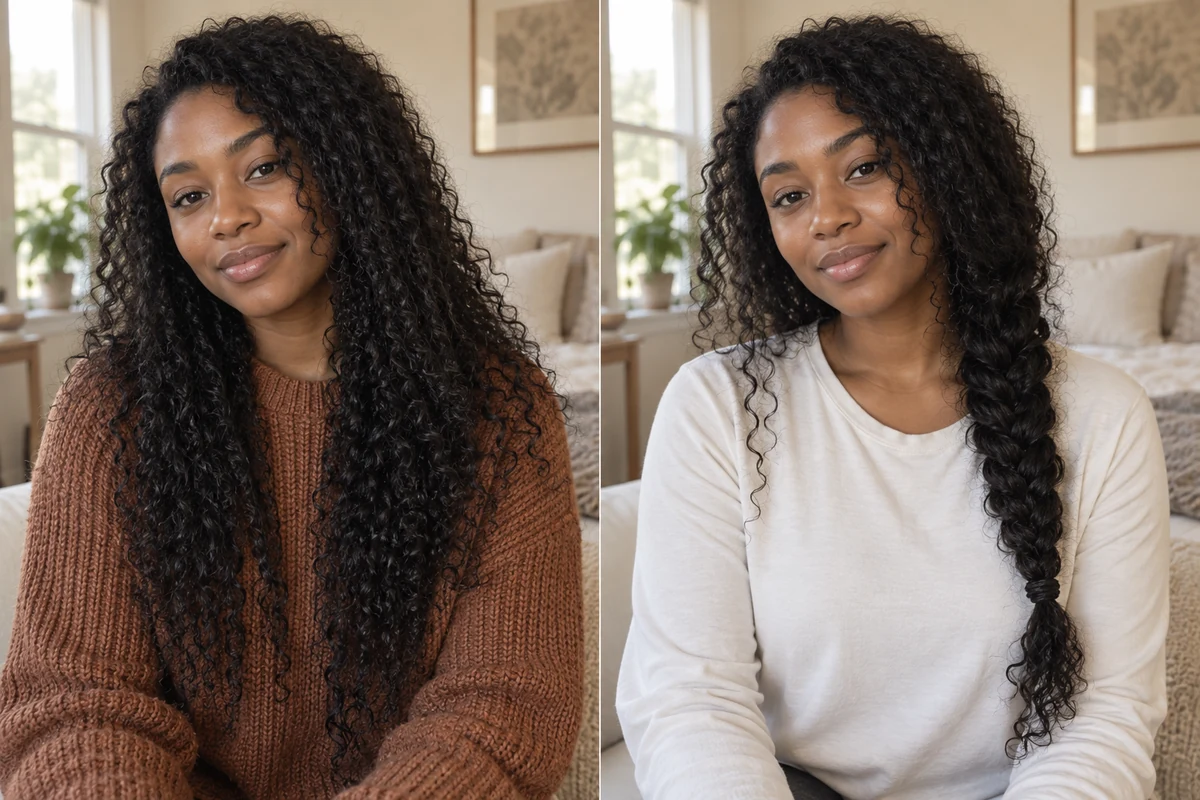
Illustrative care comparison: loose hair against a sweater beside a loose low braid.
Before · loose hair against a sweaterAfter care · a loose low braid
A loose low braid lifts the fragile lengths off the sweater so they stop catching on it all day. It is soft, with no pulling at the roots.
A woman gently squeezing damp hair with a towel.

Help with your hair-care routine

Bring your hair-care questions to the consultation. You can also read this related guide.

  • What am I doing that’s stressing my ends?
  • Is my conditioner actually giving me enough slip?
  • How do I look after lengths that are part natural, part treated?

The plan uses the hair and scalp details you share, past treatments, current products, preferences and the time and budget you have.

The Hair Care Consultation gives you a personal plan with product recommendations, routines and guidance on your hair-care questions.

$49 with 60 days of follow-ups, or $99 with 12 months. Pay once; the year renews only if you choose.