Hair Care Guides

Choose the conditioning your hair needs.
Start with rinse-out care, then decide what to add.

If your hair detangles comfortably and feels soft after washing, you may not need a mask or leave-in. If it still catches or feels rough, check your conditioner’s placement and directions first. Add or change one product so you can judge whether it helps.

Your personal hair-care planProduct choices, routines and answers shaped around your hair.$49one-timeStart my consultation
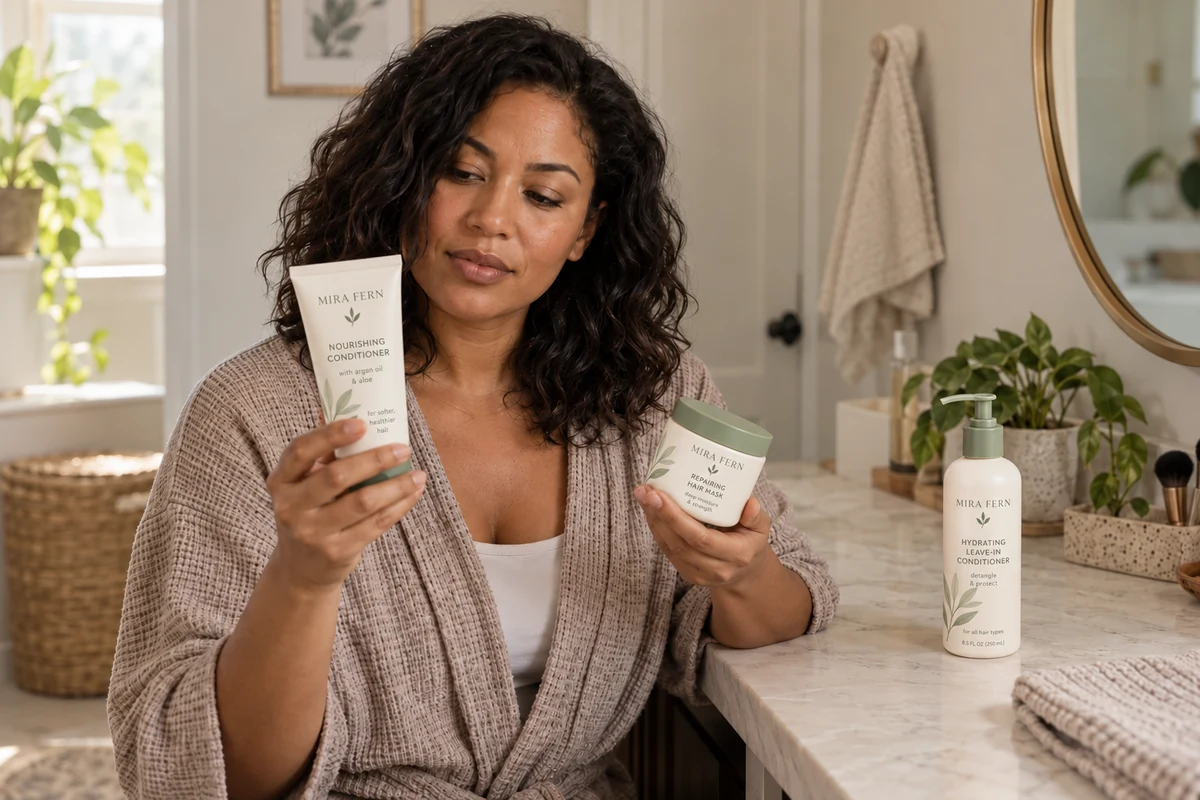
A woman compares a conditioner tube and hair mask jar beside a leave-in bottle.
Start with rinse-out care, then decide what to add.

What is going on

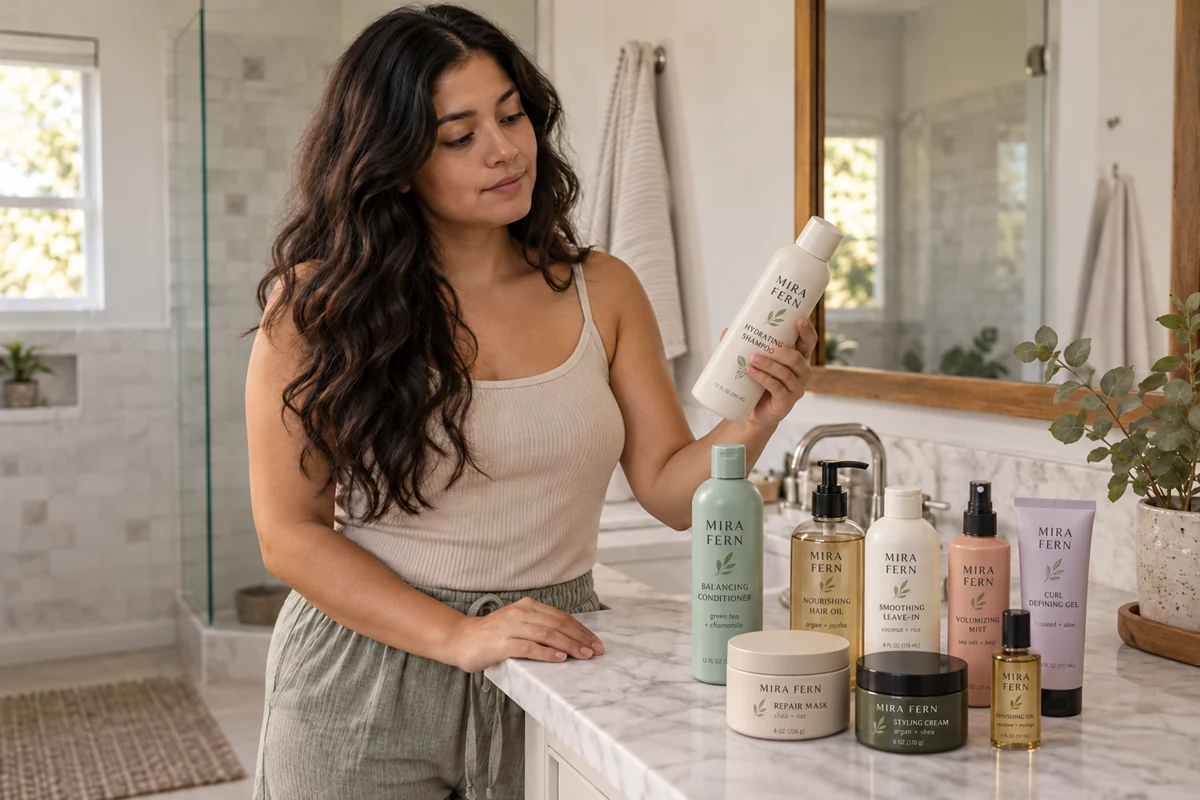
A woman considering several hair-care bottles and jars on her bathroom counter.

Check what rinses out and what stays in

Read each label for where to apply it, how wet the hair should be and whether to rinse. Conditioner and many masks rinse out; leave-in stays on. A product called a treatment may have a different sequence, so check before combining it with anything else.

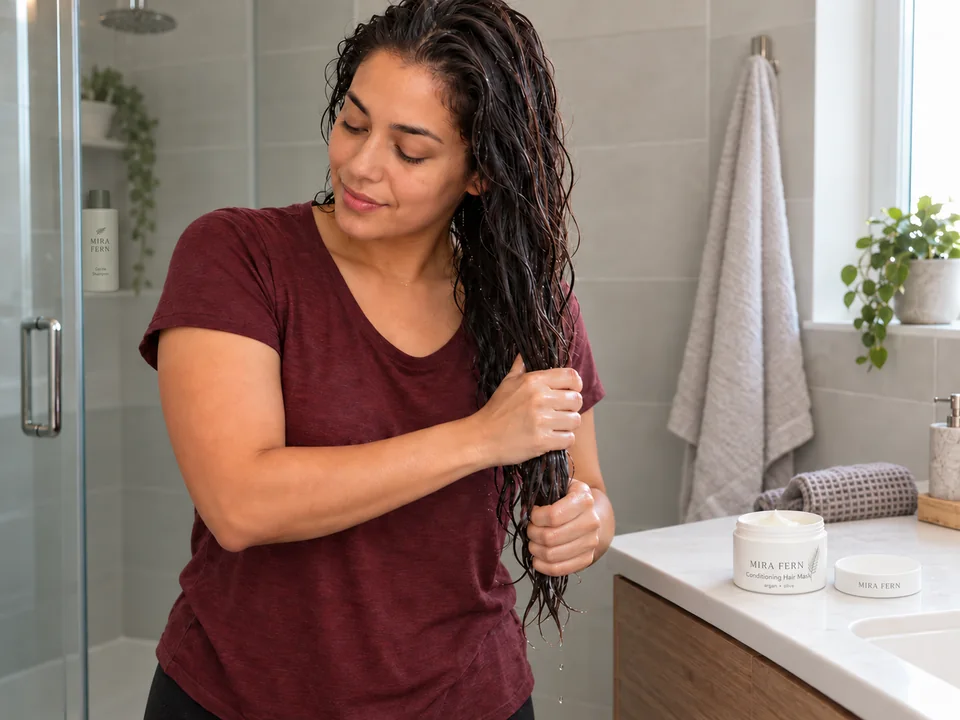
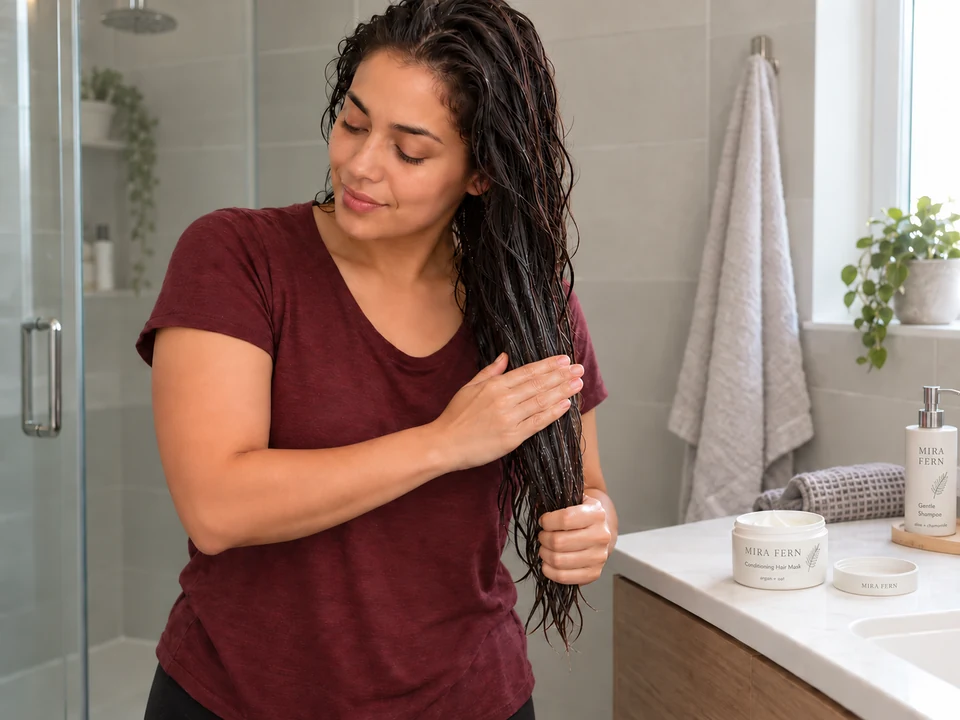
A woman gently squeezes excess water from her long wet hair beside an open hair mask jar.

Check whether a mask replaces conditioner

If the mask says to use it instead of conditioner, skip your usual conditioner that wash. If it specifies conditioner before or after, follow that order. When the directions are unclear, ask the manufacturer before adding another conditioning step.

What helps, day to day

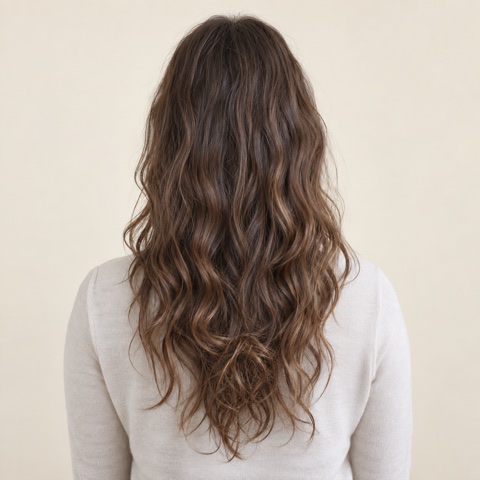
Wavy hair with tangles concentrated near the ends.

Hair still tangles during washing

  • Work conditioner through the areas that catch, including underneath.
  • Detangle curls or coils damp with conditioner; let straight hair partly dry before combing.
  • If replacing rinse-out conditioner with leave-in made detangling harder, return to the rinse-out step.
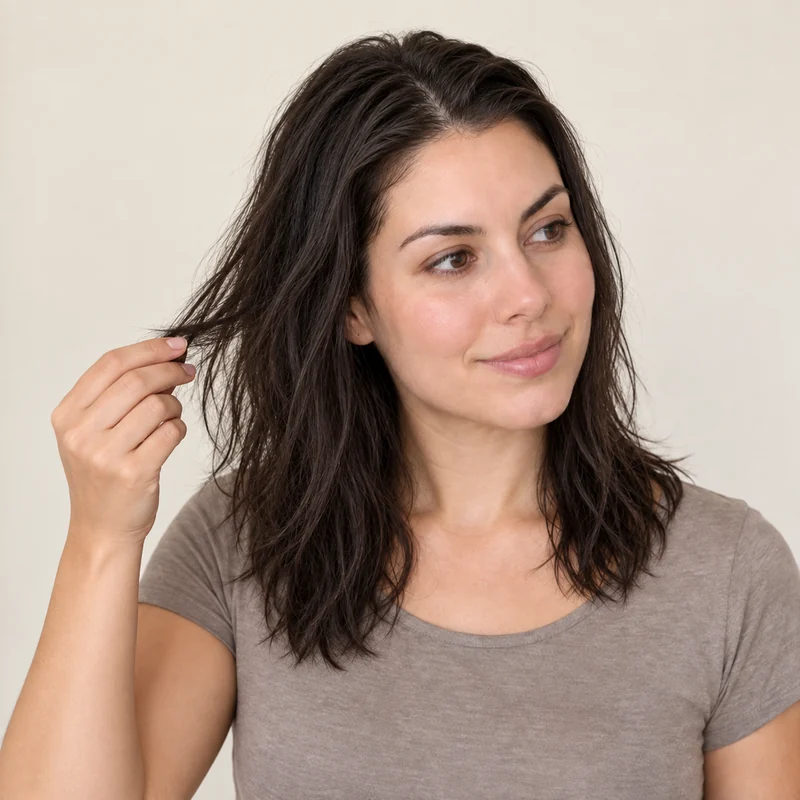
A woman gently feeling a section of her loose hair with her fingers, with no visible product.

The ends still feel rough after drying

  • Check that conditioner reaches the ends and stays on for the directed time.
  • If the dry ends still feel rough, try leave-in there at the next wash, using its directions.
  • Keep your other products the same and compare softness and ease of detangling.
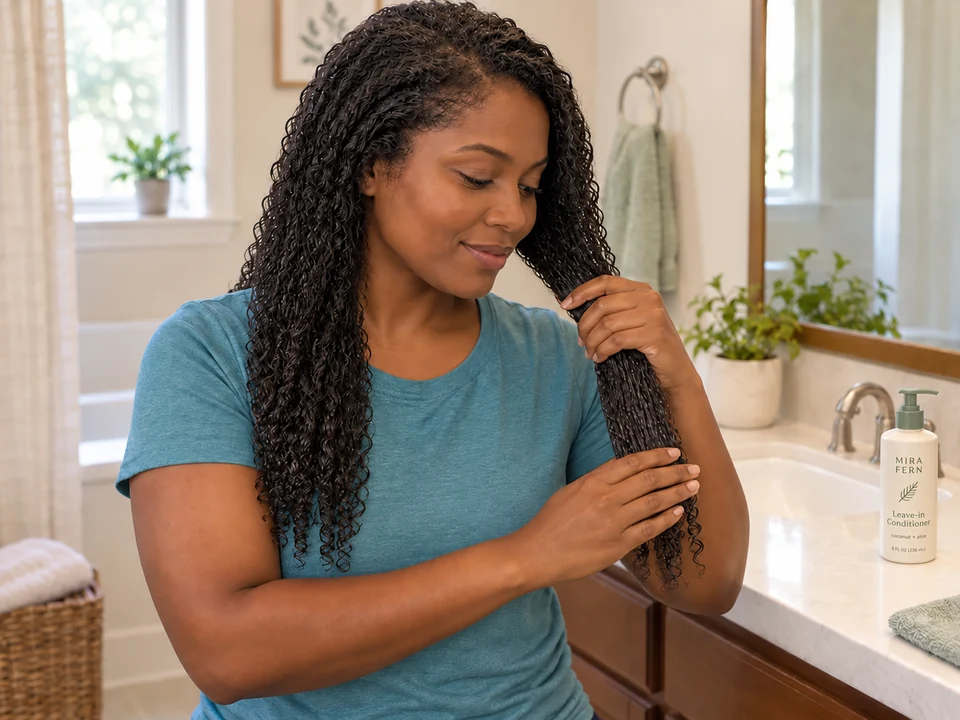
A woman with curls writing a routine note beside her hair-care products.

Several conditioning layers leave hair coated

  • Write down which products you used, how much and where.
  • At the next wash, omit one optional conditioning layer or reduce its amount within the label’s directions.
  • Compare the dry result before changing another product; you do not need to discard everything at once.

Products, by the job they do

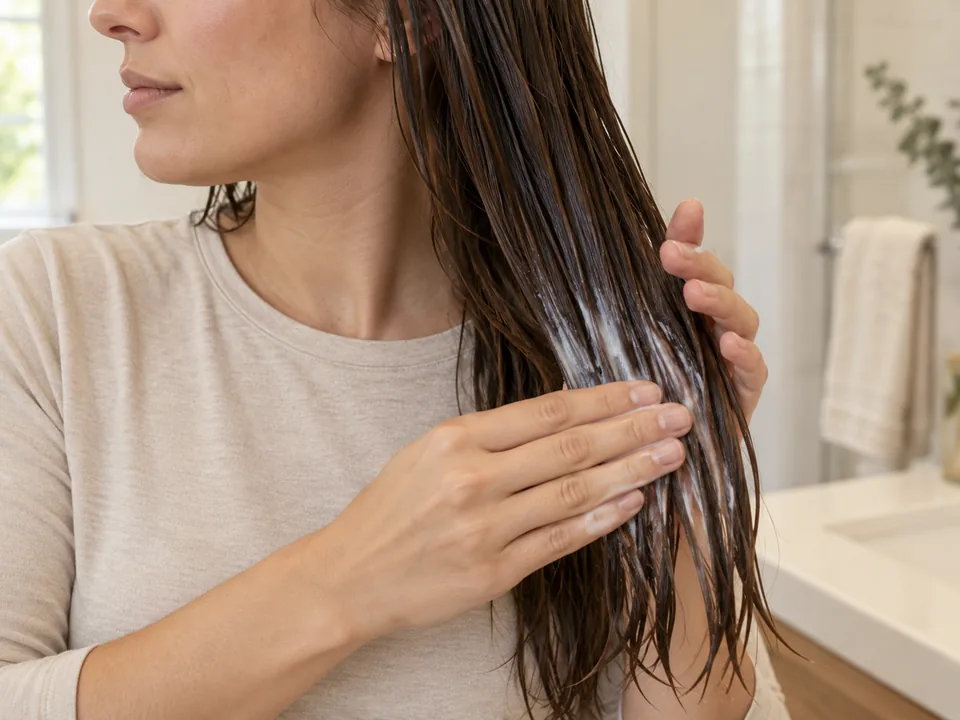
A woman smoothing conditioner through her mid-lengths and ends.

Rinse-out conditioner for softness and detangling

Choose conditioner for the hair you need to detangle and soften. Fine or straight hair may need it mainly at the ends; dry or curly hair may need it through more of the length. Spread it evenly and rinse as directed.

Browse rinse-out conditioners. Your tangles, past treatments and preferred finish help guide a personal conditioner recommendation.

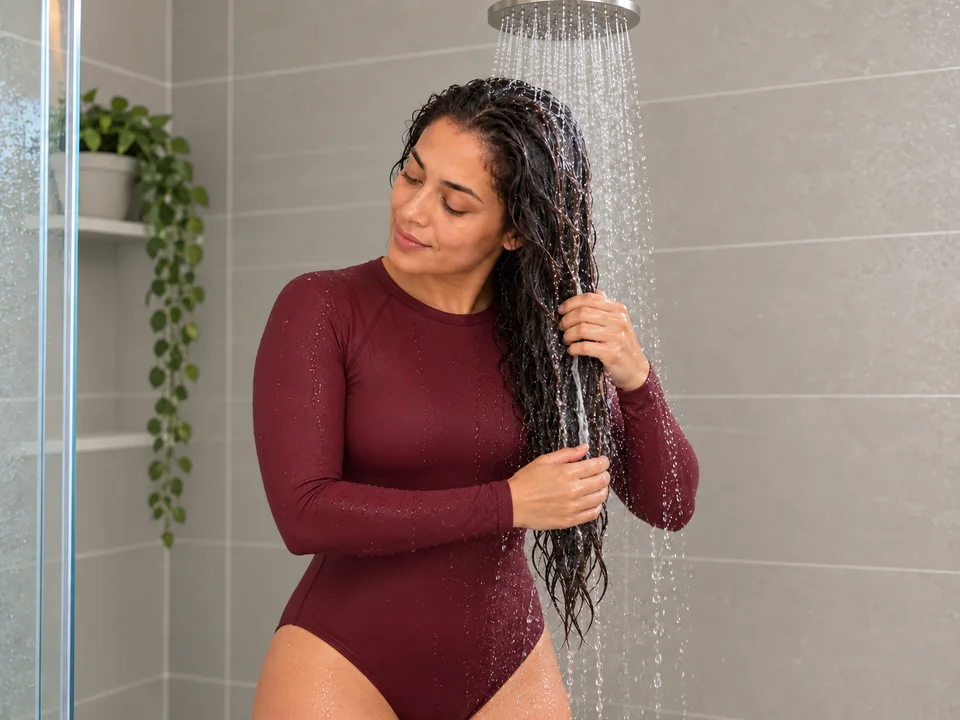
A woman in a burgundy long-sleeve one-piece swimsuit guides shower water through her wet hair with both hands in front.

A mask to try when conditioner is not enough

A mask is optional. If your conditioner leaves the lengths difficult to detangle or rough, compare a mask’s purpose and directions before buying. Check whether it replaces conditioner and whether you have time for the stated wait and rinse.

Browse rinse-out masks. The consultation considers what your current conditioner does before recommending an extra mask.

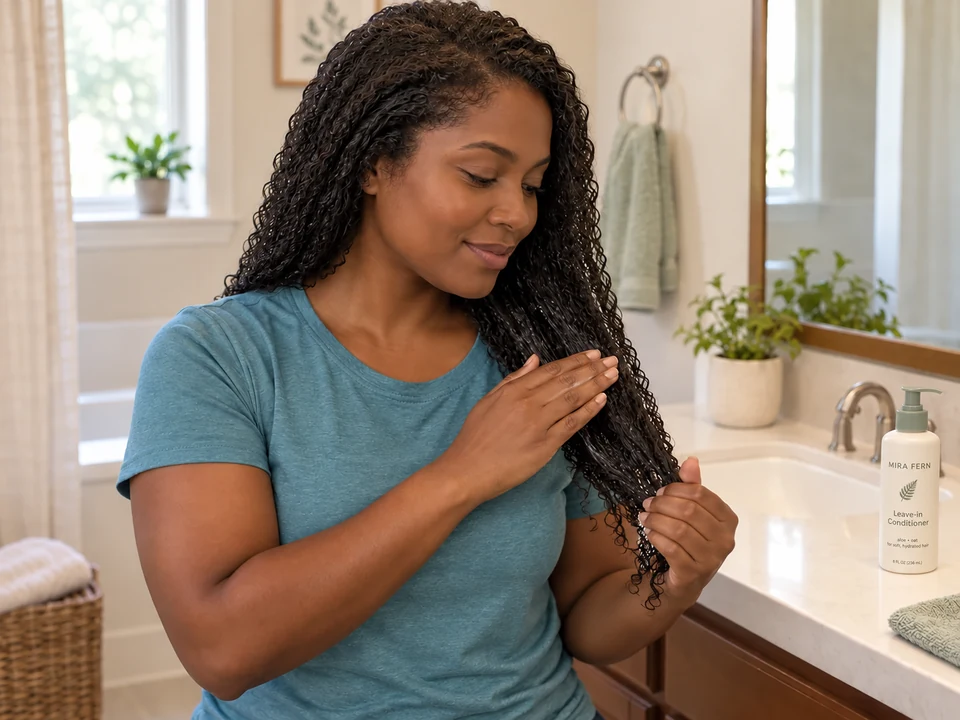
A woman supports one damp hair section while smoothing leave-in conditioner toward the tips.

Leave-in for lengths that need more softness

A leave-in stays on after washing. Use it where the hair needs softness or easier detangling, starting with the directed amount. Check your styler’s instructions for order. Use a product made to stay in; do not dilute rinse-out conditioner to make one.

Browse leave-in conditioners. For help choosing a leave-in, describe where your hair feels rough and what you already apply.

Choose the method for the product you use

A thin coating of conditioner being smoothed over the lower lengths and ends, away from the scalp.

Apply rinse-out conditioner to the lengths and ends

Divide the wet lengths so you can reach inside them. Smooth conditioner through the areas that need it, wait for the time on the bottle and rinse thoroughly. The illustrated method keeps the scalp clear.

Guide: Apply conditioner to the lengths and ends
A woman smooths a visible layer of white hair mask through the middle and ends of one wet hair section.

Use a rinse-out mask as its label directs

Prepare wet or damp hair as the mask directs, spread it through the specified areas and rinse after the stated time. Follow its instructions about conditioner. Do not add heat or leave a rinse-out mask on overnight.

Guide: Apply a rinse-out hair mask
A woman smooths a thin layer of leave-in conditioner over the middle and ends of one damp hair section.

Apply leave-in after the final rinse

After rinsing out your wash products, remove excess water until the hair matches the leave-in’s directions. Apply the directed amount, spread it through the lengths and leave it in. The method shows cream and spray alternatives.

Guide: Apply leave-in conditioner
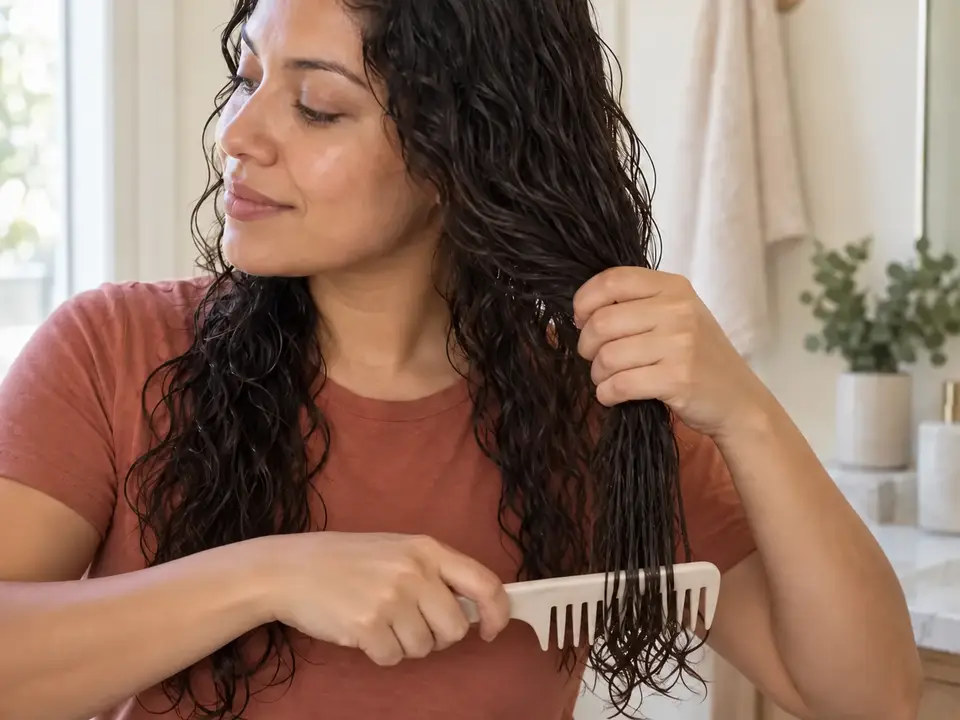
Woman supports a damp wavy-curly section while a wide-tooth comb begins at the lowest hair tips.

Detangle without pulling through a snag

Start near the tips and comb toward the ends. Once that area is clear, start a little higher and comb down again. Hold above a snag while easing it apart. Let straight hair partly dry first; detangle curls or coils damp with conditioner.

Guide: Detangle with a wide-tooth comb

Illustrated care examples: before & after

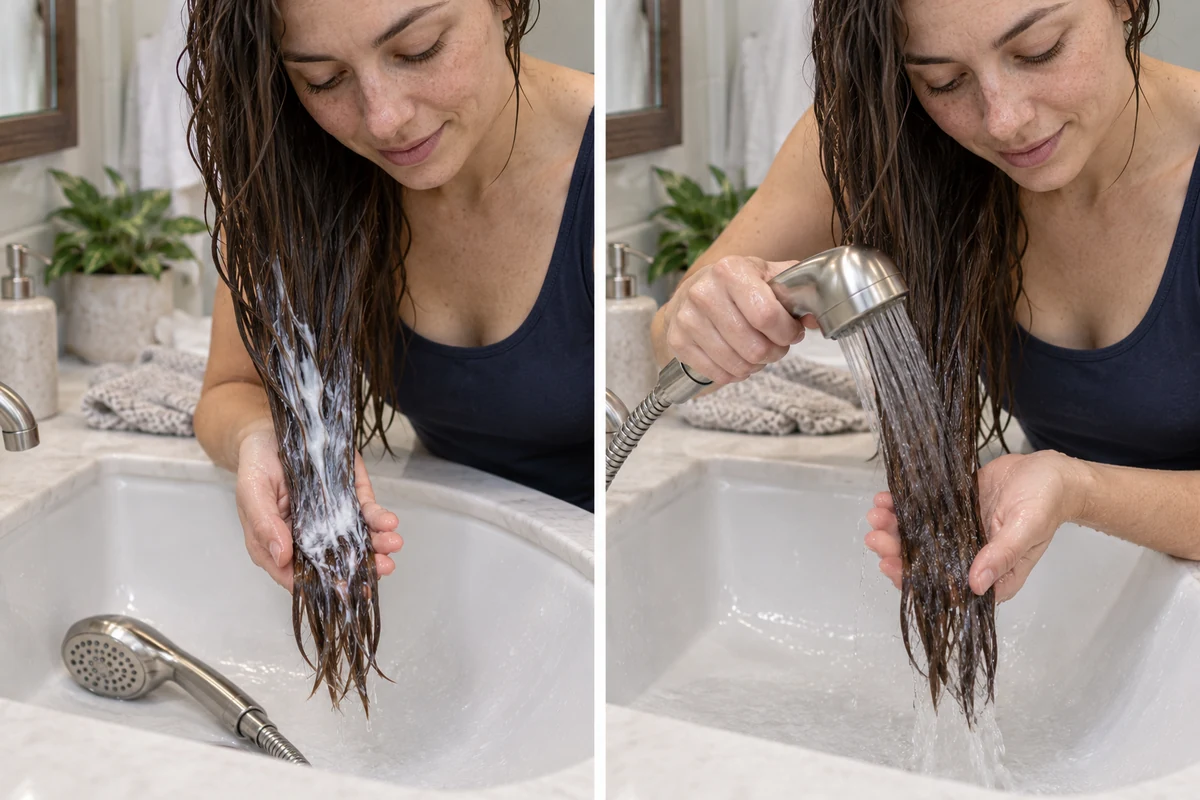
Rinsing a rinse-out product

Two panels show a wet hair section with rinse-out conditioner and the same section being rinsed with water.
Before · product on wet lengthsDuring rinsing · the same section rinsing
Rinse-out conditioner comes out after the label’s waiting time. Guide water through the section and underneath it until visible product is gone.

Leave-in stays on after application

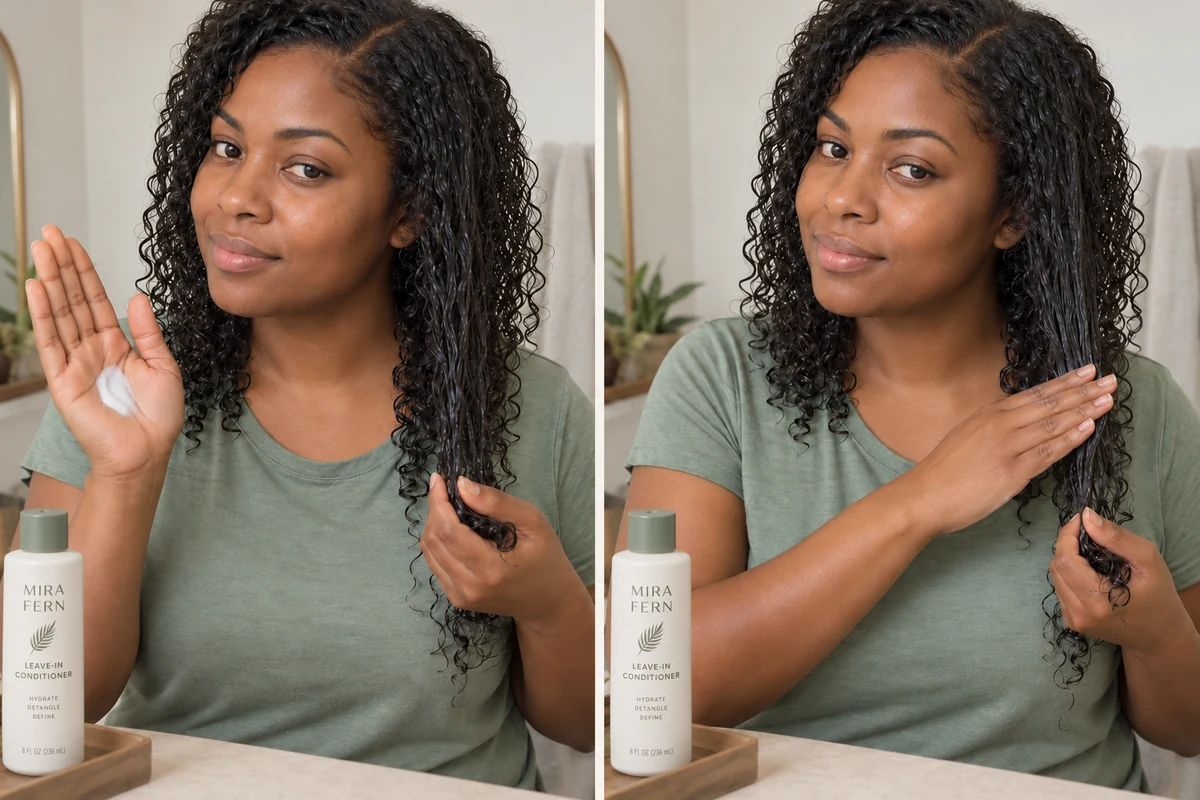
Two panels show a woman with damp curls preparing leave-in conditioner in her palm and distributing it through her ends.
Before · leave-in in the palmDuring application · worked through the ends
Use the amount on your leave-in’s label and spread it through the lengths that need it. This product stays in the hair; it has no rinsing step.
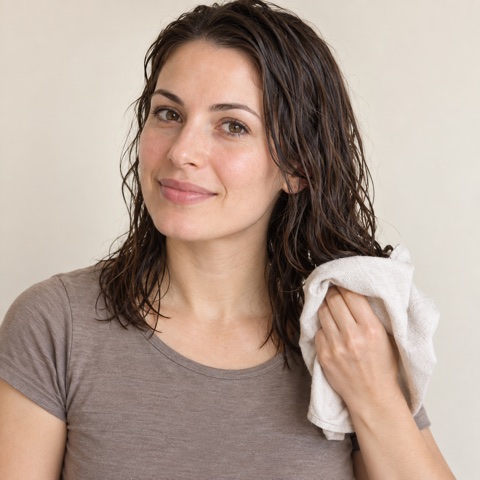
A woman gently squeezing damp hair with a towel.

Help with your hair-care routine

Bring your hair-care questions to the consultation. You can also read choosing protein treatments thoughtfully.

  • Can my mask replace my rinse-out conditioner?
  • Would leave-in help my rough or tangled ends?
  • Which conditioning step can I leave out if my hair feels coated?

The plan uses the hair and scalp details you share, past treatments, current products, preferences and the time and budget you have.

The Hair Care Consultation gives you a personal plan with product recommendations, routines and guidance on your hair-care questions.

$49 with 60 days of follow-ups, or $99 with 12 months. Pay once; the year renews only if you choose.