Hair Care Guides

Wearing a wig or topper on a hot day.
Plan for comfort, shade and breaks.

Heat, perspiration and extra headwear can make a familiar hairpiece uncomfortable. Try the whole outfit before the event, choose a place to cool down, and decide what you can wear if you need to take the piece off.

Your personal hair-care planProduct choices, routines and answers shaped around your hair.$49one-timeStart my consultation
An adult wearing a bob-style wig sits in garden shade with a closed carrying case nearby.
Plan for comfort, shade and breaks.

What is going on

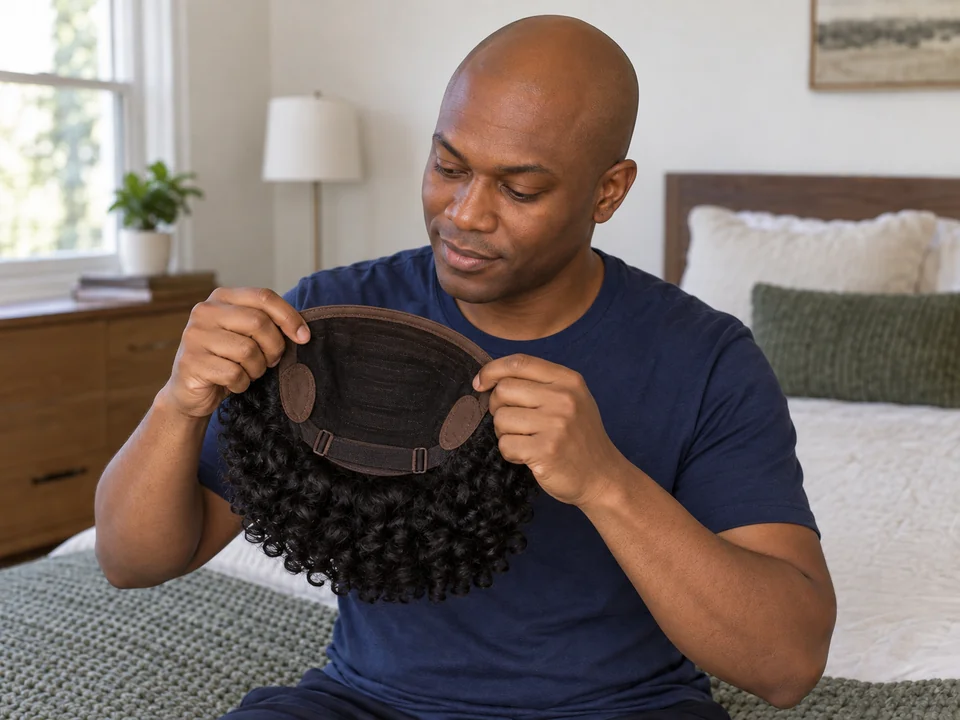
A man holds a short curly wig by its sturdy cap before putting it on.

Start with a piece you already find comfortable

Try your usual hair underneath, the piece and any hat together. Check for pressure at the edges and clips. A “heat-friendly” fiber label refers to styling tools; choose outdoor wear by fit and your experience, rather than that label.

An adult with a removable wig on a stand checks a quiet indoor table beside a shaded patio.

Plan a cool place and a private change

Find shade or an air-conditioned indoor space before the event. If you want privacy to remove the piece, check where that is available. Bring a familiar alternative and a roomy case so taking a break is practical.

What helps, day to day

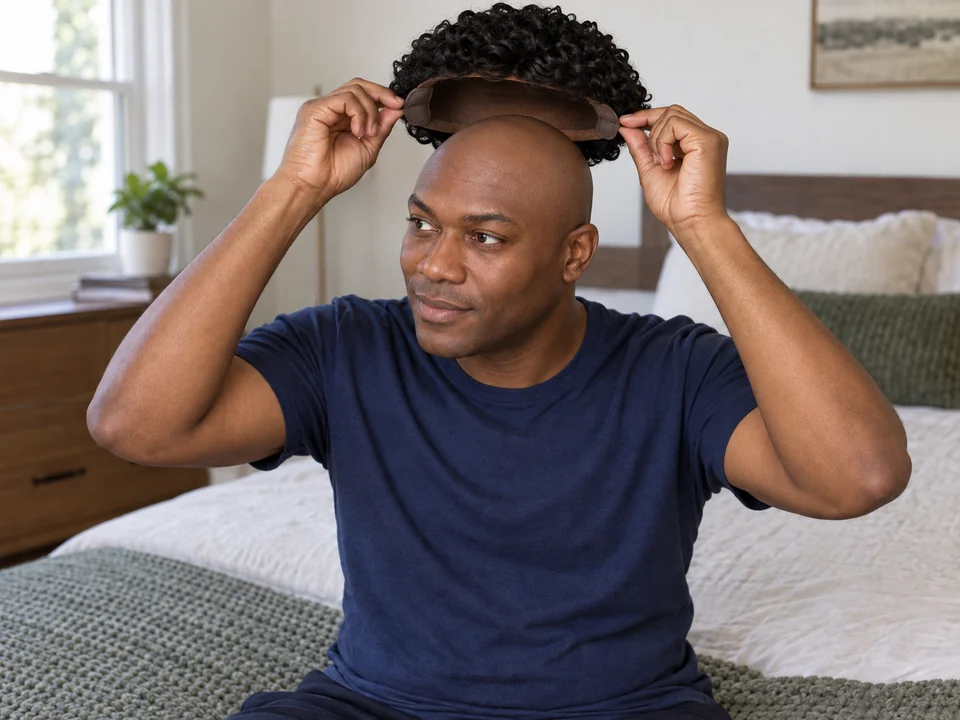
A man lifts the removable wig clear by its cap sides.

Release pulling or pressure

  • Remove a removable piece that pinches or pulls.
  • Check for folded edges, caught hair and bunched liners.
  • Use its normal fit adjustments, and leave it off if discomfort continues.
  • Adding glue or tightening straps is not a solution to poor fit.
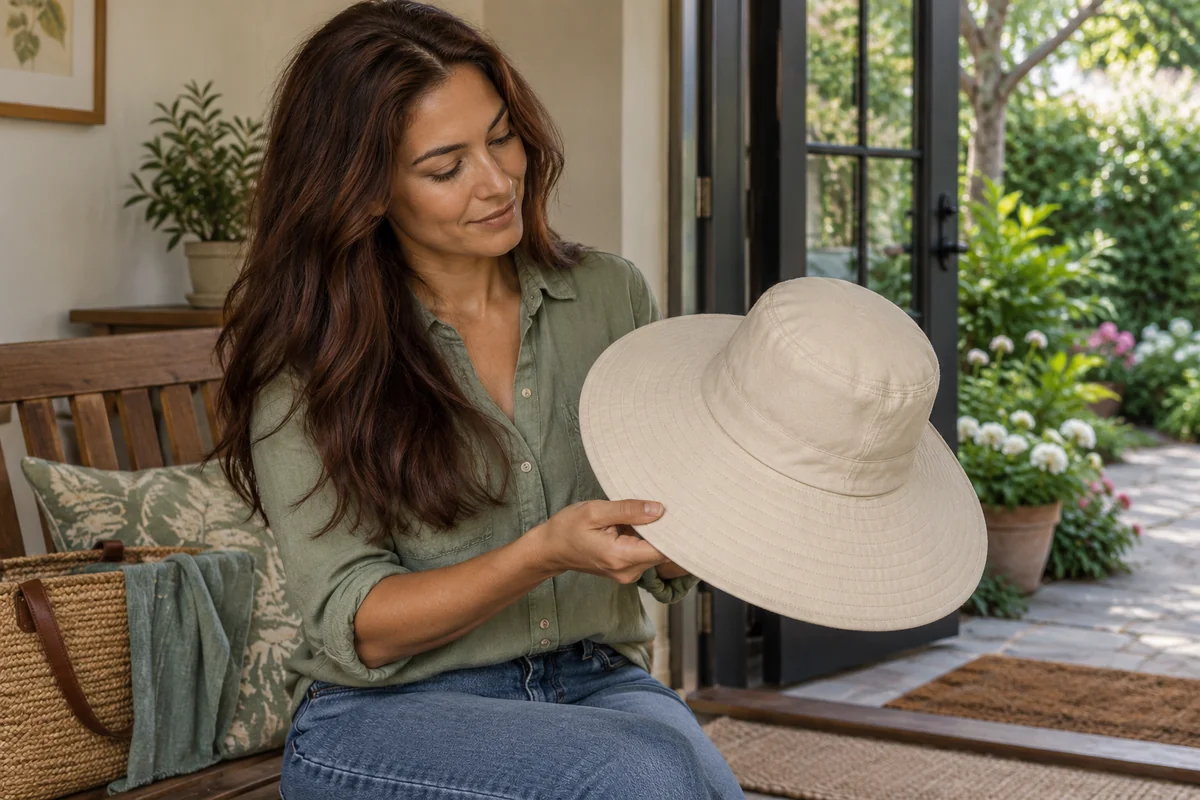
An adult examines the closed crown and broad brim of a fabric hat.

Check the hat over the hairpiece

  • Try a wide-brim hat with a covered crown.
  • Turn your head and check that it neither presses on clips nor shifts the piece.
  • Use another hat or covering if they do not fit together.
  • Protect exposed skin separately and use shade.
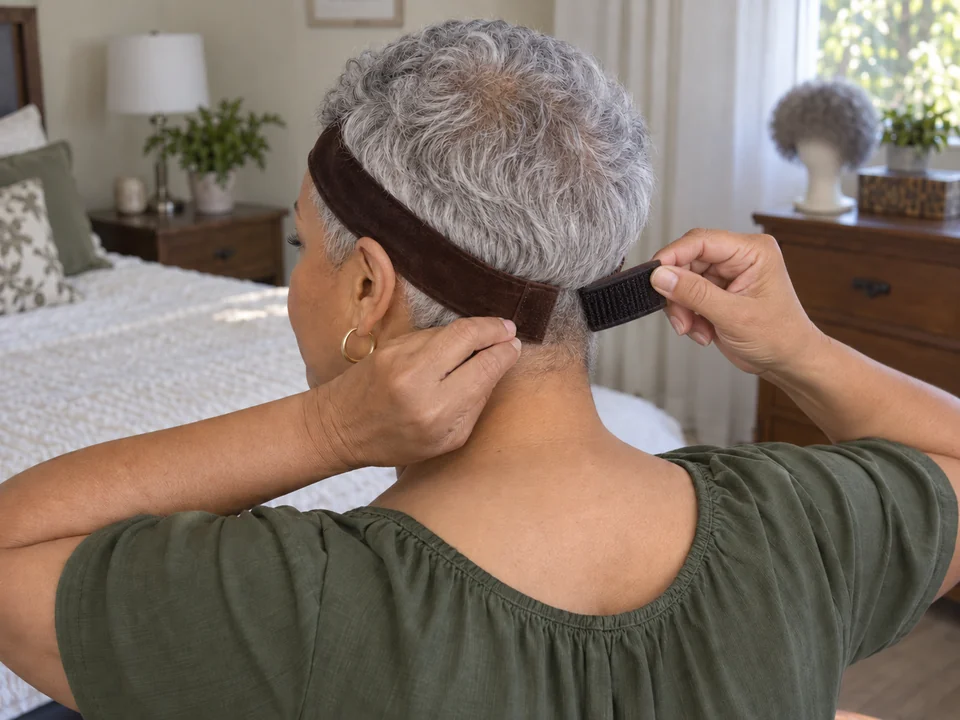
A woman opens the grip band’s nape closure after removing her wig.

Leave time for care before the next wear

  • After removing the piece, separate any washable liners or grips.
  • Clean each when needed, using its own care directions.
  • Let washed fabric and the wig’s cap dry fully before wearing again.
  • Keep a backup available if drying takes longer than expected.

Products, by the job they do

A woman massaging shampoo lather onto her scalp with her fingertips.

Clean your scalp when it needs washing

Wash your own hair when your scalp is oily or dirty, or your usual routine calls for it. Work your regular shampoo over the scalp and rinse well. Wearing a wig does not, by itself, call for a stronger cleanser.

Browse cleansing products. For shampoo recommendations, share how your roots feel between washes and what you use now.

A woman smoothing conditioner through her mid-lengths and ends.

Condition your own lengths

After washing, apply your usual conditioner through the lengths that need it, following the product’s directions. Detangle gently and allow your hair to dry before covering it closely. Keep wig-care products separate from products for your own hair.

Browse rinse-out conditioners. Tell the consultation what you want from a conditioner and what you disliked about previous ones.

Options for getting ready

A man adjusts a removable short curly wig by the ear tabs with both hands.

Fit a glueless wig before leaving

For a full wig made for removable glueless wear, use its cap edges or ear tabs to position it and check comfort. This method assumes the wig already fits. Toppers and adhesive systems need their own fitting and removal methods.

Guide: Put on and remove a glueless wig
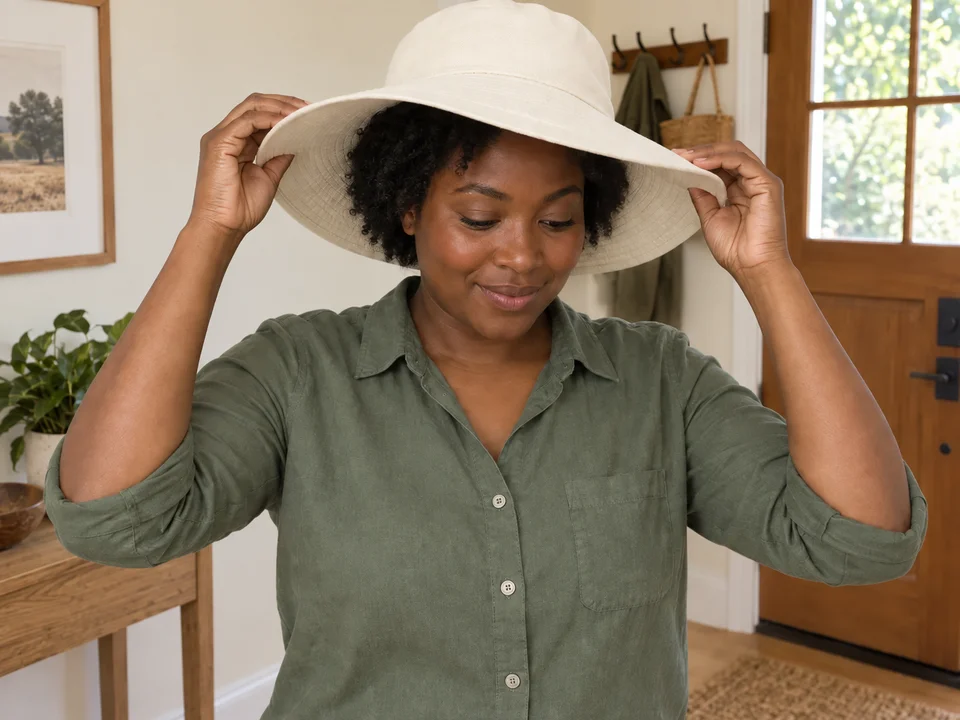
Settling a wide-brim hat comfortably over the hair.

Use a sun hat when the hairpiece is off

If you choose to leave the hairpiece off, this method shows how to fit a wide-brim hat over loose hair. Check crown coverage and comfort, then recheck after movement. It does not teach fitting a hat over a wig or topper.

Guide: Cover your scalp in the sun

Illustrated care examples: before & after

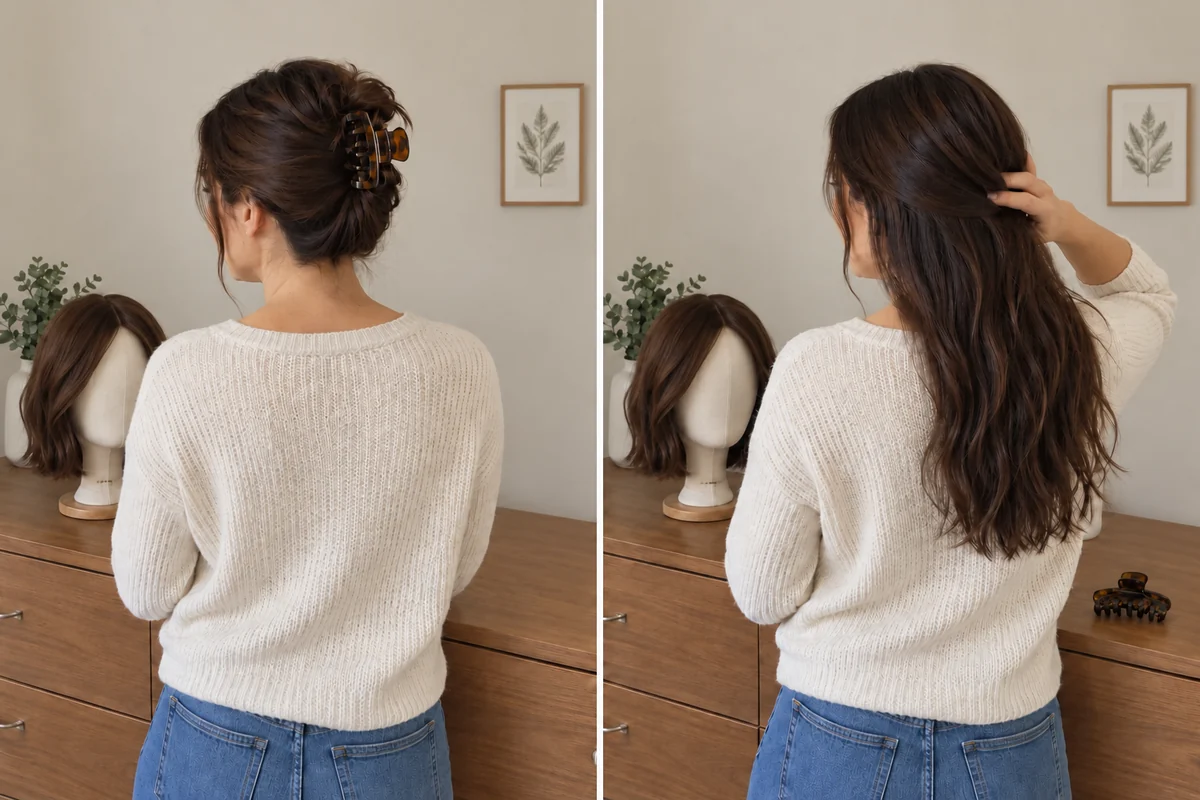
Clip out before the wig

The same adult removes a claw clip from the under-hair arrangement while the wig stays on its stand.
Before · claw clip in own hairAfter removing the clip · clip out, lengths released
Remove bulky clips before arranging hair beneath the wig. The right panel shows the clip set aside and the hair released. Fit the wig separately.

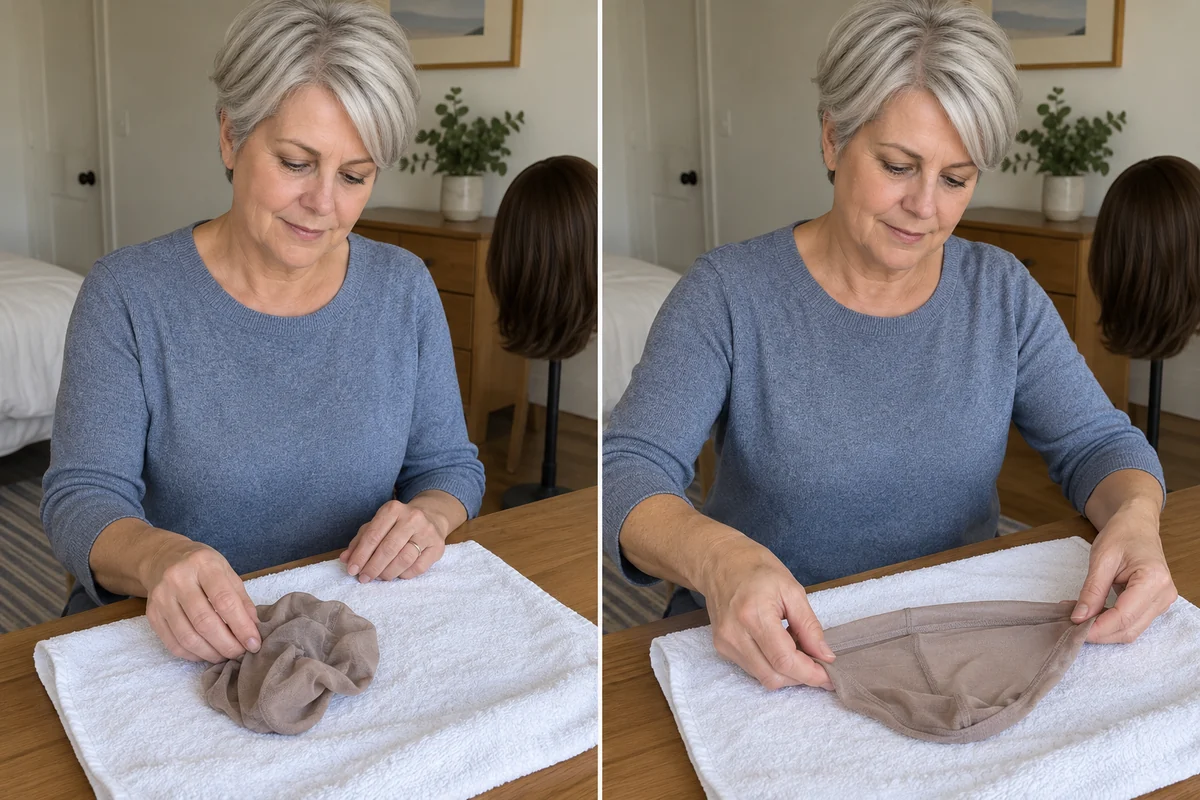
Liner laid flat to dry

The same adult spreads a damp soft wig liner flat on a towel instead of leaving it bunched.
Before · washed liner bunched on towelAfter spreading · liner spread flat
Spread a washed liner flat if its care label allows this drying method. Leave it until fully dry before wearing it again.
A woman with curls writing a routine note beside her hair-care products.

Help with your hair-care routine

Bring your hair-care questions to the consultation. You can also read checking everyday wig contact and comfort.

  • How should I wash my own hair after a sweaty day?
  • What can I use on my hair underneath the wig?
  • How can I plan care when I need the wig again tomorrow?

Share your usual wash routine, products and the time you have before the next wear. The consultation can help plan care for your own scalp and hair. Ask your hairpiece supplier about its fit, cleaning and suitable activities.

The Hair Care Consultation gives you a personal plan with product recommendations, routines and guidance on your hair-care questions.

$49 with 60 days of follow-ups, or $99 with 12 months. Pay once; the year renews only if you choose.