Hair Care Guides

Wash day doesn’t have to end in tears.
Comfort first, a perfect finish second.

If detangling your child’s hair has become a nightly battle, you’re not doing anything wrong. Tangles happen. Small sections, plenty of slip and permission to stop halfway make it calmer for both of you. This is written for a caregiver of a school-age child.
Your personal hair-care planPractical hair-care questions, product choices and gentler routines.$49one-timeStart my consultation
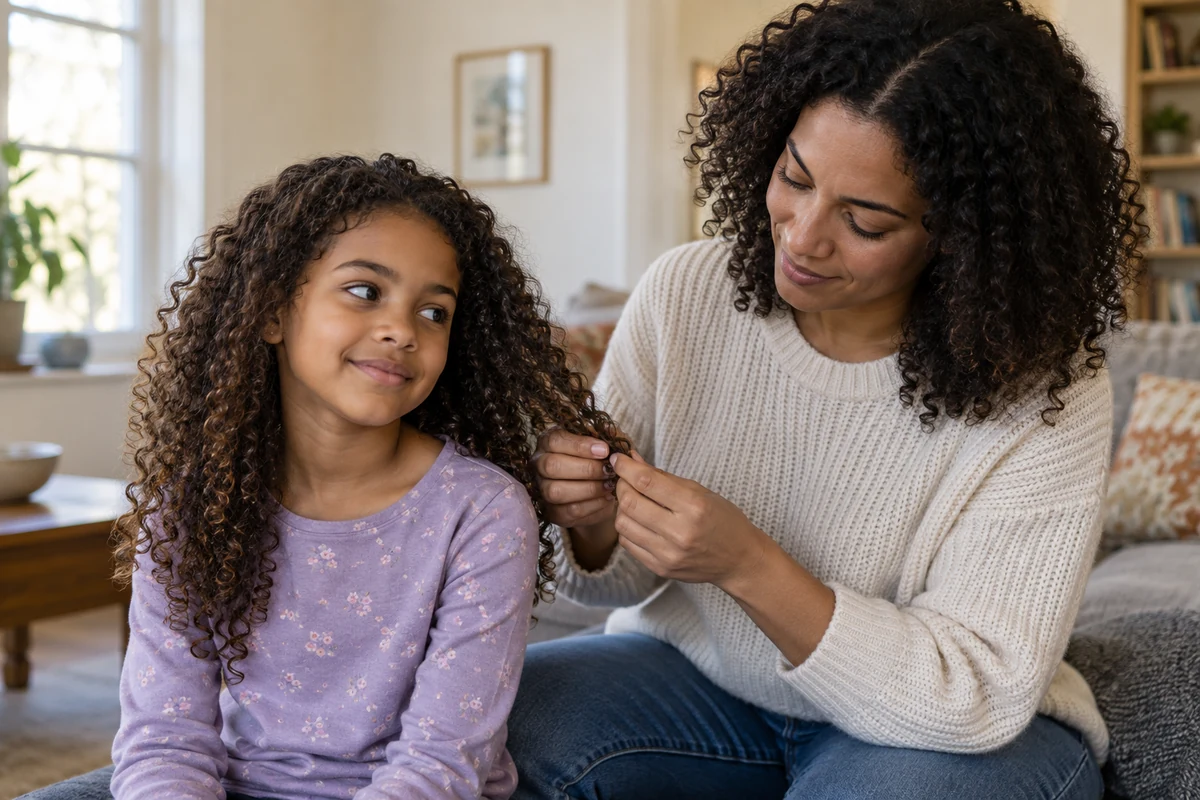
A caregiver supporting a small section of a child’s curly hair during gentle detangling.
Comfort first, a perfect finish second.

What is going on

A woman with curls writing a routine note beside her hair-care products.

Agree the plan before you start

Tell your child which section is next and let them pick a comfortable spot to sit. Offer breaks rather than promising to get every knot out tonight. Knowing what’s coming takes a lot of the dread out of it.
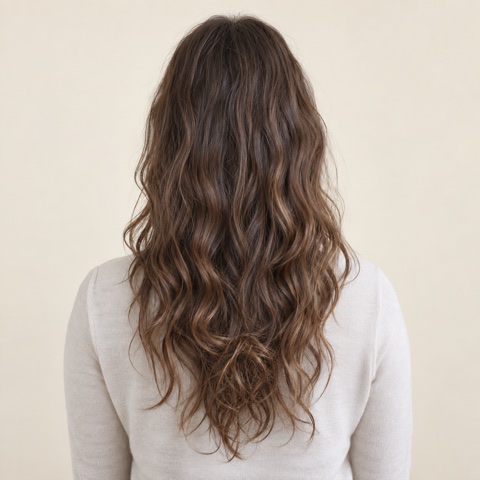
Wavy hair with tangles concentrated near the ends.

Long or curly hair tangles on its own

Curly and long hair knots without anyone doing anything wrong. Notice where the knots keep forming. The ends, the nape and under straps are the usual spots, and the routine can then go straight to them.
What helps, day to day

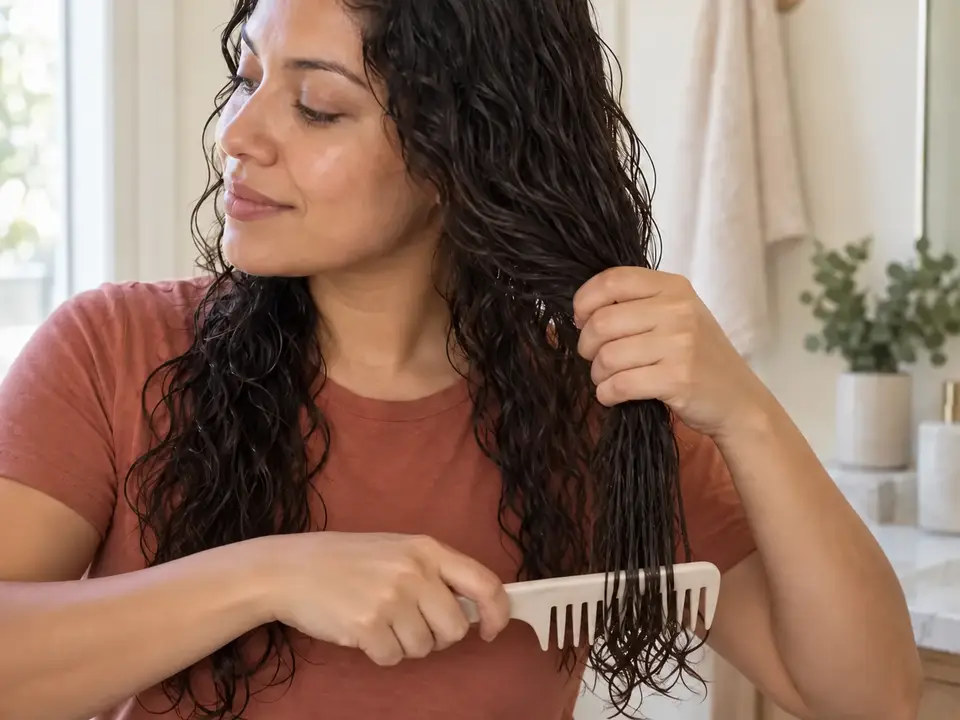
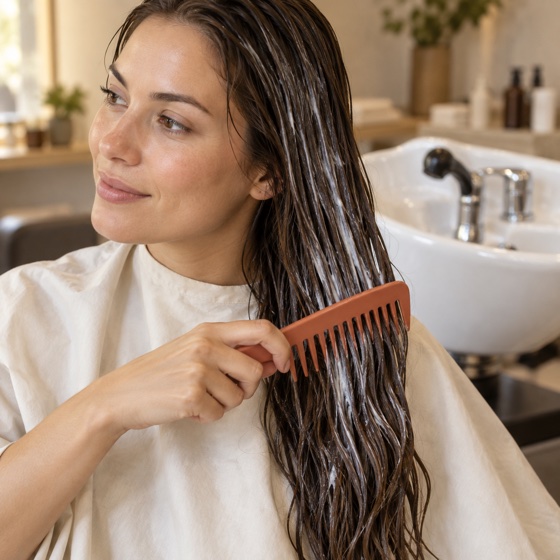
A woman detangling conditioned hair with a wide-tooth comb.

The comb keeps stopping

  • Add more conditioner for slip, hold a small section near the scalp and start at the ends.
  • Don’t pull through anything that resists.
  • A tight mat that won’t come out comfortably is worth an extra pair of hands or a stylist.
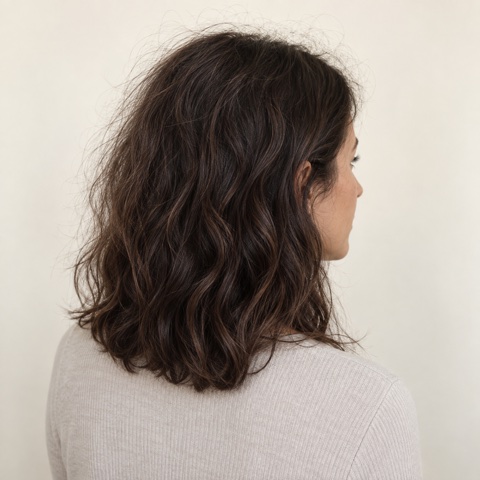
A side view of wavy hair with flyaways around the crown.

A neat style hurts

  • Loosen it straight away.
  • A comfortable braid or ponytail beats one that drags every short hair into place.
  • Check the nape and hairline when you finish, and let your child tell you when a tie feels too tight.
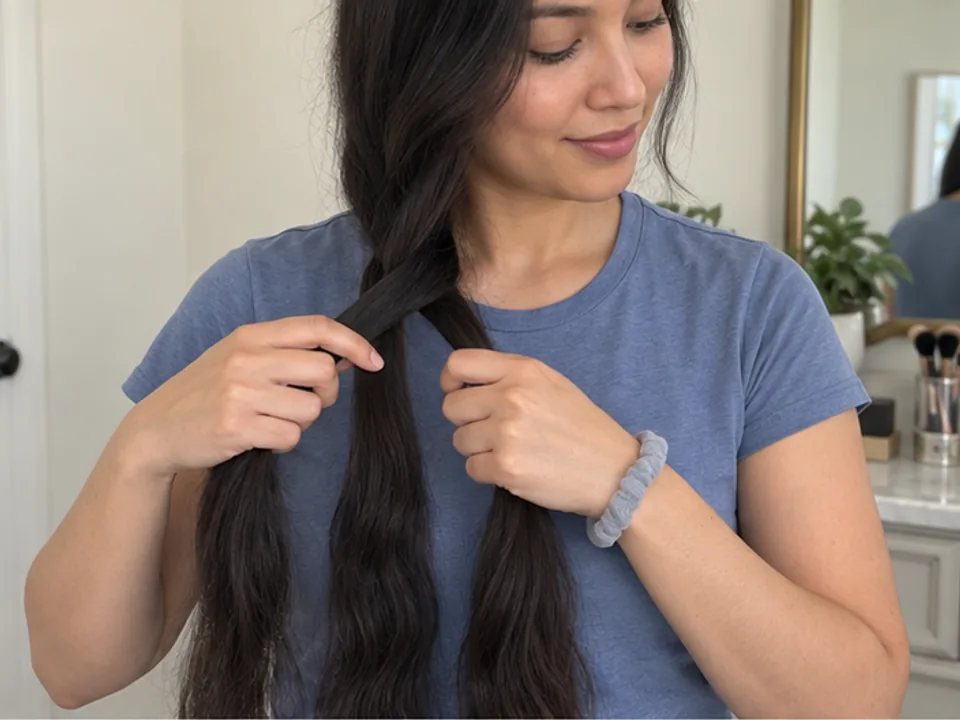
A woman crosses one of three hair sections to begin a loose side braid.

Knots come back under straps

  • Lift the hair clear before the backpack goes on or a coat is zipped up.
  • On dry, detangled hair that reaches over one shoulder comfortably, help your child make a loose braid.
  • Leave short layers out and loosen it if it pulls.
  • Have a gentle feel at the nape before wash day so small knots don’t join into one big one.

Products, by the job they do

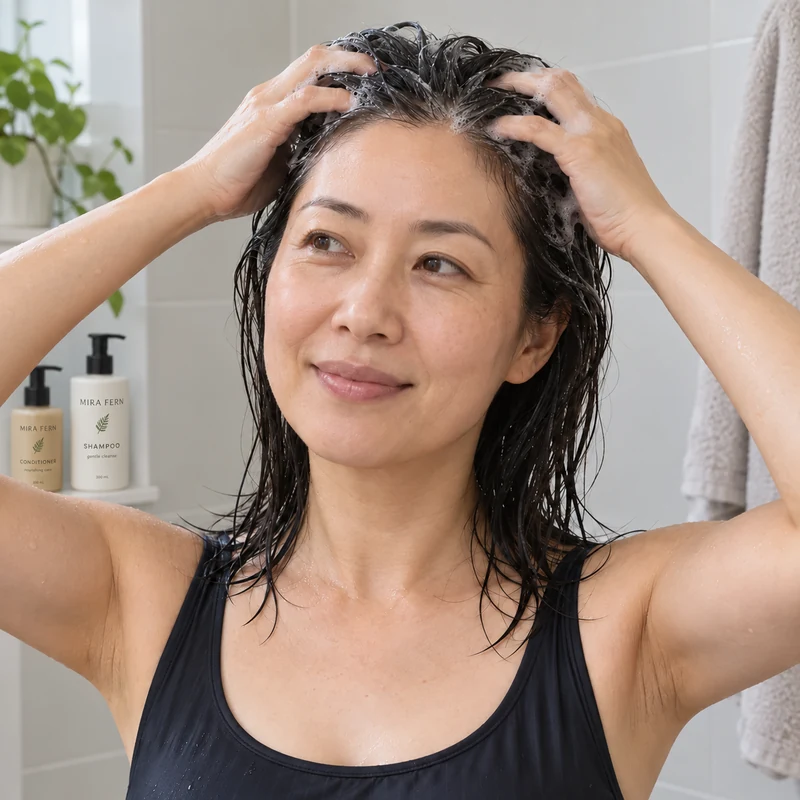
A woman massaging shampoo lather onto her scalp with her fingertips.

Pick a wash made for children

Keep it out of the eyes and rinse gently. The strong shampoo or treatment routine that works for you is unlikely to be the right fit for a child’s scalp.

Browse cleansing products. The consultation uses your wash frequency and scalp concerns to recommend a shampoo.

A woman smoothing leave-in product through her lower lengths.

Pick a conditioner for slip

A children’s conditioner on dry or curly lengths makes the comb glide. Use enough to feel the difference, rinse as the bottle says, and skip homemade mixtures.

Browse rinse-out conditioners. Your tangles, past treatments and preferred finish help guide a personal conditioner recommendation.
How to do it

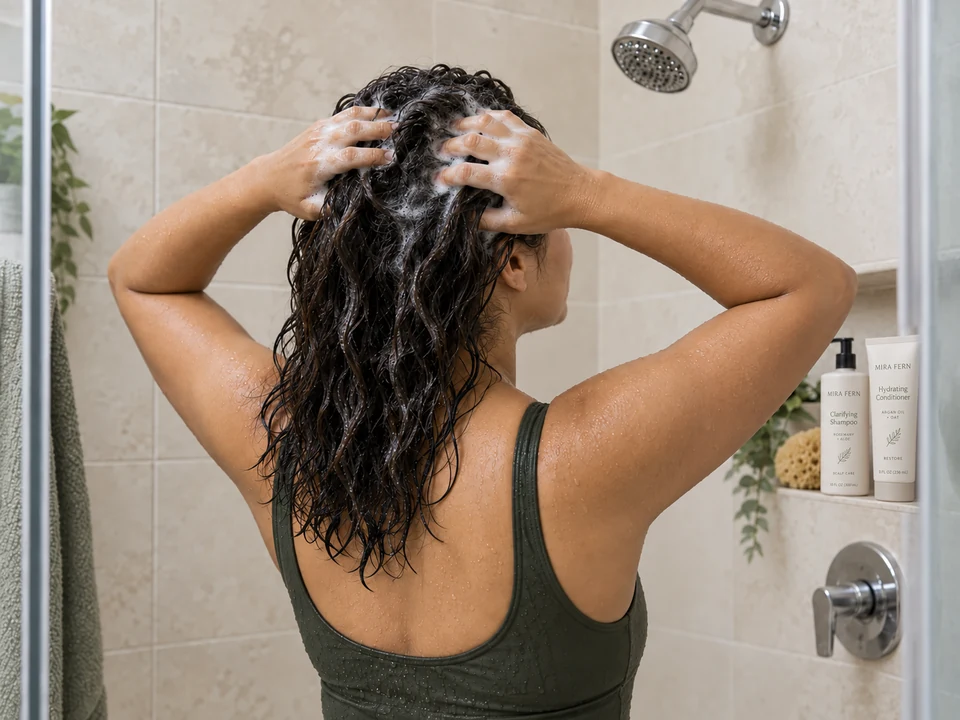
A woman uses both hands to gently work shampoo at the back and sides of her scalp, with the lengths hanging loose.

1. Keep the scalp wash gentle

The linked guide shows the movement on an adult. With a child, go lighter and slower, and stop when they’ve had enough.

Guide: Shampoo your scalp
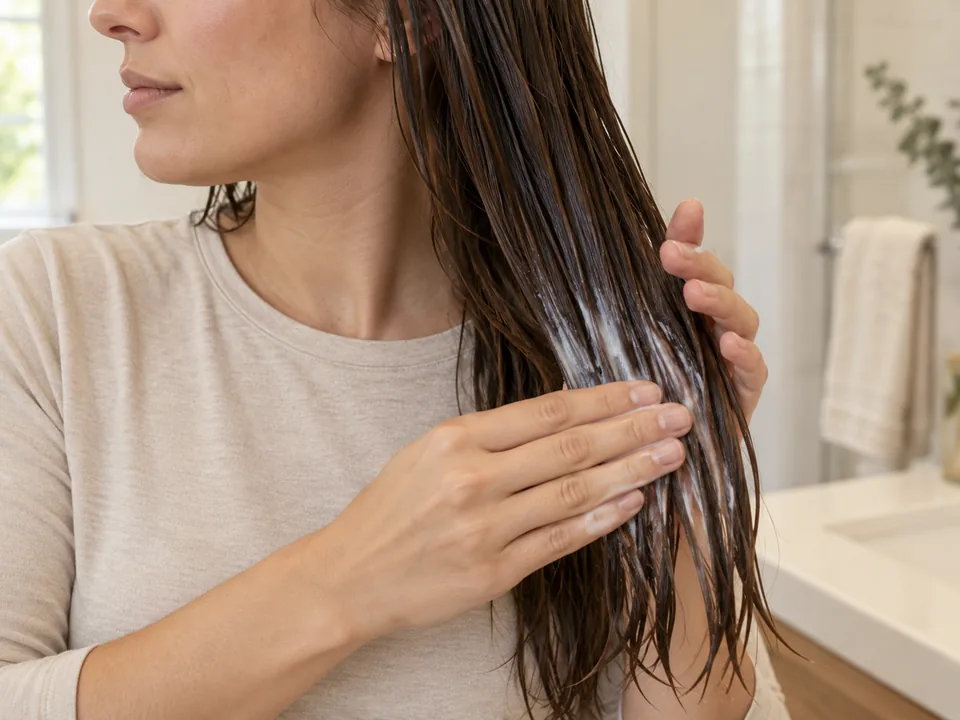
Woman supports a damp wavy-curly section while a wide-tooth comb begins at the lowest hair tips.

3. Hold the section and start at the ends

The demonstration shows the motion. Your hand above the knot takes the pull off the scalp. Don’t expect a child to manage a tough section alone.

Guide: Detangle with a wide-tooth comb
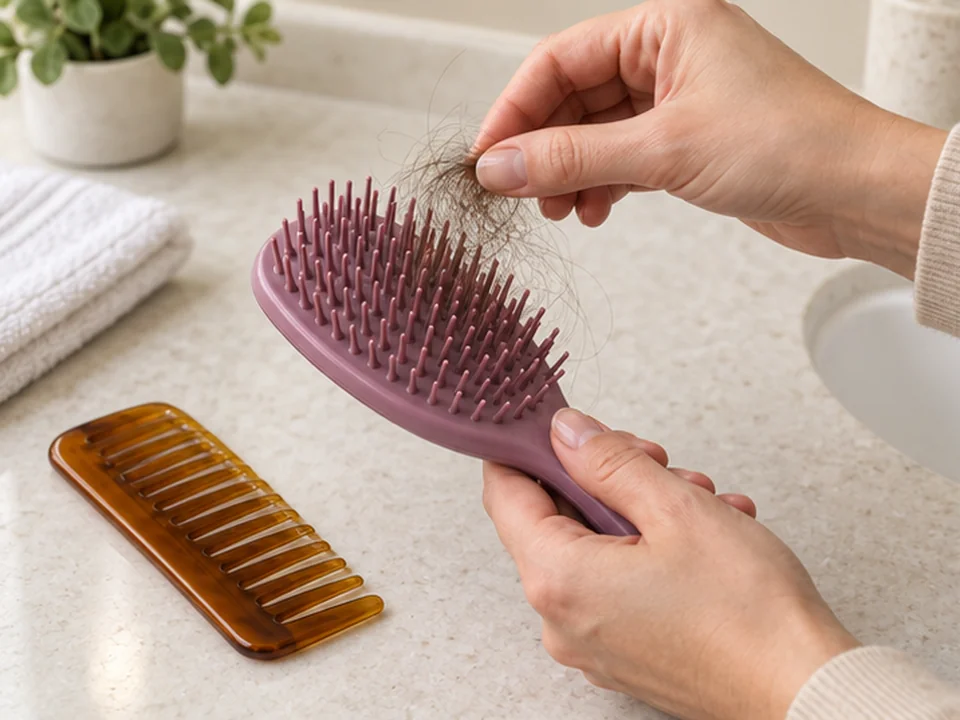
Hands lift caught hairs gently from the teeth of a detached plastic hairbrush.

4. Have clean tools ready

Wash the comb and brush and let them dry before the next wash day, so you’re not dragging old product through fresh hair.

Guide: Clean your hairbrush and comb
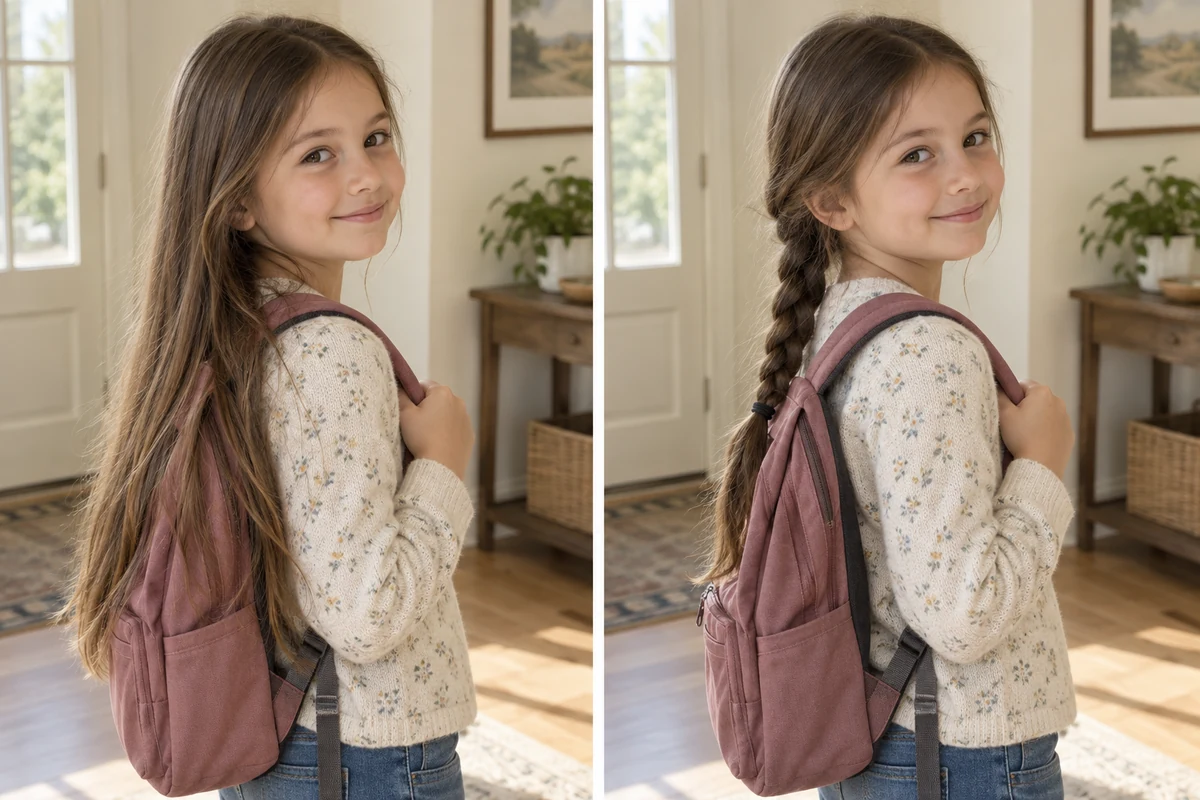
Illustrated care examples: before & after

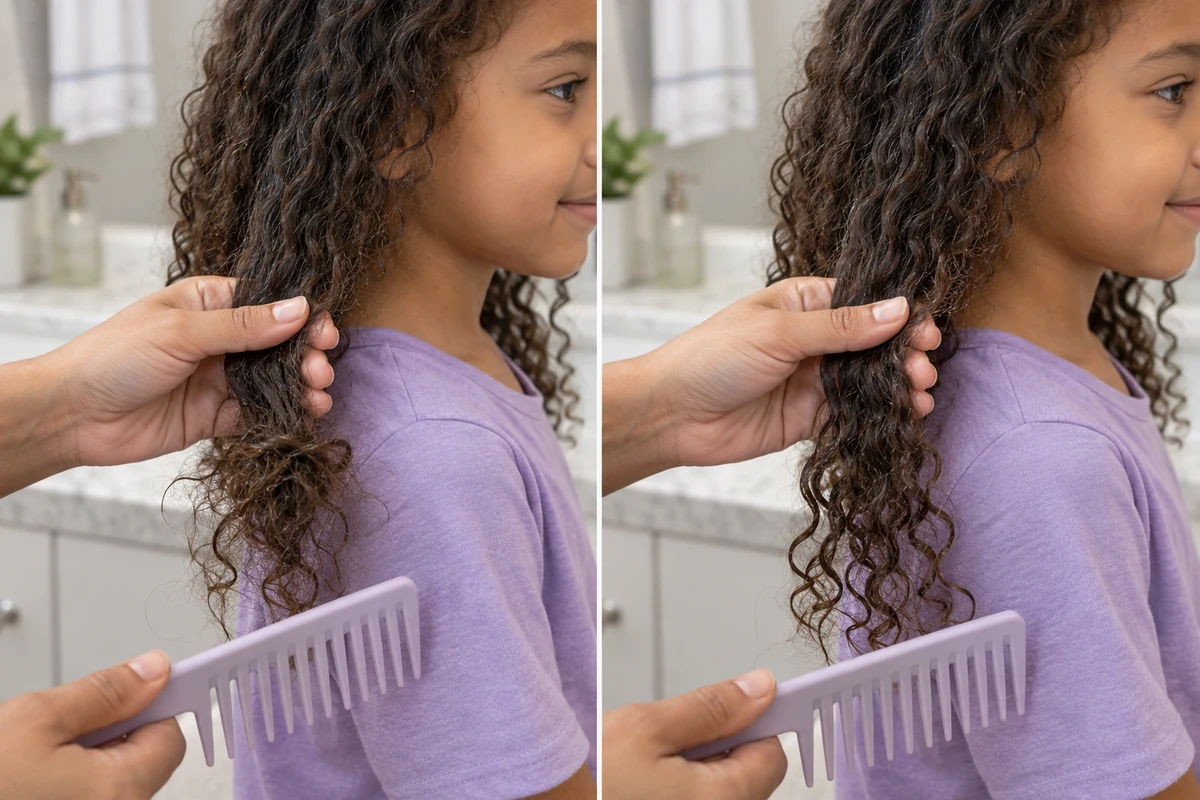
Knot out, roots untouched

Illustrated care comparison: A small knot catches at the ends of a supported section. After gentle detangling, the knot is released and the curls separate.
Before · a knot, section heldAfter detangling · knot out, curls separated
The section is held above the knot so nothing pulls at the roots while it is worked loose with conditioner. If it resists, stop rather than pulling through.

Braid clear of the backpack

Illustrative care comparison: loose hair under a strap beside a comfortable loose braid.
Before · loose hair under the strapAfter care · one comfortable loose braid
A loose braid keeps long hair from getting caught under a backpack strap, without tugging at the hairline. Same hair, just gathered.
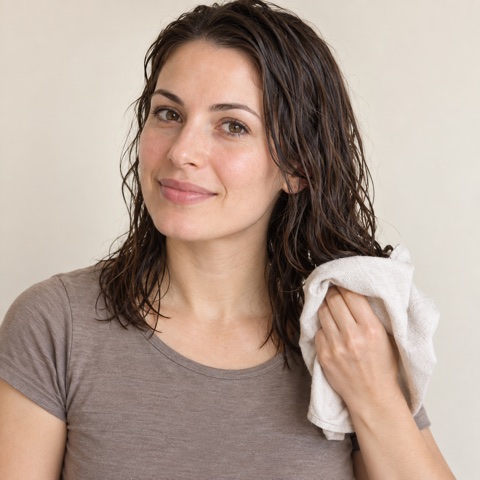
A woman gently squeezing damp hair with a towel.

Help with your hair-care routine

Bring your hair-care questions to the consultation. You can also read this related guide.

  • What would make wash day easier for both of us?
  • What should I keep track of about the tangles and what we use?
  • How do I keep their style comfortable between washes?

Tell us the child’s age, texture, how badly it tangles, what you use now and what wash days are really like. That is what shapes a gentler routine.

The Hair Care Consultation gives you a personal plan with product recommendations, routines and guidance on your hair-care questions.

$49 with 60 days of follow-ups, or $99 with 12 months. Pay once; the year renews only if you choose.