Hair Care Guides · Bleached & colored hair

Make colored lengths easier to care for.
Start with tangles, rough ends or snapping.

It’s frustrating to like your color but struggle with the way your hair feels. If the comb catches, the ends snap or another product leaves them heavy, choose a change for that problem first.

Your personal hair-care planProducts and gentler routines for your treated hair.$49one-timeStart my consultation
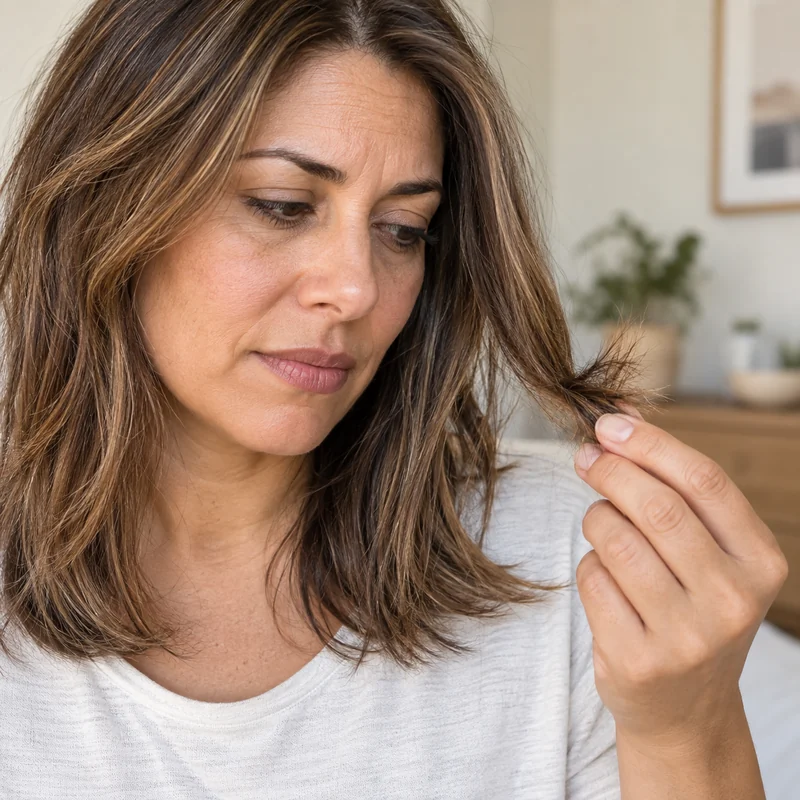
A woman feeling the ends of her highlighted hair.
Care for the treated areas and the lengths you want to keep.

What can change after bleach or dye

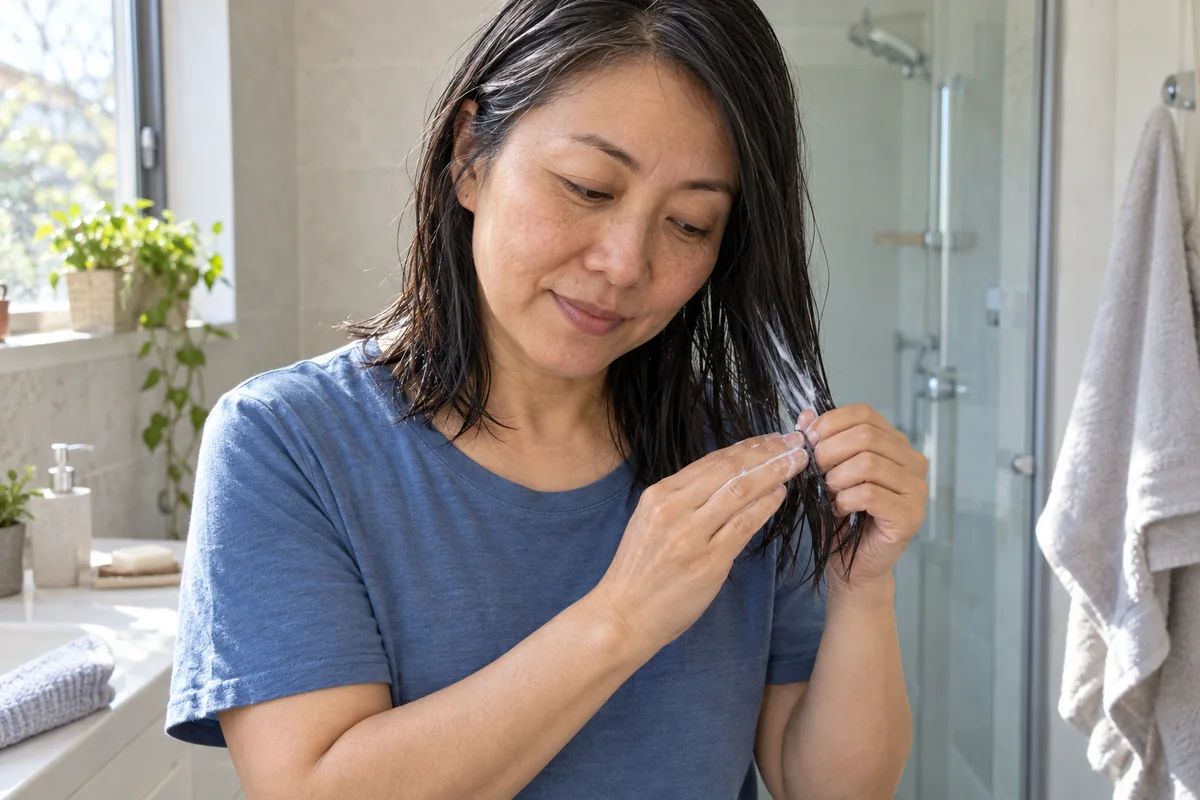
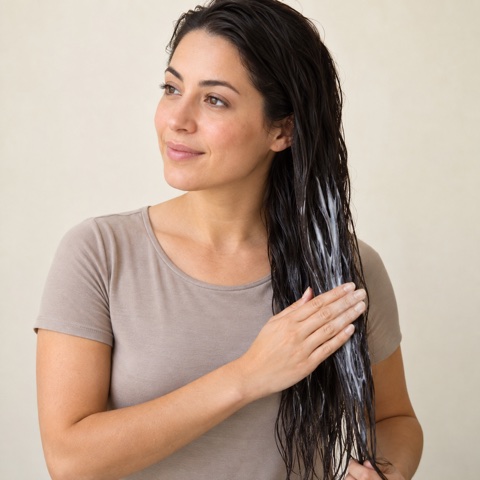
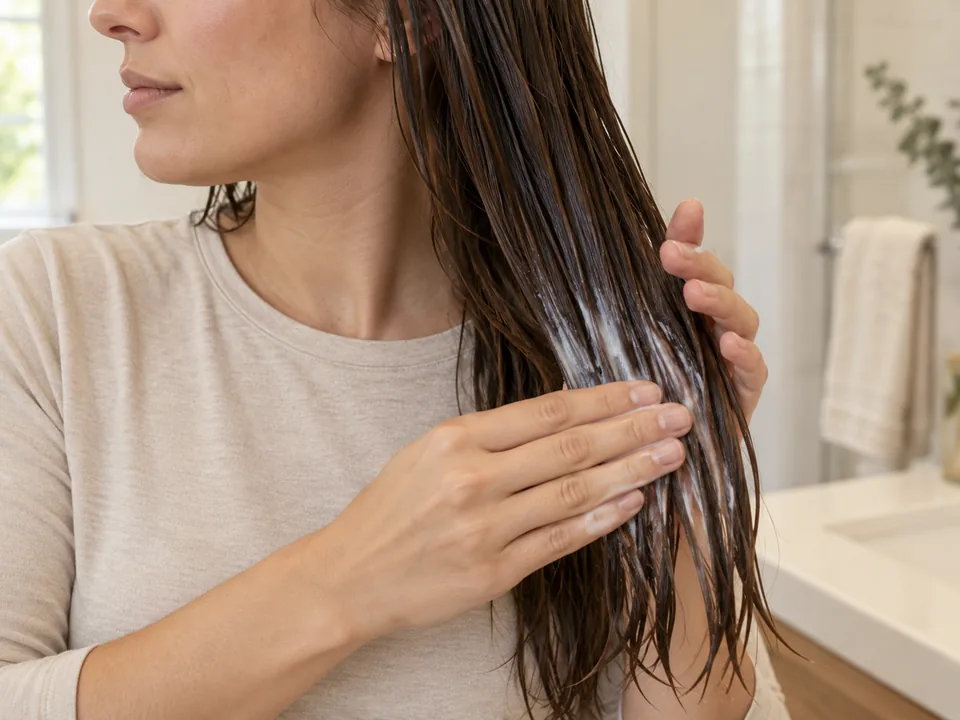
A woman applying conditioner to her damp lengths and ends.

Concentrate care where the hair catches

Bleaching and repeated chemical services can leave lengths rougher and more fragile. Conditioner helps strands slide apart, and gentler combing reduces pulling. Work through the treated areas, which may include much of the length as well as the ends.

A woman checking color-appointment instructions on her phone.

Prepare for the next color service

  • Write down earlier bleach, dye and straightening treatments. Show your colorist where the hair snaps or tangles. Discuss postponing more lightening and avoiding reprocessing fragile areas.
  • Before every dye use, do the skin test in its instructions, even with a familiar product. A clear test still leaves a chance of reacting during coloring.
  • Keep dye off an irritated or damaged scalp. If it burns or causes a reaction, stop and wash the hair and scalp thoroughly with mild shampoo and water. Do not reapply it.
Guide: Prepare for a color appointment

Choose a change for the problem you have

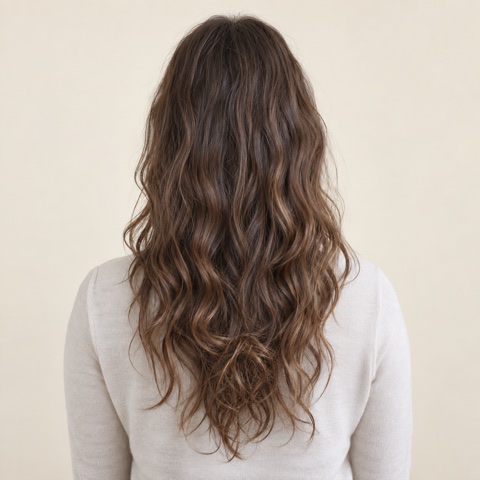
Wavy hair with tangles concentrated near the ends.

The comb keeps catching after washing

  • Spread rinse-out conditioner through the areas that tangle, including underneath thick sections. Use the amount and any waiting time on the bottle.
  • For curly sections, detangle damp while conditioner helps the strands slide, then rinse. For straight or loosely wavy hair, rinse and let it partly dry first. Support a reachable section above the knot and clear the tips before moving higher.
  • Every comb stroke goes down toward the ends. Stop if a knot resists or tightens. Ask a stylist to help with a mat that will not loosen gently.
A woman examining rough, uneven ends in a section of highlighted hair.

The ends keep snapping or splitting

  • Pause further lightening while you discuss fragile areas with your colorist. Use hot tools less often and avoid repeatedly ironing the same flyaways.
  • Blot drips with a soft towel or cotton T-shirt. Lift hair clear before putting on a bag strap, and use a loose covered tie when you want it back.
  • Trim split tips that keep snagging. Condition the remaining lengths and loosen knots gently rather than pulling through them.
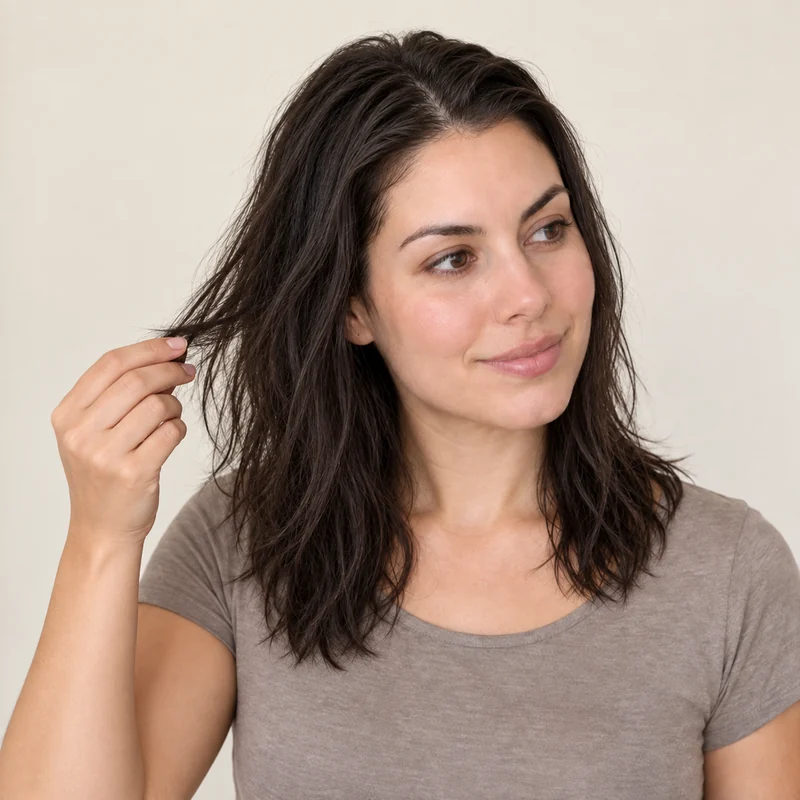
A woman gently feeling a section of her loose hair with her fingers, with no visible product.

Products leave hair heavy but still rough

  • At your next wash, leave out one optional oil or styling cream while keeping your usual shampoo and rinse-out conditioner. Check detangling and the dried finish.
  • If the finish is still heavy, use less leave-in or keep it lower on the lengths next time. Try one change at a time.
  • An optional rinse-out conditioning mask can take the place of conditioner or come before it, depending on the tub. Check which applies to yours, use its timing and rinse. Judge both detangling and how the hair feels after drying.
A woman smoothing conditioner through her mid-lengths and ends.

The roots and treated lengths need different care

  • Keep washing when the scalp is oily or dirty. Focus shampoo there and conditioner on the rough lengths, with less near roots that flatten easily.
  • Ask your colorist which shampoo fits the color used and when to wash after that service. For home color, use that product’s wash timing.
  • Wear a comfortable wide-brimmed hat in strong sun. Sun exposure can fade color and leave treated hair rougher.

Give each product a useful job

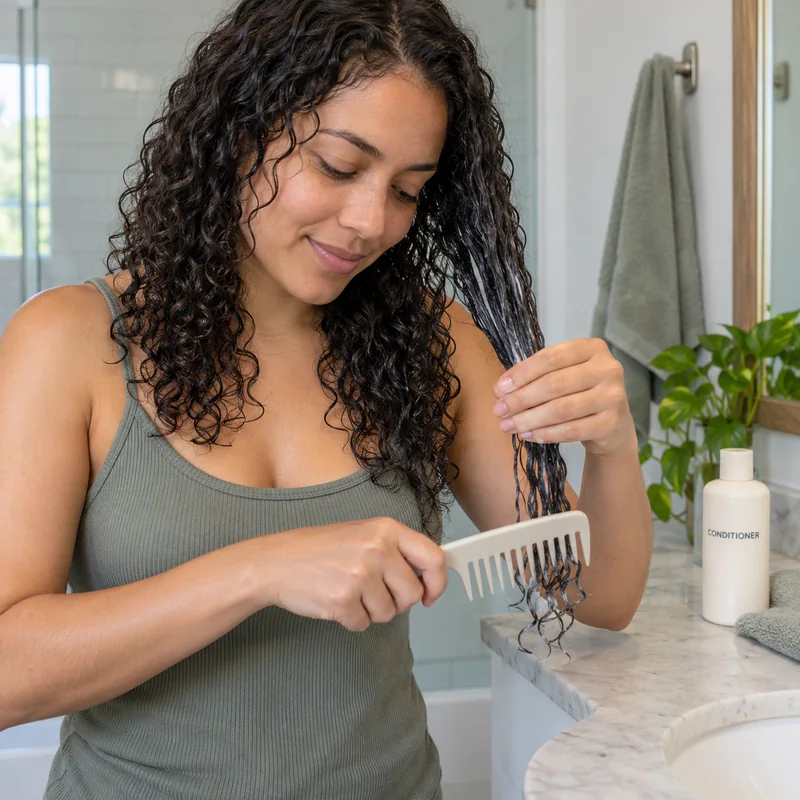
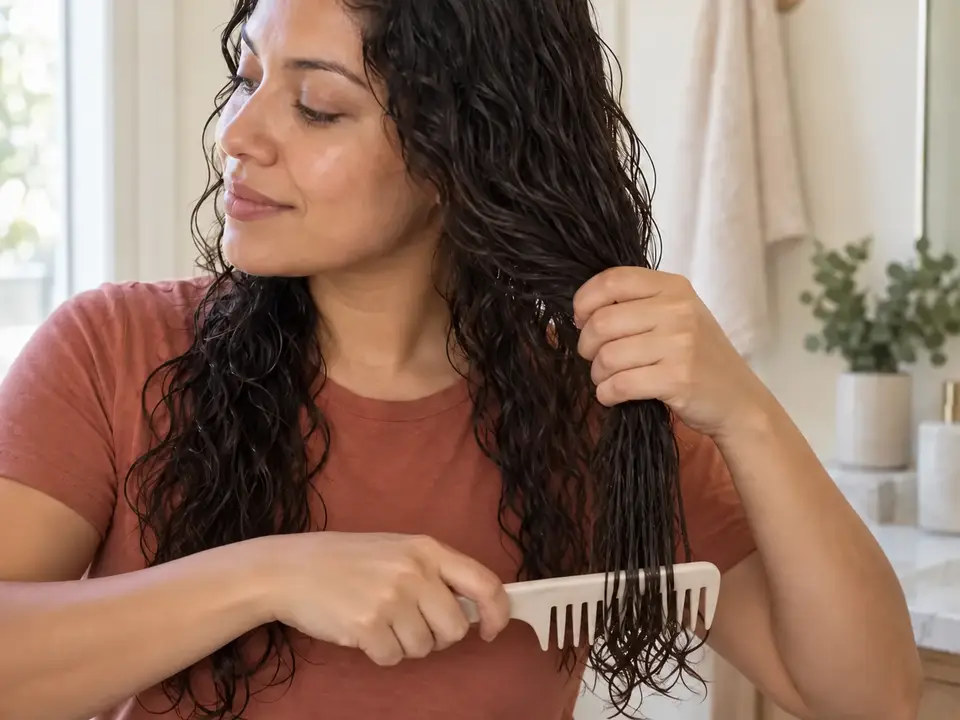
A woman supports one damp curl section above a wide-tooth comb at the tips beside a conditioner bottle.

Conditioner for easier detangling

  • Conditioner helps strands slide past each other. Smooth it through rough sections after shampooing, including their underside, and rinse after any waiting time on the bottle.
  • Add a little to an area you missed instead of coating easily flattened roots with more. Judge whether the hair combs more easily and feels comfortable after drying.
  • Your consultation can help compare conditioners using your treated areas, texture and the products you already own.
A woman smooths the lower part of her loose wavy hair between her palms.

Leave-in for ends that still catch

  • Try a small amount of leave-in conditioner on rough lengths that still catch after washing. Keep easily flattened roots clear.
  • Check whether it goes on wet, damp or dry hair. Use less next time if the finish feels coated, and keep ordinary rinse-out conditioner for the wash step.
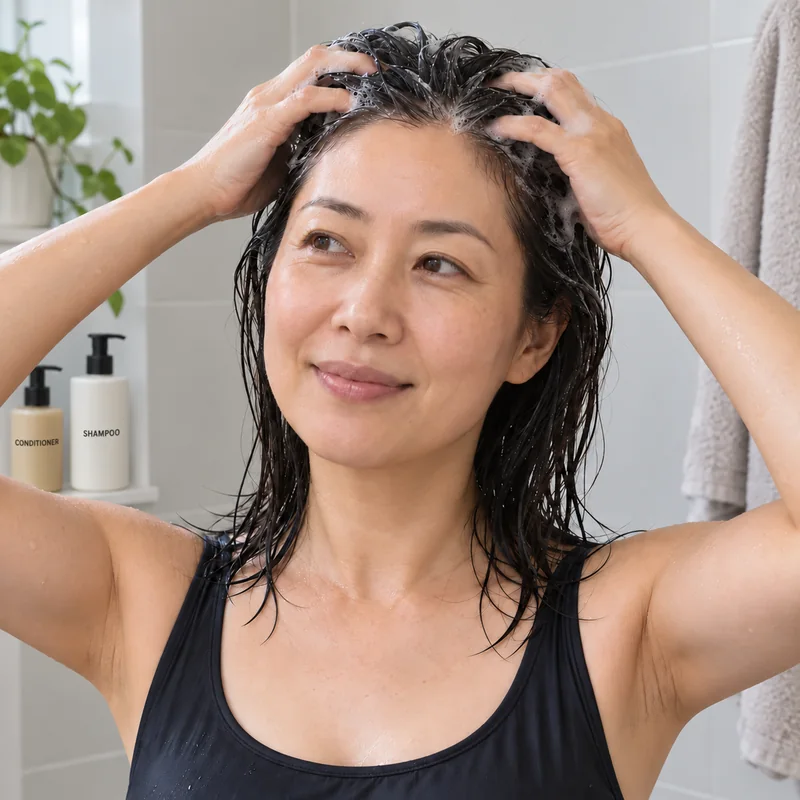
A woman works lather over her scalp with both hands beside shampoo and conditioner bottles.

Shampoo for the scalp you have

  • Choose shampoo for scalp oil and styling residue, alongside any color-care directions for your service. Let the rinse flow through the lengths without rubbing them together.
  • If washing repeatedly leaves the lengths rougher, first check shampoo placement and conditioner coverage. Try a gentler shampoo if those changes do not help.

Illustrated methods for treated lengths

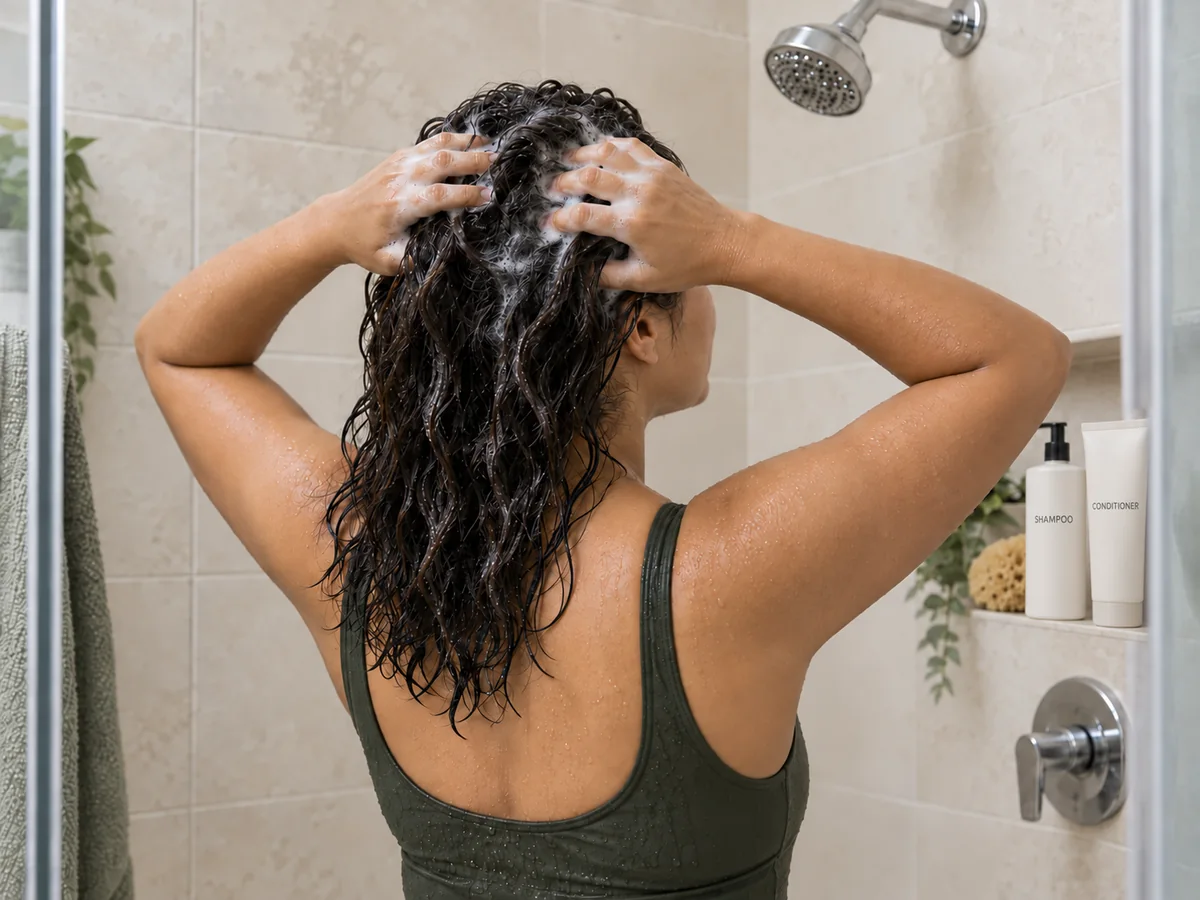
A woman works shampoo lather over her scalp while the wet lengths hang loose in an ordinary shower.

Reach the scalp without piling up the lengths

Wet the scalp and hair, then work ordinary shampoo over the scalp with finger pads while the lengths hang loose. The method separates wetting, shampooing and rinsing. Follow your shampoo’s amount and any contact time.

Guide: Shampoo your scalp
Conditioner smoothed onto the lower lengths and ends, away from the scalp.

Reach underneath as well as the ends

After rinsing shampoo, separate wet hair into reachable sections. Smooth rinse-out conditioner through rough areas and their underside. The linked guide shows application and rinsing with a conditioner used on wet hair.

Guide: Apply conditioner to the lengths and ends
A woman supporting a damp hair section while combing its tips.

Support the section and clear the tips first

For curls, detangle damp with conditioner. For straight or loosely wavy hair, rinse out conditioner and let it partly dry. Support above a knot and comb the tips downward. Move the starting point higher only after the lower hair is clear.

Guide: Detangle with a wide-tooth comb
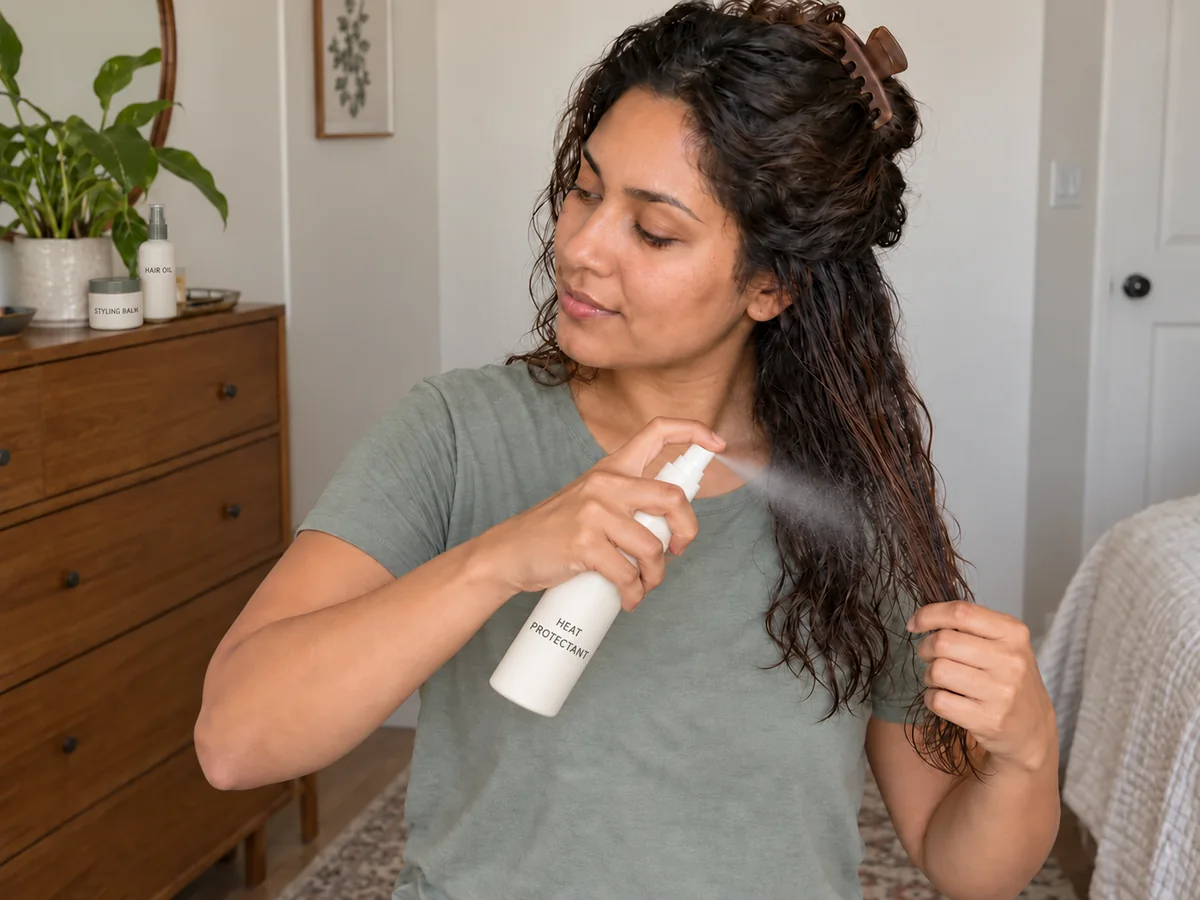
A woman pumps heat-protectant spray toward a held damp section, away from her face.

Prepare damp hair for a blow-dry

Use the pictured pump spray on damp, detangled loose hair before blow-drying, if its directions allow that. Reach inner sections and keep spray away from your face. Flat and curling irons need their own preparation on fully dry hair.

Guide: Apply heat protectant evenly

When to get help

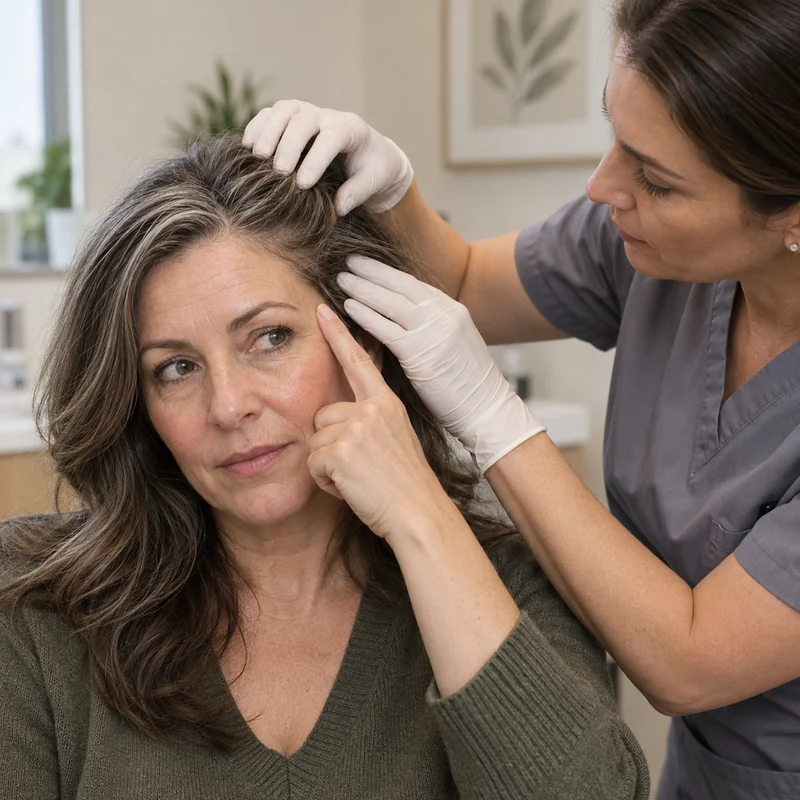
A medical professional examining the scalp where a woman points.

Signs that need more than routine care

  • Speak with a medical professional about a dye reaction that persists or worsens, or breakage with new thinning, bare patches or a sore scalp. Bring the packaging and describe what happened. Discuss a previous reaction before trying another dye.
  • Call emergency services immediately for sudden swelling of the lips, mouth, tongue or throat, difficulty breathing or swallowing, or fainting after dye use.

Illustrated care examples: before & after

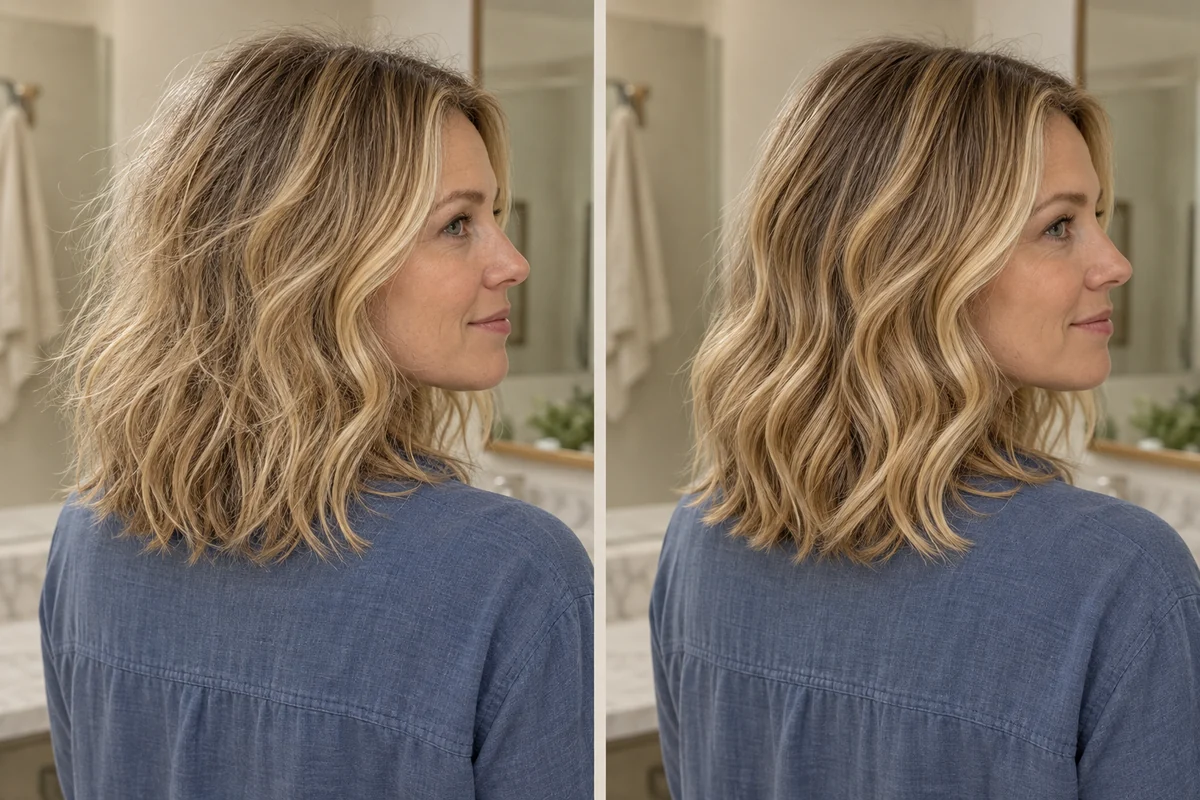
Smoother highlighted lengths

Illustrative care comparison: rough highlighted lengths beside smoother wave groups.
Before · fluffy highlighted wavesAfter care · more grouped waves
The waves sit in smoother groups on the right. Highlights remain visible in both panels.

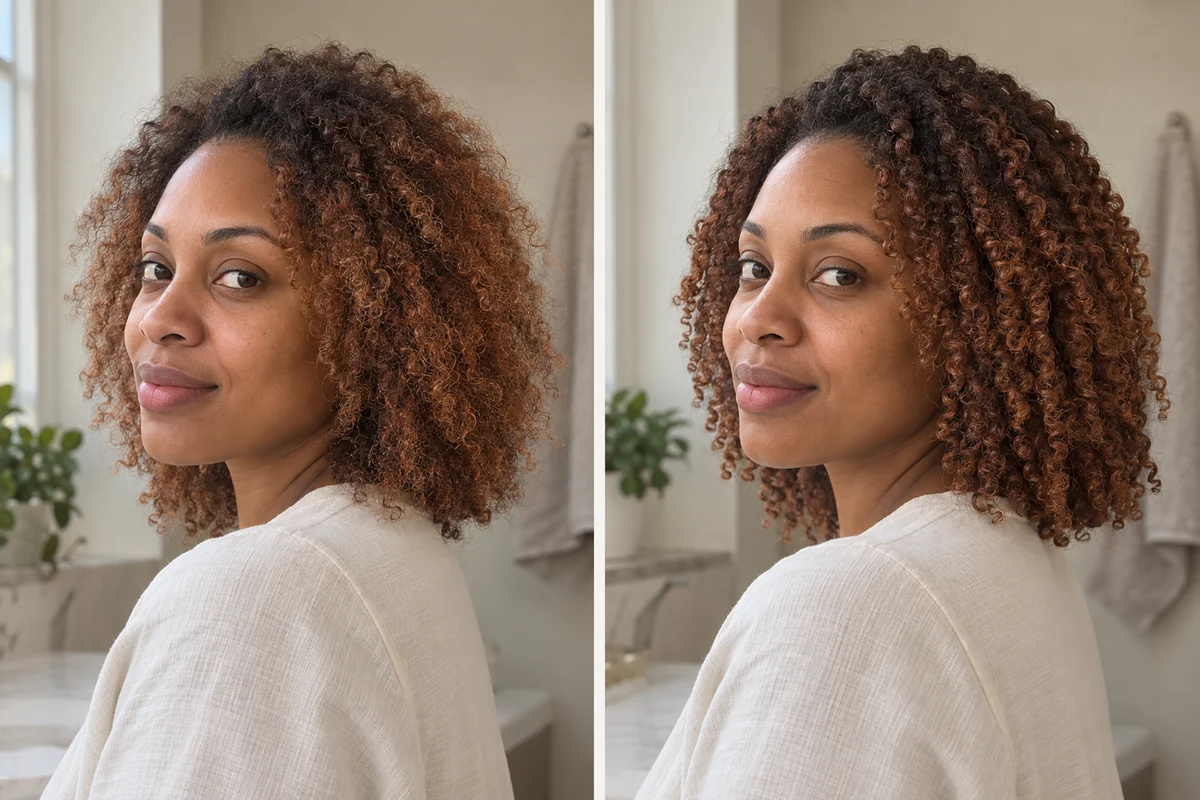
More grouped copper curls

Illustrative styling comparison: fluffy copper-colored curls beside more defined groups.
Before · fluffy copper curlsAfter styling · more defined groups
The right-hand curls form clearer groups. Both panels retain the copper shade.
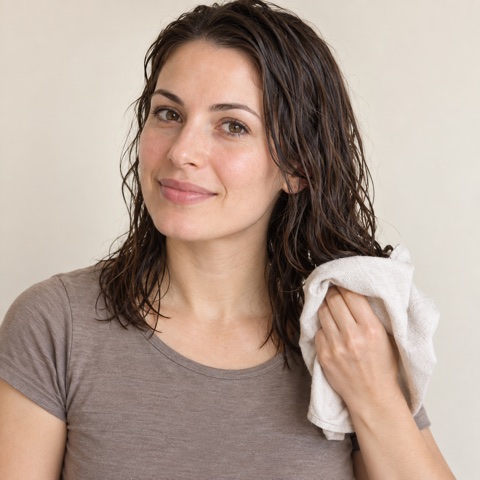
A woman gently squeezing damp hair with a towel.

Choose care for the lengths you want to keep.

Bring the products you use and the problems you want to solve. Your consultation can help you choose what to keep, what to change and how to make wash day easier.

  • Which conditioner would help my bleached lengths?
  • What should I change if my hair feels heavy but still tangles?
  • How can I wash oily roots without roughening colored ends?

Your plan can account for your texture, past color and straightening treatments, scalp needs and current routine. Tell us where the hair catches or snaps, which products feel heavy and how much time you want to spend styling.

The Hair Care Consultation gives you a personal plan with product recommendations, routines and guidance on your hair-care questions.

$49 with 60 days of follow-ups, or $99 with 12 months. Pay once; the year renews only if you choose.