Hair Care Guides

Hair care around a long, hot shift.
The workplace heat plan comes first.

Working outside in the heat means sweat, dust and headgear you don’t get to choose. Fit your hair care around your employer’s heat rules and equipment. A lighter hairstyle or a product that feels cooling is no substitute for water, rest, shade and proper protection.

Your personal hair-care planProduct choices, routines and answers shaped around your hair.$49one-timeStart my consultation
An adult worker reviews a shift plan in a shaded rest area with a supervisor.
The workplace heat plan comes first.

What is going on

An adult worker and supervisor read equipment instructions in an office.

Find out what’s approved before you cover up

Ask which head protection, accessories and sun coverage are approved for your task, and check the exact model’s instructions with your supervisor. Don’t improvise a liner, loosen a protective fit or swap in an ordinary sun hat for required equipment.

An adult worker rests in deep shade with water available.

Keep the break for cooling down

Use the designated cool or shaded rest area and follow the water and break plan. Only touch your hair where you’re allowed to take equipment off. Don’t spend the whole break rebuilding a style that could have been simpler in the first place.

What helps, day to day

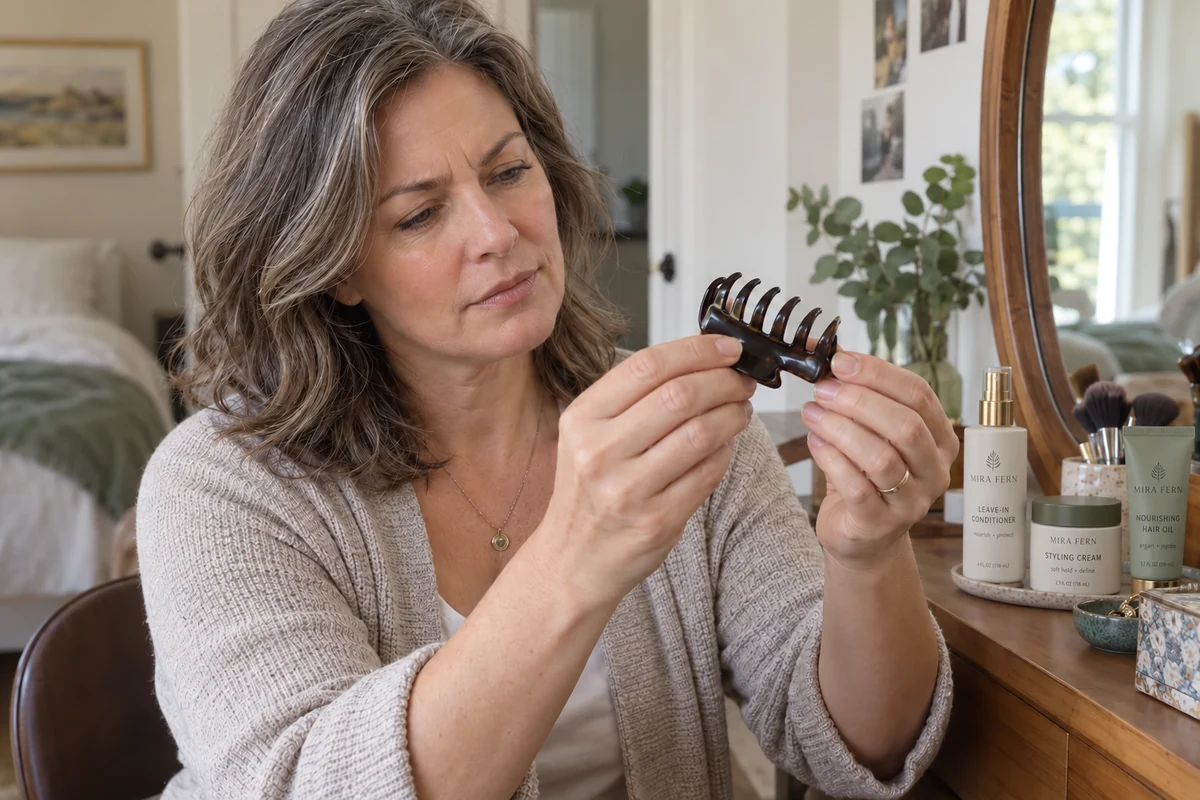
A woman examines a claw clip away from her hair, holding its solid body.

A clip presses under the headgear

  • Raise it before the task and take the clip out somewhere appropriate.
  • Have the setup checked again afterward.
  • Change the hair rather than the padding, the suspension or the fit.
  • Feeling comfortable isn’t proof the equipment is protecting you.
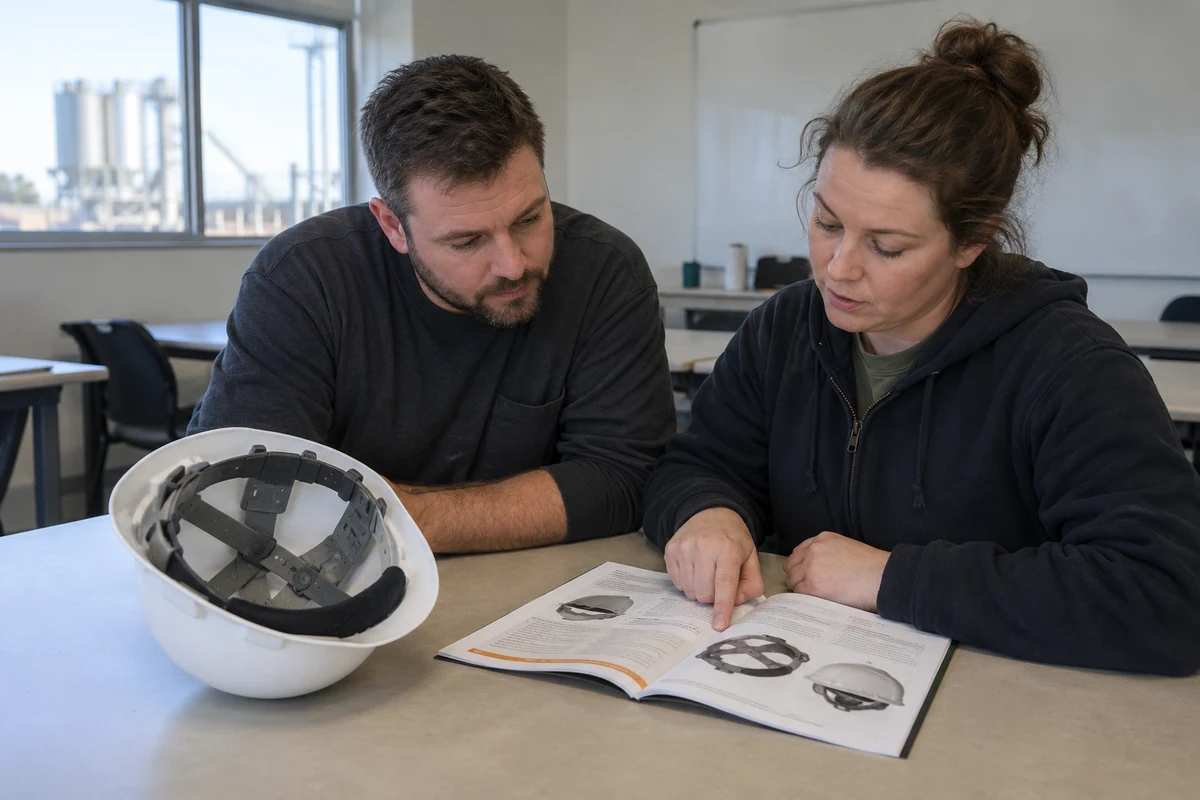
A worker and supervisor review a booklet beside an intact hard hat and its visible suspension.

The sweatband or liner needs cleaning

  • Clean, dry and replace it the way the maker says for that exact part.
  • Keep a permitted spare if the workplace allows one.
  • Washing a scarf and caring for equipment are different jobs, and a scarf is not a substitute part.
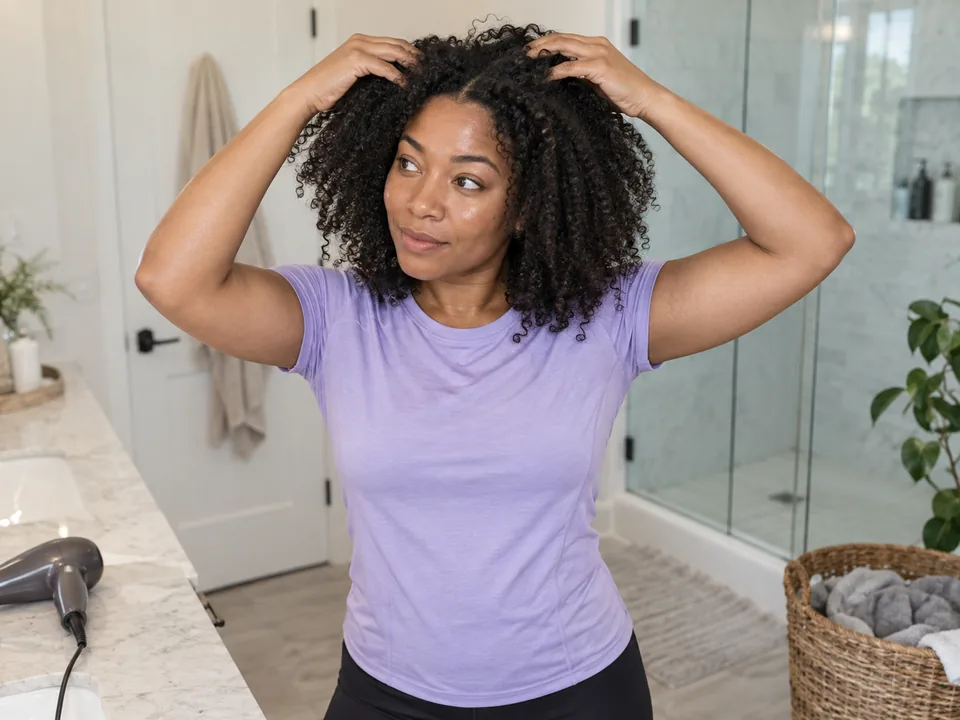
A woman checks the roots of her loose curls with her fingertips; the dryer rests on the counter.

You finish the shift sweaty or dirty

  • Choose an ordinary wash based on how your scalp feels and what’s in your hair, with time to rinse and dry.
  • If workplace contaminants could be involved, the exposure procedure comes first and your usual shampoo isn’t it.
  • And if you feel unwell in the heat, say so straight away.
  • That matters far more than your hair.

Products, by the job they do

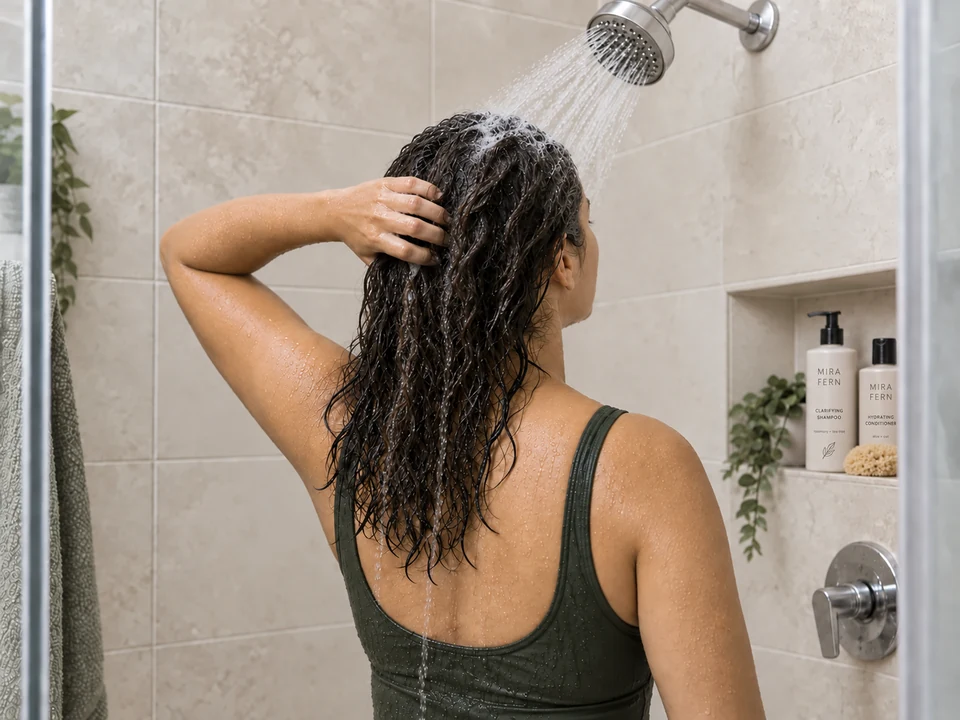
A woman lifts her own wet hair at the back while water from a fixed showerhead reaches her crown.

Keep the shampoo ordinary and responsive

A familiar cleanser can be enough after work. Heat doesn’t call for a harsher shampoo, and a cooling tingle does nothing about workplace heat.

Browse cleansing products. Bring the shampoos you are choosing between to the consultation, along with what you liked or disliked about them.

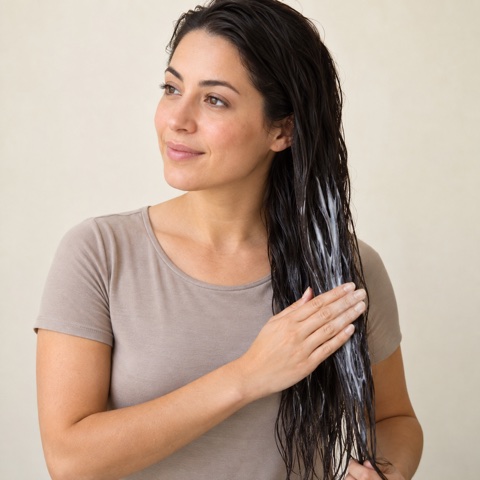
A woman smoothing conditioner through her mid-lengths and ends.

Look after the lengths through frequent washes

When you’re washing often, keep up the conditioning that helps your ends and tangles, and rinse it out fully. Conditioning before shampoo is an option only when both products’ directions allow it. It isn’t a rule for everyone who washes a lot.

Browse rinse-out conditioners. For conditioner recommendations, share where your hair tangles and which products you have tried.

How to do it

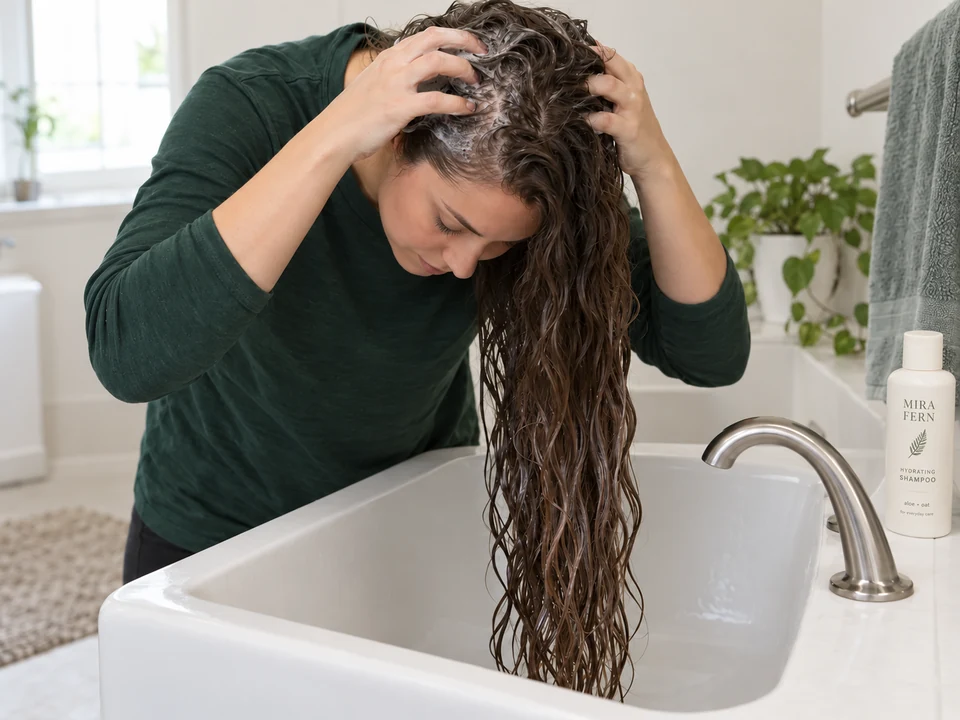
A woman gently massages shampoo at her scalp with finger pads while her wet lengths hang down.

1. Try a reverse wash only when both products allow it

This method puts conditioner on wet mids and ends first, rinses, then shampoos the scalp. Use it only when the conditioner is made for that order and the shampoo’s directions allow it. Anything medicated or prescribed follows its own instructions.

Guide: Protect lengths during a frequent wash
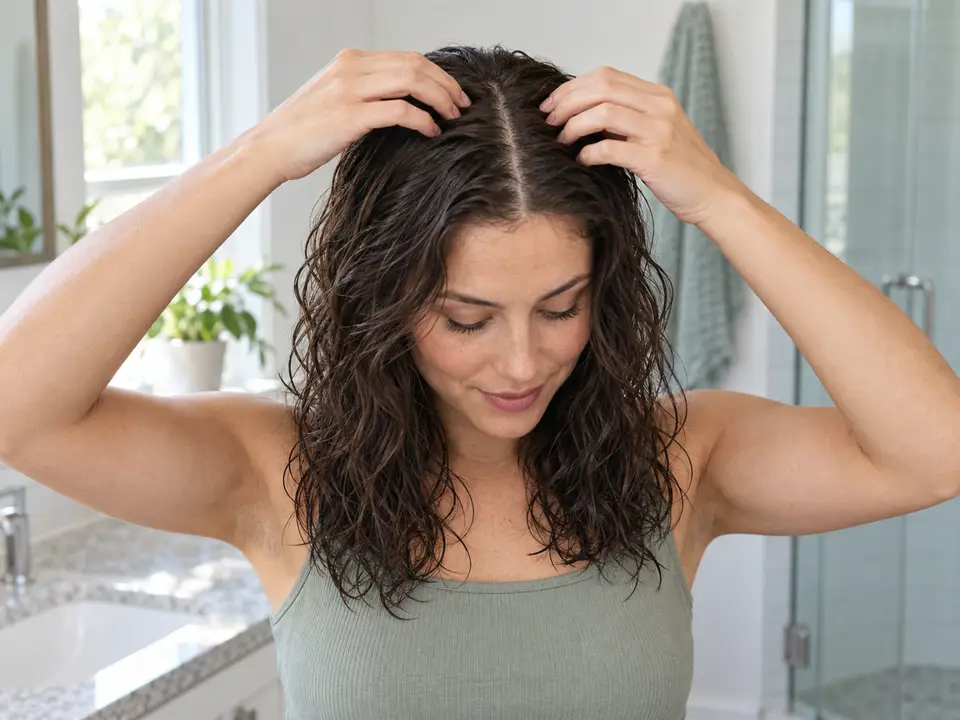
A woman uses both hands to set a center part in her damp loose hair, then lets the lengths fall over her shoulders.

2. Give your hair a proper off-duty drying window

Blot gently and leave the reachable sections loose somewhere suitable. Feel the roots and inner lengths before covering it closely. Drying your hair and drying the equipment’s parts are separate jobs, and neither should eat into your rest.

Guide: Air-dry your hair

Illustrated care examples: before & after

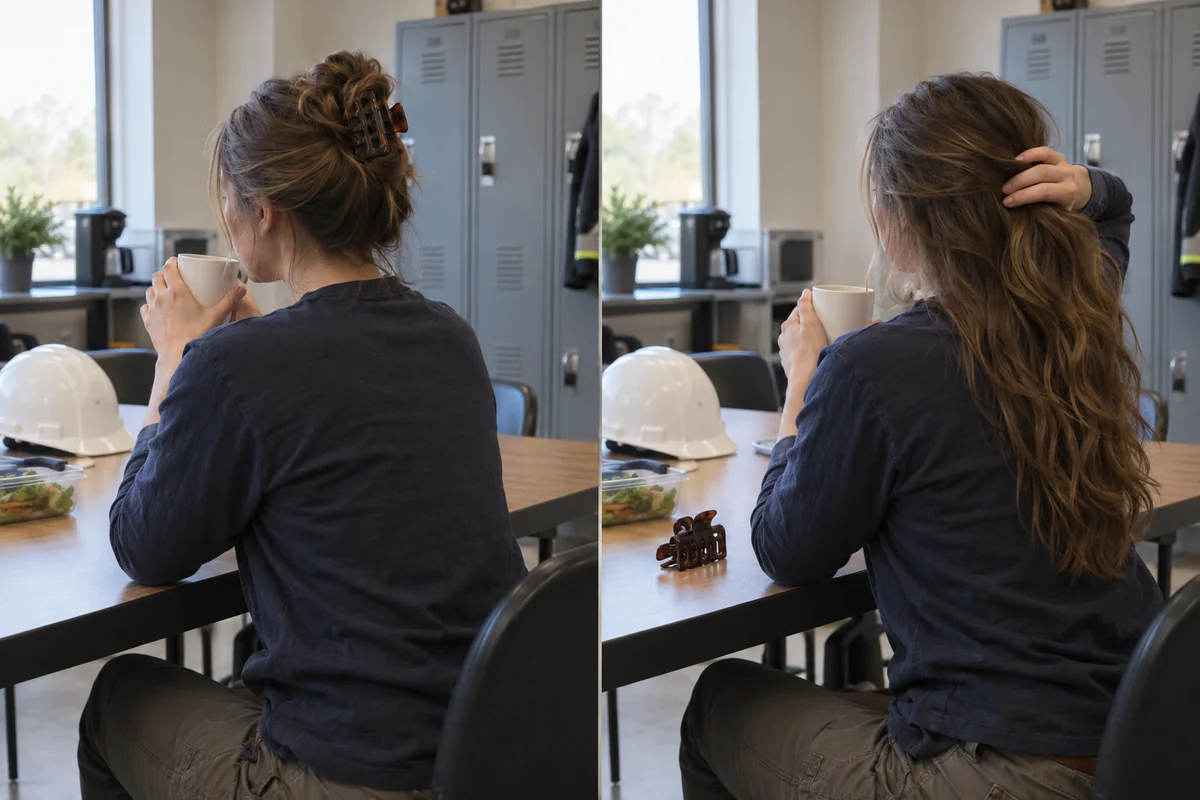
Clip out, away from the task

The same worker removes a claw clip while required headgear remains off on the table.
Before · a bulky claw clipAfter care · clip out, hair released
Away from the work, the claw clip comes out and the hair is let down. The permitted setup gets checked from there. No protective fit is shown here.

Press the water out

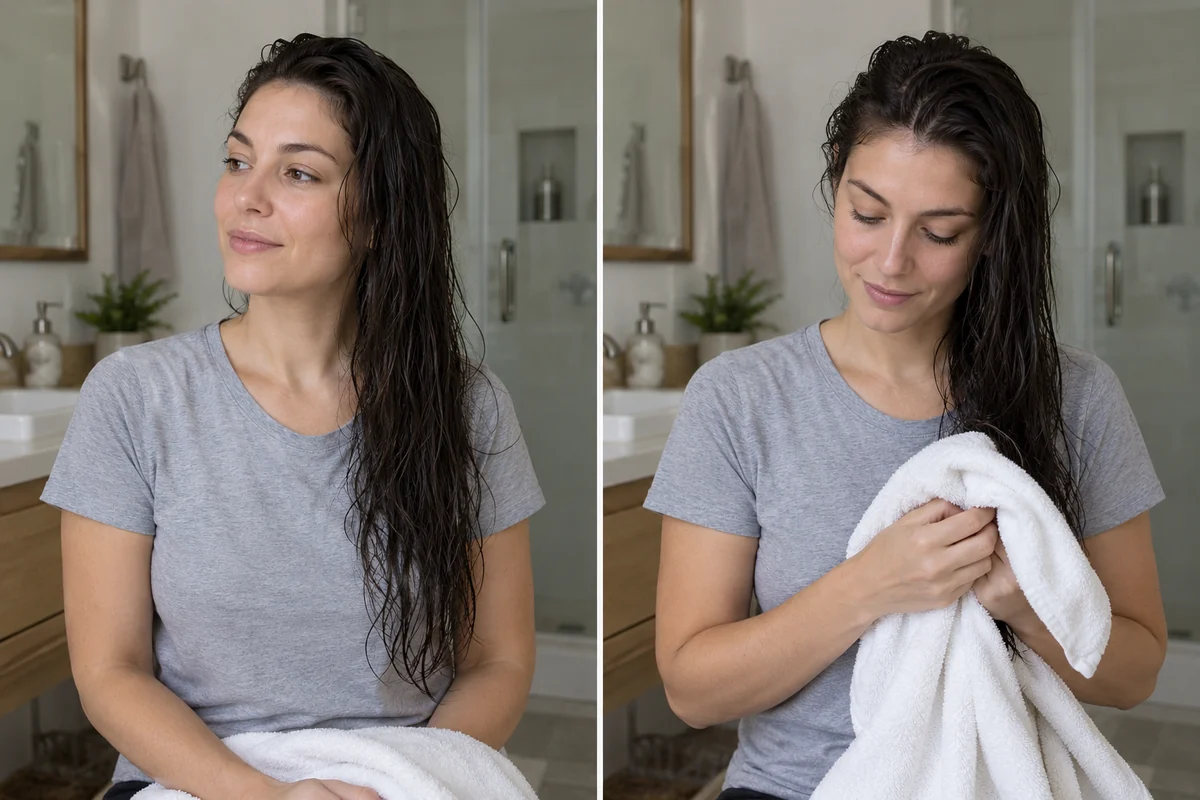
The same adult presses a clean towel around a reachable wet section after washing.
Before · wet lengths hanging freeAfter care · towel pressed to the section
After work, a towel is pressed gently against the wet section rather than rubbed along it. If the day involved anything hazardous, your workplace procedure comes first.
A woman with curls writing a routine note beside her hair-care products.

Help with your hair-care routine

Bring your hair-care questions to the consultation. You can also read keeping hair choices within exact head-protection requirements.

  • Which head coverings are approved for what I actually do?
  • When can I deal with my hair without using up my break?
  • Is this an ordinary wash, or does the workplace exposure procedure apply?

Tell us about the work conditions, your approved headgear, where you can wash, how your scalp feels and how long you have to dry. The consultation plans ordinary care around the job. Your employer’s heat and exposure controls stay in charge.

The Hair Care Consultation gives you a personal plan with product recommendations, routines and guidance on your hair-care questions.

$49 with 60 days of follow-ups, or $99 with 12 months. Pay once; the year renews only if you choose.