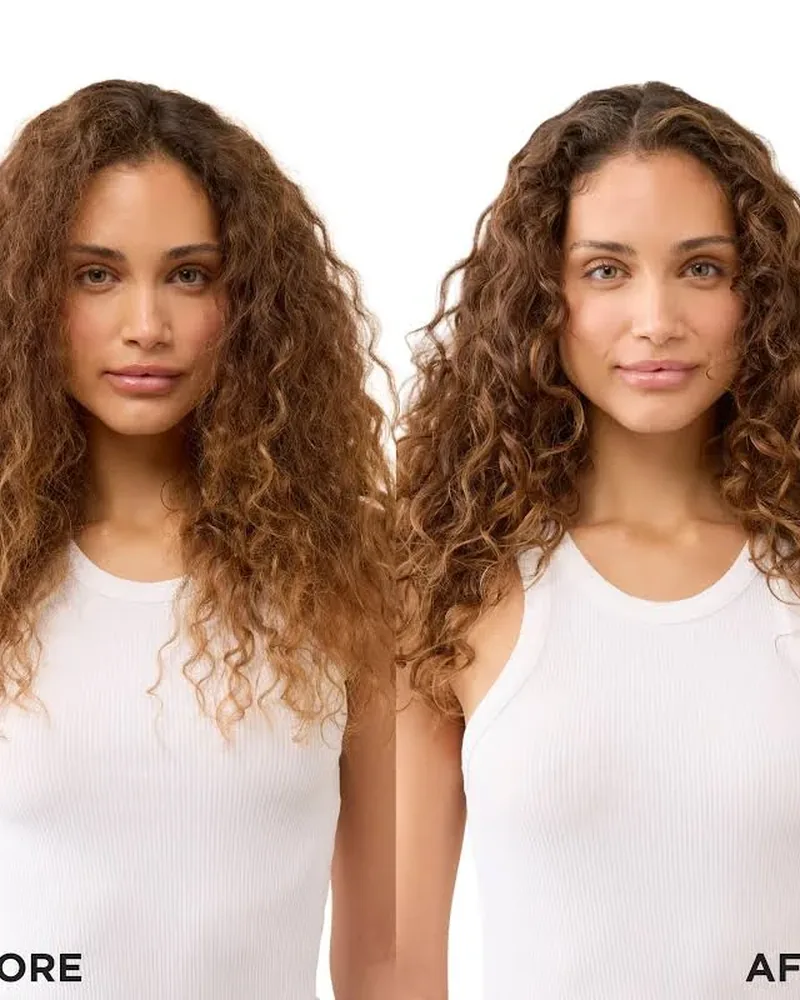
Up to 2x stronger hair with up to 2x less breakage after one use
A brand-run study. We report it as stated and do not repeat the number as fact.
—
Stated by brand
Only the brand’s testing shows this.
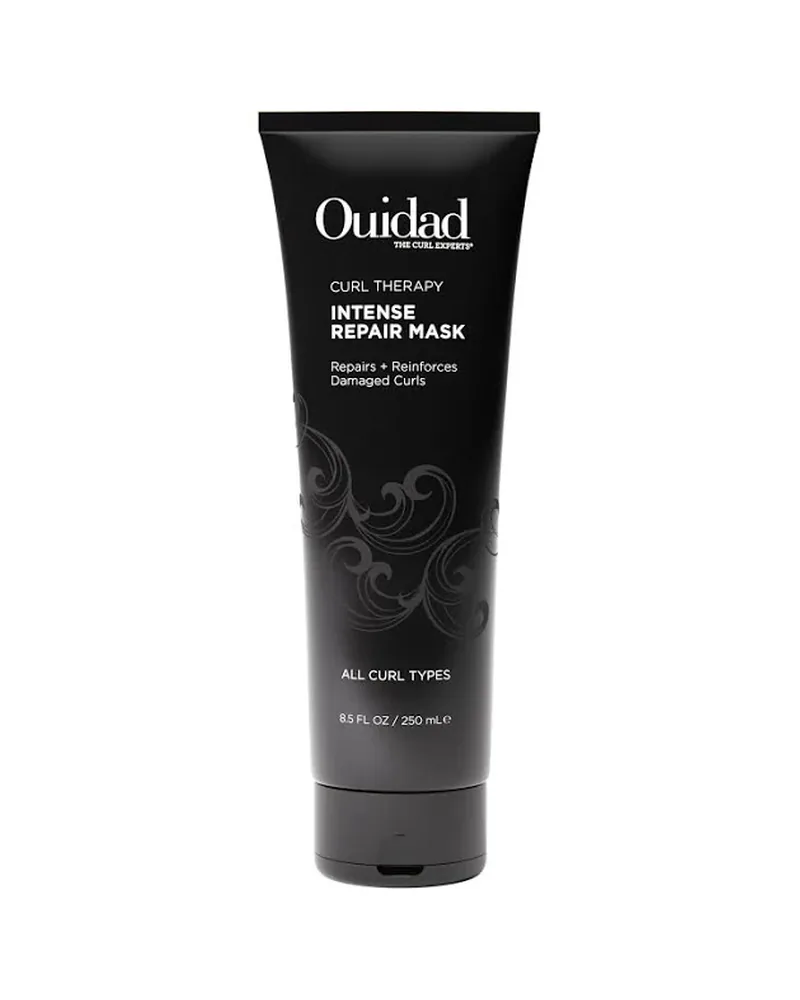
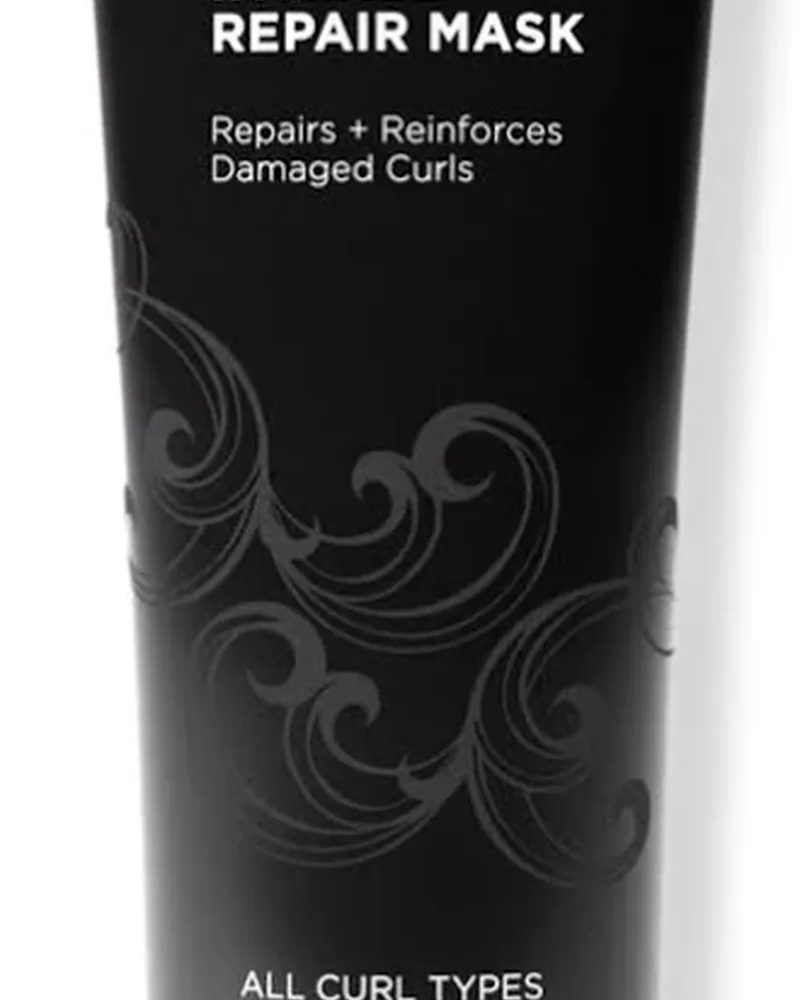
Mask / Protein treatment, rich
Scent:
No added fragrance, no scenting essential oils, and no declared fragrance allergens on the list.
Manufacturer page: ouidad.com
Personal fit
Complete the consultation to see exactly how well this product fits your hair and your goals. With 2,400+ products in our library we can match exactly the right products to you.
$49.00 one-time consultation, no subscription
Add the optional $49/year membership for unlimited adjustments for changes in weather and lifestyle.
The rest of what your plan weighs on this product.
The consultation builds your hair profile, then reads every factor in this table against it — and tells you where this product fits, or what to use instead.
Start your consultation$49.00 once, for your consultation and hair profile. No subscription, no required purchases.
Your avoid-list
Not enough priced masks and treatments to place it
We have not priced enough masks and treatments to place this one.
Great for
Maybe skip if
What the formula actually does
Each row says where it comes from: F means we derived it from this product’s own ingredient list, S means it is a claim the brand makes that the formula neither confirms nor contradicts.
Butters near the top: a heavy, softening formula.
Heavy butters and waxes in the first eight ingredients.
Protein high in the list — a strengthening formula, not a moisture one.
Humectants appear, but low enough to be a minor part.
Conditioning agents sit high in the list — this is a detangling formula.
Long enough that it is a planned step, not a shower add-on.
Water-insoluble silicones or waxes: a detergent wash is what removes them.
No fragrance is listed.
Ingredients that matter
The workhorse ingredients plus anything lower down that changes a decision. These chips name what an ingredient does — they are not safety scores, and no ingredient here is rated good or bad on its own.
| Ingredient | What it does | Why it matters | Chip |
|---|---|---|---|
| WaterWater/Aqua | solvent | The base everything else is dissolved in | Neutral |
| Cetearyl Alcohol | fatty alcohol | Thickens and conditions — not a drying alcohol | Softens |
| Butyrospermum Parkii (Shea) Butter | butter | The richness a deep treatment is built on | Heavy |
| Stearalkonium Chloride | conditioning agent | Conditions and softens — this is what makes it comb through | Detangles |
| Polyquaternium-37 | conditioning agent | Conditions and softens — this is what makes it comb through | Detangles |
| Stearamidopropyl Dimethylamine | conditioning agent | Conditions and softens — this is what makes it comb through | Detangles |
| Keratin Amino Acids | protein | The strengthening step this treatment is built on | Protein |
| Cetearamidoethyldiethonium Succinoyl Hydrolyzed Pea Protein | conditioning agent | Conditions and softens — this is what makes it comb through | Protein |
| Hydrogenated Castor Oil/Sebacic Acid Copolymer | wax | Adds a little grip | Buildup |
US labelling rules put ingredients above 1% in descending order of amount; below 1% they may be listed in any order. Annotations keep three readings separate: the ingredient's general function, its role in this product type, and what its position can support.
The base of almost every rinse-off and cream hair product. It carries everything else and is normally the first ingredient on the label.
Listed in the first three ingredients, it is likely a structural part of this formula.
A waxy fatty alcohol - nothing like drying alcohol. It gives conditioners their body and leaves a soft, smoothing film on the hair.
Listed in the first three ingredients, it is likely a structural part of this formula.
The waxy solid that gives a conditioner its body. It deposits a soft lubricating layer, which is most of what makes hair feel smooth after rinsing.
Deposits with the cationic conditioners and helps them lie flat along the strand, which is where the detangling actually comes from.
Near the top of a conditioner it is doing most of the conditioning, and most of the weighting, at the same time.
A rich, solid plant butter used for heavy conditioning on coarse or dry hair. High in the list it makes a product decidedly heavy.
Listed in the first three ingredients, it is likely a structural part of this formula.
Coarse, porous hair loses water quickly and can carry the weight; a butter slows that loss more than a thin oil does.
Emollients fill and smooth the surface of the strand, which lowers the friction that lifts the cuticle and reads as roughness.
A solid fat melts onto the strand at body temperature and stays there, which is the heaviest surface moisture-holding a formula can offer.
A long-standing conditioning agent that flattens the cuticle and cuts static. It rinses less completely than newer alternatives.
Listed in positions 4–8, it likely makes a meaningful contribution alongside the formula's main ingredients.
A cationic conditioning agent: it binds to the damaged, negatively charged parts of the cuticle and lowers combing friction there.
The class that does the detangling in a conditioner. It deposits lubrication where the cuticle is worn.
Substantive by design. A routine with no detergent wash gives it nothing to leave with.
A thickening polymer that gives creams and curl products their bounce and helps them cling to the strand.
Listed in positions 4–8, it likely makes a meaningful contribution alongside the formula's main ingredients.
Cationic polymers hold a curl loosely and stay soft, which is why they turn up in definition products rather than firm-hold ones.
A cationic polymer stays on the hair through rinsing, which is what keeps static and combing friction down after the wash.
Film formers are what hold a style: they dry into a connected film across the strands so the shape resists movement.
A gentle conditioning agent activated by the acid in the formula. It smooths the cuticle without much build-up.
Listed in positions 4–8, it likely makes a meaningful contribution alongside the formula's main ingredients.
A cationic conditioning agent: it binds to the damaged, negatively charged parts of the cuticle and lowers combing friction there.
The class that does the detangling in a conditioner. It deposits lubrication where the cuticle is worn.
Substantive by design. A routine with no detergent wash gives it nothing to leave with.
Keratin broken all the way down to individual amino acids. Small enough to sit inside the cuticle, used for softness rather than firmness.
Listed in positions 4–8, it likely makes a meaningful contribution alongside the formula's main ingredients.
Amino acids are the smallest protein fraction and bind water as well, so they add far less stiffness than a hydrolysed protein does.
The lightest option in the protein family, but still protein — worth watching if protein reliably stiffens your hair.
A protein given a positive charge so it deposits where hair is damaged. It conditions and adds temporary firmness in one ingredient.
Listed in positions 4–8, it likely makes a meaningful contribution alongside the formula's main ingredients.
A cationic conditioning agent: it binds to the damaged, negatively charged parts of the cuticle and lowers combing friction there.
Film formers are what hold a style: they dry into a connected film across the strands so the shape resists movement.
Hydrolysed fragments are small enough to sit in the gaps of a worn cuticle for a wash or two, temporarily restoring stiffness and cutting breakage in combing.
The oil pressed from Raspberry (Rubus Idaeus). How much weight a plant oil leaves depends on the hair it lands on; coarse hair tends to take more of it than fine hair.
It appears around or below the estimated 1% line, where label order no longer indicates relative amount; its role may be minor or technical.
Coats the surface and slows water leaving the strand, which is usually what coarse hair that dries out fast is missing.
A thin oil layer lowers friction between strands and flattens the raised cuticle that scatters light and catches on its neighbours.
A light oil used where softness is wanted without weight.
It appears around or below the estimated 1% line, where label order no longer indicates relative amount; its role may be minor or technical.
Coats the surface and slows water leaving the strand, which is usually what coarse hair that dries out fast is missing.
A thin oil layer lowers friction between strands and flattens the raised cuticle that scatters light and catches on its neighbours.
A castor-derived wax polymer that thickens balms and helps a style hold.
It appears around or below the estimated 1% line, where label order no longer indicates relative amount; its role may be minor or technical.
Emollients fill and smooth the surface of the strand, which lowers the friction that lifts the cuticle and reads as roughness.
A wax holds by staying solid on the strand, which gives grip and separation rather than a set film that cracks.
How rigid the finish is depends on which polymer it is and what the formula pairs with it, not on there being one.
A small water-loving molecule that draws moisture into the hair and holds it there. It is the most common softening ingredient in conditioners and leave-ins.
It appears around or below the estimated 1% line, where label order no longer indicates relative amount; its role may be minor or technical.
High-porosity hair loses water fast; a humectant holds some of it in place for longer than the wash itself would.
Binds water into the outer layers of the strand, and water is what makes dry hair flexible again rather than brittle.
Water moves both ways. Measured across concentrations, glycerin solutions give water up in some conditions and take it from the air in others. What it does for you depends on how much of it is there and on the air around it.
A fine mineral powder that absorbs oil and adds grip. It is what makes texture powders and matte pastes feel dry to the touch.
It appears around or below the estimated 1% line, where label order no longer indicates relative amount; its role may be minor or technical.
A dry powder takes up oil and adds friction between strands, which is most of what root lift in fine hair actually is.
Ingredient list captured 2026-08-24. Formulas change — check the package in your hand when an ingredient matters to you.
Price
Sorted by price per ounce. Dated observations from our research, not live prices. Direct store pages, no affiliate links. We don’t sell this product.
Formula
Too few comparable prices to place this one. On formula, it covers what the format is normally built around.
The formula score is completeness for the job: the share of the systems this product type is normally built around that we can find in this list, weighted. It is not efficacy, not quality, and it never compares across product types.
Does the same job
Same derived functions — what it cleans, conditions, coats or holds — at a lower cost per ounce. Scent, texture and where you buy it can still differ.
See more alternatives in the product library
These are functional neighbours, not personal recommendations — they are close on formula, not chosen for anyone. Get the one that fits your hair, routine, and budget
Final decision
People sensitive to fragrance who want a formula with no added fragrance and a product with no scent
Worth skipping for hair that stiffens on protein, oily scalps and fine hair, or anyone stretching time between washes
Nothing in our library matches it closely at a lower price.
We do not sell products or take placement fees. This page states what the formula and the prices show; the consultation is what matches it to a person.
Claims check
Claims are quoted from the brand. We only mark one supported, partly supported, or conflicting when the ingredient list actually speaks to it; everything else stays "stated by the brand", which is not a criticism — most claims simply cannot be read off a label.
Up to 2x stronger hair with up to 2x less breakage after one use
A brand-run study. We report it as stated and do not repeat the number as fact.
—
Only the brand’s testing shows this.
Restores strength, elasticity, and shine
The formula carries a recognised shine system — silicone, oil, or light ester.
Reflects light for visible shine.
Safe for chemically processed and color-treated hair
It avoids sulfate detergents, which are the usual cause of fast fade.
Less fade per wash.
We look at the first 10–15 ingredients and what they do in a formula — not marketing. If the list doesn't speak to a claim, we don't assume.
Reviewers
Recurring themes our researchers wrote in their own words from sourced reviews. We do not store or scrape star ratings.
Noticeably less frizz and more defined curls after use
Leaves hair soft and well moisturized
Some customers noticed no significant difference in strength or breakage