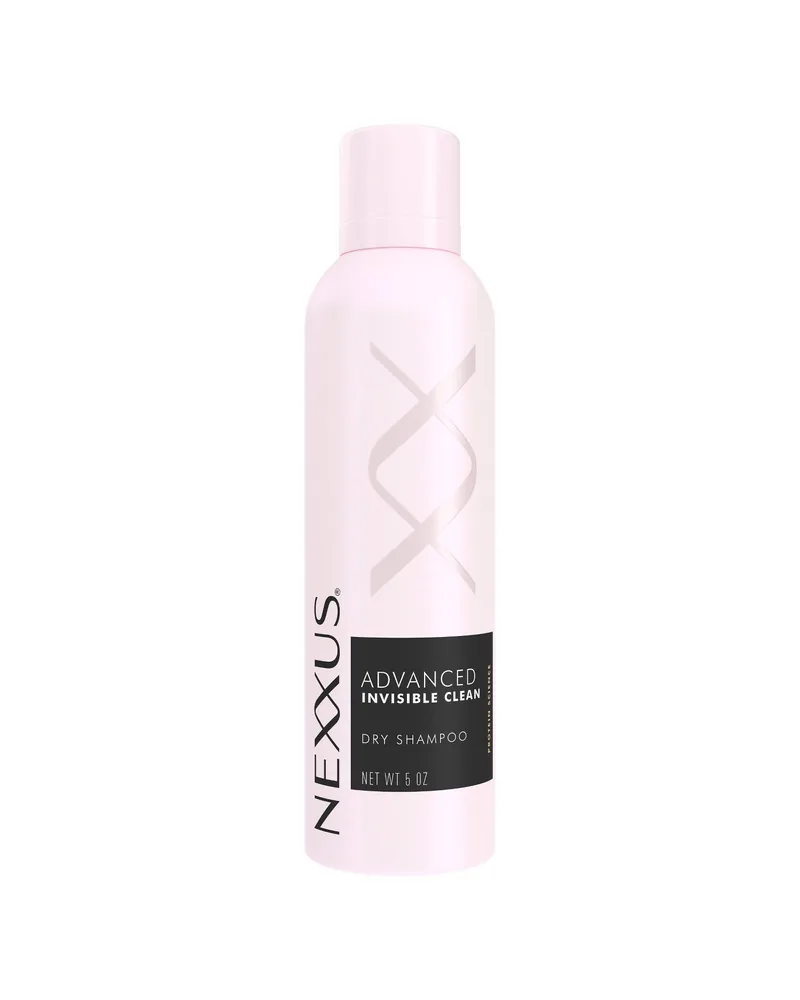
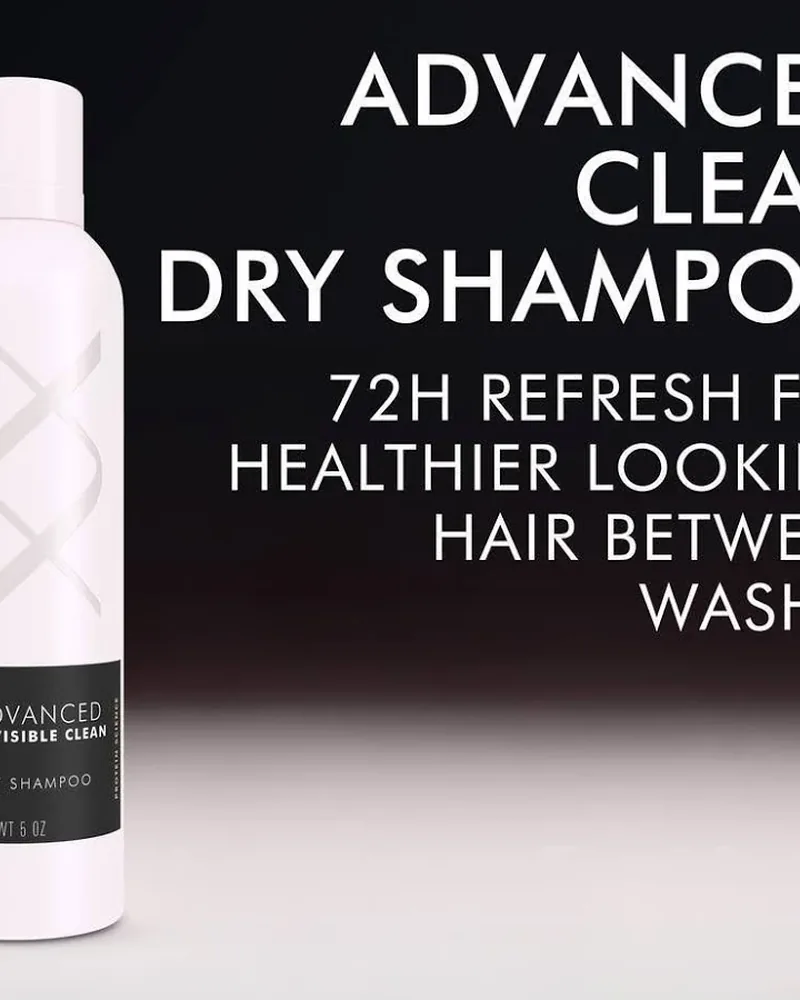
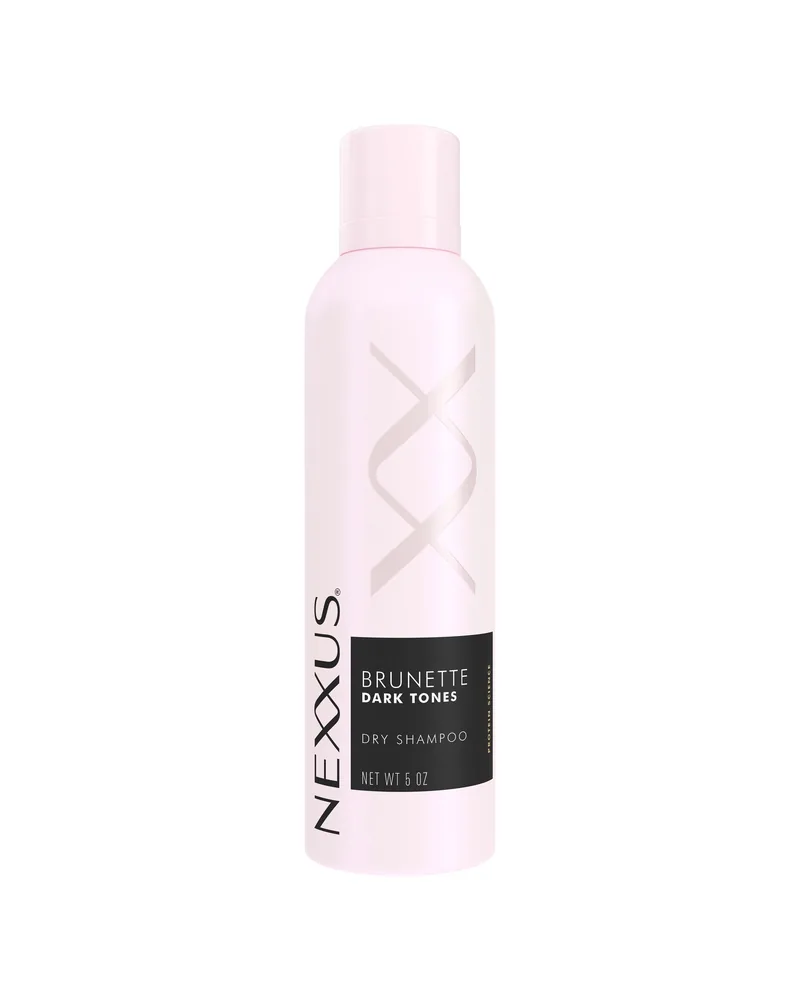
72H refresh: keeps hair feeling clean and revived
This is a marketing claim; an ingredient list cannot speak to it.
—
Stated by brand
Can’t be confirmed from label.
Dry shampoo
Add it to your products. We’ll tell you if it’s ever recalled.
Scent:
The ingredient list declares fragrance. What it smells of is not stated, and we do not guess.
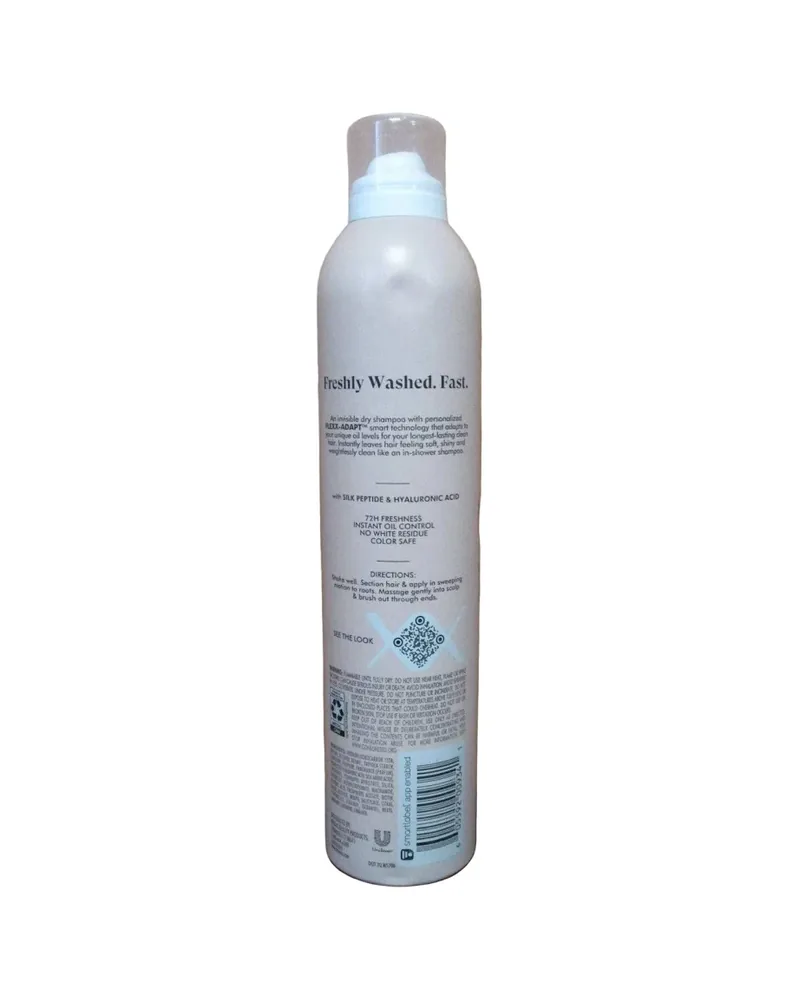
“Removes sweat and dirt, absorbs excess oil and eliminates odor molecules” (Brand page)
Manufacturer page: nexxus.com
Not enough priced dry shampoos to place it
We have not priced enough dry shampoos to place this one.
Great for
Maybe skip if
What the formula actually does
Each row says where it comes from: F means we derived it from this product’s own ingredient list, S means it is a claim the brand makes that the formula neither confirms nor contradicts.
Absorbent powders or starches high in the list.
Fast-drying alcohol in the first three ingredients.
Nothing here needs a detergent wash to remove.
Fragrance is in the first eight ingredients, so it makes up a larger share of the formula.
Ingredients that matter
The workhorse ingredients, plus anything lower down that changes a decision. The chips name what an ingredient does. They are not safety scores, and no ingredient here is rated good or bad on its own.
| Ingredient | What it does | Why it matters | Chip |
|---|---|---|---|
| Hydrofluorocarbon 152a | propellant | Pushes the product out of the can | Neutral |
| Butane | propellant | Pushes the product out of the can | Neutral |
| Alcohol Denat. | drying alcohol | Speeds drying but can leave hair feeling dry | Drying |
| Tapioca Starch | starch | Soaks up oil and adds grip | Neutral |
| Isobutane | propellant | Pushes the product out of the can | Neutral |
| Propane | propellant | Pushes the product out of the can | Neutral |
| FragranceFRAGRANCE (PARFUM) | fragrance | The scent | Fragrance |
| Hydrolyzed Hyaluronic Acid | humectant | Adds a little water-binding | Moisturizes |
| Silk Amino Acids | protein | A small amount of protein | Protein |
| Citronellyl Methylcrotonate | fragrance | The scent | Fragrance |
| Benzyl Salicylate | fragrance | The scent | Fragrance |
| Citral | fragrance | The scent | Fragrance |
In the US, ingredients above 1% are listed from most to least. Below 1% they can appear in any order. Each note keeps three things apart: what the ingredient generally does, its role in this type of product, and what its position can tell you.
A non-flammable aerosol propellant used in dry shampoos and finishing sprays.
Listed in the first three ingredients, it is likely a structural part of this formula.
A pressurised gas that pushes an aerosol out of the can and evaporates immediately.
Listed in the first three ingredients, it is likely a structural part of this formula.
Fast-drying alcohol used to make sprays set quickly. In leave-on products it can leave hair feeling dry, especially in high position on the list.
Listed in the first three ingredients, it is likely a structural part of this formula.
Evaporates on contact, which is how a spray sets almost instantly and leaves no weight behind it.
Porous hair gives water up easily as it is; a fast-evaporating solvent high on the list accelerates that.
It evaporates quickly and takes some water with it. On hair already short of moisture, a formula built on a lot of it can finish drier than it started.
A fine starch that absorbs oil and leaves a dry, grippy feel.
Listed in positions 4–8, it likely makes a meaningful contribution alongside the formula's main ingredients.
Adds grip and body with no oil attached, which is what lifts fine hair at the root instead of weighing it down.
Starch gives texture and grip rather than a set film; firm hold usually needs a polymer alongside it.
A pressurised gas that pushes an aerosol out of the can and evaporates on contact.
Listed in positions 4–8, it likely makes a meaningful contribution alongside the formula's main ingredients.
An aerosol propellant, usually blended with butane to set the spray pressure.
Listed in positions 4–8, it likely makes a meaningful contribution alongside the formula's main ingredients.
An undisclosed blend of scent ingredients. Regulations let it stay unlisted, so a fragrance-free product is the only way to be certain what is not in it.
It appears around or below the estimated 1% line, where label order no longer indicates relative amount; its role may be minor or technical.
Declared fragrance. On a fragrance-sensitive routine this is the line that decides it, wherever it sits on the label.
A smaller form of hyaluronic acid, used for water binding closer to the strand.
It appears around or below the estimated 1% line, where label order no longer indicates relative amount; its role may be minor or technical.
High-porosity hair loses water fast; a humectant holds some of it in place for longer than the wash itself would.
Binds water into the outer layers of the strand, and water is what makes dry hair flexible again rather than brittle.
A humectant moves water in whichever direction the air allows: it holds moisture in humid conditions and can pull it back out of hair in very dry ones.
Silk protein broken into amino acids, used for slip and shine rather than strength.
It appears around or below the estimated 1% line, where label order no longer indicates relative amount; its role may be minor or technical.
Amino acids are the smallest protein fraction and bind water as well, so they add far less stiffness than a hydrolysed protein does.
The lightest option in the protein family, but still protein — worth watching if protein reliably stiffens your hair.
Provitamin B5. It draws in water and penetrates the strand a little, which is why it is the standard ingredient for softness and shine claims.
It appears around or below the estimated 1% line, where label order no longer indicates relative amount; its role may be minor or technical.
It hydrates without adding oil or a film, which is the combination fine hair usually needs.
Deposits a lubricating layer that makes combing easier, which is most of what stops mechanical damage adding to frizz.
A humectant that also penetrates the cuticle, so it holds water inside the strand rather than only on the surface.
A very light ester that makes products glide and disappear quickly on the hair.
It appears around or below the estimated 1% line, where label order no longer indicates relative amount; its role may be minor or technical.
A light emollient: it softens the surface with noticeably less weight than an oil or a butter.
Spreads thin and lowers friction between strands without the heaviness of a fixed oil.
A fine mineral powder that absorbs oil and adds grip. It is what makes texture powders and matte pastes feel dry to the touch.
It appears around or below the estimated 1% line, where label order no longer indicates relative amount; its role may be minor or technical.
A dry powder takes up oil and adds friction between strands, which is most of what root lift in fine hair actually is.
Vitamin B3, used in scalp products for conditioning claims.
It appears around or below the estimated 1% line, where label order no longer indicates relative amount; its role may be minor or technical.
Deposits a lubricating layer that makes combing easier, which is most of what stops mechanical damage adding to frizz.
A soft floral fragrance component listed separately as a recognised allergen.
It appears around or below the estimated 1% line, where label order no longer indicates relative amount; its role may be minor or technical.
One of the 26 scent components the EU requires to be named individually above a threshold. It is named because it is a known contact allergen, not because it is unusual.
A lemon-scented fragrance component listed separately as a recognised allergen.
It appears around or below the estimated 1% line, where label order no longer indicates relative amount; its role may be minor or technical.
One of the 26 scent components the EU requires to be named individually above a threshold. It is named because it is a known contact allergen, not because it is unusual.
A rose-like fragrance component named separately as a recognised allergen.
It appears around or below the estimated 1% line, where label order no longer indicates relative amount; its role may be minor or technical.
One of the 26 scent components the EU requires to be named individually above a threshold. It is named because it is a known contact allergen, not because it is unusual.
A clove-scented fragrance component listed separately as a recognised allergen.
It appears around or below the estimated 1% line, where label order no longer indicates relative amount; its role may be minor or technical.
One of the 26 scent components the EU requires to be named individually above a threshold. It is named because it is a known contact allergen, not because it is unusual.
A rose-scented fragrance component, listed on its own because some people react to it.
It appears around or below the estimated 1% line, where label order no longer indicates relative amount; its role may be minor or technical.
One of the 26 scent components the EU requires to be named individually above a threshold. It is named because it is a known contact allergen, not because it is unusual.
A jasmine-like fragrance component named separately as a recognised allergen.
It appears around or below the estimated 1% line, where label order no longer indicates relative amount; its role may be minor or technical.
One of the 26 scent components the EU requires to be named individually above a threshold. It is named because it is a known contact allergen, not because it is unusual.
A citrus-smelling fragrance component that EU rules require to be named separately because some people react to it.
It appears around or below the estimated 1% line, where label order no longer indicates relative amount; its role may be minor or technical.
One of the 26 scent components the EU requires to be named individually above a threshold. It is named because it is a known contact allergen, not because it is unusual.
A floral fragrance component listed separately as a recognised contact allergen.
It appears around or below the estimated 1% line, where label order no longer indicates relative amount; its role may be minor or technical.
One of the 26 scent components the EU requires to be named individually above a threshold. It is named because it is a known contact allergen, not because it is unusual.
Ingredient list captured 2026-09-25. Formulas change, so check the package in your hand when an ingredient matters to you.
Price · 5 oz
Priced above the products that do the same job. Stores sell it above the $6 line; products that do this job typically go for about $8 at this size.
Sizes
The 9 oz costs 55% less per ounce than the 5 oz.
5 ozusual store size
9 ozBest per ounce
Sorted by price per ounce. Dated observations from our research, not live prices. Direct store pages, no affiliate links. We don’t sell this product.
Dry shampoo refreshes hair between washes. We describe its ingredient functions without assigning a formula score.
Does the same job
Formulas that do the same things (cleanse, condition, coat or hold) for less per ounce. Scent, texture and where you buy them can still differ.
See more alternatives in the product library
These products do a similar job. We haven’t matched them to you. Find the one that fits your hair, routine and budget
Final decision
Silicone-free routines, looking for a silicone-free formula and a matte finish
Less suited to anyone sensitive to fragrance, very dry or high-damage hair, or people avoiding aerosols
Nothing in our library matches it closely at a lower price.
We do not sell products or take placement fees. This page states what the formula and the prices show; the consultation is what matches it to a person.
Claims check
Claims are quoted from the brand. We mark a claim supported, partly supported or conflicting only when the ingredient list speaks to it. Everything else stays "stated by the brand". That isn’t a criticism: most claims can’t be checked from a label.
72H refresh: keeps hair feeling clean and revived
This is a marketing claim; an ingredient list cannot speak to it.
—
Can’t be confirmed from label.
Removes sweat and dirt, absorbs excess oil and eliminates odor molecules
Odour control is a performance claim we cannot read from the list.
Can’t be confirmed from label.
FLEXX-ADAPT technology adapts to your oil levels
This is a marketing claim; an ingredient list cannot speak to it.
—
Can’t be confirmed from label.
Soft, shiny finish; invisible formula with no powdery residue, even on dark hair
Light esters can add a little gloss without a full shine system.
A hint of gloss.
Color-safe
It avoids sulfate detergents, which are the usual cause of fast fade.
Less fade per wash.
We look at the first 10–15 ingredients and what they do in a formula, not at the marketing. If the list doesn't speak to a claim, we don't assume.
Reviewers
Themes that come up again and again in sourced reviews, written by our researchers in their own words. We don’t store or scrape star ratings.
Reviewers report it absorbs excess oil well and extends the time between washes.
oil absorptionSeveral reviewers with fine hair say it adds noticeable volume and body at the roots.
volume at rootsReviewers with fine or dark roots report this leaves no visible white cast even after a light spray.
no white castSome reviewers say it leaves a visible white residue or powder at the roots despite the invisible-clean claim.
white residue at rootsReviewers are split on the fragrance: many call it light and pleasant, but others find it strong and lingering.
fragrance strength