Refreshes hair between washes without residue
This is a marketing claim; an ingredient list cannot speak to it.
—
Stated by brand
Can’t be confirmed from label.
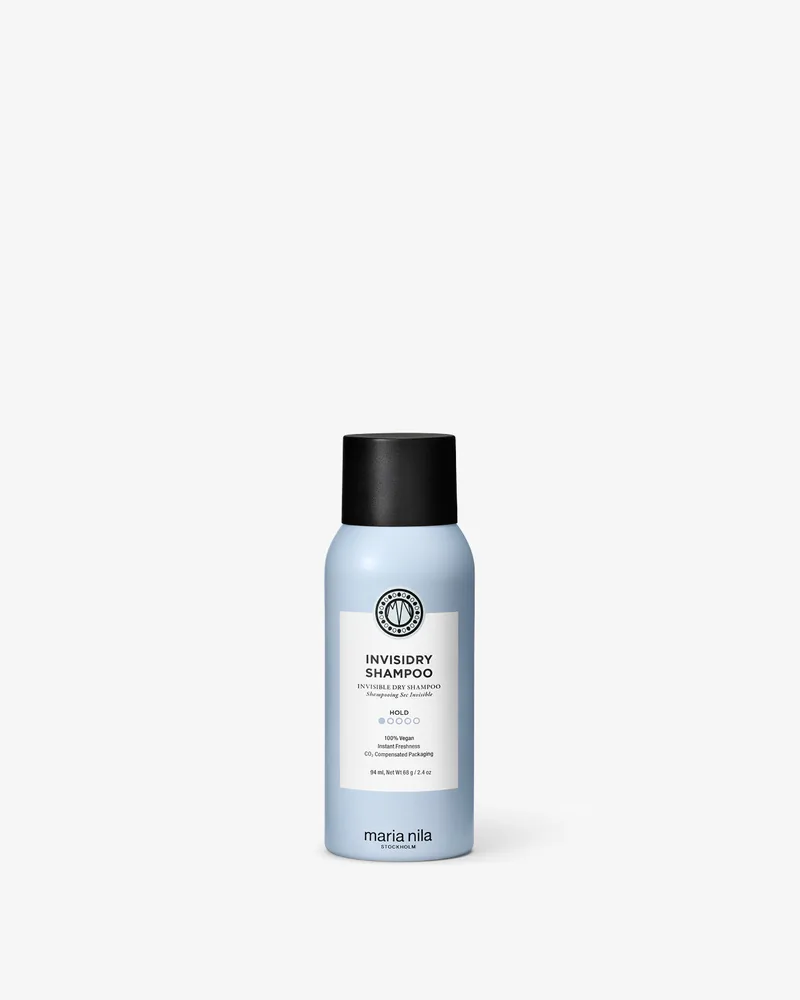
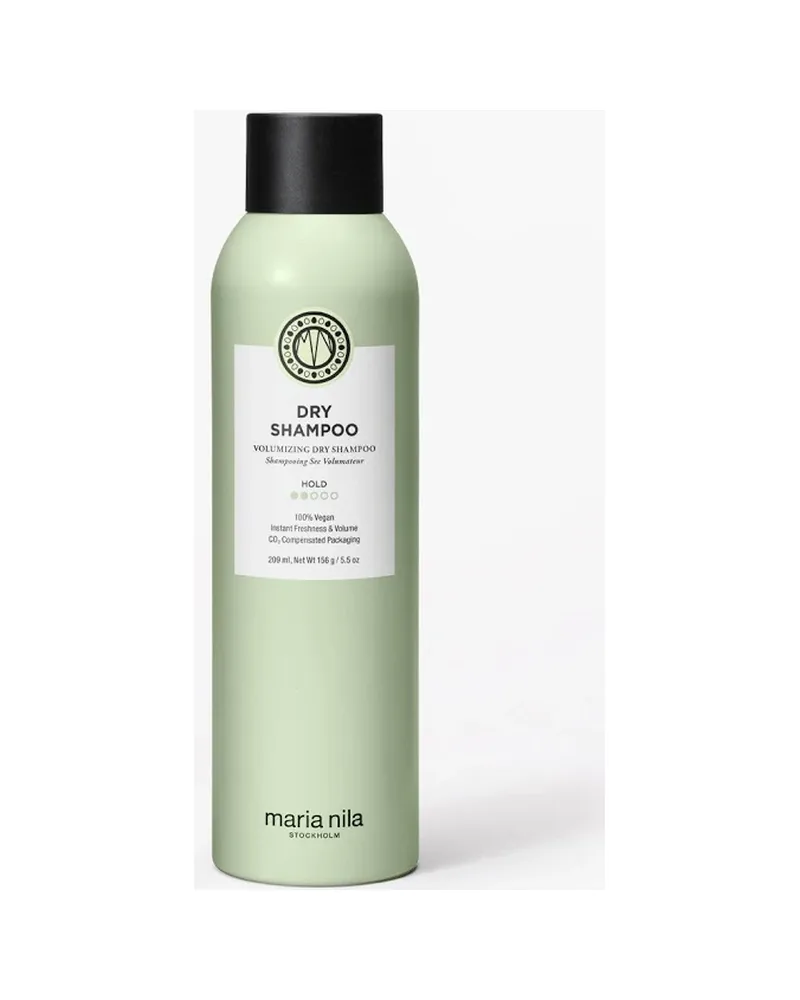
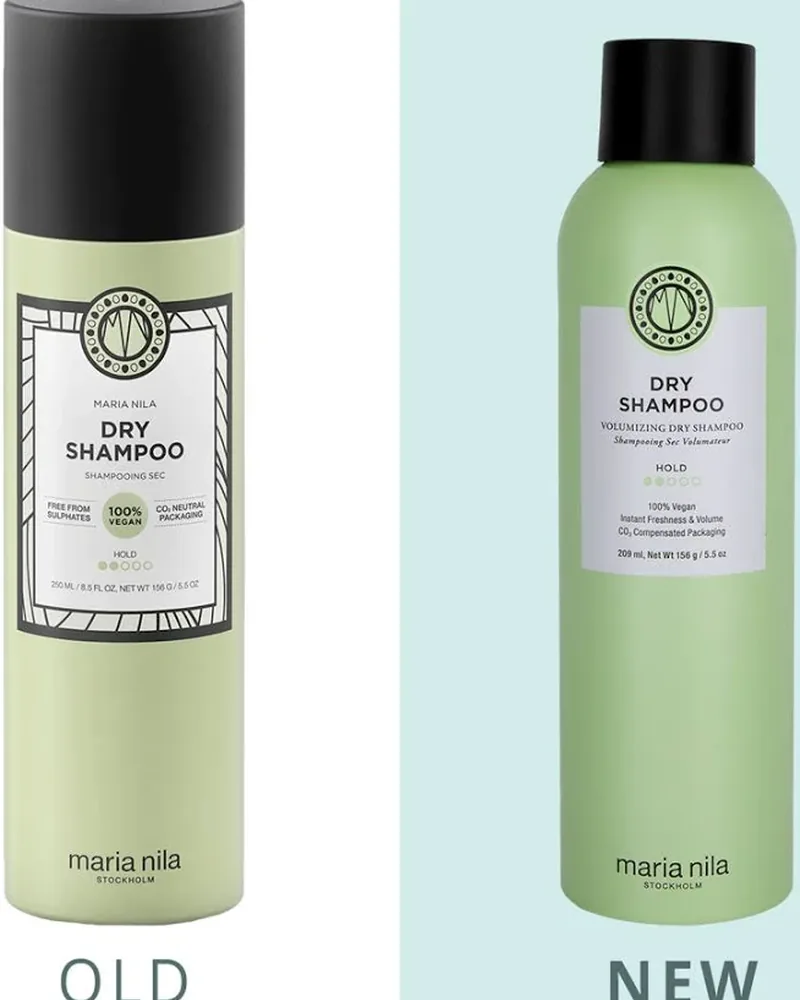
Sizes & containers
215 ml / 5.5 oz · aerosol can · $33.50 at one store · UPC 07391681406032
Dry shampoo
Add it to your products. We’ll tell you if it’s ever recalled.
Scent:
Notes: apple, fruity, passionfruit.
“fruity blend of passionfruit and apple notes” (Brand page)
Manufacturer page: marianila.com
Not enough priced dry shampoos to place it
We have not priced enough dry shampoos to place this one.
Great for
Maybe skip if
What the formula actually does
Each row says where it comes from: F means we derived it from this product’s own ingredient list, S means it is a claim the brand makes that the formula neither confirms nor contradicts.
Absorbent powders or starches high in the list.
Fast-drying alcohol in the first three ingredients.
Nothing here needs a detergent wash to remove.
Fragrance is listed; it sits below the working ingredients.
Ingredients that matter
The workhorse ingredients, plus anything lower down that changes a decision. The chips name what an ingredient does. They are not safety scores, and no ingredient here is rated good or bad on its own.
| Ingredient | What it does | Why it matters | Chip |
|---|---|---|---|
| Hydrofluorocarbon 152a | propellant | Pushes the product out of the can | Neutral |
| Isobutane | propellant | Pushes the product out of the can | Neutral |
| Alcohol Denat. | drying alcohol | Speeds drying but can leave hair feeling dry | Drying |
| Rice StarchOryza Sativa (Rice) Starch | starch | Soaks up oil and adds grip | Neutral |
| Helianthus Annuus (Sunflower) Seed Extract | botanical extract | A trace plant extract | Stabilizes |
| Crambe Abyssinica Seed Oil | oil | A small amount of oil for softness | Softens |
| Disteardimonium Hectorite | clay | A little absorbency | Stabilizes |
| Zea Mays (Corn) Starch | starch | A little oil absorption | Neutral |
| Citronellol | fragrance | The scent | Fragrance |
| FragranceFragrance/Parfum | fragrance | The scent | Fragrance |
In the US, ingredients above 1% are listed from most to least. Below 1% they can appear in any order. Each note keeps three things apart: what the ingredient generally does, its role in this type of product, and what its position can tell you.
A non-flammable aerosol propellant used in dry shampoos and finishing sprays.
Listed in the first three ingredients, it is likely a structural part of this formula.
A pressurised gas that pushes an aerosol out of the can and evaporates on contact.
Listed in the first three ingredients, it is likely a structural part of this formula.
Fast-drying alcohol used to make sprays set quickly. In leave-on products it can leave hair feeling dry, especially in high position on the list.
Listed in the first three ingredients, it is likely a structural part of this formula.
Evaporates on contact, which is how a spray sets almost instantly and leaves no weight behind it.
Porous hair gives water up easily as it is; a fast-evaporating solvent high on the list accelerates that.
It evaporates quickly and takes some water with it. On hair already short of moisture, a formula built on a lot of it can finish drier than it started.
A fine starch that soaks up oil at the roots and adds grip.
Listed in positions 4–8, it likely makes a meaningful contribution alongside the formula's main ingredients.
Adds grip and body with no oil attached, which is what lifts fine hair at the root instead of weighing it down.
Starch gives texture and grip rather than a set film; firm hold usually needs a polymer alongside it.
A sunflower seed extract used at low levels for antioxidants and label appeal.
It appears around or below the estimated 1% line, where label order no longer indicates relative amount; its role may be minor or technical.
A light oil with very long fatty-acid chains, used as a plant alternative to silicone shine.
It appears around or below the estimated 1% line, where label order no longer indicates relative amount; its role may be minor or technical.
Coats the surface and slows water leaving the strand, which is usually what coarse hair that dries out fast is missing.
A thin oil layer lowers friction between strands and flattens the raised cuticle that scatters light and catches on its neighbours.
A clay modified to thicken oil rather than water, used to give balms and pomades structure.
It appears around or below the estimated 1% line, where label order no longer indicates relative amount; its role may be minor or technical.
A starch that soaks up oil at the roots and adds texture.
It appears around or below the estimated 1% line, where label order no longer indicates relative amount; its role may be minor or technical.
Adds grip and body with no oil attached, which is what lifts fine hair at the root instead of weighing it down.
Starch gives texture and grip rather than a set film; firm hold usually needs a polymer alongside it.
A dry-feeling ester used for a silky, non-greasy finish - a common silicone substitute.
It appears around or below the estimated 1% line, where label order no longer indicates relative amount; its role may be minor or technical.
A light emollient: it softens the surface with noticeably less weight than an oil or a butter.
Spreads thin and lowers friction between strands without the heaviness of a fixed oil.
A quick-acting conditioning agent that reduces static and combing force. It also helps keep the formula stable.
It appears around or below the estimated 1% line, where label order no longer indicates relative amount; its role may be minor or technical.
The C16 quat binds mostly by charge rather than by chain, so it deposits measurably less than the C22 ones. Less deposit is less conditioning and also less weight, which is usually the trade fine hair wants.
A cationic conditioning agent: it binds to the damaged, negatively charged parts of the cuticle and lowers combing friction there.
Substantive by design. A routine with no detergent wash gives it nothing to leave with.
A fatty ester. Esters give slip and a smooth after-feel; lighter ones read dry and silky, heavier ones read rich.
It appears around or below the estimated 1% line, where label order no longer indicates relative amount; its role may be minor or technical.
A light emollient: it softens the surface with noticeably less weight than an oil or a butter.
Spreads thin and lowers friction between strands without the heaviness of a fixed oil.
A fine mineral powder that absorbs oil and adds grip. It is what makes texture powders and matte pastes feel dry to the touch.
It appears around or below the estimated 1% line, where label order no longer indicates relative amount; its role may be minor or technical.
A dry powder takes up oil and adds friction between strands, which is most of what root lift in fine hair actually is.
A rose-like fragrance component named separately as a recognised allergen.
It appears around or below the estimated 1% line, where label order no longer indicates relative amount; its role may be minor or technical.
One of the 26 scent components the EU requires to be named individually above a threshold. It is named because it is a known contact allergen, not because it is unusual.
An undisclosed blend of scent ingredients. Regulations let it stay unlisted, so a fragrance-free product is the only way to be certain what is not in it.
It appears around or below the estimated 1% line, where label order no longer indicates relative amount; its role may be minor or technical.
Declared fragrance. On a fragrance-sensitive routine this is the line that decides it, wherever it sits on the label.
Ingredient list captured 2026-10-17. Formulas change, so check the package in your hand when an ingredient matters to you.
Price · 5.5 oz
Priced above the products that do the same job. Stores sell it above the $22 line; products that do this job typically go for about $29 at this size.
Sizes
The 8.45 oz costs 48% less per ounce than the 3.38 oz.
5.5 ozusual store size
3.38 oz
8.45 ozBest per ounce
Sorted by price per ounce. Dated observations from our research, not live prices. Direct store pages, no affiliate links. We don’t sell this product.
Dry shampoo refreshes hair between washes. We describe its ingredient functions without assigning a formula score.
Does the same job
Formulas that do the same things (cleanse, condition, coat or hold) for less per ounce. Scent, texture and where you buy them can still differ.
See more alternatives in the product library
These products do a similar job. We haven’t matched them to you. Find the one that fits your hair, routine and budget
Final decision
Hair that stiffens on protein, for a protein-free formula and a silicone-free formula
Less suited to anyone sensitive to fragrance, very dry or high-damage hair, or people avoiding aerosols
Nothing in our library matches it closely at a lower price.
We do not sell products or take placement fees. This page states what the formula and the prices show; the consultation is what matches it to a person.
Claims check
Claims are quoted from the brand. We mark a claim supported, partly supported or conflicting only when the ingredient list speaks to it. Everything else stays "stated by the brand". That isn’t a criticism: most claims can’t be checked from a label.
Refreshes hair between washes without residue
This is a marketing claim; an ingredient list cannot speak to it.
—
Can’t be confirmed from label.
Suitable for both blonde and darker hair
No formula reads the same on every texture; our fit panel is the better guide.
—
See the fit panel instead.
Invisible with lightweight volume effect
We cannot read weight on the strand from what is recorded.
Can’t be confirmed from label.
We look at the first 10–15 ingredients and what they do in a formula, not at the marketing. If the list doesn't speak to a claim, we don't assume.