Straight Fixation® Styling Crème
Styler / Curl cream, polymer-set
- Styler
- curl cream
- Sulfate-free
- Cruelty-free · PETA-listed
Add it to your products. We’ll tell you if it’s ever recalled.
Scent:
The ingredient list declares fragrance. What it smells of is not stated, and we do not guess.
Manufacturer page: us.johnfrieda.com
Personal fit
Is this right for you?
Complete the consultation to see how well this product fits your hair and your goals. With 6,000+ products in our library, we can match you to the right ones.
- About 20 minutes, and your answers save as you go.
- Every product matched against your hair across the 22 factors we check.
- A personalized routine built around your schedule, styling habits, and local weather.
- Find products that do the same job at a lower cost.
- Your goals, scalp, damage history, water, budget, and scent preferences all shape your plan.
$49 with 60 days of follow-up questions and plan updates
$99 with 12 months. Pay once; the year renews only if you choose.
Show all 22 factors we check
The rest of what your plan weighs on this product.
The consultation builds your hair profile, checks every factor in this table against it, and tells you where this product fits or what to use instead.
Start your consultation$49 once, with 60 days of follow-up questions and plan updates. Nothing renews, and you never have to buy a product.
Your avoid-list
Priced with its peers
$2.48/oz at 5 oz, less than 57% of the 228 curl creams , which mostly run $1.35–5.22/oz.
Great for
Maybe skip if
What the formula actually does
Read from the label, not the marketing
Each row says where it comes from: F means we derived it from this product’s own ingredient list, S means it is a claim the brand makes that the formula neither confirms nor contradicts.
Synthetic hold polymers, the firmest kind of hold.
Softening ingredients sit alongside the film formers, so a hard shell is unlikely.
Middle of the range: noticeable on fine hair, light on coarse hair.
No absorbent powders or starches.
Oils are present, but low enough to be a finishing touch.
Contains fast-drying alcohol, which speeds drying but can leave hair feeling dry.
Water-insoluble silicones or waxes: a detergent wash is what removes them.
Fragrance is listed; it sits below the working ingredients.
Ingredients that matter
The ingredients that change a decision
The workhorse ingredients, plus anything lower down that changes a decision. The chips name what an ingredient does. They are not safety scores, and no ingredient here is rated good or bad on its own.
| Ingredient | What it does | Why it matters | Chip |
|---|---|---|---|
| Water | solvent | The base everything else is dissolved in | Neutral |
| Cyclopentasiloxane | silicone | Smooths the cuticle and adds shine | Buildup |
| Cetearyl Alcohol | fatty alcohol | Thickens and conditions (not a drying alcohol) | Softens |
| Dimethicone | silicone | Smooths the cuticle and adds shine | Buildup |
| Alcohol Denat.ALCOHOL | drying alcohol | Sets the style fast, which is also why it can feel dry | Drying |
| Stearyl Alcohol | fatty alcohol | Thickens and conditions (not a drying alcohol) | Softens |
| Glyceryl Stearate | emulsifier | Keeps oil and water mixed | Softens |
| PEG-100 Stearate | emulsifier | Keeps oil and water mixed | Stabilizes |
| Hydrolyzed Milk Protein | film former | A supporting film former | Protein |
| Polysilicone-9 | silicone | A little smoothing and shine | Buildup |
| Aminopropyl Dimethicone | silicone | A little smoothing and shine | Buildup |
| Fragrance | fragrance | The scent | Fragrance |
Full ingredient list (35)
In the US, ingredients above 1% are listed from most to least. Below 1% they can appear in any order. Each note keeps three things apart: what the ingredient generally does, its role in this type of product, and what its position can tell you.
-
1
Water
General function
The base of almost every rinse-off and cream hair product. It carries everything else and is normally the first ingredient on the label.
Leading ingredientListed in the first three ingredients, it is likely a structural part of this formula.
- solvent
-
2
Cyclopentasiloxane
General function
A light, fast-evaporating silicone that spreads other ingredients then leaves. It gives serums their weightless glide.
Leading ingredientListed in the first three ingredients, it is likely a structural part of this formula.
PubChemMay suitBuild-up-sensitive routinesIt leaves the hair by evaporating rather than by being washed off, so it is not part of what accumulates.
May suitClimate-sensitive or frizz-prone hairA surface film slows how quickly humidity reaches the cortex, which is what limits swelling-driven frizz in damp air.
May suitFine or easily flattened hairA cyclic silicone evaporates after it has spread the formula, so it carries the other ingredients without leaving weight behind.
- silicone
- emollient
-
3
Cetearyl Alcohol
General function
A waxy fatty alcohol - nothing like drying alcohol. It gives conditioners their body and leaves a soft, smoothing film on the hair.
Leading ingredientListed in the first three ingredients, it is likely a structural part of this formula.
PubChemMay suitDry, coarse, or high-porosity hairThe waxy solid that gives a conditioner its body. It deposits a soft lubricating layer, which is most of what makes hair feel smooth after rinsing.
May suitFrizz-prone, damaged, or high-friction hairDeposits with the cationic conditioners and helps them lie flat along the strand, which is where the detangling actually comes from.
DependsFine or easily flattened hairNear the top of a conditioner it is doing most of the conditioning, and most of the weighting, at the same time.
- fatty alcohol
- emollient
- thickener
-
4
Dimethicone
General function
The most common conditioning silicone. It coats the strand for shine, slip, and frizz control, and needs a detergent (not just water) to wash out.
Supporting ingredientListed in positions 4–8, it likely makes a meaningful contribution alongside the formula's main ingredients.
May suitClimate-sensitive or frizz-prone hairA surface film slows how quickly humidity reaches the cortex, which is what limits swelling-driven frizz in damp air.
May suitFrizz-prone, damaged, or high-friction hairLays a smooth film along the cuticle, which lowers combing friction and flattens the surface irregularities that read as frizz.
May not suitBuild-up-sensitive routinesDimethicone does not disperse in water. On a routine that skips detergent it stays on the hair and accumulates wash after wash.
- silicone
- emollient
- conditioning agent
-
5
Alcohol Denat.
· ALCOHOL
General function
Fast-drying alcohol used to make sprays set quickly. In leave-on products it can leave hair feeling dry, especially in high position on the list.
Supporting ingredientListed in positions 4–8, it likely makes a meaningful contribution alongside the formula's main ingredients.
PubChemMay suitFine or easily flattened hairEvaporates on contact, which is how a spray sets almost instantly and leaves no weight behind it.
May not suitDry, coarse, or high-porosity hairPorous hair gives water up easily as it is; a fast-evaporating solvent high on the list accelerates that.
May not suitVery dry or highly damaged hairIt evaporates quickly and takes some water with it. On hair already short of moisture, a formula built on a lot of it can finish drier than it started.
- drying alcohol
- solvent
-
6
Stearyl Alcohol
General function
A fatty alcohol that thickens conditioners and helps them coat the hair evenly.
Supporting ingredientListed in positions 4–8, it likely makes a meaningful contribution alongside the formula's main ingredients.
PubChemMay suitDry, coarse, or high-porosity hairThe waxy solid that gives a conditioner its body. It deposits a soft lubricating layer, which is most of what makes hair feel smooth after rinsing.
May suitFrizz-prone, damaged, or high-friction hairDeposits with the cationic conditioners and helps them lie flat along the strand, which is where the detangling actually comes from.
DependsFine or easily flattened hairNear the top of a conditioner it is doing most of the conditioning, and most of the weighting, at the same time.
- fatty alcohol
- emollient
- thickener
-
7
Glyceryl Stearate
General function
A workhorse emulsifier that holds oil and water together in a cream.
Supporting ingredientListed in positions 4–8, it likely makes a meaningful contribution alongside the formula's main ingredients.
PubChemMay suitFrizz-prone, damaged, or high-friction hairEmollients fill and smooth the surface of the strand, which lowers the friction that lifts the cuticle and reads as roughness.
- emulsifier
- emollient
-
8
PEG-100 Stearate
General function
The water-side half of the most common emulsifier pair in creams, used with glyceryl stearate.
Supporting ingredientListed in positions 4–8, it likely makes a meaningful contribution alongside the formula's main ingredients.
- emulsifier
-
9
Ceteareth-20
- emulsifier
-
10
Hydrolyzed Milk Protein
General function
A protein broken into fragments small enough to cling to the hair. It fills gaps on damaged strands and firms the feel for a few washes; too much reads as stiff.
Secondary ingredientLower in the ordered portion of the list, it is more likely playing a supporting role than defining the formula.
May suitFrizz-prone, damaged, or high-friction hairFilling surface gaps evens out the cuticle, which is part of what makes damaged hair comb and reflect light more like undamaged hair.
May suitMaximum-hold stylingFilm formers are what hold a style: they dry into a connected film across the strands so the shape resists movement.
May suitVery dry or highly damaged hairHydrolysed fragments are small enough to sit in the gaps of a worn cuticle for a wash or two, temporarily restoring stiffness and cutting breakage in combing.
- film former
- protein
- hydrolysed protein
-
11
Cocos Nucifera (Coconut) Oil
General function
One of the few oils small enough to move into the strand, which is why it is used for pre-wash treatments. It can feel heavy or stiff on protein-sensitive hair.
Secondary ingredientLower in the ordered portion of the list, it is more likely playing a supporting role than defining the formula.
International Journal of TrichologyMay suitDry, coarse, or high-porosity hairBecause it penetrates rather than sits on top, it works on hair that loses water through a worn cuticle instead of only slowing evaporation from the surface the way a non-penetrating oil does.
May suitFrizz-prone, damaged, or high-friction hairA thin oil layer lowers friction between strands and flattens the raised cuticle that scatters light and catches on its neighbours.
May suitVery dry or highly damaged hairThe exception to the class read: lauric acid is small and linear enough to enter the shaft rather than only coat it, and in comparison testing coconut oil was the one that reduced protein loss from washing on both undamaged and damaged hair.
- oil
- emollient
-
12
Gardenia Tahitensis Flower Extract
- botanical extract
-
13
Prunus Amygdalus Dulcis (Sweet Almond) Oil
General function
A medium-weight oil used for softness and slip.
Secondary ingredientLower in the ordered portion of the list, it is more likely playing a supporting role than defining the formula.
May suitDry, coarse, or high-porosity hairCoats the surface and slows water leaving the strand, which is usually what coarse hair that dries out fast is missing.
May suitFrizz-prone, damaged, or high-friction hairA thin oil layer lowers friction between strands and flattens the raised cuticle that scatters light and catches on its neighbours.
- oil
- emollient
-
14
Propylene Glycol
General function
A small humectant and solvent that keeps formulas stable and helps active ingredients spread.
Secondary ingredientLower in the ordered portion of the list, it is more likely playing a supporting role than defining the formula.
PubChemMay suitFine or easily flattened hairLight and water-binding rather than oily, so it adds less weight than oils or butters do.
May suitVery dry or highly damaged hairA small water-binding solvent. It holds moisture and helps the rest of the formula spread evenly over the strand.
DependsClimate-sensitive or frizz-prone hairA humectant follows the air: it holds water in humid conditions and can give it up in very dry ones. Climate decides what it does more than the label does.
- humectant
- solvent
-
15
Polysilicone-9
- silicone
-
16
Polyquaternium-10
General function
A cellulose-based conditioning polymer that leaves a thin, static-reducing film. Very common in shampoos as the ingredient that keeps them from stripping.
Secondary ingredientLower in the ordered portion of the list, it is more likely playing a supporting role than defining the formula.
May suitCurls or waves needing flexible holdCationic polymers hold a curl loosely and stay soft, which is why they turn up in definition products rather than firm-hold ones.
May suitFrizz-prone, damaged, or high-friction hairA cationic polymer stays on the hair through rinsing, which is what keeps static and combing friction down after the wash.
May suitMaximum-hold stylingFilm formers are what hold a style: they dry into a connected film across the strands so the shape resists movement.
- conditioning agent
- film former
- polymer
-
17
Aminopropyl Dimethicone
General function
A silicone. Silicones coat the strand for slip, shine and frizz control; unless the name carries PEG or PPG, removing one takes a detergent rather than water.
Secondary ingredientLower in the ordered portion of the list, it is more likely playing a supporting role than defining the formula.
May suitClimate-sensitive or frizz-prone hairA surface film slows how quickly humidity reaches the cortex, which is what limits swelling-driven frizz in damp air.
May suitFrizz-prone, damaged, or high-friction hairLays a smooth film along the cuticle, which lowers combing friction and flattens the surface irregularities that read as frizz.
May not suitBuild-up-sensitive routinesDimethicone does not disperse in water. On a routine that skips detergent it stays on the hair and accumulates wash after wash.
- silicone
- conditioning agent
-
18
Propylene Glycol Dicaprylate/Dicaprate
General function
A light, dry-feeling ester that spreads other ingredients and softens without a greasy finish.
Secondary ingredientLower in the ordered portion of the list, it is more likely playing a supporting role than defining the formula.
May suitFine or easily flattened hairA light emollient: it softens the surface with noticeably less weight than an oil or a butter.
May suitFrizz-prone, damaged, or high-friction hairSpreads thin and lowers friction between strands without the heaviness of a fixed oil.
- light ester
- emollient
-
19
Behentrimonium Chloride
General function
A positively charged conditioning agent that binds to damaged, negatively charged spots on the hair. It is the main detangling ingredient in most rinse-out conditioners.
Secondary ingredientLower in the ordered portion of the list, it is more likely playing a supporting role than defining the formula.
International Journal of Cosmetic ScienceMay suitDry, coarse, or high-porosity hairElectrokinetic measurement puts the C22 quat ahead of the C16 ones for deposition: the longer chain adds van der Waals stabilisation on top of the charge binding. That extra deposit is what coarse hair usually needs to comb through.
May suitFrizz-prone, damaged, or high-friction hairA cationic conditioning agent: it binds to the damaged, negatively charged parts of the cuticle and lowers combing friction there.
DependsBuild-up-sensitive routinesSubstantive by design. A routine with no detergent wash gives it nothing to leave with.
- conditioning agent
- cleanser
- ▾Below about here, the order stops meaning much. These are usually used at 1% or less.
-
20
Fragrance
General function
An undisclosed blend of scent ingredients. Regulations let it stay unlisted, so a fragrance-free product is the only way to be certain what is not in it.
Estimated lower-concentration zoneIt appears around or below the estimated 1% line, where label order no longer indicates relative amount; its role may be minor or technical.
May not suitFragrance-sensitive routinesDeclared fragrance. On a fragrance-sensitive routine this is the line that decides it, wherever it sits on the label.
- fragrance
- declared fragrance
-
21
Disodium EDTA
General function
Grabs metal ions from hard water so they cannot dull the hair or destabilise the formula.
Estimated lower-concentration zoneIt appears around or below the estimated 1% line, where label order no longer indicates relative amount; its role may be minor or technical.
PubChemMay suitBuild-up-sensitive routinesBinds the calcium and magnesium in hard water, which is what stops mineral deposits accumulating on the strand wash after wash.
May suitGray, silver, or brass-prone hairCopper and iron carried in tap water deposit on the strand and read as a dull, warm cast on gray or light hair. A chelator holds those metals in solution so the wash carries them off.
- hard-water chelator
-
22
Cetrimonium Chloride
General function
A quick-acting conditioning agent that reduces static and combing force. It also helps keep the formula stable.
Estimated lower-concentration zoneIt appears around or below the estimated 1% line, where label order no longer indicates relative amount; its role may be minor or technical.
International Journal of Cosmetic ScienceMay suitFine or easily flattened hairThe C16 quat binds mostly by charge rather than by chain, so it deposits measurably less than the C22 ones. Less deposit is less conditioning and also less weight, which is usually the trade fine hair wants.
May suitFrizz-prone, damaged, or high-friction hairA cationic conditioning agent: it binds to the damaged, negatively charged parts of the cuticle and lowers combing friction there.
DependsBuild-up-sensitive routinesSubstantive by design. A routine with no detergent wash gives it nothing to leave with.
- conditioning agent
- cleanser
-
23
Quaternium-91
General function
A conditioning agent used in leave-ins for detangling without much weight.
Estimated lower-concentration zoneIt appears around or below the estimated 1% line, where label order no longer indicates relative amount; its role may be minor or technical.
PubChemMay suitFrizz-prone, damaged, or high-friction hairA cationic conditioning agent: it binds to the damaged, negatively charged parts of the cuticle and lowers combing friction there.
May suitVery dry or highly damaged hairThe class that does the detangling in a conditioner. It deposits lubrication where the cuticle is worn.
DependsBuild-up-sensitive routinesSubstantive by design. A routine with no detergent wash gives it nothing to leave with.
- conditioning agent
-
24
Cetrimonium Methosulfate
General function
A positively charged conditioning agent. Damaged hair carries a negative charge, so it deposits where the damage is and makes wet hair comb through.
Estimated lower-concentration zoneIt appears around or below the estimated 1% line, where label order no longer indicates relative amount; its role may be minor or technical.
PubChemMay suitFrizz-prone, damaged, or high-friction hairA cationic conditioning agent: it binds to the damaged, negatively charged parts of the cuticle and lowers combing friction there.
May suitVery dry or highly damaged hairThe class that does the detangling in a conditioner. It deposits lubrication where the cuticle is worn.
DependsBuild-up-sensitive routinesSubstantive by design. A routine with no detergent wash gives it nothing to leave with.
- conditioning agent
-
25
Laureth-23
- emulsifier
- solubilizer
-
26
Laureth-4
- emulsifier
-
27
Polyquaternium-55
General function
A conditioning hold polymer used where flexibility and shine matter more than stiffness.
Estimated lower-concentration zoneIt appears around or below the estimated 1% line, where label order no longer indicates relative amount; its role may be minor or technical.
May suitCurls or waves needing flexible holdCationic polymers hold a curl loosely and stay soft, which is why they turn up in definition products rather than firm-hold ones.
May suitFrizz-prone, damaged, or high-friction hairA cationic polymer stays on the hair through rinsing, which is what keeps static and combing friction down after the wash.
May suitMaximum-hold stylingFilm formers are what hold a style: they dry into a connected film across the strands so the shape resists movement.
- conditioning agent
- film former
- polymer
-
28
Lactic Acid
General function
An acid used to set pH and, in scalp products, to loosen flakes.
Estimated lower-concentration zoneIt appears around or below the estimated 1% line, where label order no longer indicates relative amount; its role may be minor or technical.
PubChemMay suitDry, coarse, or high-porosity hairHigh-porosity hair loses water fast; a humectant holds some of it in place for longer than the wash itself would.
May suitVery dry or highly damaged hairBinds water into the outer layers of the strand, and water is what makes dry hair flexible again rather than brittle.
DependsClimate-sensitive or frizz-prone hairA humectant moves water in whichever direction the air allows: it holds moisture in humid conditions and can pull it back out of hair in very dry ones.
- pH adjuster
- humectant
- exfoliant
-
29
Sodium Hydroxide
General function
A strong base used in trace amounts to raise pH; fully neutralised in the finished product.
Estimated lower-concentration zoneIt appears around or below the estimated 1% line, where label order no longer indicates relative amount; its role may be minor or technical.
International Journal of TrichologyDependsFrizz-prone, damaged, or high-friction hairThe alkali half of a pH-adjusting pair, used in small amounts to bring a formula up to its target rather than to make it alkaline. Alkaline conditions raise the fibre's surface charge and lift the scales — but the finished pH is not on the label.
- pH adjuster
-
30
Malic Acid
General function
An apple-derived acid used to bring the formula to an acidic pH.
Estimated lower-concentration zoneIt appears around or below the estimated 1% line, where label order no longer indicates relative amount; its role may be minor or technical.
PubChemDependsFrizz-prone, damaged, or high-friction hairpH adjusters are how a formula is brought to a chosen acidity, and an acidic formula keeps the cuticle lying flatter than an alkaline one. Which way this one moves the pH depends on the formula, and the finished pH is not on the label.
- pH adjuster
- exfoliant
-
31
sodium laneth-40 maleate/styrene sulfonate copolymer
General function
A synthetic film-forming polymer. Polymers of this kind dry to a continuous film on the hair, which is how a styling product holds a shape.
Estimated lower-concentration zoneIt appears around or below the estimated 1% line, where label order no longer indicates relative amount; its role may be minor or technical.
May suitClimate-sensitive or frizz-prone hairA set polymer film is a physical barrier to humidity, so a style keeps its shape longer in damp conditions.
May suitMaximum-hold stylingSynthetic film formers dry into a continuous film, which is what holds a shape against movement and against humid air.
DependsBuild-up-sensitive routinesSome acrylate copolymers rinse with water and some need a detergent; the label alone does not say which one a formula used.
- film former
- polymer
-
32
Cetearyl Glucoside
- emulsifier
-
33
Benzyl Alcohol
- preservative
- solvent
-
34
Diazolidinyl Urea
- formaldehyde releaser
- preservative
-
35
Iodopropynyl Butylcarbamate
- preservative
What the whole list adds up to
- 8 emollients
- 6 emulsifiers
- 6 conditioning agents
- 4 solvents
- 4 silicones
- 4 film formers
- 3 polymers
- 3 pH adjusters
- 3 preservatives
- 2 fatty alcohols
- 2 thickeners
- 2 conditioning agents
- 2 oils
- 2 humectants
Ingredient list captured 2026-10-07. Formulas change, so check the package in your hand when an ingredient matters to you.
Price · 5 oz
Usually a good value. Most stores sell it under the $18 line, and products that do this job typically go for about $26 at this size.
Show the price ladder
Where we’ve seen it4 listings · 4 stores
-
John Frieda (brand site)
$9.995 oz · $2.00/ozOct 7Lowest per oz
-
John Frieda
$9.995 oz · $2.00/ozOct 8
-
Walmart
$12.395 oz · $2.48/ozOct 8
-
CVS
$12.495 oz · $2.50/ozOct 8
Sorted by price per ounce. Dated observations from our research, not live prices. Direct store pages, no affiliate links. We don’t sell this product.
How we work this out
- 5 oz is the size stores list most often; every comparison on this page is made at it. Other sizes are shown in the Sizes row and the store list.
- Commonly seen is the middle half of current prices for the 5 oz at recognised stores. We leave out the cheapest and most expensive quarters, so one sale or one overpriced listing can’t move it.
- Good value under $18 comes from the 8 products we score as doing the same job as this one. A quarter of them cost less than $3.61/oz; at 5 oz that is $18. Under that line you are paying less than most of them.
- About $26 is what those same products typically cost at this size: the midpoint of their prices per ounce, scaled to 5 oz.
Formula
A complete formula at an ordinary price: mid-range per ounce among curl creams, with the working systems in place.
How the score is counted
- Costs less per ounce than 57% of the 228 curl creams we’ve priced
- Covers 6 of the 6 things a curl cream should do
- Reviewers mention 3 things they like about how it performs
- Drugstore tier, sold at Brand website
- A hold systemThe polymer, gum, or wax that holds the shape.3 pts
- Softeners alongside the holdWhat keeps a film flexible instead of brittle.2 pts
- No drying alcohol in the first threeFast drying without leading on alcohol.2 pts
- A humectantBinds water into the hair.1 pt
- A humidity claim with a mechanismThe claim has a film former or silicone behind it.1 pt
- Fragrance kept out of the top eightScent as a finishing touch, not a major share.1 pt
The formula score measures completeness for the job: a weighted share of the systems this product type is usually built around that we find in this list. It does not rate how well the product works or its quality, and it never compares across product types.
Does the same job
Formulas that do the same things (cleanse, condition, coat or hold) for less per ounce. Scent, texture and where you buy them can still differ.
- Protein-free
- No aerosol
- Medium weight
- Function
- Also
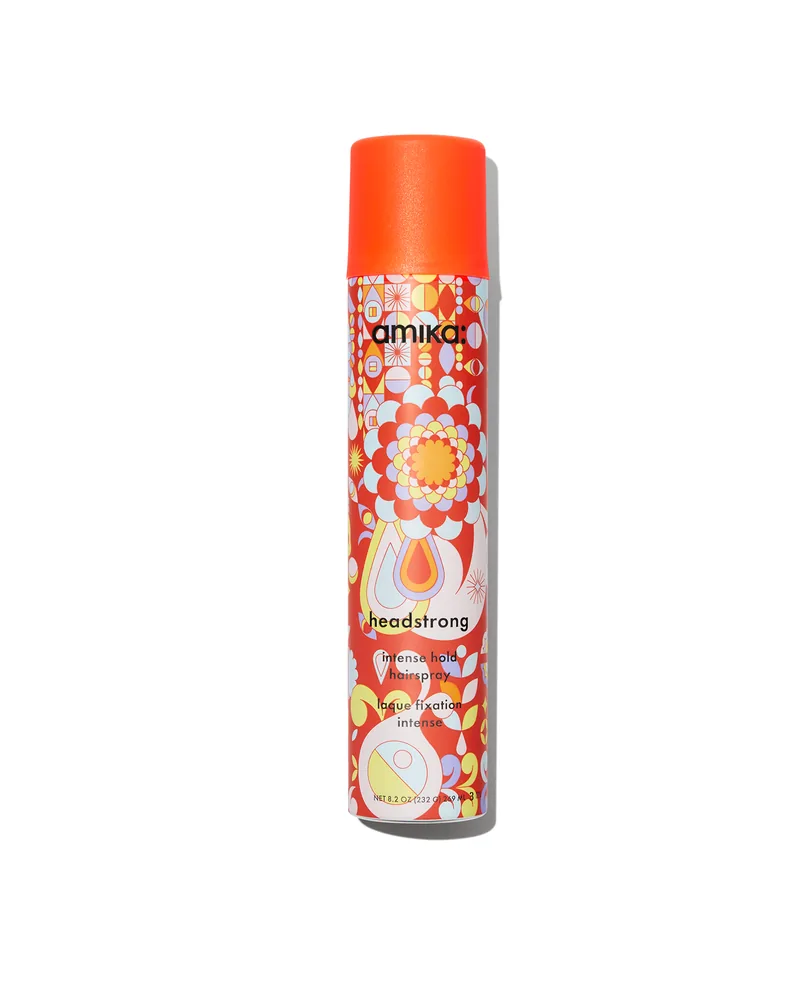
- Protein-free
- Medium weight
- Function
- Also
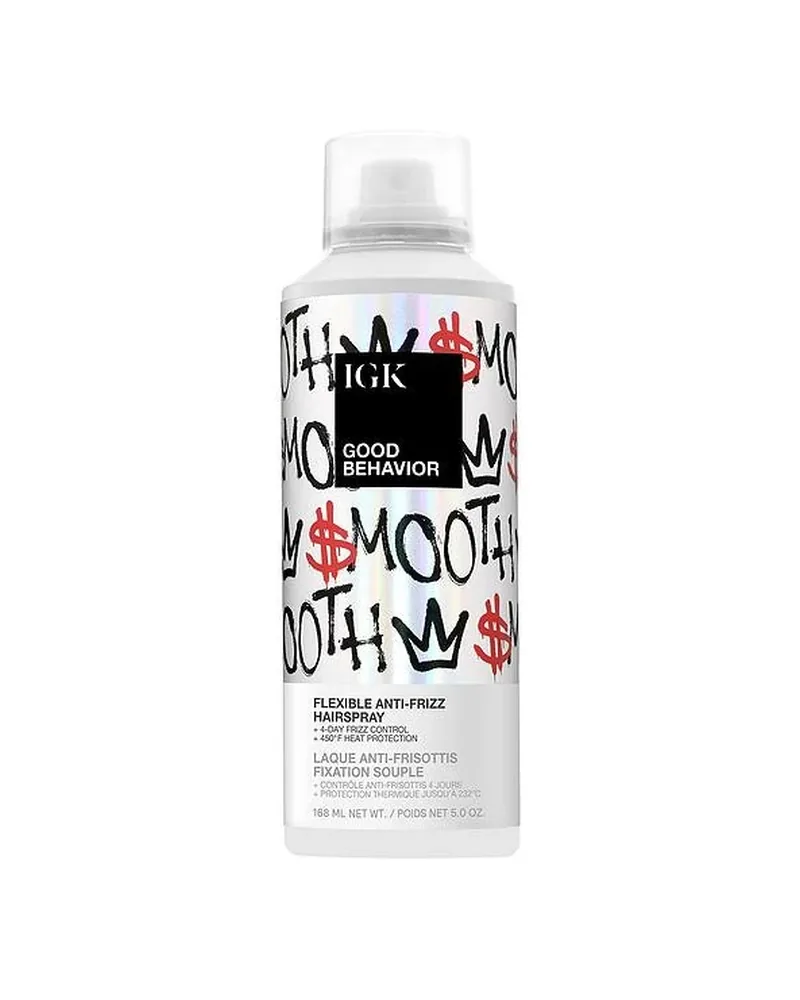
- Protein-free
- Humidity
- Flexible hold
- Function
- Also
See more alternatives in the product library
These products do a similar job. We haven’t matched them to you. Find the one that fits your hair, routine and budget

Final decision
Should you buy it?
Good for the right personCurls that need definition who want defined, clumped curls and a non-aerosol format
Worth skipping for anyone sensitive to fragrance, curly-method routines, or very dry or high-damage hair
Nothing in our library matches it closely at a lower price.
We do not sell products or take placement fees. This page states what the formula and the prices show; the consultation is what matches it to a person.
Reviewers
What people report
Themes that come up again and again in sourced reviews, written by our researchers in their own words. We don’t store or scrape star ratings.
Several reviewers say a small amount works well with blow-drying and flat ironing, adding heat protection.
Reviewers who blow dry or flat iron their hairSeveral reviewers like the pleasant scent, which stays in their hair through the day.
Reviewers across hair typesMany reviewers say it tames frizz and leaves hair smooth, straight and shiny.
Reviewers across hair types, most often thick or frizz-prone hairSome reviewers say it did little for their hair, or left it dry and puffy, especially with coarse curls.
Reviewers with very curly, coarse or wavy hair; some in humid weatherMore from John Frieda
How this page was made
- Everything above comes from our researched product record: identity, the ingredient list as printed, the brand's own claims, dated prices and review themes our researchers wrote in their own words. No part of this page is written by hand for one product.
- The value band is a fixed label over two stored numbers: this product’s cost per ounce as a percentile of every product of this type we have priced, each at the size it is most often sold in, and how many products we score as doing the same job cost at least a quarter less per ounce.
- Both scores out of ten are defined on this page. The formula score is completeness for the job, computed from a fixed per-format checklist shown beneath the gauge; the price score is cost per ounce against every product of this type we have priced.
- The "Is this right for you?" panel reads only your own consultation answers, and it applies exactly the filters our recommendation engine applies. It is computed when you load the page and is never stored on it.
- 4 sources consulted for this product (0 manufacturer or regulatory, 1 retailer, 3 editorial), last checked 2026-10-31.
- Ingredient references are linked for 15 of 24 product-aware annotations on this page. Fit notes are general formulation guidance. They aren’t a verdict on the finished product or on you.
- We haven’t tested this product in a lab, and we don’t physically test your hair. Formula readings come from the ingredient list. Claims about how it behaves are labelled as the brand's.
- Ingredient order tells you relative amount only above roughly 1%. Prices are what we saw on the dates shown and can change.
- Ingredient names link to our ingredient library, where each entry shows what it does, which product types use it, and where it usually sits on a label across everything we have researched.
- This is cosmetic information, not medical advice, and nothing here diagnoses or treats a health condition.
- Formula readings: derivation v23. Record last updated 2026-10-07.