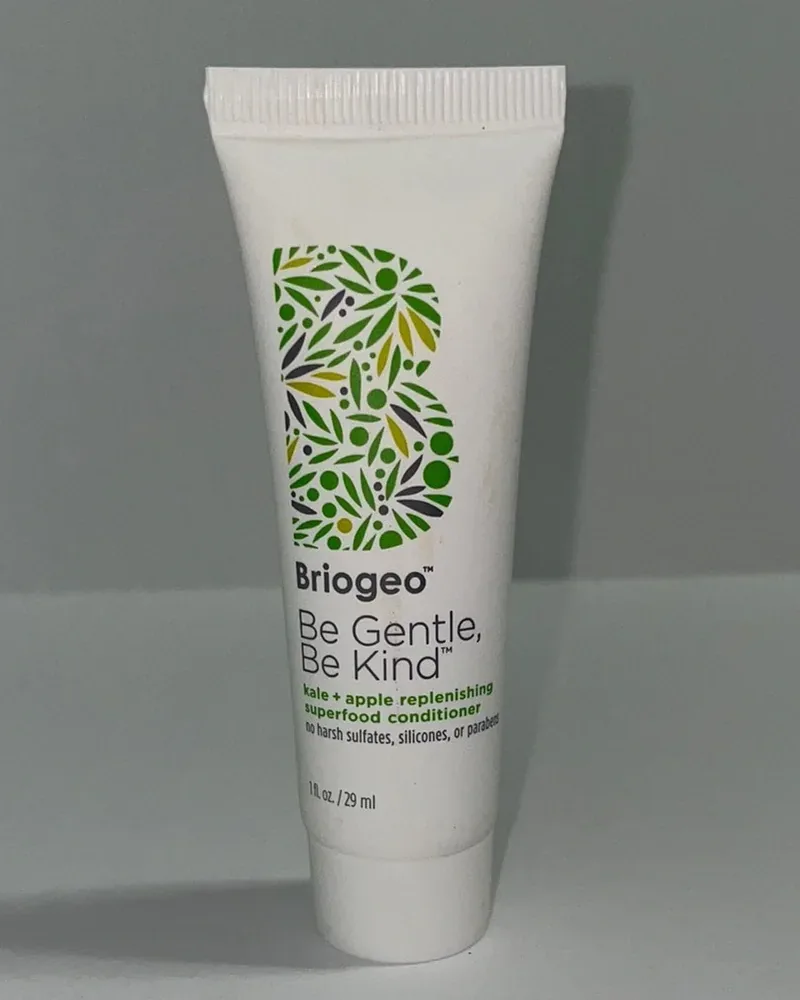
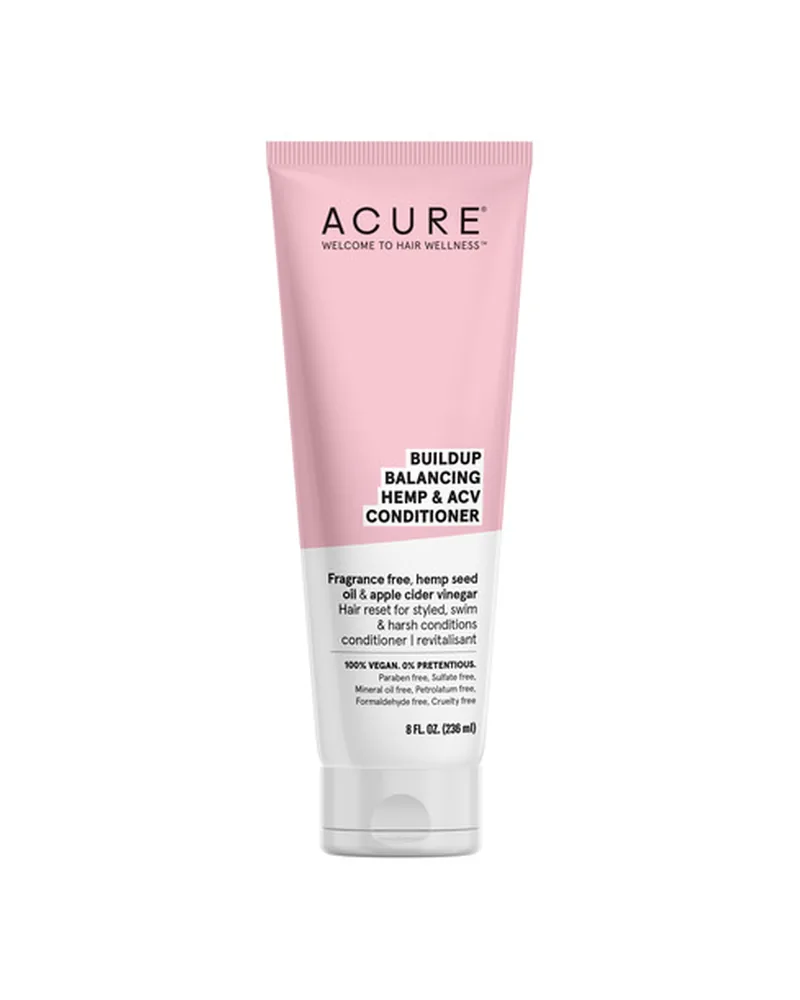
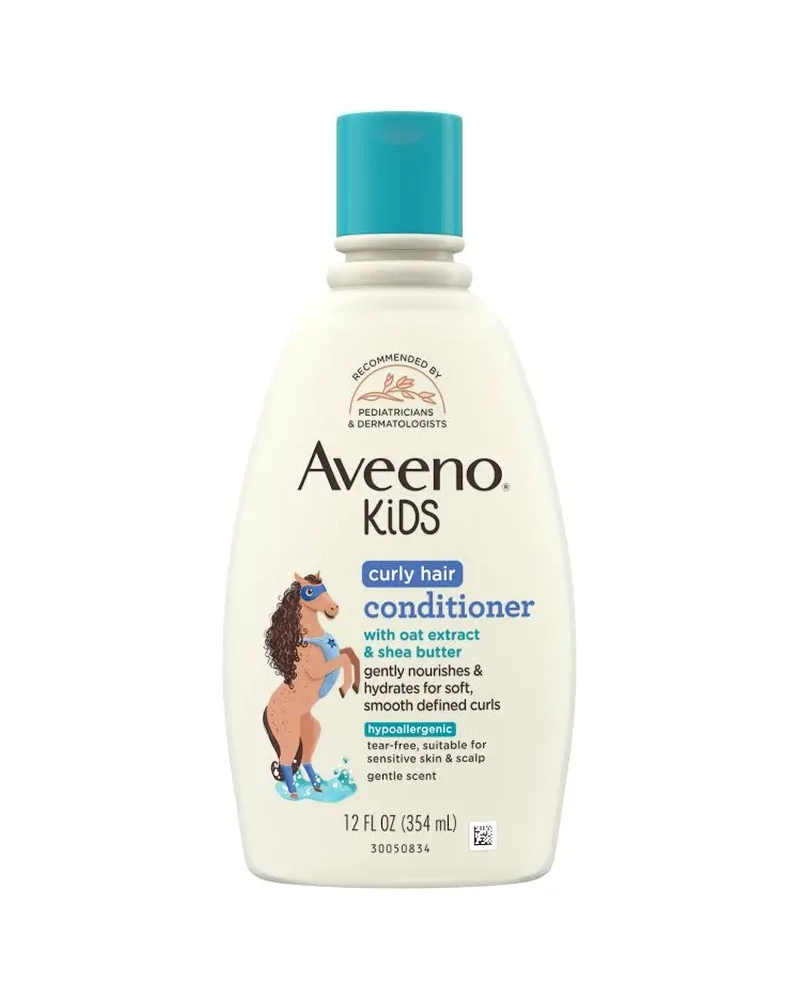
Scent: “Scented” describes the experience: this product has a smell — from an added fragrance, or from botanical ingredients like essential oils even when the label is fragrance-free.“S” means this is stated by the brand: it comes from the brand’s own description of the product.
Checked against this product’s ingredient list. These filters reflect common preferences, not safety ratings. Each ingredient page explains what the evidence actually says. “Fragrance” is an ingredient — a “fragrance” or “parfum” line on the label. “Scent” is what a product actually smells like: a formula with no added fragrance can still smell of its botanical ingredients, like mint or citrus essential oils.
Complete the consultation to see exactly how well this product fits your hair and your goals. With 2,400+ products in our library we can match exactly the right products to you.
In 10 minutes we can identify your exact hair condition and traits.
Every product matched against your hair across the 22 factors we check.
A personalized routine for your daily life — your schedule, styling habits, and local weather.
Find products that do the same job at a lower cost.
Your goals, scalp, damage history, water, budget, and scent preferences all shape your plan.
$49.00 one-time consultation, no subscription
Add the optional $49/year membership for unlimited adjustments for changes in weather and lifestyle.
FactorEvery row measures how much of the thing it names: one dot is none or very little, five is a lot. More is not better — whether it suits you is what the Fit column says. Rows with no meter are a category rather than a quantity — a scent family, a price tier — so they carry a word instead.Your profileFit
Best for hair typesAll typesNot in your profileThis row reads from your hair profile, and yours does not cover it yet.
Moisture levelHighNot in your profileThis row reads from your hair profile, and yours does not cover it yet.
Oils and buttersLowNot in your profileThis row reads from your hair profile, and yours does not cover it yet.
Slip / detanglingHighNot in your profileThis row reads from your hair profile, and yours does not cover it yet.
Weight on hairMediumNot in your profileThis row reads from your hair profile, and yours does not cover it yet.
FragrancePresentNot in your profileThis row reads from your hair profile, and yours does not cover it yet.
ProteinNoneNot in your profileThis row reads from your hair profile, and yours does not cover it yet.
Silicone / wax buildupNoneNot in your profileThis row reads from your hair profile, and yours does not cover it yet.
Clarifying wash neededModerateNot in your profileThis row reads from your hair profile, and yours does not cover it yet.
ScentSweet & vanillaStrength not recordedNot in your profileThis row reads from your hair profile, and yours does not cover it yet.
Show all 22 factors we check
The rest of what your plan weighs on this product.
Parabens / preservativesNone of these listedNot in your profileThis row reads from your hair profile, and yours does not cover it yet.
Essential oilsNone listedNot in your profileThis row reads from your hair profile, and yours does not cover it yet.
Fast-drying alcoholNoneNot in your profileThis row reads from your hair profile, and yours does not cover it yet.
Vegan / cruelty-freeVegan · label statesCruelty-free · label statesNot in your profileThis row reads from your hair profile, and yours does not cover it yet.
Animal-derived ingredientsVegan · label statesNot in your profileThis row reads from your hair profile, and yours does not cover it yet.
Heavy humectantsHeavyNot in your profileThis row reads from your hair profile, and yours does not cover it yet.
Hard-water defenceNoneNot in your profileThis row reads from your hair profile, and yours does not cover it yet.
UV filterNone listedNot in your profileThis row reads from your hair profile, and yours does not cover it yet.
pH adjustedAdjustedNot in your profileThis row reads from your hair profile, and yours does not cover it yet.
Ingredient list33 ingredientsA long listNot in your profileThis row reads from your hair profile, and yours does not cover it yet.
Price tierMasstigeNot in your profileThis row reads from your hair profile, and yours does not cover it yet.
Where to buy itBrand websiteOne channelNot in your profileThis row reads from your hair profile, and yours does not cover it yet.
The consultation builds your hair profile, then reads every factor in this table against it — and tells you where this product fits, or what to use instead.
$49.00 once, for your consultation and hair profile. No subscription, no required purchases.
Your avoid-list
Upper-mid price for a conditioner
$2.64/oz at 12.48 oz — more than 68% of the 689 conditioners All 689 conditioners in our library with a known price per ounce, each at the size it is most often sold in — not only products like this one., which mostly run $0.91–3.10/oz. The The eight products our library scores as closest to this one — a far tighter set than the one above. Close is not identical: scent and texture can differ. cost less.
Protein-sensitive hairthat stiffens when protein is added
Maximum slipfor hair that tangles the moment it is wet
Dry, thirsty hairhumectants and emollients both sit up front
Curly-method routinesno sulfates and no water-insoluble silicones
Silicone-free routinesno silicones appear in the list
Very dry hairno fast-drying alcohol in the list
Maybe skip if
“Scented” describes the experience: this product has a smell — from an added fragrance, or from botanical ingredients like essential oils even when the label is fragrance-free.this product carries a scent
Hair that needs proteinthere is none in this list
Dry or very humid airwhere heavy humectants work against you
Picking it up locallywe have it recorded in one channel only
Whether this much richness is right for you depends on your strand thickness, porosity, and how easily your hair flattens — that is what the consultation works out.
What the formula actually does
Read from the label, not the marketing
Each row says where it comes from: F means we derived it from this product’s own ingredient list, S means it is a claim the brand makes that the formula neither confirms nor contradicts.
Slip and detanglingHigh“F” means this comes from the formula: we read it in the product’s own ingredient list.
Conditioning agents sit high in the list — this is a detangling formula.
Oils and buttersPresent, lower down“F” means this comes from the formula: we read it in the product’s own ingredient list.
Oils are present, but low enough to be a finishing touch.
Weight on the hairMedium“F” means this comes from the formula: we read it in the product’s own ingredient list.
Middle of the range — noticeable on fine hair, light on coarse hair.
Water-binding (humectants)High“F” means this comes from the formula: we read it in the product’s own ingredient list.
Humectants near the top — water-binding is a headline mechanism here.
ProteinNone“F” means this comes from the formula: we read it in the product’s own ingredient list.
No protein or amino acids in the list.
Needs detergent to removeNo“F” means this comes from the formula: we read it in the product’s own ingredient list.
Nothing here needs a detergent wash to remove.
Hard-water defenceNone“F” means this comes from the formula: we read it in the product’s own ingredient list.
No chelating agent in the list.
FragrancePresent“F” means this comes from the formula: we read it in the product’s own ingredient list.
Fragrance is listed; it sits below the working ingredients.
“F” means this comes from the formula: we read it in the product’s own ingredient list. from the formula“S” means this is stated by the brand: it comes from the brand’s own description of the product. stated by the brand“R” means this is reported by reviewers: it reflects how people describe using it — an experience, not a measurement. reported by reviewersScale: 1 dot low · 5 dots high, within this product type.
Ingredients that matter
The ingredients that change a decision
The workhorse ingredients plus anything lower down that changes a decision. These chips name what an ingredient does — they are not safety scores, and no ingredient here is rated good or bad on its own.
What the list leaves out, and what it carriesThe list carries no sulfates, silicones, or drying alcohols. No protein — a moisture formula, not a repair one. Fragrance is on the label. Vegan and cruelty-free.
Full ingredient list (33)
US labelling rules put ingredients above 1% in descending order of amount; below 1% they may be listed in any order. Annotations keep three readings separate: the ingredient's general function, its role in this product type, and what its position can support.
A small water-loving molecule that draws moisture into the hair and holds it there. It is the most common softening ingredient in conditioners and leave-ins.
Leading ingredient
Listed in the first three ingredients, it is likely a structural part of this formula.
May suitDry, coarse, or high-porosity hair
High-porosity hair loses water fast; a humectant holds some of it in place for longer than the wash itself would.
May suitVery dry or highly damaged hair
Binds water into the outer layers of the strand, and water is what makes dry hair flexible again rather than brittle.
DependsClimate-sensitive or frizz-prone hair
Water moves both ways. Measured across concentrations, glycerin solutions give water up in some conditions and take it from the air in others. What it does for you depends on how much of it is there and on the air around it.
A positively charged conditioning agent that binds to damaged, negatively charged spots on the hair. It is the main detangling ingredient in most rinse-out conditioners.
Supporting ingredient
Listed in positions 4–8, it likely makes a meaningful contribution alongside the formula's main ingredients.
May suitDry, coarse, or high-porosity hair
Electrokinetic measurement puts the C22 quat ahead of the C16 ones for deposition: the longer chain adds van der Waals stabilisation on top of the charge binding. That extra deposit is what coarse hair usually needs to comb through.
May suitFrizz-prone, damaged, or high-friction hair
A cationic conditioning agent: it binds to the damaged, negatively charged parts of the cuticle and lowers combing friction there.
DependsBuild-up-sensitive routines
Substantive by design. A routine with no detergent wash gives it nothing to leave with.
A waxy fatty alcohol - nothing like drying alcohol. It gives conditioners their body and leaves a soft, smoothing film on the hair.
Role in this product type
In conditioner, cetearyl alcohol gives the emulsion its creamy structure and helps it spread evenly through the hair. Its emollient layer adds slip and a smoother feel.
Supporting ingredient
Listed in positions 4–8, it likely makes a meaningful contribution alongside the formula's main ingredients.
May suitDry, coarse, or high-porosity hair
May suit dry, coarse, or high-porosity hair that benefits from added slip and a more substantial conditioning film.
May suitFrizz-prone, damaged, or high-friction hair
Deposits with the cationic conditioners and helps them lie flat along the strand, which is where the detangling actually comes from.
DependsFine or easily flattened hair
Consider if hair is fine or easily flattened: a formula built heavily around fatty alcohols can feel richer than a lightweight conditioner.
An extract from the leaf of Brassica Oleracea. Plant extracts are used across a wide range of levels, and label order is the best guide to how much is here.
Supporting ingredient
Listed in positions 4–8, it likely makes a meaningful contribution alongside the formula's main ingredients.
Beetroot extract, used at low levels for moisture claims and natural colour.
Secondary ingredient
Lower in the ordered portion of the list, it is more likely playing a supporting role than defining the formula.
May suitFine or easily flattened hair
Hydration with no oil attached, so it adds very little weight even high on a list.
May suitVery dry or highly damaged hair
Aloe is mostly water carrying sugars that bind more of it, which is why it turns up as the base of moisture-first formulas.
DependsClimate-sensitive or frizz-prone hair
A humectant follows the air: it holds water in humid conditions and can give it up in very dry ones. Climate decides what it does more than the label does.
A quick-acting conditioning agent that reduces static and combing force. It also helps keep the formula stable.
Estimated lower-concentration zone
It appears around or below the estimated 1% line, where label order no longer indicates relative amount; its role may be minor or technical.
May suitFine or easily flattened hair
The C16 quat binds mostly by charge rather than by chain, so it deposits measurably less than the C22 ones. Less deposit is less conditioning and also less weight, which is usually the trade fine hair wants.
May suitFrizz-prone, damaged, or high-friction hair
A cationic conditioning agent: it binds to the damaged, negatively charged parts of the cuticle and lowers combing friction there.
DependsBuild-up-sensitive routines
Substantive by design. A routine with no detergent wash gives it nothing to leave with.
An amino acid that holds water and carries a positive charge, so it is drawn to damaged spots on the strand.
Estimated lower-concentration zone
It appears around or below the estimated 1% line, where label order no longer indicates relative amount; its role may be minor or technical.
May suitVery dry or highly damaged hair
Amino acids are the smallest protein fraction and bind water as well, so they add far less stiffness than a hydrolysed protein does.
DependsClimate-sensitive or frizz-prone hair
A humectant follows the air: it holds water in humid conditions and can give it up in very dry ones. Climate decides what it does more than the label does.
DependsProtein-sensitive hair
The lightest option in the protein family, but still protein — worth watching if protein reliably stiffens your hair.
Used to bring the product to a slightly acidic pH, which helps the cuticle lie flat. It is almost always near the end of the list.
Estimated lower-concentration zone
It appears around or below the estimated 1% line, where label order no longer indicates relative amount; its role may be minor or technical.
May suitBuild-up-sensitive routines
Holds hard-water minerals in solution so they rinse away instead of depositing on the hair.
May suitFrizz-prone, damaged, or high-friction hair
The acid side of pH adjustment, and the reason it matters is measured: alkaline formulas raise the fibre's surface negative charge, increase friction between strands and lift the scales, while lower-pH ones do the reverse.
May suitGray, silver, or brass-prone hair
Where a warm cast comes from water minerals rather than from the hair itself, holding those metals in solution is what removes it.
An undisclosed blend of scent ingredients. Regulations let it stay unlisted, so a fragrance-free product is the only way to be certain what is not in it.
Estimated lower-concentration zone
It appears around or below the estimated 1% line, where label order no longer indicates relative amount; its role may be minor or technical.
May not suitFragrance-sensitive routines
Declared fragrance. On a fragrance-sensitive routine this is the line that decides it, wherever it sits on the label.
Sorted by price per ounce. Dated observations from our research, not live prices. Direct store pages, no affiliate links. We don’t sell this product.
How we work this out
12.48 oz is the size stores list most often; every comparison on this page is made at it. Other sizes are shown in the Sizes row and the store list.
Seen at $30 is the price we have observed for the 12.48 oz. We need three stores before we call a price commonly seen.
Good value under $15 comes from the 8 products we score as doing the same job as this one. A quarter of them cost less than $1.20/oz; at 12.48 oz that is $15. Under that line you are paying less than most of them.
About $17 is what those same products typically cost at this size — the midpoint of their prices per ounce, scaled to 12.48 oz.
Formula
10
Formula score
10 of 10
A complete read of the format at an ordinary price: mid-range per ounce among conditioners, with the working systems present.
How the score is counted
5 products that do the same job cost less per ounce
Costs more per ounce than 68% of the 689 conditioners we’ve priced
Covers 6 of the 6 things a conditioner should do
Reviewers mention 3 things they like about how it performs
Conditioning agents up frontWhat makes wet hair comb through.3 pts
Oils or butters in the working zoneSoftens the strand rather than just coating it.2 pts
Slip for detanglingReduces the force it takes to comb wet hair.2 pts
A humectantBinds water into the hair.1 pt
A pH adjusterBrings the formula to the acidic pH hair prefers.1 pt
Fragrance kept out of the top eightScent as a finishing touch, not a major share.1 pt
The formula score is completeness for the job: the share of the systems this product type is normally built around that we can find in this list, weighted. It is not efficacy, not quality, and it never compares across product types.
Does the same job, for less
Same derived functions — what it cleans, conditions, coats or holds — at a lower cost per ounce. Scent, texture and where you buy it can still differ.
We do not sell products or take placement fees. This page states what the formula and the prices show; the consultation is what matches it to a person.
Claims check
What the brand says, against what the formula shows
Claims are quoted from the brand. We only mark one supported, partly supported, or conflicting when the ingredient list actually speaks to it; everything else stays "stated by the brand", which is not a criticism — most claims simply cannot be read off a label.
1
SupportedBacked by ingredients
0
Partly supportedSome supporting logic
1
Stated by brandNo clear evidence
0
Potential conflictFormula works against claim
A nutrient-rich, smoothie-like conditioner that nourishes, hydrates and balances all hair types
Humectants or rich emollients sit in the first eight ingredients.
Some reviewers report dry scalp or insufficient moisture despite the overall positive reception, a recurring minority complaint against the general softness praise.
Called out explicitly in the aggregated AI review summary as a counterpoint to the moisture praise
Opinions on the packaging/bottle are mixed even among otherwise satisfied reviewers, a recurring minor gripe distinct from the product formula itself.
Noted in the aggregated AI review summary as a mixed-opinion area
Everything above is generated from our researched product record — identity, the ingredient list as printed, the brand's own claims, dated price observations, and review themes written in our researchers' own words. No part of this page is written per product.
The value band is a fixed label over two stored numbers: this product’s cost per ounce as a percentile of every product of this type we have priced, each at the size it is most often sold in, and how many products we score as doing the same job cost at least a quarter less per ounce.
Both scores out of ten are defined on this page. The formula score is completeness for the job, computed from a fixed per-format checklist shown beneath the gauge; the price score is cost per ounce against every product of this type we have priced.
The "Is this right for you?" panel reads only your own consultation answers, and it applies exactly the filters our recommendation engine applies. It is computed when you load the page and is never stored on it.
5 sources consulted for this product (5 manufacturer or regulatory, 0 retailer, 0 editorial), last checked 2026-08-25.
Ingredient references are linked for 9 of 17 product-aware annotations on this page. Fit notes are conditional formulation guidance, not a conclusion about the finished product or about you.
We have not tested this product in a lab and we do not physically test your hair. Formula readings come from the ingredient list; behaviour claims are labelled as the brand's.
Ingredient order tells you relative amount only above roughly 1%. Prices are observations on the dates shown and change without notice.
Ingredient names link to our ingredient library, where each entry shows what it does, which product types use it, and where it usually sits on a label across everything we have researched.
This is cosmetic information, not medical advice, and nothing here diagnoses or treats a health condition.
Formula readings: derivation v22. Record last updated 2026-08-25.
Your personalized hair plan
One thoughtful questionnaire, about 30 minutes, and a plan built around your hair — with the reason behind every recommendation.
Free to complete · $49.00 once to unlock your full plan · No subscription · Nothing you must buy