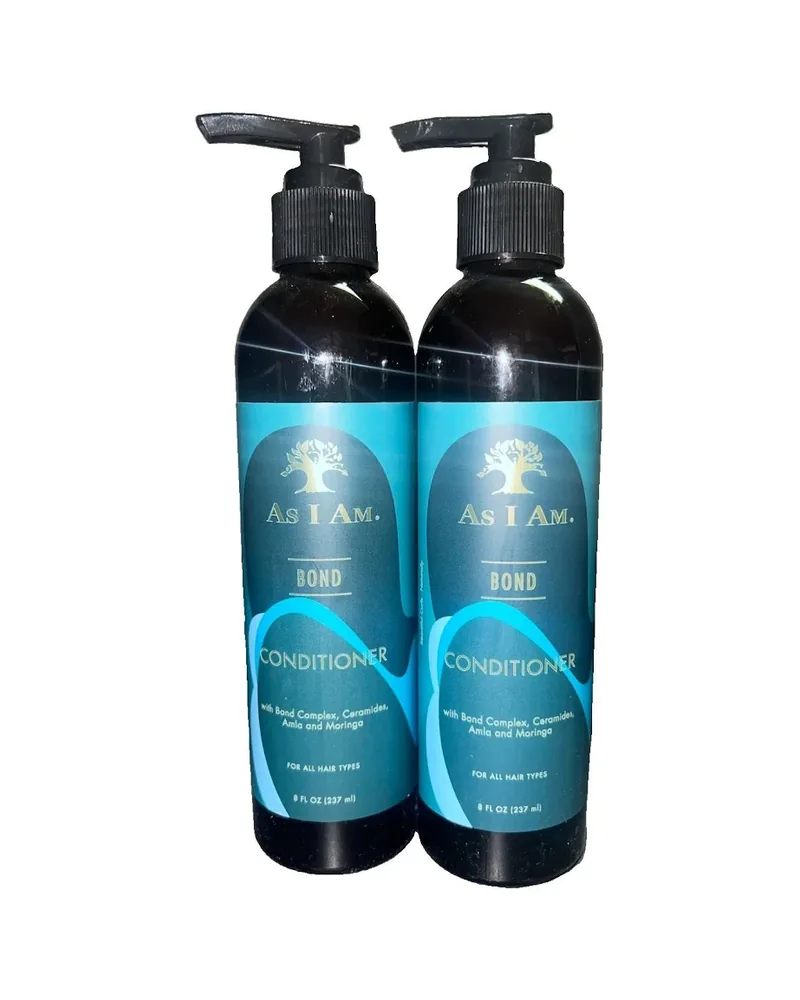
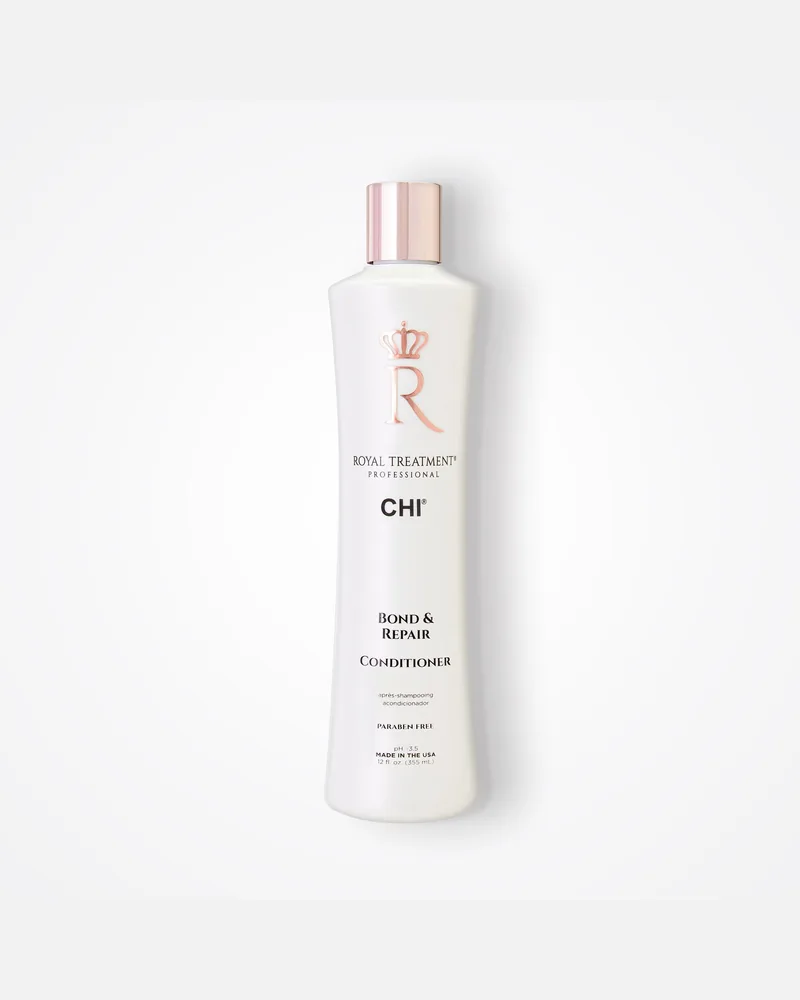
Repairs damaged hair. Reduces breakage.
Protein or ceramides are present, but low enough that this reads as support, not treatment.
- Brassicamidopropyl Dimethylamine
- Ceramide NP
- Ceramide EOP
Supports the surface, not a treatment.
Conditioner / Everyday rinse-out, detangling
Add it to your products. We’ll tell you if it’s ever recalled.
Scent:
The ingredient list declares fragrance. What it smells of is not stated, and we do not guess.
Manufacturer page: asiamnaturally.com
Personal fit
Complete the consultation to see how well this product fits your hair and your goals. With 6,000+ products in our library, we can match you to the right ones.
$49 with 60 days of follow-up questions and plan updates
$99 with 12 months. Pay once; the year renews only if you choose.
The rest of what your plan weighs on this product.
The consultation builds your hair profile, checks every factor in this table against it, and tells you where this product fits or what to use instead.
Start your consultation$49 once, with 60 days of follow-up questions and plan updates. Nothing renews, and you never have to buy a product.
Your avoid-list
Priced with its peers
$1.31/oz at 8 oz, less than 61% of the 1119 conditioners , which mostly run $0.94–3.41/oz.
Great for
Maybe skip if
What the formula actually does
Each row says where it comes from: F means we derived it from this product’s own ingredient list, S means it is a claim the brand makes that the formula neither confirms nor contradicts.
Conditioning agents sit high in the list, so this is a detangling formula.
No oils or butters in the list.
Middle of the range: noticeable on fine hair, light on coarse hair.
Humectants near the top: binding water is one of its main jobs.
Protein appears, low enough to be a supporting ingredient.
Nothing here needs a detergent wash to remove.
No chelating agent in the list.
Fragrance is listed; it sits below the working ingredients.
Ingredients that matter
The workhorse ingredients, plus anything lower down that changes a decision. The chips name what an ingredient does. They are not safety scores, and no ingredient here is rated good or bad on its own.
| Ingredient | What it does | Why it matters | Chip |
|---|---|---|---|
| WaterAqua/Water/Eau | solvent | The base everything else is dissolved in | Neutral |
| Betaine | humectant | Pulls water into the hair | Moisturizes |
| Cetearyl Alcohol | fatty alcohol | Thickens and conditions (not a drying alcohol) | Softens |
| Cetyl Alcohol | fatty alcohol | Thickens and conditions (not a drying alcohol) | Softens |
| Brassicamidopropyl Dimethylamine | conditioning agent | Conditions and softens so hair combs through | Detangles |
| Hydrogenated Polydecene | emollient | Softens and smooths the strand | Softens |
| Moringa Oleifera Leaf Extract | botanical extract | A plant extract, there as much for marketing as for function | Neutral |
| Phyllanthus Emblica Fruit Extract | botanical extract | A plant extract, there as much for marketing as for function | Neutral |
| Copper Tripeptide-1 | protein | A small amount of protein | Protein |
| FragranceFragrance/Parfum | fragrance | The scent | Fragrance |
| Limonene | fragrance | The scent | Fragrance |
In the US, ingredients above 1% are listed from most to least. Below 1% they can appear in any order. Each note keeps three things apart: what the ingredient generally does, its role in this type of product, and what its position can tell you.
The base of almost every rinse-off and cream hair product. It carries everything else and is normally the first ingredient on the label.
Listed in the first three ingredients, it is likely a structural part of this formula.
A sugar-beet derived humectant that binds water. Despite the name it is not a cleanser like cocamidopropyl betaine.
Listed in the first three ingredients, it is likely a structural part of this formula.
High-porosity hair loses water fast; a humectant holds some of it in place for longer than the wash itself would.
Binds water into the outer layers of the strand, and water is what makes dry hair flexible again rather than brittle.
A humectant moves water in whichever direction the air allows: it holds moisture in humid conditions and can pull it back out of hair in very dry ones.
A waxy fatty alcohol - nothing like drying alcohol. It gives conditioners their body and leaves a soft, smoothing film on the hair.
In conditioner, cetearyl alcohol gives the emulsion its creamy structure and helps it spread evenly through the hair. Its emollient layer adds slip and a smoother feel.
Listed in the first three ingredients, it is likely a structural part of this formula.
May suit dry, coarse, or high-porosity hair that benefits from added slip and a more substantial conditioning film.
Deposits with the cationic conditioners and helps them lie flat along the strand, which is where the detangling actually comes from.
Consider if hair is fine or easily flattened: a formula built heavily around fatty alcohols can feel richer than a lightweight conditioner.
A fatty alcohol used to thicken creams and add slip. It softens rather than dries.
Listed in positions 4–8, it likely makes a meaningful contribution alongside the formula's main ingredients.
The waxy solid that gives a conditioner its body. It deposits a soft lubricating layer, which is most of what makes hair feel smooth after rinsing.
Deposits with the cationic conditioners and helps them lie flat along the strand, which is where the detangling actually comes from.
Near the top of a conditioner it is doing most of the conditioning, and most of the weighting, at the same time.
A plant-derived conditioning agent that smooths the cuticle and eases combing.
Listed in positions 4–8, it likely makes a meaningful contribution alongside the formula's main ingredients.
A cationic conditioning agent: it binds to the damaged, negatively charged parts of the cuticle and lowers combing friction there.
The class that does the detangling in a conditioner. It deposits lubrication where the cuticle is worn.
Substantive by design. A routine with no detergent wash gives it nothing to leave with.
A synthetic light emollient used for slip that does not go rancid.
Listed in positions 4–8, it likely makes a meaningful contribution alongside the formula's main ingredients.
Emollients fill and smooth the surface of the strand, which lowers the friction that lifts the cuticle and reads as roughness.
An extract from the leaf of Moringa Oleifera. Plant extracts are used across a wide range of levels, and label order is the best guide to how much is here.
Listed in positions 4–8, it likely makes a meaningful contribution alongside the formula's main ingredients.
An extract from the fruit of Phyllanthus Emblica. Plant extracts are used across a wide range of levels, and label order is the best guide to how much is here.
Listed in positions 4–8, it likely makes a meaningful contribution alongside the formula's main ingredients.
A lipid that occurs naturally between cuticle scales; added to help hold the surface of damaged hair together.
Lower in the ordered portion of the list, it is more likely playing a supporting role than defining the formula.
Restoring surface lipids lowers friction between strands, which is where much of the roughness in damaged hair comes from.
A lipid, not a protein, despite sitting alongside proteins in most repair claims. It does not carry the stiffening effect.
Ceramides are the lipid class bleaching and heat deplete. Replacing them works on the surface layer rather than adding protein stiffness.
A ceramide with an ester-linked omega-hydroxy fatty acid on a phytosphingosine base, formerly listed as Ceramide 1. Added to repair-positioned formulas to reinforce the lipids at the hair's surface.
Lower in the ordered portion of the list, it is more likely playing a supporting role than defining the formula.
Restoring surface lipids lowers friction between strands, which is where much of the roughness in damaged hair comes from.
A lipid, not a protein, despite sitting alongside proteins in most repair claims. It does not carry the stiffening effect.
Ceramides are the lipid class bleaching and heat deplete. Replacing them works on the surface layer rather than adding protein stiffness.
A ceramide used to help hold the outer surface of damaged hair together.
Lower in the ordered portion of the list, it is more likely playing a supporting role than defining the formula.
Restoring surface lipids lowers friction between strands, which is where much of the roughness in damaged hair comes from.
A lipid, not a protein, despite sitting alongside proteins in most repair claims. It does not carry the stiffening effect.
Ceramides are the lipid class bleaching and heat deplete. Replacing them works on the surface layer rather than adding protein stiffness.
A copper-bound peptide used in thinning-positioned products. Evidence in hair is limited and mostly from skin research.
Lower in the ordered portion of the list, it is more likely playing a supporting role than defining the formula.
Unhydrolysed protein is too large to enter the strand. It sits on the surface, which is a coating effect rather than internal reinforcement.
Plant lipids used to support the hair's own surface layer.
Lower in the ordered portion of the list, it is more likely playing a supporting role than defining the formula.
Deposits a lubricating layer that makes combing easier, which is most of what stops mechanical damage adding to frizz.
A sugar-derived conditioning agent used in bond-repair positioned formulas for moisture and slip.
Lower in the ordered portion of the list, it is more likely playing a supporting role than defining the formula.
Deposits a lubricating layer that makes combing easier, which is most of what stops mechanical damage adding to frizz.
Humectants bind water into the strand, and water — not oil — is what makes dry hair flexible instead of brittle.
A humectant follows the air: it holds water in humid conditions and can give it up in very dry ones. Climate decides what it does more than the label does.
A sugar-derived conditioning agent with a positive charge, used alongside hydroxypropylgluconamide.
Lower in the ordered portion of the list, it is more likely playing a supporting role than defining the formula.
A cationic conditioning agent: it binds to the damaged, negatively charged parts of the cuticle and lowers combing friction there.
The class that does the detangling in a conditioner. It deposits lubrication where the cuticle is worn.
Substantive by design. A routine with no detergent wash gives it nothing to leave with.
A plant-derived polyglycerol ester. It emulsifies without ethoxylation, which is why it turns up in formulas positioned as PEG-free, and leaves a soft feel.
Lower in the ordered portion of the list, it is more likely playing a supporting role than defining the formula.
Emollients fill and smooth the surface of the strand, which lowers the friction that lifts the cuticle and reads as roughness.
A fatty acid that thickens creams and helps them hold their texture.
Lower in the ordered portion of the list, it is more likely playing a supporting role than defining the formula.
The waxy solid that gives a conditioner its body. It deposits a soft lubricating layer, which is most of what makes hair feel smooth after rinsing.
Deposits with the cationic conditioners and helps them lie flat along the strand, which is where the detangling actually comes from.
An undisclosed blend of scent ingredients. Regulations let it stay unlisted, so a fragrance-free product is the only way to be certain what is not in it.
It appears around or below the estimated 1% line, where label order no longer indicates relative amount; its role may be minor or technical.
Declared fragrance. On a fragrance-sensitive routine this is the line that decides it, wherever it sits on the label.
A thickening polymer that gives creams and curl products their bounce and helps them cling to the strand.
It appears around or below the estimated 1% line, where label order no longer indicates relative amount; its role may be minor or technical.
Cationic polymers hold a curl loosely and stay soft, which is why they turn up in definition products rather than firm-hold ones.
A cationic polymer stays on the hair through rinsing, which is what keeps static and combing friction down after the wash.
Film formers are what hold a style: they dry into a connected film across the strands so the shape resists movement.
A light, dry-feeling ester that spreads other ingredients and softens without a greasy finish.
It appears around or below the estimated 1% line, where label order no longer indicates relative amount; its role may be minor or technical.
A light emollient: it softens the surface with noticeably less weight than an oil or a butter.
Spreads thin and lowers friction between strands without the heaviness of a fixed oil.
A conditioning polymer that improves wet combing and adds body. Repeated use can build up on fine hair.
It appears around or below the estimated 1% line, where label order no longer indicates relative amount; its role may be minor or technical.
Cationic polymers hold a curl loosely and stay soft, which is why they turn up in definition products rather than firm-hold ones.
A cationic polymer stays on the hair through rinsing, which is what keeps static and combing friction down after the wash.
Film formers are what hold a style: they dry into a connected film across the strands so the shape resists movement.
An acid used to set pH and, in scalp products, to loosen flakes.
It appears around or below the estimated 1% line, where label order no longer indicates relative amount; its role may be minor or technical.
High-porosity hair loses water fast; a humectant holds some of it in place for longer than the wash itself would.
Binds water into the outer layers of the strand, and water is what makes dry hair flexible again rather than brittle.
A humectant moves water in whichever direction the air allows: it holds moisture in humid conditions and can pull it back out of hair in very dry ones.
A gentle preservative helper that also holds a little moisture.
It appears around or below the estimated 1% line, where label order no longer indicates relative amount; its role may be minor or technical.
Humectants bind water into the strand, and water — not oil — is what makes dry hair flexible instead of brittle.
A humectant follows the air: it holds water in humid conditions and can give it up in very dry ones. Climate decides what it does more than the label does.
A preservative booster that also adds a little softness. Almost always paired with phenoxyethanol.
It appears around or below the estimated 1% line, where label order no longer indicates relative amount; its role may be minor or technical.
Emollients fill and smooth the surface of the strand, which lowers the friction that lifts the cuticle and reads as roughness.
A thickening polymer that also leaves a light film, used in gels and styling creams.
It appears around or below the estimated 1% line, where label order no longer indicates relative amount; its role may be minor or technical.
A set polymer film is a physical barrier to humidity, so a style keeps its shape longer in damp conditions.
Synthetic film formers dry into a continuous film, which is what holds a shape against movement and against humid air.
Some acrylate copolymers rinse with water and some need a detergent; the label alone does not say which one a formula used.
A starch fragment that soaks up oil and water, which is what puts it in dry shampoos. It also carries spray-dried plant extracts and leaves a light film.
It appears around or below the estimated 1% line, where label order no longer indicates relative amount; its role may be minor or technical.
Takes up oil at the root, which is where fine hair goes flat first.
Film formers are what hold a style: they dry into a connected film across the strands so the shape resists movement.
How rigid the finish is depends on which polymer it is and what the formula pairs with it, not on there being one.
A citrus-smelling fragrance component that EU rules require to be named separately because some people react to it.
It appears around or below the estimated 1% line, where label order no longer indicates relative amount; its role may be minor or technical.
One of the 26 scent components the EU requires to be named individually above a threshold. It is named because it is a known contact allergen, not because it is unusual.
Ingredient list captured 2026-08-21. Formulas change, so check the package in your hand when an ingredient matters to you.
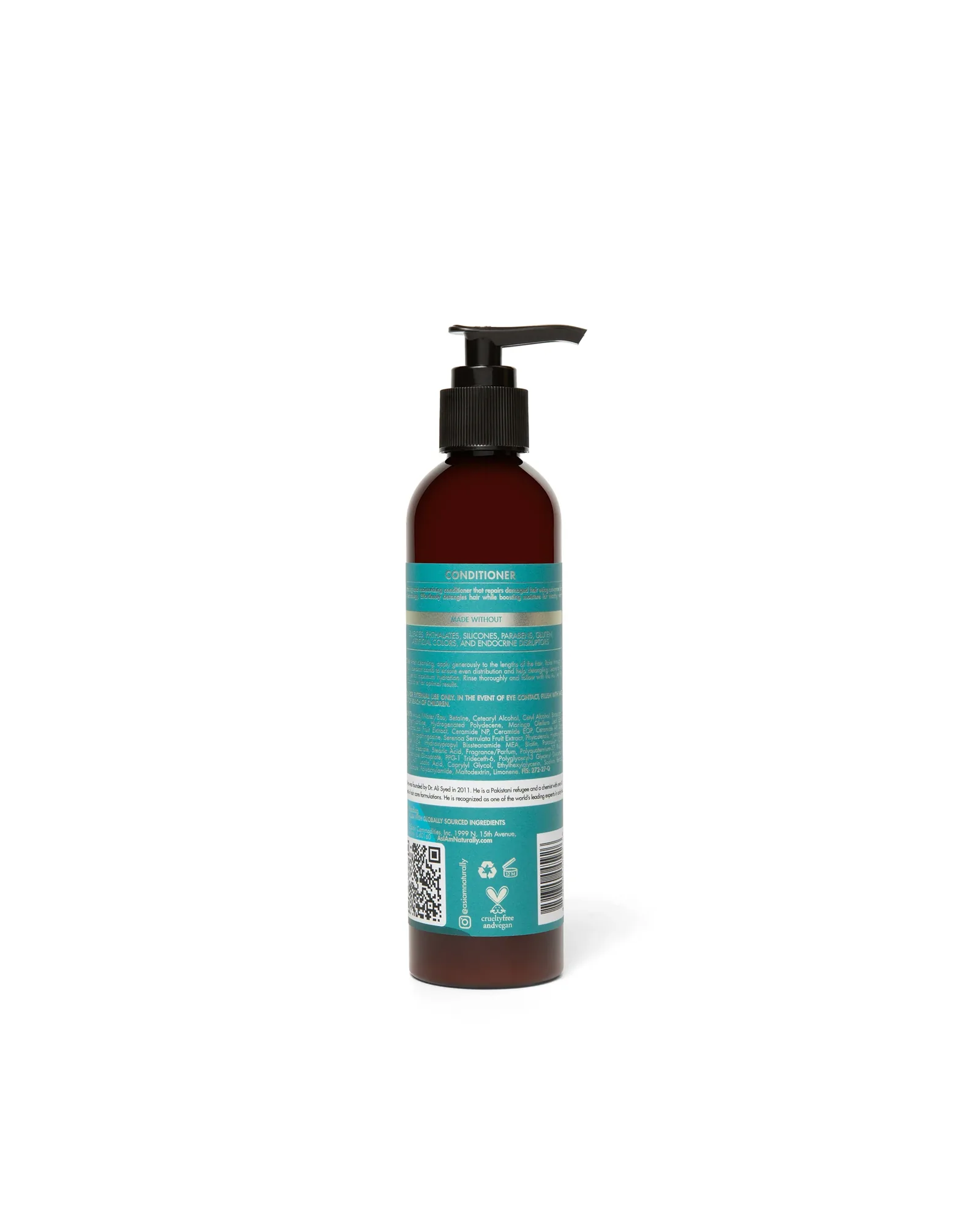
Price · 8 oz
Usually a good value. Most stores sell it under the $14 line, and products that do this job typically go for about $20 at this size.
Sorted by price per ounce. Dated observations from our research, not live prices. Direct store pages, no affiliate links. We don’t sell this product.
Formula
The formula carries the systems a conditioner is built around, and it sits in the middle of the range for conditioners per ounce.
The formula score measures completeness for the job: a weighted share of the systems this product type is usually built around that we find in this list. It does not rate how well the product works or its quality, and it never compares across product types.
Does the same job
Formulas that do the same things (cleanse, condition, coat or hold) for less per ounce. Scent, texture and where you buy them can still differ.
See more alternatives in the product library
These products do a similar job. We haven’t matched them to you. Find the one that fits your hair, routine and budget


Final decision
People who want maximum slip, for real detangling slip and moisture that stays in
Less suited to anyone sensitive to fragrance or very dry or very humid climates
Nothing in our library matches it closely at a lower price.
We do not sell products or take placement fees. This page states what the formula and the prices show; the consultation is what matches it to a person.
Claims check
Claims are quoted from the brand. We mark a claim supported, partly supported or conflicting only when the ingredient list speaks to it. Everything else stays "stated by the brand". That isn’t a criticism: most claims can’t be checked from a label.
Repairs damaged hair. Reduces breakage.
Protein or ceramides are present, but low enough that this reads as support, not treatment.
Supports the surface, not a treatment.
Improves Damaged Hair by 132%
A brand-run study. We report it as stated and do not repeat the number as fact.
—
Only the brand’s testing shows this.
Strengthens Hair by 120%
A brand-run study. We report it as stated and do not repeat the number as fact.
—
Only the brand’s testing shows this.
We look at the first 10–15 ingredients and what they do in a formula, not at the marketing. If the list doesn't speak to a claim, we don't assume.
Reviewers
Themes that come up again and again in sourced reviews, written by our researchers in their own words. We don’t store or scrape star ratings.
Reviewers repeatedly credit the conditioner with adding noticeable moisture and softness that they say their hair genuinely needed.
General reviewer baseMultiple reviewers highlight easier detangling and smoother-feeling strands after rinse-out, including one describing it as the first time in a long while combing through was not a struggle.
General reviewer base, curly textures called out (3C mentioned)Several reviewers say it visibly reduces frizz and helps curls hold their shape rather than looking fuzzy.
Curly-hair reviewersA shipping/fulfillment complaint appears (order never arrived after two months), distinct from any product-performance issue.
Single reviewer, logistics issue not formulation