Hair Care Guides

Read the notice before you open the shampoo.
Water coming back isn’t the same as water cleared.

A water outage throws off wash day in a way that’s hard to plan around. Check what the notice actually says, keep your styling simple, and use a stand-in only if you can follow its whole label. Go back to normal washing once it’s lifted.

Your personal hair-care planProduct choices, routines and answers shaped around your hair.$49one-timeStart my consultation
An adult reads a phone beside a dry sink and closed shampoo.
Water coming back isn’t the same as water cleared.

What is going on

An adult reads a printed utility notice beside a closed tap.

Work out which kind of notice it is

Boil-water, do-not-drink and do-not-use notices ask for different things. Follow the local directions for bathing and hair washing specifically. Advice about drinking doesn’t cover what’s safe on skin, and boiling doesn’t fix water with chemicals in it.

An adult checks printed facility information beside a small care kit.

Check a stand-in shower before you travel to it

Ask whether the gym or a friend’s place is actually open, whether their water is affected too and what you can use. Check the time, the cost and what to bring. A nearby shower or stored water that looks clear isn’t automatically fine.

What helps, day to day

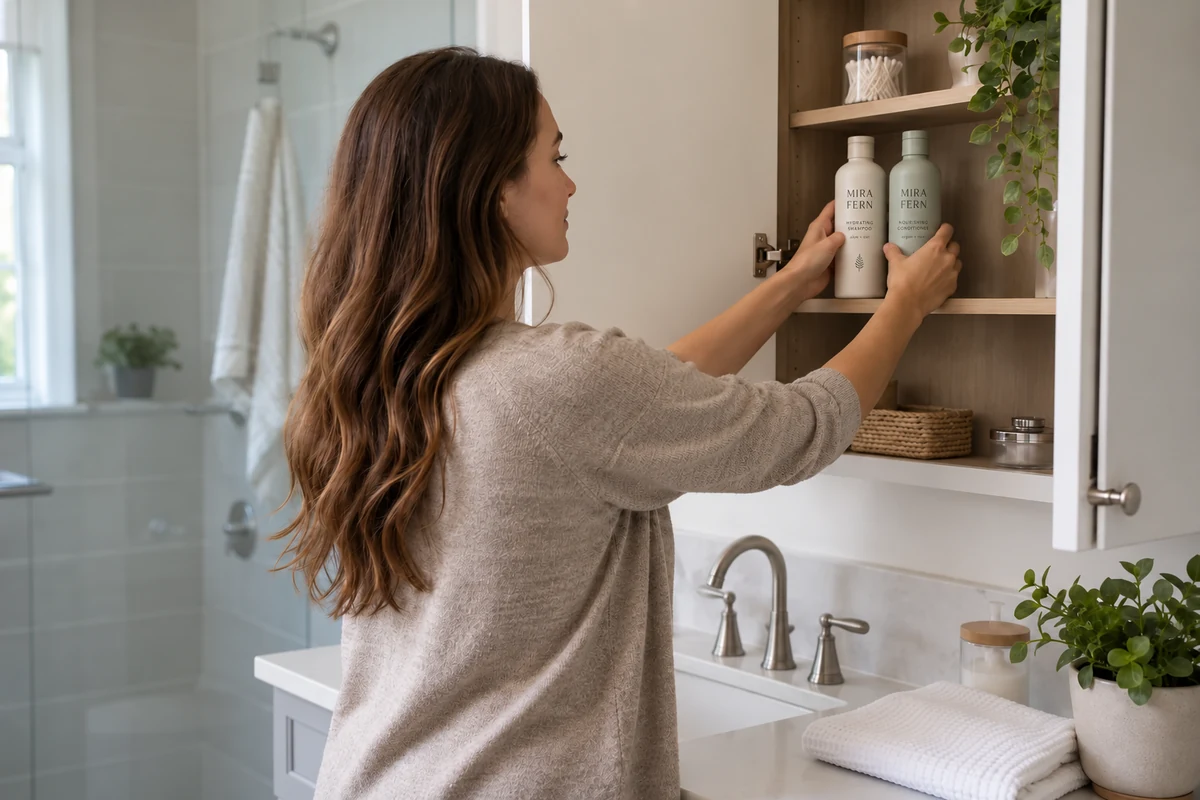
An adult puts closed wash products together in a bathroom cabinet.

You can’t rinse a wash out properly

  • Leave rinse-out products closed until you can do a full wash.
  • Put the water you have towards what the local plan says matters most.
  • Don’t water down shampoo into something you leave in, and don’t start a mask you can’t finish rinsing.
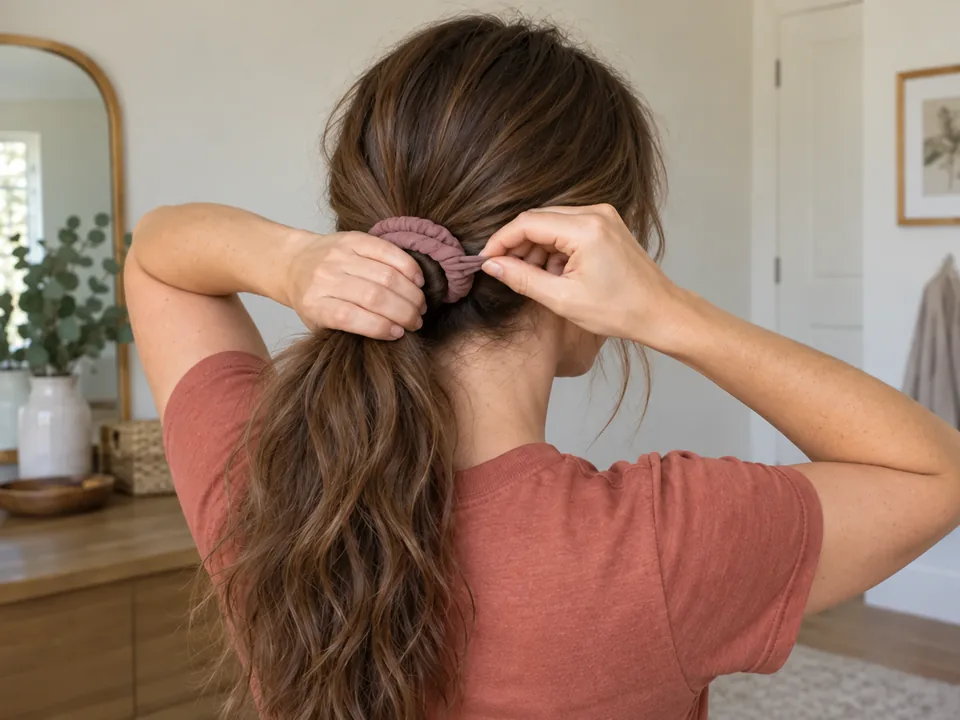
A woman supports her low ponytail with her left hand while her right fingers release the opened loop of a mauve fabric scrunchie around the base.

You need something to do with it in the meantime

  • Go for a loose style you know, with as little extra product as possible, or leave it down if that’s easier.
  • If it pulls, loosen it.
  • Tightening a style to hide oil or flatness only makes the eventual takedown harder.
An adult compares a phone update with a printed utility notice.

The tap starts running again

  • Check whether the notice has actually been lifted, then follow the utility’s restart or flushing steps before you wash.
  • Clear-looking water with no smell doesn’t mean cleared.
  • Keep the first wash ordinary unless the authority or a treatment you’re already on says otherwise.

Products, by the job they do

A woman wearing glasses reads a hair product ingredient panel.

Read a rinse-free cleanser’s label all the way through

A ready-made rinse-free product has its own limits. Keep enough suitable water or someone around to follow its instructions if it irritates. If you can’t follow the whole label, it isn’t the right stand-in.

Browse cleansing products. Your current shampoo, wash schedule and past treatments help guide a personal recommendation.

A woman smoothing conditioner through her mid-lengths and ends.

Save rinse-out conditioner for a wash you can finish

Once proper rinsing is back, use conditioner as directed on the lengths that tangle. A leave-in is its own product with its own label. It isn’t a way to leave an ordinary rinse-out treatment in.

Browse rinse-out conditioners. Your tangles, past treatments and preferred finish help guide a personal conditioner recommendation.

How to do it

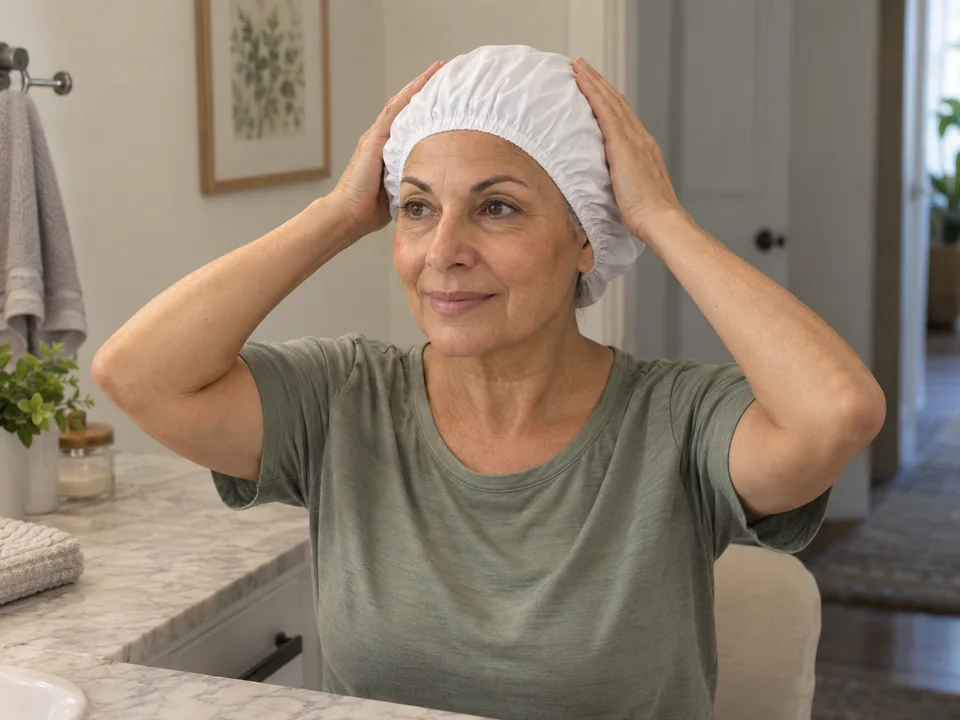
A woman gently presses both hands against the outside of a fitted rinse-free shampoo cap.

1. A rinse-free cap, used cold

Use only a fresh ready-made cap whose label allows unheated use. All your loose hair needs to fit comfortably, and you need to be able to take it off, dry afterwards and follow its reaction instructions. Don’t heat, refill or add shampoo.

Guide: Use a room temperature rinse-free shampoo cap
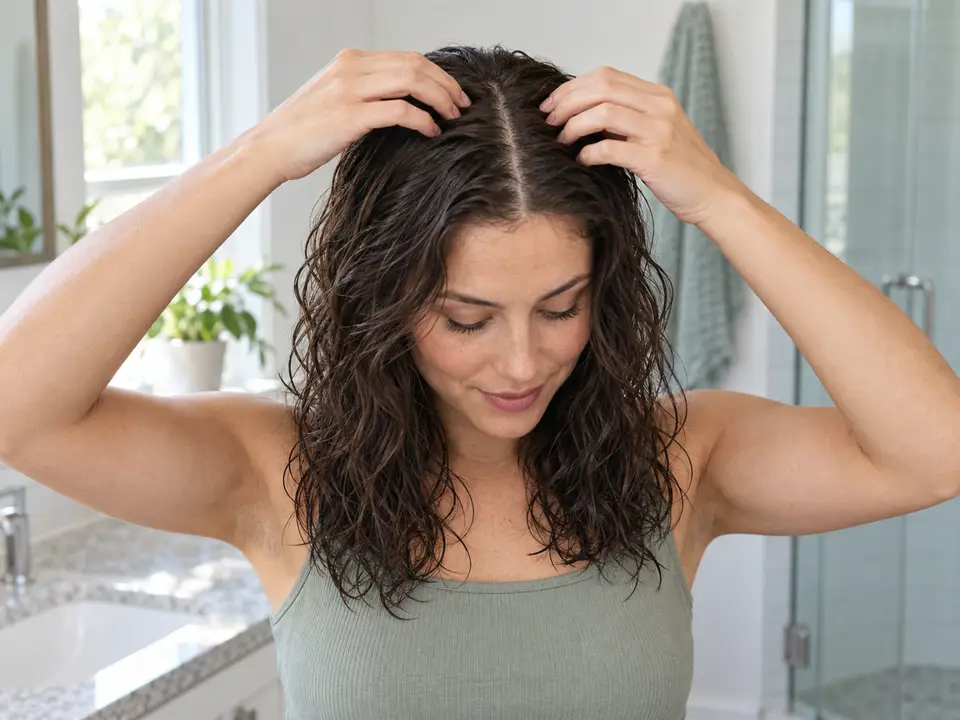
A woman uses both hands to set a center part in her damp loose hair, then lets the lengths fall over her shoulders.

2. Dry it properly after whatever cleanse you managed

Use the loose-hair drying method if your product allows it. Blot gently, arrange the sections you can reach and check the inner layers are dry. Leave hats and coverings off until it is. Drying time is different for everyone.

Guide: Air-dry your hair

Illustrated care examples: before & after

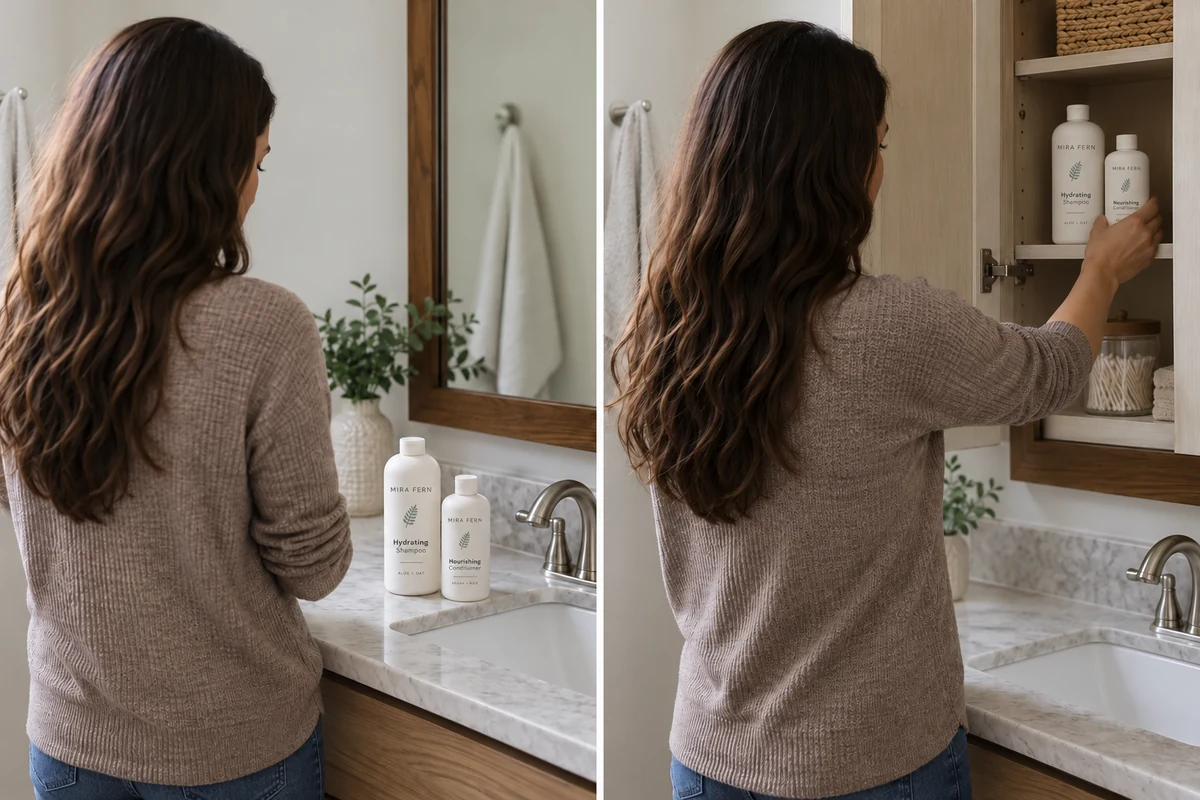
Rinse-out put away

The same adult closes the care cabinet after storing the unopened wash products.
Before · shampoo and conditioner on counterAfter care · products stored, counter clear
The shampoo and conditioner go back in the cupboard until a full permitted wash is possible again. The picture says nothing about the water itself.

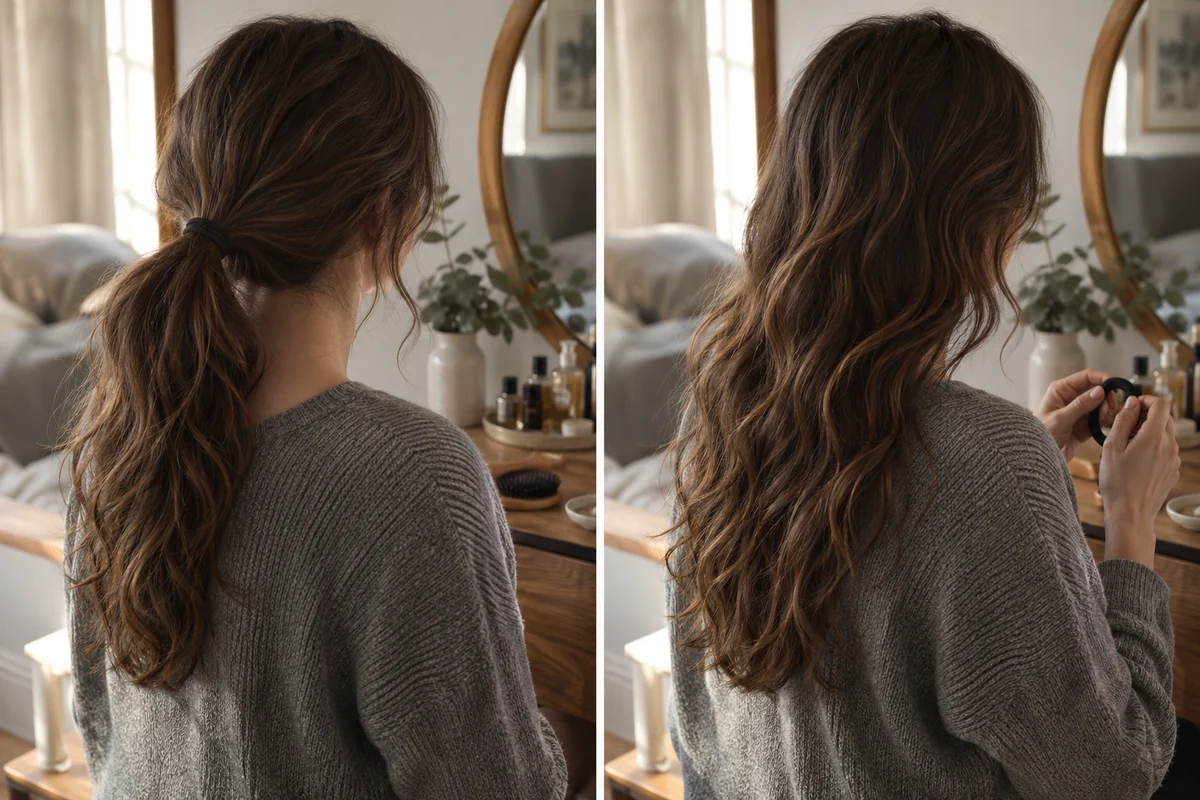
Tie loosened while waiting

The same adult releases a soft tie and lets the hair rest freely.
Before · soft tie holding dry lengthsAfter care · tie out, lengths loose
While the wash waits, a tie that has started to pull comes out and the dry lengths hang loose. Comfort only, nothing is any cleaner.
A woman with curls writing a routine note beside her hair-care products.

Help with your hair-care routine

Bring your hair-care questions to the consultation. You can also read planning care when facility access changes repeatedly.

  • What does the notice say I can do about washing my hair?
  • Can I follow every step on the stand-in product I’ve got?
  • What do I have to do before the first wash with tap water?

Share the current water-use instructions, the showers you can get to, how your hair is worn and the products you already have. Cosmetic choices can be kept simple within those limits. Nothing here judges water quality or replaces local public-health advice.

The Hair Care Consultation gives you a personal plan with product recommendations, routines and guidance on your hair-care questions.

$49 with 60 days of follow-ups, or $99 with 12 months. Pay once; the year renews only if you choose.