Hair Care Guides

Your hair remembers every service.
Bring the whole history to the next one.

Color, bleach, relaxers, perms, smoothing treatments. Each stays in the hair long after the appointment, so it’s natural to worry what combining them adds up to. Before booking, gather what was used and where. No standard waiting period replaces a proper look at your hair.

Your personal hair-care planProduct choices, routines and answers shaped around your hair.$49one-timeStart my consultation
A client and stylist discuss retained service notes beside closed product cartons at a dry consultation table.
Bring the whole history to the next one.

What is going on

An adult gently indicates a lower hair section while recording known product, date and area information.

Map which areas had which service

List the exact products or systems, rough dates, and whether it was roots, lengths or particular sections. Include older services still growing out, and anything you did at home. Where you’re not sure, write unknown rather than giving the whole head one story.

An adult with blond curls and a colorist compare brown swatches.

Make sure every professional sees the same record

Give each person the same history and describe the full result you’re after. Ask whether the combination makes sense, what order they’d do it in and what would rule it out. Going to a different salon doesn’t make the earlier services disappear.

What helps, day to day

A woman wearing glasses reads a hair product ingredient panel.

Two sets of instructions disagree

  • Pause the next step until the professionals have agreed on what each product actually needs.
  • Don’t split the difference between two waiting periods or borrow advice for a similar-sounding system.
  • A strand test can guide the hair decision, but it says nothing about how your skin will react.
A man reads a shampoo bottle while making a note, with a second hair-care bottle beside the notebook.

The plan is more than you can take on

  • Add up the time, the cost and the upkeep of doing both against doing just one.
  • Decide which result matters most if you can’t have everything at once.
  • Putting a service off, or dropping it, is a perfectly good plan.
A woman with curls writing a routine note beside her hair-care products.

Everyone keeps forgetting the old lengths

  • Bring photos and your written history so you can point to exactly which sections were treated.
  • Ask how they’ll handle the overlap and the already fragile parts.
  • Hair that feels soft today, or a fresh trim, doesn’t mean the old chemistry is gone.

Products, by the job they do

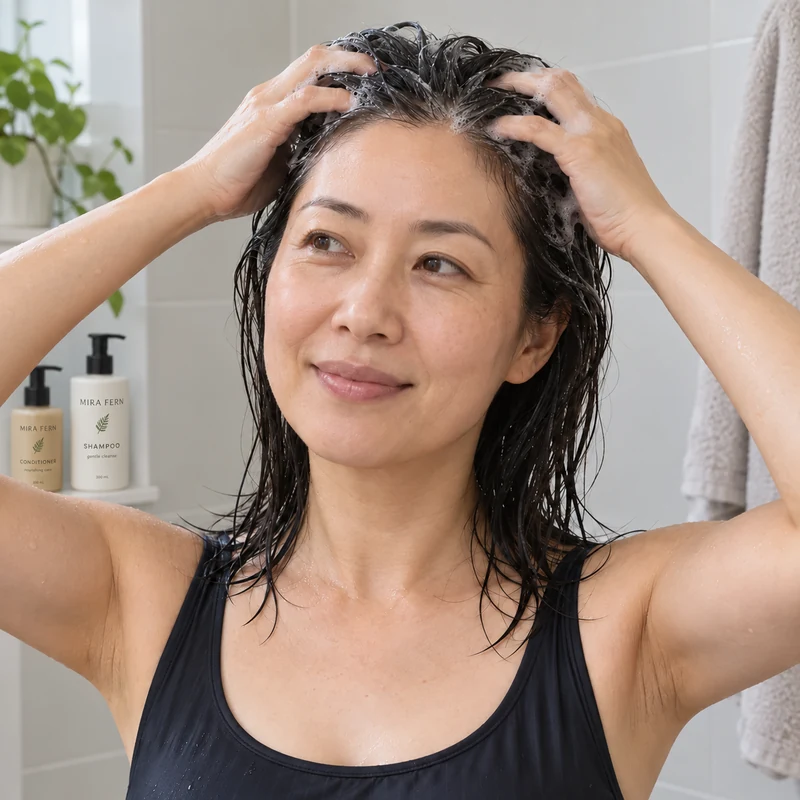
A woman massaging shampoo lather onto her scalp with her fingertips.

Keep washing the way you do now

Wash for your scalp and the residue on your hair, within whatever aftercare your last service gave you. Don’t add a stripping or clarifying wash to get ready for the next appointment unless the professional specifically asks for it.

Browse cleansing products. For shampoo recommendations, share how your roots feel between washes and what you use now.

A woman smoothing conditioner through her mid-lengths and ends.

Conditioner for the parts that catch

Put conditioner where the lengths snag, especially the sections that have had the most done. Easier detangling makes daily care kinder but says nothing about the next service.

Browse rinse-out conditioners. Tell the consultation what you want from a conditioner and what you disliked about previous ones.

How to do it

Checking appointment preparation instructions on a phone.

1. Prepare for the color part like any color appointment

If color is part of the plan, share every past service and prepare the way the salon says. The checklist helps you organize that visit. It isn’t a method for combining or applying chemical services.

Guide: Prepare for a color appointment
Writing separate pre-use checks and waiting periods in a notebook.

2. Know which test answers which question

Do any checks the product calls for, exactly as its instructions say. A skin test and a strand test answer different questions, and neither one proves a combination of services is safe. Don’t re-try something you reacted to just to see.

Guide: Plan product skin and strand checks

When to get help

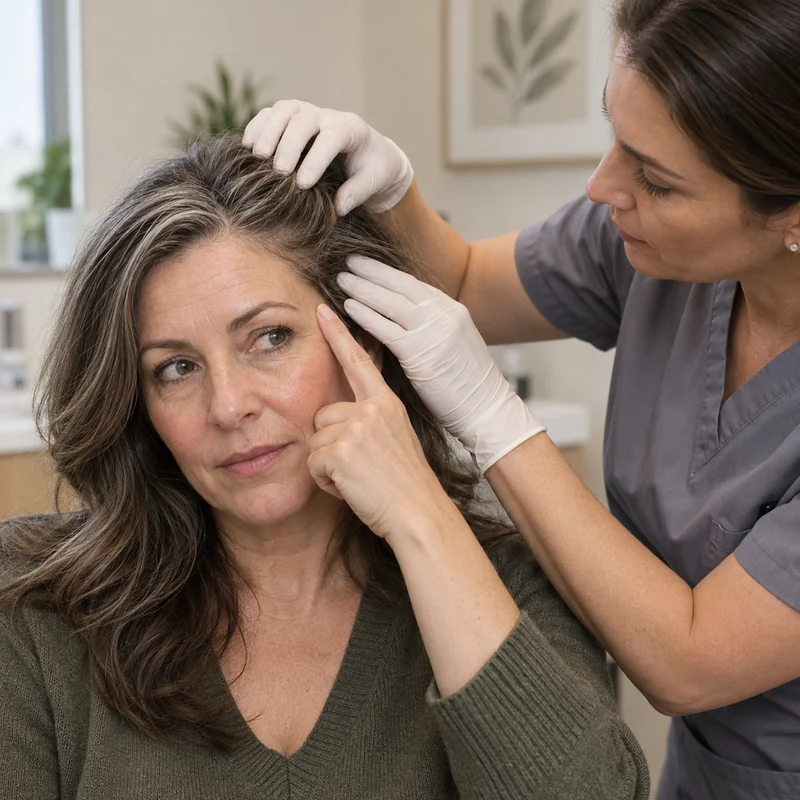
A medical professional examining the scalp where a woman points.

Signs that need more than routine care

  • If a service leaves you with burning, a scalp that stays sore, sores or a new patch of loss, see a medical professional before anyone does anything else to your hair. Stop any product that caused a reaction and keep its name. Another chemical service is never the remedy for those symptoms.

Illustrated care examples: before & after

Product, date and area

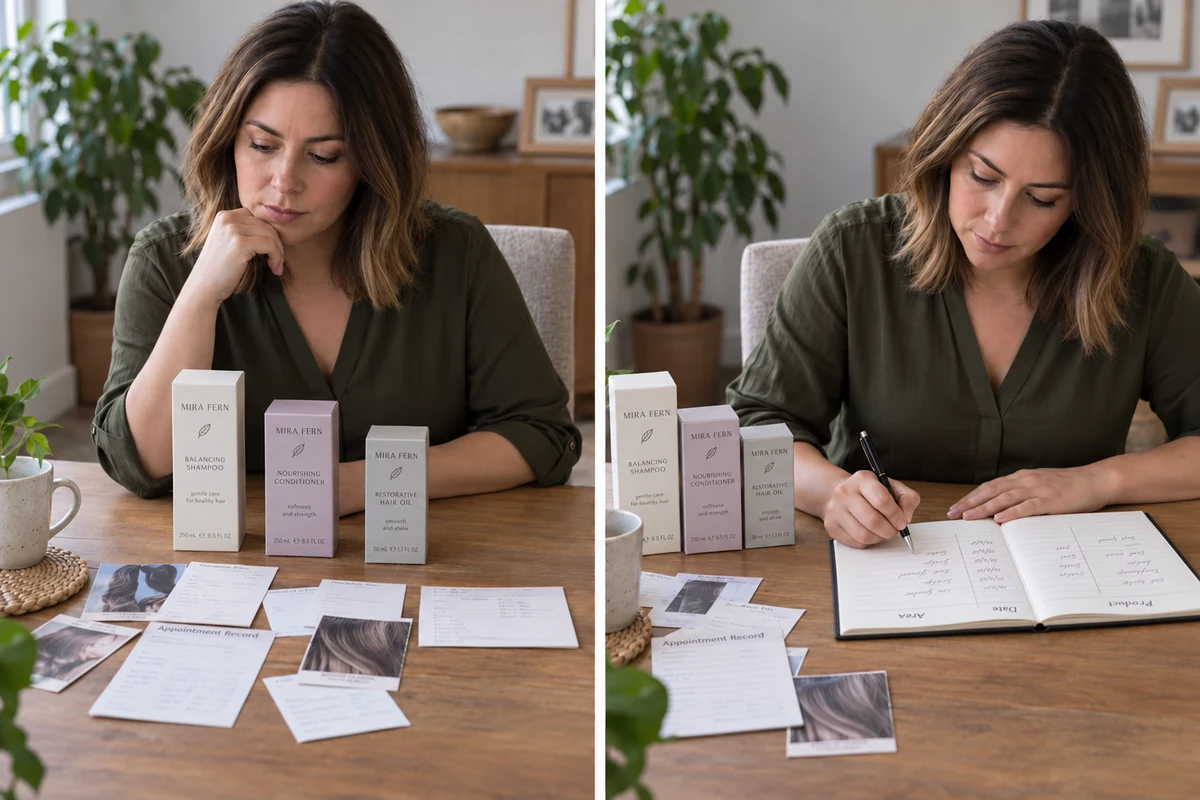
The same adult moves from scattered product and appointment information to an organized retained-service record.
Before · service history scatteredAfter care · known products and areas noted
What is known about each treated area is written down, gaps marked unknown rather than guessed. The record organizes the facts, nothing more.

Ask about the order first

The same adult opens the history folder and contacts a professional with color, texture and sequence questions; hair is unchanged.
Before · two possible appointmentsAfter care · sequence discussed, record open
With the full service history open, the order of the two services and the gap between them gets discussed before anything is booked. The stylist decides the sequence.
A woman with very short hair writing an appointment checklist.

Help with your hair-care routine

Bring your hair-care questions to the consultation. You can also read handling hair with retained chemical treatments.

  • Which old services are still in each part of my hair?
  • Has everyone I’m seeing read the same full history?
  • If I can’t have both, which result do I keep?

Tell us the products or systems you know about, the parts you’re unsure of, which areas were treated and what you want next. We can shape everyday care around the hair you have. The professionals decide the order and whether the services go together.

The Hair Care Consultation gives you a personal plan with product recommendations, routines and guidance on your hair-care questions.

$49 with 60 days of follow-ups, or $99 with 12 months. Pay once; the year renews only if you choose.