Hair Care Guides

Give the slept-on side a quick refresh.
Keep the sleeping position that works for you.

One side may look flatter or feel more tangled after a night against the pillow. You can move loose hair away from your face at bedtime and deal with the sections that need attention in the morning. Start by separating flattened hair from actual knots.

Your personal hair-care planProduct choices, routines and answers shaped around your hair.$49one-timeStart my consultation
An adult with loose shoulder-length curls rests on one side with the cheek against a pillow.
Keep the sleeping position that works for you.

What is going on

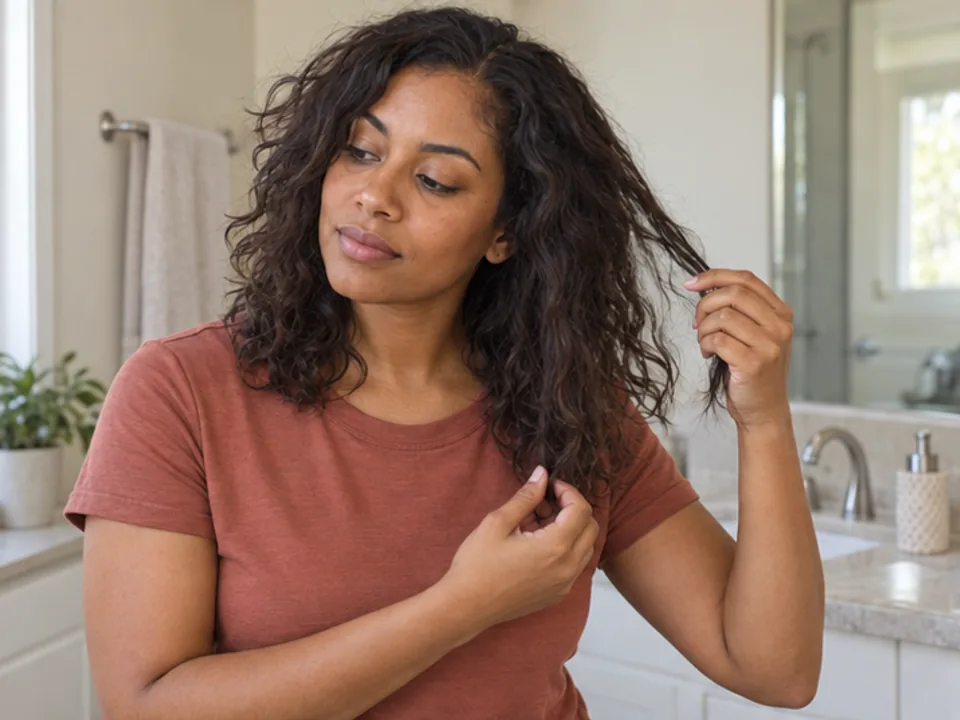
An adult looks at and lightly holds one section of shoulder-length wavy hair after waking.

Flattened hair and knots need different fixes

If the strands separate easily but the wave or curl has lost its shape, try a light refresh. If strands catch together, loosen the tangle before styling. Pulling a brush through a knot can tug at the roots without fixing the flattened shape.

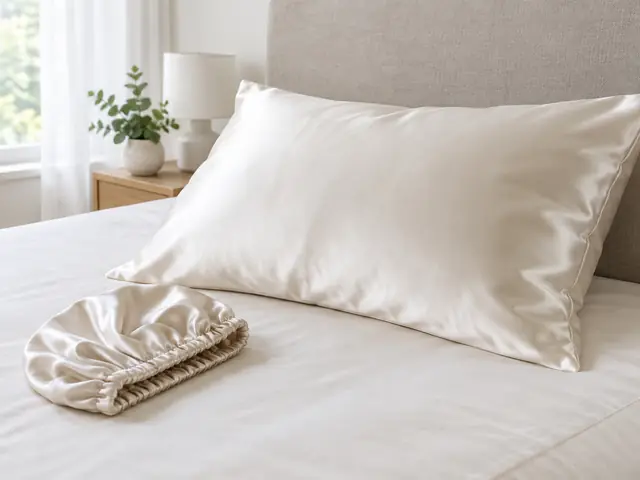
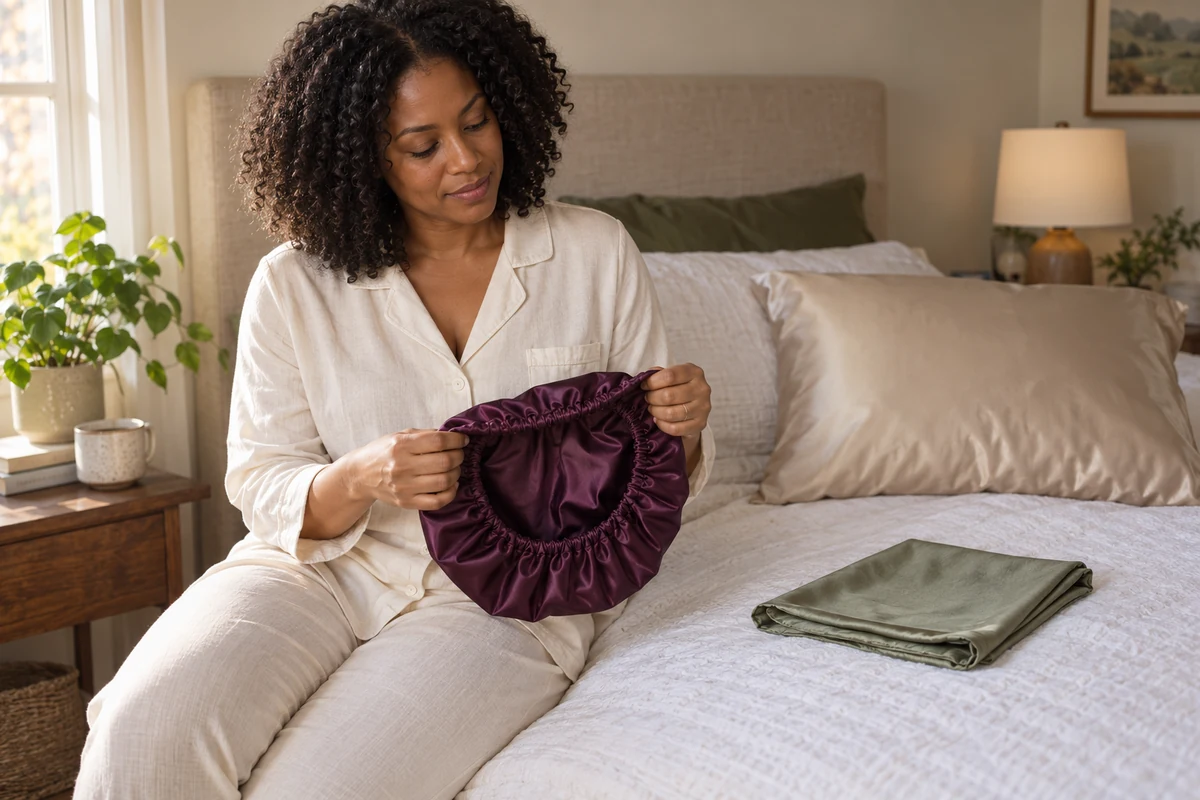
A satin pillowcase on a bed with a folded bonnet beside it.

Move the hair while keeping your position

Before settling, lift loose lengths clear of your cheek and shoulder and lay them on the open pillow space. Keep any sleeping position or support recommended by your care team. You can change where your hair rests without changing that setup.

What helps, day to day

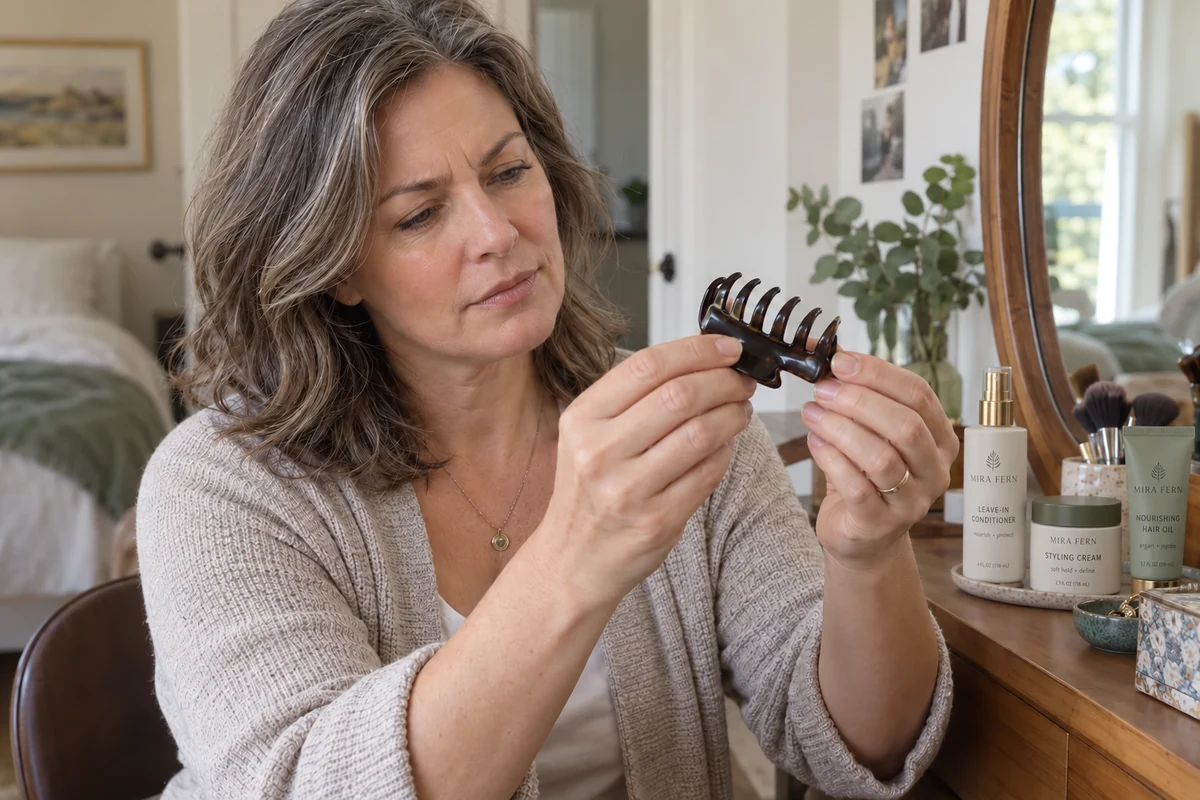
A woman examines a claw clip away from her hair, holding its solid body.

Remove the fasteners that meet the pillow

  • Open hard clips fully before lifting them away, and remove any pins from the side you rest on.
  • Let the hair loose rather than moving a bulky clip to another spot on your head.
  • If you wear a bonnet or scarf, keep the hair loose underneath and check its band or knot against the pillow.
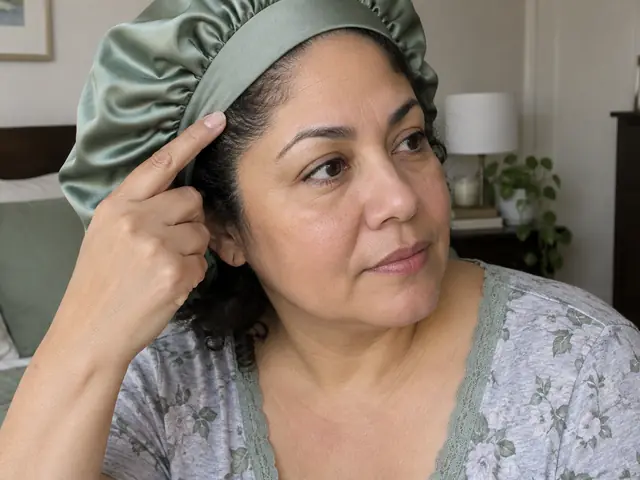
A woman touches the edge of her bonnet band at the temple.

Refit a band that presses

  • Take off a bonnet that pinches, pulls or hurts. Free caught hair and flatten any folds in the band.
  • Try it again in your usual sleeping position. If the edge still presses, try a different size or leave the covering off.
  • A smooth pillowcase is an option when you dislike anything around your head.
Woman with dry loose waves and curls gently isolates one disrupted side section with her own hands.

Refresh only the flattened waves or curls

  • Separate a loose section you want to reshape and leave the rest alone.
  • Lightly dampen its lengths and ends with water. Cup the ends, lift them toward your head, gently press and release.
  • Let the section dry before judging the shape. If you later try a refresher, follow its directions for damp or dry hair; do not apply a dry-use spray to the section while it is still damp.

Products, by the job they do

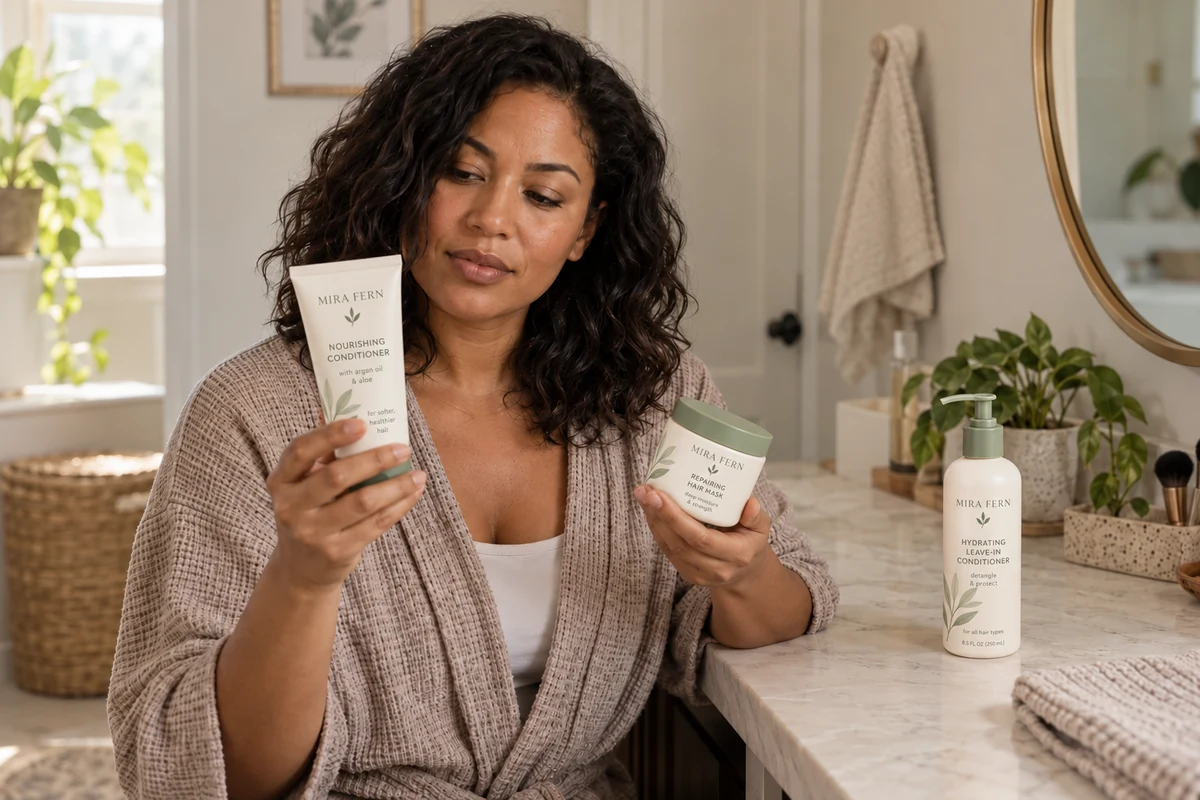
A woman compares a conditioner tube and hair mask jar beside a leave-in bottle.

Give tangled lengths slip on wash day

Use rinse-out conditioner on the lengths that catch when you detangle. Spread it through those areas using the bottle’s amount and rinse it out after the stated time. Keep your usual conditioner if it already leaves the hair easy to handle.

Browse rinse-out conditioners. Your tangles, past treatments and preferred finish help guide a personal conditioner recommendation.

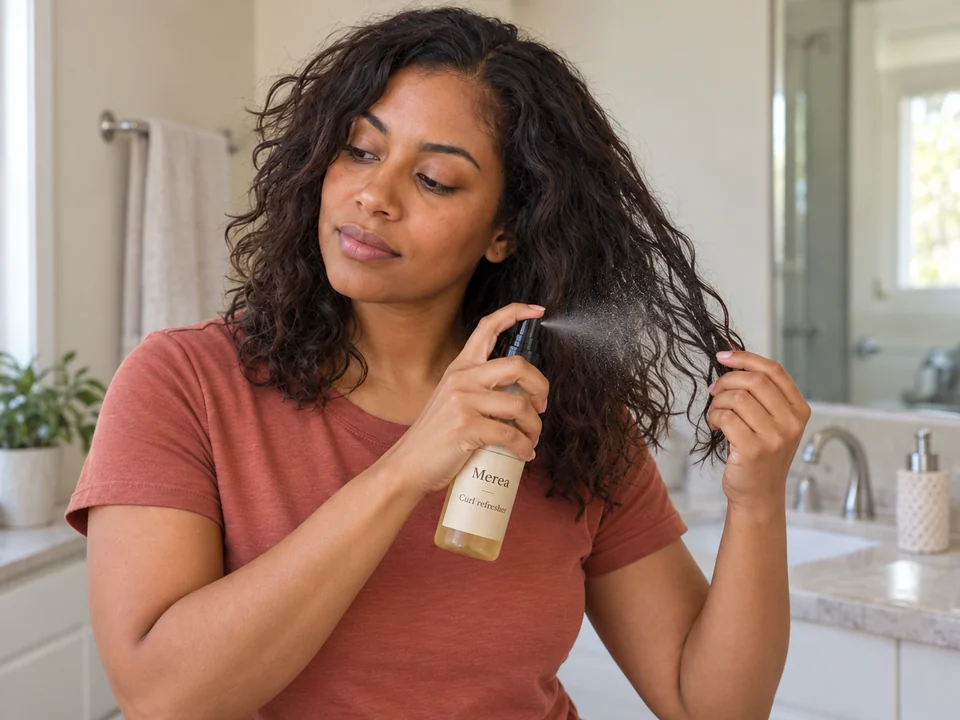
A woman sprays a labelled curl refresher at one supported section below her face.

Choose a refresher only if you need one

Try water first for a small wave or curl refresh. If you want more hold or smoothing, choose a refresher made for use between washes. Check whether it goes on damp or dry hair, use its stated amount and let the section dry.

Browse styling products. Tell the consultation how much hold you want and which stylers you have tried.

Choose the morning fix you need

Woman cups the ends of her own lightly damp loose curls in both open hands during one gentle reshaping press.

Reshape selected waves or curls

Use the water-only or refresher-spray method on loose sections that have lost their shape. The steps cover selecting, dampening, reshaping and drying. If your scalp or hair needs washing, wash it before adding more styling product.

Guide: Refresh waves and curls between washes
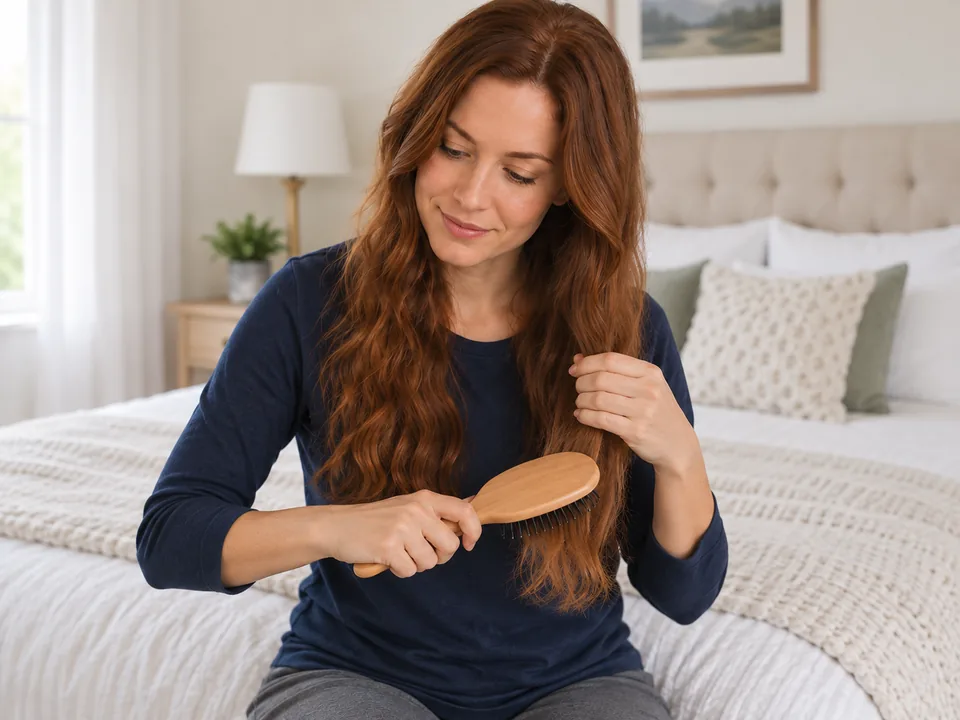
A woman holds a dry hair section above a paddle brush positioned near its ends.

Loosen tangles in dry straight or wavy hair

Hold a small section above the tangle and brush the ends first, moving higher as they clear. Lift the brush out if it catches. Stop at pain or a fixed mat. For curly hair, use your damp, conditioned detangling method instead.

Guide: Brush dry straight or wavy hair without pulling

Illustrated care examples: before & after

Move hair clear of your cheek

Two panels show a woman resting on the same side, with hair first across her cheek and shoulder, then laid on the pillow behind her head.
Before · hair across cheek and shoulderAfter moving the hair · hair resting behind the head
The loose lengths rest on the pillow behind the head. Lift them clear of your cheek and shoulder while keeping your usual sleeping position.

Choose and cup one section

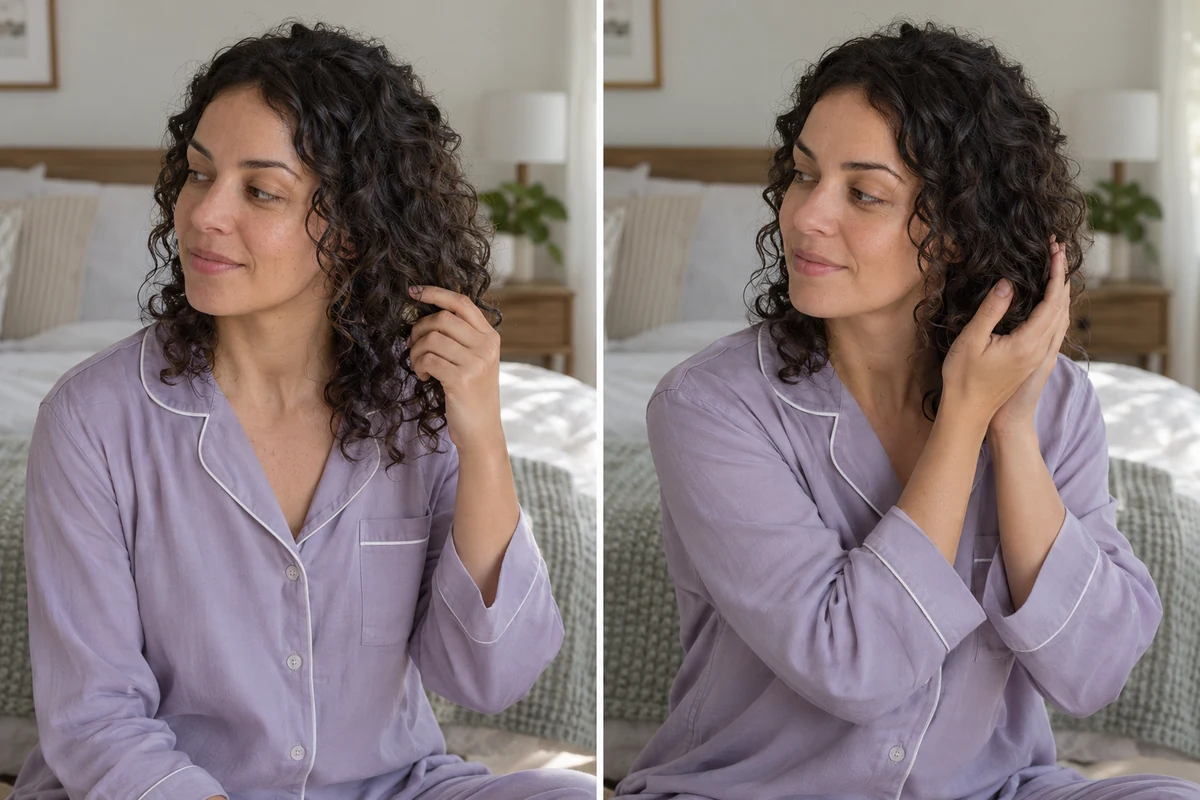
Two panels show a woman holding one curl section with one hand, then cupping the ends with both hands.
Before · holding one curl sectionDuring reshaping · ends cupped in both hands
Work on the section you want to reshape. After lightly dampening it, cup the ends, lift and gently press, then release it to dry.
A woman considers a roomy bonnet beside a folded scarf and a pillow in a smooth pillowcase.

Help with your hair-care routine

Bring your hair-care questions to the consultation. You can also read placing long lengths comfortably for sleep.

  • How can I refresh one flat side without restyling all my hair?
  • What can I change if my bonnet presses where I lie?
  • How should I deal with the knots I wake up with?

Tell us which areas flatten or tangle and what you currently do in the morning. The consultation can help you choose a quick refresh or detangling method, with products suited to your hair and the finish you want.

The Hair Care Consultation gives you a personal plan with product recommendations, routines and guidance on your hair-care questions.

$49 with 60 days of follow-ups, or $99 with 12 months. Pay once; the year renews only if you choose.