Hair Care Guides

Look after relaxed hair between visits.
New growth is information, not a deadline.

If you plan to keep relaxing, the weeks between appointments are when you learn how your hair and scalp are doing. New growth doesn’t have to mean rushing back. Watch comfort, handling and breakage, and bring an honest history to the next visit.

Your personal hair-care planProduct choices, routines and answers shaped around your hair.$49one-timeStart my consultation
A client with retained relaxed lengths and visible new growth discusses a care record with a stylist.
New growth is information, not a deadline.

What is going on

An adult gently rests a hand near new growth while recording the last service and questions.

Keep track of what’s been treated

Notice the new growth and write down the last service date and product if you know them. Lengths relaxed before are still part of the story even when they feel smooth. Don’t apply relaxer at home to blend a section that’s awkward to style.

An adult with blond curls and a colorist compare brown swatches.

Ask how the next service will be judged

Talk through the new growth, how your scalp feels, any breakage and any other service since last time. Ask how they’ll keep product off the already relaxed lengths. When to go back is your stylist’s call, not a date from a guide.

What helps, day to day

A woman with curls writing a routine note beside her hair-care products.

The roots are getting harder to style

  • Find a finish that doesn’t need pulling or repeated heat to match the relaxed lengths.
  • Note when it started getting difficult and what helps.
  • Awkward styling on its own isn’t a reason for another chemical application.
A woman wearing glasses reads a hair product ingredient panel.

You’re adding color or another treatment

  • Bring the exact products and the full service history before combining a relaxer with color, smoothing or anything else chemical.
  • Gentle or conditioning on a label says nothing about how it will behave on hair that’s already been processed.
A man reads a shampoo bottle while making a note, with a second hair-care bottle beside the notebook.

You want a realistic budget for appointments

  • Plan for the check at the start, the service you agree on and the everyday care you can keep up afterwards.
  • Ask what the optional extras cost and what they’re for.
  • A standing appointment can still move when your scalp or your lengths need something different.

Products, by the job they do

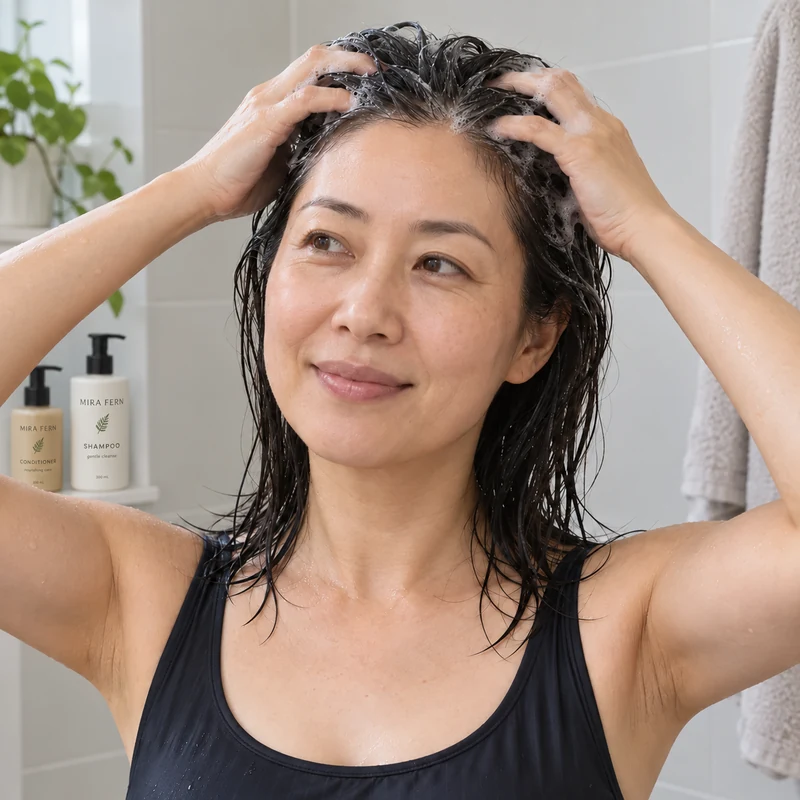
A woman massaging shampoo lather onto her scalp with her fingertips.

Wash for what builds up

Choose shampoo for scalp oil and styling residue, within whatever your stylist asked after the last service. Relaxed hair doesn’t come with one fixed wash schedule.

Browse cleansing products. The consultation uses your wash frequency and scalp concerns to recommend a shampoo.

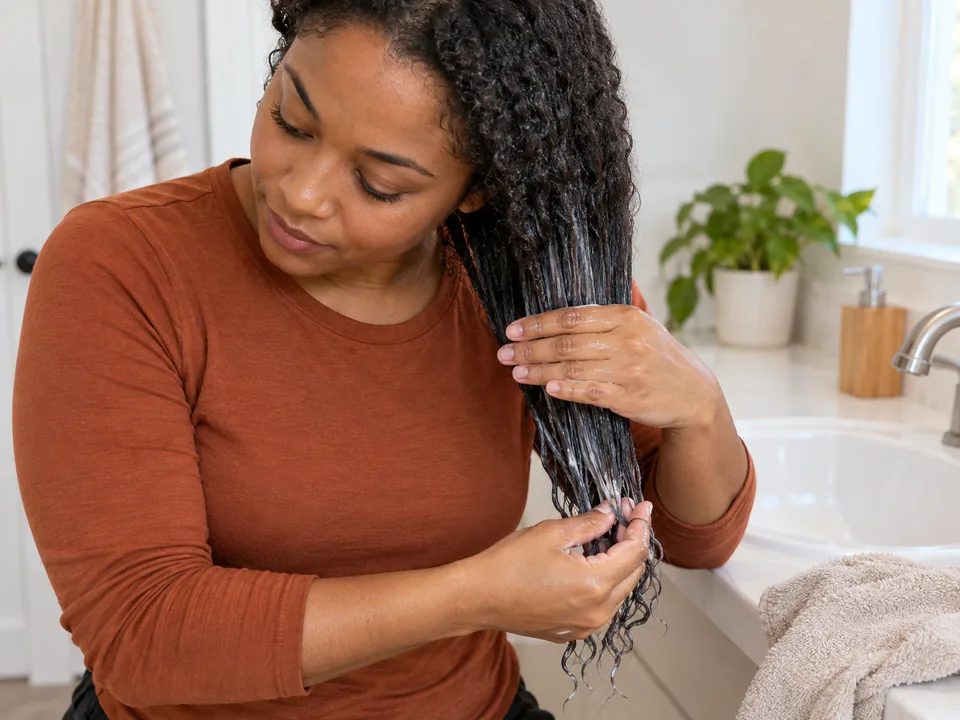
A woman smoothing conditioner through her mid-lengths and ends.

Condition for handling, not for a green light

Use conditioner for slip and easier handling, where the hair catches and feels rough. Softer hair afterwards is a nicer day, not a sign that it’s ready for another chemical service.

Browse rinse-out conditioners. Your tangles, past treatments and preferred finish help guide a personal conditioner recommendation.

How to do it

The support hand stays above the transition while fingertips detangle conditioned ends upward.

1. Support the line where new growth meets relaxed hair

When detangling damp, conditioned hair, hold the section above the snag and work from the ends. This is about handling the transition gently. It says nothing about whether the hair is ready for relaxer.

Guide: Handle the line between new growth and treated lengths
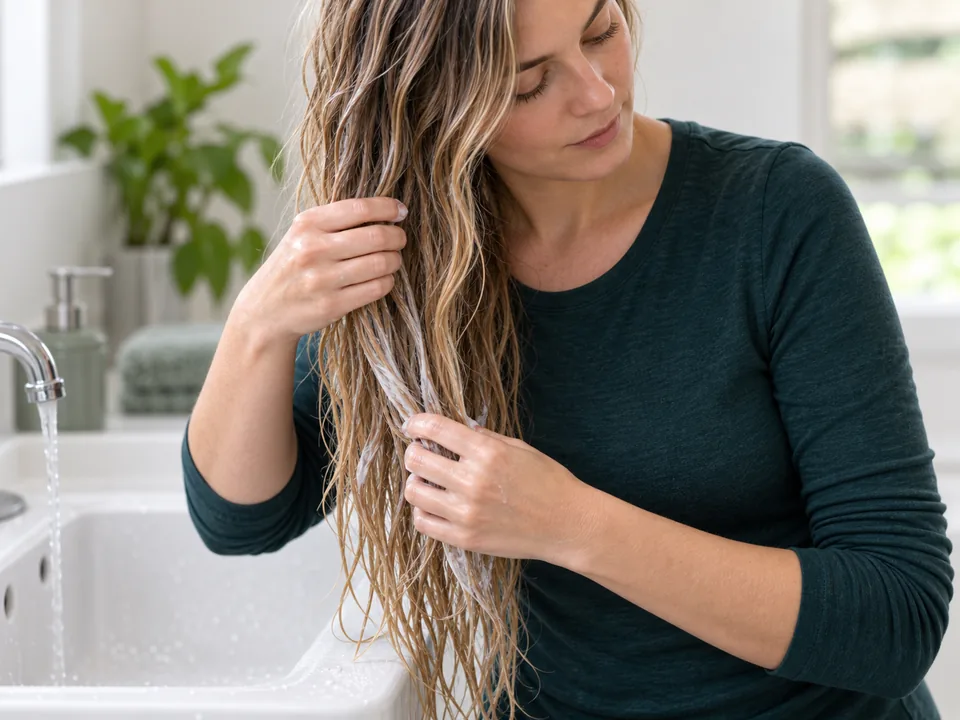
One hand supports conditioned lengths while the other finger-detangles gently from the ends upward.

2. Take the friction out of wash day

If the lengths feel fragile, use the low-friction wash with your current products and any directions from the salon. Keeping rough handling out beats trying to repair it afterwards with another treatment.

Guide: Wash fragile over-processed hair with less friction

When to get help

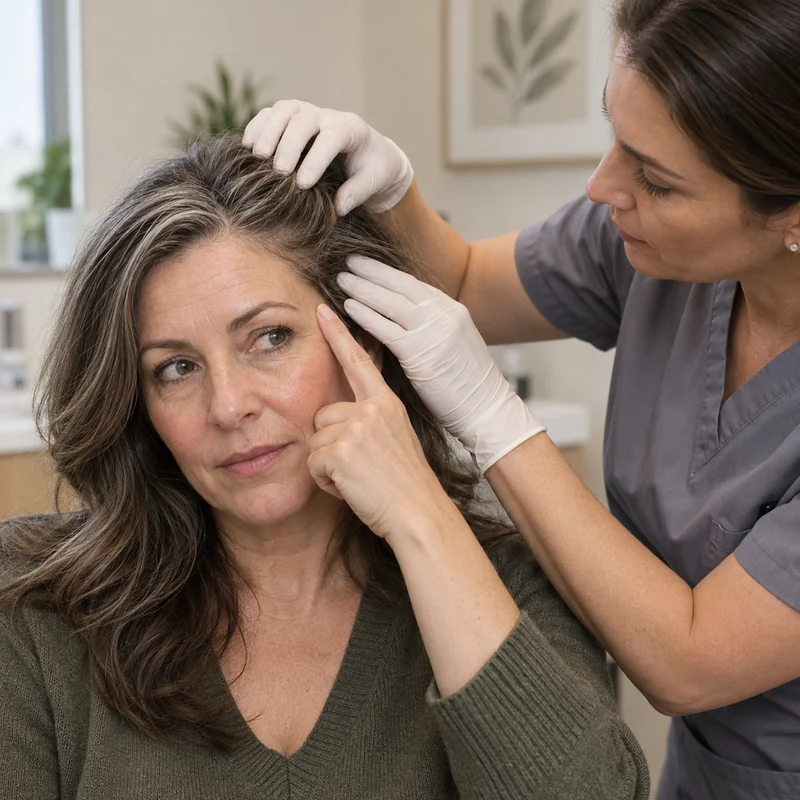
A medical professional examining the scalp where a woman points.

Signs that need more than routine care

  • Burning during or after a service, a scalp that stays sore or irritated, or new patchy loss are things to show a medical professional before you book anything else. Tell your stylist too, so nothing is applied over a scalp that’s already reacting. Another relaxer application is never the fix for breakage or discomfort.

Illustrated care examples: before & after

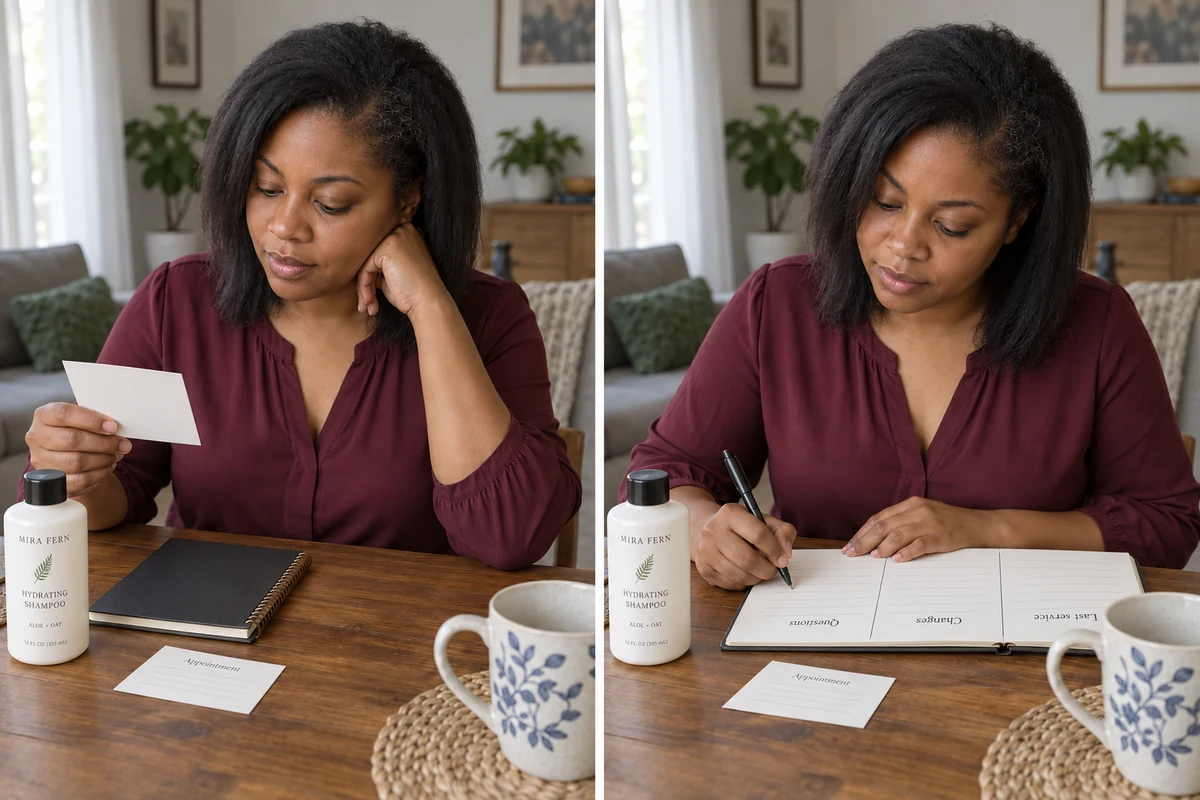
Note the changes first

The same adult moves from an appointment card to written last-service, changes and questions notes; hair is unchanged.
Before · last appointment details looseAfter care · changes and questions noted
What the last service was and what you’ve noticed since are written down to bring to the next appointment. The note doesn’t decide when another relaxer is right.

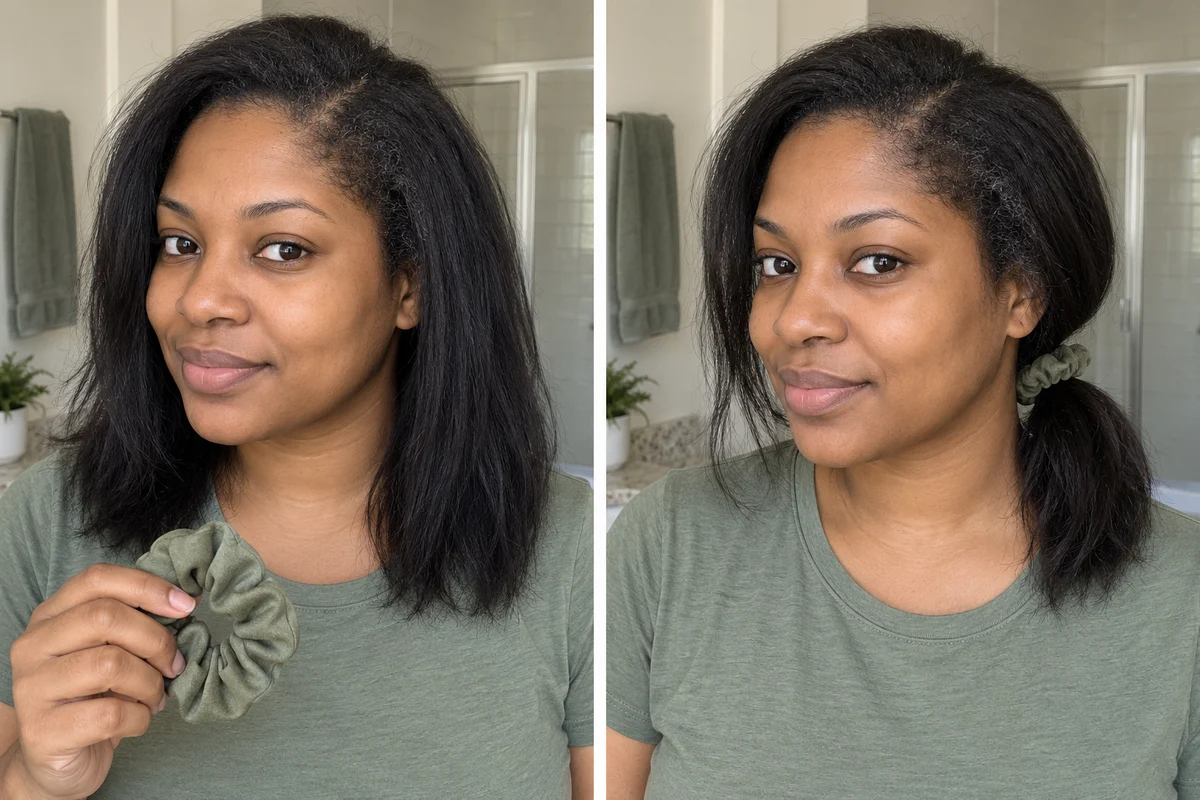
A loose low style, mixed textures

The same adult changes loose relaxed lengths into a low loose ponytail while retaining the visible natural root texture.
Before · loose lengths ready to styleAfter care · low loose style chosen
The lengths go into a low, loose style that never forces the new growth flat against the relaxed hair. A way of wearing the hair, nothing more.
A woman with very short hair writing an appointment checklist.

Help with your hair-care routine

Bring your hair-care questions to the consultation. You can also read everyday handling of chemically treated lengths.

  • What’s changed since my last relaxer?
  • Which parts of my hair have already been treated?
  • What should my stylist look at before the next appointment?

Tell us your last service, any color or other treatments on the lengths, how your scalp has been and where the hair catches. The consultation supports washing and handling between visits. It can’t say whether a product or appointment timing is right for you.

The Hair Care Consultation gives you a personal plan with product recommendations, routines and guidance on your hair-care questions.

$49 with 60 days of follow-ups, or $99 with 12 months. Pay once; the year renews only if you choose.