Hair Care Guides

Keep the length you love.
Fit its care to the life you have now.

Long hair past a certain age attracts opinions, and most of them aren’t yours. If you enjoy the length, keep it. What’s worth looking at is the work it takes, and which step has quietly become harder than you’d like.

Your personal hair-care planProduct choices, routines and answers shaped around your hair.$49one-timeStart my consultation
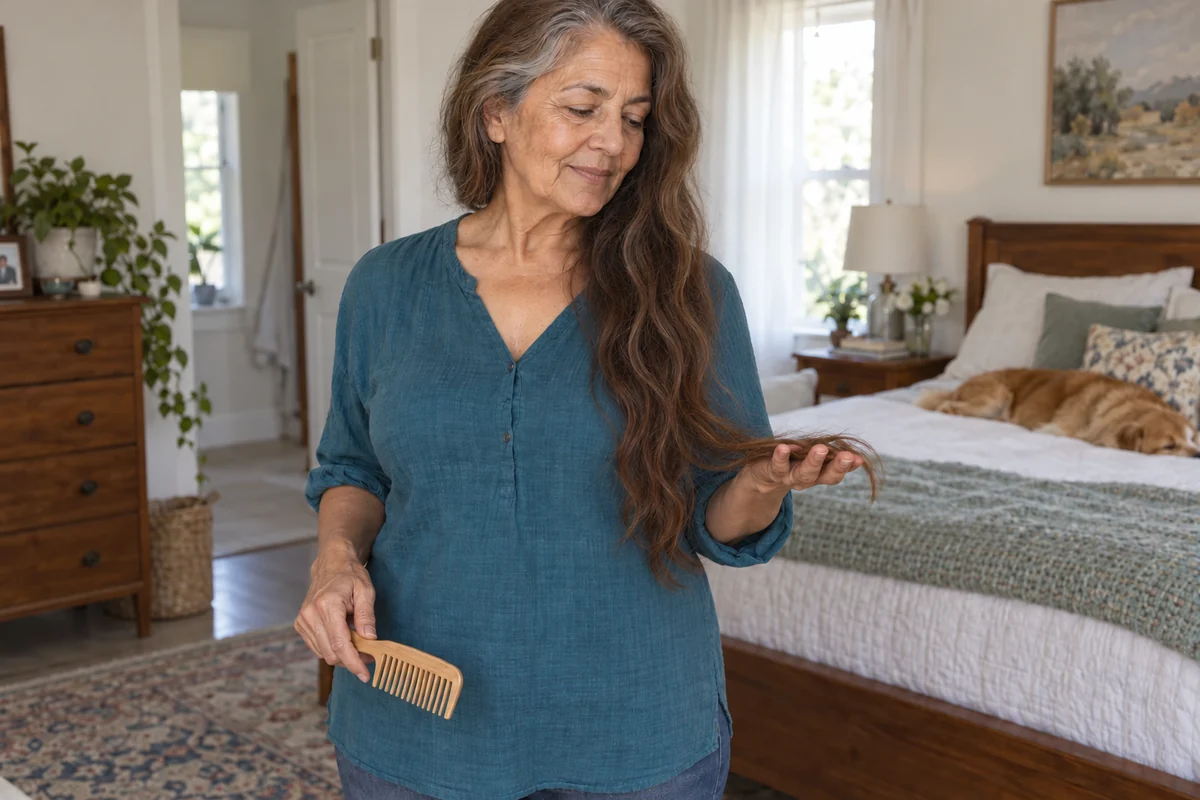
An older woman supports the ends of her long chestnut and silver hair while holding a wide-tooth comb.
Fit its care to the life you have now.

What is going on

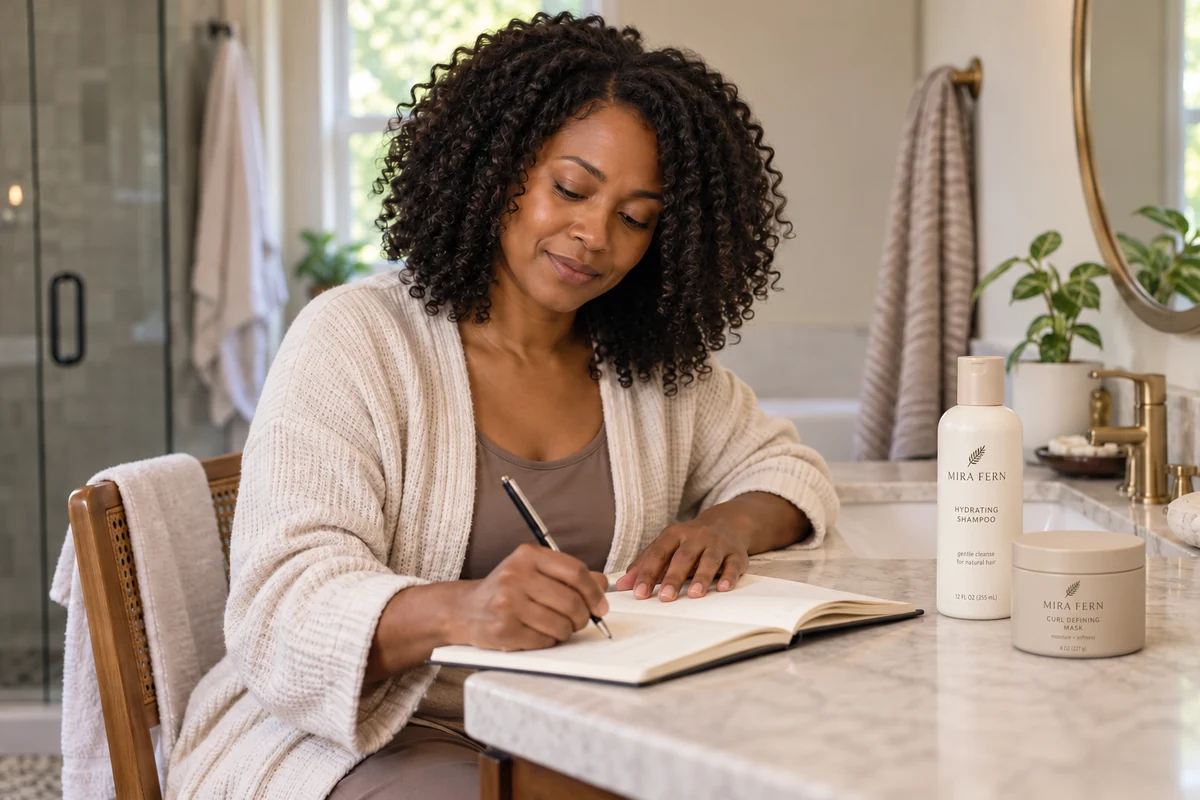
A woman with curls writing a routine note beside her hair-care products.

Find the step that takes the effort

Washing, detangling, drying and styling each take their own time. A drying bottleneck needs a different fix from tangled ends or a fiddly updo. Change one thing first, going by your real routine, not by anyone’s ideas about hair at your age.

A woman supporting the ends of her long hair.

Decide what the length is for

Is it the braid, a familiar bun, hair over your shoulders, or just the look of it loose? That tells you what to protect. Tell anyone who helps which parts matter. A trim can be part of keeping length, and how much is your call.

What helps, day to day

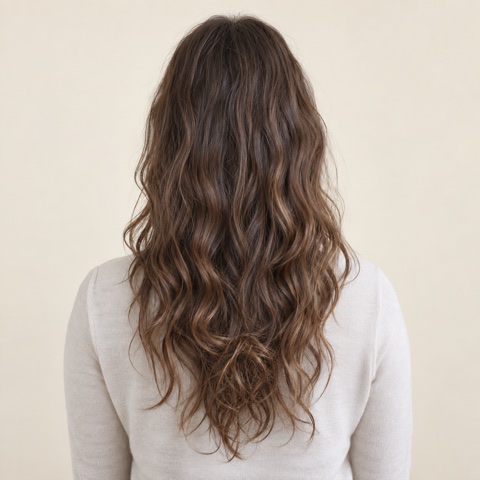
Wavy hair with tangles concentrated near the ends.

The ends turn detangling into a chore

  • Bring one section forward, hold it above where you’re working, and start at the ends.
  • Detangle damp with conditioner or dry, whichever suits your hair.
  • If the ends keep catching despite careful conditioning, have a stylist look at that spot before you agree to any trim.
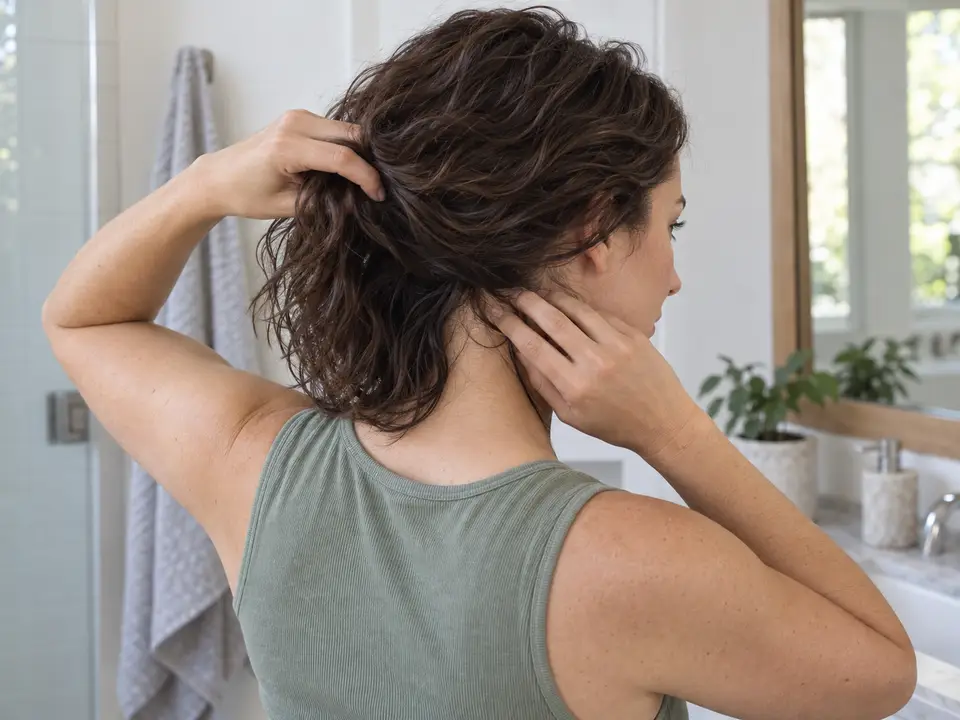
A woman checks the inside of her loose hair near the nape with clean fingers while the rest falls freely.

Drying eats more of the day than you want

  • The roots and the inner lengths take longest, and a dry-looking surface hides them.
  • Wash when you have time for your usual way of drying.
  • A wash you can finish may do more for you than another finishing product or hair kept bundled up damp.
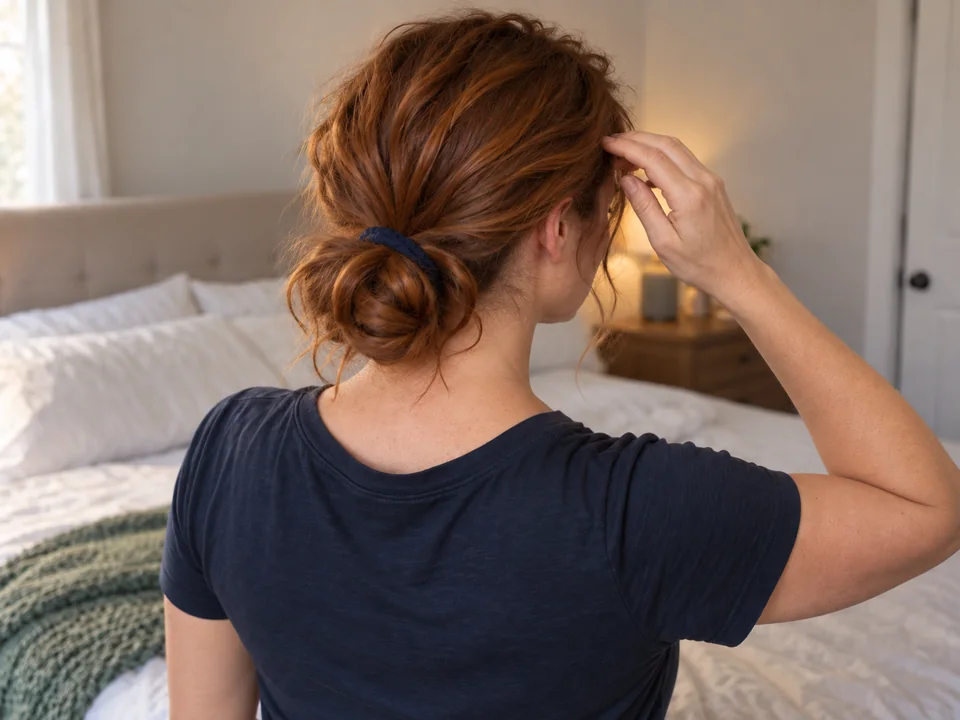
A woman with a loose bun low at the nape lightly checks her hairline with one hand while the other arm is lowered.

Your usual updo pulls or feels heavy

  • Try it looser and lower, if your hair comfortably reaches.
  • A style that hurts comes down, rather than getting tightened to last longer.
  • Keep one simple loose option for the days you don’t want to spend time on an updo.
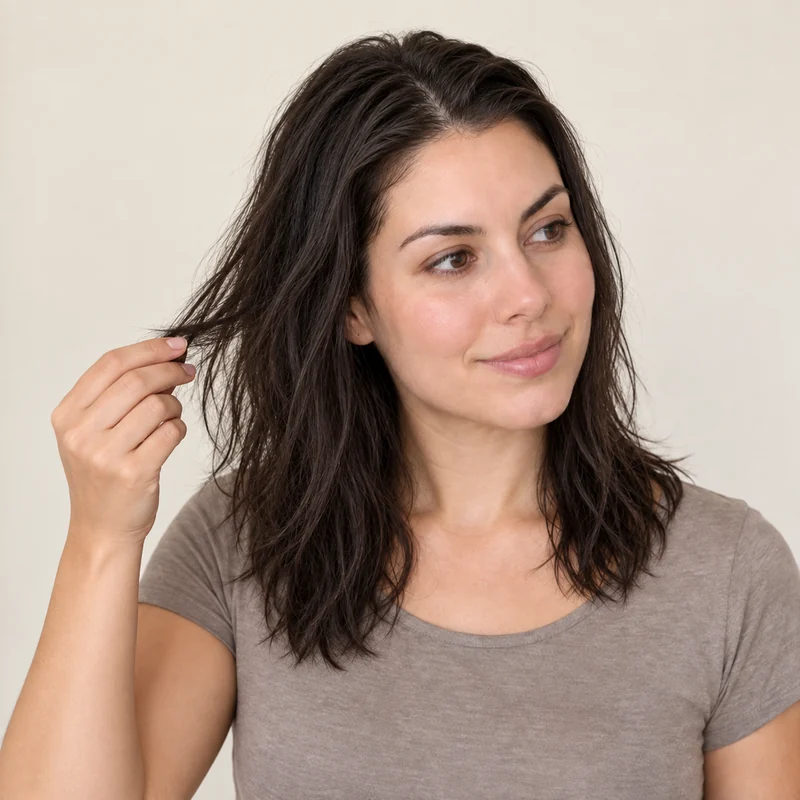
A woman gently feeling a section of her loose hair with her fingers, with no visible product.

You’d like some help with it

  • Say what’s changed.
  • More tangles, rougher ends, longer styling time, or just wanting fewer steps.
  • Then agree on the exact help, maybe a salon wash or someone to detangle now and then.
  • Accepting help with the work doesn’t hand over the decision about your length.

Products, by the job they do

A woman smoothing conditioner through her mid-lengths and ends.

Slip for the lengths you’re keeping

A rinse-out conditioner helps long lengths slide apart when you detangle. Put it where the hair tangles and rinse it out. A richer formula isn’t automatically the answer just because you’re older. What matters is how your hair tangles and what it’s been through.

Browse rinse-out conditioners. The consultation uses your hair details and treatment history to compare conditioner options.

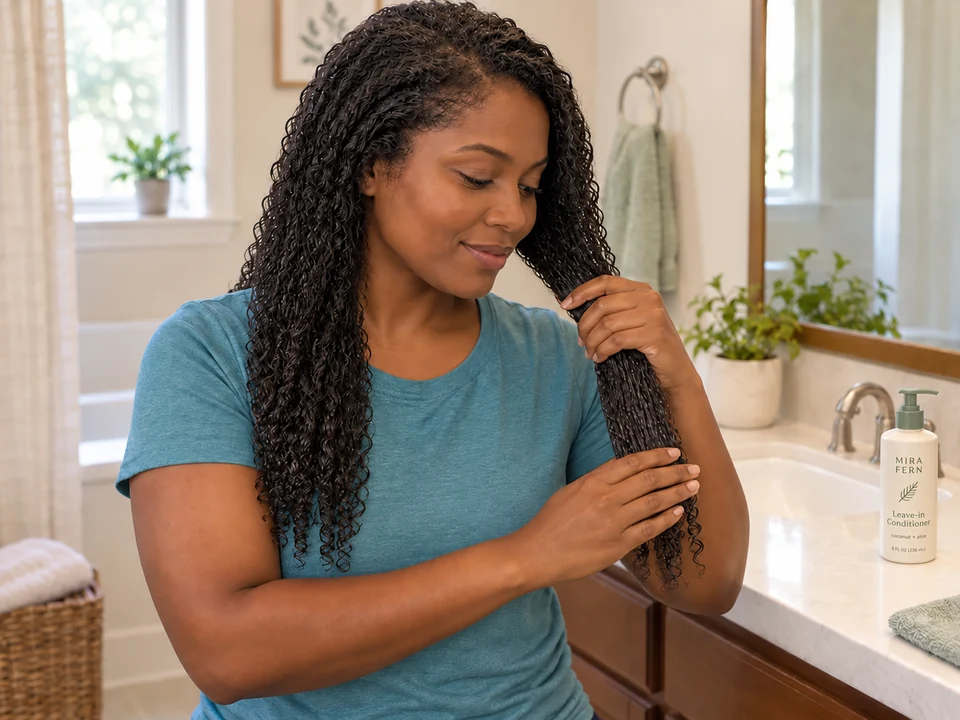
A woman supports one damp hair section while smoothing leave-in conditioner toward the tips.

Add a leave-in only for a job

If the lengths still fight you after rinse-out conditioner, a leave-in can help. Weigh roughness, what you already layer on and how heavy your hair feels before adding a step.

Browse leave-in conditioners. Tell the consultation which leave-ins felt useful or heavy, and how much you used.

How to do it

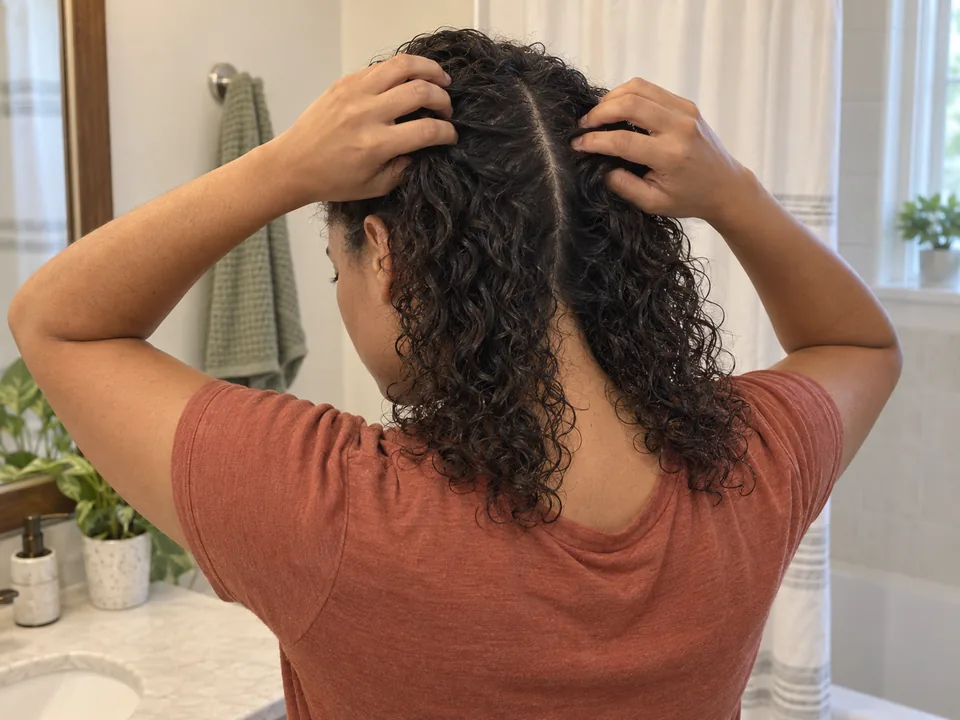
A woman uses both hands to separate her own damp curls along a rough part toward the back of her head.

1. Work on one section at a time

Separate only as much as makes the next job easier. Bring the hair you can reach toward one shoulder without stretching, and keep the rest loosely out of the way. Let everything down fully for washing and rinsing.

Guide: Section your hair for washing and styling
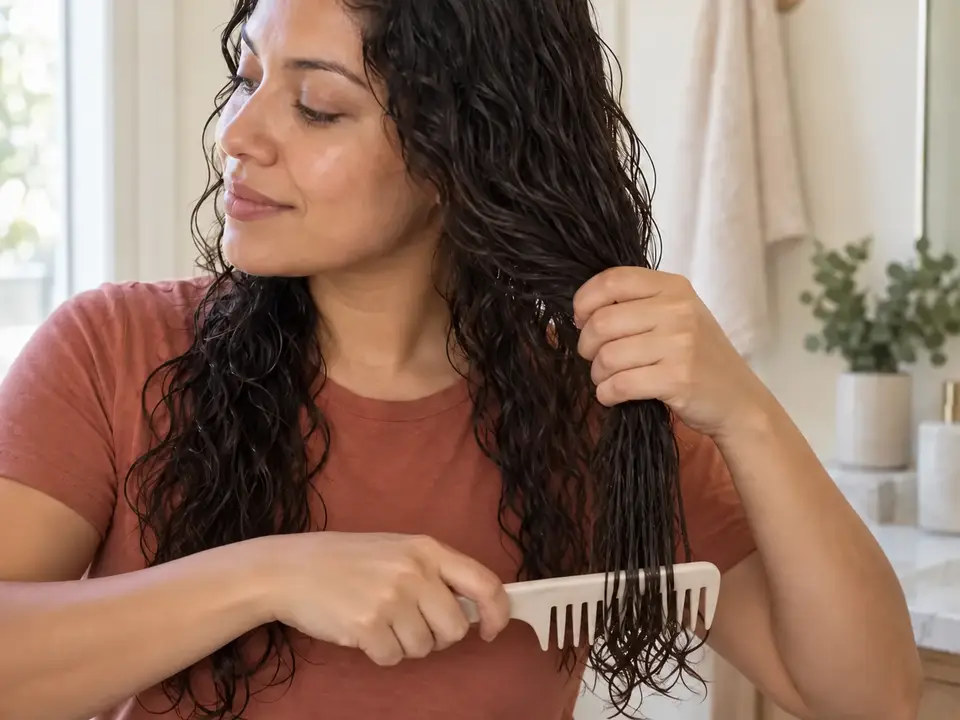
Woman supports a damp wavy-curly section while a wide-tooth comb begins at the lowest hair tips.

2. Hold the section while you detangle

Start at the ends and move up in small steps, holding the hair above where you’re working. When the comb meets resistance, stop and ease it apart with your fingers instead of pulling through.

Guide: Detangle with a wide-tooth comb
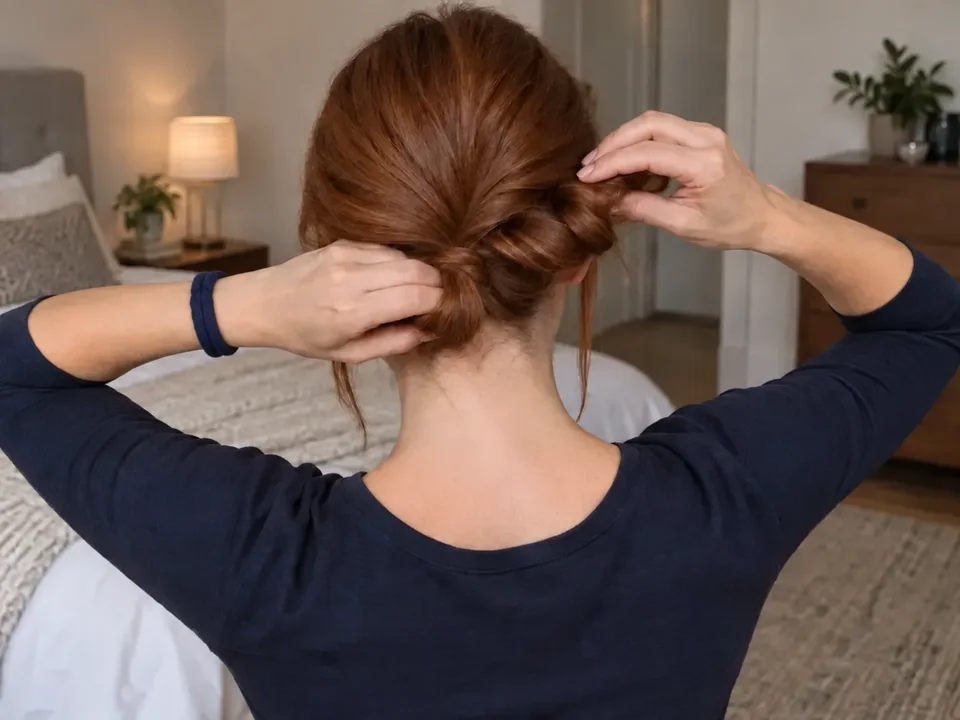
A woman supports an unsecured low coil with one hand while guiding the loose twisted length around its base; the soft tie is still on her wrist.

3. Keep a comfortable everyday bun

On dry hair that reaches the nape, make a loose coil and fasten it with a soft tie. Unwind the tie completely before you let it down. If gathering it pulls, skip the bun that day.

Guide: Make a loose bun
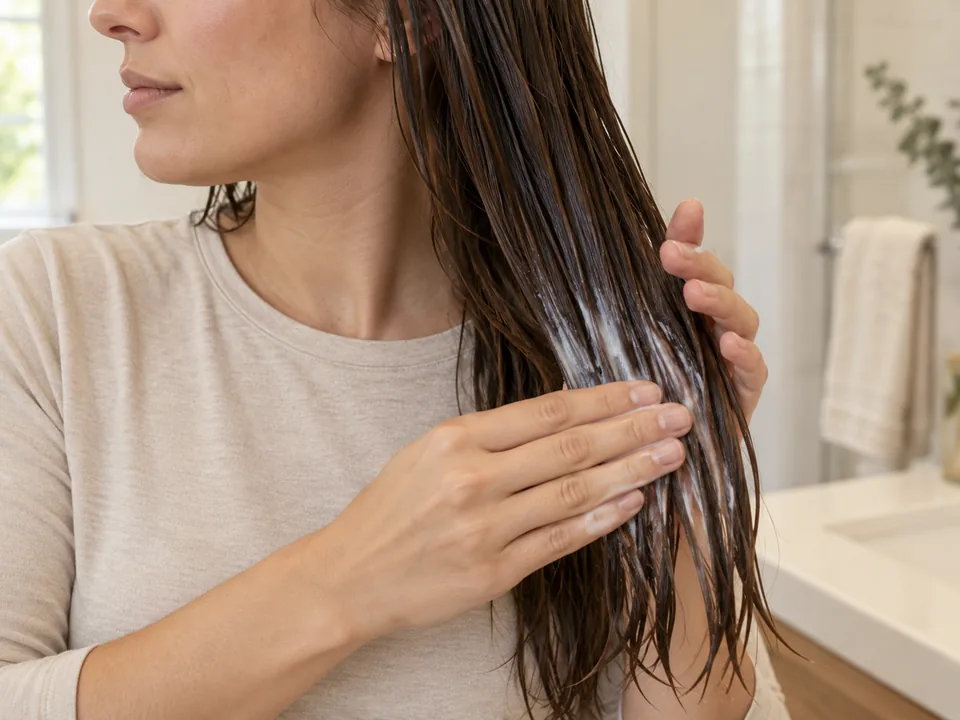
A thin coating of conditioner being smoothed over the lower lengths and ends, away from the scalp.

4. Give the ends their own attention

Smooth conditioner through the lengths that need it, and split thick hair into a few handfuls if that helps it spread. Leave it on for the time the label says, then rinse it out. A rinse-out product doesn’t become a leave-in to save a step.

Guide: Apply conditioner to the lengths and ends

When to get help

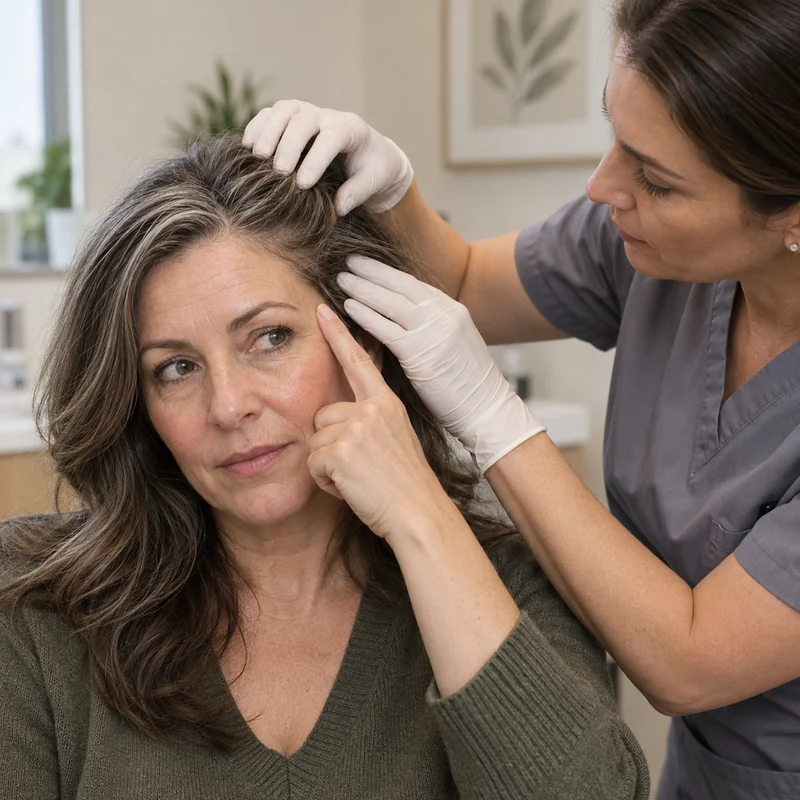
A medical professional examining the scalp where a woman points.

Signs that need more than routine care

  • Sudden or patchy hair loss, a scalp that hurts, or shedding that’s clearly changed and stayed changed are worth a visit to a medical professional. It’s tempting to put those down to getting older, and sometimes that isn’t what’s going on, so don’t wait to find out.

Illustrated care examples: before & after

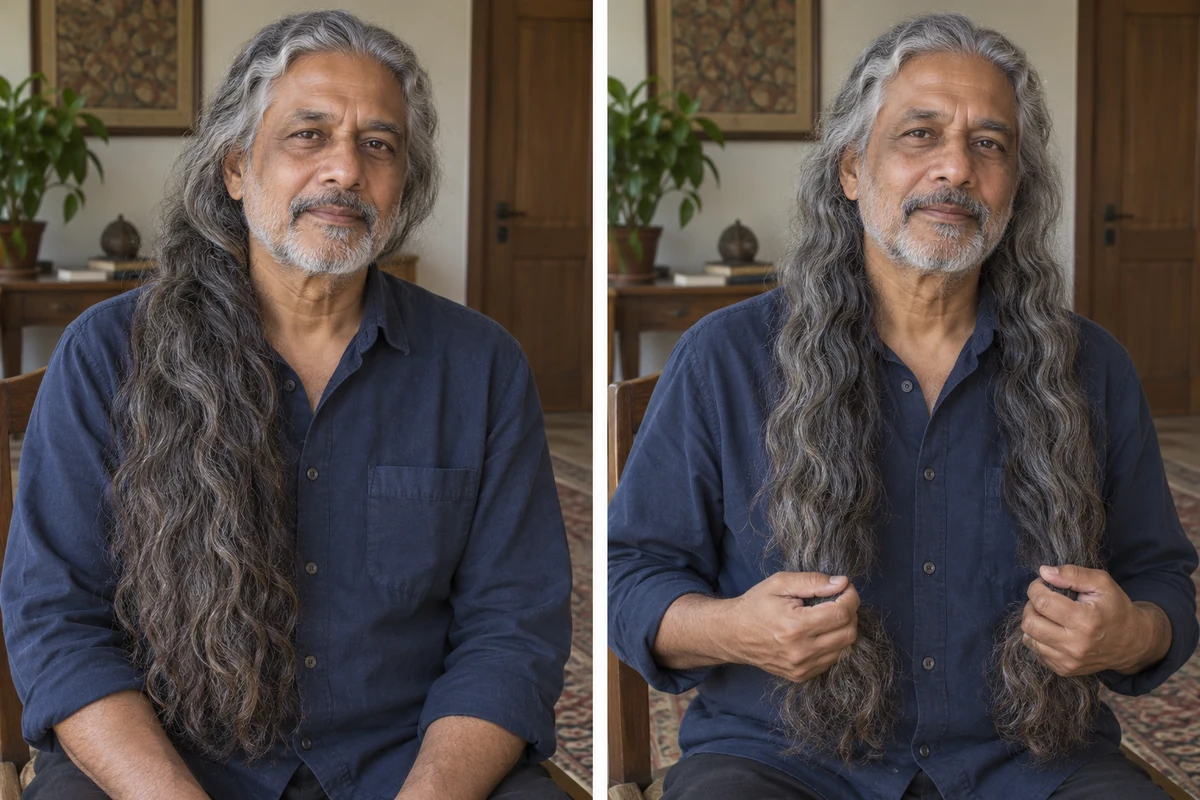
Two portions, easier handling

Two panels show an older man with long salt-and-pepper hair gathered over one shoulder, then divided into two supported portions.
Before · lengths together over one shoulderAfter care · lengths divided in two
The same long hair, divided into two portions so you handle less at once. Length, color and density are unchanged.

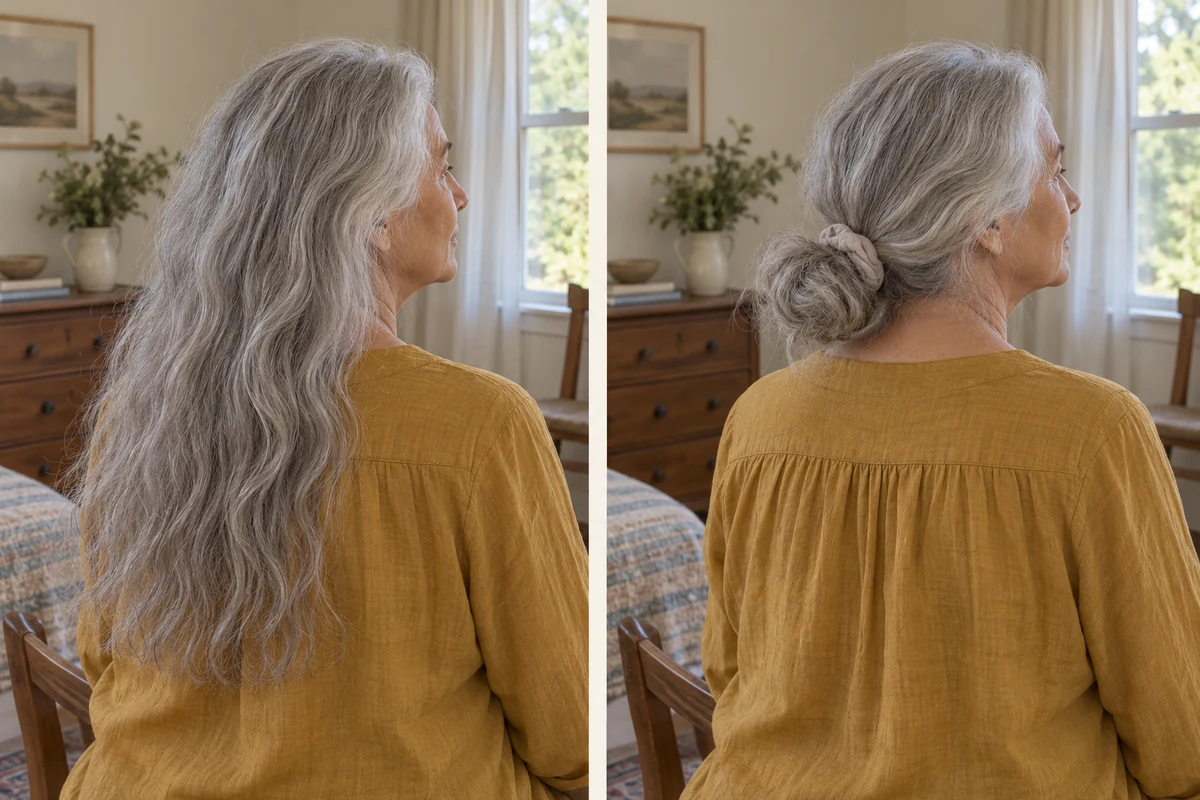
A simple low bun

Two panels show an older woman’s long silver hair loose and then gathered in a comfortable low bun.
Before · long hair worn looseAfter styling · lengths in a loose bun
The lengths are gathered into a low bun that sits comfortably. Same hair in both pictures, just tucked up rather than left loose.
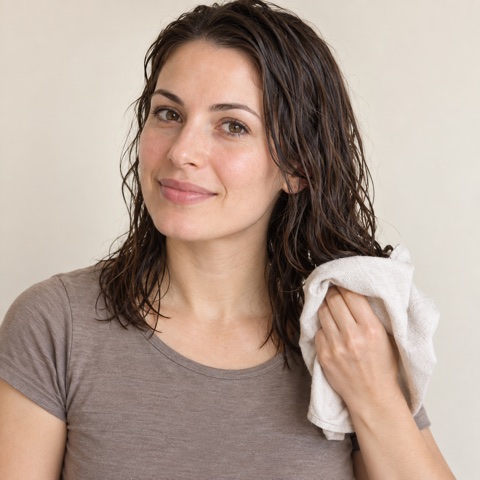
A woman gently squeezing damp hair with a towel.

Help with your hair-care routine

Bring your hair-care questions to the consultation. You can also read Hair care when raising your arms is difficult.

  • Which step is making my length harder to keep?
  • What conditioning and detangling routine suits my hair now?
  • Which easy styles keep my hair comfortable without cutting it?

Your length, your hair’s pattern, how it tangles, any color or treatments, and how much time you have for it all shape the answer. A consultation can help you choose products and a routine you can repeat, without anyone asking you to cut it.

The Hair Care Consultation gives you a personal plan with product recommendations, routines and guidance on your hair-care questions.

$49 with 60 days of follow-ups, or $99 with 12 months. Pay once; the year renews only if you choose.