Hair Care Guides

Hair care when raising your arms is difficult.
Start with the step that is hardest to manage.

Washing can feel like a big job when reaching or holding a dryer is difficult. Start with the hardest step and try a setup you can reach, shorter tasks or help with that part. Keep any movement restrictions you’ve been given.

Your personal hair-care planProduct choices, routines and answers shaped around your hair.$49one-timeStart my consultation
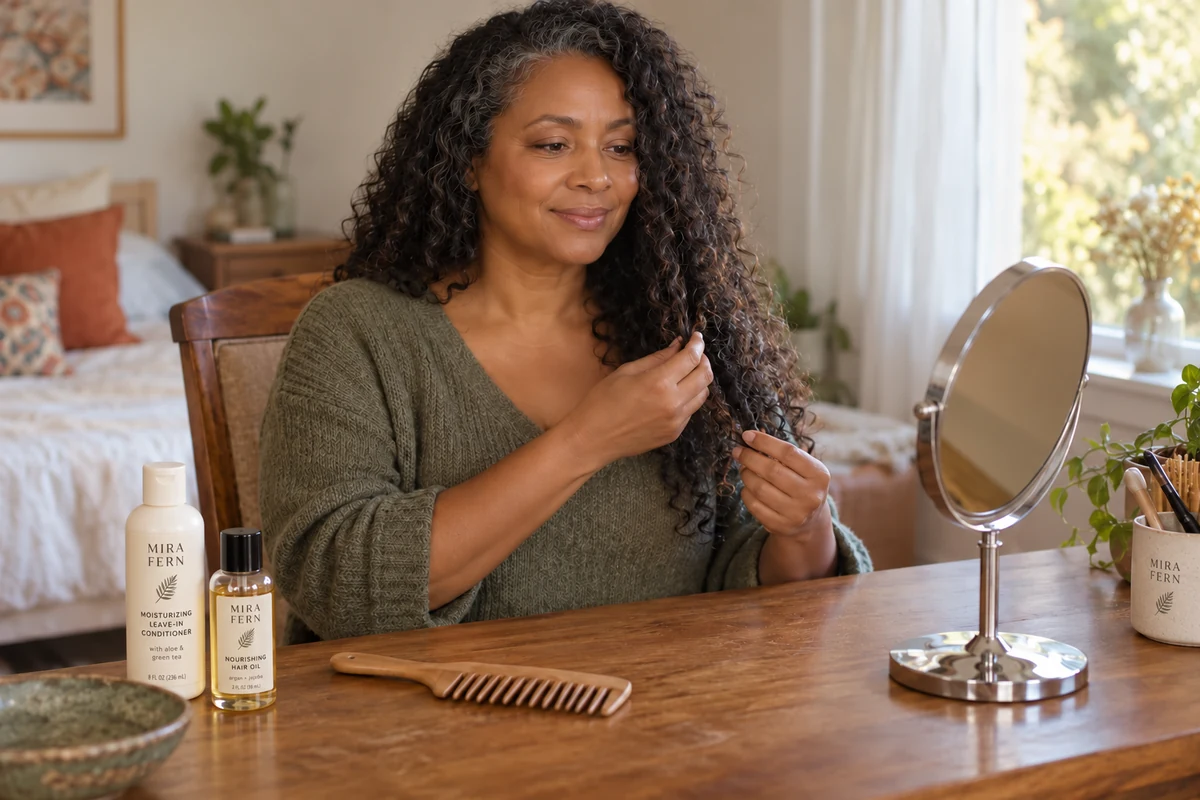
A woman seated at a dry dressing table gently holding the lower ends of her curls, with a comb and bottles nearby.
Start with the step that is hardest to manage.

Choose a setup you can manage

A man seated at a dry dressing table with both forearms resting on a folded towel beside a mirror, comb and bottles.

Set up a place to rest your arms

For brushing or styling outside the shower, sit beside a table where your forearms can rest comfortably. Use a steady chair and put supplies within reach. Follow any movement or lifting restrictions you have been given.

A woman with curls writing a routine note beside her hair-care products.

Plan pauses before you start

Set out supplies before washing, rest after rinsing, and do optional styling later. Before applying a rinse-out product, make sure you can rinse it within its directed time or have help ready. Do not extend that time to fit a break.

What helps, day to day

A woman supporting the ends of her long hair.

Bring reachable lengths forward

  • Bring a small portion toward your shoulder without pulling or bending into discomfort.
  • Lower your arms between portions.
  • Skip sections if they add work.
  • Arrange help for scalp areas or short hair you cannot reach; bringing the ends forward will not reach the roots.
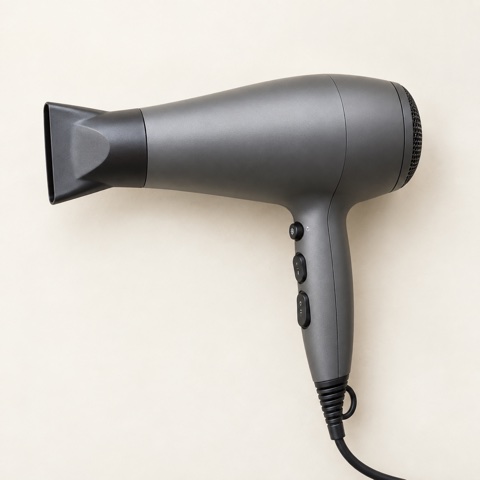
A hair dryer with a concentrator nozzle.

Check whether holding a dryer is manageable

  • With the dryer unplugged, check its weight, grip and controls in the position you would use.
  • If holding it is difficult, consider air-drying or chosen help.
  • Do not improvise a mount or prop a running dryer against furniture.
A helper in a blue shirt supports the wet hair ends while rinsing out conditioner with a handheld sprayer.

Agree on the help you want

  • Name the task: reaching the back, rinsing or checking for damp areas.
  • Agree on a comfortable position, water temperature and a word that means pause.
  • A dry dressing chair is not shower seating; ask for advice on suitable equipment if you need to sit.

Products, by the job they do

A woman choosing a bottle from a small everyday hair-care set.

Check the bottle as well as the shampoo

Keep a shampoo that suits your scalp if you can use its packaging comfortably. Try the cap, grip and dispenser before washing. If they are difficult, look for another container format or arrange help dispensing it; a pump is not always easier.

Browse cleansing products. For shampoo recommendations, share how your roots feel between washes and what you use now.

A woman smoothing conditioner through her mid-lengths and ends.

Use conditioner to ease detangling

After shampooing, put rinse-out conditioner on wet lengths that need slip. Before you start, make sure you can rinse those areas or have help ready. Work through reachable tangles gently from the ends, then rinse after the time on the bottle.

Browse rinse-out conditioners. For conditioner recommendations, share where your hair tangles and which products you have tried.

Methods that may reduce handling

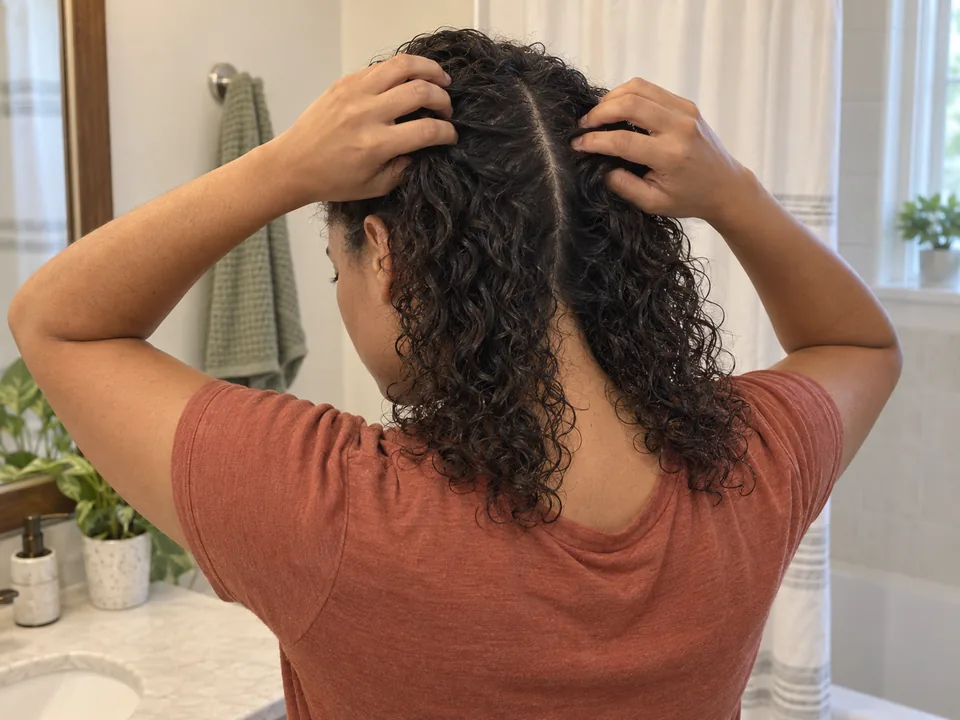
A woman uses both hands to separate her own damp curls along a rough part toward the back of her head.

Separate only as much hair as helps

Try one reachable portion first. Divide it again if it is too much to hold, and lower your arms between portions. Clips are optional: skip them if squeezing, placing or removing them adds difficulty.

Guide: Section your hair for washing and styling
A woman places her fingertips on either side of the part in her damp hair, with the lengths hanging loose.

Air-dry when you have time

Loose hair can dry without holding a dryer. Leave time for the roots and inner lengths, which may remain damp after the surface dries. If you cannot reach those areas, arrange help checking them before using a flat or curling iron.

Guide: Air-dry your hair

When to get help

A woman and a medical professional seated together, looking at a calendar.

Signs that need more than routine care

  • See a medical professional if shoulder pain is worsening or moving your arm is very difficult. Sudden severe pain, inability to move an arm, or loss of feeling needs urgent medical attention.
  • An occupational therapist can assess the tasks you find difficult and help you choose seating, equipment or ways to position your supplies. Follow existing restrictions rather than stretching farther to complete a hair-care step.

Illustrated care examples: before & after

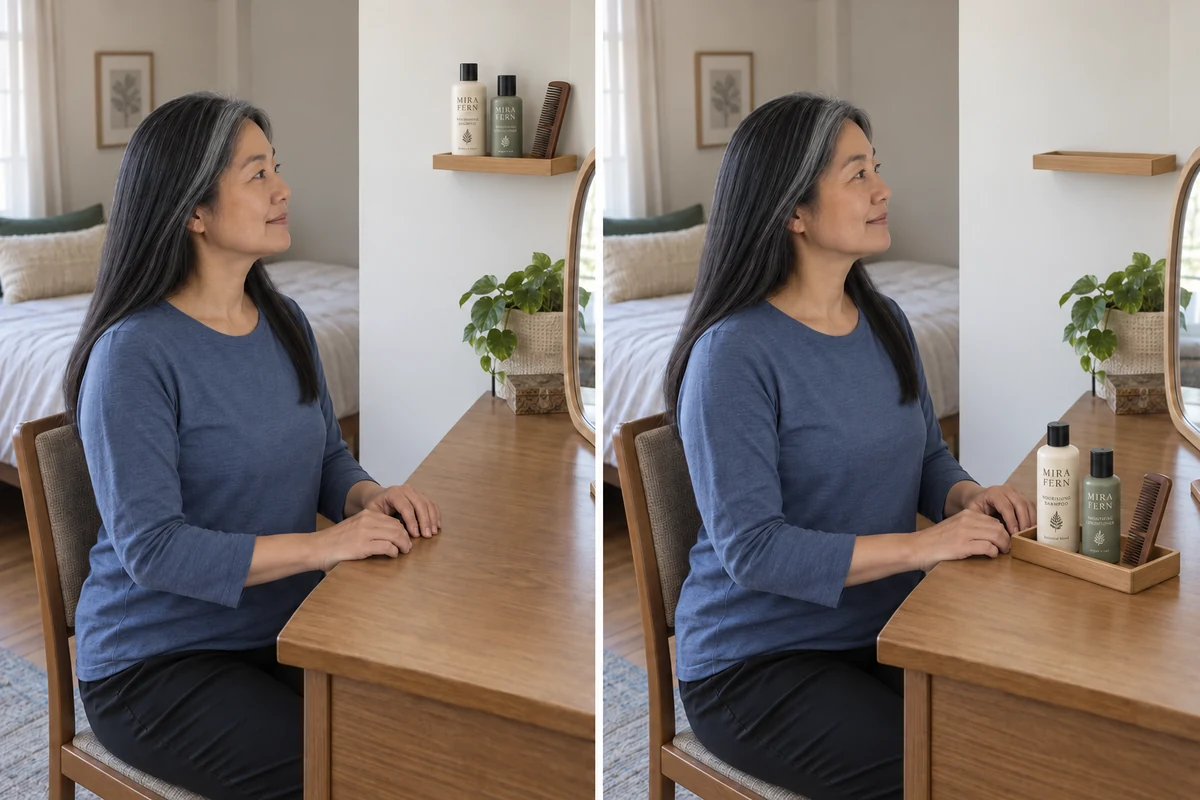
Supplies within easy reach

Illustrative setup comparison showing the same seated woman before and after two bottles and a comb move from a high shelf to a nearby tabletop tray.
Before · bottles on a high shelfAfter setup · supplies in a tabletop tray
Put the supplies you need on a nearby surface before starting. Choose a position you can reach without stretching.

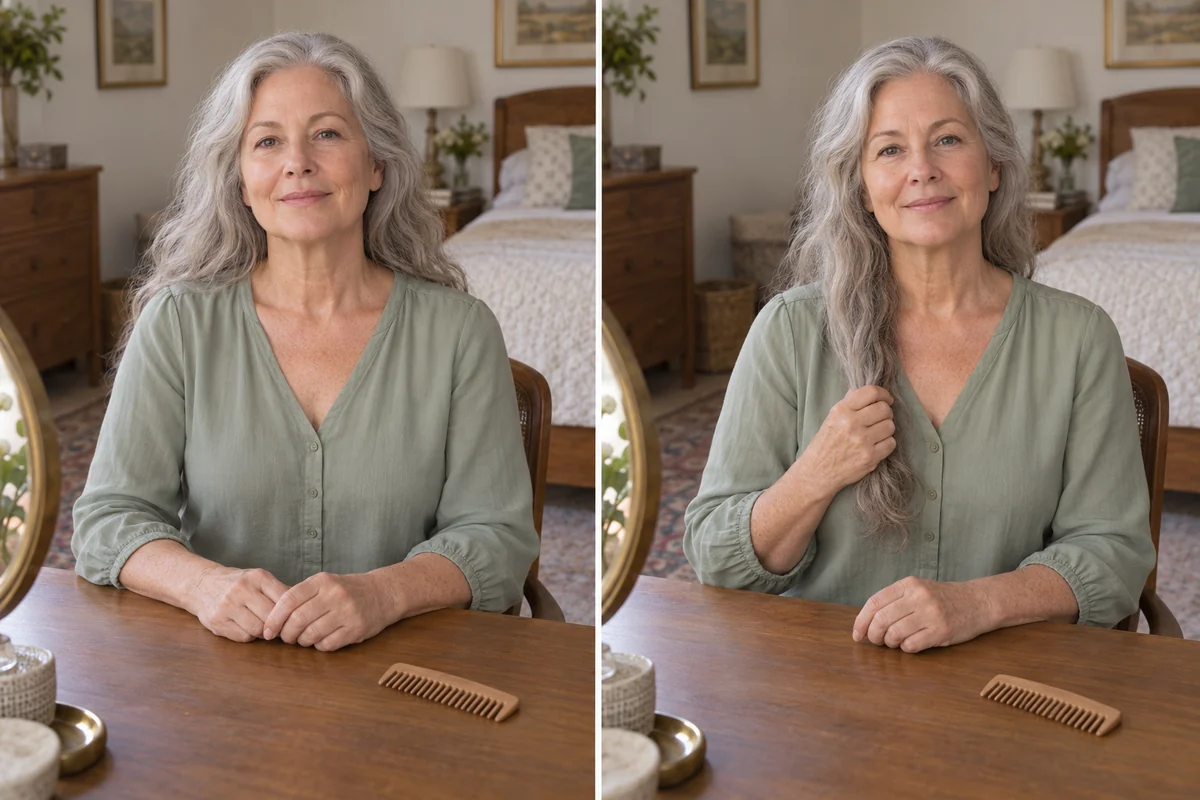
Bring a section forward

Illustrative arrangement comparison showing the same seated woman with her hair behind her shoulders, then a small portion brought forward and supported near her chest.
Before · lengths behind the shouldersAfter arranging · one section resting in front
Bring a small portion forward only as far as is comfortable. This makes the lengths easier to reach; it does not bring the roots within reach.
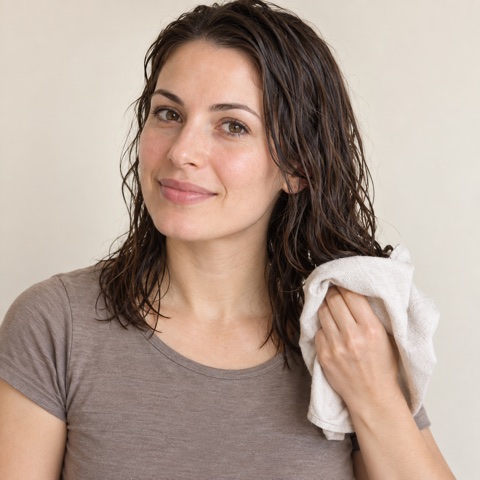
A woman gently squeezing damp hair with a towel.

Help with your hair-care routine

Bring your hair-care questions to the consultation. You can also read building a simpler hair-care routine.

  • Which steps can I manage with the reach I have today?
  • Where would a bit of help make the biggest difference?
  • What products and tools work for my hair and my arms?

Describe which areas you can reach, which tools you can hold and whether help is available. The consultation can use those limits alongside your hair length, pattern and treatments when suggesting products and routines.

The Hair Care Consultation gives you a personal plan with product recommendations, routines and guidance on your hair-care questions.

$49 with 60 days of follow-ups, or $99 with 12 months. Pay once; the year renews only if you choose.