
PRESERVATIVE
Sodium Levulinate
- preservative
A plant-derived preservative used with levulinic acid.
- products in our library
- 54
- of researched products
- 0.8%
- on the label, in our shampoos
- usually #17
- most common in
- Shampoo
- in water
- Water-soluble
At a glance
Four things worth knowing about how this ingredient behaves on hair.
How much of it is left on hair between washes.
What it takes to get it off the hair again.
What it is in the formula to protect.
Where it sits on the labels we have, in the category it appears in most.
| Property | Level | Out of |
|---|---|---|
| Buildup risk | Low | 1 of 5 |
| Rinse-out behaviour | Rinses clean | 5 of 5 |
| Role | Keeps water-based formulas | 4 of 5 |
| Prominence | Secondary | 2 of 5 |
What it does for a formula
What Sodium Levulinate does
The general function first, then how the role changes by product type where we have researched it.
Anything with water in it needs one, over the life of the bottle.
Water alone removes it, so it does not accumulate between washes.
Charge
Charge is not recorded for this ingredient.
Solubility
Rinses out with water alone, so it does not build up on hair between washes.
Where it appears
Where it appears
One row per product category in our library: how many products list it, what share of that category that is, and where it typically sits on the label.
| Product type | How common | Typical position on label ? |
|---|---|---|
Shampoo
17 products
|
secondary · #17 | |
Conditioner
12 products
|
secondary · #23 | |
Mask / treatment
7 products
|
secondary · #17 | |
Leave-in
5 products
|
secondary · #15 | |
Scalp treatment
5 products
|
supporting · #7 | |
Styler: smoothing cream
2 products
|
secondary · #20 | |
Styler: texture spray
2 products
|
secondary · #18 | |
Finisher: anti frizz finish
1 product
|
secondary · #36 | |
Finisher: serum
1 product
|
secondary · #16 | |
Heat protectant
1 product
|
secondary · #11 |
1 more product type
| Product type | How common | Typical position on label ? |
|---|---|---|
Styler: refresh spray
1 product
|
secondary · #20 |
| Product type | Products | Share of category | Median position | Earliest position | Band |
|---|---|---|---|---|---|
| Shampoo | 17 | 1% | 17 | 7 | secondary |
| Conditioner | 12 | 1% | 23 | 9 | secondary |
| Mask / treatment | 7 | 1% | 17 | 11 | secondary |
| Leave-in | 5 | 1% | 15 | 11 | secondary |
| Scalp treatment | 5 | 2% | 7 | 7 | supporting |
| Styler: smoothing cream | 2 | 2% | 20 | 13 | secondary |
| Styler: texture spray | 2 | 2% | 18 | 17 | secondary |
| Finisher: anti frizz finish | 1 | 3% | 36 | 36 | secondary |
| Finisher: serum | 1 | 1% | 16 | 16 | secondary |
| Heat protectant | 1 | 0% | 11 | 11 | secondary |
| Styler: refresh spray | 1 | 3% | 20 | 20 | secondary |
We have not researched differences by product type yet. The reading below comes from where it sits on the labels in our library.
Position footprint
Every listing in our library, by position on the label.
| Positions | Zone | Listings |
|---|---|---|
| 1-3 | Leading | 0 |
| 4-8 | Supporting | 5 |
| 9-15 | Secondary | 18 |
| 16-25 | Lower | 23 |
| 26+ | Trace | 8 |
How to read this
US labelling rules put ingredients above 1% in descending order of amount; below 1% they may be listed in any order.
So position tells you about relative amount only above that line, and we never convert a position into a percentage.
Why it matters to shoppers
What seeing this ingredient tells you, what it does not, and the limits of our own method.
- a product that keeps over its shelf life
- a rinse-clean feel
- an exact safety score (we do not publish one for any ingredient)
- how a finished product performs, which depends on the whole formula, not one line of it
- the exact percentage in a bottle, because label position never converts into a number
- a secondary preservative, listed below the main ingredients in our shampoos
- it was on the printed ingredient list of every product we counted (we read labels, not marketing copy)
- that the product would be better without one
- that a product is right or wrong for you
We do not publish safety scores or hazard grades. Where a regulator has published a restriction or a use condition, we state it and cite it; otherwise we describe what the ingredient does and stop.
Commonly paired with
The ingredients that most often appear alongside this one in our library. We leave out the near-universal ones, because they pair with everything and tell you nothing.
- Guar Hydroxypropyltrimonium Chloride · 28
- Lactic Acid · 19
- Chamomilla Recutita (Matricaria) Flower Extract · 18
- Aloe Barbadensis Leaf Juice · 18
- Levulinic Acid · 16
- Amyl Cinnamal · 14
- Arginine · 14
- Benzyl Alcohol · 14
- Sodium Gluconate · 13
- Butyrospermum Parkii (Shea) Butter · 12
The number beside a name is how many products in our library list both.
These ingredients tend to appear together to improve feel after rinsing, hold on to water, and appear on the label as plant-derived ingredients.
Found in these products
The most prominent placements first. The badge is the position on that product’s own ingredient list.
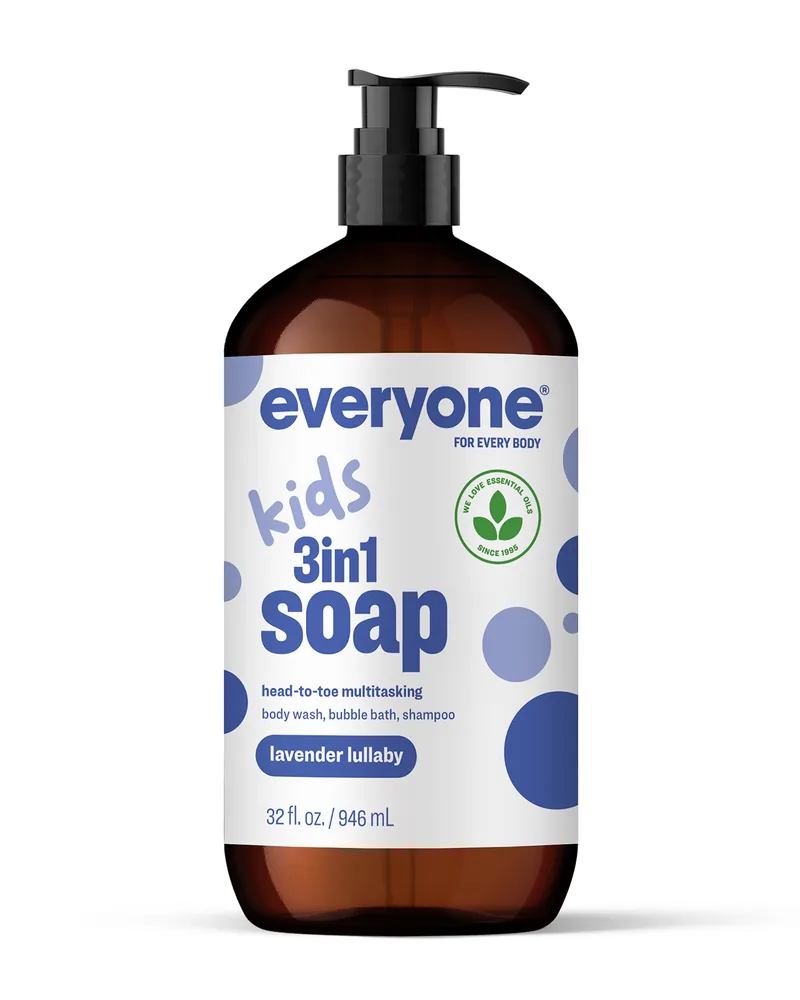 Everyone · Shampoo
Lavender Lullaby Kids 3in1 Soap
#7 on the label · $0.41/oz
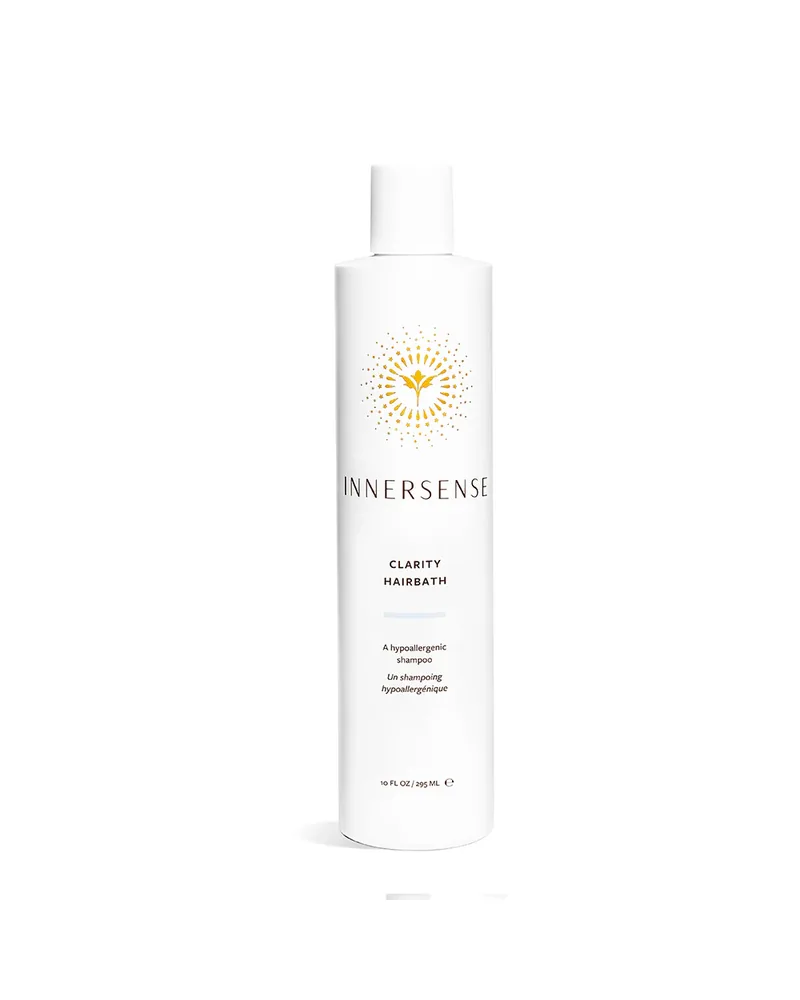 Innersense Organic Beauty · Shampoo
Clarity Hairbath
#7 on the label · $3.00/oz
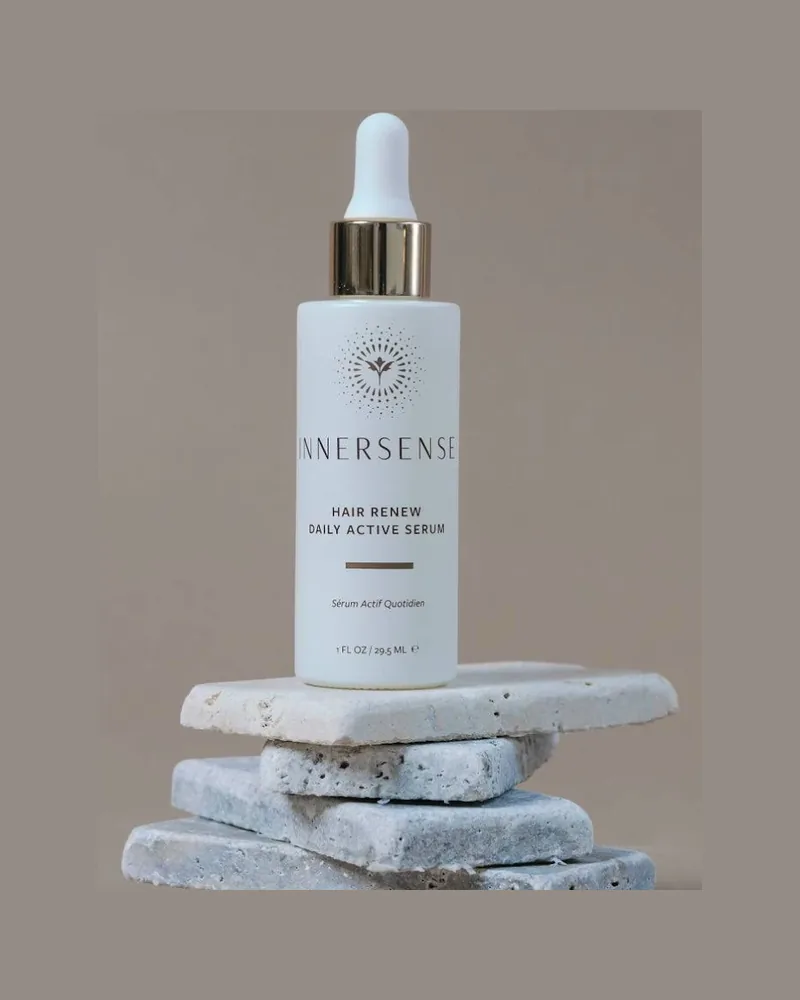 Innersense Organic Beauty · Scalp treatment
Hair Renew Daily Active Serum
#7 on the label · $42.00/oz
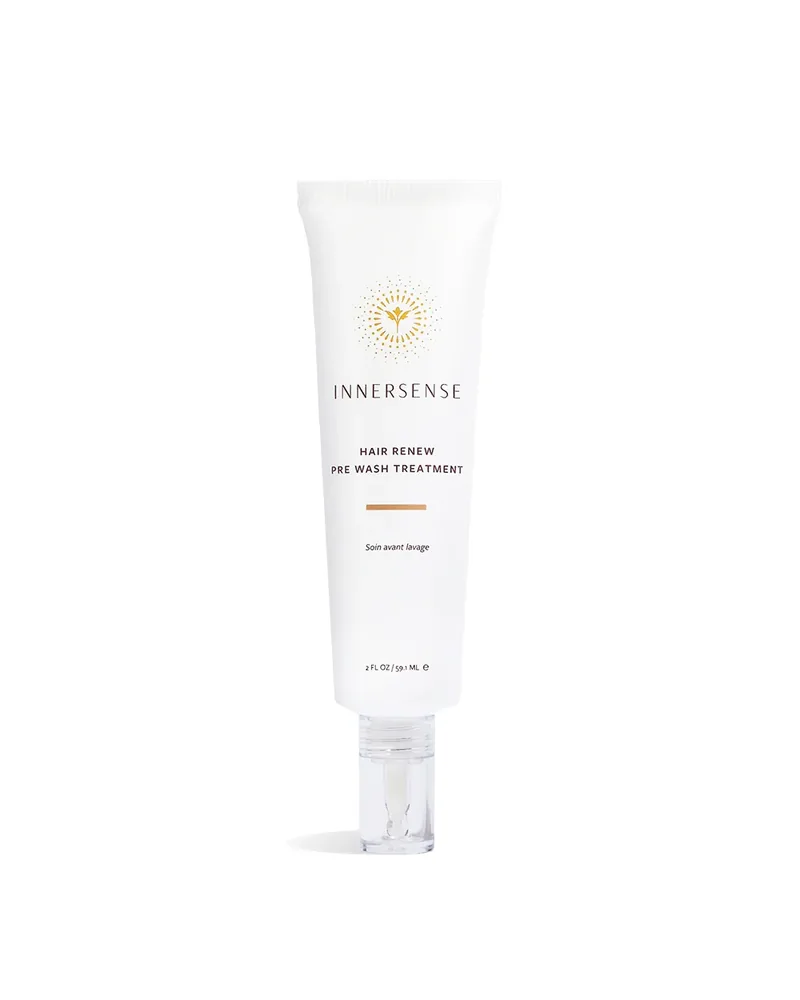 Innersense Organic Beauty · Scalp treatment
Hair Renew Pre Wash Treatment
#7 on the label · $19.00/oz
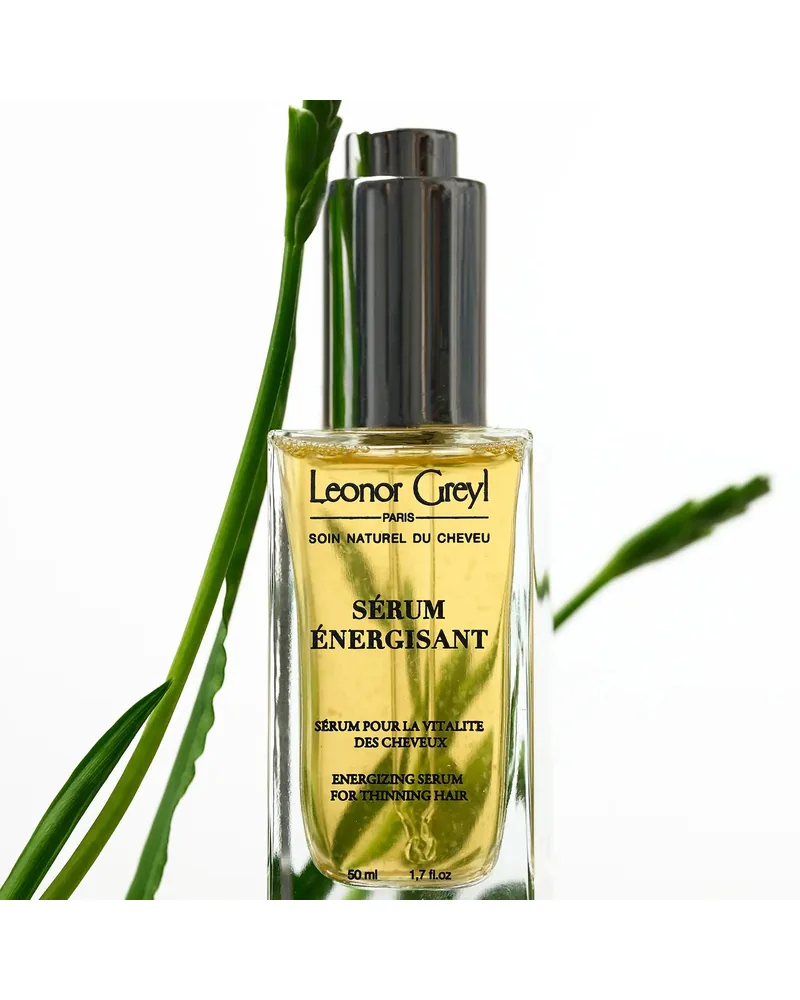 Leonor Greyl · Scalp treatment
Sérum Énergisant
#7 on the label · $76.33/oz
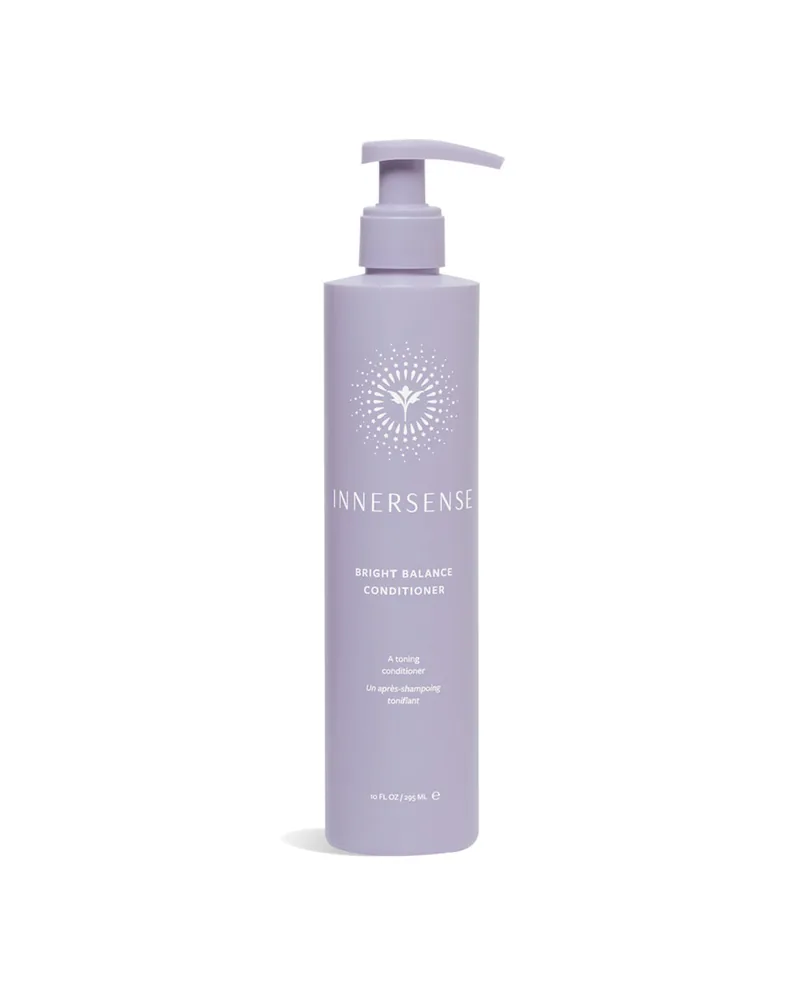 Innersense Organic Beauty · Conditioner
Bright Balance Conditioner
#9 on the label · $3.20/oz
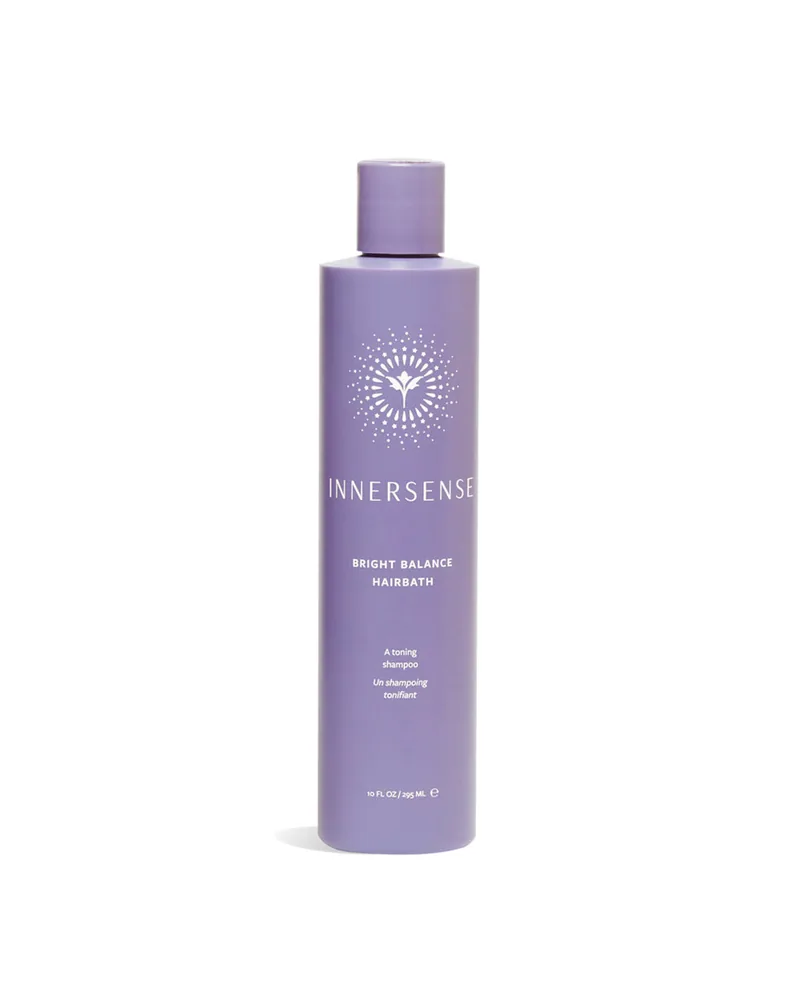 Innersense Organic Beauty · Shampoo
Bright Balance Hairbath
#9 on the label · $4.24/oz
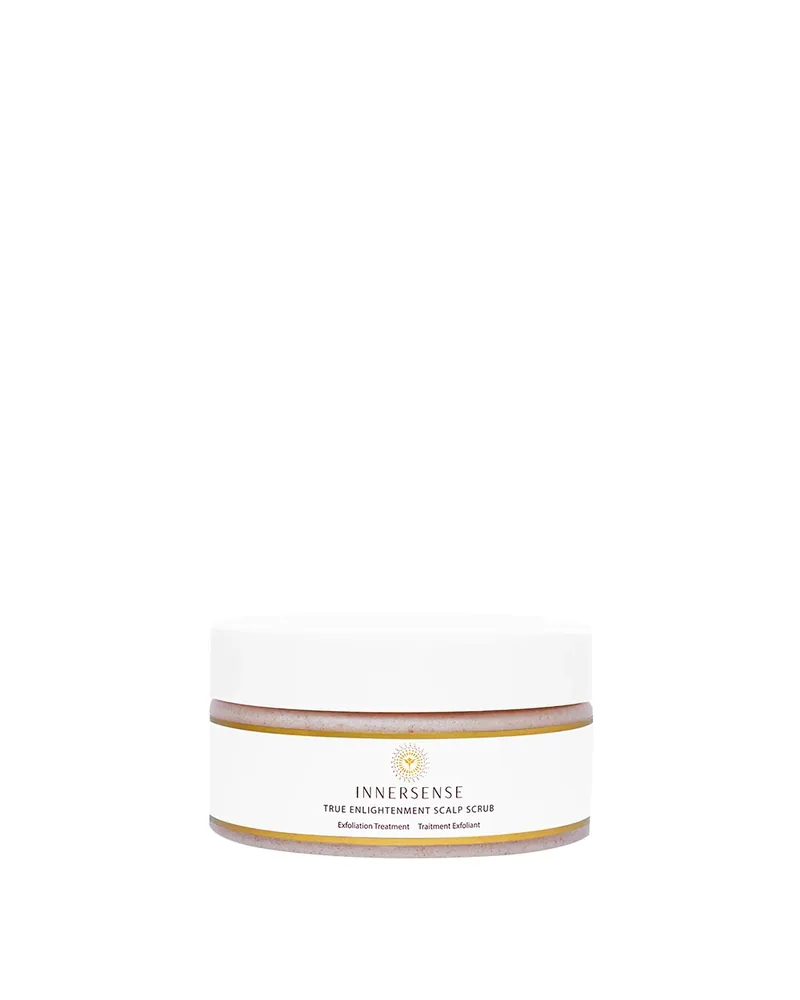 Innersense Organic Beauty · Scalp treatment
True Enlightenment Scalp Scrub
#9 on the label · $6.27/oz
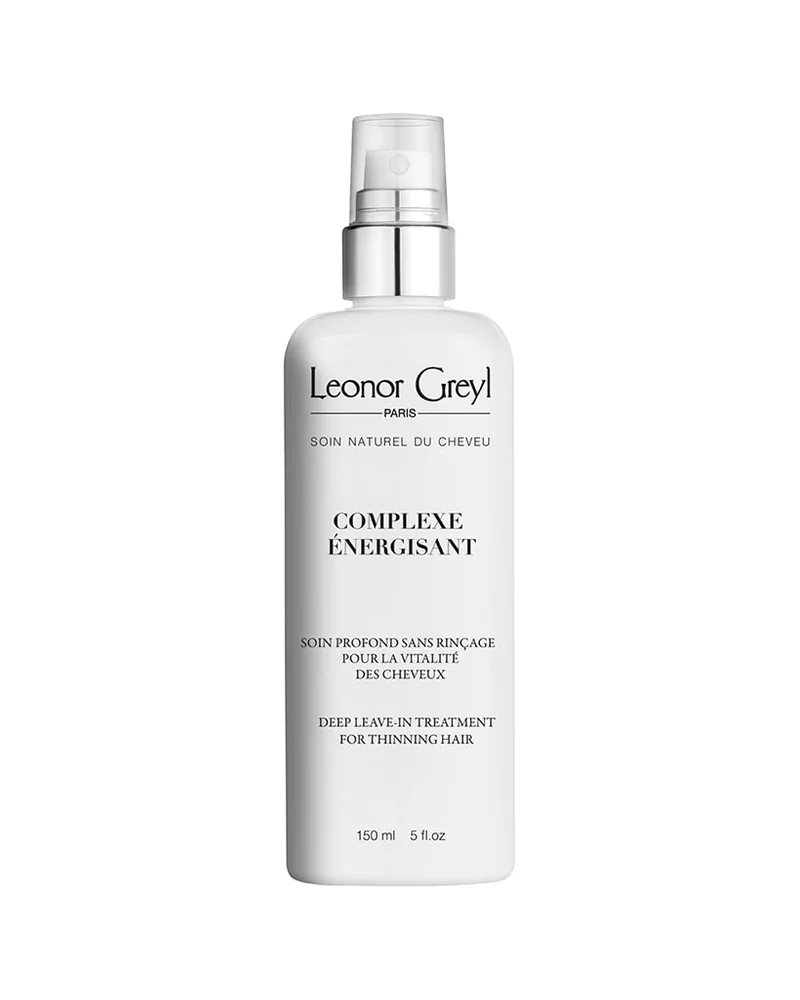 Leonor Greyl · Scalp treatment
Complexe Énergisant
#9 on the label · $19.53/oz
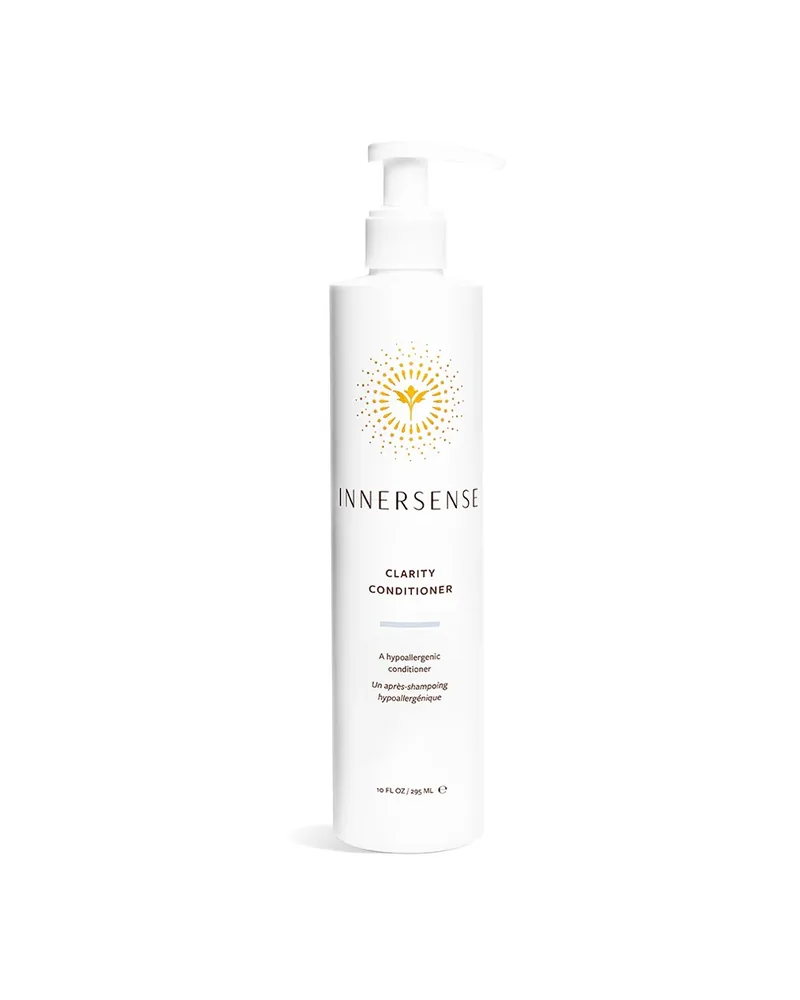 Innersense Organic Beauty · Conditioner
Clarity Conditioner
#10 on the label · $3.00/oz
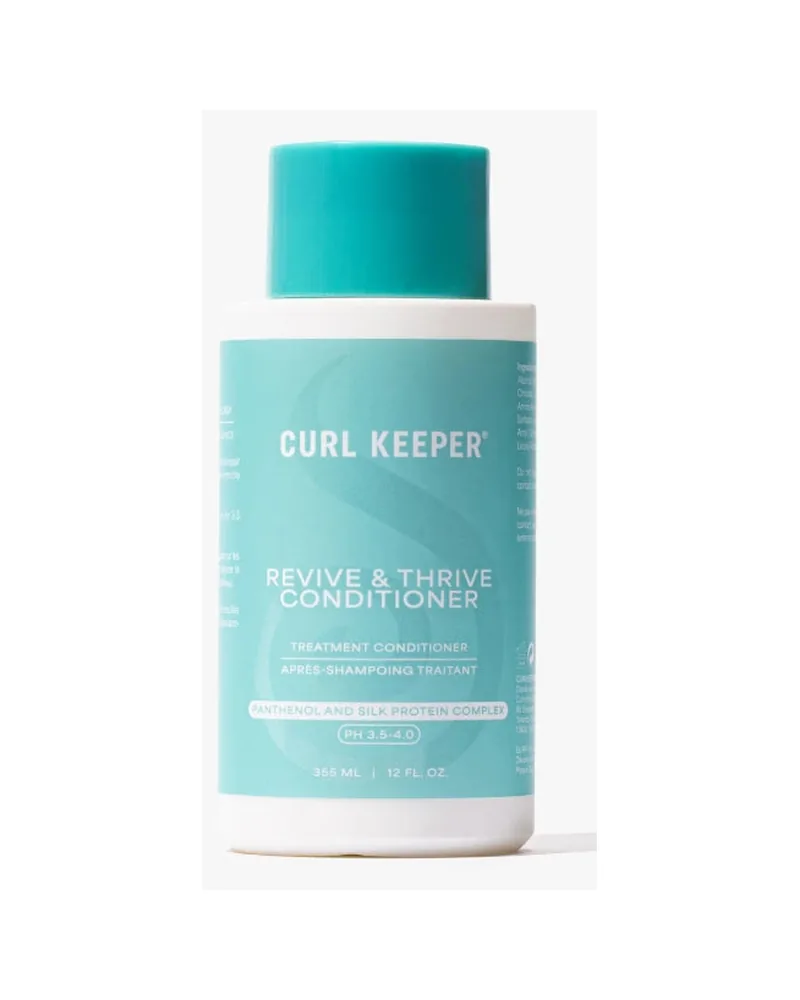 Curl Keeper · Conditioner
Revive & Thrive - Treatment Conditioner
#11 on the label · $3.00/oz
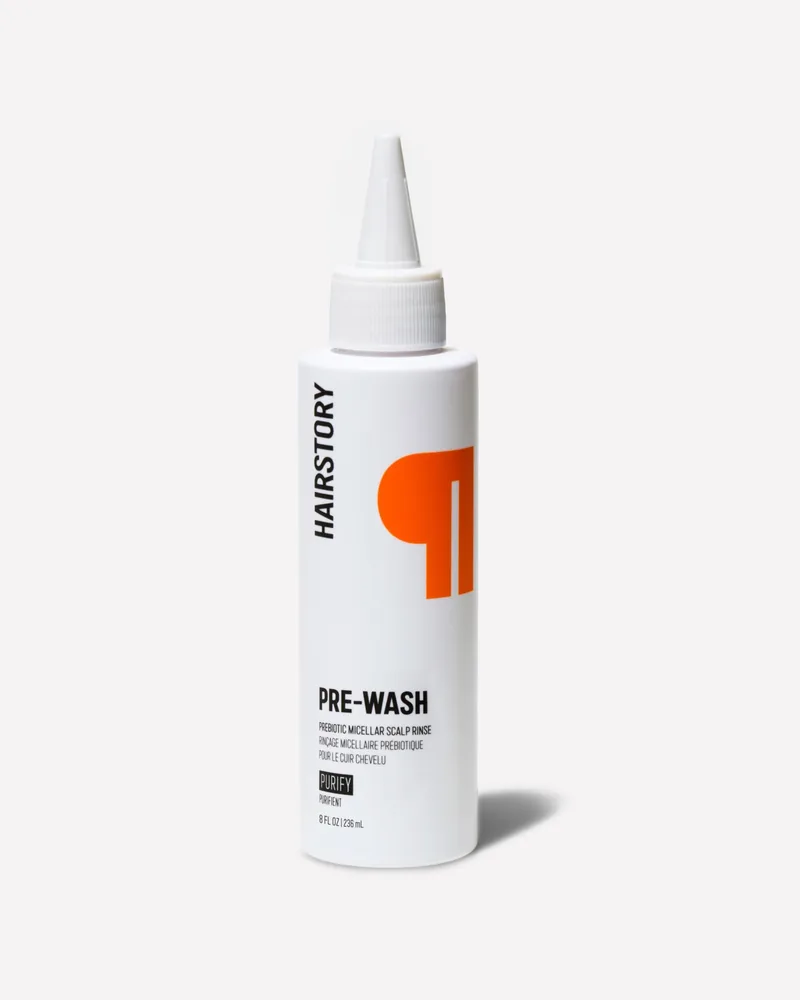 Hairstory · Mask / treatment
Pre-Wash
#11 on the label · $5.88/oz
See all 54 products in the library that list Sodium Levulinate
Identity
What this entry is, and what our references call it.
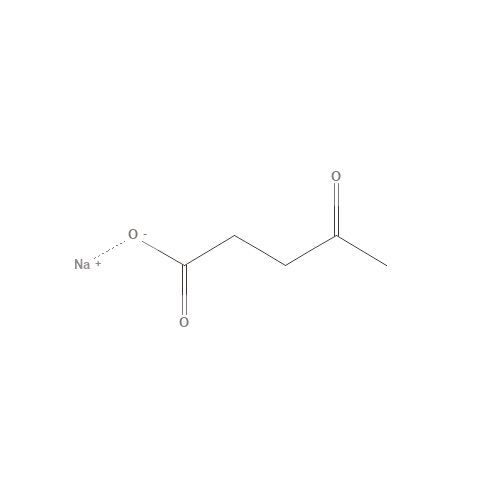
Sodium Levulinate
- CAS 19856-23-6
- PubChem 23662139
- sodium levulinate
For your hair?
Whether Sodium Levulinate matters for your hair depends on your hair.
54 products in our library list itWhat this ingredient does, and where it sits on the labels we have researched.
A verdict on any product that contains it, and never a safety grade.
We do not physically test your hair. Everything above comes from the ingredient lists in our library and from published references. The consultation is what turns it into a plan.
References
Sourced Backed by a manufacturer or regulatory source.
This ingredient
- Manufacturer or regulatory PubChem : Compound identity: CID 23662139, CAS 19856-23-6, C5H7NaO3 · accessed 2026-08-28
How this page was made
- Every number above is counted from the ingredient lists in our own product library: 54 of 6816 researched products list this ingredient. Nothing on this page is written per ingredient.
- The dots are levels, not scores. Each one comes from what kind of ingredient it is (its chemical class, charge and solubility) or from where it sits on the labels we have.
- US labelling rules put ingredients above 1% in descending order of amount; below 1% they may be listed in any order. Position tells you about relative amount only above that line, and we never convert a position into a percentage.
- The prominence bands (leading, supporting, secondary) are the same ones the product pages use to read a single label, applied here to the median position across a category.
- We do not publish safety scores or hazard grades. Where a regulator has published a restriction or a use condition, we state it and cite it; otherwise we describe what the ingredient does and stop.
- Identifiers and references appear only when a published source is attached to this entry. Without one, we leave the row out rather than fill it in.
- This is cosmetic information, not medical advice, and nothing here diagnoses or treats a health condition.
- Entry last updated 2026-09-22. Product-page methodology: the product library.