
SILICONE
Quaternium-80
- silicone
A conditioning silicone with a positive charge, so it deposits where hair is damaged and stays through rinsing.
- products in our library
- 193
- of researched products
- 3%
- on the label, in our conditioners
- usually #12
- most common in
- Conditioner
- in water
- Water-dispersible
At a glance
Four things worth knowing about how this ingredient behaves on hair.
How much of it is left on hair between washes.
What it takes to get it off the hair again.
How much easier it makes a comb pass.
How much the class is felt on fine hair.
| Property | Level | Out of |
|---|---|---|
| Buildup risk | Low | 2 of 5 |
| Rinse-out behaviour | Stays where hair is damaged | 2 of 5 |
| Slip | High | 5 of 5 |
| Weight | Noticeable | 4 of 5 |
What it does for a formula
What Quaternium-80 does
The general function first, then how the role changes by product type where we have researched it.
Fills the gaps between lifted cuticle scales so light reflects evenly.
Lowers the drag a comb feels, which is most of what "detangling" means.
Positive charge is drawn to the negatively charged, worn patches of a strand.
The measurable part of conditioning: less force to pull a comb through.
Charge
Positively charged, so it is drawn to the negatively charged, damaged areas of hair and stays behind after rinsing. That is why conditioning happens where the wear is.
Solubility
Spreads through water without truly dissolving, and normal shampooing removes it.
Where it appears
Where it appears
One row per product category in our library: how many products list it, what share of that category that is, and where it typically sits on the label.
| Product type | How common | Typical position on label ? |
|---|---|---|
Conditioner
58 products
|
secondary · #12 | |
Leave-in
56 products
|
secondary · #10 | |
Shampoo
32 products
|
secondary · #19 | |
Mask / treatment
30 products
|
secondary · #17 | |
Styler: curl cream
4 products
|
secondary · #24 | |
Co-wash
3 products
|
supporting · #6 | |
Styler: refresh spray
3 products
|
secondary · #12 | |
Styler: mousse
2 products
|
secondary · #10 | |
Finisher: anti frizz finish
1 product
|
secondary · #29 | |
Heat protectant
1 product
|
supporting · #4 |
3 more product types
| Product type | How common | Typical position on label ? |
|---|---|---|
Styler: smoothing cream
1 product
|
secondary · #33 | |
Styler: texture spray
1 product
|
supporting · #5 | |
Styler: volumizer
1 product
|
secondary · #16 |
| Product type | Products | Share of category | Median position | Earliest position | Band |
|---|---|---|---|---|---|
| Conditioner | 58 | 5% | 12 | 3 | secondary |
| Leave-in | 56 | 8% | 10 | 4 | secondary |
| Shampoo | 32 | 2% | 19 | 8 | secondary |
| Mask / treatment | 30 | 5% | 17 | 5 | secondary |
| Styler: curl cream | 4 | 2% | 24 | 12 | secondary |
| Co-wash | 3 | 3% | 6 | 4 | supporting |
| Styler: refresh spray | 3 | 9% | 12 | 8 | secondary |
| Styler: mousse | 2 | 1% | 10 | 9 | secondary |
| Finisher: anti frizz finish | 1 | 3% | 29 | 29 | secondary |
| Heat protectant | 1 | 0% | 4 | 4 | supporting |
| Styler: smoothing cream | 1 | 1% | 33 | 33 | secondary |
| Styler: texture spray | 1 | 1% | 5 | 5 | supporting |
| Styler: volumizer | 1 | 1% | 16 | 16 | secondary |
We have not researched differences by product type yet. The reading below comes from where it sits on the labels in our library.
Position footprint
Every listing in our library, by position on the label.
| Positions | Zone | Listings |
|---|---|---|
| 1-3 | Leading | 1 |
| 4-8 | Supporting | 46 |
| 9-15 | Secondary | 65 |
| 16-25 | Lower | 58 |
| 26+ | Trace | 23 |
How to read this
US labelling rules put ingredients above 1% in descending order of amount; below 1% they may be listed in any order.
So position tells you about relative amount only above that line, and we never convert a position into a percentage.
Who should pay attention
Formulation guidance for specific hair conditions, limited to the label positions where it applies. It is not a conclusion about any finished product, or about you.
A surface film slows how quickly humidity reaches the cortex, which is what limits swelling-driven frizz in damp air.
Amino-functional silicone carries a positive charge, so it binds where the cuticle is worn rather than coating evenly. Damaged areas get most of it.
Film formers are what hold a style: they dry into a connected film across the strands so the shape resists movement.
Its charge concentrates it on the damaged sections of a strand, which is where combing friction and breakage are highest.
It deposits selectively rather than layer on layer, but it is still a silicone film, and ordinary shampooing may not remove all of it.
How rigid the finish is depends on which polymer it is and what the formula pairs with it, not on there being one.
Near the top of a list, a conditioning film adds weight that fine hair loses volume to.
Read where it is listed in the first three ingredients or positions 4–8.Read from this ingredient’s chemical class. Where we have researched the ingredient itself, that reading replaces the class one.
Why it matters to shoppers
What seeing this ingredient tells you, what it does not, and the limits of our own method.
- detangling
- thick or coarse hair
- slip and surface smoothing
- detangling and less breakage from combing
- an exact safety score (we do not publish one for any ingredient)
- how a finished product performs, which depends on the whole formula, not one line of it
- the exact percentage in a bottle, because label position never converts into a number
- a secondary silicone, listed below the main ingredients in our conditioners
- it was on the printed ingredient list of every product we counted (we read labels, not marketing copy)
- it is meant to stay on the hair rather than rinse away
- buildup, since the water-soluble ones rinse out with ordinary shampoo
- that a product is right or wrong for you
We do not publish safety scores or hazard grades. Where a regulator has published a restriction or a use condition, we state it and cite it; otherwise we describe what the ingredient does and stop.
Why some people avoid it
A conditioning agent that lays a smooth film on the cuticle, which is what delivers slip, shine and frizz control.
The water-insoluble ones need a detergent wash to remove, so on a routine that avoids detergent they accumulate and can leave hair feeling coated. That is the curly-method objection, and it is about buildup rather than harm. Water-soluble silicones rinse out and do not raise it.
Where regulators stand: Permitted. Some cyclic silicones are restricted in the EU on environmental grounds (they persist in waterways), not for anything to do with skin.
A formulation preference, not a regulatory finding
Commonly paired with
The ingredients that most often appear alongside this one in our library. We leave out the near-universal ones, because they pair with everything and tell you nothing.
- Propylene Glycol · 138
- Behentrimonium Chloride · 109
- Ethylhexylglycerin · 78
- Cetrimonium Chloride · 72
- Cetyl Alcohol · 66
- Hexyl Cinnamal · 59
- Isopropyl Alcohol · 58
- Benzyl Alcohol · 58
- Caprylyl Glycol · 56
- Stearyl Alcohol · 40
The number beside a name is how many products in our library list both.
These ingredients tend to appear together to carry the formula and let it dry, improve feel after rinsing, and soften the strand.
Found in these products
The most prominent placements first. The badge is the position on that product’s own ingredient list.
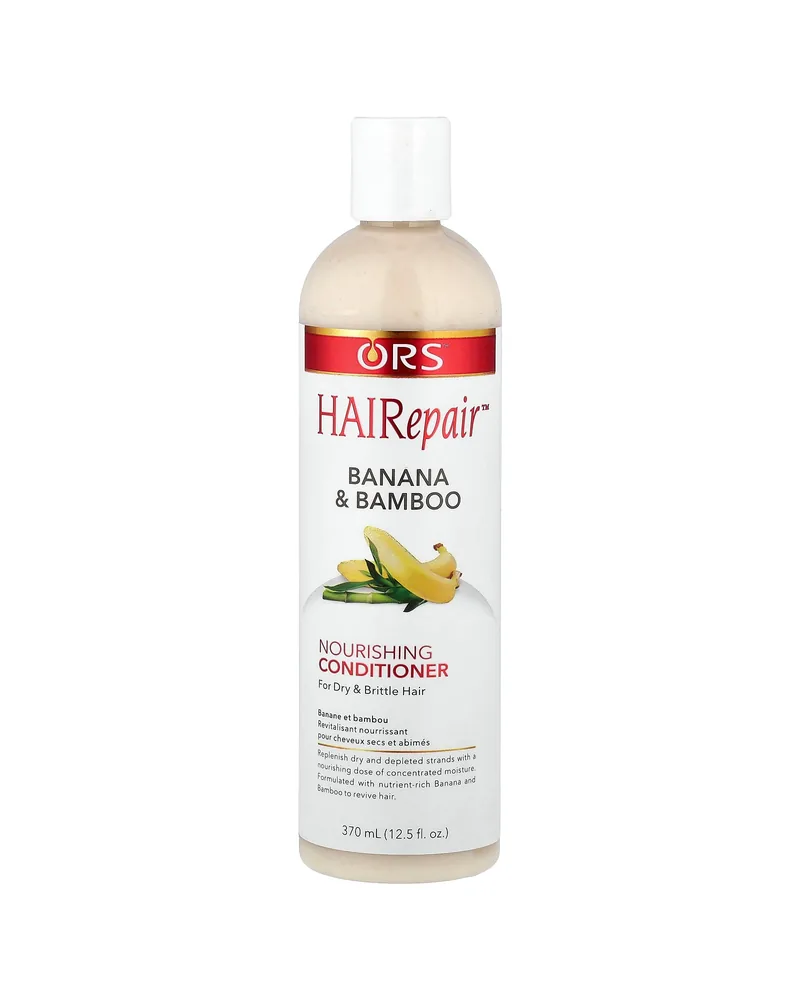 ORS · Conditioner
HAIRepair Banana & Bamboo Nourishing Conditioner
#3 on the label · $0.88/oz
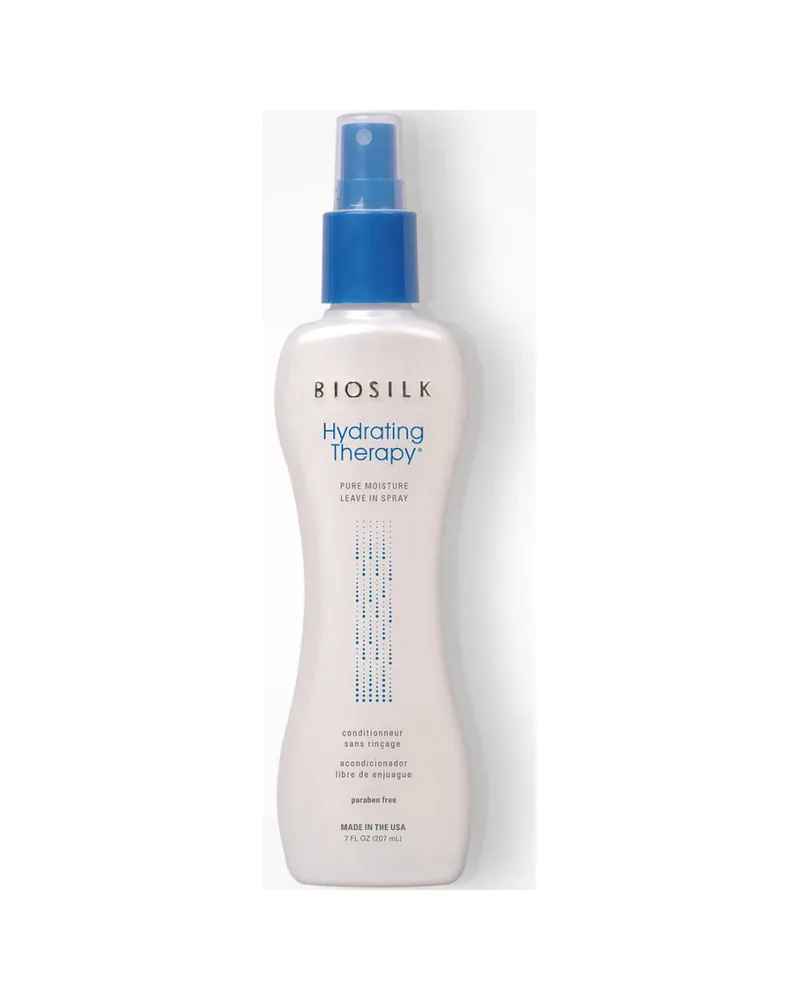 BioSilk · Leave-in
Hydrating Therapy Pure Moisture Leave-In Spray
#4 on the label · $2.14/oz
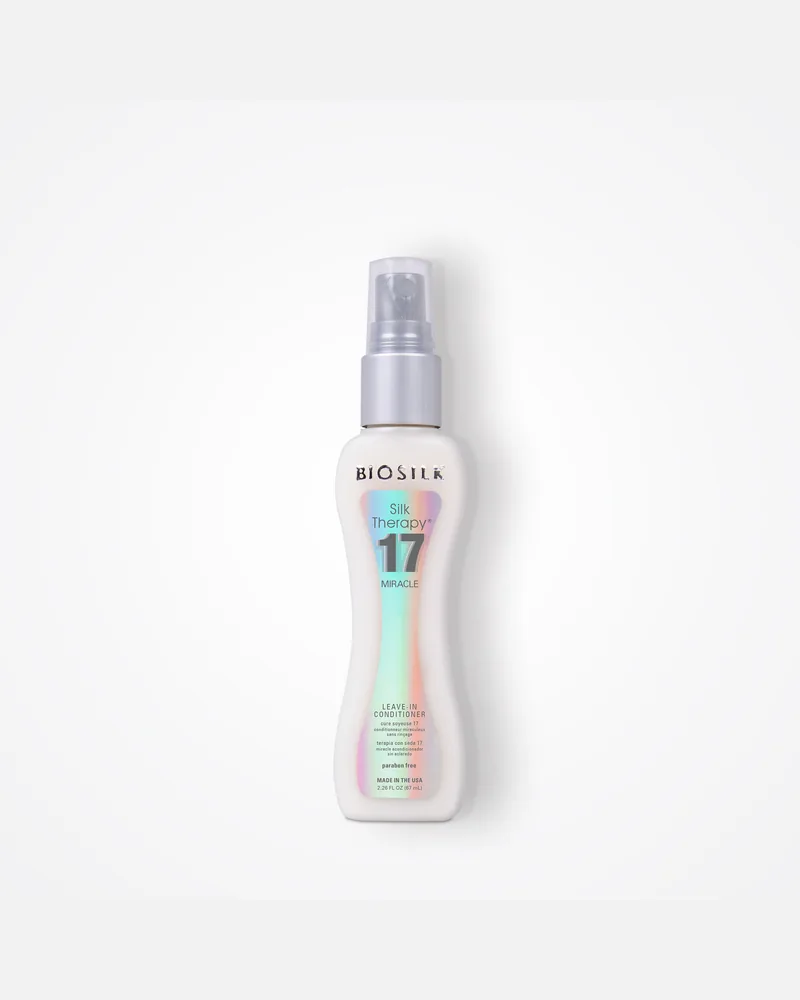 BioSilk · Leave-in
Silk Therapy Miracle 17
#4 on the label · $4.61/oz
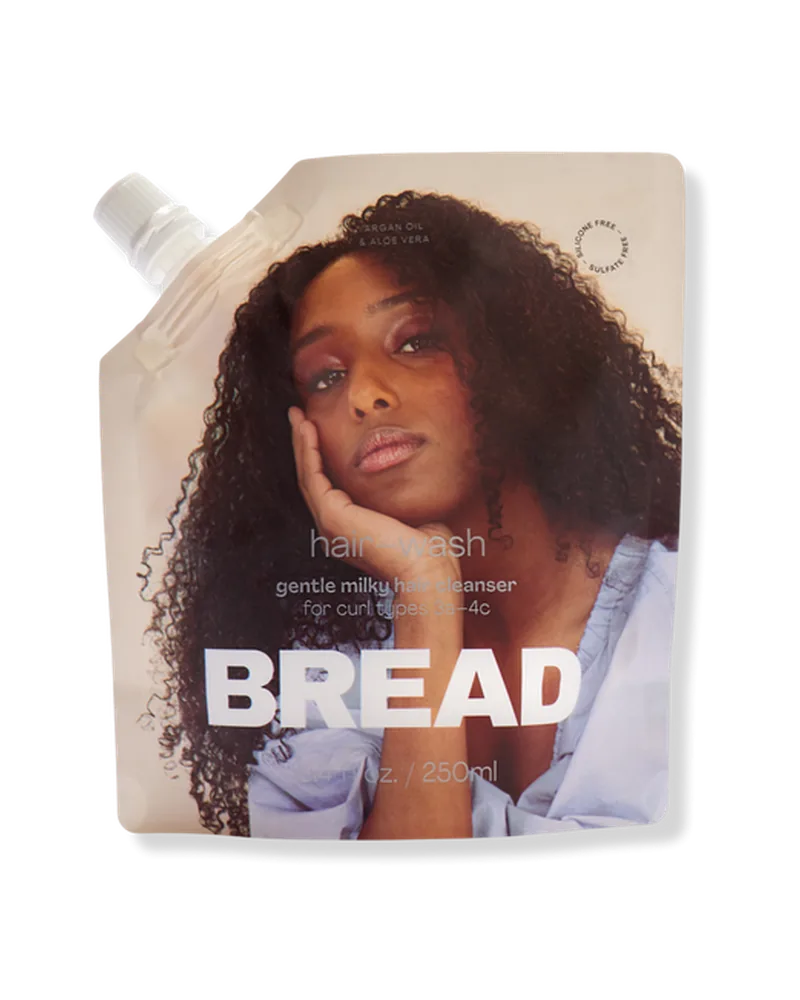 Bread Beauty Supply · Co-wash
Hair-Wash Milky Hair Cleanser
#4 on the label · $2.38/oz
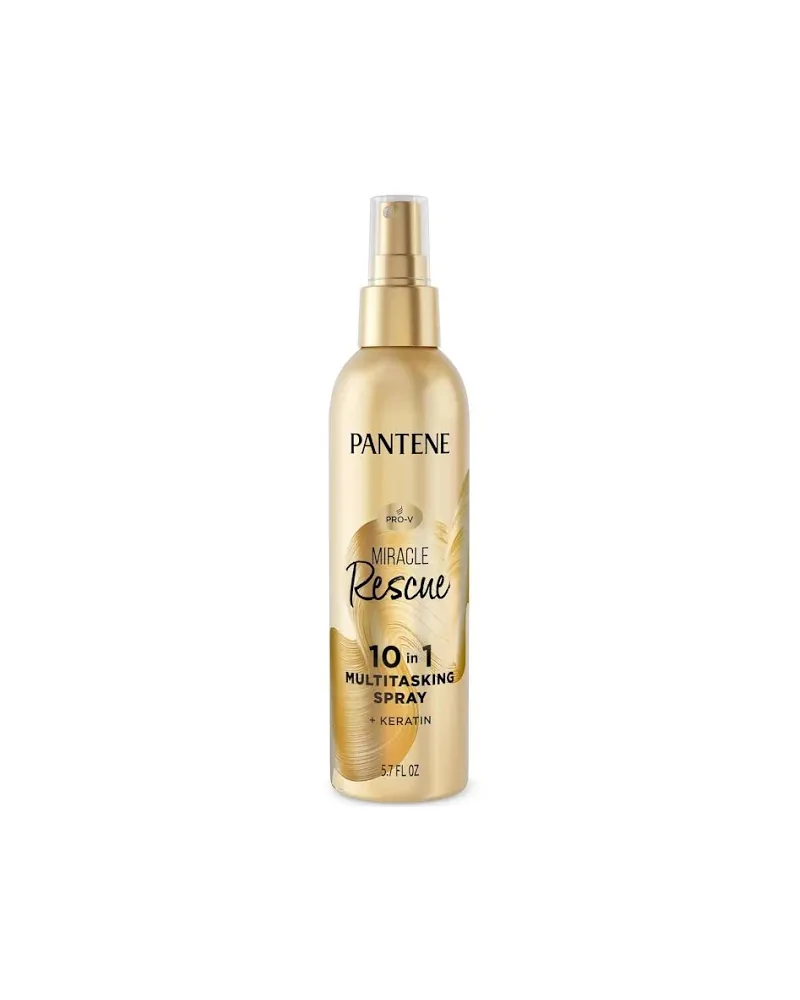 Pantene · Heat protectant
Miracle Rescue 10-in-1 Multitasking Spray + Keratin
#4 on the label · $2.27/oz
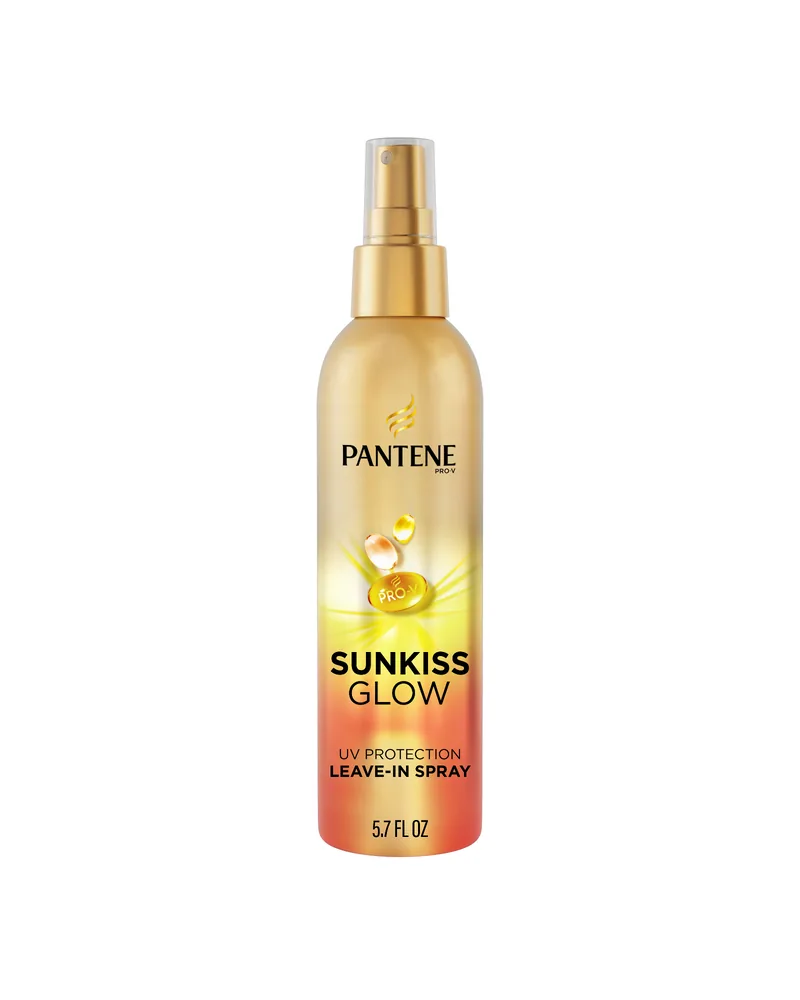 Pantene · Leave-in
Sunkiss Glow Spray UV Hair Protection Leave-In Conditioning Treatment
#4 on the label · $1.75/oz
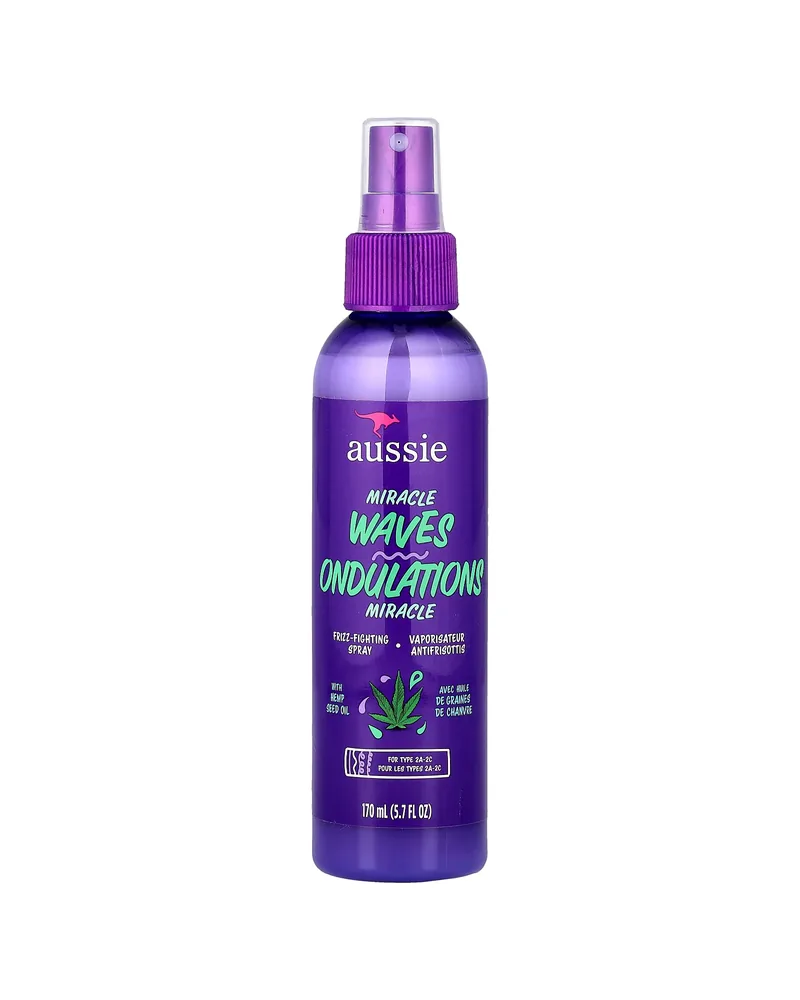 Aussie · Styler
Miracle Waves Frizz-Fighting Spray
#5 on the label · $1.23/oz
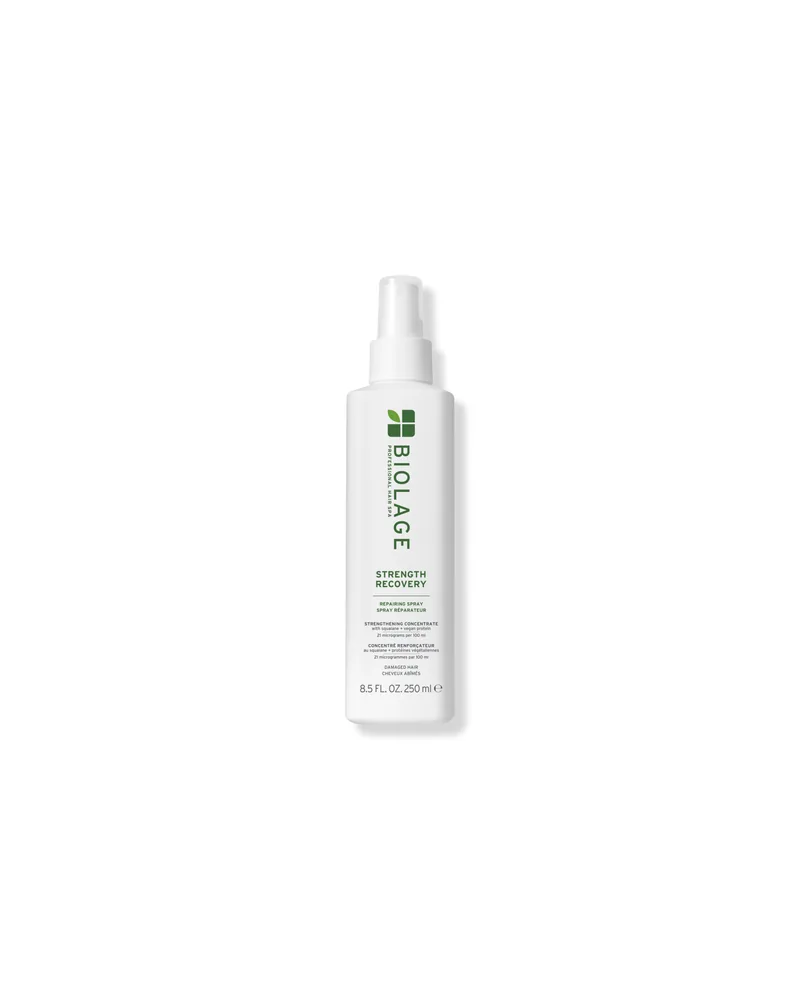 Biolage · Leave-in
Strength Recovery Repairing & Strengthening Spray
#5 on the label · $2.82/oz
 Herbal Essences · Leave-in
Conditioning Hair Detangling Spray with Frizz Control (Smooth Rose Hips)
#5 on the label · $0.86/oz
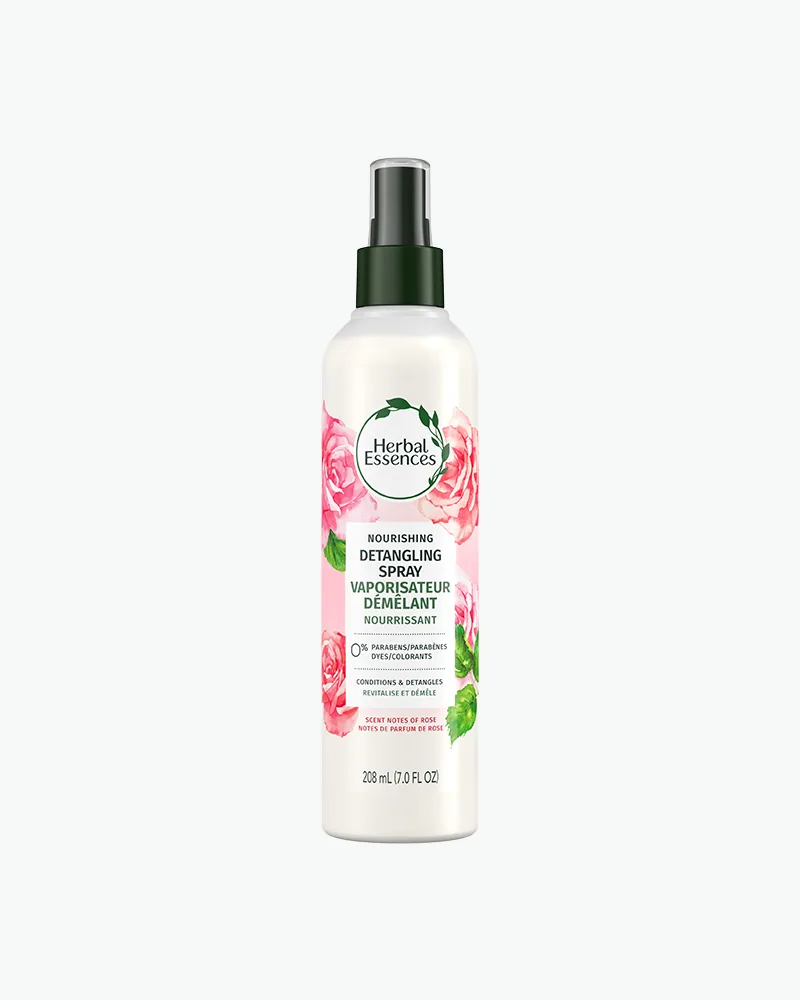
 Herbal Essences · Leave-in
Nourishing Detangling Spray for All Hair Types
#5 on the label · $0.71/oz
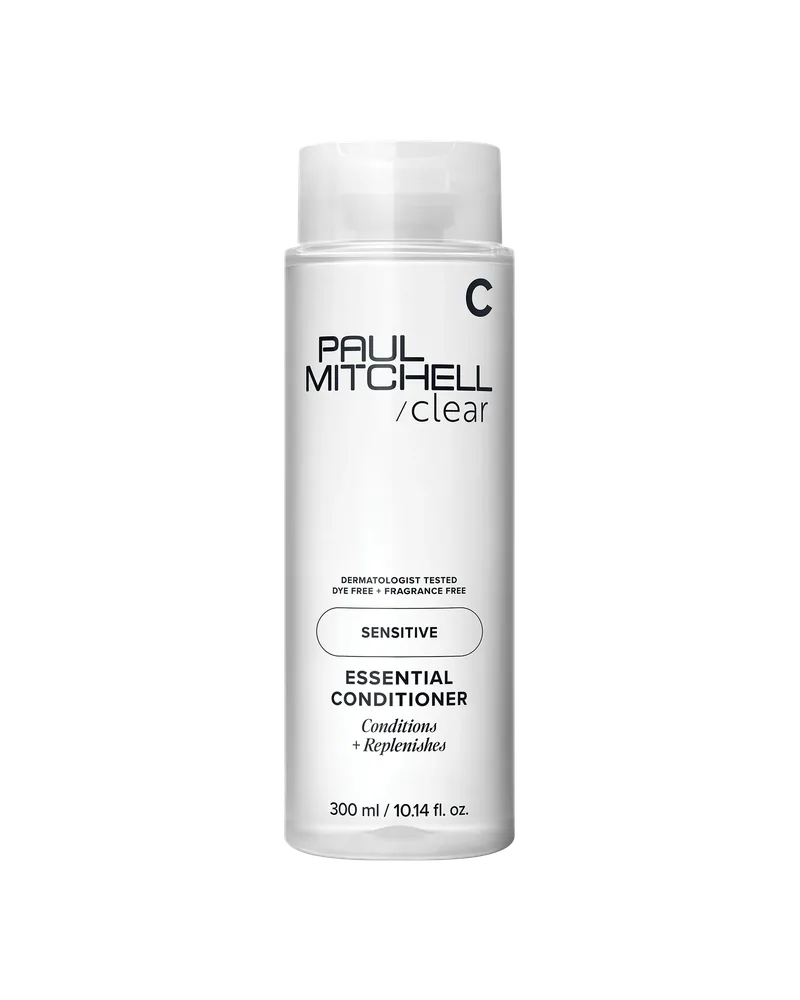 Paul Mitchell · Conditioner
Clear Essential Conditioner
#5 on the label · $1.97/oz
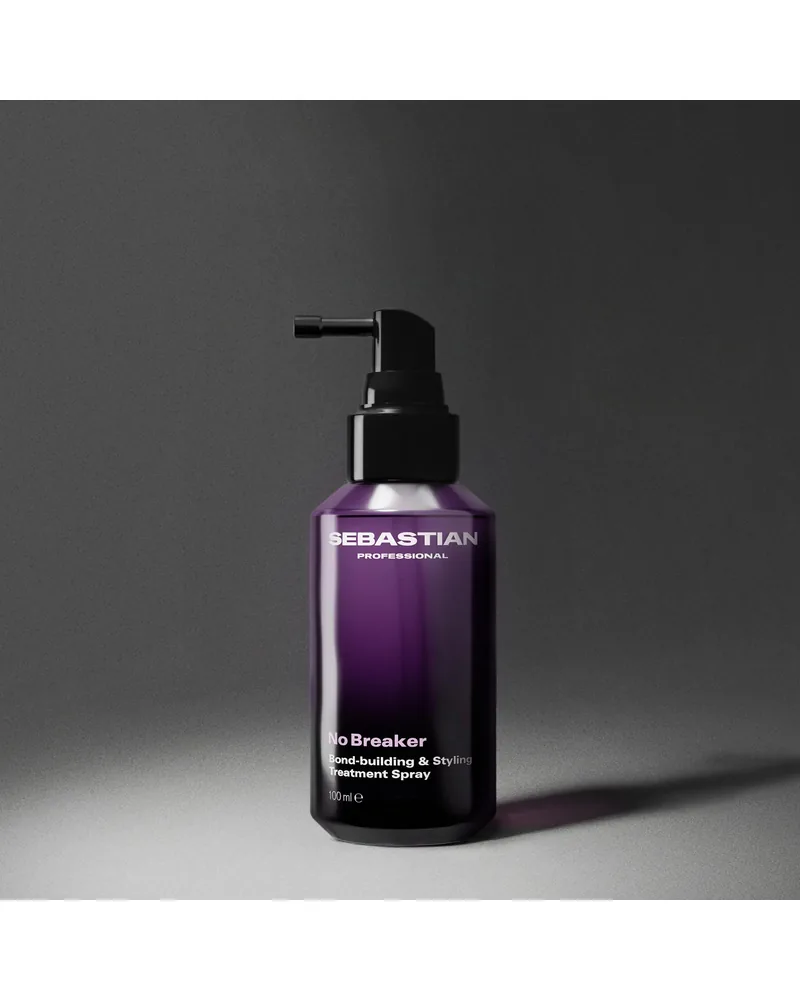 Sebastian · Leave-in
No Breaker - Bond-building & Styling Treatment Spray
#5 on the label · $8.79/oz
Identity
What this entry is, and what our references call it.
No public-domain structure depiction is available for this entry.
Quaternium-80
- conditioning agent
- film former
- quaternium 80
- quaternium-80
For your hair?
Whether Quaternium-80 matters for your hair depends on your hair.
the 7th most-listed silicone in our libraryWhat this ingredient does, and where it sits on the labels we have researched.
A verdict on any product that contains it, and never a safety grade.
We do not physically test your hair. Everything above comes from the ingredient lists in our library and from published references. The consultation is what turns it into a plan.
References
Seed entry, sourcing in progress Written from our reference work; primary sourcing is still being attached.
No published source is attached to this entry yet.
How this page was made
- Every number above is counted from the ingredient lists in our own product library: 193 of 6816 researched products list this ingredient. Nothing on this page is written per ingredient.
- The dots are levels, not scores. Each one comes from what kind of ingredient it is (its chemical class, charge and solubility) or from where it sits on the labels we have.
- US labelling rules put ingredients above 1% in descending order of amount; below 1% they may be listed in any order. Position tells you about relative amount only above that line, and we never convert a position into a percentage.
- The prominence bands (leading, supporting, secondary) are the same ones the product pages use to read a single label, applied here to the median position across a category.
- We do not publish safety scores or hazard grades. Where a regulator has published a restriction or a use condition, we state it and cite it; otherwise we describe what the ingredient does and stop.
- Identifiers and references appear only when a published source is attached to this entry. Without one, we leave the row out rather than fill it in.
- This is cosmetic information, not medical advice, and nothing here diagnoses or treats a health condition.
- Entry last updated 2026-09-22. Product-page methodology: the product library.