DRYING ALCOHOL
Isopropanol
- drying alcohol
A fast-evaporating alcohol used as a solvent and to speed drying. Low on a list it is a processing aid; high on one it can leave hair feeling dry.
- products in our library
- 4
- of researched products
- 0.1%
- on the label, in our heat protectants
- usually #36
- most common in
- Heat protectant
- in water
- Volatile
At a glance
Four named levels, read from this ingredient’s chemical class, its charge, its solubility, or where it sits on the labels we have. More dots means more of the property named — never “better”.
How much of it is left on hair between washes.
What it takes to get it off the hair again.
How fast it leaves after the product is applied.
What is still on the hair once it has evaporated.
| Property | Level | Out of |
|---|---|---|
| Buildup risk | None left behind | 1 of 5 |
| Rinse-out behaviour | Rinses clean | 5 of 5 |
| Drying speed | Fast | 5 of 5 |
| Residue | None | 1 of 5 |
What it does for a formula
What Isopropanol does
The general function first, then how the role changes by product type where we have researched it.
Lets a spray dry quickly; it does not stay on the hair.
What everything else is dissolved in before it reaches your hair.
It carries the formula onto the hair and then leaves.
Charge
Charge is not recorded for this ingredient.
Solubility
Evaporates after application rather than staying on the hair, so it leaves nothing behind to remove.
Where it appears
Where it appears
One row per product category in our library: how many products list it, what share of that category that is, and where it typically sits on the label.
| Product type | How common | Typical position on label ? |
|---|---|---|
Heat protectant
1 product
|
secondary · #36 | |
Shampoo
1 product
|
secondary · #23 | |
Styler: gel
1 product
|
secondary · #17 | |
Styler: volumizer
1 product
|
leading · #3 |
| Product type | Products | Share of category | Median position | Earliest position | Band |
|---|---|---|---|---|---|
| Heat protectant | 1 | 1% | 36 | 36 | secondary |
| Shampoo | 1 | 0% | 23 | 23 | secondary |
| Styler: gel | 1 | 1% | 17 | 17 | secondary |
| Styler: volumizer | 1 | 2% | 3 | 3 | leading |
No product-type differences have been researched yet — the reading below is computed from where it sits on the labels in our library.
Position footprint
Every listing in our library, by position on the label.
| Positions | Zone | Listings |
|---|---|---|
| 1-3 | Leading | 1 |
| 4-8 | Supporting | 0 |
| 9-15 | Secondary | 0 |
| 16-25 | Lower | 2 |
| 26+ | Trace | 3 |
How to read this
US labelling rules put ingredients above 1% in descending order of amount; below 1% they may be listed in any order.
So position tells you about relative amount only above that line, and we never convert a position into a percentage.
Why it matters to shoppers
What this ingredient is evidence of, what it is not evidence of, and what our own method can and cannot tell you.
- a spray that dries almost instantly
- a light, fast-drying formula
- nothing left on the hair
- an exact safety score — we do not publish one, for any ingredient
- how a finished product performs by itself — that is the whole formula, not one line of it
- the exact percentage in a bottle — label position never converts into a number
- a secondary volatile alcohol, listed below the main ingredients in our heat protectants
- it was on the label of every product we counted — we read printed ingredient lists, not marketing copy
- it is a carrier, not something left on the hair
- damage — this class evaporates rather than staying on hair
- that a product is right or wrong for you
We do not publish safety scores or hazard grades. Where a regulator has published a restriction or a use condition, we state it and cite it; otherwise we describe what the ingredient does and stop.
Why some people avoid it
A fast-evaporating solvent. It thins a formula so it sprays, and it makes a styling product set quickly instead of staying wet.
It evaporates fast, and it can take water with it. On hair that is already dry or damaged, a product built on a lot of it can leave the strand drier than it started.
Where regulators stand: Permitted and unrestricted. The fatty alcohols — cetyl, cetearyl, stearyl — share the word and do the opposite job; they are conditioning, and this reading does not count them.
A formulation preference, not a regulatory finding
Commonly paired with
Ingredients that appear alongside this one most often in our library. Near-universal ingredients are excluded — they pair with everything and tell you nothing.
- Sodium Acetate · 3
- Benzalkonium Chloride · 2
- Polyquaternium-11 · 2
- Camellia Sinensis (Green Tea) Leaf Extract · 2
- Alpha-Isomethyl Ionone · 2
- Hydroxyethylcellulose · 2
- Geraniol · 2
- Benzyl Salicylate · 2
- Citronellol · 2
- Hexyl Cinnamal · 2
The number beside a name is how many products in our library list both.
These ingredients tend to appear together to keep the formula stable, improve feel after rinsing, and give it a scent.
Found in these products
The most prominent placements first. The badge is the position on that product’s own ingredient list.
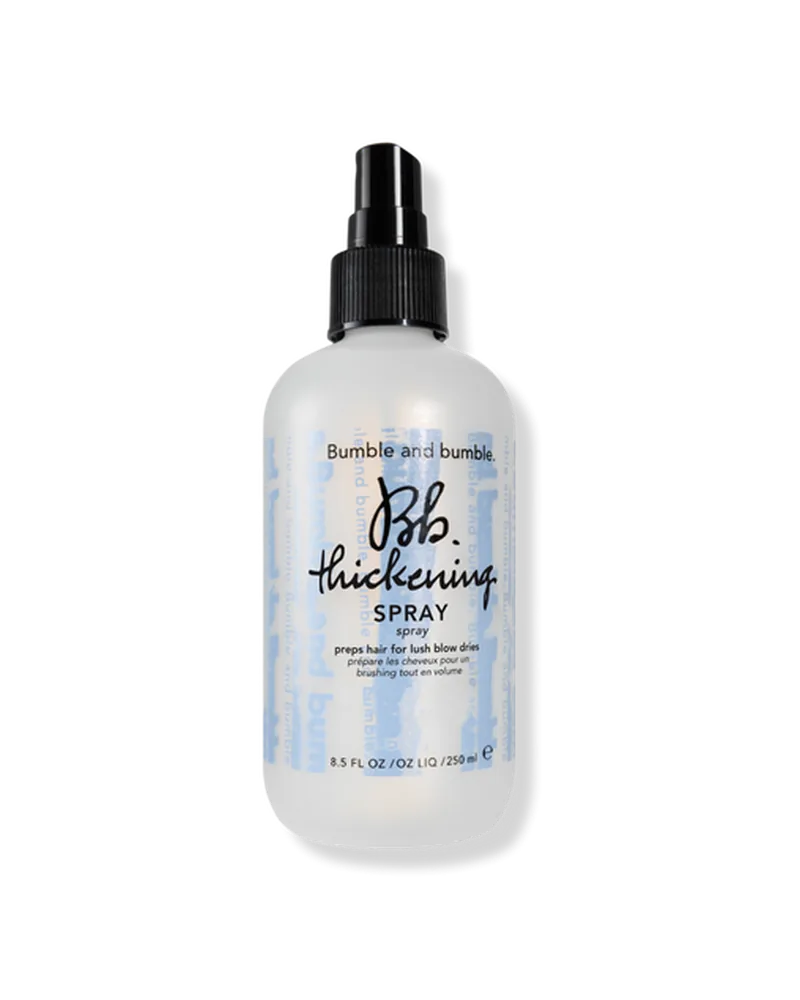 Bumble and bumble · Styler
Thickening Blow-Dry Prep Spray - 8.5 oz
#3 on the label · $4.24/oz
Bumble and bumble · Styler
Thickening Blow-Dry Prep Spray - 8.5 oz
#3 on the label · $4.24/oz
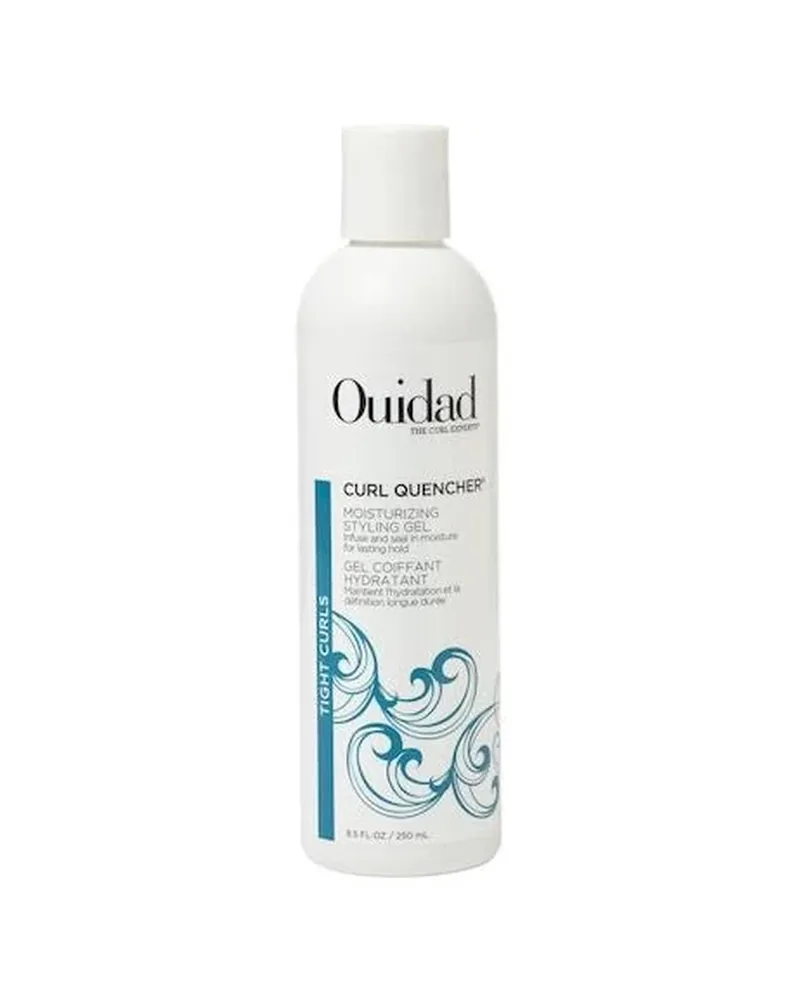 Ouidad · Styler
Curl Quencher Moisturizing Styling Gel
#17 on the label · $3.06/oz
Ouidad · Styler
Curl Quencher Moisturizing Styling Gel
#17 on the label · $3.06/oz
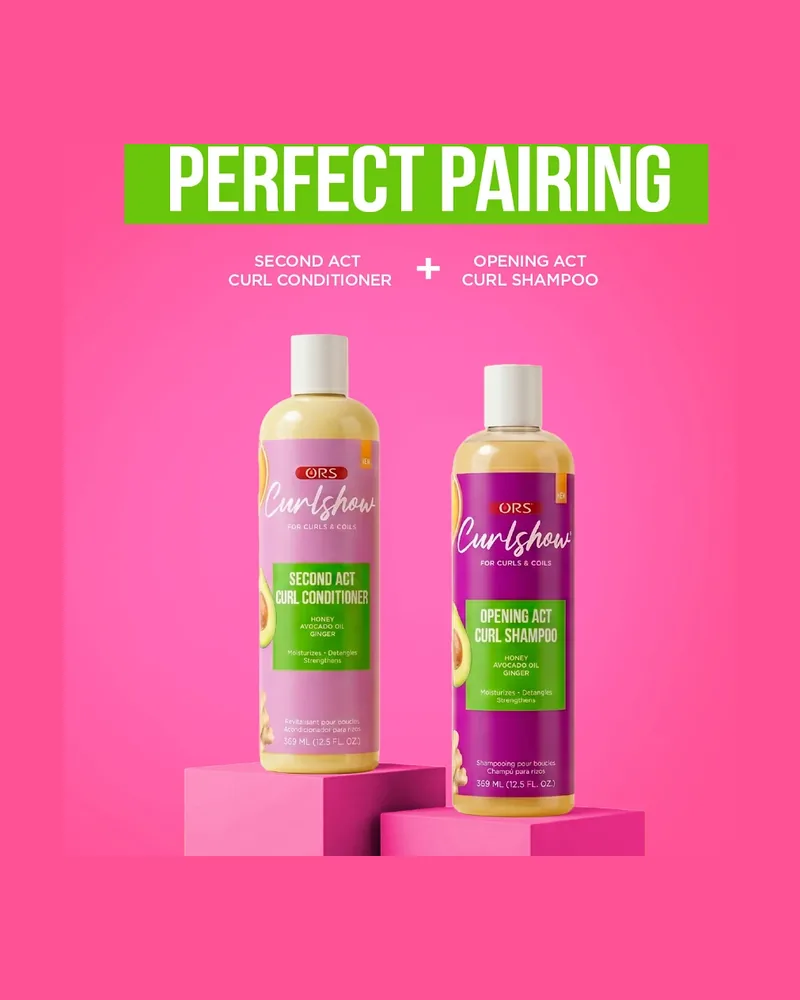 ORS · Shampoo
Curlshow Opening Act Curl Shampoo
#23 on the label · $0.46/oz
ORS · Shampoo
Curlshow Opening Act Curl Shampoo
#23 on the label · $0.46/oz
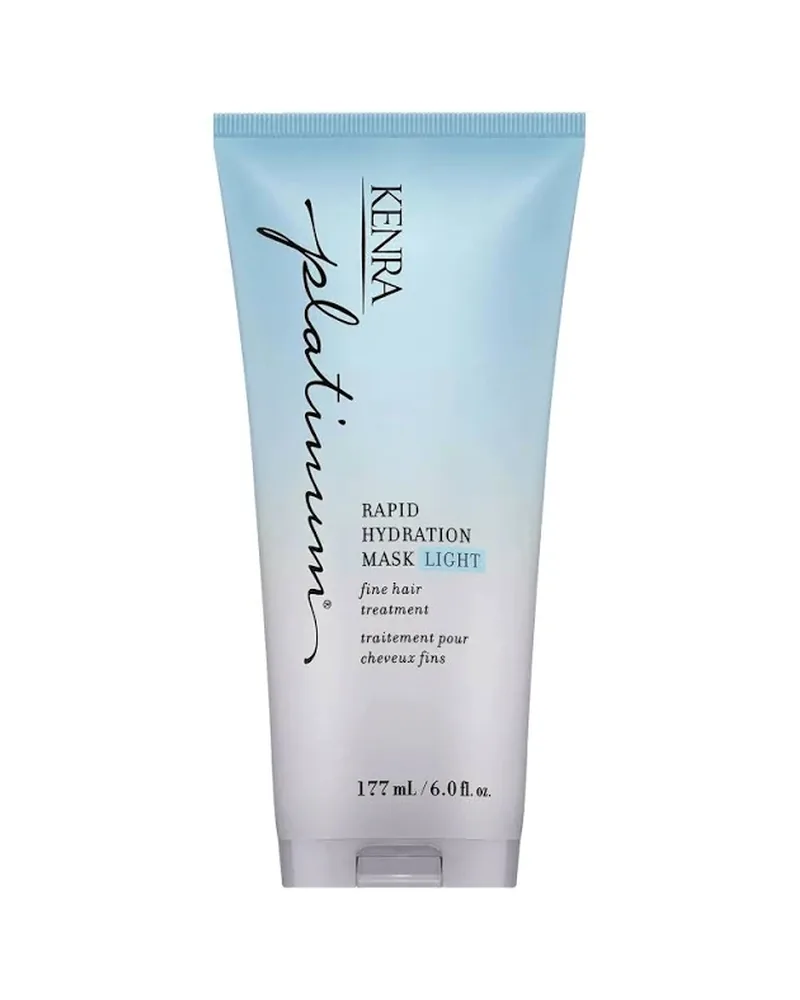 Kenra Platinum · Mask / treatment
Rapid Hydration Mask Light
#26 on the label · $5.00/oz
Kenra Platinum · Mask / treatment
Rapid Hydration Mask Light
#26 on the label · $5.00/oz
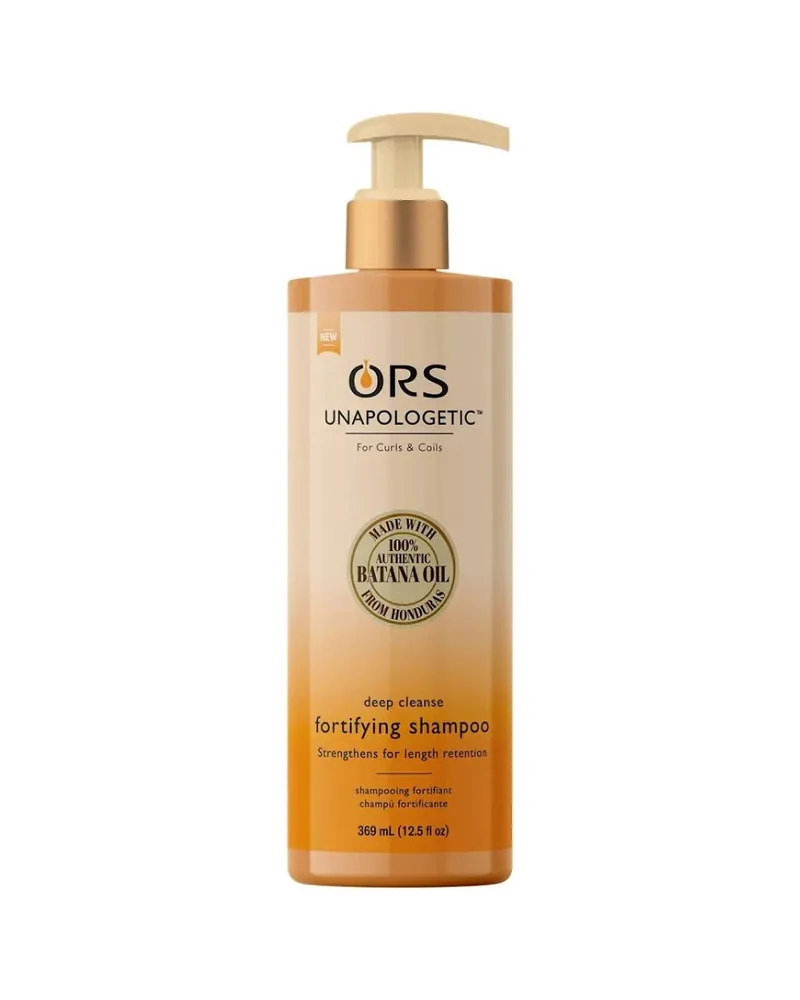 ORS · Shampoo
Unapologetic Deep Cleanse Fortifying Shampoo
#28 on the label · $0.96/oz
ORS · Shampoo
Unapologetic Deep Cleanse Fortifying Shampoo
#28 on the label · $0.96/oz
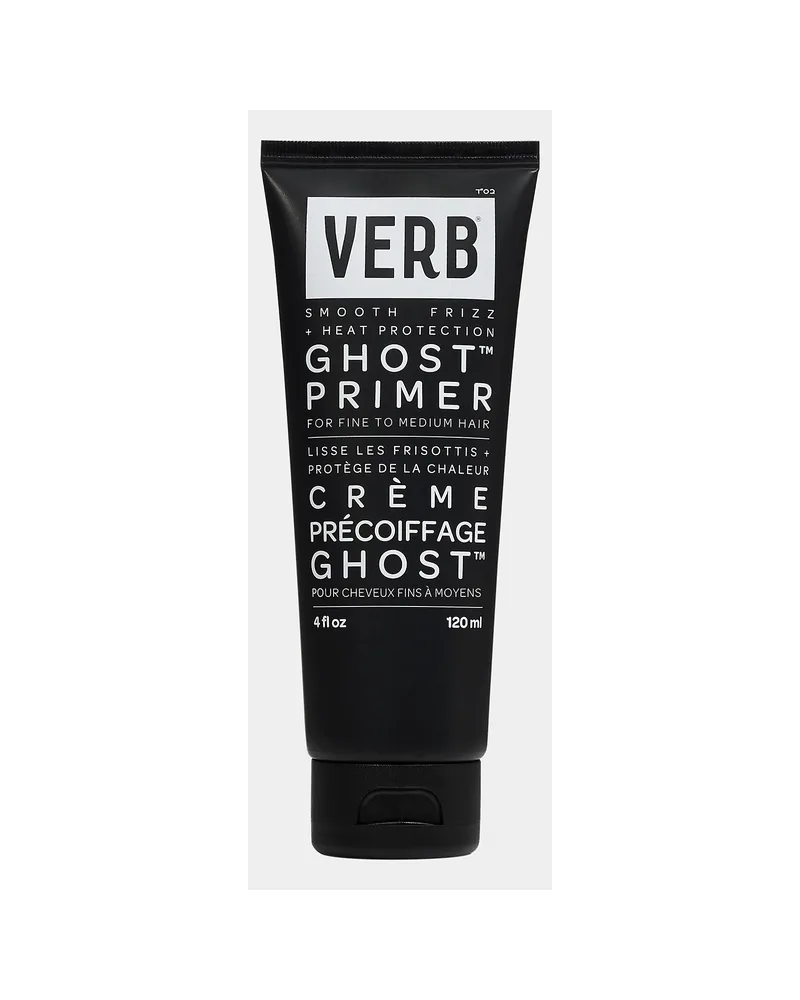 Verb · Heat protectant
Ghost Primer
#36 on the label · $5.50/oz
Verb · Heat protectant
Ghost Primer
#36 on the label · $5.50/oz
Identity
What this entry is, and what our references call it.
No public-domain structure depiction is available for this entry.
Isopropanol
- CAS 67-63-0
- PubChem 3776
- solvent
- isopropanol



For your hair?
Whether Isopropanol matters for your hair depends on your hair.
4 products in our library list itWhat this ingredient does, and where it sits on the labels we have researched.
A verdict on any product that contains it, and never a safety grade.
We do not physically test your hair. Everything above is read from the ingredient lists in our library and from published references — the consultation is what turns it into a plan.
References
Sourced Backed by a manufacturer or regulatory source.
This ingredient
- Manufacturer or regulatory PubChem — Compound identity: CID 3776, CAS 67-63-0, C3H8O · accessed 2026-08-28
How this page was made
- Every number above is counted from the ingredient lists in our own product library — 4 of 3889 researched products list this ingredient. Nothing on this page is written per ingredient.
- The dots are named levels read from an ingredient’s chemical class, charge, solubility, or where it sits on the labels we have — never a score.
- US labelling rules put ingredients above 1% in descending order of amount; below 1% they may be listed in any order. Position tells you about relative amount only above that line, and we never convert a position into a percentage.
- The prominence bands (leading, supporting, secondary) are the same ones the product pages use to read a single label, applied here to the median position across a category.
- We do not publish safety scores or hazard grades. Where a regulator has published a restriction or a use condition, we state it and cite it; otherwise we describe what the ingredient does and stop.
- Identifiers and references appear only when a published source is attached to this entry; where none is, the row is simply absent rather than filled in.
- This is cosmetic information, not medical advice, and nothing here diagnoses or treats a health condition.
- Entry last updated 2026-08-28. Product-page methodology: the product library.