
PRESERVATIVE
Ethylparaben
- preservative
A paraben preservative used at low levels.
- products in our library
- 42
- of researched products
- 1%
- on the label, in our shampoos
- usually #31
- most common in
- Shampoo
- in water
- Water-soluble
At a glance
Four named levels, read from this ingredient’s chemical class, its charge, its solubility, or where it sits on the labels we have. More dots means more of the property named — never “better”.
How much of it is left on hair between washes.
What it takes to get it off the hair again.
What it is in the formula to protect.
Where it sits on the labels we have, in the category it appears in most.
| Property | Level | Out of |
|---|---|---|
| Buildup risk | Low | 1 of 5 |
| Rinse-out behaviour | Rinses clean | 5 of 5 |
| Role | Keeps water-based formulas | 4 of 5 |
| Prominence | Secondary | 2 of 5 |
What it does for a formula
What Ethylparaben does
The general function first, then how the role changes by product type where we have researched it.
A paraben: effective at low levels, and one some people choose to avoid — filterable here.
Water alone removes it, so it does not accumulate between washes.
Charge
Charge is not recorded for this ingredient.
Solubility
Rinses out with water alone — it does not accumulate on hair between washes.
Where it appears
Where it appears
One row per product category in our library: how many products list it, what share of that category that is, and where it typically sits on the label.
| Product type | How common | Typical position on label ? |
|---|---|---|
Shampoo
11 products
|
secondary · #31 | |
Styler: paste
10 products
|
secondary · #22 | |
Leave-in
6 products
|
secondary · #21 | |
Scalp treatment
4 products
|
secondary · #42 | |
Styler: mousse
2 products
|
secondary · #23 | |
Styler: smoothing cream
2 products
|
secondary · #27 | |
Styler: texture spray
2 products
|
secondary · #36 | |
Co-wash
1 product
|
secondary · #39 | |
Conditioner
1 product
|
secondary · #43 | |
Finisher: oil
1 product
|
secondary · #11 |
2 more product types
| Product type | How common | Typical position on label ? |
|---|---|---|
Styler: curl cream
1 product
|
secondary · #33 | |
Styler: edge control
1 product
|
secondary · #15 |
| Product type | Products | Share of category | Median position | Earliest position | Band |
|---|---|---|---|---|---|
| Shampoo | 11 | 1% | 31 | 16 | secondary |
| Styler: paste | 10 | 11% | 22 | 13 | secondary |
| Leave-in | 6 | 1% | 21 | 10 | secondary |
| Scalp treatment | 4 | 3% | 42 | 40 | secondary |
| Styler: mousse | 2 | 1% | 23 | 19 | secondary |
| Styler: smoothing cream | 2 | 4% | 27 | 19 | secondary |
| Styler: texture spray | 2 | 3% | 36 | 34 | secondary |
| Co-wash | 1 | 1% | 39 | 39 | secondary |
| Conditioner | 1 | 0% | 43 | 43 | secondary |
| Finisher: oil | 1 | 1% | 11 | 11 | secondary |
| Styler: curl cream | 1 | 1% | 33 | 33 | secondary |
| Styler: edge control | 1 | 6% | 15 | 15 | secondary |
No product-type differences have been researched yet — the reading below is computed from where it sits on the labels in our library.
Position footprint
Every listing in our library, by position on the label.
| Positions | Zone | Listings |
|---|---|---|
| 1-3 | Leading | 0 |
| 4-8 | Supporting | 0 |
| 9-15 | Secondary | 6 |
| 16-25 | Lower | 16 |
| 26+ | Trace | 26 |
How to read this
US labelling rules put ingredients above 1% in descending order of amount; below 1% they may be listed in any order.
So position tells you about relative amount only above that line, and we never convert a position into a percentage.
Why it matters to shoppers
What this ingredient is evidence of, what it is not evidence of, and what our own method can and cannot tell you.
- a preservative with a long track record
- a product that keeps over its shelf life
- a rinse-clean feel
- an exact safety score — we do not publish one, for any ingredient
- how a finished product performs by itself — that is the whole formula, not one line of it
- the exact percentage in a bottle — label position never converts into a number
- a secondary paraben, listed below the main ingredients in our shampoos
- it was on the label of every product we counted — we read printed ingredient lists, not marketing copy
- that the product would be better without one
- that a product is right or wrong for you
We do not publish safety scores or hazard grades. Where a regulator has published a restriction or a use condition, we state it and cite it; otherwise we describe what the ingredient does and stop.
Why some people avoid it
A preservative. It stops mould and bacteria growing in a water-based product, which is what stops an opened bottle spoiling in a warm bathroom.
Parabens are weakly oestrogenic in laboratory assays, and a widely-cited 2004 study reported finding them in breast-tumour tissue. That study had no control group and did not show they caused anything — but it is the origin of the avoidance.
Where regulators stand: The US FDA states it has no information showing parabens as used in cosmetics have an effect on human health. The EU restricts the specific concentrations of five parabens and has banned five rarely-used ones. Methyl- and propylparaben remain permitted in both.
Laboratory findings, no human exposure evidence
Commonly paired with
Ingredients that appear alongside this one most often in our library. Near-universal ingredients are excluded — they pair with everything and tell you nothing.
- Methylparaben · 41
- Propylene Glycol · 31
- Propylparaben · 18
- Tetrasodium EDTA · 18
- Benzyl Alcohol · 17
- Butylparaben · 15
- Citronellol · 14
- Disodium EDTA · 13
- Camellia Sinensis (Green Tea) Leaf Extract · 12
- Hexyl Cinnamal · 12
The number beside a name is how many products in our library list both.
These ingredients tend to appear together to keep the formula stable, carry the formula and let it dry, and give it a scent.
Found in these products
The most prominent placements first. The badge is the position on that product’s own ingredient list.
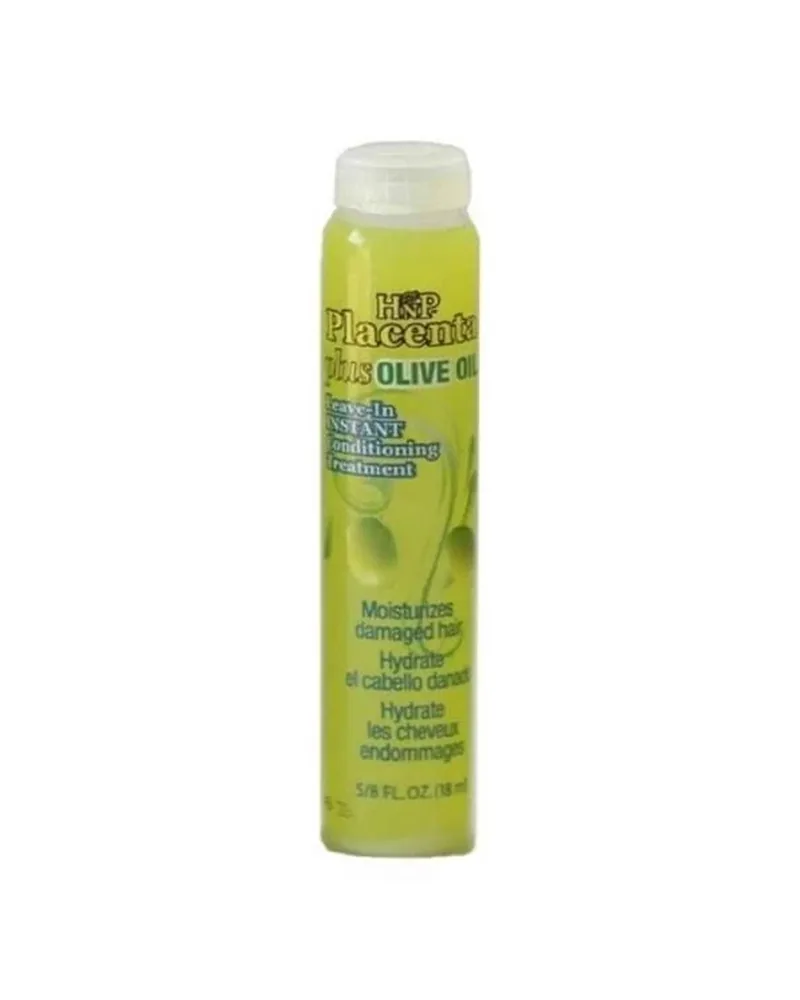 Hask · Leave-in
Placenta Leave Instant Conditioning Treatment
#10 on the label · $1.75/oz
Hask · Leave-in
Placenta Leave Instant Conditioning Treatment
#10 on the label · $1.75/oz
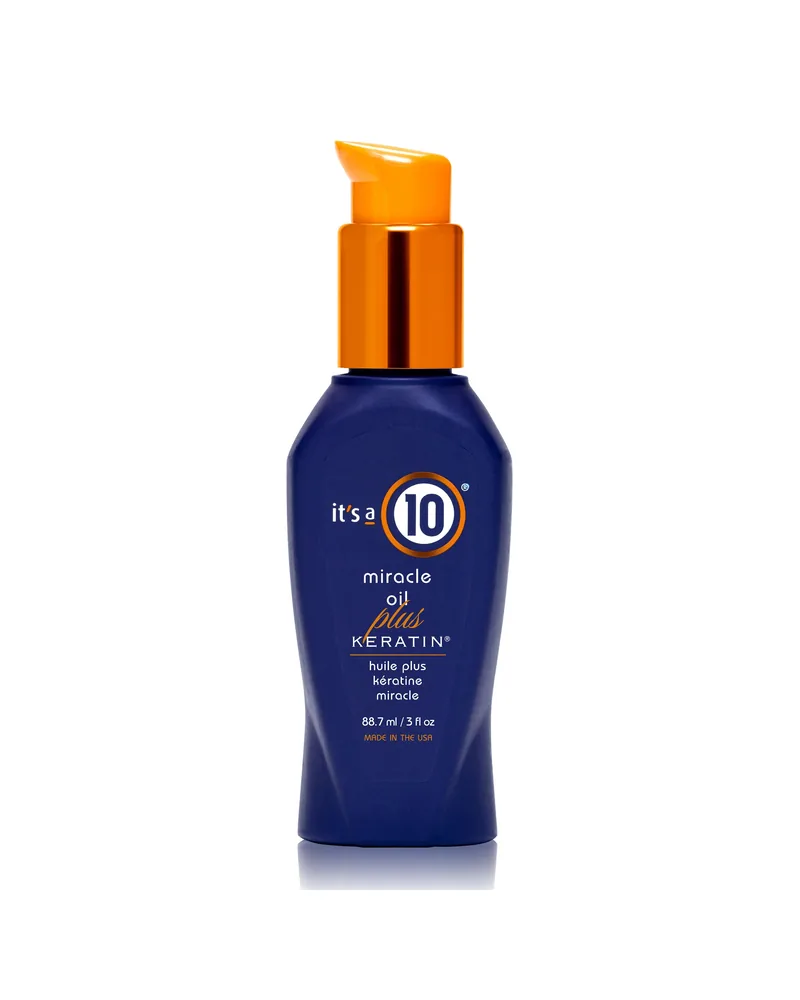 It's a 10 · Finisher
Miracle Oil Plus Keratin
#11 on the label · $8.47/oz
It's a 10 · Finisher
Miracle Oil Plus Keratin
#11 on the label · $8.47/oz
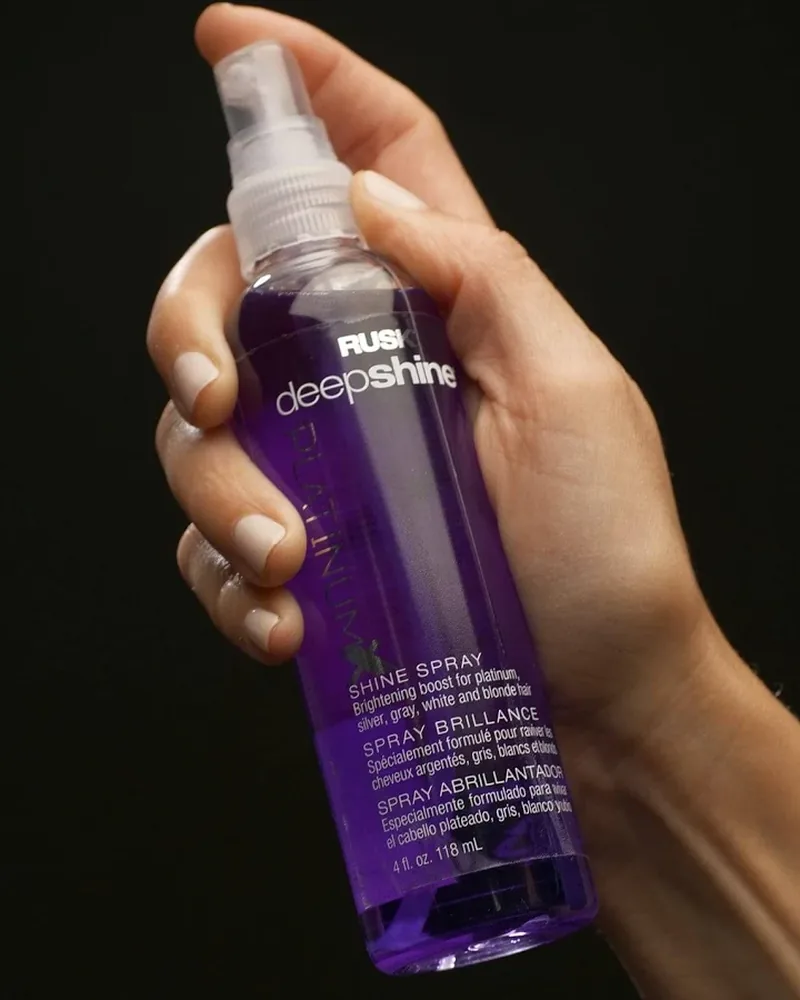 Rusk · Finisher
Deepshine PlatinumX Shine Spray
#12 on the label · $4.20/oz
Redken · Styler
Texturizing Clay Firm Grasp
#13 on the label · $5.59/oz
Rusk · Finisher
Deepshine PlatinumX Shine Spray
#12 on the label · $4.20/oz
Redken · Styler
Texturizing Clay Firm Grasp
#13 on the label · $5.59/oz
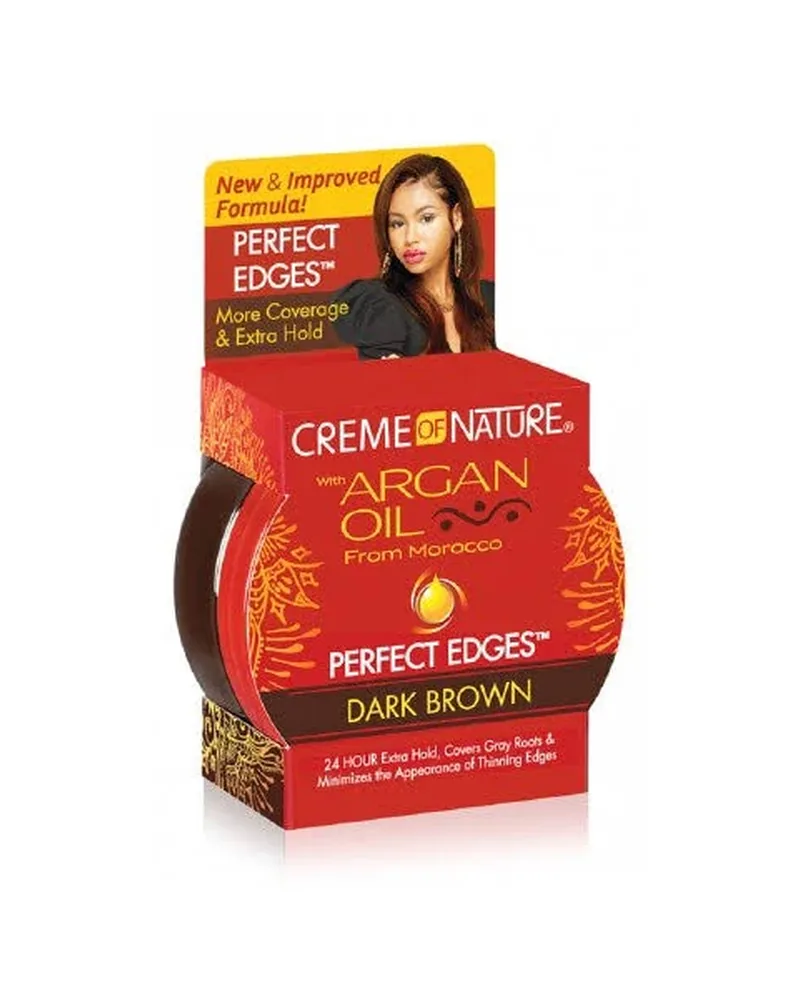 Creme of Nature · Styler
Argan Oil Black Perfect Edges
#15 on the label · $2.29/oz
Creme of Nature · Styler
Argan Oil Black Perfect Edges
#15 on the label · $2.29/oz
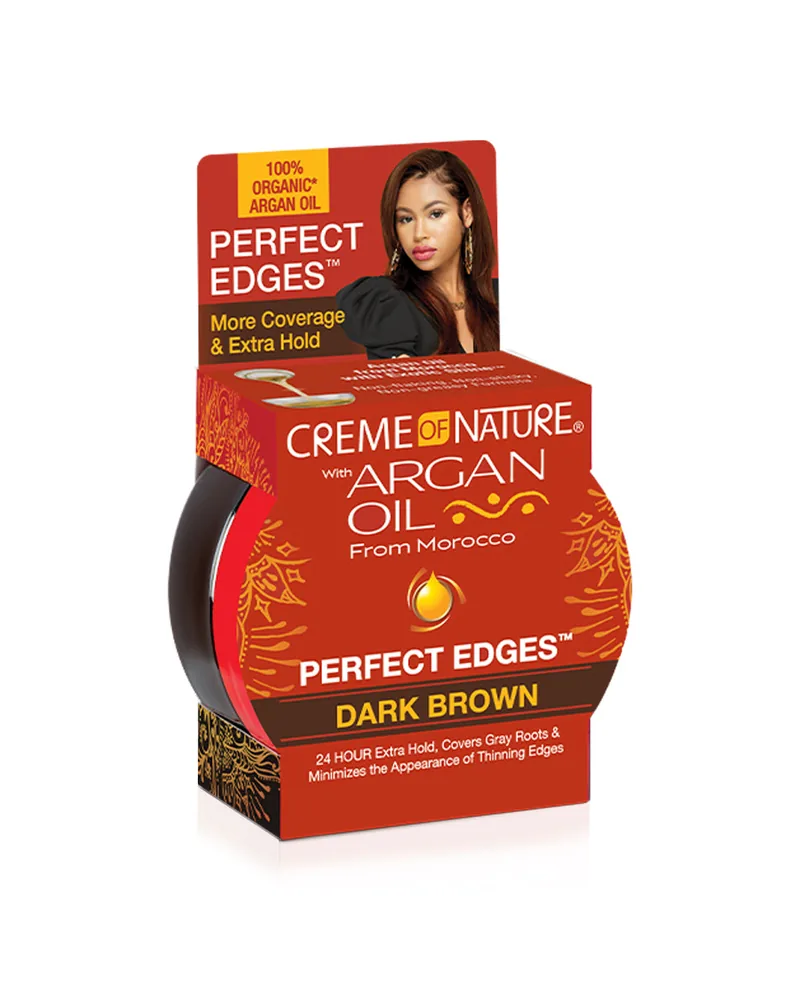 Creme of Nature · Styler
Argan Oil from Morocco Perfect Edges Dark Brown Edge Control
#15 on the label · $3.70/oz
Creme of Nature · Styler
Argan Oil from Morocco Perfect Edges Dark Brown Edge Control
#15 on the label · $3.70/oz
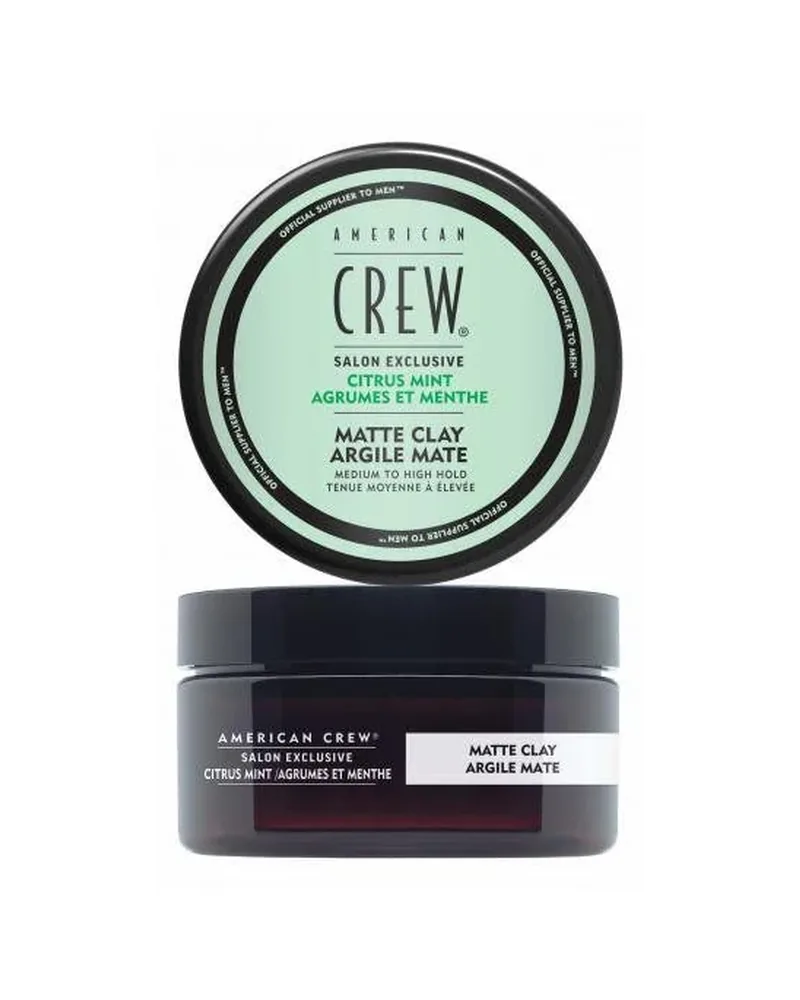 American Crew · Styler
Matte Clay
#16 on the label · $7.00/oz
American Crew · Styler
Matte Clay
#16 on the label · $7.00/oz
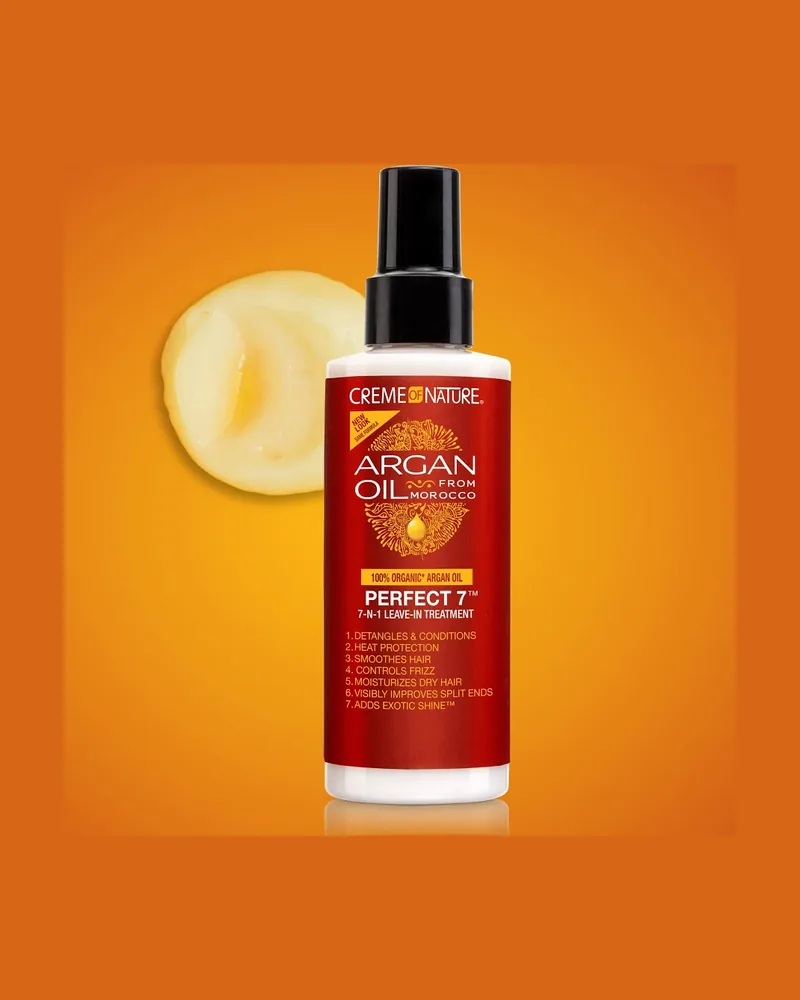 Creme of Nature · Leave-in
Argan Oil Perfect 7 Leave-In Conditioner
#16 on the label · $1.83/oz
Creme of Nature · Leave-in
Argan Oil Perfect 7 Leave-In Conditioner
#16 on the label · $1.83/oz
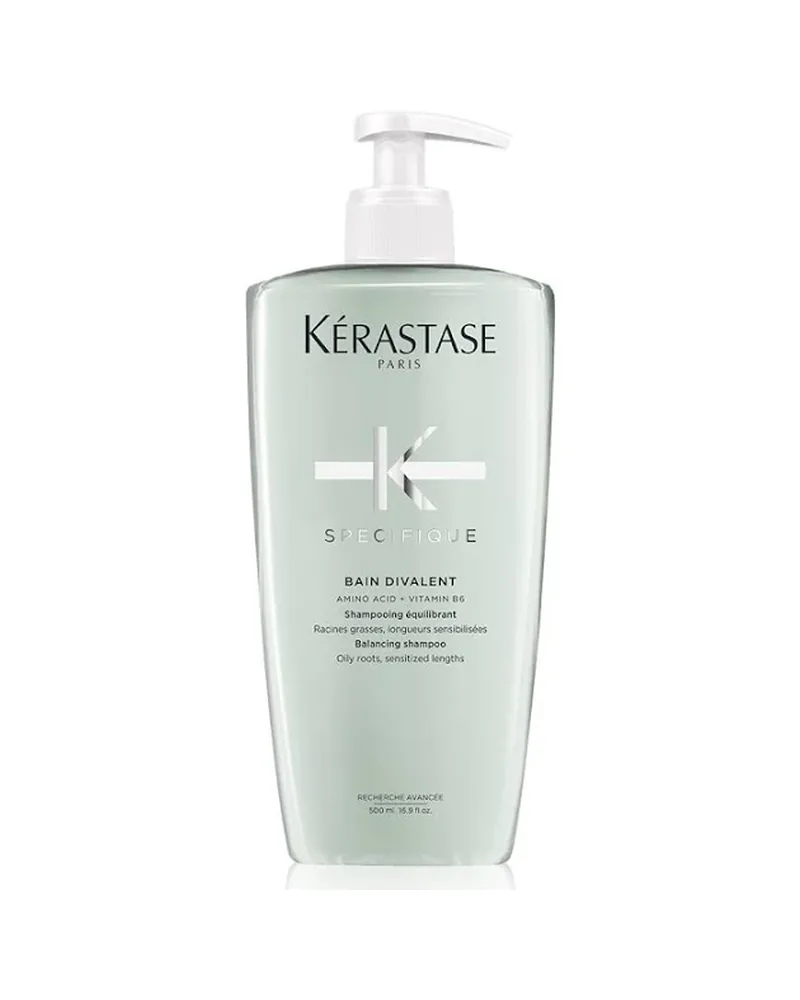 Kerastase · Shampoo
Kerastase Specifique Bain Divalent Shampoo
#16 on the label · $3.46/oz
Kerastase · Shampoo
Kerastase Specifique Bain Divalent Shampoo
#16 on the label · $3.46/oz
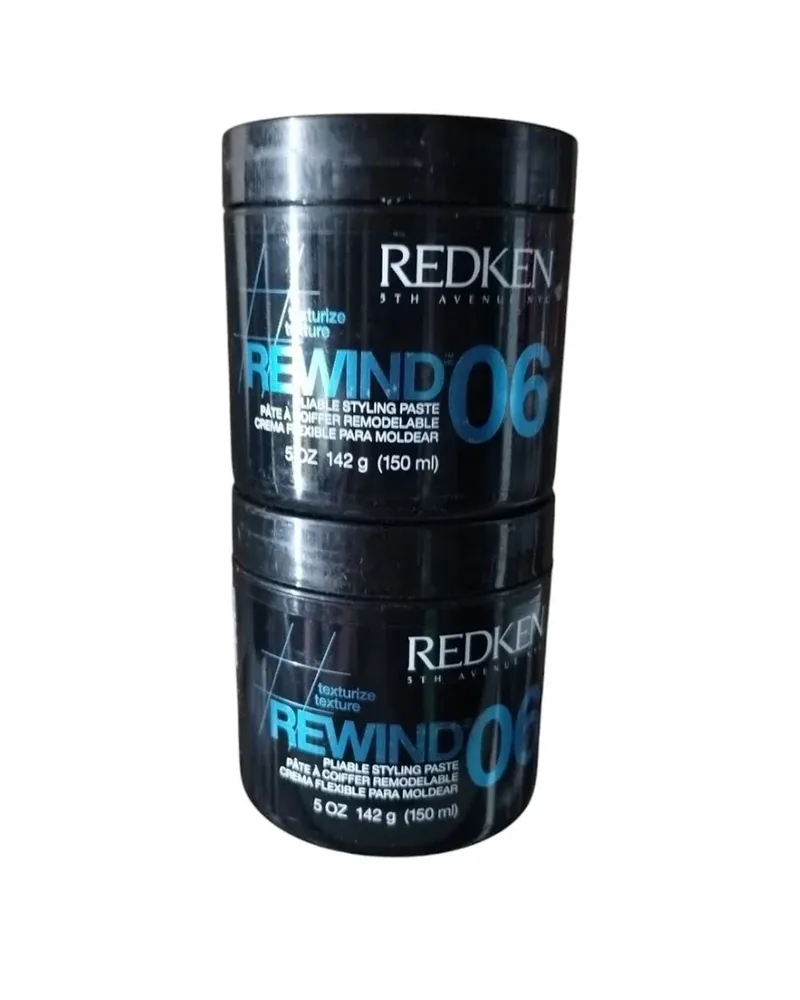 Redken · Styler
Pliable Styling Paste
#16 on the label · $5.60/oz
Redken · Styler
Pliable Styling Paste
#16 on the label · $5.60/oz
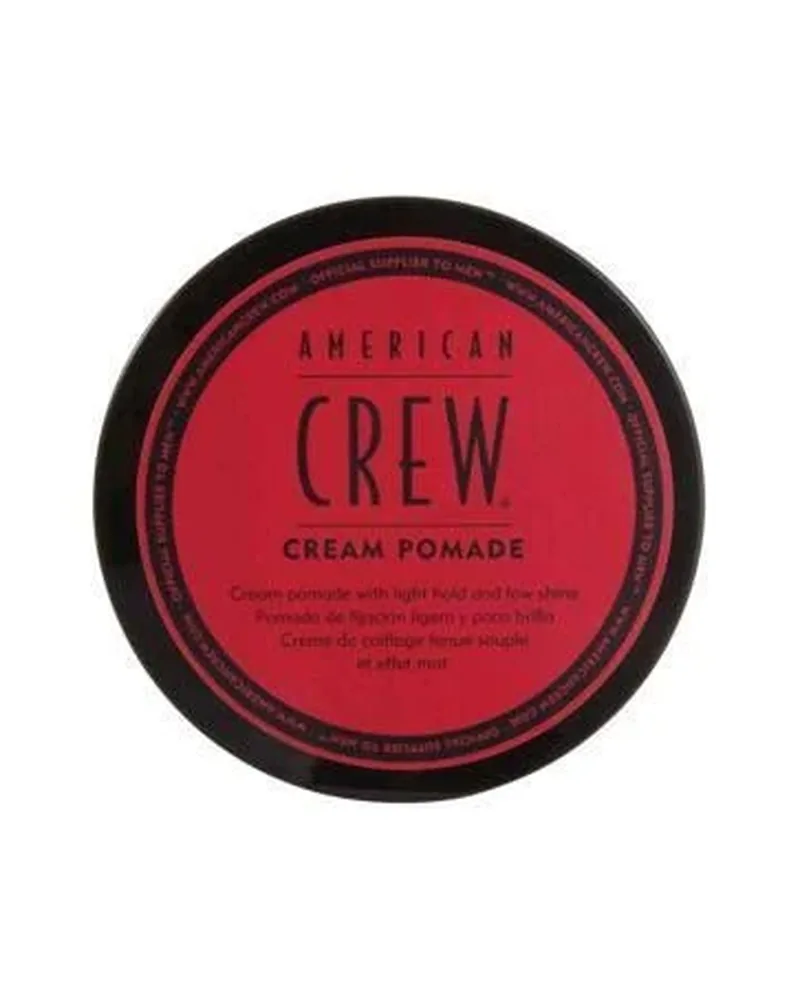 American Crew · Styler
Cream Pomade
#19 on the label · $7.67/oz
American Crew · Styler
Cream Pomade
#19 on the label · $7.67/oz
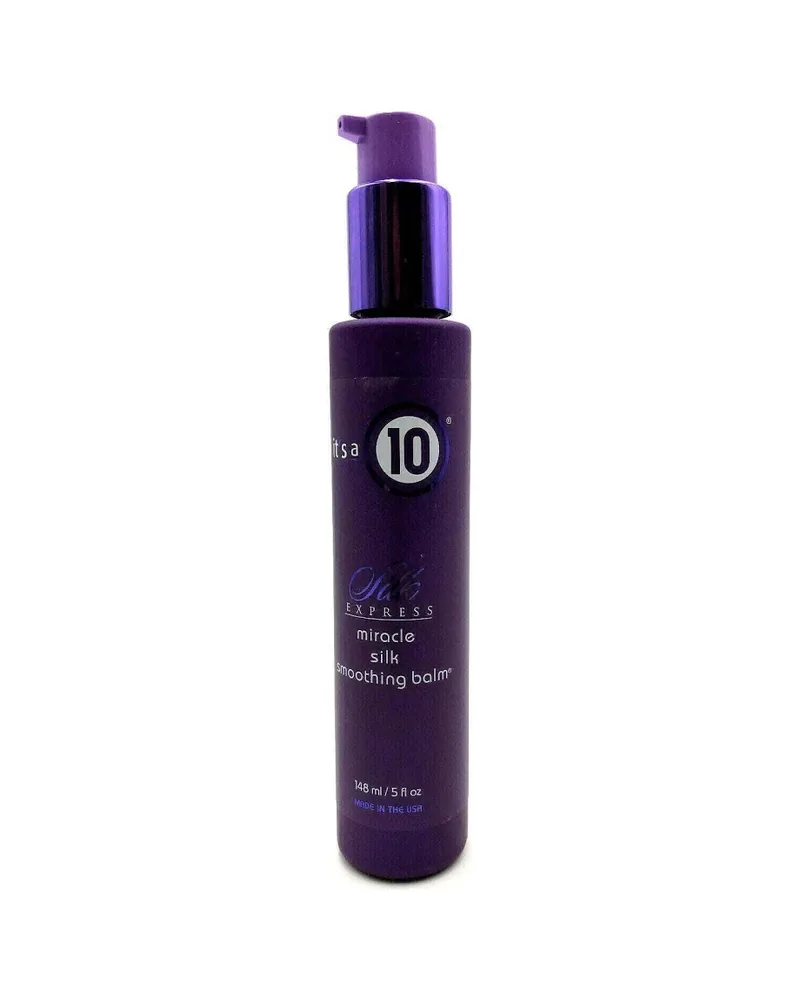 It's A 10 · Styler
Blow Dry Miracle Blow Dry Styling Balm
#19 on the label · $4.05/oz
It's A 10 · Styler
Blow Dry Miracle Blow Dry Styling Balm
#19 on the label · $4.05/oz
Identity
What this entry is, and what our references call it.
No public-domain structure depiction is available for this entry.
Ethylparaben
- paraben
- ethylparaben
For your hair?
Whether Ethylparaben matters for your hair depends on your hair.
42 products in our library list itWhat this ingredient does, and where it sits on the labels we have researched.
A verdict on any product that contains it, and never a safety grade.
We do not physically test your hair. Everything above is read from the ingredient lists in our library and from published references — the consultation is what turns it into a plan.
References
Seed entry — sourcing in progress Written from our reference work; primary sourcing is still being attached.
No published source is attached to this entry yet.
How this page was made
- Every number above is counted from the ingredient lists in our own product library — 42 of 3889 researched products list this ingredient. Nothing on this page is written per ingredient.
- The dots are named levels read from an ingredient’s chemical class, charge, solubility, or where it sits on the labels we have — never a score.
- US labelling rules put ingredients above 1% in descending order of amount; below 1% they may be listed in any order. Position tells you about relative amount only above that line, and we never convert a position into a percentage.
- The prominence bands (leading, supporting, secondary) are the same ones the product pages use to read a single label, applied here to the median position across a category.
- We do not publish safety scores or hazard grades. Where a regulator has published a restriction or a use condition, we state it and cite it; otherwise we describe what the ingredient does and stop.
- Identifiers and references appear only when a published source is attached to this entry; where none is, the row is simply absent rather than filled in.
- This is cosmetic information, not medical advice, and nothing here diagnoses or treats a health condition.
- Entry last updated 2026-09-02. Product-page methodology: the product library.