
SILICONE
Disodium Peg-12 Dimethicone Sulfosuccinate
- silicone
A fatty ester. Esters give slip and a smooth after-feel; lighter ones read dry and silky, heavier ones read rich.
- products in our library
- 19
- of researched products
- 0.5%
- on the label, in our masks and treatments
- usually #21
- most common in
- Mask / treatment
- in water
- Oil-soluble
At a glance
Four named levels, read from this ingredient’s chemical class, its charge, its solubility, or where it sits on the labels we have. More dots means more of the property named — never “better”.
How much of it is left on hair between washes.
What it takes to get it off the hair again.
How much easier it makes a comb pass.
How much the class is felt on fine hair.
| Property | Level | Out of |
|---|---|---|
| Buildup risk | Low — it rinses | 2 of 5 |
| Rinse-out behaviour | Rinses with a cleanser | 2 of 5 |
| Slip | Light | 3 of 5 |
| Weight | Light to medium | 2 of 5 |
What it does for a formula
What Disodium Peg-12 Dimethicone Sulfosuccinate does
The general function first, then how the role changes by product type where we have researched it.
Fills the gaps between lifted cuticle scales so light reflects evenly.
Lowers the drag a comb feels, which is most of what "detangling" means.
A PEG-modified silicone that ordinary shampoo removes, so it does not build up.
An acyl amino-acid or isethionate detergent: less stripping than a sulfate, creamier foam.
Charge
Charge is not recorded for this ingredient.
Solubility
Needs a surfactant to remove. On a low-detergent routine it can build up over time.
Where it appears
Where it appears
One row per product category in our library: how many products list it, what share of that category that is, and where it typically sits on the label.
| Product type | How common | Typical position on label ? |
|---|---|---|
Mask / treatment
6 products
|
secondary · #21 | |
Conditioner
5 products
|
secondary · #21 | |
Shampoo
5 products
|
secondary · #22 | |
Leave-in
2 products
|
secondary · #29 | |
Heat protectant
1 product
|
secondary · #15 |
| Product type | Products | Share of category | Median position | Earliest position | Band |
|---|---|---|---|---|---|
| Mask / treatment | 6 | 2% | 21 | 14 | secondary |
| Conditioner | 5 | 1% | 21 | 15 | secondary |
| Shampoo | 5 | 1% | 22 | 15 | secondary |
| Leave-in | 2 | 0% | 29 | 27 | secondary |
| Heat protectant | 1 | 1% | 15 | 15 | secondary |
No product-type differences have been researched yet — the reading below is computed from where it sits on the labels in our library.
Position footprint
Every listing in our library, by position on the label.
| Positions | Zone | Listings |
|---|---|---|
| 1-3 | Leading | 0 |
| 4-8 | Supporting | 0 |
| 9-15 | Secondary | 7 |
| 16-25 | Lower | 9 |
| 26+ | Trace | 5 |
How to read this
US labelling rules put ingredients above 1% in descending order of amount; below 1% they may be listed in any order.
So position tells you about relative amount only above that line, and we never convert a position into a percentage.
Who should pay attention
Conditional formulation guidance, scoped to a hair condition and to the positions where it is meaningful. It is not a conclusion about any finished product, and not a conclusion about you.
The PEG- and PPG-modified silicones disperse in water, so ordinary washing carries them off instead of leaving a film to accumulate.
A surface film slows how quickly humidity reaches the cortex, which is what limits swelling-driven frizz in damp air.
Delivers the slip and surface smoothing of a silicone without needing a detergent wash to remove it afterwards.
Near the top of a list, a conditioning film adds weight that fine hair loses volume to.
Read where it is listed in the first three ingredients or positions 4–8.Read from this ingredient’s chemical class. Where we have researched the ingredient itself, that reading replaces the class one.
Why it matters to shoppers
What this ingredient is evidence of, what it is not evidence of, and what our own method can and cannot tell you.
- softness without weight
- slip that still rinses out
- gentle cleansing
- sulfate-free shampoos
- an exact safety score — we do not publish one, for any ingredient
- how a finished product performs by itself — that is the whole formula, not one line of it
- the exact percentage in a bottle — label position never converts into a number
- a secondary silicone, listed below the main ingredients in our masks and treatments
- it was on the label of every product we counted — we read printed ingredient lists, not marketing copy
- buildup — the water-soluble ones rinse out with ordinary shampoo
- that you need a clarifying wash to remove it
- harshness or irritation
- that a product is right or wrong for you
We do not publish safety scores or hazard grades. Where a regulator has published a restriction or a use condition, we state it and cite it; otherwise we describe what the ingredient does and stop.
Why some people avoid it
A conditioning agent that lays a smooth film on the cuticle, which is what delivers slip, shine and frizz control.
The water-insoluble ones need a detergent wash to remove, so on a routine that avoids detergent they accumulate and can leave hair feeling coated. That is the curly-method objection, and it is about buildup rather than harm. Water-soluble silicones rinse out and do not raise it.
Where regulators stand: Permitted. Some cyclic silicones are restricted in the EU on environmental grounds — persistence in waterways — rather than for anything to do with skin.
A formulation preference, not a regulatory finding
Browse products in our library without Disodium Peg-12 Dimethicone Sulfosuccinate
Commonly paired with
Ingredients that appear alongside this one most often in our library. Near-universal ingredients are excluded — they pair with everything and tell you nothing.
- Aminomethyl Propanol · 19
- Butylene Glycol · 19
- Hydroxycitronellal · 16
- Benzyl Alcohol · 16
- Hydrolyzed Quinoa · 15
- Bis-Pca Dimethicone · 14
- Hydroxypropyl Guar Hydroxypropyltrimonium Chloride · 12
- Butyrospermum Parkii (Shea) Butter · 10
- Tocopherol · 10
- Cetrimonium Chloride · 10
The number beside a name is how many products in our library list both.
These ingredients tend to appear together to keep the formula stable, carry the formula and let it dry, and give it a scent.
Found in these products
The most prominent placements first. The badge is the position on that product’s own ingredient list.
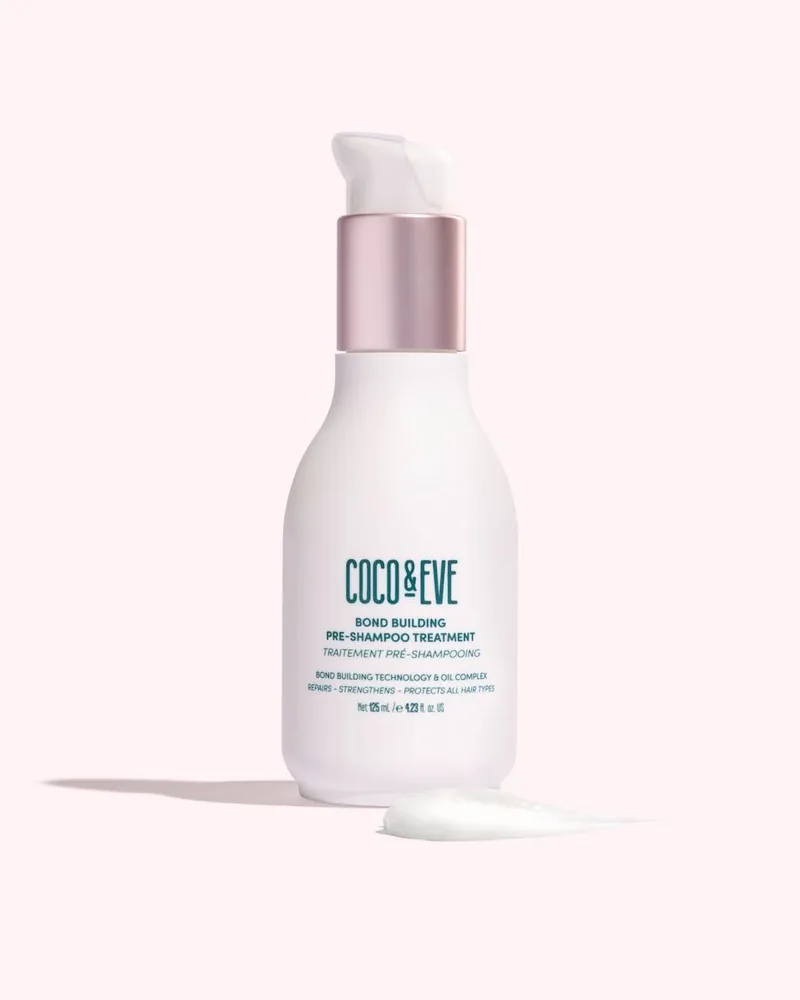 Coco & Eve · Mask / treatment
Bond Building Pre-Shampoo Treatment
#9 on the label · $5.91/oz
Coco & Eve · Mask / treatment
Bond Building Pre-Shampoo Treatment
#9 on the label · $5.91/oz
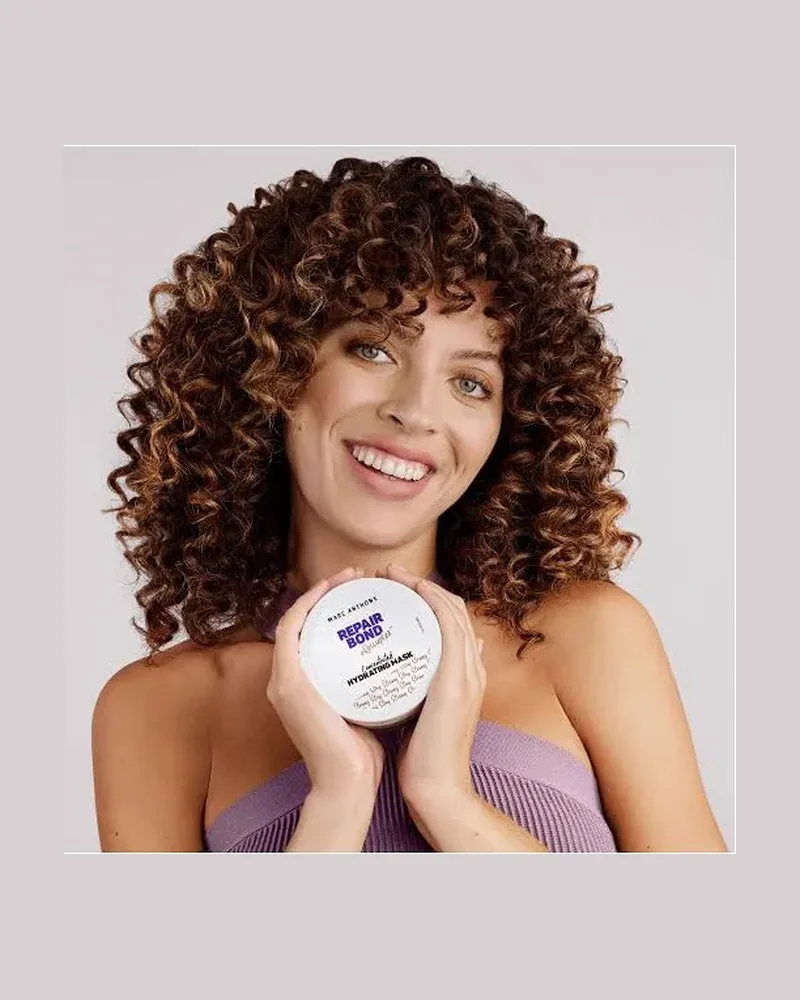 Marc Anthony · Mask / treatment
Repair Bond +Rescuplex Hydrating Mask
#14 on the label · $1.25/oz
Marc Anthony · Mask / treatment
Repair Bond +Rescuplex Hydrating Mask
#14 on the label · $1.25/oz
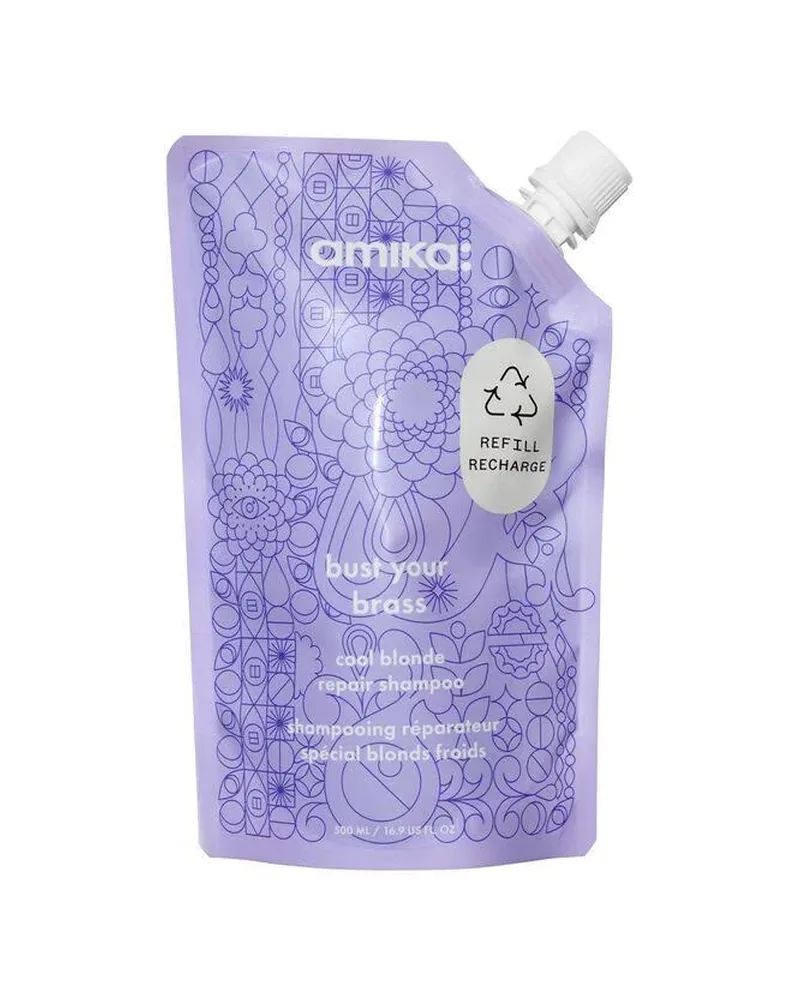 amika · Shampoo
Bust Your Brass Cool Blonde Strength Repair Shampoo
#15 on the label · $3.15/oz
amika · Shampoo
Bust Your Brass Cool Blonde Strength Repair Shampoo
#15 on the label · $3.15/oz
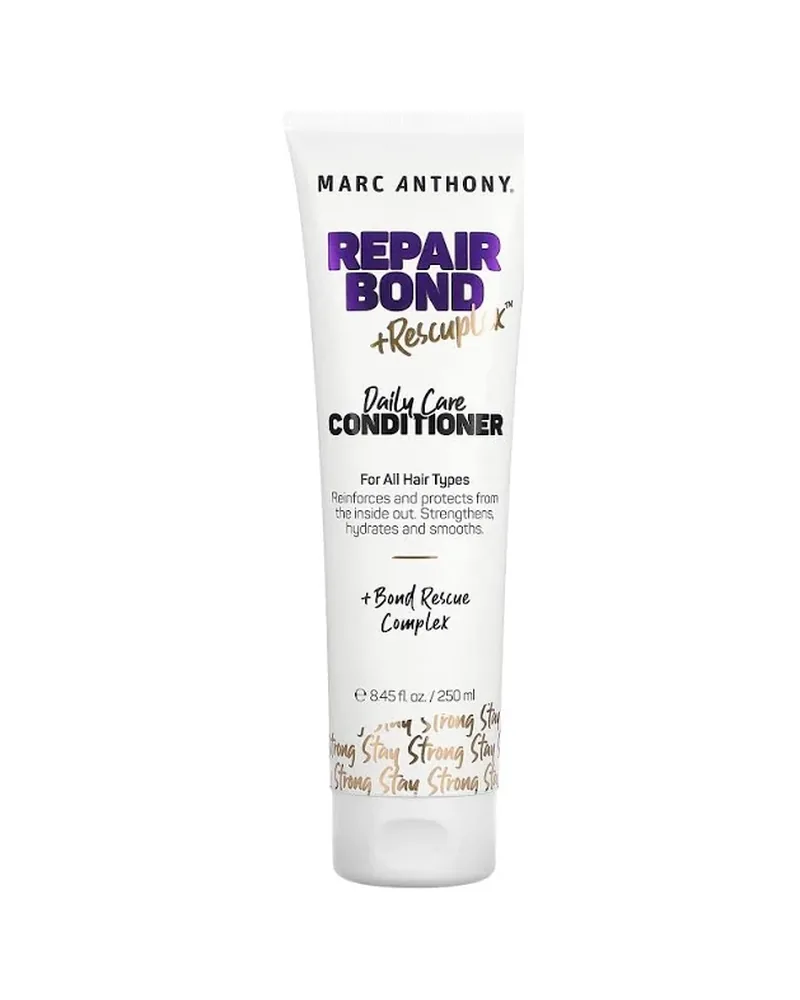 Marc Anthony · Conditioner
Repair Bond +Rescuplex Conditioner
#15 on the label · $2.01/oz
Marc Anthony · Heat protectant
Repair Bond +Rescuplex Defrizzing Smoothing Cream
#15 on the label · $2.04/oz
Marc Anthony · Conditioner
Repair Bond +Rescuplex Conditioner
#15 on the label · $2.01/oz
Marc Anthony · Heat protectant
Repair Bond +Rescuplex Defrizzing Smoothing Cream
#15 on the label · $2.04/oz
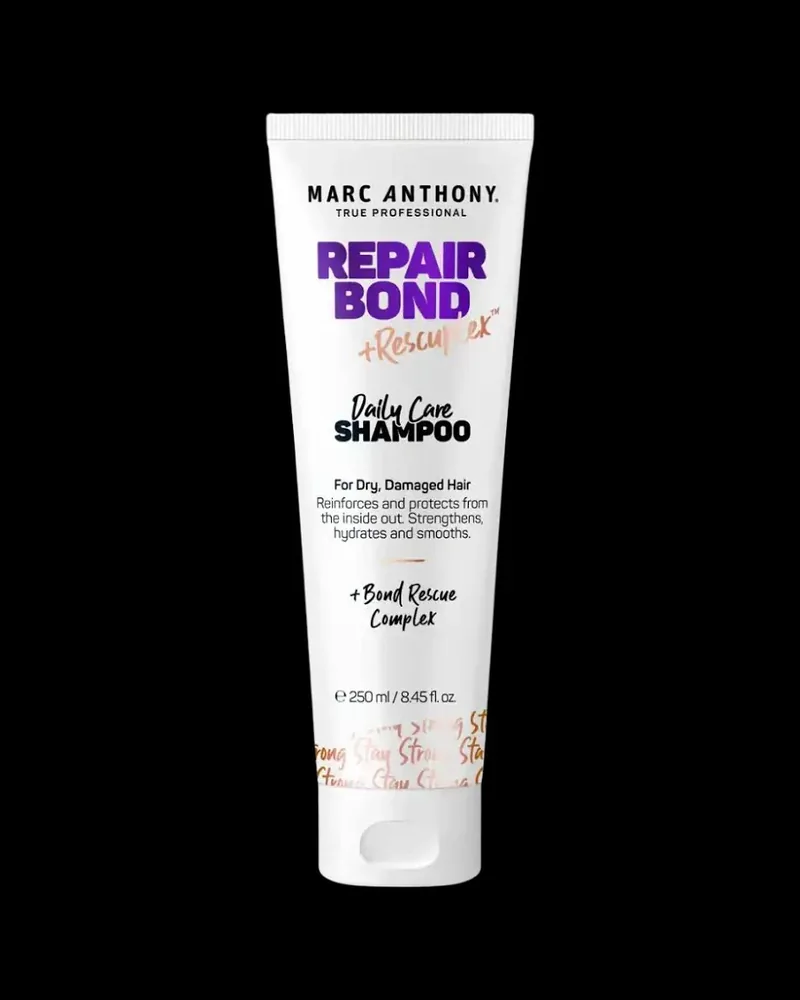 Marc Anthony · Shampoo
Repair Bond +Rescuplex Shampoo
#15 on the label · $1.60/oz
Marc Anthony · Shampoo
Repair Bond +Rescuplex Shampoo
#15 on the label · $1.60/oz
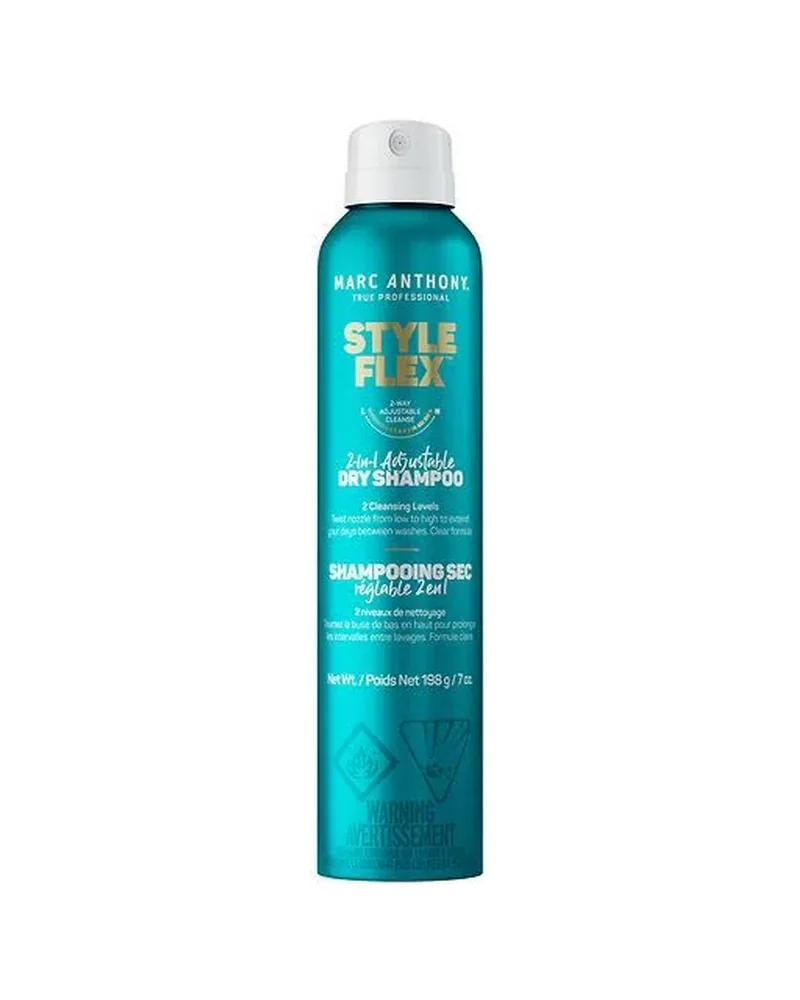 Marc Anthony · Dry shampoo
Style Flex 2-In-1 Adjustable Dry Shampoo
#15 on the label · $1.71/oz
Marc Anthony · Dry shampoo
Style Flex 2-In-1 Adjustable Dry Shampoo
#15 on the label · $1.71/oz
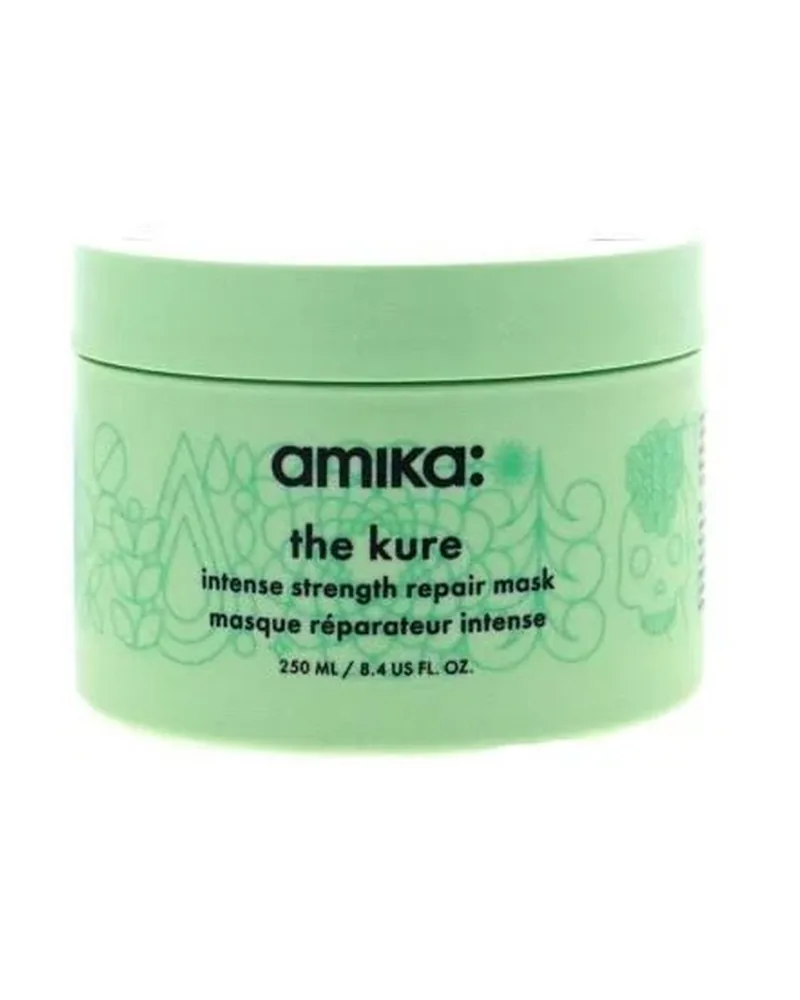 amika · Mask / treatment
The Kure Intense Strength Repair Mask
#20 on the label · $5.26/oz
amika · Mask / treatment
The Kure Intense Strength Repair Mask
#20 on the label · $5.26/oz
 amika · Conditioner
Bust Your Brass Cool Blonde Strength Repair Conditioner
#21 on the label · $2.72/oz
amika · Conditioner
Bust Your Brass Cool Blonde Strength Repair Conditioner
#21 on the label · $2.72/oz
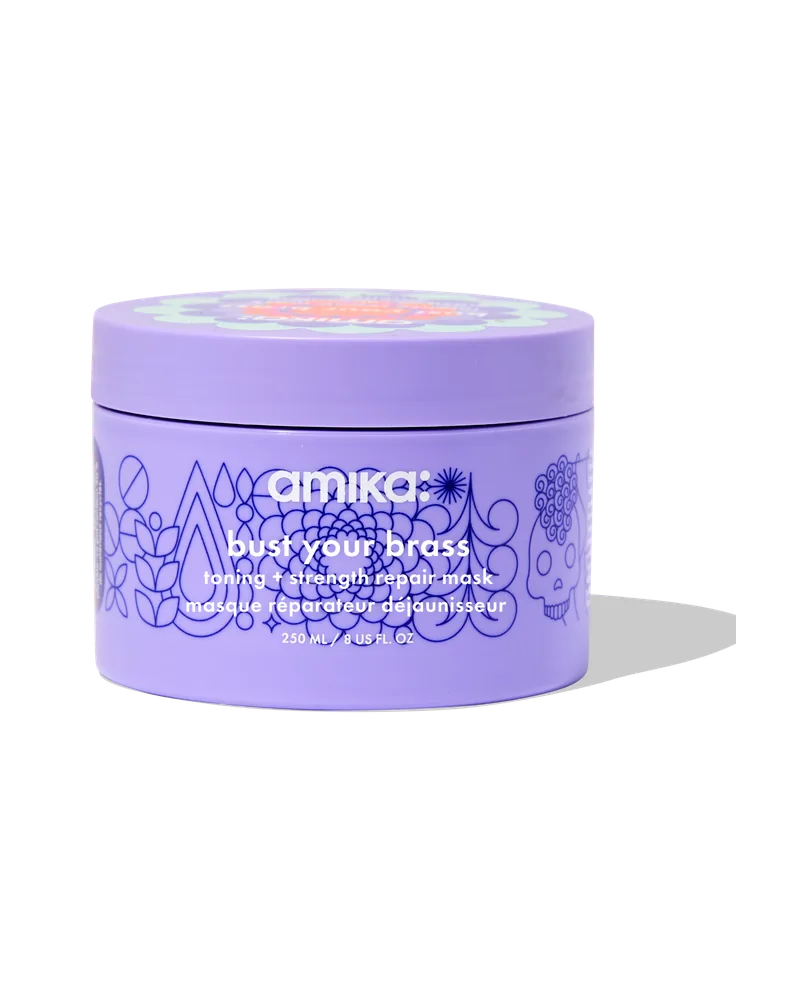 amika · Mask / treatment
Bust Your Brass Toning + Strength Repair Mask
#21 on the label · $5.50/oz
amika · Mask / treatment
Bust Your Brass Toning + Strength Repair Mask
#21 on the label · $5.50/oz
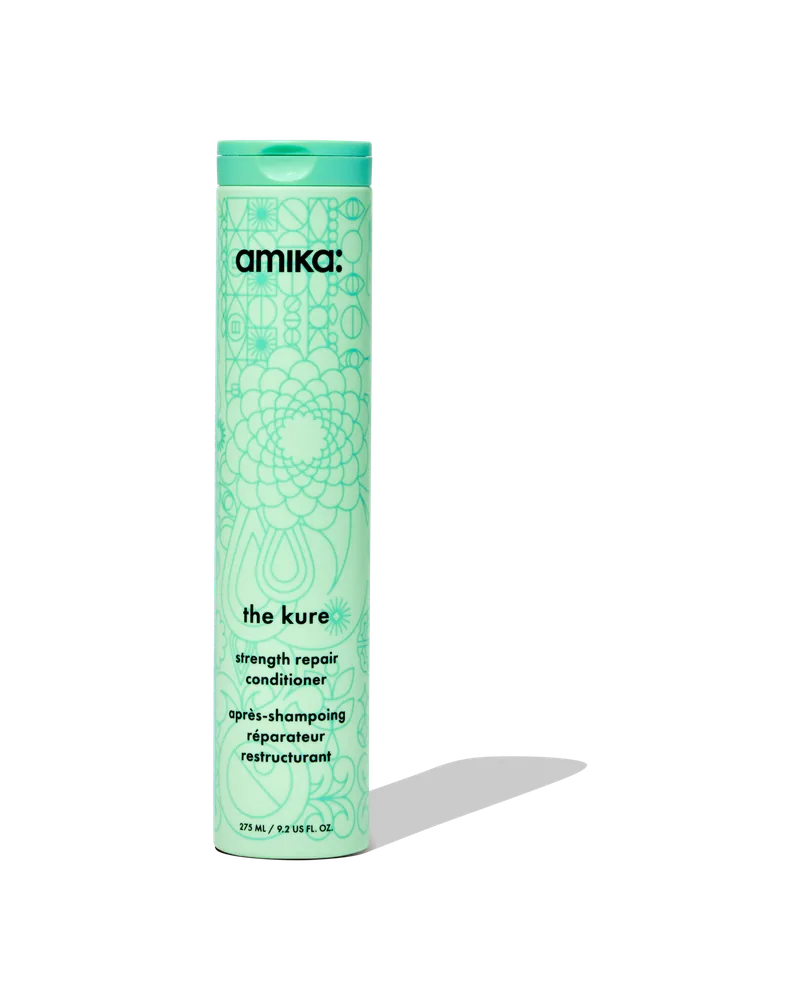 amika · Conditioner
The Kure Strength Repair Conditioner
#21 on the label · $3.04/oz
amika · Conditioner
The Kure Strength Repair Conditioner
#21 on the label · $3.04/oz
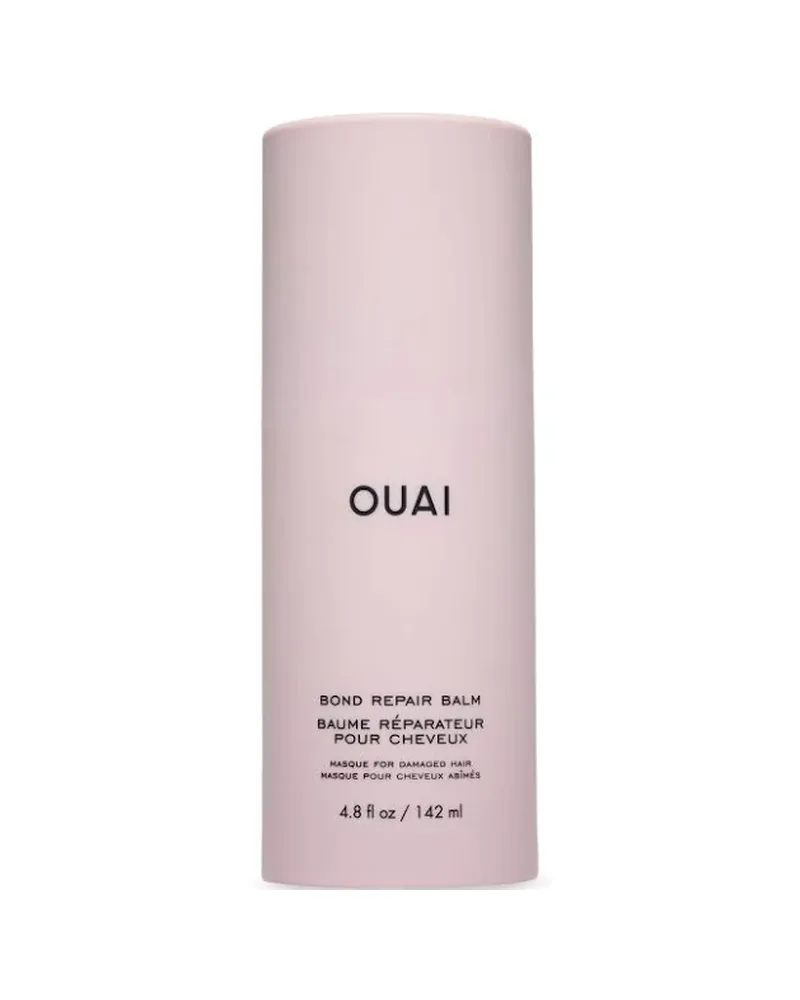 Ouai · Mask / treatment
Bond Repair Balm
#21 on the label · $10.42/oz
Ouai · Mask / treatment
Bond Repair Balm
#21 on the label · $10.42/oz
See all 19 products in the library that list Disodium Peg-12 Dimethicone Sulfosuccinate
Identity
What this entry is, and what our references call it.
No public-domain structure depiction is available for this entry.
Disodium Peg-12 Dimethicone Sulfosuccinate
- mild anionic cleanser
- emollient
- light ester
- water-soluble silicone
- disodium peg-12 dimethicone sulfosuccinate


For your hair?
Whether Disodium Peg-12 Dimethicone Sulfosuccinate matters for your hair depends on your hair.
19 products in our library list itWhat this ingredient does, and where it sits on the labels we have researched.
A verdict on any product that contains it, and never a safety grade.
We do not physically test your hair. Everything above is read from the ingredient lists in our library and from published references — the consultation is what turns it into a plan.
References
Seed entry — sourcing in progress Written from our reference work; primary sourcing is still being attached.
No published source is attached to this entry yet.
How this page was made
- Every number above is counted from the ingredient lists in our own product library — 19 of 3889 researched products list this ingredient. Nothing on this page is written per ingredient.
- The dots are named levels read from an ingredient’s chemical class, charge, solubility, or where it sits on the labels we have — never a score.
- US labelling rules put ingredients above 1% in descending order of amount; below 1% they may be listed in any order. Position tells you about relative amount only above that line, and we never convert a position into a percentage.
- The prominence bands (leading, supporting, secondary) are the same ones the product pages use to read a single label, applied here to the median position across a category.
- We do not publish safety scores or hazard grades. Where a regulator has published a restriction or a use condition, we state it and cite it; otherwise we describe what the ingredient does and stop.
- Identifiers and references appear only when a published source is attached to this entry; where none is, the row is simply absent rather than filled in.
- This is cosmetic information, not medical advice, and nothing here diagnoses or treats a health condition.
- Entry last updated 2026-09-02. Product-page methodology: the product library.