Hair Care Guides

Hand over one step at a time.
You stay in charge of the rest.

Learning to wash their own hair is a string of small skills, not something that happens on a birthday. Let a school-age child take one part they can manage, while you keep responsibility for the water, the product and checking the final rinse.

Your personal hair-care planProduct choices, routines and answers shaped around your hair.$49one-timeStart my consultation
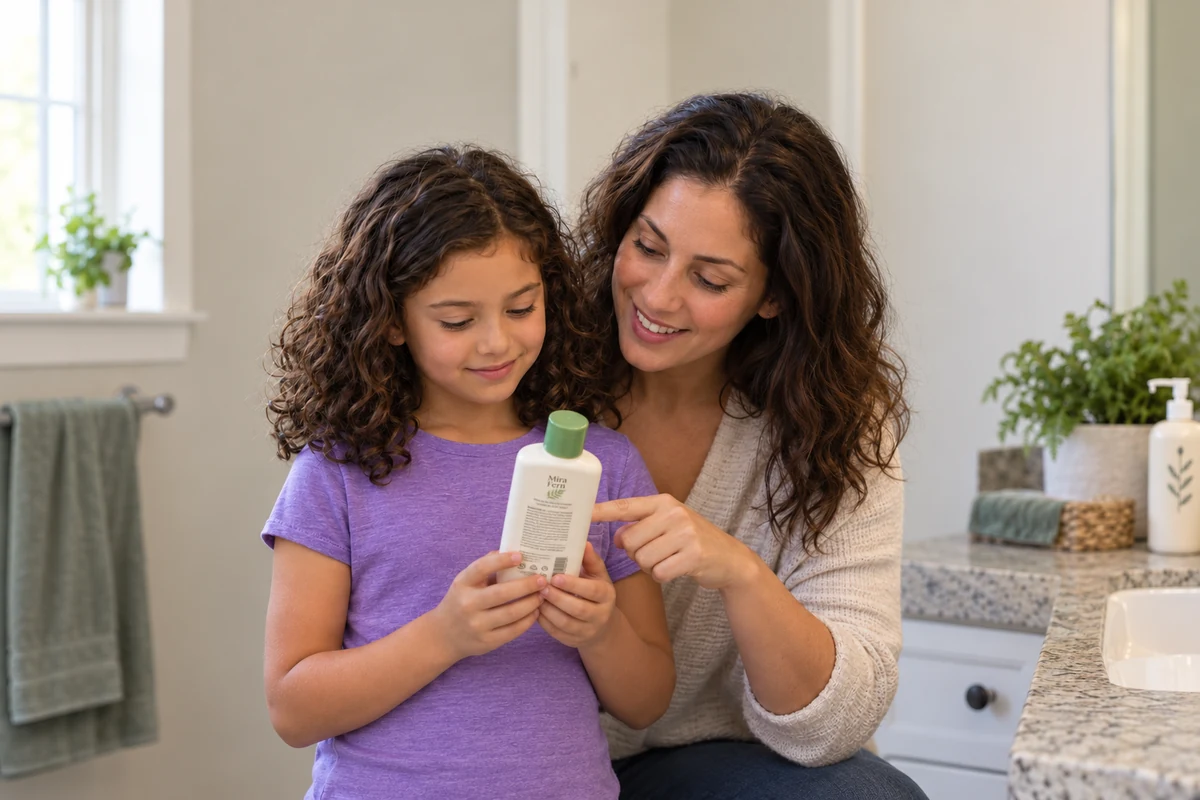
A child and caregiver look at a shampoo bottle held together before practising hair washing.
You stay in charge of the rest.

What is going on

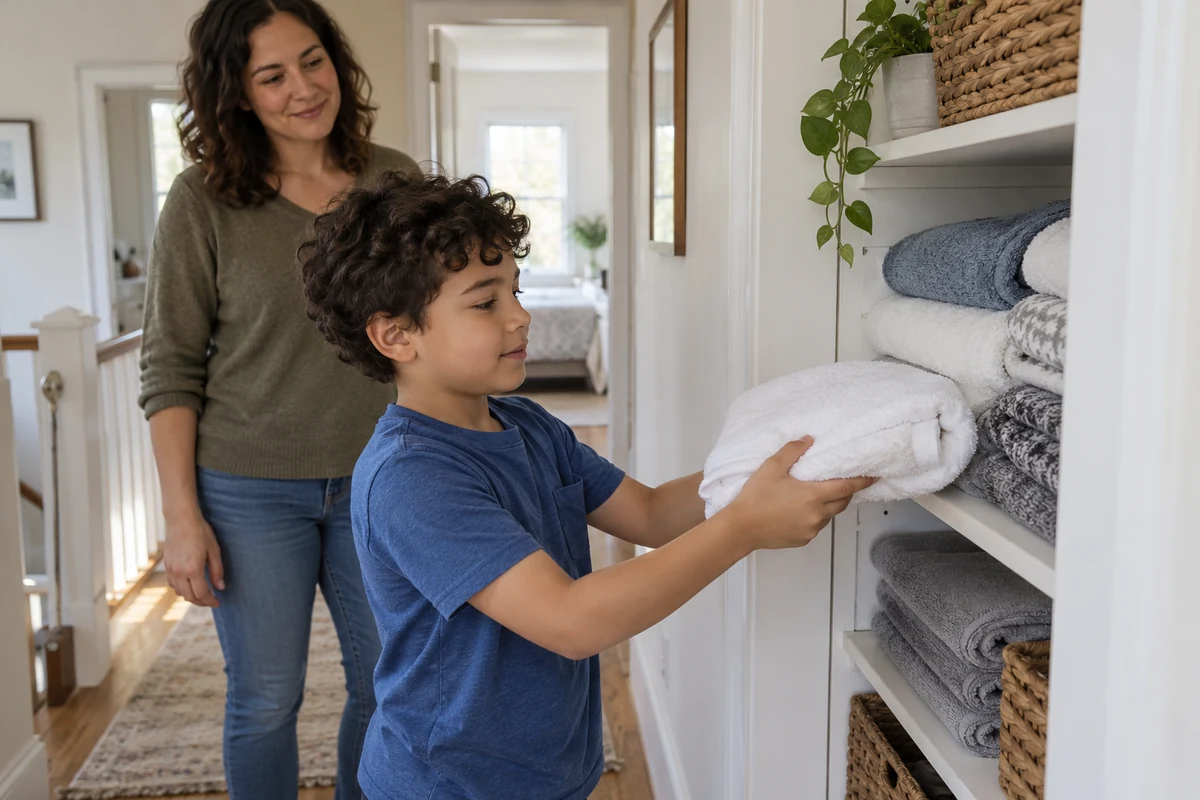
A child takes a folded towel from a low linen shelf while a caregiver watches nearby.

Start with the job they want

Begin with whatever step your child is keen to try, like fetching the towel, picking out the shampoo or practising gentle fingertip rubbing on dry hair. Show them, let them try, and only prompt when they need it. Keep everything else as it was.

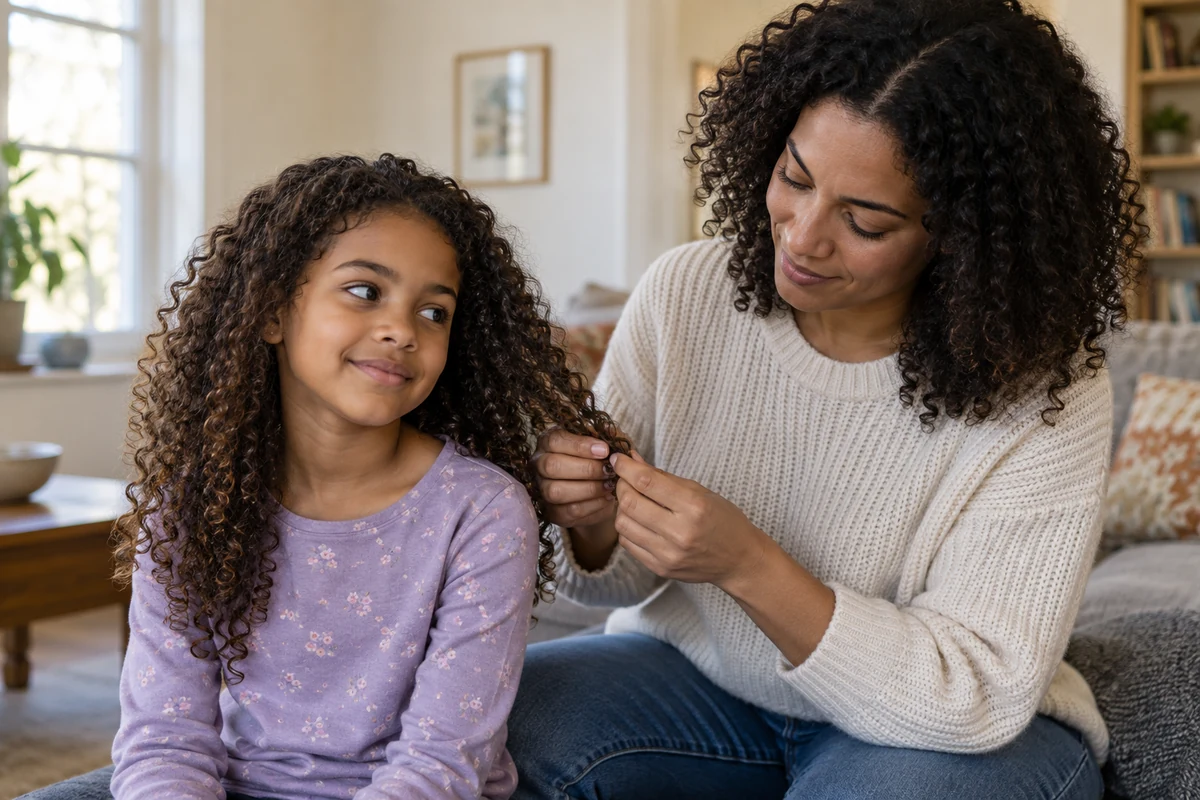
A caregiver supporting a small section of a child’s curly hair during gentle detangling.

Washing and detangling are separate skills

A child can manage the shampooing and still need you for rinsing thick roots or working through long curls. Agree which jobs are theirs and which stay yours. Add the next step once the current one is easy and repeatable, with no deadline attached.

What helps, day to day

A child points to the back of their dry hair while an adult watches during a practice session in a living room.

The back of the head always gets missed

  • Practice finding the crown, the sides and the nape on dry hair first.
  • In the bath, check whether water is reaching those spots and help with the parts they can’t get to.
  • Knowing the order and reaching everywhere are two different skills, so needing help with one isn’t going backwards.
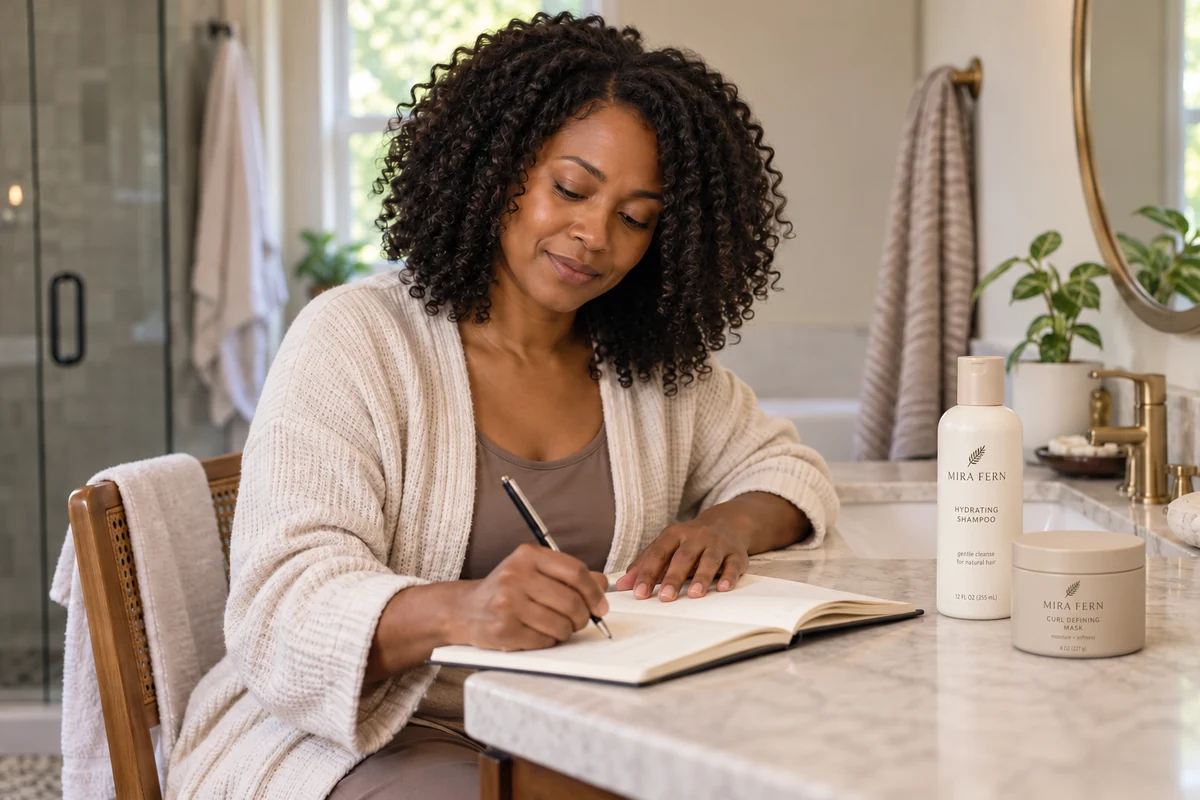
A woman with curls writing a routine note beside her hair-care products.

They lose the sequence halfway through

  • A short picture or written checklist, always in the same order, helps a lot.
  • Ask what comes next before stepping in.
  • Note which prompt worked and keep it the same between the adults who help.
  • If they’re tired or upset, stop the lesson and finish the rinse yourself.

Products, by the job they do

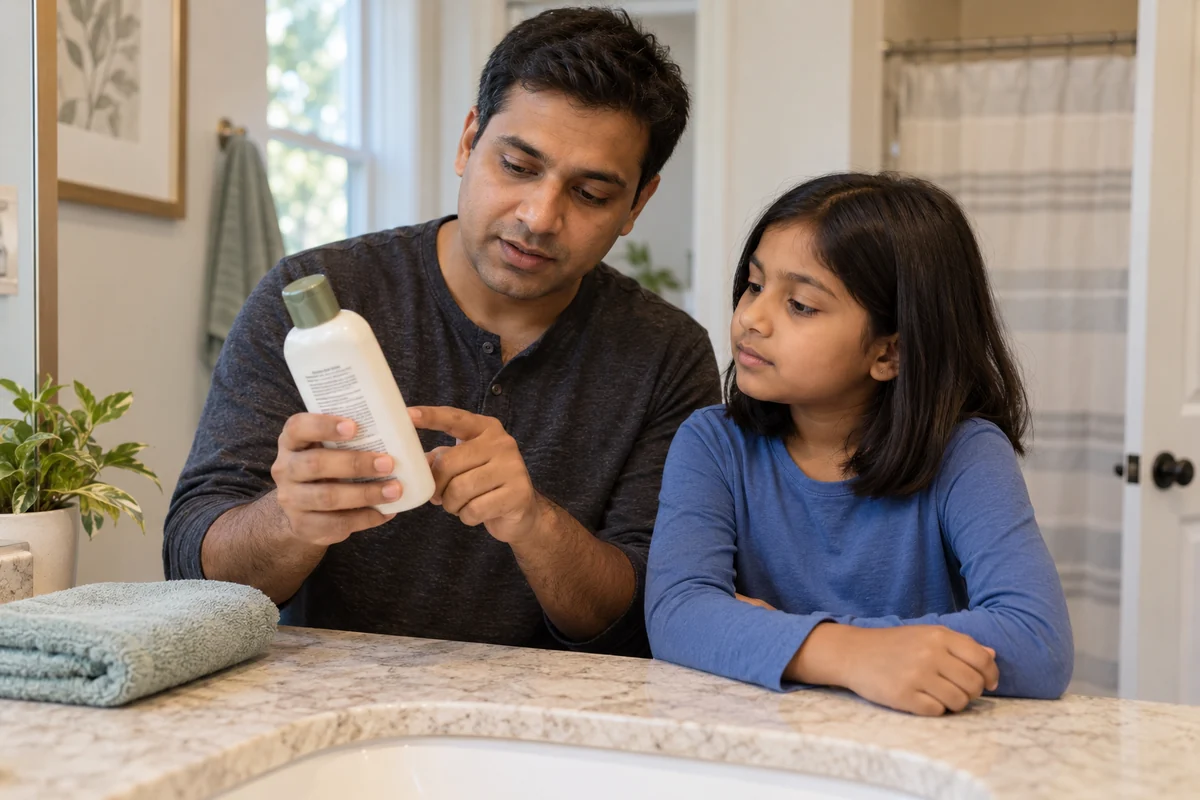
An adult and child look at the back label of a hair-care bottle together at a dry vanity.

Make the right bottle easy to spot

Pick a shampoo that suits a child and practice finding its bottle before bath time. An adult still checks the label and the amount for now.

Browse cleansing products. Your current shampoo, wash schedule and past treatments help guide a personal recommendation.

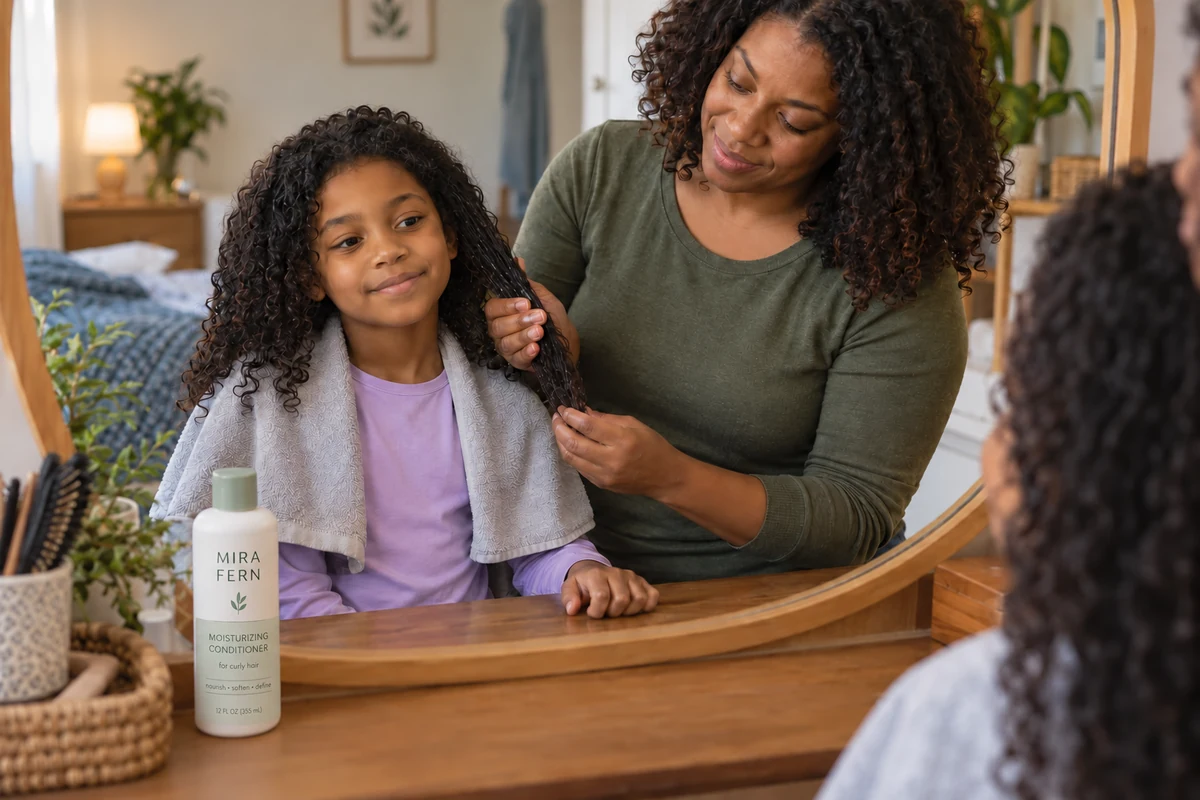
An adult supports a damp section of a child’s curly hair while smoothing conditioner through its lower lengths.

Give conditioner its own spot in the order

Dry or curly lengths may still need conditioner. Keep it clearly separate from the shampoo, with its own step for putting it in and rinsing it out. You can carry on doing the conditioning and detangling while your child learns the easier part.

Browse rinse-out conditioners. Your tangles, past treatments and preferred finish help guide a personal conditioner recommendation.

How to do it

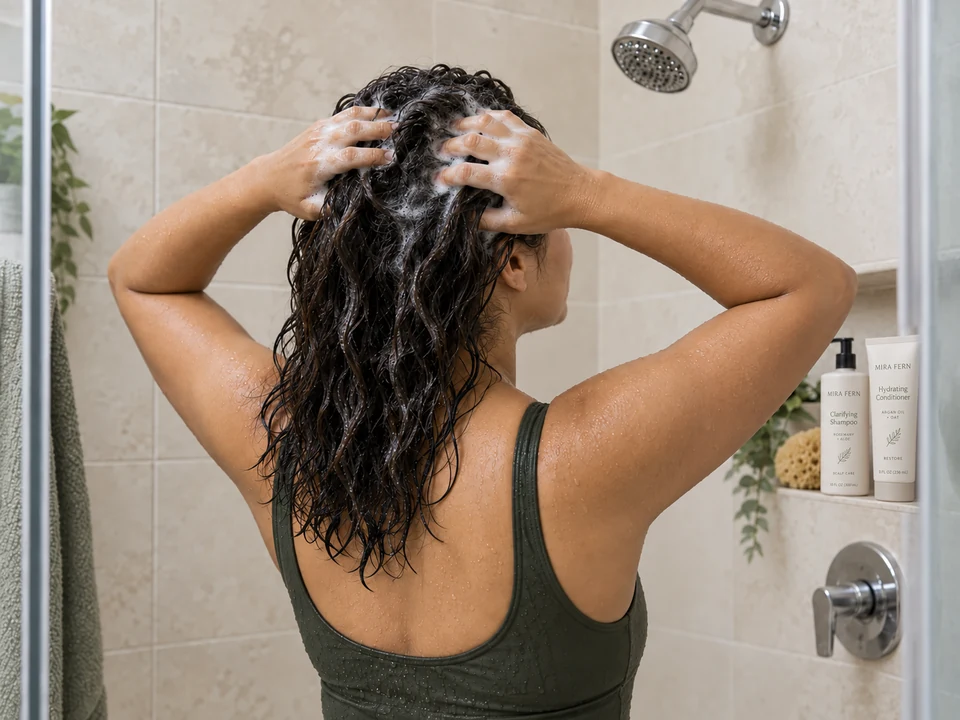
A woman uses both hands to gently work shampoo at the back and sides of her scalp, with the lengths hanging loose.

1. Show the scalp movement on yourself first

The linked guide shows an adult doing it. Use it as a reference, then demonstrate gentle finger pads on your own head and watch your child try with their own shampoo. Nails stay off the scalp and product stays out of eyes.

Guide: Shampoo your scalp
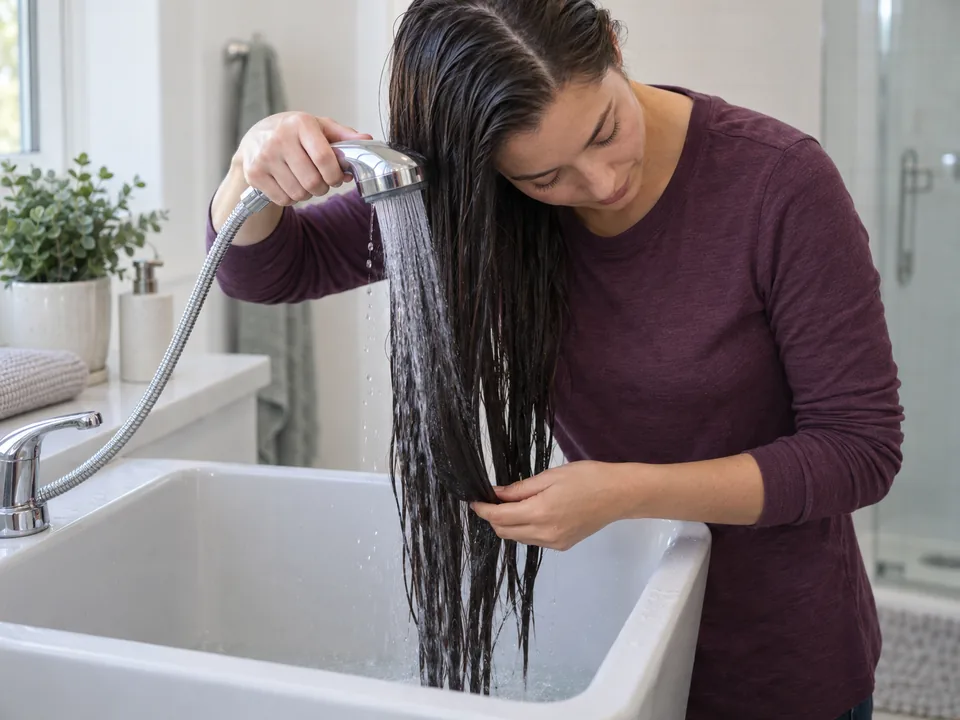
One hand holds a sprayer above long wet hair while the other supports the lengths over a deep basin.

2. Keep the final rinse a shared job

Look at the adult version, then adapt it with you alongside. Help rinse every section until there are no suds left. You stay in charge of the water and the last check. Ticking every box doesn’t yet mean they’re ready to wash alone.

Guide: Rinse shampoo and conditioner completely

Illustrated care examples: before & after

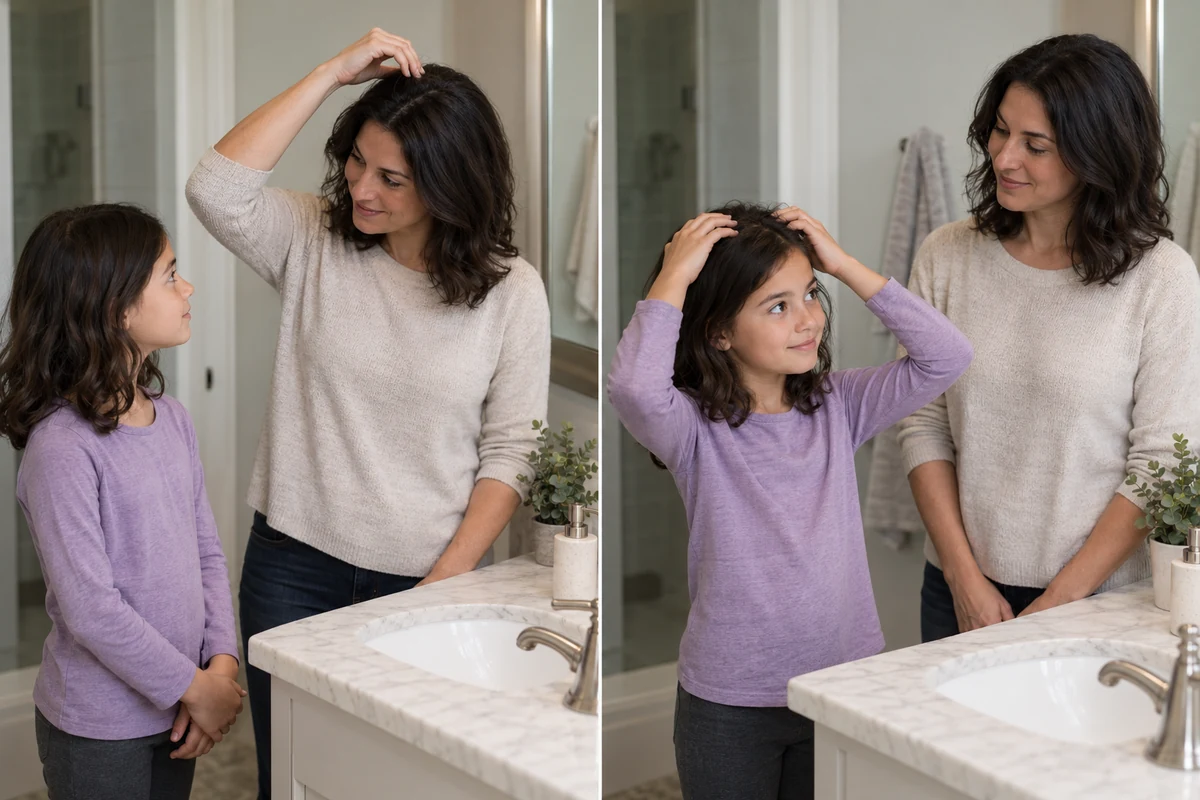
Practice before the water

Two panels show a caregiver demonstrating gentle scalp contact on their own head, then a child rehearsing the contact on dry hair.
Before · watching a demonstrationAfter the change · trying the movement, supervised
A dry run of the washing motion, with a grown-up watching. The real wash still needs supervision and a check of product and rinsing.

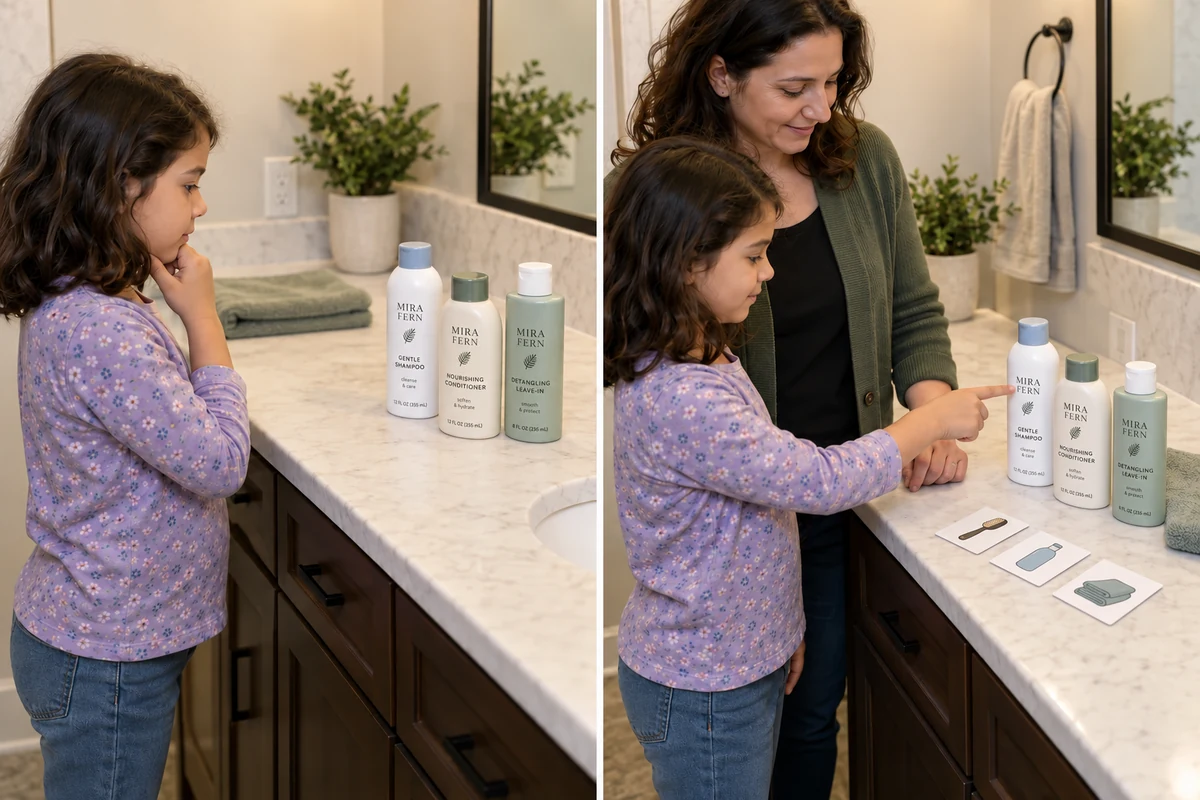
A short, recognizable lineup

Two panels show a child looking at several bottles, then pointing to selected bottles and picture cards with a caregiver beside them.
Before · several bottles to choose fromAfter the change · chosen bottles in order
At a dry counter, the crowd of bottles becomes two or three in the order they are used. An adult still checks safety and the final rinse.
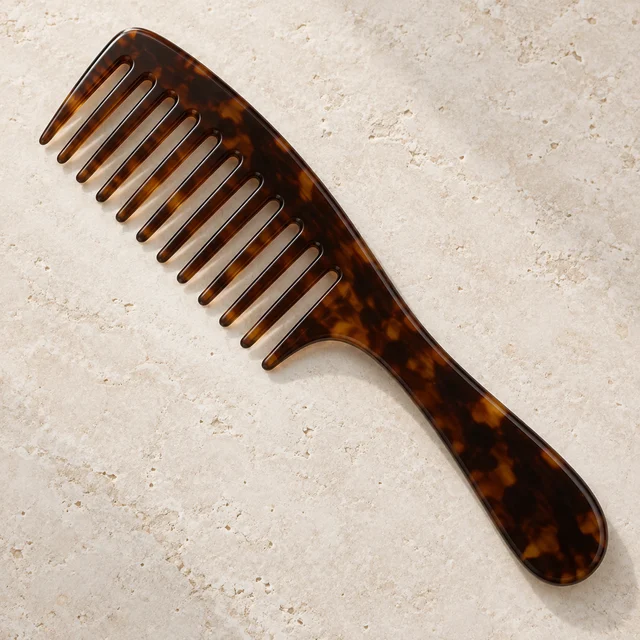
Wide-tooth comb

Help with your hair-care routine

Bring your hair-care questions to the consultation. You can also read A gentler routine for a child’s tangles.

  • Which step makes a good first job for my child?
  • What should I keep doing myself?
  • How do we adapt this for long or curly hair?

What your child can already do, how they communicate, their hair pattern and length, how their scalp is and who’s around to help all shape the plan. Tell us which jobs they manage and which still need you. More independence and supervision go together.

The Hair Care Consultation gives you a personal plan with product recommendations, routines and guidance on your hair-care questions.

$49 with 60 days of follow-ups, or $99 with 12 months. Pay once; the year renews only if you choose.