Hair Care Guides

You don’t need a porosity score.
What you notice is enough to go on.

If you’ve floated a strand in a glass and come away more confused, you’re not alone. You don’t need a porosity label to pick your next step. What your hair has been through, how it tangles and how it feels dry tell you more.

Your personal hair-care planProduct choices, routines and answers shaped around your hair.$49one-timeStart my consultation
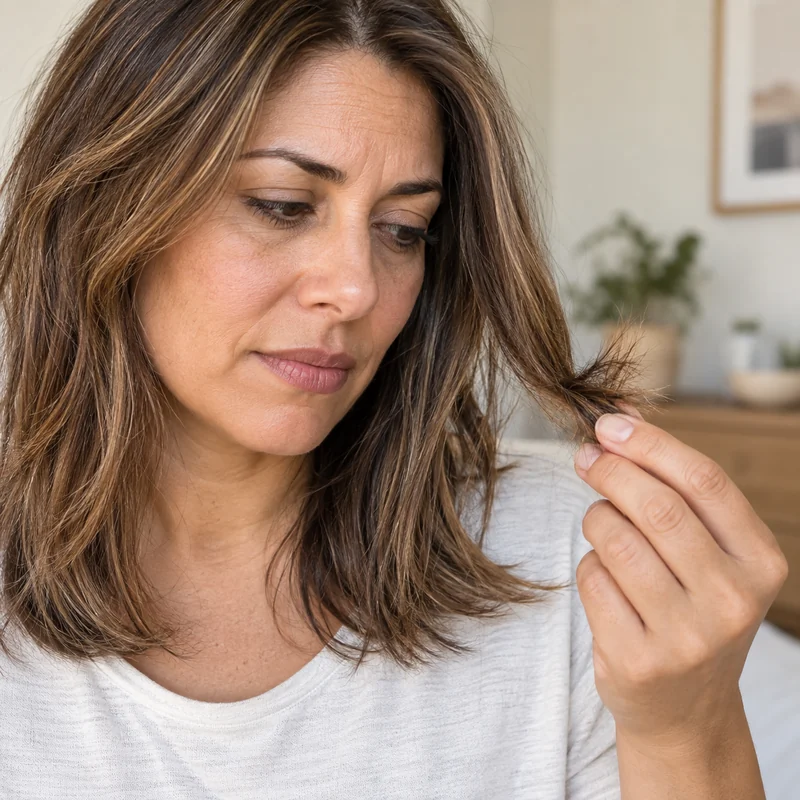
A woman comparing her roots with the ends of her highlighted hair.
What you notice is enough to go on.

What is going on

A woman examining rough, uneven ends in a section of highlighted hair.

History tells you more than a quick test

Bleach, chemical services and years of wear change the surface of a hair. Your roots are new and your ends are old, so they often behave like two different heads of hair. One label can’t describe both.

A woman with curls writing a routine note beside her hair-care products.

Notice things without scoring them

Pay attention to how a product spreads, whether detangling gets easier and how your hair feels once dry. How long it takes to wet and to dry depends on how much hair you have, its length, what’s already on it and the weather.
What helps, day to day

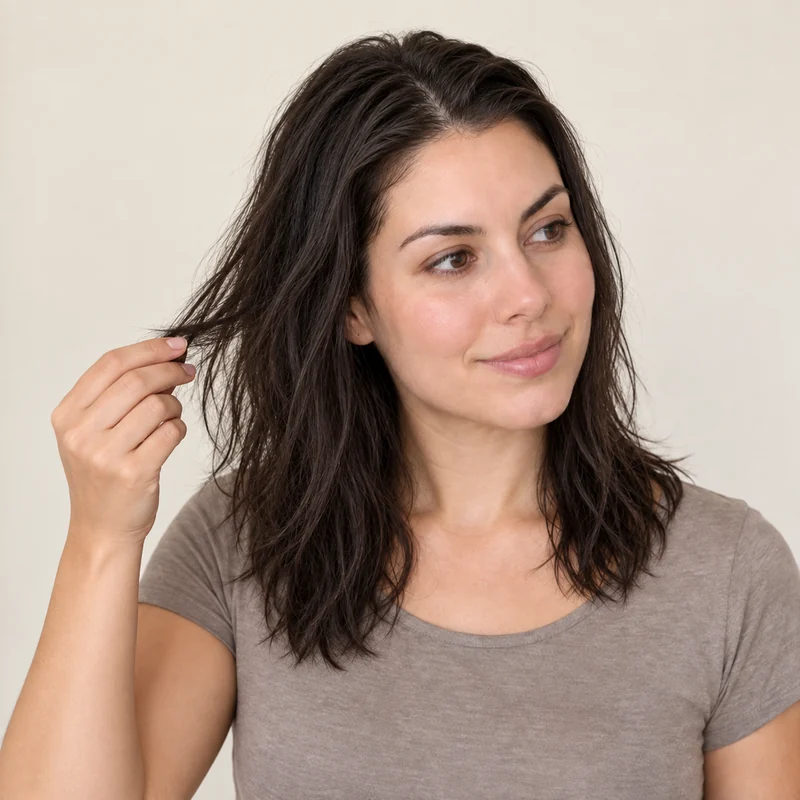
A woman gently feeling a section of her loose hair with her fingers, with no visible product.

Water seems to sit on top of your hair

  • Wet your hair in sections so the water reaches the layers underneath.
  • Check for leftover product before you reach for more heat or a richer mask.
  • Beading water on its own doesn’t tell you much.
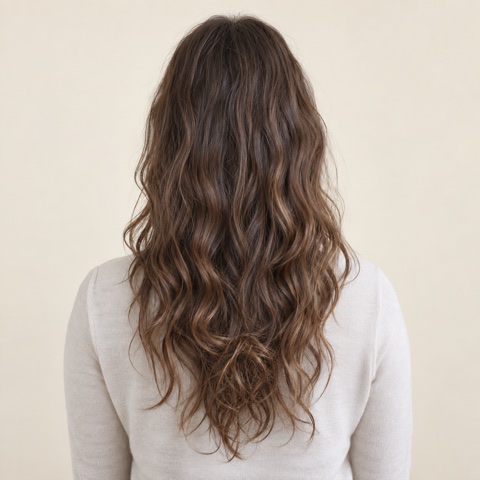
Wavy hair with tangles concentrated near the ends.

Your ends feel rough soon after washing

  • Pick a conditioner for slip and think about what’s rubbing those ends.
  • Old ends often need more care than new roots do.
  • Change one thing, then compare how detangling and the dry finish went, instead of reading roughness as proof of a porosity type.
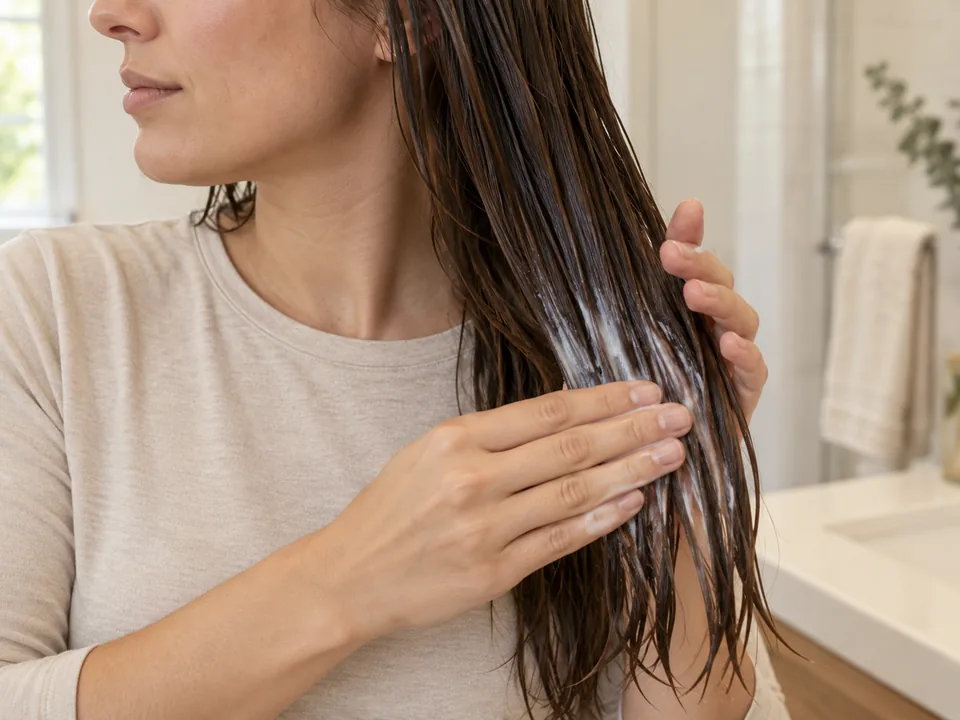
A woman applying conditioner from her roots through her lengths.

Porosity advice left you coated

  • Use less, or drop a layer, and see how it goes.
  • A product chosen for an online hair type can still be too heavy for the finish you actually want.

Products, by the job they do

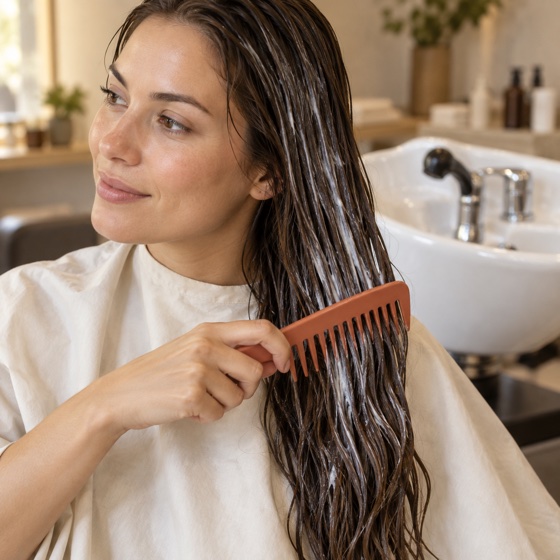
A woman detangling conditioned hair with a wide-tooth comb.

Pick conditioner by how it performs

Judge a conditioner by how easily your ends detangle and how your hair feels dry. The whole formula matters more than a list of ingredients that supposedly suit one porosity type.

Browse rinse-out conditioners. For conditioner recommendations, share where your hair tangles and which products you have tried.
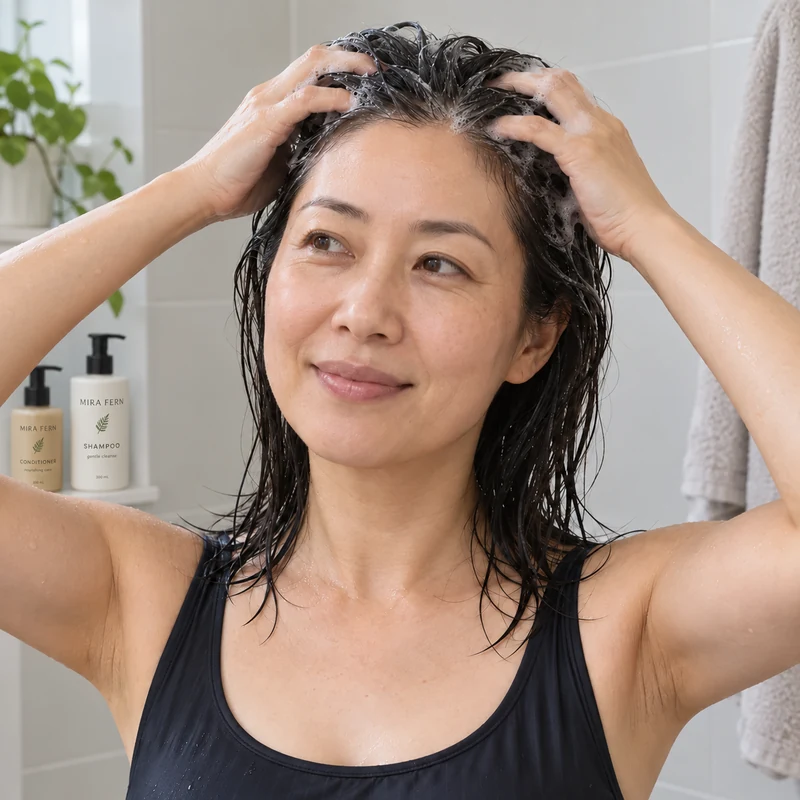
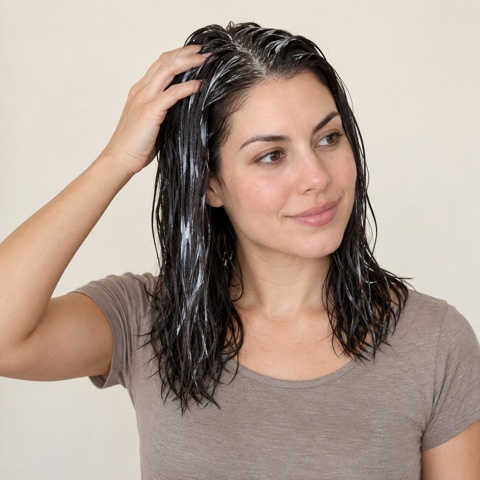
A woman massaging shampoo lather onto her scalp with her fingertips.

Keep a steady wash

Wash for your scalp’s oil and whatever product is sitting on your hair. There’s no reason to add clarifying washes just to make a glass-of-water test behave differently.

Browse cleansing products. For shampoo recommendations, share how your roots feel between washes and what you use now.
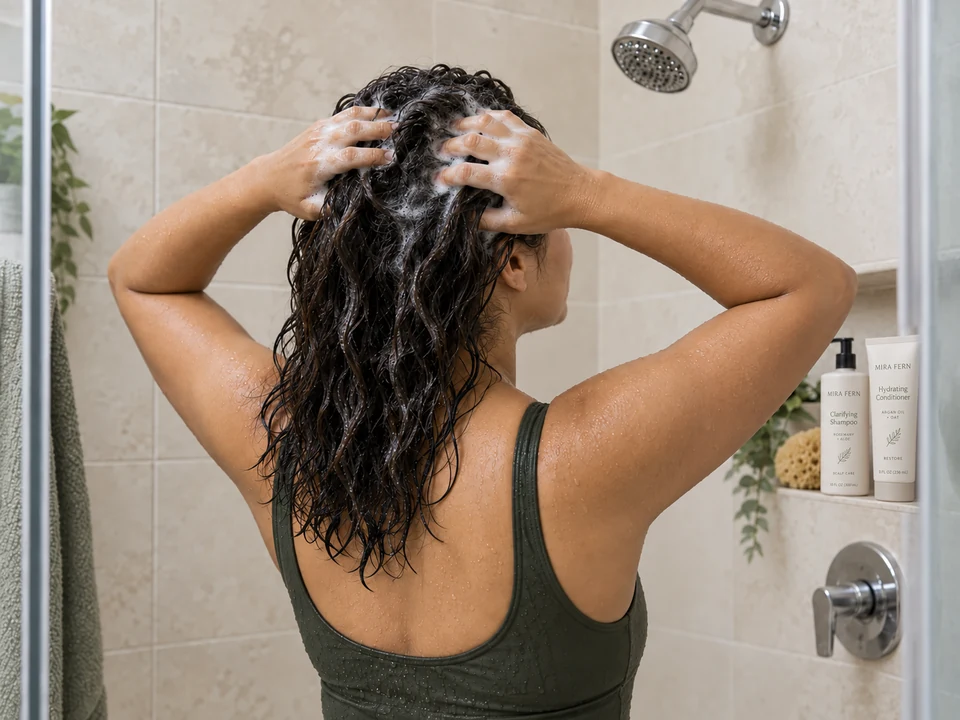
How to do it

A woman uses both hands to gently work shampoo at the back and sides of her scalp, with the lengths hanging loose.

1. Wet and wash properly

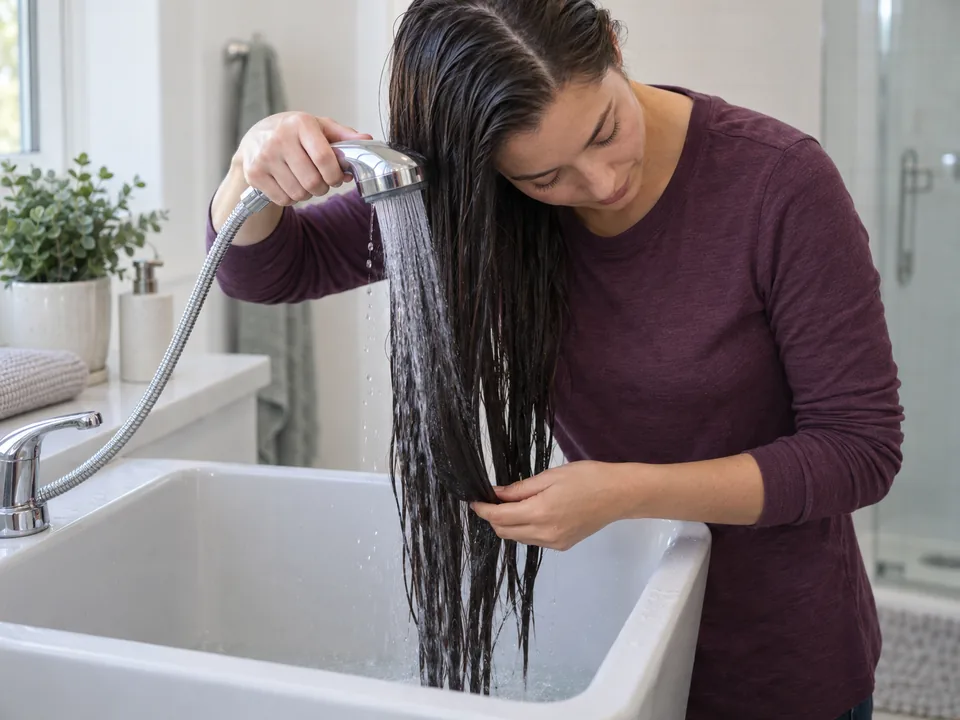
Make sure water actually reaches your scalp and the sections underneath, not just the top layer.

Guide: Shampoo your scalp
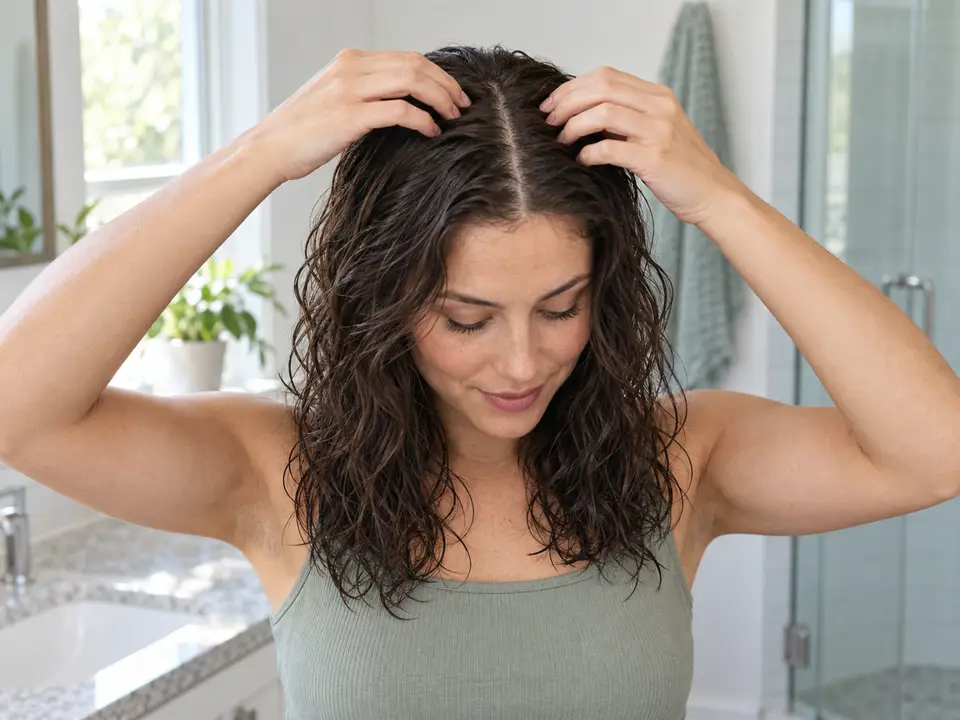
A woman places her fingertips on either side of the part in her damp hair, with the lengths hanging loose.

4. Judge it dry

Wait until your hair is fully dry before deciding whether it feels heavy, soft or well held.

Guide: Air-dry your hair
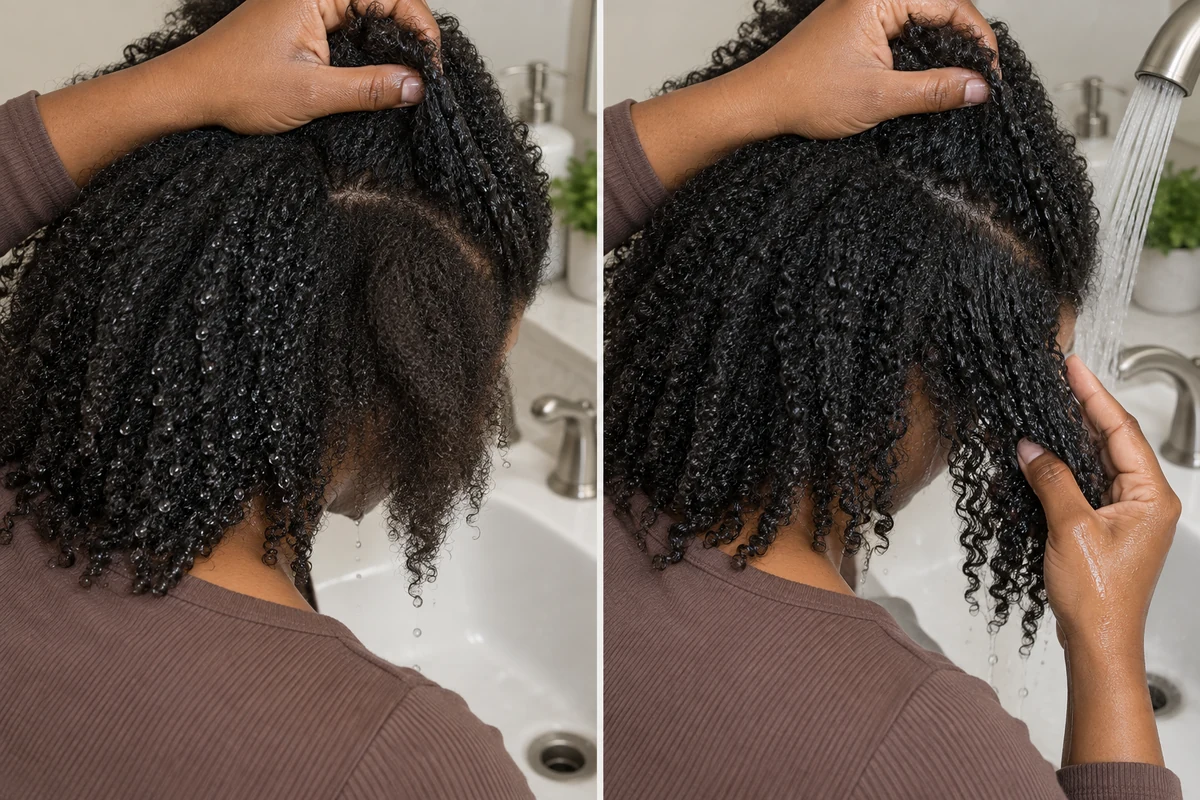
Illustrated care examples: before & after

Water into the inner sections

Illustrated care comparison: The surface is wet while an inner section remains dry. Opening the section lets water wet the inner hair too.
Before · wet surface, dry insideAfter care · water through the opened section
The surface was wet while the inside stayed dry. Opening the section lets the water through. Uneven wetting is worth noticing, but it isn’t a porosity score.

Ends and roots, handled differently

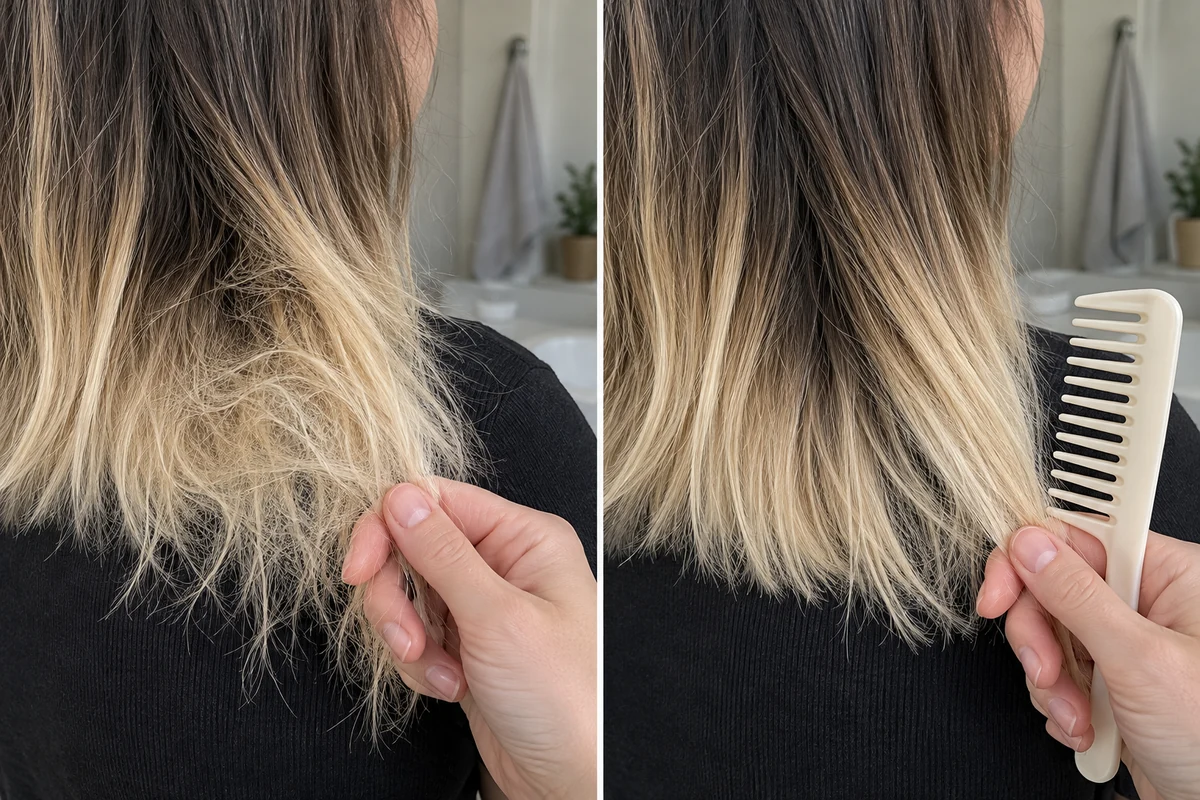
Illustrated care comparison: Natural roots and rough, lightened ends behave differently in the same head of hair. Targeted conditioning and detangling make the older ends easier to handle.
Before · rough lightened ends, smoother rootsAfter care · older ends detangled, roots untouched
The lightened older ends are detangled on their own, the natural roots left as they were. How each part handles beats one label for the whole head.
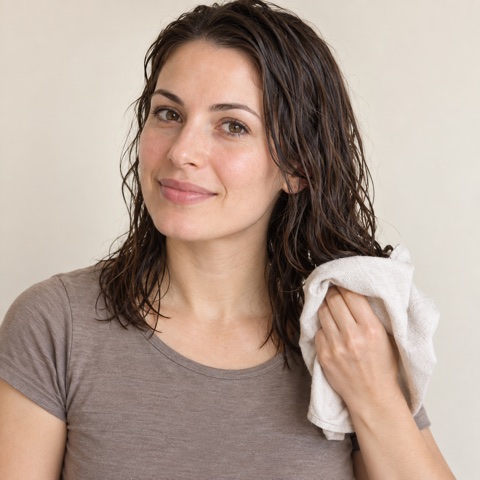
A woman gently squeezing damp hair with a towel.

Help with your hair-care routine

Bring your hair-care questions to the consultation. You can also read this related guide.

  • What should I actually pay attention to when picking products?
  • Why do my roots and my ends need different things?
  • Is this rich conditioner helping, or just coating my hair?

The plan uses the hair and scalp details you share, past treatments, current products, preferences and the time and budget you have.

The Hair Care Consultation gives you a personal plan with product recommendations, routines and guidance on your hair-care questions.

$49 with 60 days of follow-ups, or $99 with 12 months. Pay once; the year renews only if you choose.